

10 Best Barbell Side Split Squat Alternatives for Quad Development
The Barbell Side Split Squat is done standing with a barbell. Ranked closest by our scoring: the Suspended Split Squat, Split Squats and the Balance Board.
Updated Ranked by our 12-factor similarity model How it works
Original Exercise: Barbell Side Split Squat
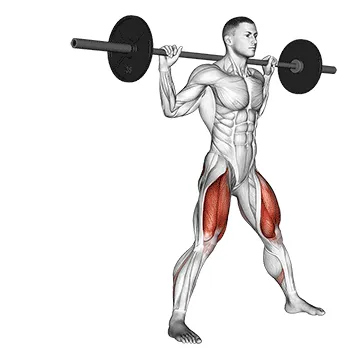
- Primary muscle
- Quads
- Equipment
- Barbell
- Difficulty
- Intermediate
- Type
- Compound
Secondary muscles: Glutes, Hamstrings, Calves
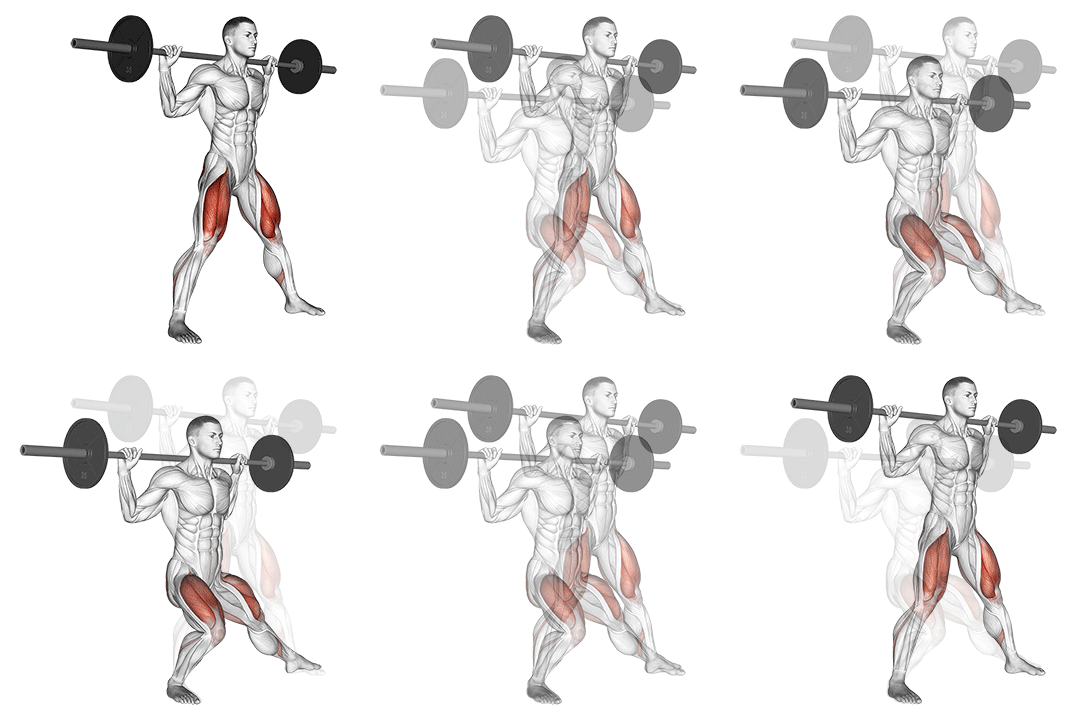
How to perform Barbell Side Split Squat
- Stand with your feet wider than shoulder-width apart, toes pointing slightly outwards.
- Hold a barbell across your upper back, resting it on your shoulders.
- Take a big step to the side with your right foot, keeping your left foot planted.
- Bend your right knee and lower your body down into a squat position, keeping your chest up and your back straight.
- Push through your right heel to return to the starting position.
- Repeat on the other side, stepping out with your left foot.
- Continue alternating sides for the desired number of repetitions.
Ranked Barbell Side Split Squat Alternatives
10 substitutes, ranked by how closely each one matches the Barbell Side Split Squat on movement pattern, muscles worked, equipment and body position. The higher the score, the less you change. Open "How to perform this exercise" on a card for the steps; every card title links to that exercise's own alternatives page.
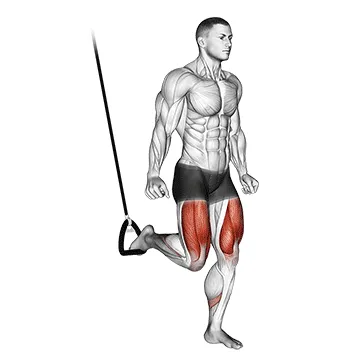
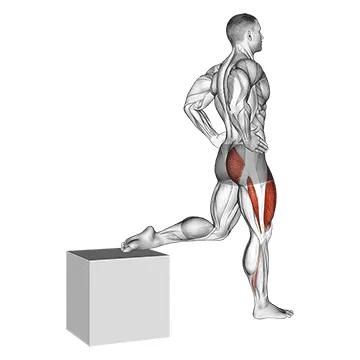
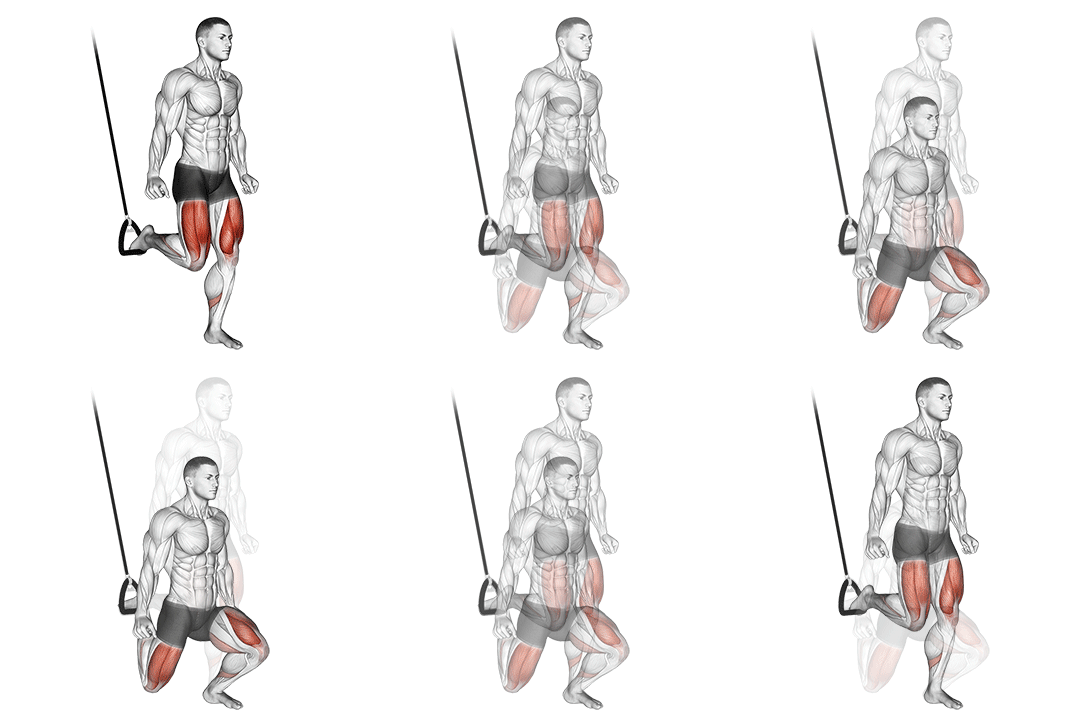
Best match 1. Suspended Split Squat
81% match- Quads
- Bodyweight
- Intermediate
- Compound
Use this when you have nothing to train with, because it works the quads with bodyweight alone.
How to perform this exercise
- Stand facing away from a suspension trainer with your feet shoulder-width apart.
- Extend one leg forward and place the top of your foot in the foot cradle of the suspension trainer.
- Bend your standing leg and lower your body down into a lunge position, keeping your chest up and your knee in line with your toes.
- Push through your heel to return to the starting position.
- Repeat for the desired number of repetitions, then switch legs.
Sets and reps: 3 or 4 sets of 6 to 10 reps on each side.
Why this matches
- Movement: split squat, the same as the Barbell Side Split Squat
- Primary muscle: quads, the same as the Barbell Side Split Squat
- Equipment: a suspension trainer, not free weights
- Body position: standing, the same as the Barbell Side Split Squat
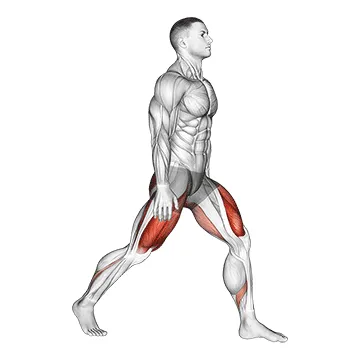
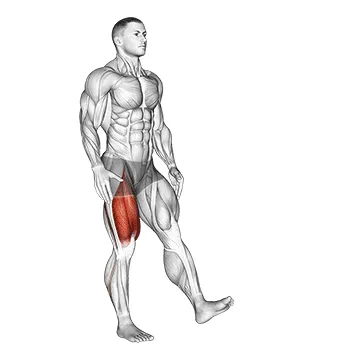
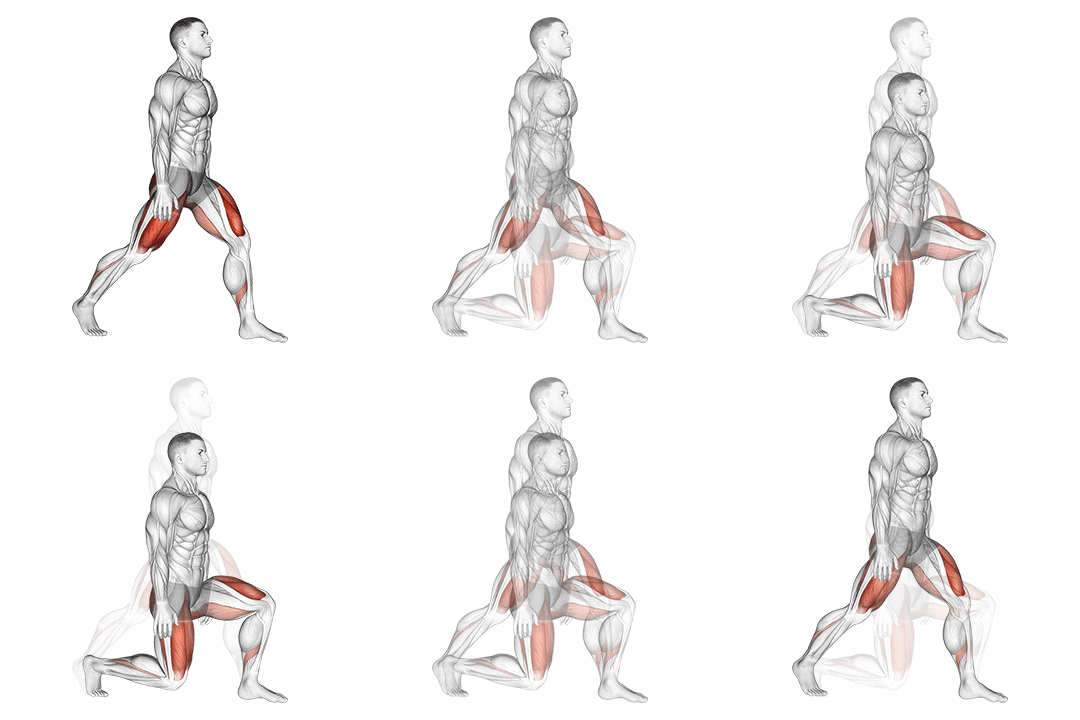
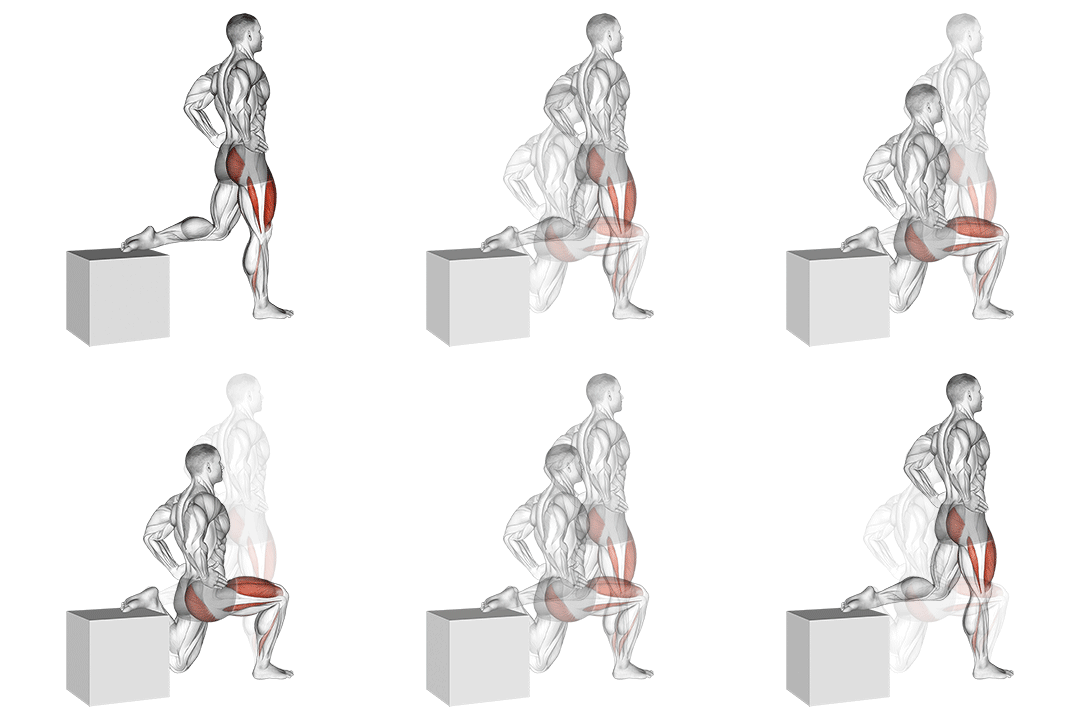
2. Split Squats
79% match- Quads
- Bodyweight
- Intermediate
- Compound
How to perform this exercise
- Stand with your feet shoulder-width apart.
- Take a step forward with one foot and place it about two feet in front of the other foot.
- Lower your body by bending your knees and hips, keeping your back straight.
- Continue lowering until your front thigh is parallel to the ground, and your back knee is hovering just above the ground.
- Pause for a moment, then push through your front heel to return to the starting position.
- Repeat for the desired number of repetitions, then switch legs and repeat.
Sets and reps: 3 or 4 sets of 6 to 10 reps on each side.
Why this matches
- Movement: split squat, the same as the Barbell Side Split Squat
- Primary muscle: quads, the same as the Barbell Side Split Squat
- Equipment: bodyweight only, not free weights
- Body position: standing, the same as the Barbell Side Split Squat
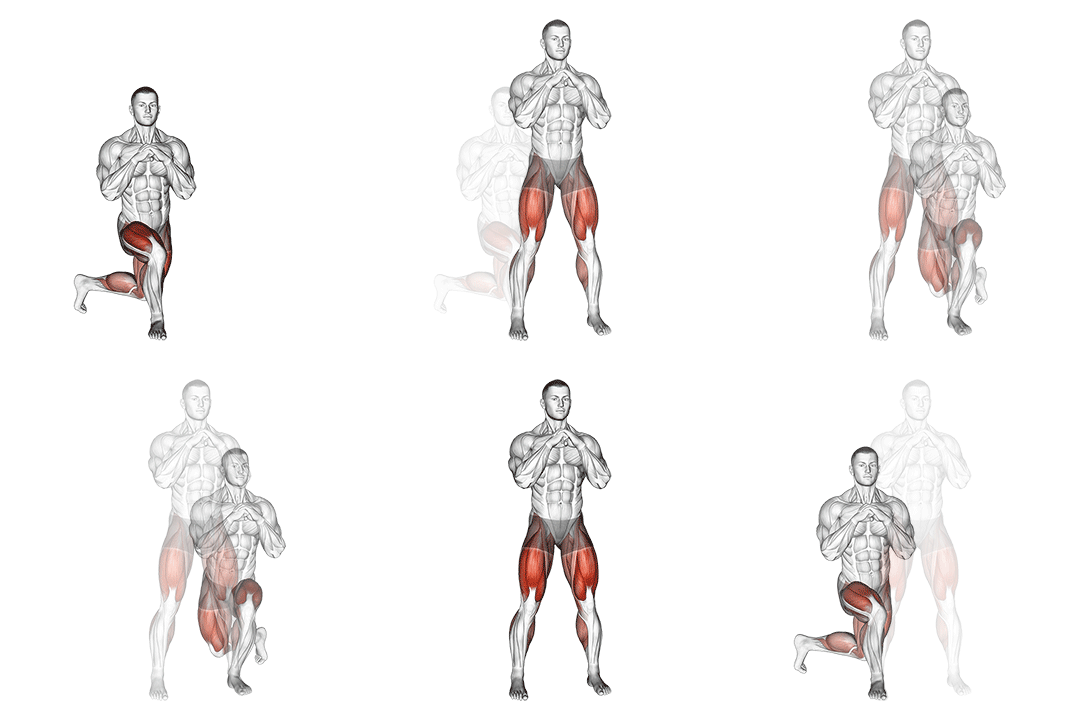
3. Curtsey Squat
64% match- Glutes
- Bodyweight
- Beginner
- Compound
A looser match: it works the glutes rather than the quads.
How to perform this exercise
- Stand with your feet shoulder-width apart.
- Take a step diagonally behind and across your body with your right foot, crossing it behind your left leg.
- Bend both knees as if you were curtsying, lowering your body towards the ground.
- Keep your torso upright and your weight on your front foot.
- Push through your front foot to return to the starting position.
- Repeat on the other side, stepping diagonally behind and across your body with your left foot.
Sets and reps: 3 sets of 8 to 12 reps on each side, and add reps before you add load.
Why this matches
- Primary muscle: glutes, not quads
- Equipment: bodyweight only, not free weights
- Body position: standing, the same as the Barbell Side Split Squat
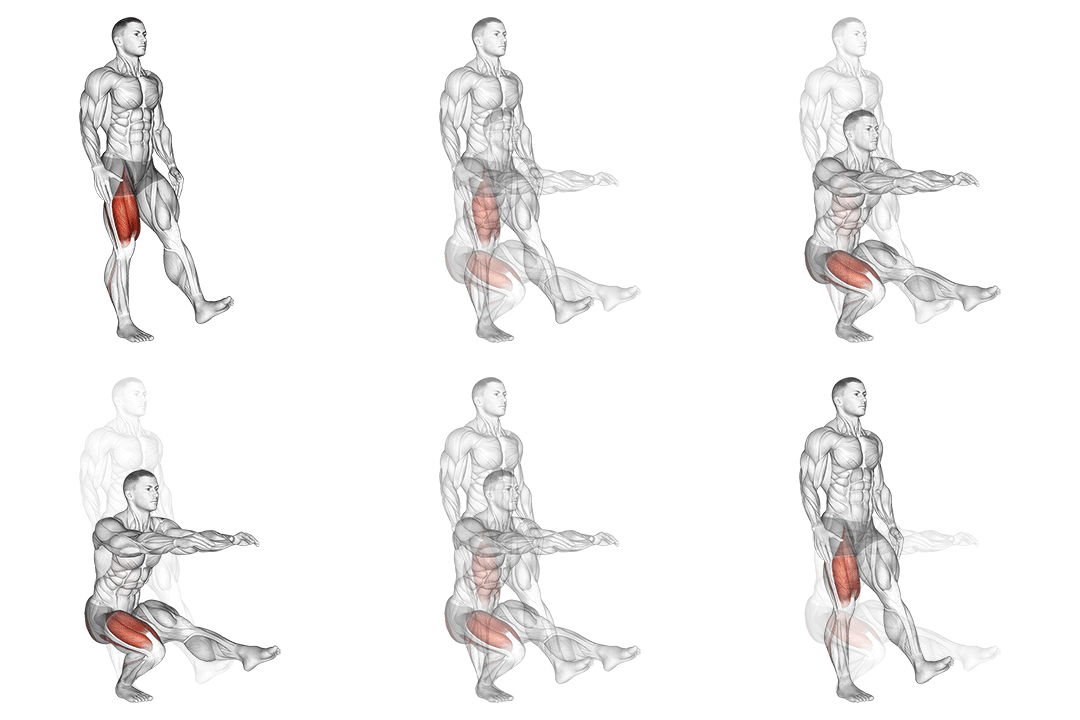
4. Single Leg Squat (Pistol) Male
64% match- Glutes
- Bodyweight
- Advanced
- Compound
How to perform this exercise
- Stand with your feet shoulder-width apart and arms extended in front of you.
- Lift your right foot off the ground and extend it forward.
- Slowly lower your body down by bending your left knee and pushing your hips back.
- Keep your chest up and your back straight as you lower yourself down.
- Lower until your left thigh is parallel to the ground, or as low as you can comfortably go.
- Pause for a moment at the bottom, then push through your left heel to return to the starting position.
- Repeat for the desired number of repetitions, then switch legs.
Sets and reps: 3 or 4 sets of 6 to 10 reps on each side.
Why this matches
- Primary muscle: glutes, not quads
- Equipment: bodyweight only, not free weights
- Body position: standing, the same as the Barbell Side Split Squat
5. One Leg Squat
64% match- Glutes
- Bodyweight
- Advanced
- Compound
How to perform this exercise
- Stand with your feet shoulder-width apart.
- Extend one leg forward, keeping it off the ground.
- Bend your standing leg and lower your body down as if sitting back into a chair.
- Keep your chest up and your back straight.
- Push through your heel to return to the starting position.
- Repeat with the other leg.
Sets and reps: 3 or 4 sets of 6 to 10 reps on each side.
Why this matches
- Primary muscle: glutes, not quads
- Equipment: bodyweight only, not free weights
- Body position: standing, the same as the Barbell Side Split Squat
- Balance: harder to stay steady on than the Barbell Side Split Squat
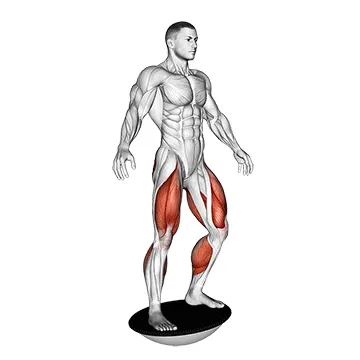
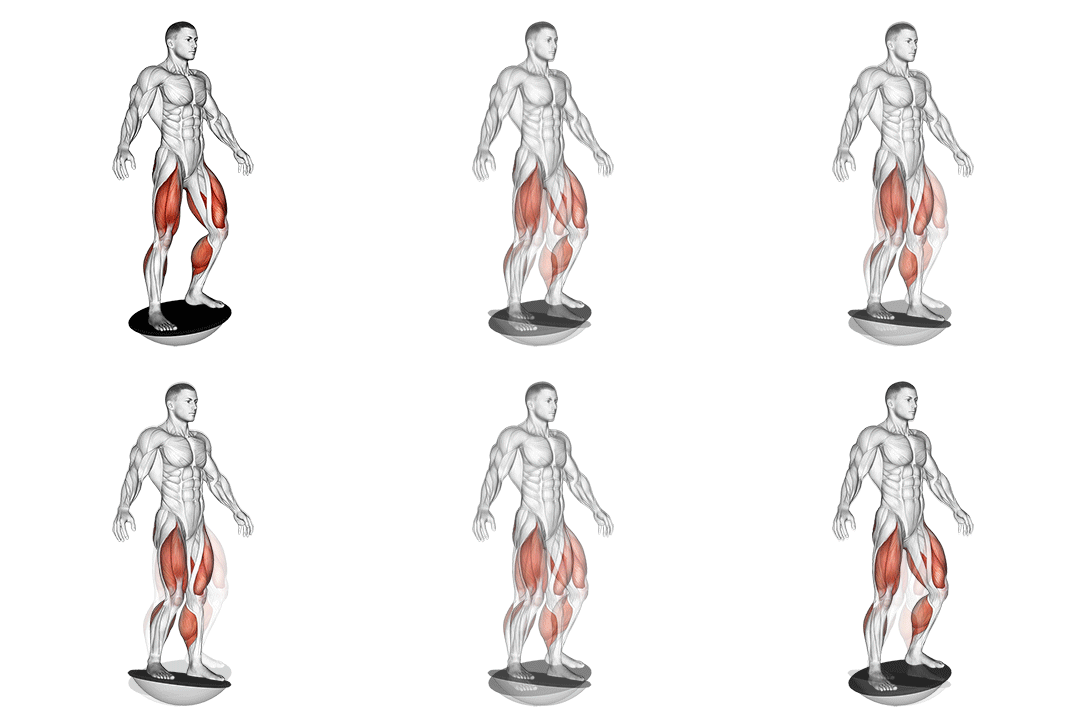
6. Balance Board
64% match- Quads
- Bodyweight
- Intermediate
- Compound
How to perform this exercise
- Place the balance board on a flat surface.
- Step onto the balance board with one foot, ensuring it is centered.
- Slowly shift your weight onto the foot on the balance board, keeping your core engaged.
- Maintain your balance and stability as you hold the position for a desired amount of time.
- Repeat the exercise with the other foot.
Sets and reps: Hold for 20 to 30 seconds, 3 sets.
Why this matches
- Primary muscle: quads, the same as the Barbell Side Split Squat
- Equipment: bodyweight only, not free weights
- Body position: standing, the same as the Barbell Side Split Squat
- Quads
- Bodyweight
- Intermediate
- Compound
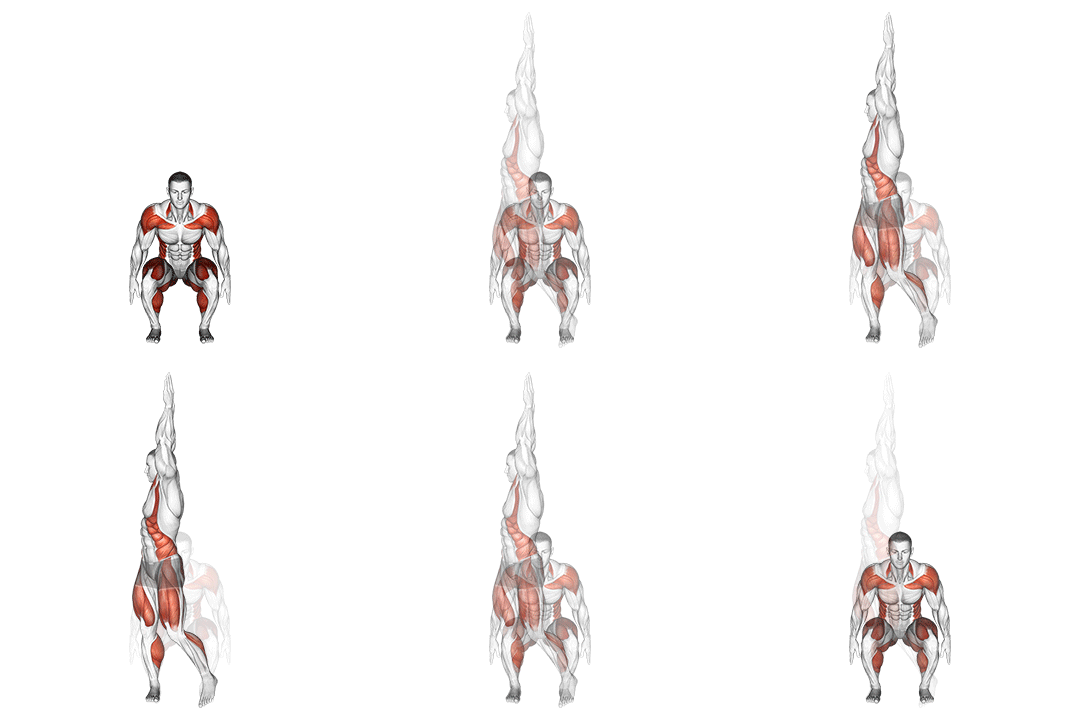
How to perform this exercise
- Stand with your feet shoulder-width apart and toes slightly turned out.
- Lower your body into a squat position by bending your knees and pushing your hips back.
- As you come up from the squat, raise your arms overhead and twist your torso to one side.
- Return to the starting position and repeat the squat, this time twisting your torso to the opposite side.
- Continue alternating sides with each squat repetition.
Sets and reps: 3 or 4 sets of 6 to 10 reps.
Why this matches
- Primary muscle: quads, the same as the Barbell Side Split Squat
- Equipment: bodyweight only, not free weights
- Body position: standing, the same as the Barbell Side Split Squat
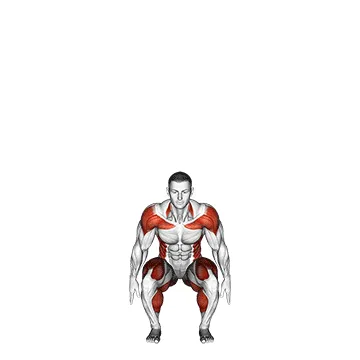
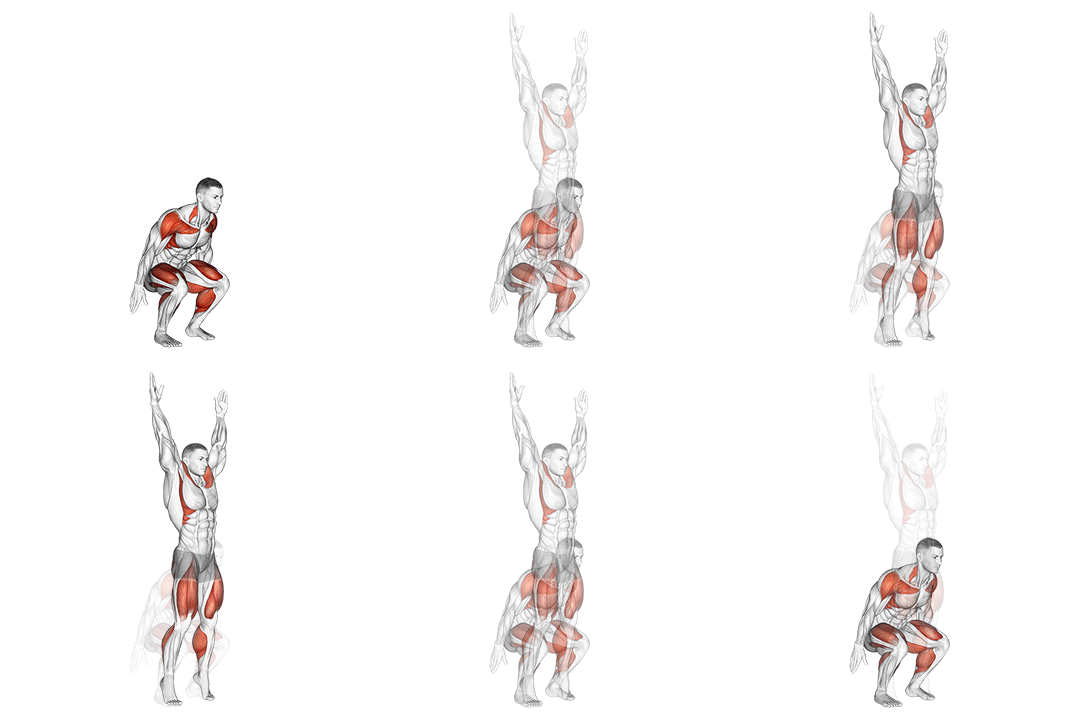
8. Squat To Overhead Reach
61% match- Quads
- Bodyweight
- Beginner
- Compound
How to perform this exercise
- Stand with your feet shoulder-width apart and toes slightly turned out.
- Lower your body down into a squat position by bending your knees and pushing your hips back.
- As you come up from the squat, extend your arms overhead, reaching towards the ceiling.
- Return to the starting position by lowering your arms and bending your knees to squat down again.
- Repeat for the desired number of repetitions.
Sets and reps: 3 sets of 8 to 12 reps, and add reps before you add load.
Why this matches
- Primary muscle: quads, the same as the Barbell Side Split Squat
- Equipment: bodyweight only, not free weights
- Body position: standing, the same as the Barbell Side Split Squat
- Balance: easier to stay steady on than the Barbell Side Split Squat
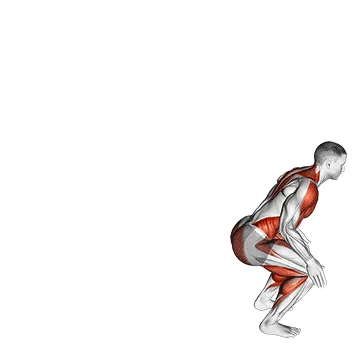
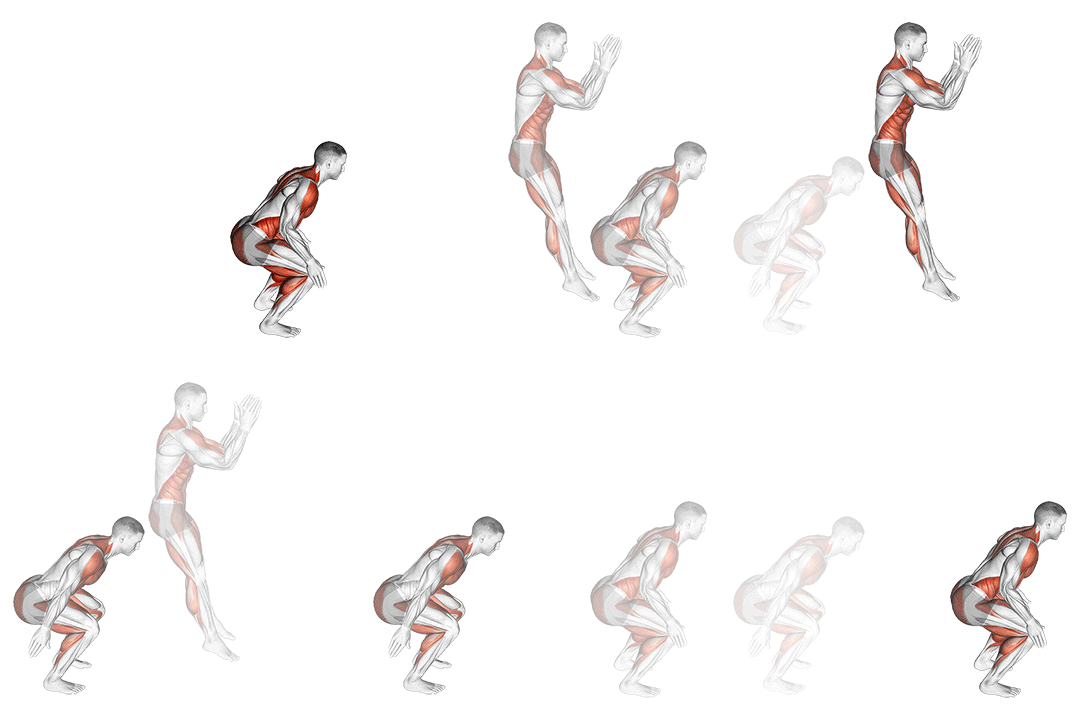
9. Backward Jump
59% match- Quads
- Bodyweight
- Intermediate
- Compound
How to perform this exercise
- Stand with your feet shoulder-width apart.
- Bend your knees slightly and jump backwards, pushing off with both feet.
- Land softly on the balls of your feet, bending your knees to absorb the impact.
- Repeat for the desired number of repetitions.
Sets and reps: 3 or 4 sets of 6 to 10 reps.
Why this matches
- Primary muscle: quads, the same as the Barbell Side Split Squat
- Equipment: bodyweight only, not free weights
- Body position: standing, the same as the Barbell Side Split Squat
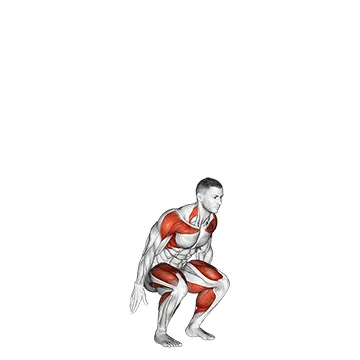
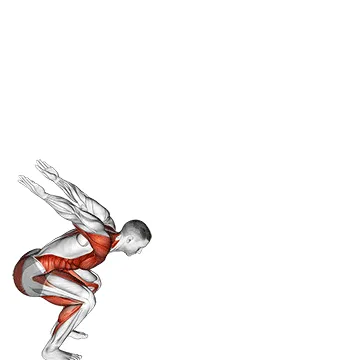
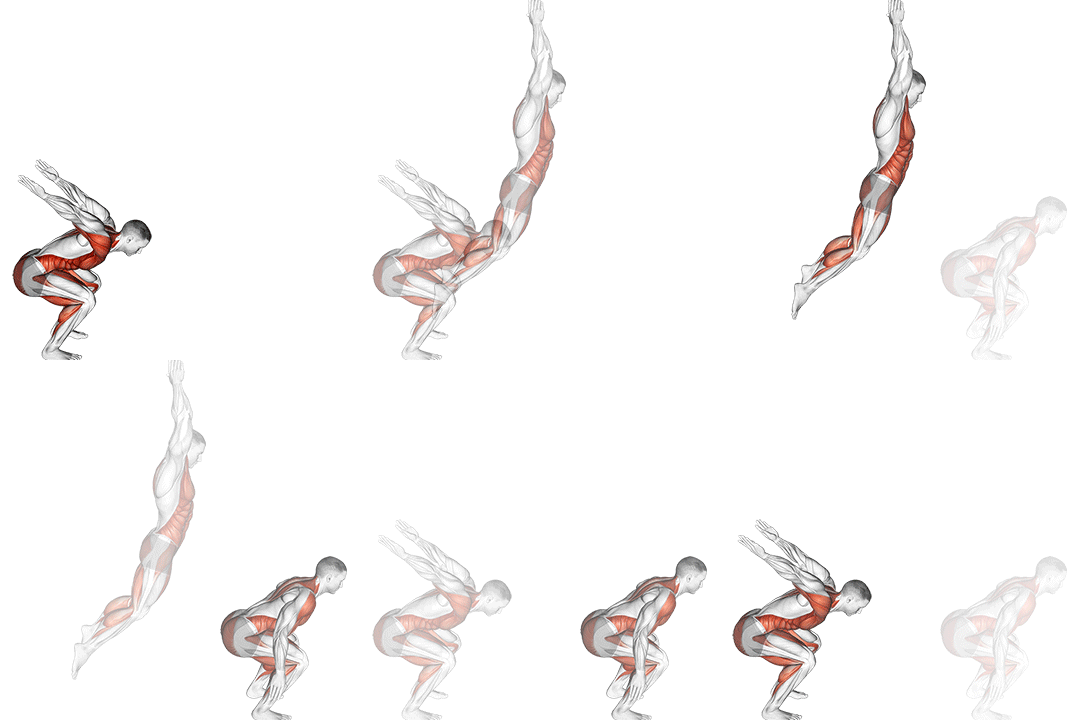
10. Forward Jump
59% match- Quads
- Bodyweight
- Intermediate
- Compound
How to perform this exercise
- Stand with your feet shoulder-width apart.
- Bend your knees and lower your body into a squat position.
- Swing your arms back for momentum.
- Jump forward explosively, extending your hips, knees, and ankles.
- Land softly on the balls of your feet and immediately go into the next jump.
- Repeat for the desired number of repetitions.
Sets and reps: 3 or 4 sets of 6 to 10 reps.
Why this matches
- Primary muscle: quads, the same as the Barbell Side Split Squat
- Equipment: bodyweight only, not free weights
- Body position: standing, the same as the Barbell Side Split Squat
Why You Might Need a Barbell Side Split Squat Alternative
You might substitute the Barbell Side Split Squat V. 2 because of limited equipment, knee pain, poor balance, or programming goals. Substitutes let you preserve quad loading while altering joint stress and stability demands. For example, a front squat shifts load centrally and increases quad moment arm, while a Bulgarian split squat raises unilateral demand and hip stability. Use cues like keeping the torso upright and pushing through the midfoot to maximize quadriceps recruitment and reduce compensatory hip drive.
Barbell Side Split Squat FAQ
What muscles does Barbell Side Split Squat V. 2 work?
The exercise primarily targets the quadriceps via knee extension under load. It also recruits the gluteus maximus and adductors for hip control and stability; cue driving the heel into the ground to emphasize quad activation.
What is the best bodyweight alternative to Barbell Side Split Squat V. 2?
The Cossack squat is an effective bodyweight alternative that preserves lateral and quad loading while challenging mobility. Perform it with an upright torso, sit back slightly on the working side, and let the knee track the toes to maintain quad tension.
Find Alternatives for Any Exercise
Search the exercise database and filter the ranked substitutes by the equipment you own.
Similarity scores compare exercise metadata such as movement pattern, muscles, equipment and body position. They are not a safety rating or a check that you own the equipment. Learn about our methodology