

10 Best One Leg Squat Alternatives for Strength and Rehab
The One Leg Squat is done standing. Ranked closest by our scoring: the Single Leg Squat (Pistol) Male, the Curtsey Squat and the Kettlebell Pistol Squat.
Updated Ranked by our 12-factor similarity model How it works
Original Exercise: One Leg Squat
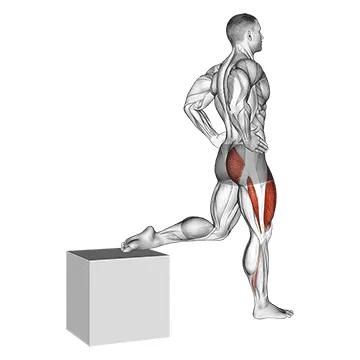
- Primary muscle
- Glutes
- Equipment
- Bodyweight
- Difficulty
- Advanced
- Type
- Compound
Secondary muscles: Quadriceps, Hamstrings, Calves
How to perform One Leg Squat
- Stand with your feet shoulder-width apart.
- Extend one leg forward, keeping it off the ground.
- Bend your standing leg and lower your body down as if sitting back into a chair.
- Keep your chest up and your back straight.
- Push through your heel to return to the starting position.
- Repeat with the other leg.
Ranked One Leg Squat Alternatives
10 substitutes, ranked by how closely each one matches the One Leg Squat on movement pattern, muscles worked, equipment and body position. The higher the score, the less you change. Open "How to perform this exercise" on a card for the steps; every card title links to that exercise's own alternatives page.
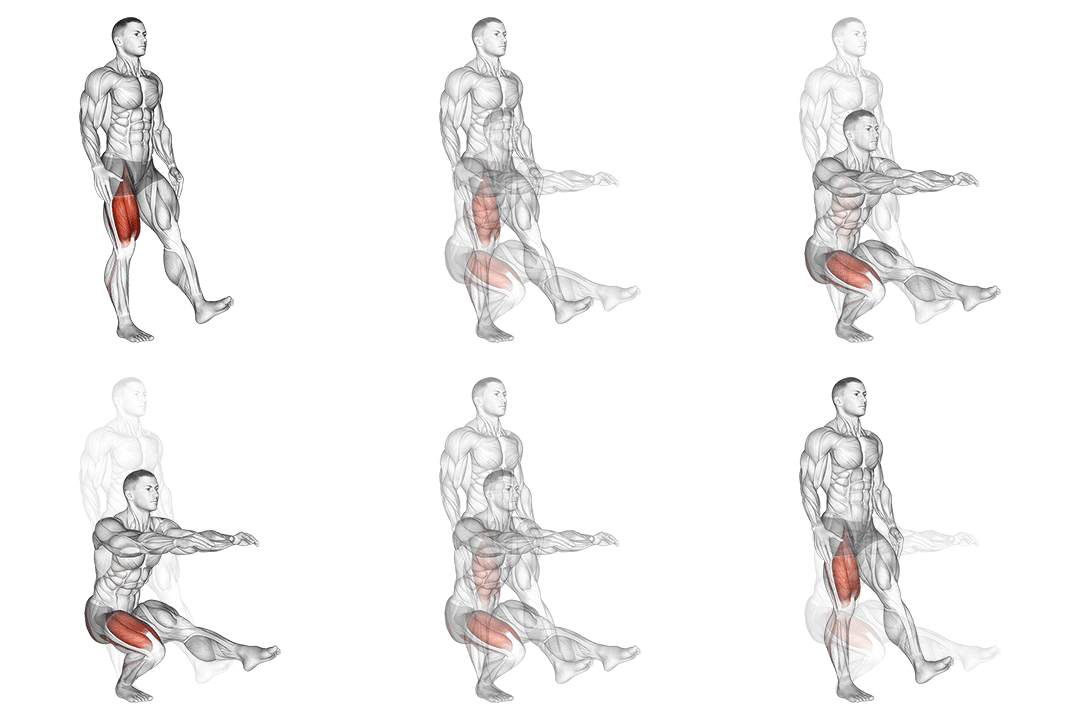
Best match 1. Single Leg Squat (Pistol) Male
99% match- Glutes
- Bodyweight
- Advanced
- Compound
It uses the same equipment and still works the glutes.
How to perform this exercise
- Stand with your feet shoulder-width apart and arms extended in front of you.
- Lift your right foot off the ground and extend it forward.
- Slowly lower your body down by bending your left knee and pushing your hips back.
- Keep your chest up and your back straight as you lower yourself down.
- Lower until your left thigh is parallel to the ground, or as low as you can comfortably go.
- Pause for a moment at the bottom, then push through your left heel to return to the starting position.
- Repeat for the desired number of repetitions, then switch legs.
Sets and reps: 3 or 4 sets of 6 to 10 reps on each side.
Why this matches
- Primary muscle: glutes, the same as the One Leg Squat
- Equipment: bodyweight only, the same as the One Leg Squat
- Body position: standing, the same as the One Leg Squat
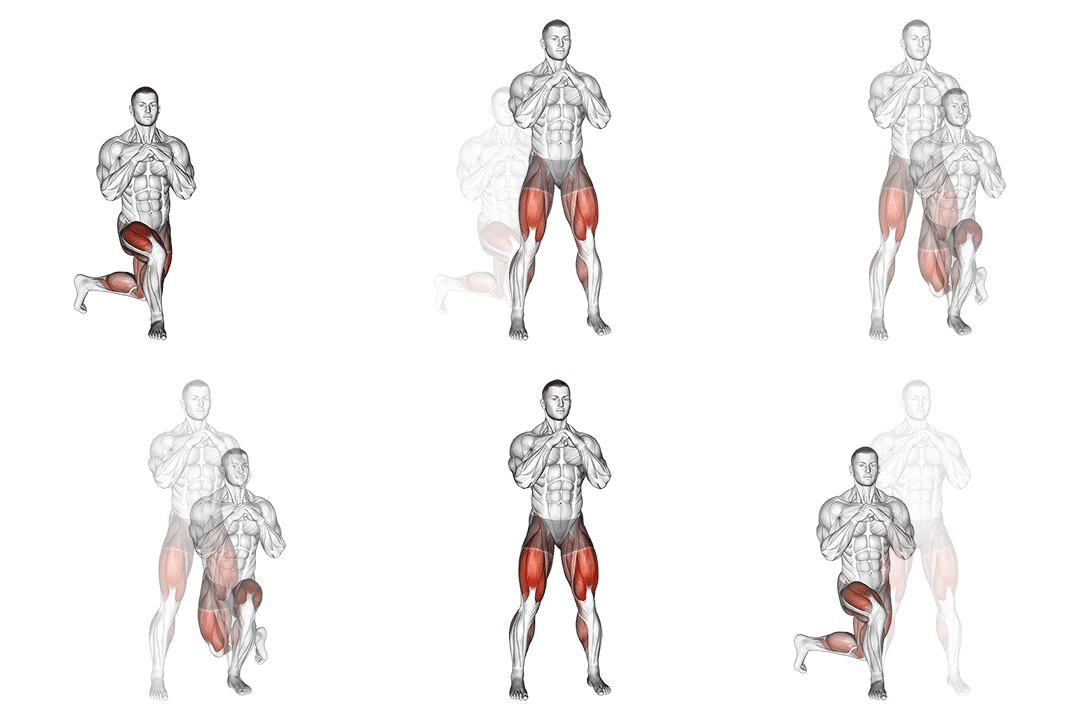
2. Curtsey Squat
96% match- Glutes
- Bodyweight
- Beginner
- Compound
Pick this when you want an easier version that still works the glutes.
How to perform this exercise
- Stand with your feet shoulder-width apart.
- Take a step diagonally behind and across your body with your right foot, crossing it behind your left leg.
- Bend both knees as if you were curtsying, lowering your body towards the ground.
- Keep your torso upright and your weight on your front foot.
- Push through your front foot to return to the starting position.
- Repeat on the other side, stepping diagonally behind and across your body with your left foot.
Sets and reps: 3 sets of 8 to 12 reps on each side, and add reps before you add load.
Why this matches
- Primary muscle: glutes, the same as the One Leg Squat
- Equipment: bodyweight only, the same as the One Leg Squat
- Body position: standing, the same as the One Leg Squat
- Balance: easier to stay steady on than the One Leg Squat
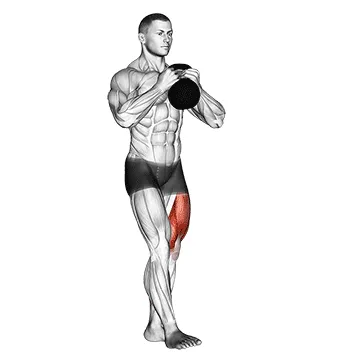
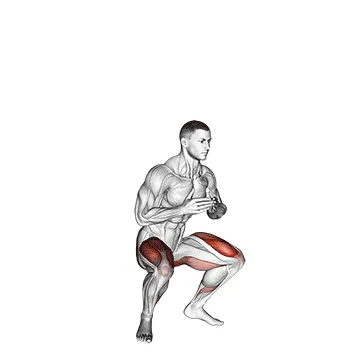
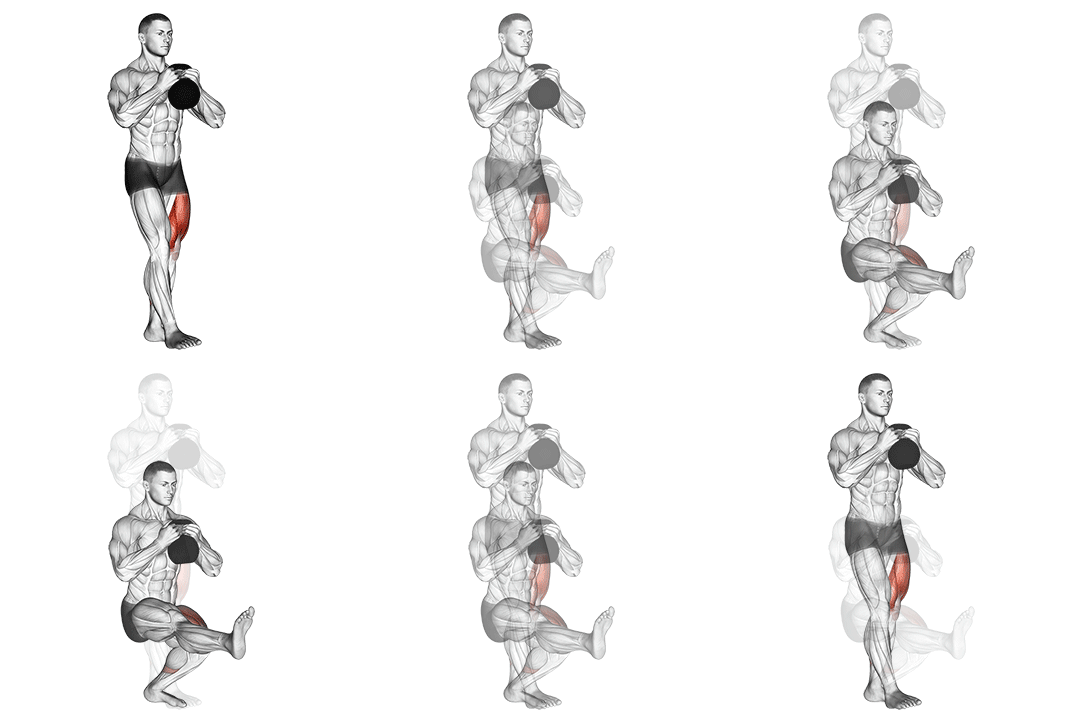
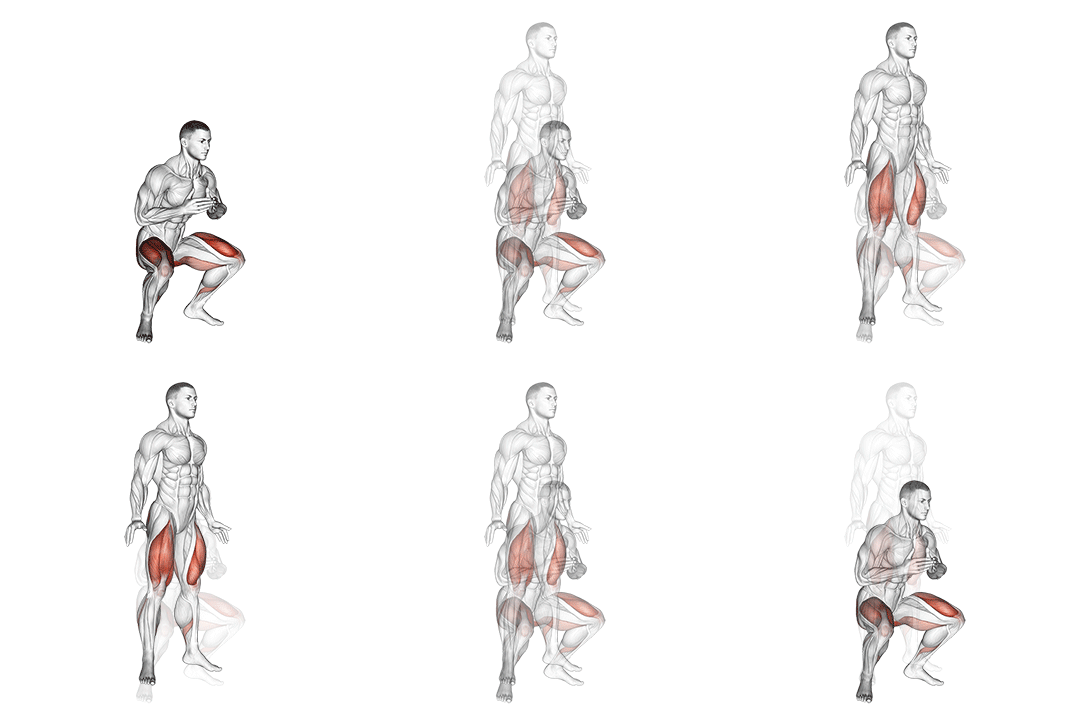
3. Kettlebell Pistol Squat
89% match- Glutes
- Kettlebell
- Advanced
- Compound
A good swap when you have a kettlebell to work with, and it still works the glutes.
How to perform this exercise
- Stand with your feet shoulder-width apart, holding a kettlebell in front of your chest with both hands.
- Lift your left foot off the ground and extend it forward, keeping it parallel to the ground.
- Slowly lower your body down into a squat position, keeping your right foot flat on the ground and your left leg extended.
- Pause for a moment at the bottom of the squat, then push through your right heel to return to the starting position.
- Repeat for the desired number of repetitions, then switch legs.
Sets and reps: 3 to 5 sets of 5 to 8 reps on each side.
Why this matches
- Primary muscle: glutes, the same as the One Leg Squat
- Equipment: free weights, not bodyweight only
- Body position: standing, the same as the One Leg Squat
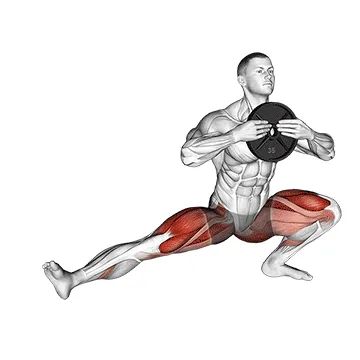
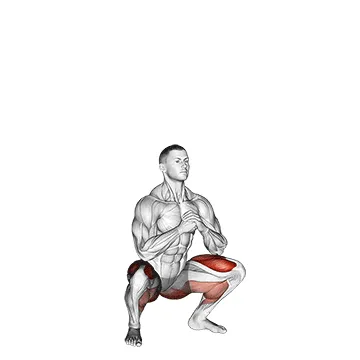
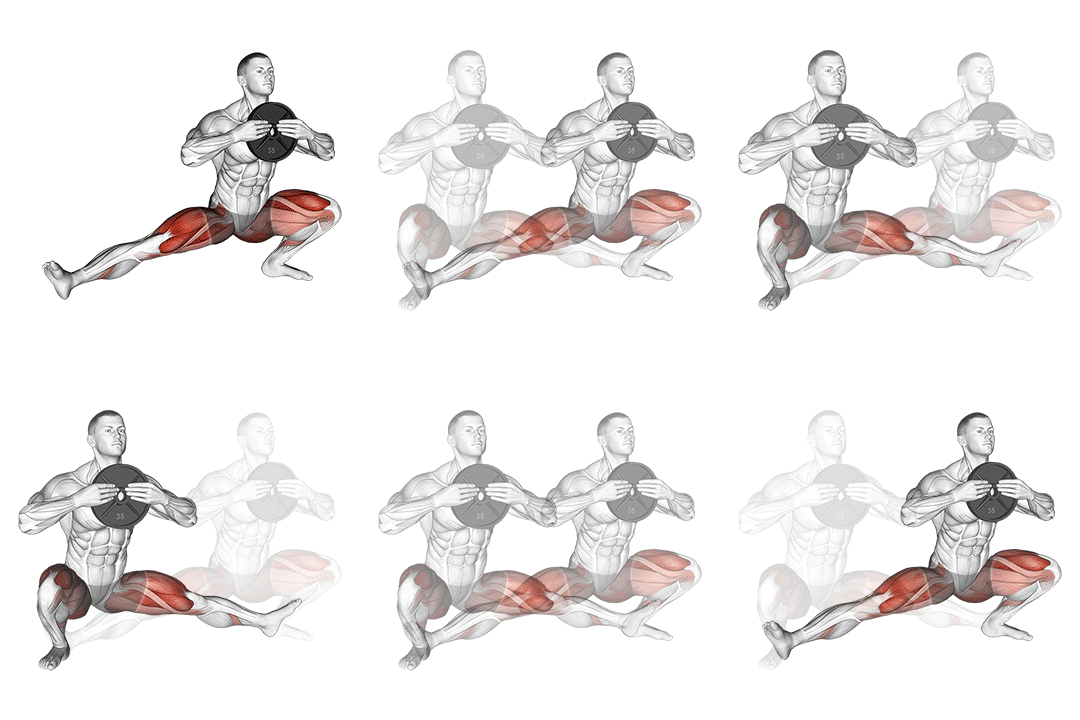
4. Weighted Cossack Squats
88% match- Glutes
- Weighted
- Advanced
- Compound
Pick this when you want to work the glutes with less balance to manage.
How to perform this exercise
- Stand with your feet wider than shoulder-width apart and toes pointing slightly outward.
- Hold a weight in front of your chest with both hands.
- Shift your weight to one side and lower your body by bending the knee of the side you shifted towards, while keeping the other leg straight.
- Go as low as you can while maintaining balance and keeping your chest up.
- Push through the heel of the bent leg to return to the starting position.
- Repeat on the other side, alternating between legs.
Sets and reps: 3 to 5 sets of 5 to 8 reps on each side.
Why this matches
- Primary muscle: glutes, the same as the One Leg Squat
- Equipment: free weights, not bodyweight only
- Body position: standing, the same as the One Leg Squat
- Balance: easier to stay steady on than the One Leg Squat
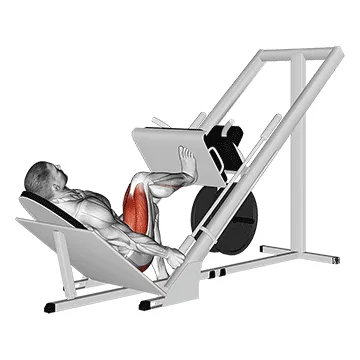
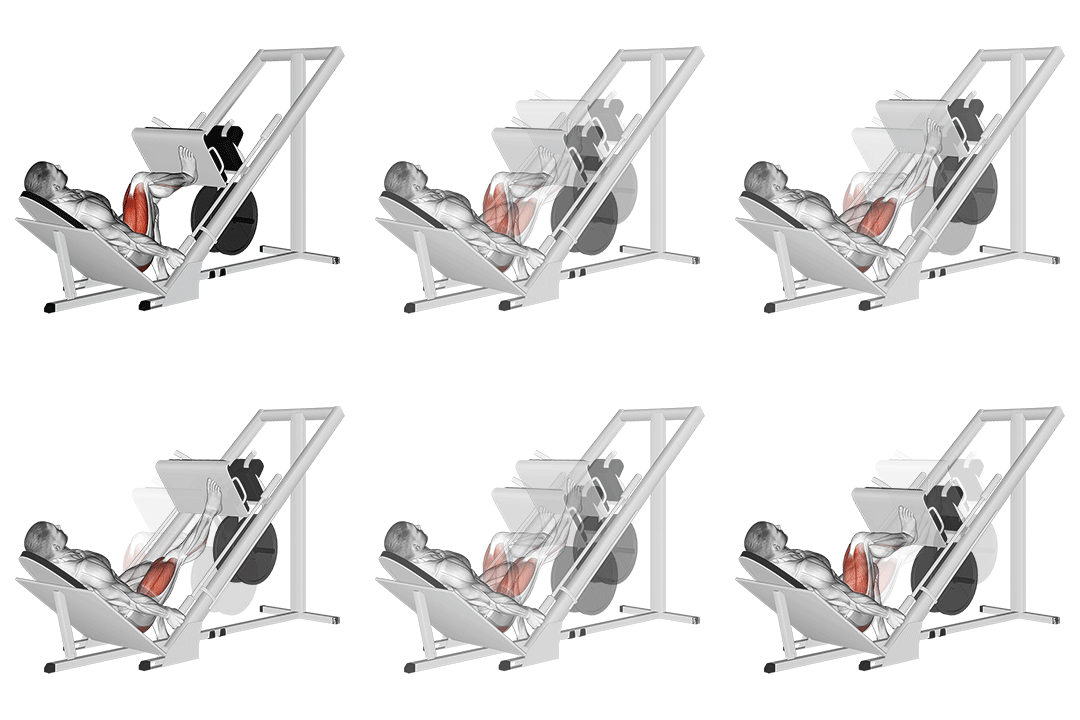
5. Sled 45 Degrees One Leg Press
86% match- Glutes
- Sled
- Intermediate
- Compound
A good swap when you have a sled to work with, and it still works the glutes.
How to perform this exercise
- Adjust the sled machine to a 45-degree angle.
- Sit on the sled machine with your back against the pad and your feet on the footplate.
- Place one foot on the footplate and extend your leg, pushing the sled away from you.
- Slowly bend your knee and lower the sled back to the starting position.
- Repeat with the other leg.
- Continue alternating legs for the desired number of repetitions.
Sets and reps: 3 or 4 sets of 6 to 10 reps on each side.
Why this matches
- Primary muscle: glutes, the same as the One Leg Squat
- Equipment: a machine, not bodyweight only
- Body position: standing, the same as the One Leg Squat
- Balance: easier to stay steady on than the One Leg Squat
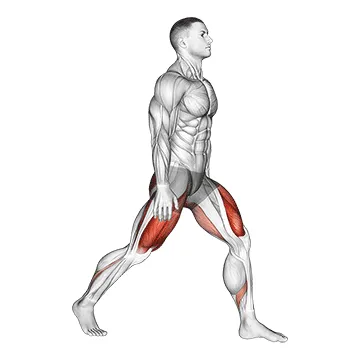
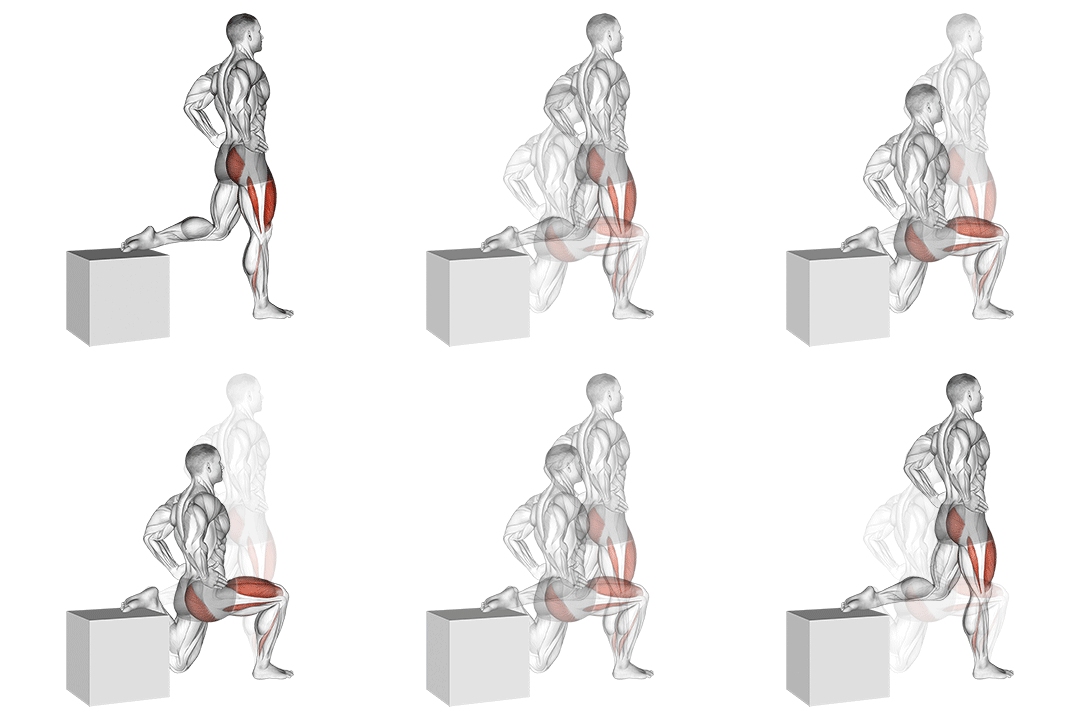
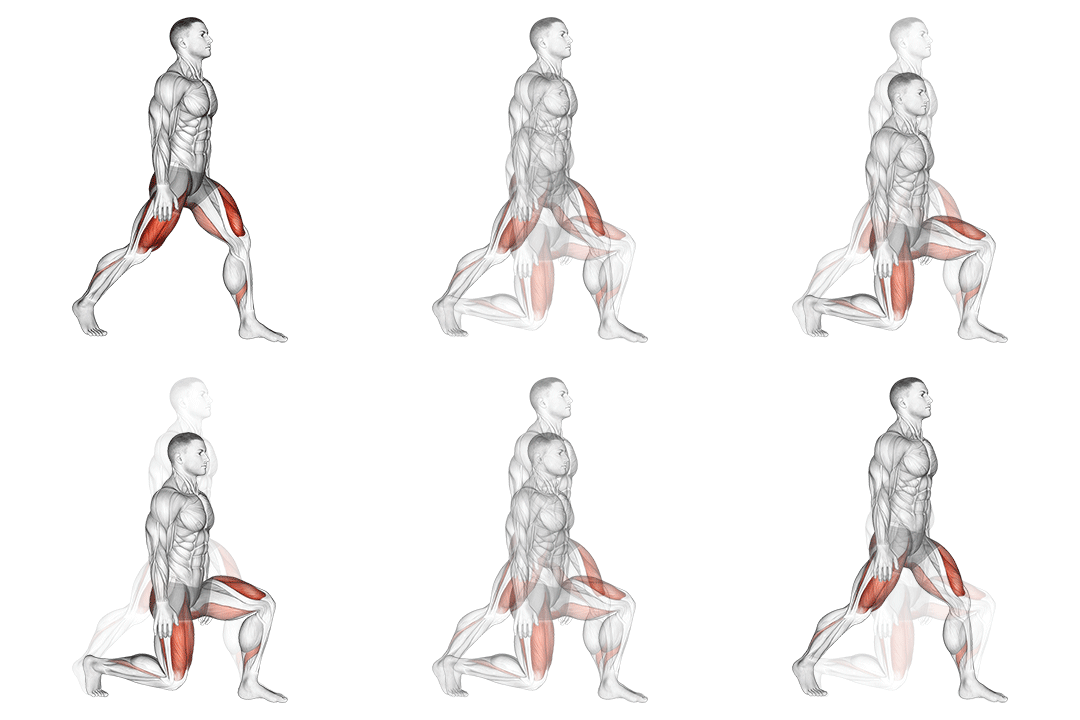
6. Split Squats
81% match- Quads
- Bodyweight
- Intermediate
- Compound
A looser match: it uses the same equipment, but it works the quads rather than the glutes.
How to perform this exercise
- Stand with your feet shoulder-width apart.
- Take a step forward with one foot and place it about two feet in front of the other foot.
- Lower your body by bending your knees and hips, keeping your back straight.
- Continue lowering until your front thigh is parallel to the ground, and your back knee is hovering just above the ground.
- Pause for a moment, then push through your front heel to return to the starting position.
- Repeat for the desired number of repetitions, then switch legs and repeat.
Sets and reps: 3 or 4 sets of 6 to 10 reps on each side.
Why this matches
- Primary muscle: quads, not glutes
- Equipment: bodyweight only, the same as the One Leg Squat
- Body position: standing, the same as the One Leg Squat
- Balance: easier to stay steady on than the One Leg Squat
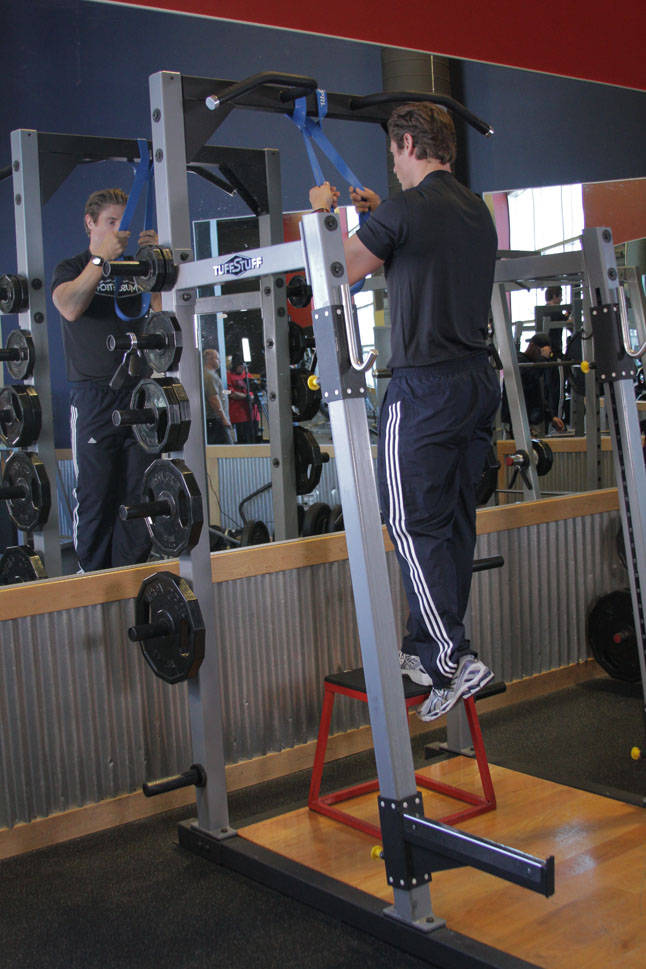
7. Single-leg High Box Squat
78% match- Quadriceps
- Other
- Advanced
- Compound
A looser match: it works the quadriceps rather than the glutes.
How to perform this exercise
- Position a box in a rack. Secure a band or rope in place above the box.
- Standing in front of it, step onto the box to a full standing position, letting your other leg remain unsupported. Hold onto the band for balance
- . Continue stepping up and down on the same leg before switching to the opposite side.
Sets and reps: 3 or 4 sets of 6 to 10 reps on each side.
Why this matches
- Primary muscle: quadriceps, not glutes
- Equipment: bodyweight only, the same as the One Leg Squat
- Body position: standing, the same as the One Leg Squat
- Balance: easier to stay steady on than the One Leg Squat
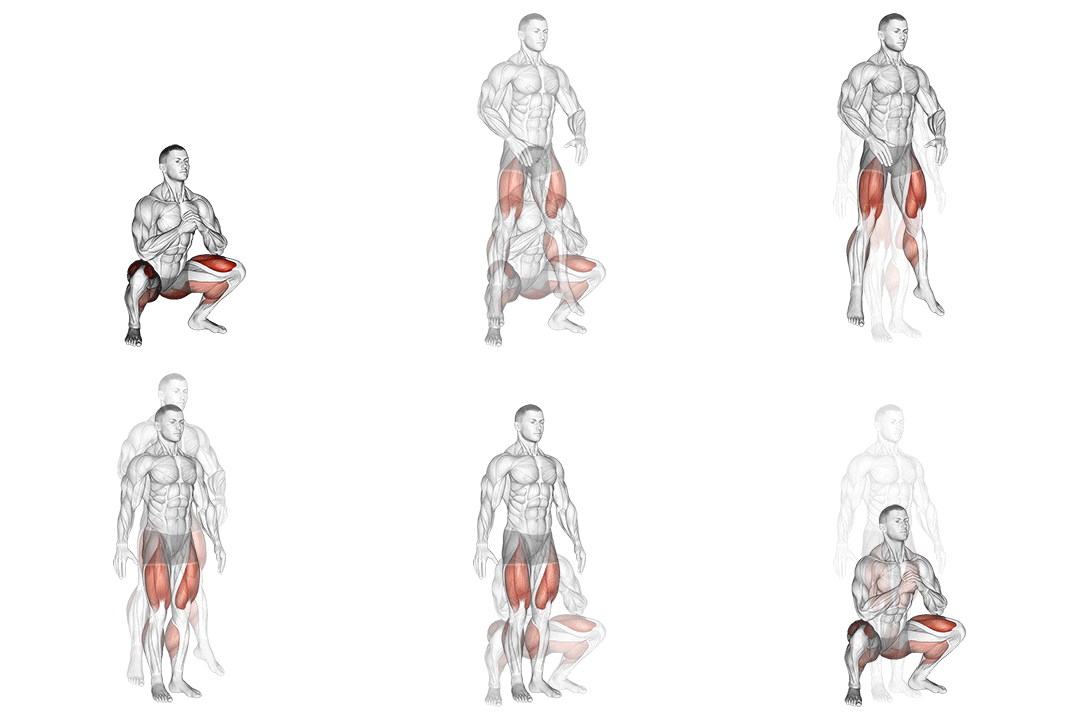
8. Bodyweight Drop Jump Squat
77% match- Glutes
- Bodyweight
- Intermediate
- Compound
How to perform this exercise
- Stand with your feet shoulder-width apart.
- Lower your body into a squat position by bending your knees and pushing your hips back.
- Jump up explosively, extending your hips, knees, and ankles.
- While in mid-air, quickly bring your feet together.
- Land softly on the balls of your feet and immediately drop back into a squat position.
- Repeat for the desired number of repetitions.
Sets and reps: 3 or 4 sets of 6 to 10 reps.
Why this matches
- Primary muscle: glutes, the same as the One Leg Squat
- Equipment: bodyweight only, the same as the One Leg Squat
- Body position: standing, the same as the One Leg Squat
- Balance: easier to stay steady on than the One Leg Squat
9. Jump Squat
75% match- Glutes
- Bodyweight
- Intermediate
- Compound
How to perform this exercise
- Stand with your feet shoulder-width apart.
- Lower your body into a squat position by bending your knees and pushing your hips back.
- Jump explosively off the ground, extending your hips, knees, and ankles.
- While in mid-air, quickly bring your arms forward for balance.
- Land softly on the balls of your feet and immediately go into the next repetition.
- Repeat for the desired number of repetitions.
Sets and reps: 3 or 4 sets of 6 to 10 reps.
Why this matches
- Primary muscle: glutes, the same as the One Leg Squat
- Equipment: bodyweight only, the same as the One Leg Squat
- Body position: standing, the same as the One Leg Squat
- Balance: easier to stay steady on than the One Leg Squat
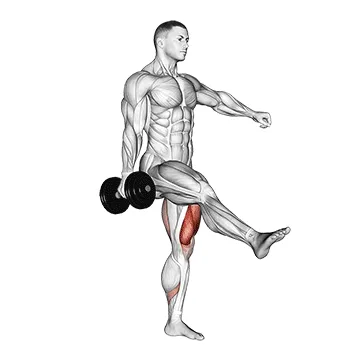
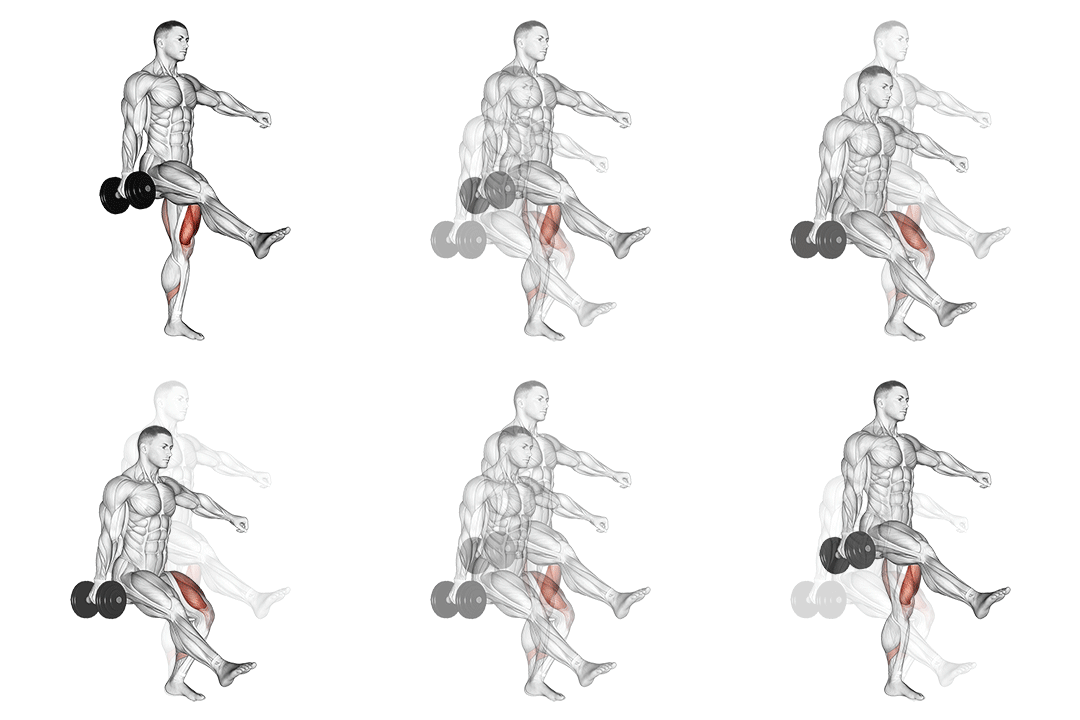
10. Dumbbell Single Leg Squat
74% match- Glutes
- Dumbbell
- Advanced
- Compound
How to perform this exercise
- Stand with your feet shoulder-width apart, holding a dumbbell in each hand.
- Extend one leg forward and keep it off the ground throughout the exercise.
- Bend your standing leg and lower your body down as if sitting back into a chair.
- Keep your chest up and your back straight.
- Pause for a moment at the bottom, then push through your heel to return to the starting position.
- Repeat for the desired number of repetitions, then switch legs.
Sets and reps: 3 to 5 sets of 5 to 8 reps on each side.
Why this matches
- Primary muscle: glutes, the same as the One Leg Squat
- Equipment: free weights, not bodyweight only
- Body position: standing, the same as the One Leg Squat
Why You Might Need a One Leg Squat Alternative
You might substitute the One Leg Squat because of limited ankle or hip mobility, knee pain, poor balance, or lack of confidence with single-leg loading. Alternatives let you reduce knee torque, shift the center of mass, or use a support hand to manage balance while still activating the glute max, quadriceps, and hamstrings. For rehab, reduce range by using a box pistol or a partial step-up; for strength, add slow eccentrics or a weighted vest. Cue: reduce range or add a hand on a rail to preserve form and protect the joint while maintaining glute activation.
How to Choose the Right One Leg Squat Substitute
Select a substitute based on your limiting factor: mobility, balance, pain, or load capacity. If balance is the issue, pick step-ups or split squats where you can keep the rear foot supported. If pain limits depth, use a box pistol or partial single-leg RDL and focus on hip hinge patterns to recruit glutes and hamstrings. If you need progressive overload, choose Bulgarian split squats and add weight or slow the eccentric to increase time under tension. Cue: keep a vertical shin on loaded leg and hinge at the hips to maximize glute activation.
One Leg Squat FAQ
What muscles does One Leg Squat work?
The One Leg Squat primarily targets the gluteus maximus, quadriceps, and hamstrings while heavily engaging the glute medius and other hip stabilizers for balance. It also demands eccentric control from the quads and hip extensors to manage descent and protect the knee.
What is the best bodyweight alternative to One Leg Squat?
The Bulgarian split squat is the top bodyweight alternative because it keeps significant unilateral load on the glutes and quads while offering stability from the rear foot. Cue: lean slightly forward, drive the front heel into the floor, and maintain an upright torso to emphasize glute recruitment.
Find Alternatives for Any Exercise
Search the exercise database and filter the ranked substitutes by the equipment you own.
Similarity scores compare exercise metadata such as movement pattern, muscles, equipment and body position. They are not a safety rating or a check that you own the equipment. Learn about our methodology