

10 Best Barbell Single Leg Deadlift Alternatives
The Barbell Single Leg Deadlift is done standing with a barbell. Ranked closest by our scoring: the Single Leg Bridge With Outstretched Leg, the Leg Lift and the Reverse Plank With Leg Lift.
Updated Ranked by our 12-factor similarity model How it works
Original Exercise: Barbell Single Leg Deadlift
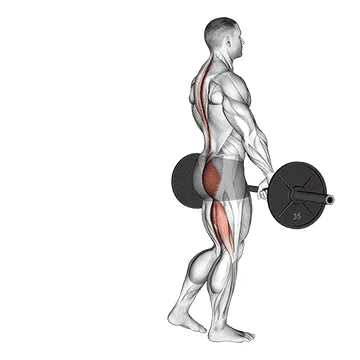
- Primary muscle
- Glutes
- Equipment
- Barbell
- Difficulty
- Advanced
- Type
- Compound
Secondary muscles: Hamstrings, Lower Back
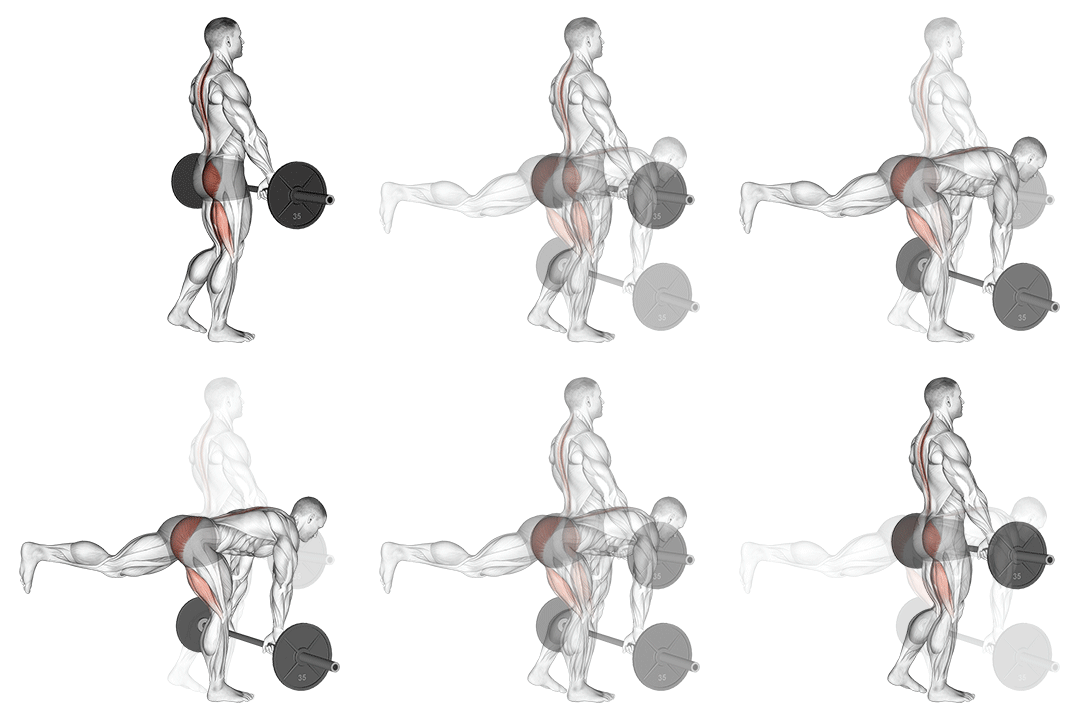
How to perform Barbell Single Leg Deadlift
- Stand with your feet hip-width apart, holding a barbell in front of your thighs with an overhand grip.
- Shift your weight onto your left foot and lift your right foot slightly off the ground.
- Hinge forward at the hips, keeping your back straight and your right leg extended behind you for balance.
- Lower the barbell towards the ground, keeping it close to your body and your left leg slightly bent.
- Pause for a moment at the bottom, then engage your glutes and hamstrings to lift your torso back up to the starting position.
- Repeat for the desired number of repetitions, then switch sides.
Ranked Barbell Single Leg Deadlift Alternatives
10 substitutes, ranked by how closely each one matches the Barbell Single Leg Deadlift on movement pattern, muscles worked, equipment and body position. The higher the score, the less you change. Open "How to perform this exercise" on a card for the steps; every card title links to that exercise's own alternatives page.
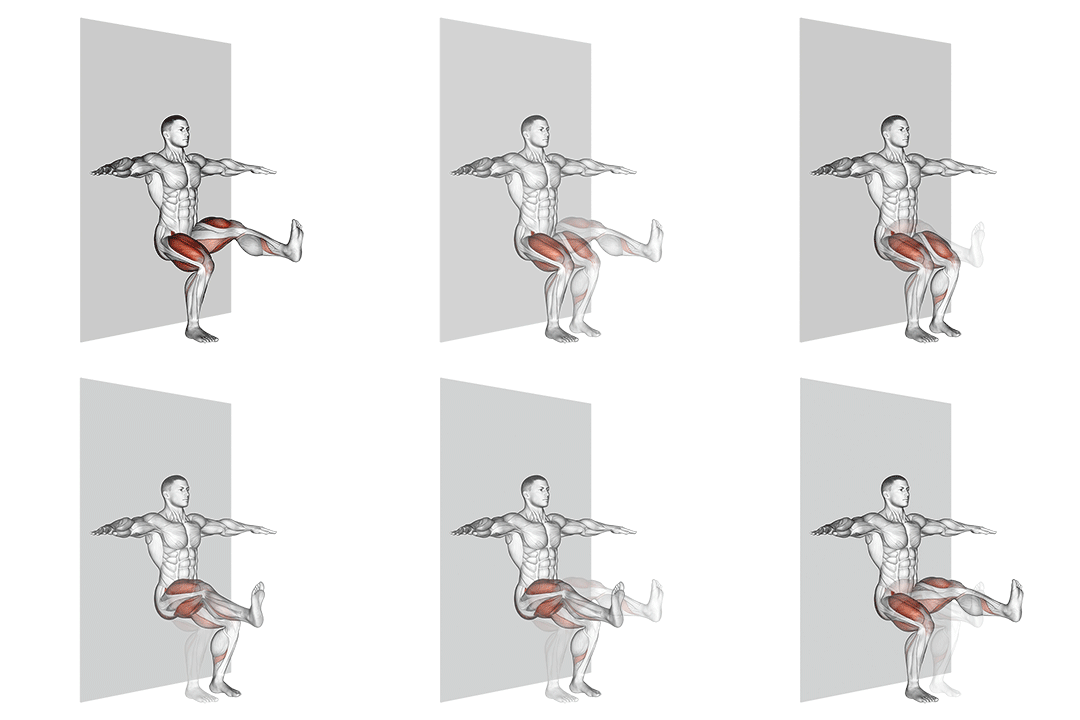
1. Kick Out Sit
70% match- Hamstrings
- Bodyweight
- Intermediate
- Compound
A looser match: it works the hamstrings rather than the glutes.
How to perform this exercise
- Sit on the edge of a bench or chair with your feet flat on the ground and your knees bent at a 90-degree angle.
- Lean back slightly and place your hands on the edge of the bench or chair for support.
- Engaging your hamstrings, lift your feet off the ground and extend your legs straight out in front of you.
- Pause for a moment at the top, then slowly bend your knees and bring your feet back towards your body.
- Repeat for the desired number of repetitions.
Sets and reps: 3 or 4 sets of 6 to 10 reps on each side.
Why this matches
- Primary muscle: hamstrings, not glutes
- Equipment: bodyweight only, not free weights
- Body position: standing, the same as the Barbell Single Leg Deadlift
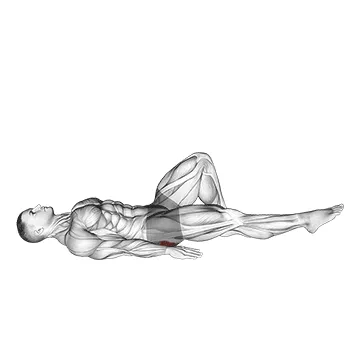
Best match - Glutes
- Bodyweight
- Intermediate
- Compound
Use this when you have nothing to train with, because it works the glutes with bodyweight alone.
How to perform this exercise
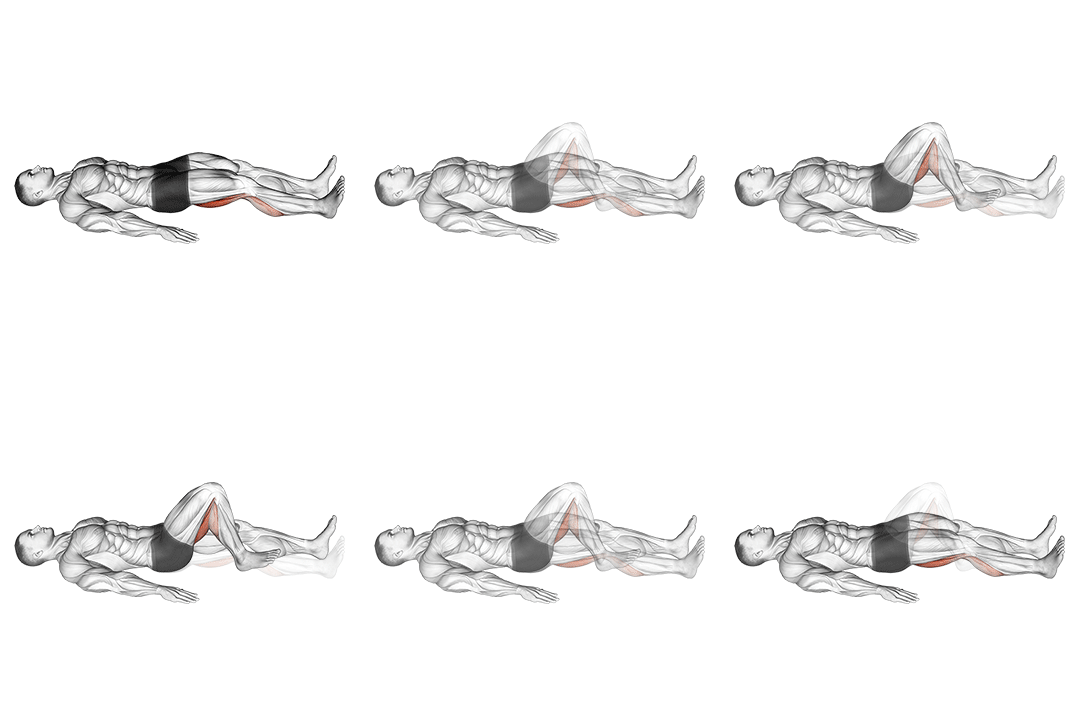
- Lie on your back with your knees bent and feet flat on the ground.
- Extend one leg straight out in front of you.
- Engage your glutes and lift your hips off the ground, forming a straight line from your knees to your shoulders.
- Hold for a moment at the top, then slowly lower your hips back down to the starting position.
- Repeat for the desired number of repetitions, then switch legs.
Sets and reps: 3 or 4 sets of 6 to 10 reps on each side.
Why this matches
- Primary muscle: glutes, the same as the Barbell Single Leg Deadlift
- Equipment: bodyweight only, not free weights
- Body position: lying on your back, not standing
3. Single Leg Platform Slide
65% match- Hamstrings
- Bodyweight
- Intermediate
- Compound
How to perform this exercise
- Start by standing with one foot on a platform or slide board.
- Bend your knee slightly and slide the foot on the platform backward, extending your leg.
- Keep your core engaged and maintain a straight posture throughout the movement.
- Slowly return to the starting position by sliding your foot back to the initial position.
- Repeat the movement for the desired number of repetitions, then switch legs.
Sets and reps: 3 or 4 sets of 6 to 10 reps on each side.
Why this matches
- Primary muscle: hamstrings, not glutes
- Equipment: bodyweight only, not free weights
- Body position: standing, the same as the Barbell Single Leg Deadlift
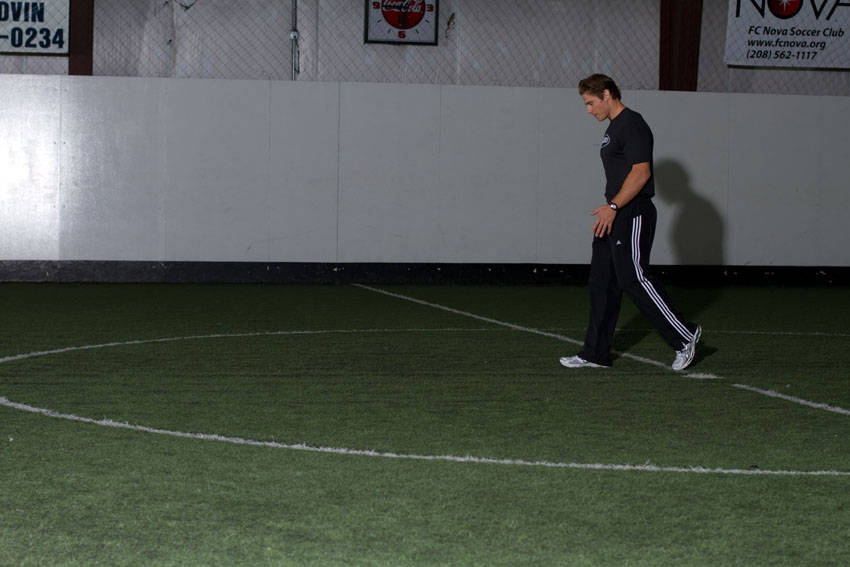
4. Moving Claw Series
64% match- Hamstrings
- Bodyweight
- Intermediate
- Compound
How to perform this exercise
- This move helps prepare your running form to help you excel at sprinting. As you run, be sure to flex the knee, aiming to kick your glutes as the hip extends.
- Reload the quad as the leg moves back forward, attacking the ground on the next step.
- Ensure that as you run, you block with the arms, punching through in a rapid 1-2 motion.
Sets and reps: 3 or 4 sets of 6 to 10 reps on each side.
Why this matches
- Primary muscle: hamstrings, not glutes
- Equipment: bodyweight only, not free weights
- Body position: standing, the same as the Barbell Single Leg Deadlift
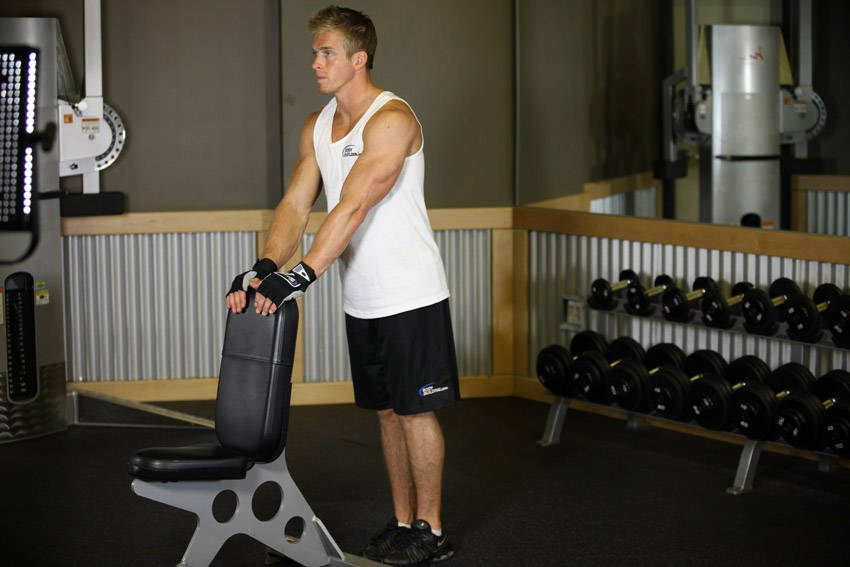
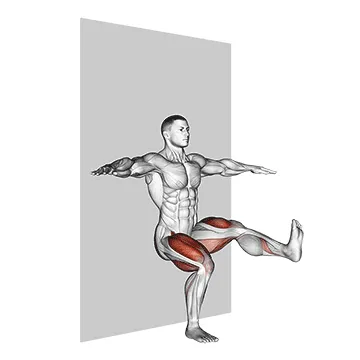
5. Leg Lift
55% match- Glutes
- Bodyweight
- Beginner
- Isolation
How to perform this exercise
- While standing up straight with both feet next to each other at around shoulder width, grab a sturdy surface such as the sides of a squat rack or the top of a chair to brace yourself and keep balance.
- With or without an ankle weight, lift one leg behind you as if performing a leg curl but standing up while keeping the other leg straight. Breathe out as you perform this movement.
- Slowly bring the raised leg back to the floor as you breathe in.
- Repeat for the recommended amount of repetitions.
- Repeat the movement with the opposite leg.
Sets and reps: 3 sets of 8 to 12 reps on each side, and add reps before you add load.
Why this matches
- Primary muscle: glutes, the same as the Barbell Single Leg Deadlift
- Equipment: bodyweight only, not free weights
- Body position: kneeling, not standing
- Balance: easier to stay steady on than the Barbell Single Leg Deadlift
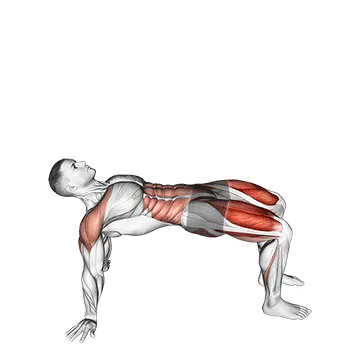
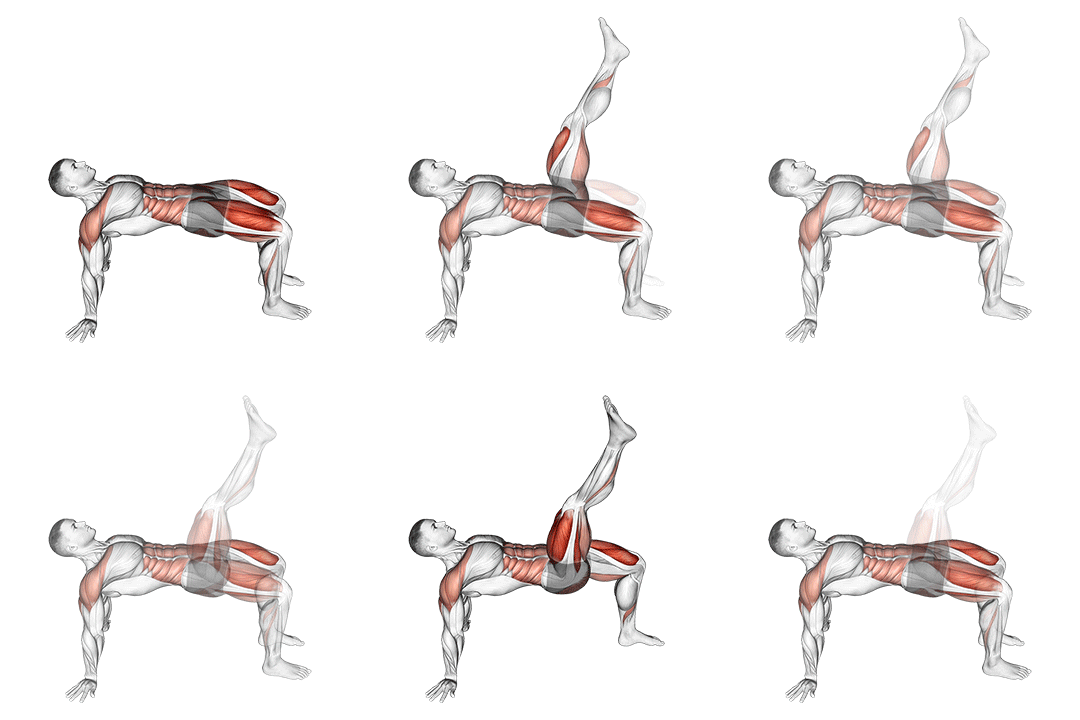
6. Reverse Plank With Leg Lift
54% match- Glutes
- Bodyweight
- Intermediate
- Compound
How to perform this exercise
- Sit on the ground with your legs extended in front of you and your hands resting on the ground behind you, fingers pointing towards your feet.
- Press through your hands and lift your hips off the ground, coming into a reverse plank position.
- Engage your core and lift one leg off the ground, extending it straight up towards the ceiling.
- Hold for a moment, then lower your leg back down.
- Repeat with the other leg.
- Continue alternating legs for the desired number of repetitions.
Sets and reps: 3 or 4 sets of 6 to 10 reps.
Why this matches
- Primary muscle: glutes, the same as the Barbell Single Leg Deadlift
- Equipment: bodyweight only, not free weights
- Body position: inverted, not standing
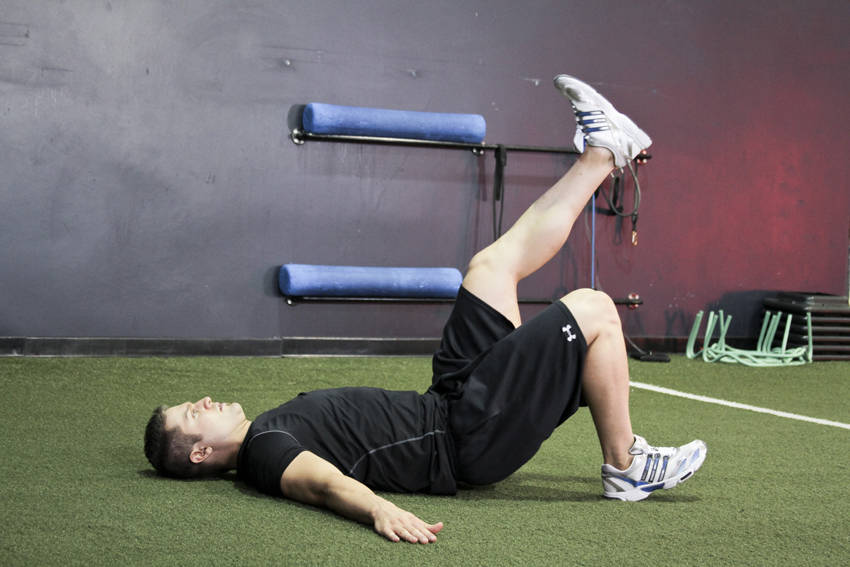
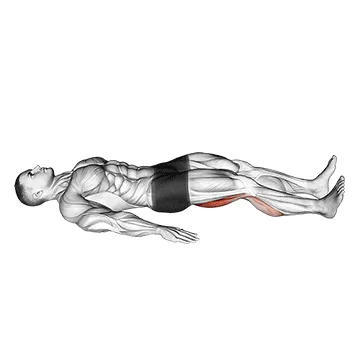
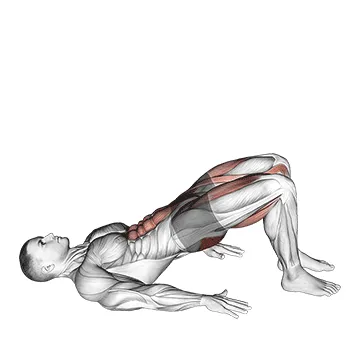
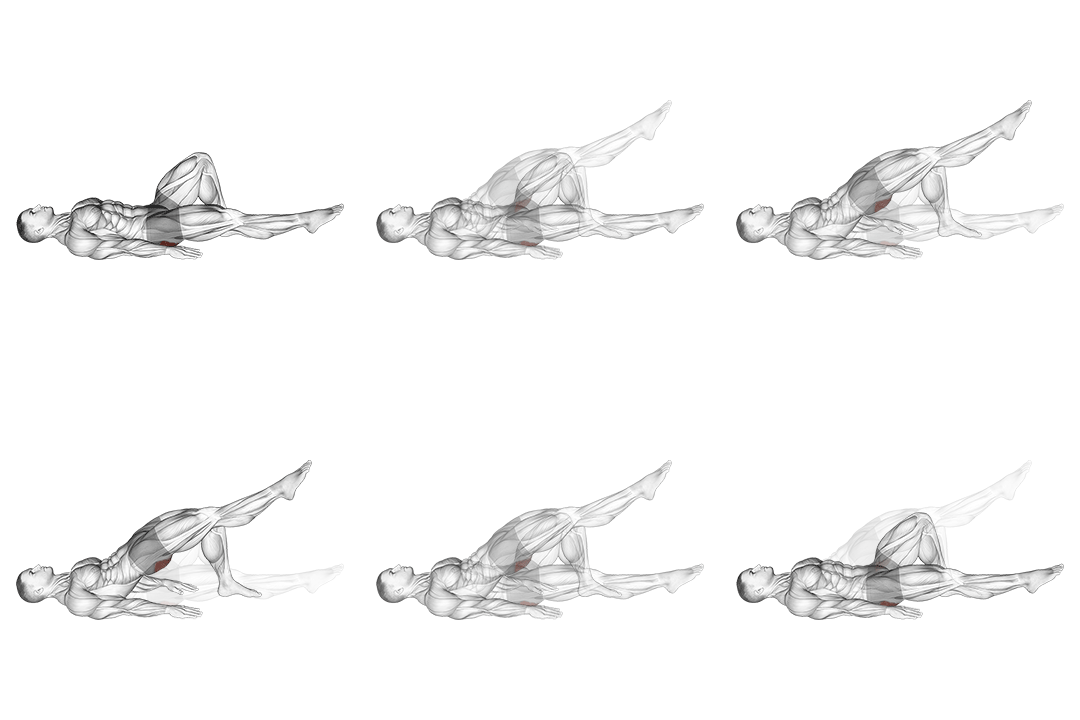
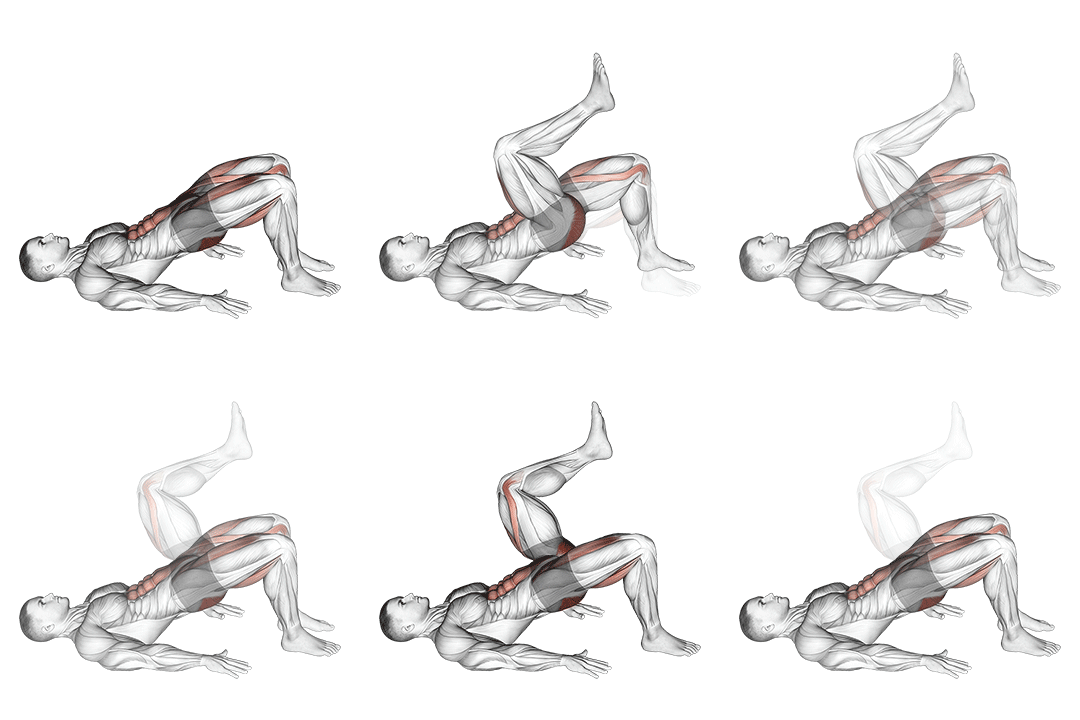
7. Single Leg Glute Bridge
52% match- Glutes
- Bodyweight
- Intermediate
- Isolation
How to perform this exercise
- Lay on the floor with your feet flat and knees bent.
- Raise one leg off of the ground, pulling the knee to your chest. This will be your starting position.
- Execute the movement by driving through the heel, extending your hip upward and raising your glutes off of the ground.
- Extend as far as possible, pause and then return to the starting position.
Sets and reps: 3 sets of 10 to 15 reps on each side.
Why this matches
- Primary muscle: glutes, the same as the Barbell Single Leg Deadlift
- Equipment: bodyweight only, not free weights
- Body position: lying on your back, not standing
8. Glute Bridge March
49% match- Glutes
- Bodyweight
- Intermediate
- Compound
How to perform this exercise
- Lie flat on your back with your knees bent and feet flat on the ground.
- Engage your glutes and lift your hips off the ground, forming a straight line from your knees to your shoulders.
- While keeping your hips lifted, lift one foot off the ground and bring your knee towards your chest.
- Lower your foot back to the ground and repeat the movement with the other leg.
- Continue alternating legs in a marching motion while maintaining the bridge position.
- Repeat for the desired number of repetitions.
Sets and reps: 3 or 4 sets of 6 to 10 reps on each side.
Why this matches
- Primary muscle: glutes, the same as the Barbell Single Leg Deadlift
- Equipment: bodyweight only, not free weights
- Body position: lying on your back, not standing
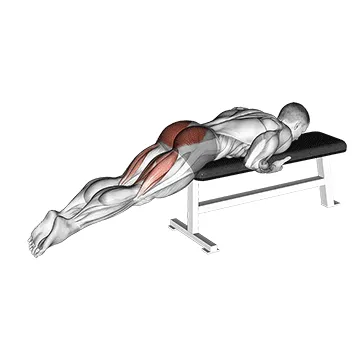
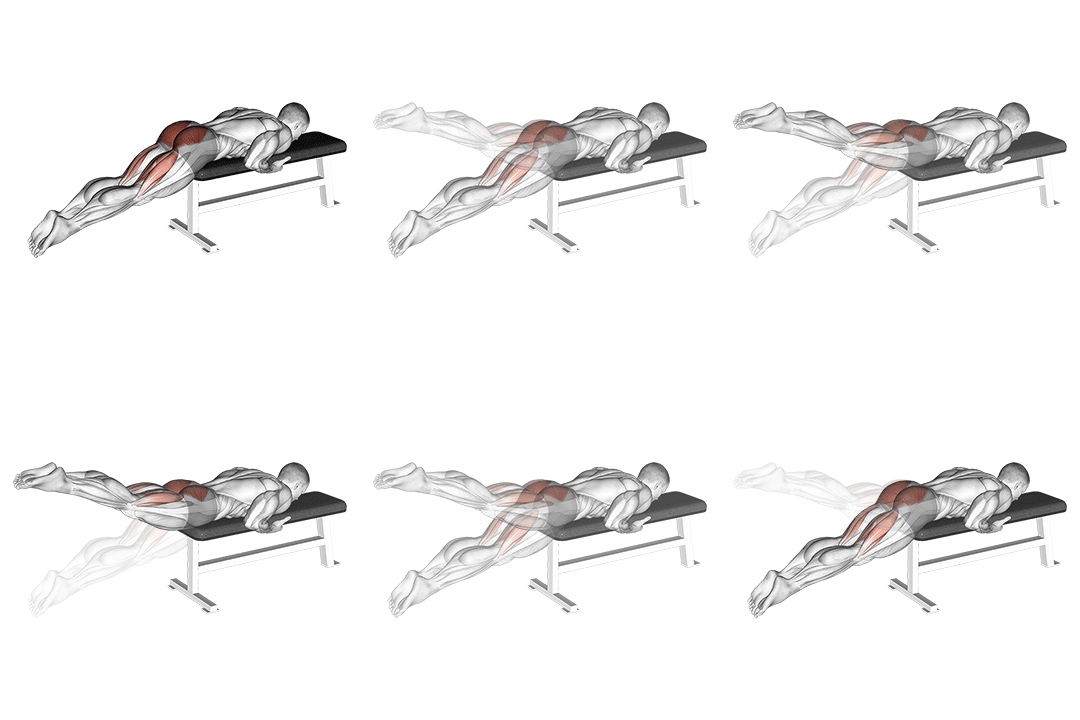
9. Reverse Hyper On Flat Bench
49% match- Glutes
- Bodyweight
- Intermediate
- Compound
How to perform this exercise
- Lie face down on a flat bench with your hips at the edge and your legs hanging off the bench.
- Hold onto the bench for stability.
- Keeping your legs straight, raise them up towards the ceiling as high as you can.
- Squeeze your glutes at the top of the movement.
- Slowly lower your legs back down to the starting position.
- Repeat for the desired number of repetitions.
Sets and reps: 3 or 4 sets of 6 to 10 reps.
Why this matches
- Primary muscle: glutes, the same as the Barbell Single Leg Deadlift
- Equipment: bodyweight only, not free weights
- Body position: lying face down, not standing
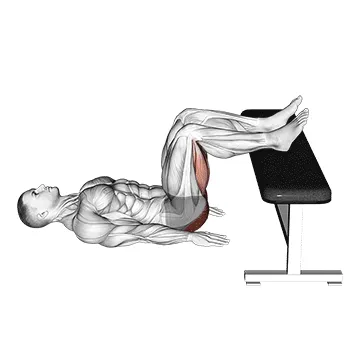
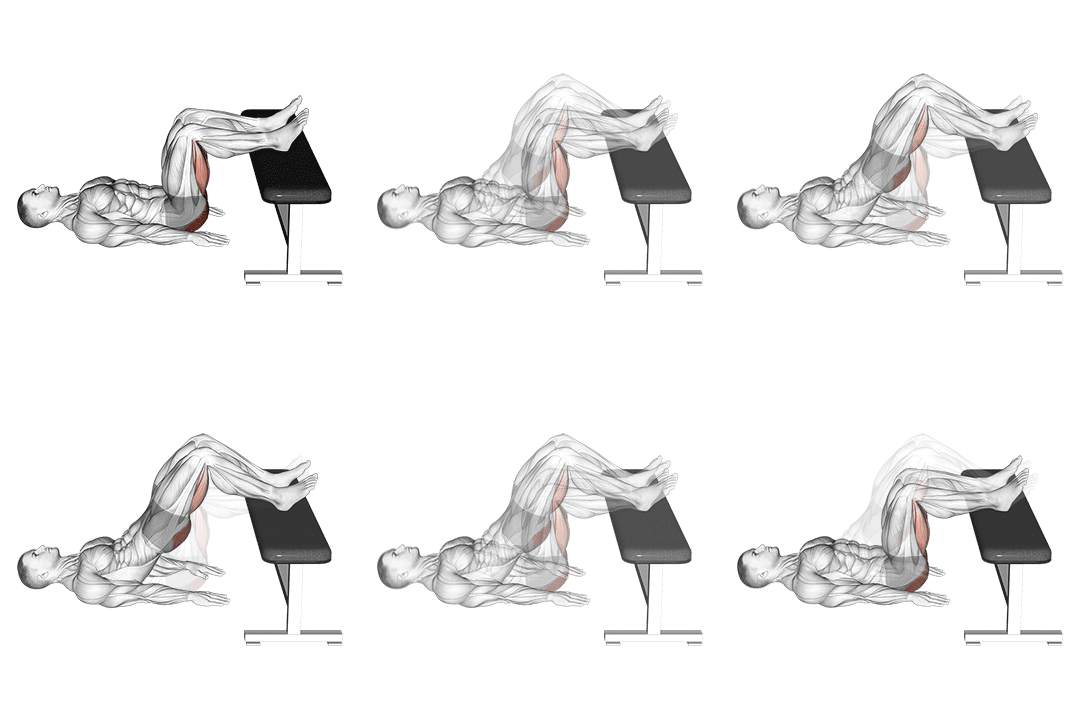
10. Glute Bridge Two Legs On Bench
48% match- Glutes
- Bodyweight
- Intermediate
- Compound
How to perform this exercise
- Sit on the edge of a bench with your back against it and your feet flat on the ground.
- Place your hands on the bench beside your hips for support.
- Engage your glutes and hamstrings, then lift your hips off the bench until your body forms a straight line from your knees to your shoulders.
- Pause for a moment at the top, then slowly lower your hips back down to the starting position.
- Repeat for the desired number of repetitions.
Sets and reps: 3 or 4 sets of 6 to 10 reps.
Why this matches
- Primary muscle: glutes, the same as the Barbell Single Leg Deadlift
- Equipment: bodyweight only, not free weights
- Body position: lying on your back, not standing
- Balance: easier to stay steady on than the Barbell Single Leg Deadlift
Why You Might Need a Barbell Single Leg Deadlift Alternative
You might substitute the Barbell Single Leg Deadlift for several reasons: lack of a barbell, acute joint pain, balance deficits, or a desire to alter loading and muscle emphasis. Unilateral work stresses stabilizers and proprioception; bilateral RDLs and hip thrusts allow higher load and greater glute hypertrophy. If you have knee or lower-back discomfort, choose exercises that reduce shear forces, cue a soft knee bend, hinge from the hips, and feel hamstring-to-glute tension. Swapping also helps manage fatigue and progression: use heavier bilateral variants for strength phases and single-leg variations for balance and unilateral control.
Find Alternatives for Any Exercise
Search the exercise database and filter the ranked substitutes by the equipment you own.
Similarity scores compare exercise metadata such as movement pattern, muscles, equipment and body position. They are not a safety rating or a check that you own the equipment. Learn about our methodology