

10 Best Single Leg Bridge With Outstretched Leg Alternatives for Glute Strength
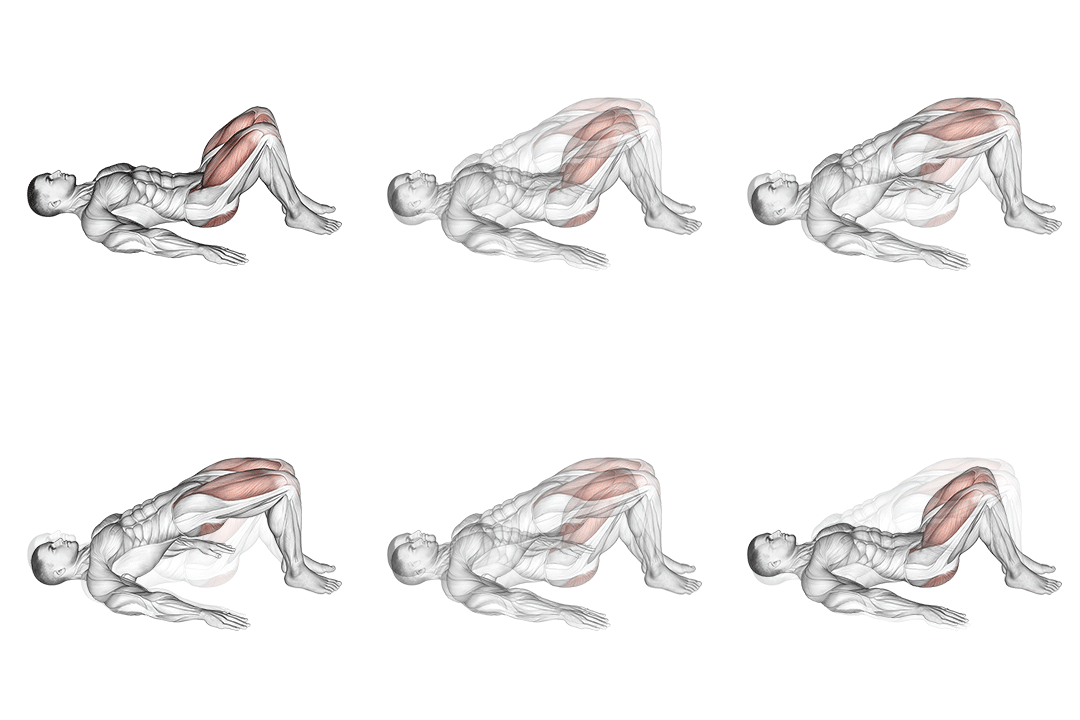
The Single Leg Bridge With Outstretched Leg is done lying on your back. Ranked closest by our scoring: the Single Leg Glute Bridge, the Physioball Hip Bridge and the Glute Bridge March. A harder version, the Janda Sit-up, is listed below as a progression rather than a swap.
The Single Leg Bridge With Outstretched Leg has you lie on your back, straighten one leg out in front of you and lift your hips off the floor on the other, so a swap needs to keep your glutes doing that lifting work. The closest match is the Single Leg Glute Bridge, which bends both knees and works one side at a time the same way. If keeping one leg straight throws off your balance, the Glute Bridge March sets both feet down and lifts one at a time instead.
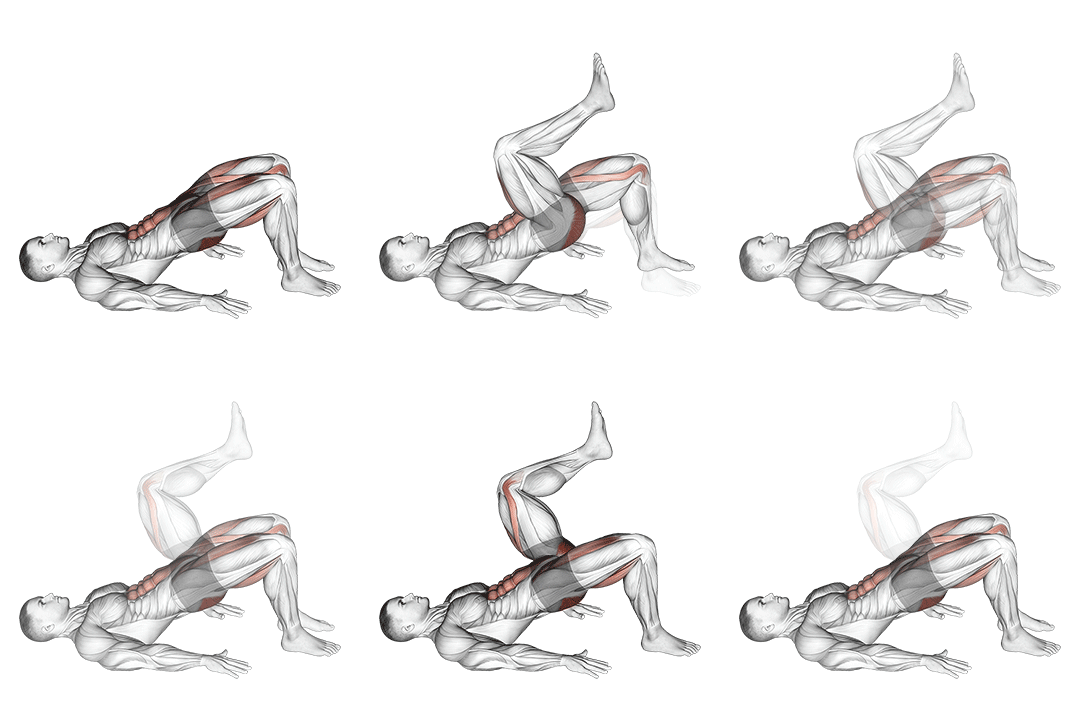
Updated Ranked by our 12-factor similarity model How it works
Original Exercise: Single Leg Bridge With Outstretched Leg
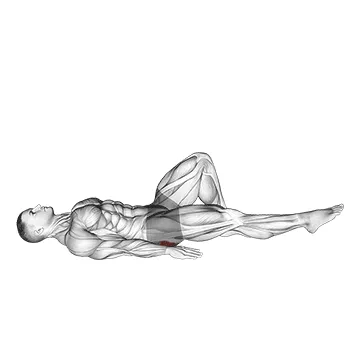
- Primary muscle
- Glutes
- Equipment
- Bodyweight
- Difficulty
- Intermediate
- Type
- Compound
Secondary muscles: Hamstrings, Quadriceps
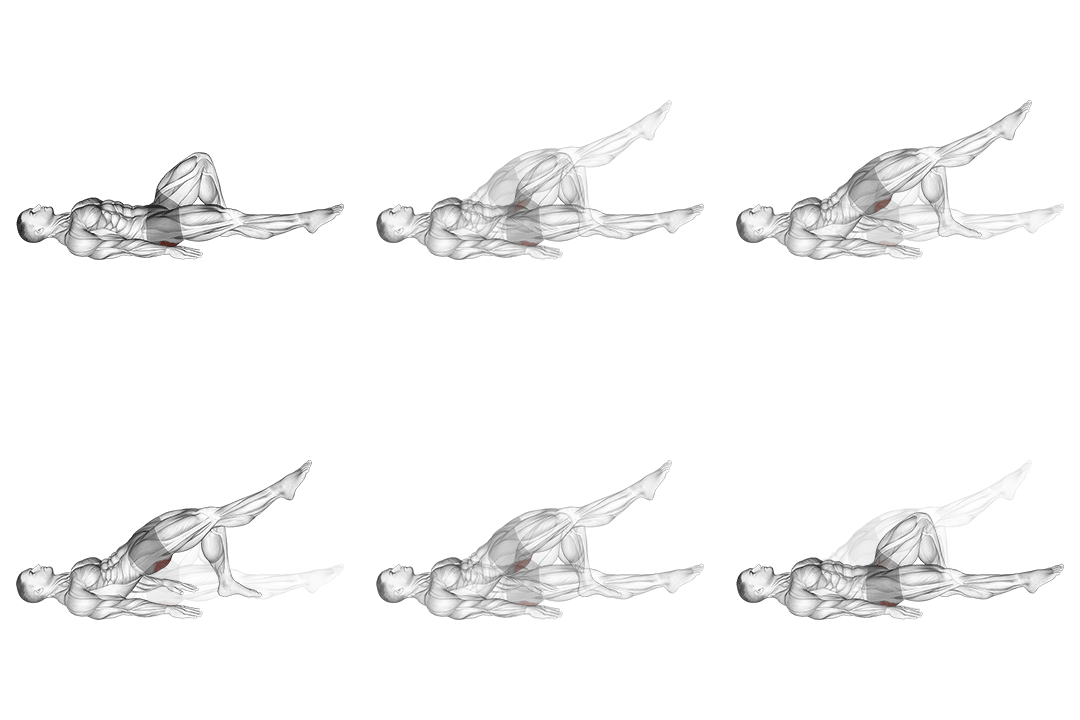
How to perform Single Leg Bridge With Outstretched Leg
- Lie on your back with your knees bent and feet flat on the ground.
- Extend one leg straight out in front of you.
- Engage your glutes and lift your hips off the ground, forming a straight line from your knees to your shoulders.
- Hold for a moment at the top, then slowly lower your hips back down to the starting position.
- Repeat for the desired number of repetitions, then switch legs.
Ranked Single Leg Bridge With Outstretched Leg Alternatives
10 substitutes, ranked by how closely each one matches the Single Leg Bridge With Outstretched Leg on movement pattern, muscles worked, equipment and body position. The higher the score, the less you change. Open "How to perform this exercise" on a card for the steps; every card title links to that exercise's own alternatives page. Harder versions are tagged as progressions and kept out of the top spot even when they score higher.
Best match 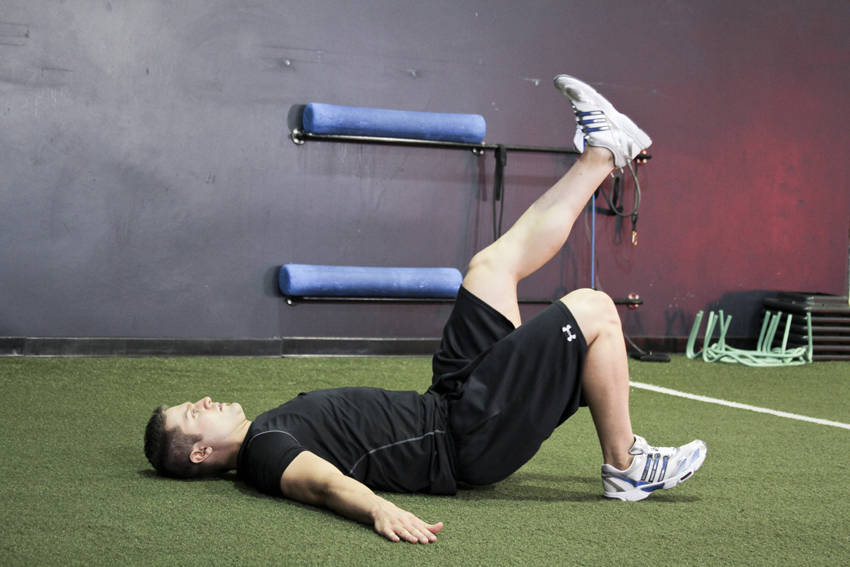
1. Single Leg Glute Bridge
85% match- Glutes
- Bodyweight
- Intermediate
- Isolation
Pick this when you want an easier version that still works the glutes.
How to perform this exercise
- Lay on the floor with your feet flat and knees bent.
- Raise one leg off of the ground, pulling the knee to your chest. This will be your starting position.
- Execute the movement by driving through the heel, extending your hip upward and raising your glutes off of the ground.
- Extend as far as possible, pause and then return to the starting position.
Sets and reps: 3 sets of 10 to 15 reps on each side.
Why this matches
- Primary muscle: glutes, the same as the Single Leg Bridge With Outstretched Leg
- Equipment: bodyweight only, the same as the Single Leg Bridge With Outstretched Leg
- Body position: lying on your back, the same as the Single Leg Bridge With Outstretched Leg
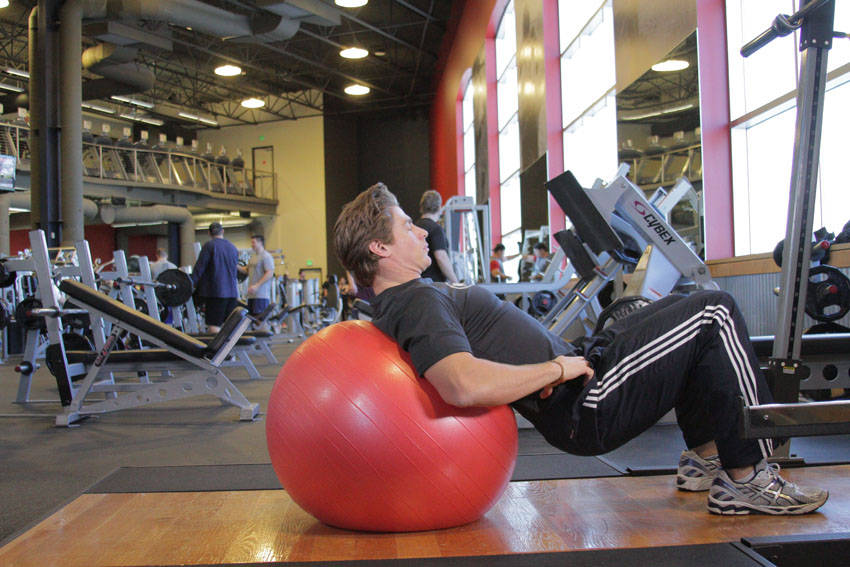
2. Physioball Hip Bridge
83% match- Glutes
- Stability-ball
- Intermediate
- Compound
A good swap when you have a stability ball to work with, and it still works the glutes.
How to perform this exercise
- Lay on a ball so that your upper back is on the ball with your hips unsupported. Both feet should be flat on the floor, hip width apart or wider. This will be your starting position.
- Begin by extending the hips using your glutes and hamstrings, raising your hips upward as you bridge.
- Pause at the top of the motion and return to the starting position.
Sets and reps: 3 or 4 sets of 6 to 10 reps.
Why this matches
- Primary muscle: glutes, the same as the Single Leg Bridge With Outstretched Leg
- Equipment: bodyweight only, the same as the Single Leg Bridge With Outstretched Leg
- Body position: lying on your back, the same as the Single Leg Bridge With Outstretched Leg
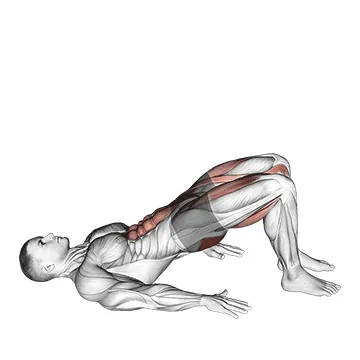
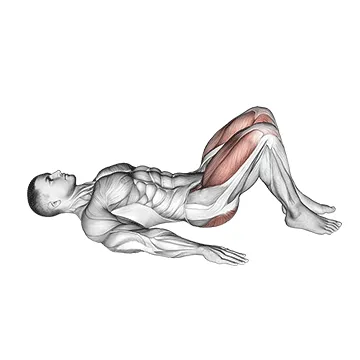
3. Glute Bridge March
82% match- Glutes
- Bodyweight
- Intermediate
- Compound
How to perform this exercise
- Lie flat on your back with your knees bent and feet flat on the ground.
- Engage your glutes and lift your hips off the ground, forming a straight line from your knees to your shoulders.
- While keeping your hips lifted, lift one foot off the ground and bring your knee towards your chest.
- Lower your foot back to the ground and repeat the movement with the other leg.
- Continue alternating legs in a marching motion while maintaining the bridge position.
- Repeat for the desired number of repetitions.
Sets and reps: 3 or 4 sets of 6 to 10 reps on each side.
Why this matches
- Primary muscle: glutes, the same as the Single Leg Bridge With Outstretched Leg
- Equipment: bodyweight only, the same as the Single Leg Bridge With Outstretched Leg
- Body position: lying on your back, the same as the Single Leg Bridge With Outstretched Leg
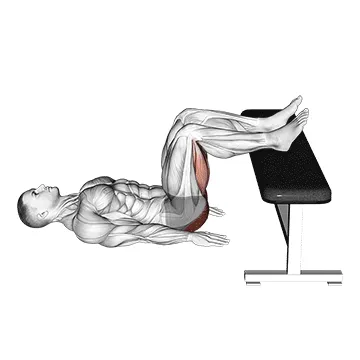
4. Glute Bridge Two Legs On Bench
81% match- Glutes
- Bodyweight
- Intermediate
- Compound
How to perform this exercise
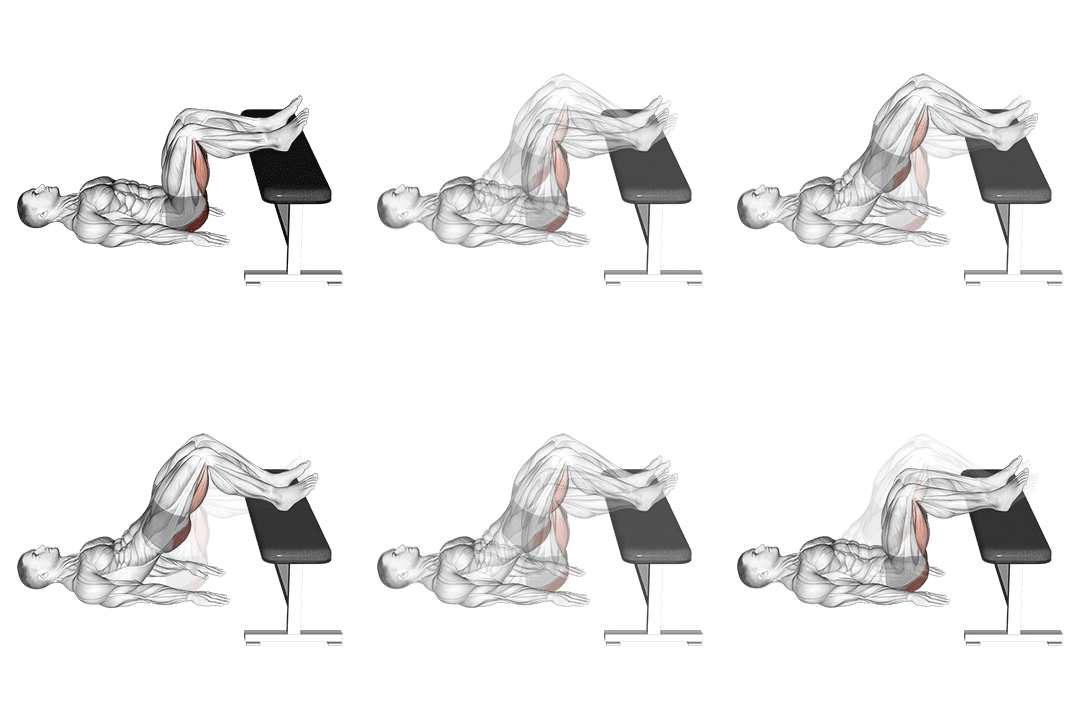
- Sit on the edge of a bench with your back against it and your feet flat on the ground.
- Place your hands on the bench beside your hips for support.
- Engage your glutes and hamstrings, then lift your hips off the bench until your body forms a straight line from your knees to your shoulders.
- Pause for a moment at the top, then slowly lower your hips back down to the starting position.
- Repeat for the desired number of repetitions.
Sets and reps: 3 or 4 sets of 6 to 10 reps.
Why this matches
- Primary muscle: glutes, the same as the Single Leg Bridge With Outstretched Leg
- Equipment: bodyweight only, the same as the Single Leg Bridge With Outstretched Leg
- Body position: lying on your back, the same as the Single Leg Bridge With Outstretched Leg
- Balance: easier to stay steady on than the Single Leg Bridge With Outstretched Leg
- Glutes
- Stability-ball
- Intermediate
- Compound
How to perform this exercise
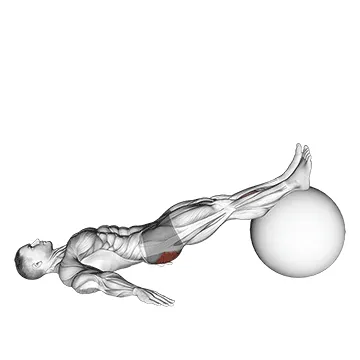
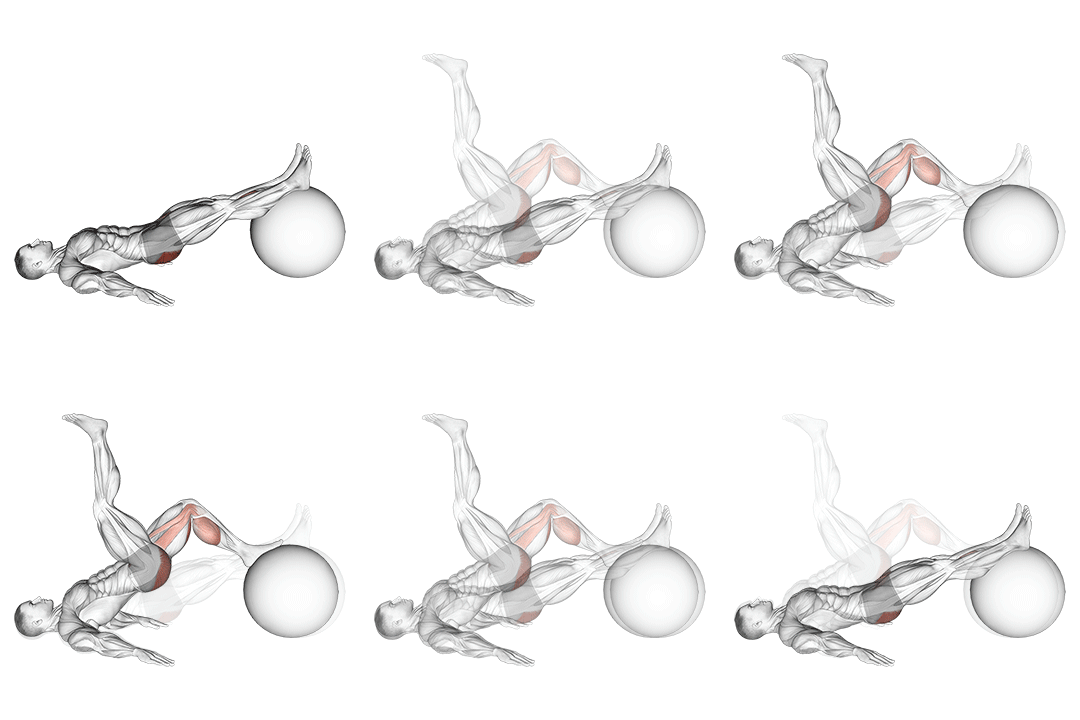
- Start by lying on your back with your legs extended and your heels resting on top of the stability ball.
- Place your arms by your sides for stability.
- Engage your glutes and core muscles to lift your hips off the ground, creating a straight line from your shoulders to your heels.
- Bend your right knee and bring it towards your chest, keeping your left leg extended and your foot flexed.
- Kick your right leg diagonally across your body, extending it fully and engaging your hamstrings.
- Slowly return your right leg to the starting position, maintaining control and stability.
- Repeat the movement with your left leg, alternating sides for the desired number of repetitions.
Sets and reps: 3 or 4 sets of 6 to 10 reps on each side.
Why this matches
- Primary muscle: glutes, the same as the Single Leg Bridge With Outstretched Leg
- Equipment: bodyweight only, the same as the Single Leg Bridge With Outstretched Leg
- Body position: lying face down, not lying on your back
- Glutes
- Stability-ball
- Intermediate
- Compound
How to perform this exercise
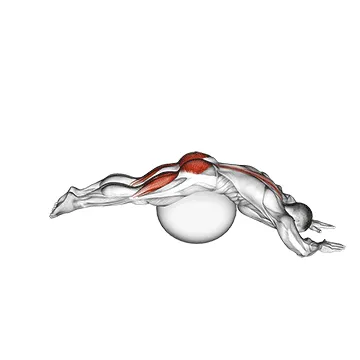
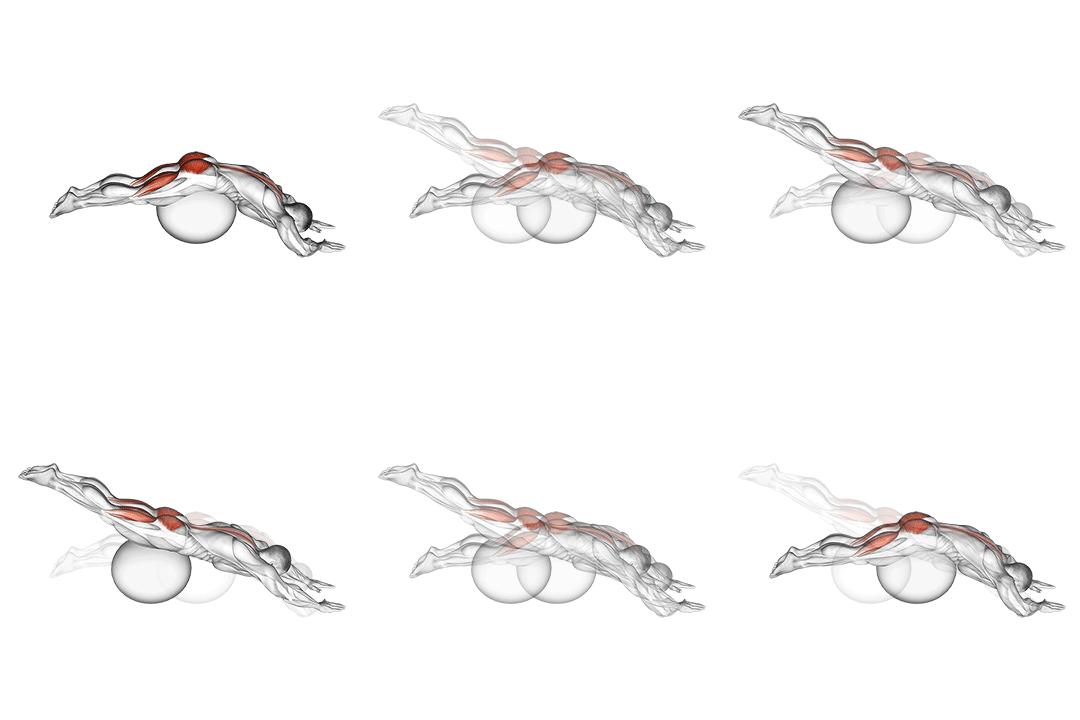
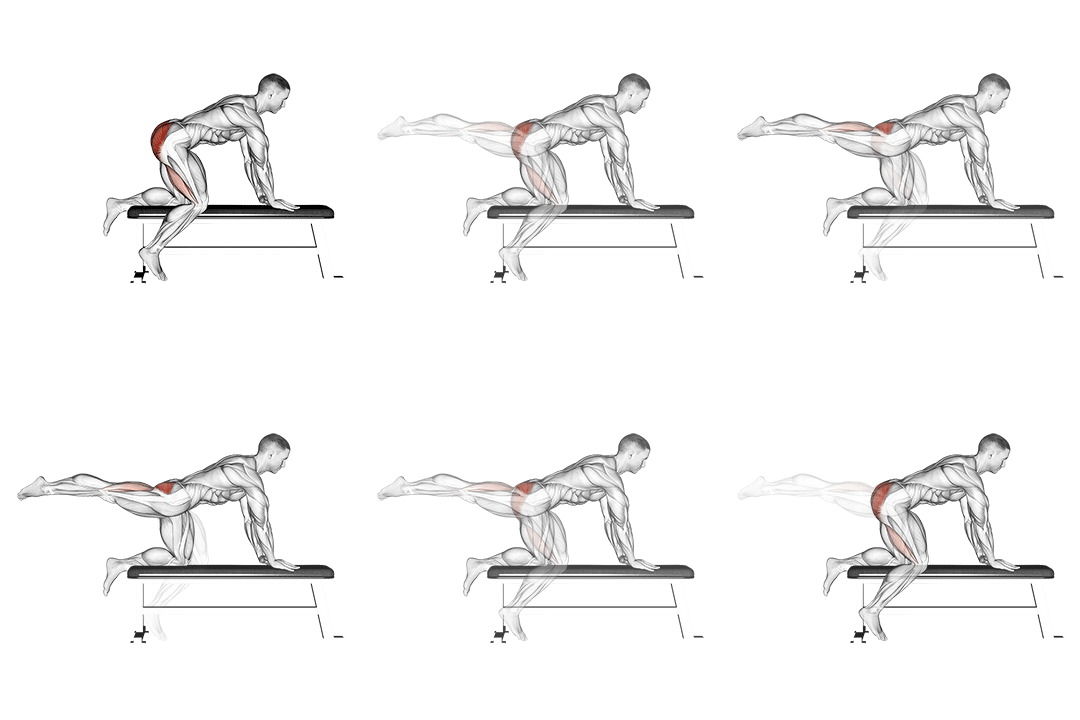
- Lie face down on a stability ball with your hips resting on the ball and your legs extended straight behind you.
- Place your hands on the ground in front of you for stability.
- Engaging your glutes and hamstrings, lift your legs up towards the ceiling as high as you can.
- Pause for a moment at the top, then slowly lower your legs back down to the starting position.
- Repeat for the desired number of repetitions.
Sets and reps: 3 or 4 sets of 6 to 10 reps.
Why this matches
- Primary muscle: glutes, the same as the Single Leg Bridge With Outstretched Leg
- Equipment: bodyweight only, the same as the Single Leg Bridge With Outstretched Leg
- Body position: lying face down, not lying on your back
7. Rear Decline Bridge
80% match- Glutes
- Bodyweight
- Intermediate
- Compound
Pick this when you want to work the glutes with less balance to manage.
How to perform this exercise
- Lie on your back with your feet flat on the ground and your knees bent.
- Place your arms by your sides with your palms facing down.
- Engage your glutes and hamstrings, and lift your hips off the ground until your body forms a straight line from your knees to your shoulders.
- Hold this position for a few seconds, then slowly lower your hips back down to the starting position.
- Repeat for the desired number of repetitions.
Sets and reps: 3 or 4 sets of 6 to 10 reps.
Why this matches
- Primary muscle: glutes, the same as the Single Leg Bridge With Outstretched Leg
- Equipment: bodyweight only, the same as the Single Leg Bridge With Outstretched Leg
- Body position: lying on your back, the same as the Single Leg Bridge With Outstretched Leg
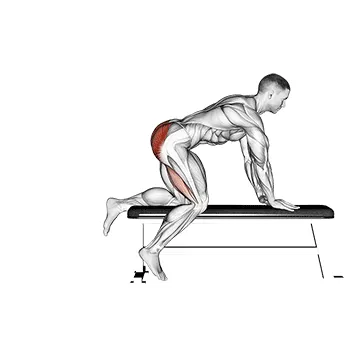
8. Bench Hip Extension
79% match- Glutes
- Bodyweight
- Beginner
- Compound
How to perform this exercise
- Sit on a bench with your back against the bench and your feet flat on the ground.
- Place your hands on the bench for support.
- Engage your glutes and hamstrings, then lift your hips off the bench until your body forms a straight line from your knees to your shoulders.
- Pause for a moment at the top, then slowly lower your hips back down to the starting position.
- Repeat for the desired number of repetitions.
Sets and reps: 3 sets of 8 to 12 reps, and add reps before you add load.
Why this matches
- Primary muscle: glutes, the same as the Single Leg Bridge With Outstretched Leg
- Equipment: bodyweight only, the same as the Single Leg Bridge With Outstretched Leg
- Body position: lying on your back, the same as the Single Leg Bridge With Outstretched Leg
- Balance: easier to stay steady on than the Single Leg Bridge With Outstretched Leg
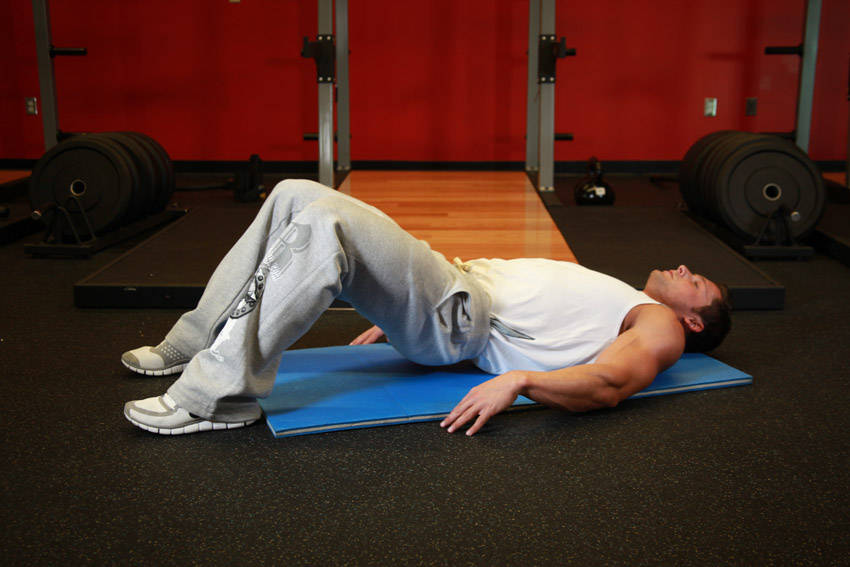
9. Butt Lift (Bridge)
79% match- Glutes
- Bodyweight
- Beginner
- Compound
How to perform this exercise
- Lie flat on the floor on your back with the hands by your side and your knees bent. Your feet should be placed around shoulder width. This will be your starting position.
- Pushing mainly with your heels, lift your hips off the floor while keeping your back straight. Breathe out as you perform this part of the motion and hold at the top for a second.
- Slowly go back to the starting position as you breathe in.
Sets and reps: 3 sets of 8 to 12 reps, and add reps before you add load.
Why this matches
- Primary muscle: glutes, the same as the Single Leg Bridge With Outstretched Leg
- Equipment: bodyweight only, the same as the Single Leg Bridge With Outstretched Leg
- Body position: lying on your back, the same as the Single Leg Bridge With Outstretched Leg
Progression
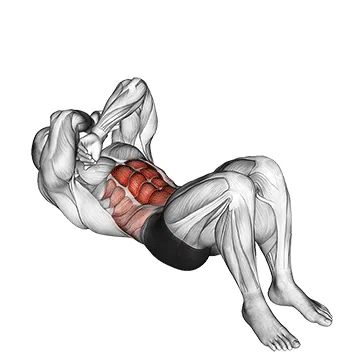
10. Janda Sit-up
75% match- Abs
- Bodyweight
- Advanced
- Compound
How to perform this exercise
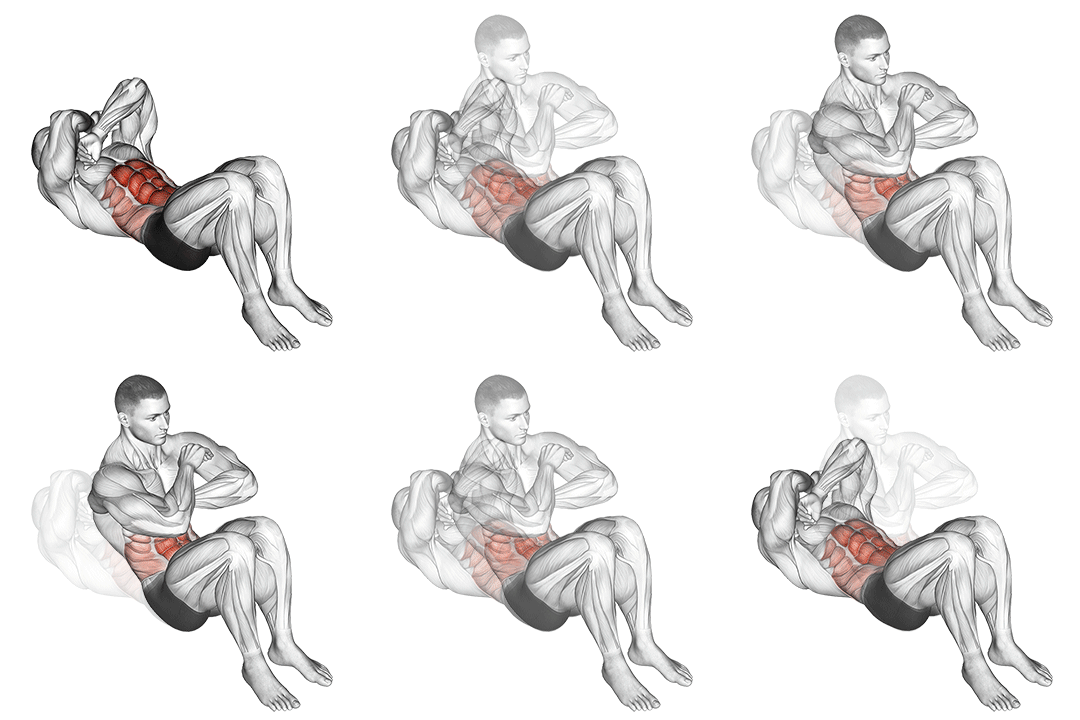
- Lie flat on your back with your knees bent and feet flat on the ground.
- Place your hands behind your head with your elbows pointing outwards.
- Engaging your abs, slowly lift your upper body off the ground, curling forward until your torso is at a 45-degree angle.
- Pause for a moment at the top, then slowly lower your upper body back down to the starting position.
- Repeat for the desired number of repetitions.
Sets and reps: 3 or 4 sets of 6 to 10 reps.
Why this matches
- Primary muscle: abs, not glutes
- Equipment: bodyweight only, the same as the Single Leg Bridge With Outstretched Leg
- Body position: lying on your back, the same as the Single Leg Bridge With Outstretched Leg
Why You Might Need a Single Leg Bridge With Outstretched Leg Alternative
The Single Leg Bridge With Outstretched Leg needs nothing but floor space, and the leg held straight out in front of you is what makes it awkward: it shifts your weight onto one hip and one foot, and a wobble there can end the set before your glutes are tired. Most of the alternatives keep the equipment bar low: several bend both knees or leave both feet down to take the balance problem away, and three move you onto a stability ball, which swaps a straight-leg wobble for a surface that can roll. Pick by what is actually stopping you: balance, or having a ball on hand.
How to Choose the Right Single Leg Bridge With Outstretched Leg Substitute
If the straight leg tips you sideways, start with the Single Leg Glute Bridge: the raised knee pulls to your chest instead of staying straight, a shorter lever to balance, one side at a time. If balance is the issue, the Glute Bridge March keeps both feet down and only lifts one foot once your hips are up, so you never balance a straight leg from the floor; the Glute Bridge Two Legs On Bench is the same two-foot bridge against a bench. With a ball, the Physioball Hip Bridge rests your upper back on it with feet down, while the Reverse Hyper Extension (On Stability Ball) puts your hips on the ball, legs lifting behind you. To skip the ball, the Bench Hip Extension is that same bench-backed bridge: sit against it, feet flat, lift your hips.
Single Leg Bridge With Outstretched Leg FAQ
Can I do the Single Leg Bridge With Outstretched Leg at home?
Yes, it only needs floor space. If the straight leg makes it hard to keep your hips level, the Single Leg Glute Bridge bends both knees and is easier to balance, and the Glute Bridge March or the Rear Decline Bridge put both feet down first, all doable on the same patch of floor.
How do I stop my hips dropping to one side?
Bend the raised leg instead of holding it straight: the Single Leg Glute Bridge pulls that knee toward your chest instead of leaving it hanging out in front, which makes it easier to keep your hips level. Slow the lift down and pause at the top before you add reps or try the straight leg version again.
Which swap suits a beginner?
The Bench Hip Extension and the Butt Lift (Bridge) both put your feet flat and both knees bent, so you can build the lift with a stable base before you try holding one leg straight. Add reps first, then work toward the single leg versions once the two-footed lift feels easy.
What does a stability ball change about this exercise?
The Physioball Hip Bridge rests your upper back on the ball with your feet on the floor, and the Reverse Hyper Extension (On Stability Ball) rests your hips on the ball instead, with your legs extended behind you. Both put part of your body on a surface that can roll, which is a different kind of control challenge than holding one leg straight out in front of you.
Find Alternatives for Any Exercise
Search the exercise database and filter the ranked substitutes by the equipment you own.
Similarity scores compare exercise metadata such as movement pattern, muscles, equipment and body position. They are not a safety rating or a check that you own the equipment. Learn about our methodology