

10 Best Cable One Arm Lateral Raise Alternatives for Home and Gym
The Cable One Arm Lateral Raise is done standing with a cable machine. Ranked closest by our scoring: the Left Hook. Boxing, the Handstand Push-up and Handstand Push-ups.
Updated Ranked by our 12-factor similarity model How it works
Original Exercise: Cable One Arm Lateral Raise
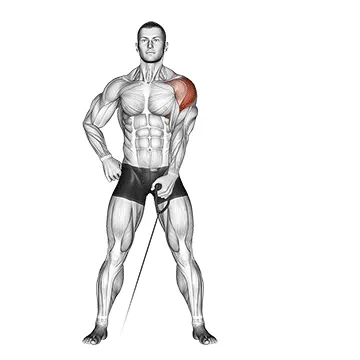
- Primary muscle
- Delts
- Equipment
- Cable
- Difficulty
- Beginner
- Type
- Isolation
Secondary muscles: Traps, Triceps
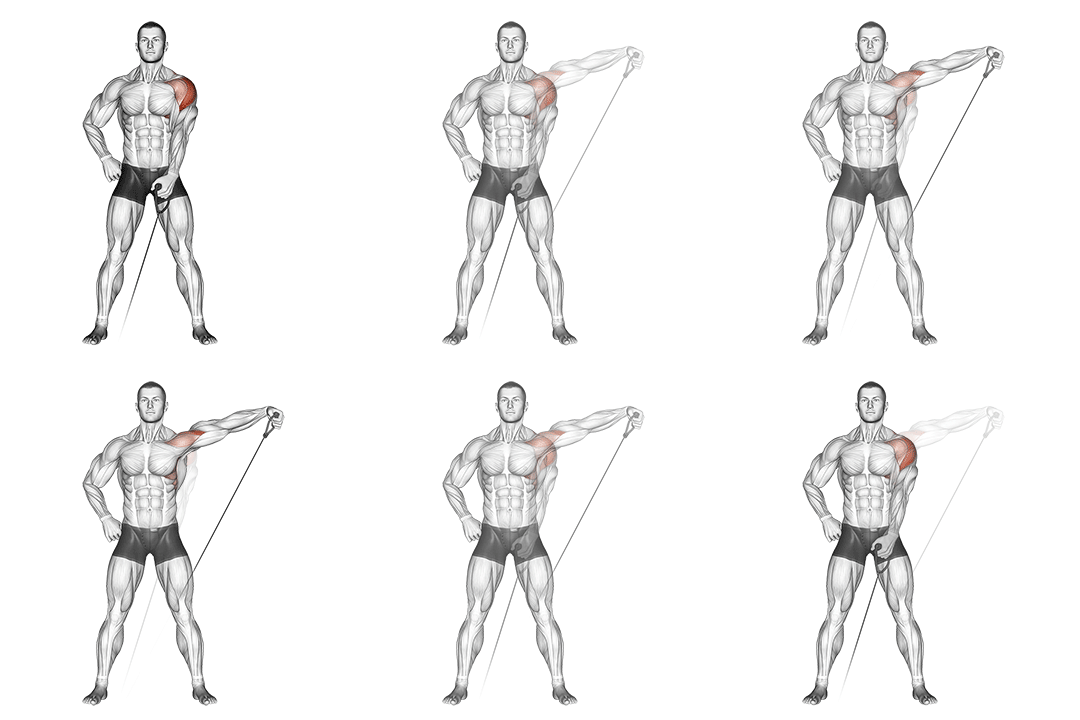
How to perform Cable One Arm Lateral Raise
- Stand with your feet shoulder-width apart, facing the cable machine.
- Hold the cable handle with one hand, palm facing down, and stand far enough away from the machine so that there is tension on the cable.
- Keep your arm straight and slowly raise it out to the side until it is parallel to the ground.
- Pause for a moment at the top, then slowly lower your arm back down to the starting position.
- Repeat for the desired number of repetitions, then switch sides.
Ranked Cable One Arm Lateral Raise Alternatives
10 substitutes, ranked by how closely each one matches the Cable One Arm Lateral Raise on movement pattern, muscles worked, equipment and body position. The higher the score, the less you change. Open "How to perform this exercise" on a card for the steps; every card title links to that exercise's own alternatives page.
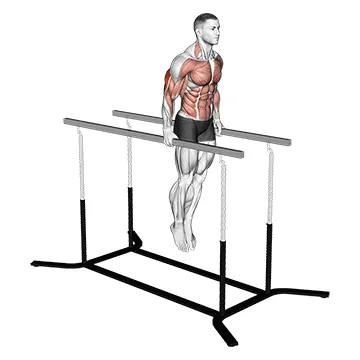
1. Reverse Dip
47% match- Triceps
- Bodyweight
- Intermediate
- Compound
A looser match: it works the triceps rather than the delts.
How to perform this exercise
- Position yourself between two parallel bars with your arms fully extended and your body straight.
- Lower your body by bending your elbows until your upper arms are parallel to the ground.
- Pause for a moment, then push yourself back up to the starting position by straightening your arms.
- Repeat for the desired number of repetitions.
Sets and reps: 3 or 4 sets of 6 to 10 reps.
Why this matches
- Primary muscle: triceps, not delts
- Equipment: bodyweight only, not a cable
- Body position: standing, the same as the Cable One Arm Lateral Raise
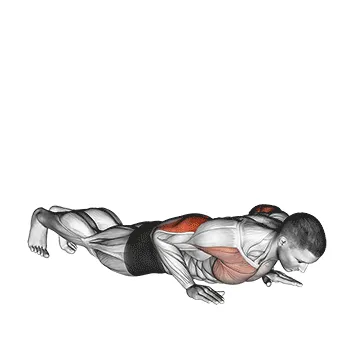
2. Elbow Dips
46% match- Triceps
- Bodyweight
- Intermediate
- Compound
How to perform this exercise
- Sit on the edge of a bench or chair with your hands gripping the edge next to your hips.
- Slide your hips forward off the bench and straighten your legs, keeping your heels on the ground.
- Bend your elbows and lower your body towards the ground, keeping your back close to the bench.
- Pause for a moment at the bottom, then push through your hands to straighten your arms and lift your body back up to the starting position.
- Repeat for the desired number of repetitions.
Sets and reps: 3 or 4 sets of 6 to 10 reps.
Why this matches
- Primary muscle: triceps, not delts
- Equipment: bodyweight only, not a cable
- Body position: standing, the same as the Cable One Arm Lateral Raise
- Balance: easier to stay steady on than the Cable One Arm Lateral Raise
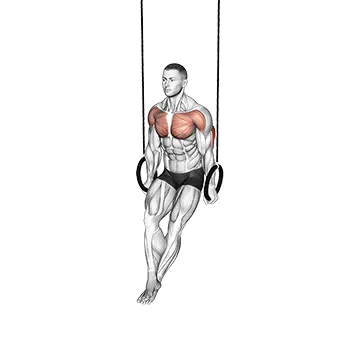
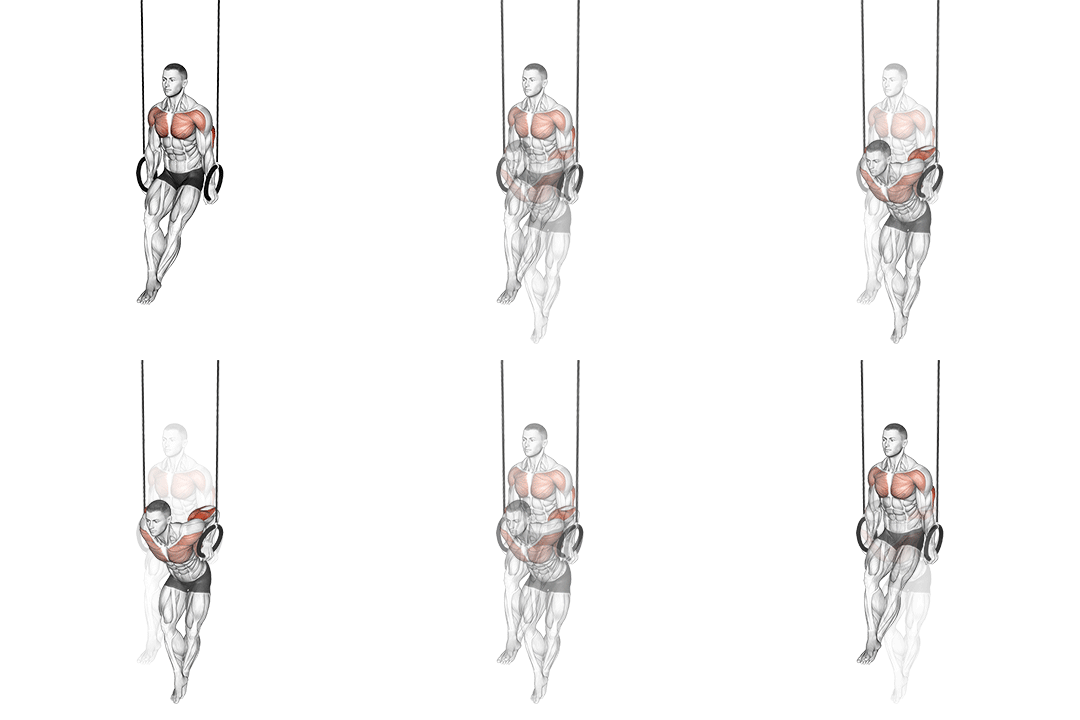
3. Ring Dips
45% match- Triceps
- Bodyweight
- Advanced
- Compound
How to perform this exercise
- Start by hanging from the rings with your arms fully extended and your body straight.
- Lower your body by bending your elbows until your shoulders are below your elbows.
- Push yourself back up to the starting position by straightening your arms.
- Repeat for the desired number of repetitions.
Sets and reps: 3 to 5 sets of 5 to 8 reps.
Why this matches
- Primary muscle: triceps, not delts
- Equipment: a suspension trainer, not a cable
- Body position: standing, the same as the Cable One Arm Lateral Raise
- Balance: harder to stay steady on than the Cable One Arm Lateral Raise
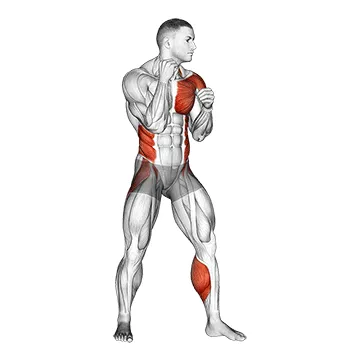
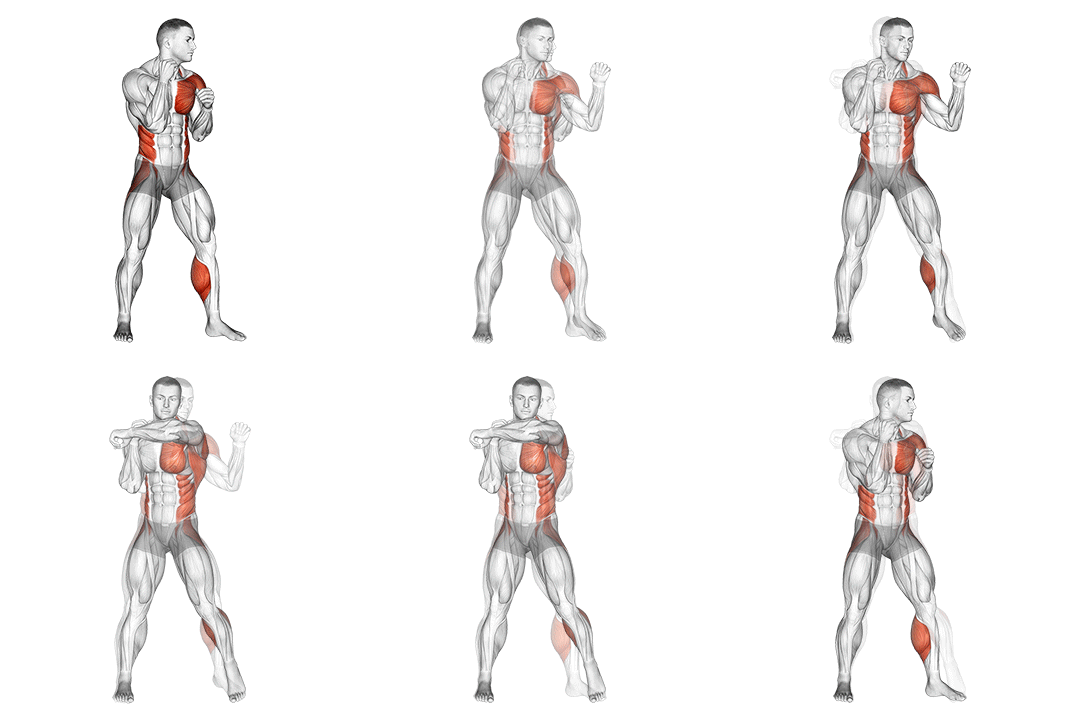
Best match 4. Left Hook. Boxing
44% match- Delts
- Bodyweight
- Intermediate
- Compound
Use this when you have nothing to train with, because it works the delts with bodyweight alone.
How to perform this exercise
- Stand with your feet shoulder-width apart and your knees slightly bent.
- Keep your left hand up to protect your face and your right hand by your chin.
- Rotate your hips and pivot on your left foot as you extend your left arm forward in a punching motion.
- Twist your torso and engage your core muscles to generate power in the punch.
- Snap your arm back to the starting position and repeat for the desired number of repetitions.
Sets and reps: 3 or 4 sets of 6 to 10 reps on each side.
Why this matches
- Primary muscle: delts, the same as the Cable One Arm Lateral Raise
- Equipment: bodyweight only, not a cable
- Body position: standing, the same as the Cable One Arm Lateral Raise
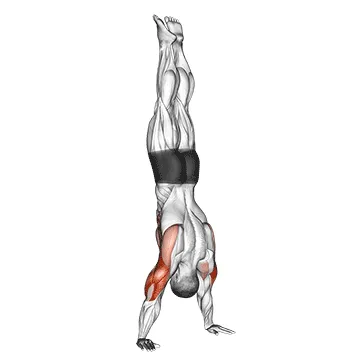
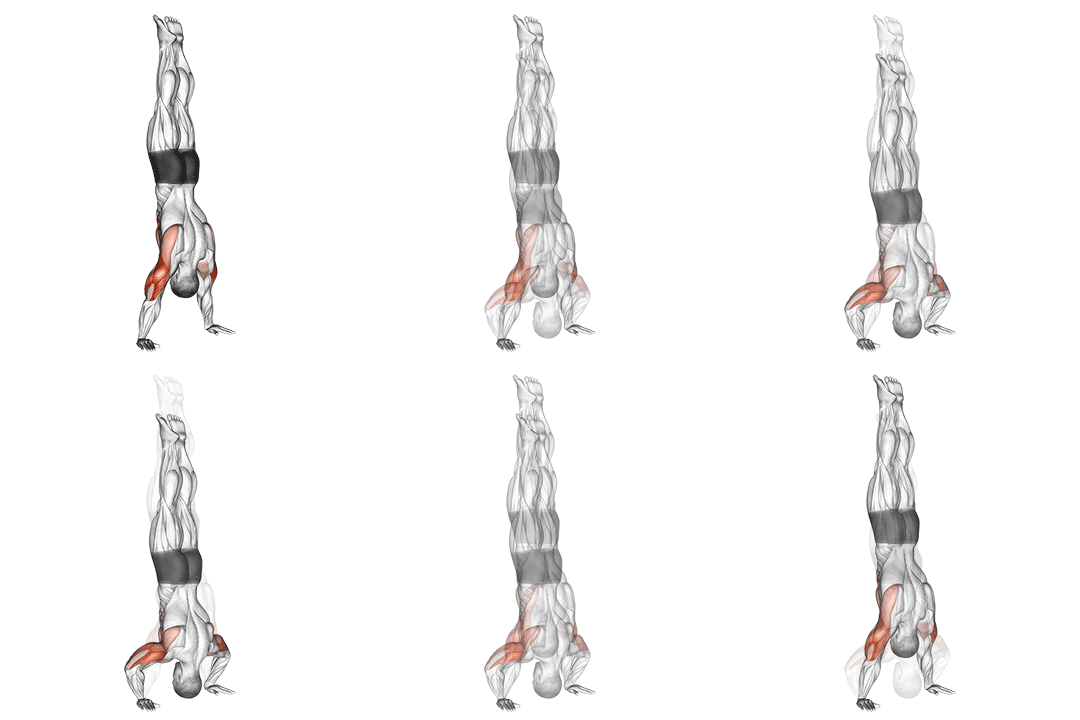
5. Handstand Push-up
41% match- Delts
- Bodyweight
- Advanced
- Compound
How to perform this exercise
- Find a wall and face away from it, standing a few feet away.
- Place your hands on the ground shoulder-width apart and kick your feet up against the wall, coming into a handstand position.
- Bend your elbows and lower your head towards the ground, keeping your body in a straight line.
- Push through your hands and extend your arms to return to the starting position.
- Repeat for the desired number of repetitions.
Sets and reps: 3 or 4 sets of 6 to 10 reps.
Why this matches
- Primary muscle: delts, the same as the Cable One Arm Lateral Raise
- Equipment: bodyweight only, not a cable
- Body position: inverted, not standing
- Balance: harder to stay steady on than the Cable One Arm Lateral Raise
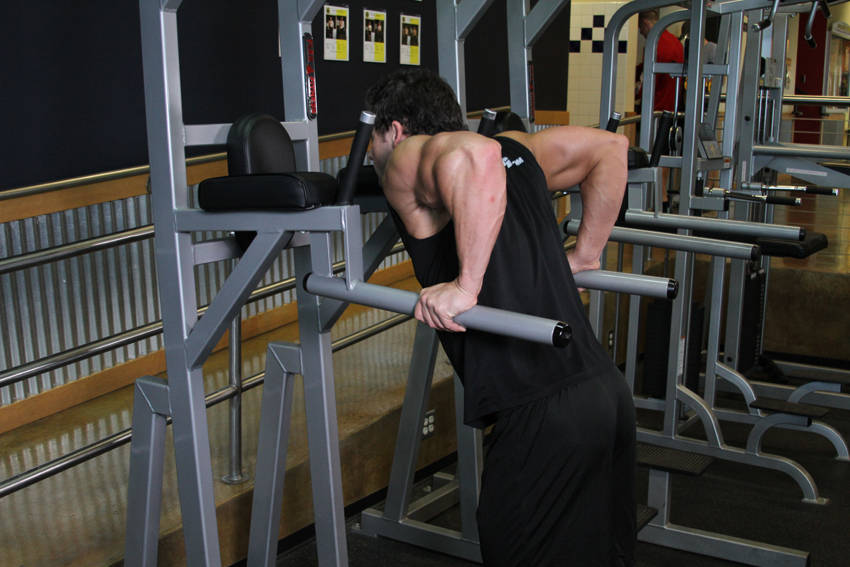
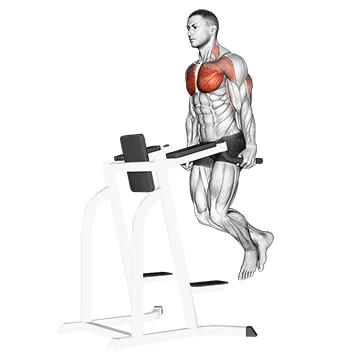
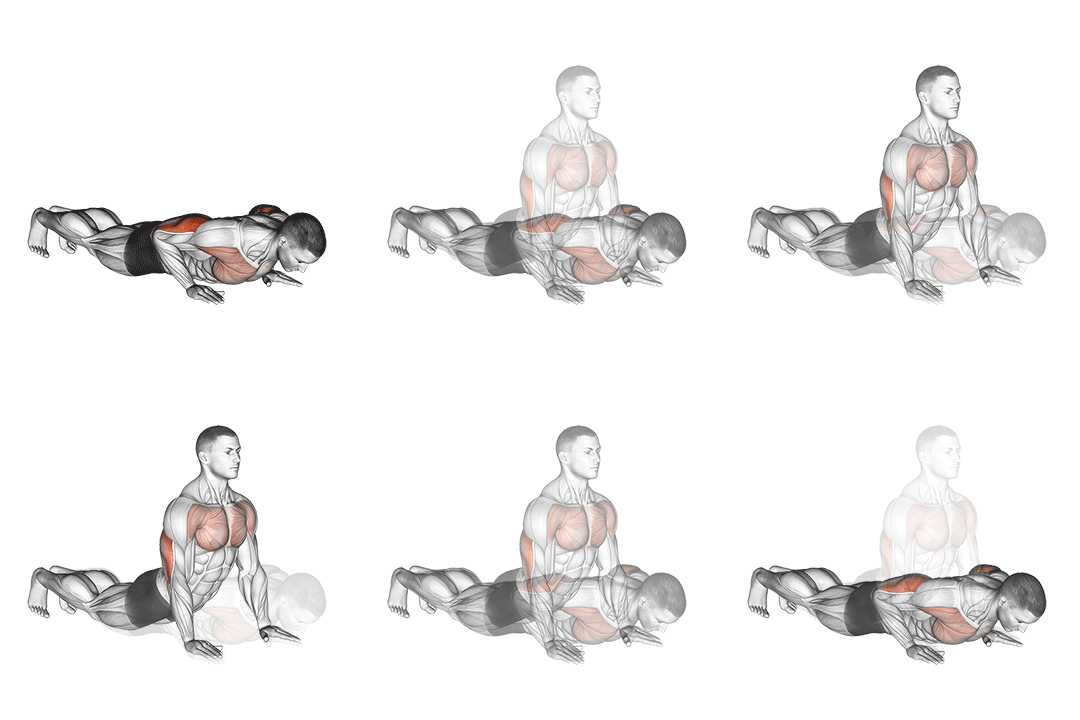
6. Dips - Triceps Version
39% match- Triceps
- Bodyweight
- Intermediate
- Compound
How to perform this exercise
- To get into the starting position, hold your body at arm's length with your arms nearly locked above the bars.
- Now, inhale and slowly lower yourself downward. Your torso should remain upright and your elbows should stay close to your body. This helps to better focus on tricep involvement. Lower yourself until there is a 90 degree angle formed between the upper arm and forearm.
- Then, exhale and push your torso back up using your triceps to bring your body back to the starting position.
- Repeat the movement for the prescribed amount of repetitions.
Sets and reps: 3 or 4 sets of 6 to 10 reps.
Why this matches
- Primary muscle: triceps, not delts
- Equipment: bodyweight only, not a cable
- Body position: hanging, not standing
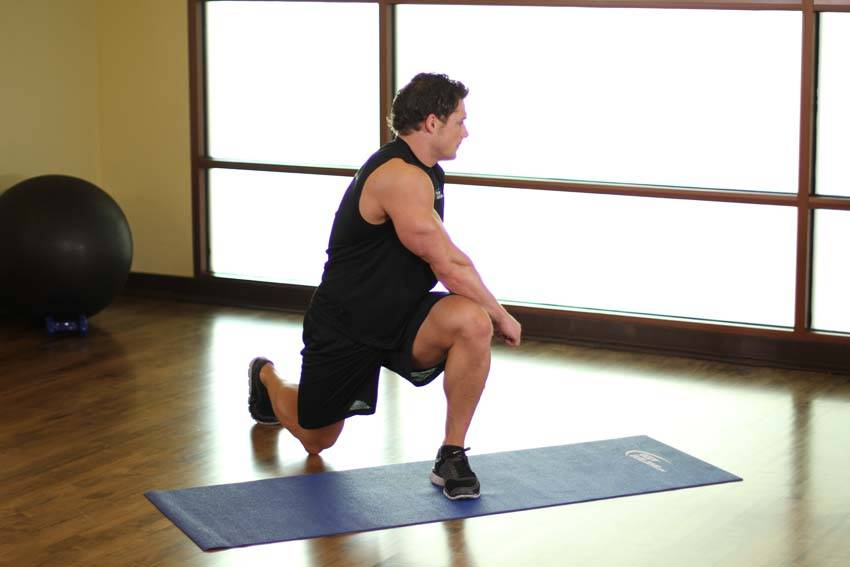
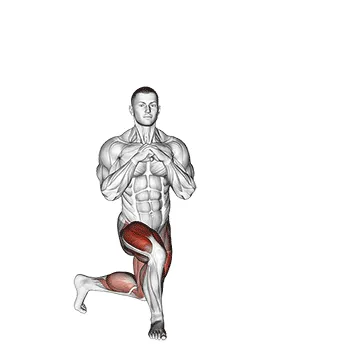
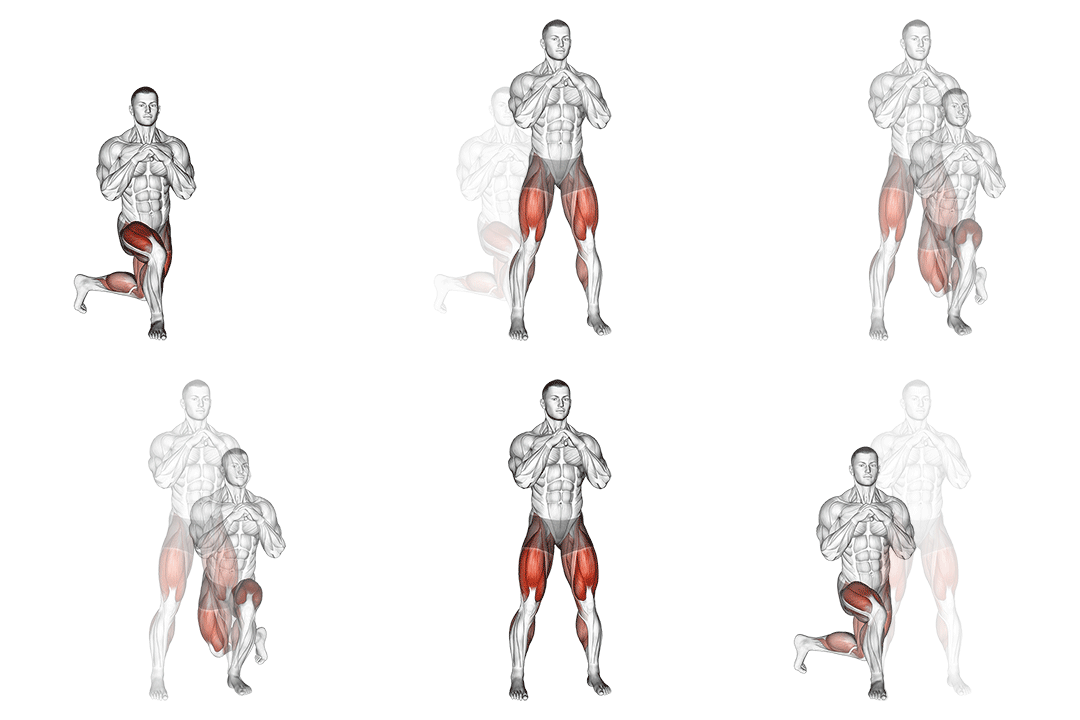
7. Crossover Reverse Lunge
39% match- Glutes
- Bodyweight
- Intermediate
- Compound
A looser match: it works the glutes rather than the delts.
How to perform this exercise
- Stand with your feet shoulder width apart. This will be your starting position.
- Perform a rear lunge by stepping back with one foot and flexing the hips and front knee. As you do so, rotate your torso across the front leg.
- After a brief pause, return to the starting position and repeat on the other side, continuing in an alternating fashion.
Sets and reps: 3 or 4 sets of 6 to 10 reps on each side.
Why this matches
- Primary muscle: glutes, not delts
- Equipment: bodyweight only, not a cable
- Body position: standing, the same as the Cable One Arm Lateral Raise
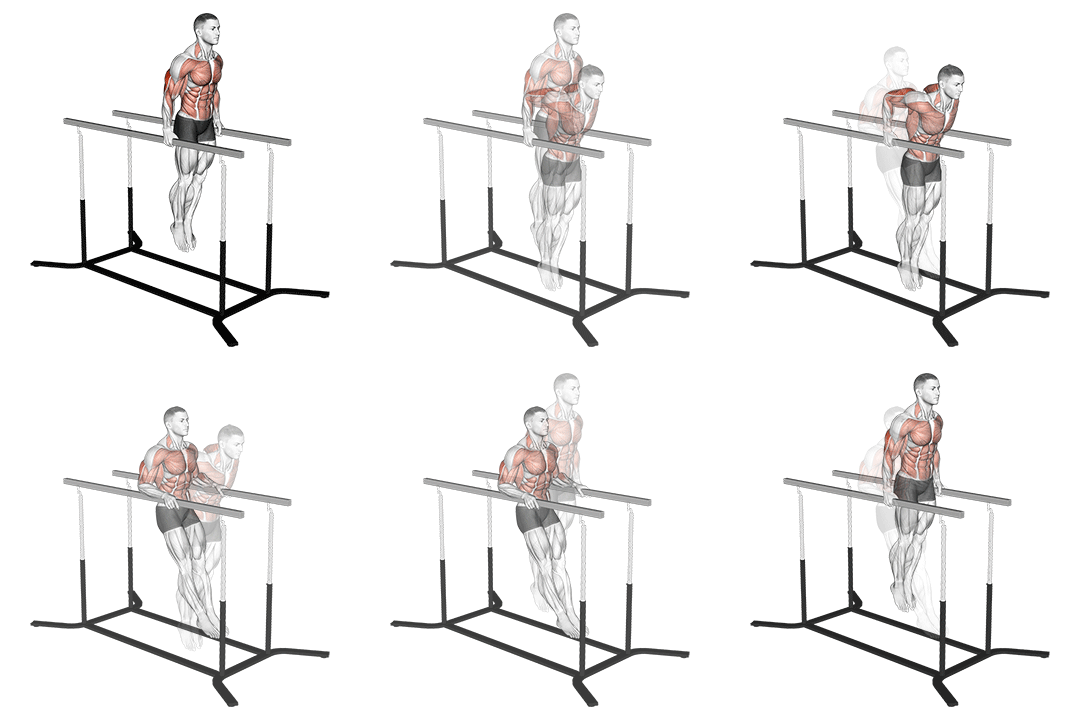
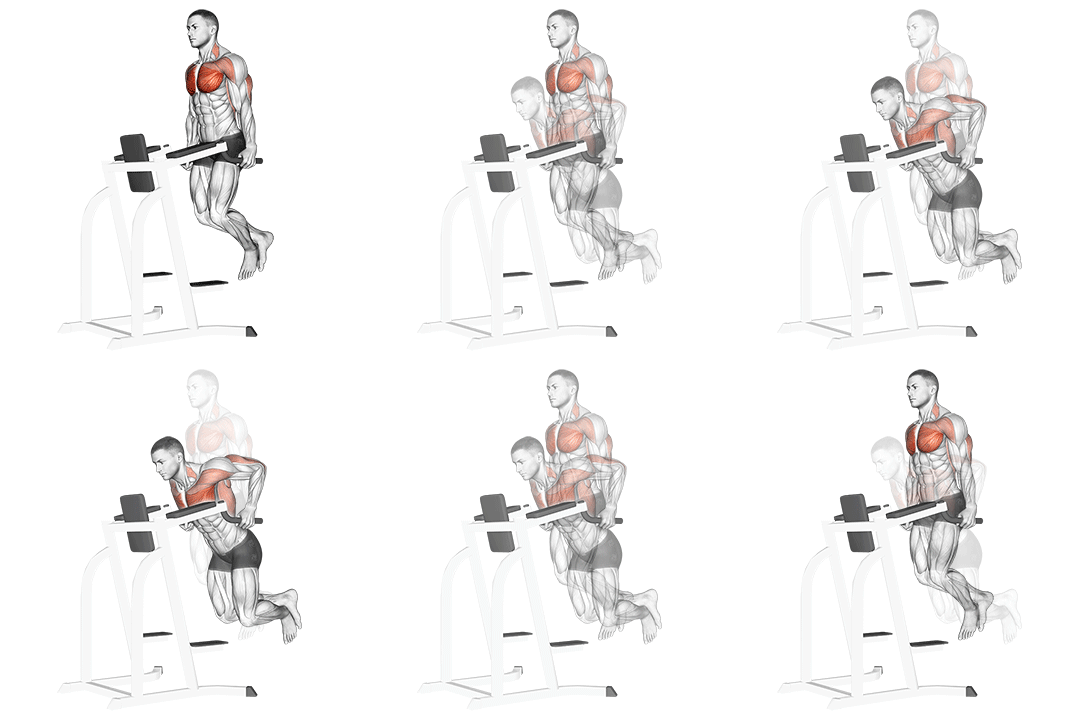
8. Chest Dip
39% match- Pectorals
- Bodyweight
- Advanced
- Compound
How to perform this exercise
- Position yourself on parallel bars with your arms fully extended and your body straight.
- Lower your body by bending your elbows until your shoulders are below your elbows.
- Push yourself back up to the starting position by straightening your arms.
- Repeat for the desired number of repetitions.
Sets and reps: 3 or 4 sets of 6 to 10 reps.
Why this matches
- Primary muscle: pectorals, not delts
- Equipment: bodyweight only, not a cable
- Body position: hanging, not standing
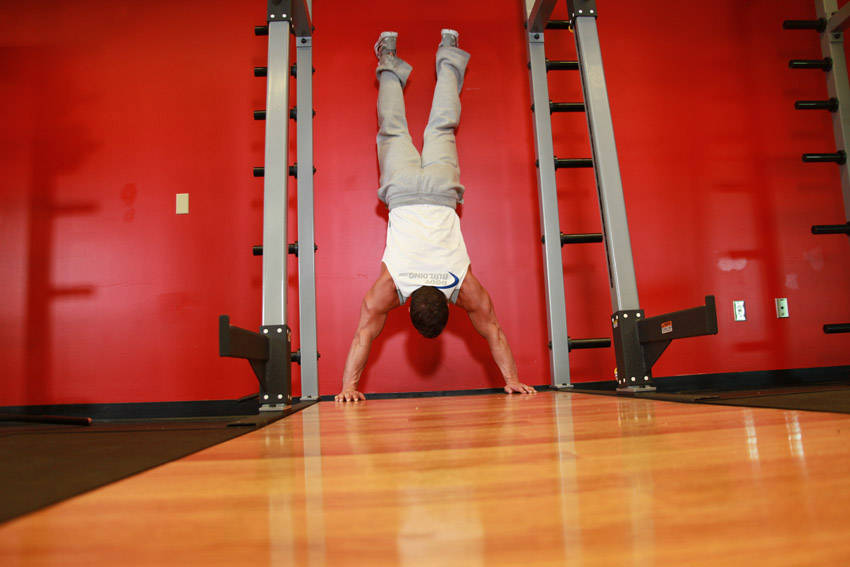
9. Handstand Push-ups
36% match- Delts
- Bodyweight
- Advanced
- Compound
How to perform this exercise
- With your back to the wall bend at the waist and place both hands on the floor at shoulder width.
- Kick yourself up against the wall with your arms straight. Your body should be upside down with the arms and legs fully extended. Keep your whole body as straight as possible. Tip: If doing this for the first time, have a spotter help you. Also, make sure that you keep facing the wall with your head, rather than looking down.
- Slowly lower yourself to the ground as you inhale until your head almost touches the floor. Tip: It is of utmost importance that you come down slow in order to avoid head injury.
- Push yourself back up slowly as you exhale until your elbows are nearly locked.
- Repeat for the recommended amount of repetitions.
Sets and reps: 3 or 4 sets of 6 to 10 reps.
Why this matches
- Primary muscle: delts, the same as the Cable One Arm Lateral Raise
- Equipment: bodyweight only, not a cable
- Body position: inverted, not standing
- Balance: harder to stay steady on than the Cable One Arm Lateral Raise
10. Curtsey Squat
35% match- Glutes
- Bodyweight
- Beginner
- Compound
How to perform this exercise
- Stand with your feet shoulder-width apart.
- Take a step diagonally behind and across your body with your right foot, crossing it behind your left leg.
- Bend both knees as if you were curtsying, lowering your body towards the ground.
- Keep your torso upright and your weight on your front foot.
- Push through your front foot to return to the starting position.
- Repeat on the other side, stepping diagonally behind and across your body with your left foot.
Sets and reps: 3 sets of 8 to 12 reps on each side, and add reps before you add load.
Why this matches
- Primary muscle: glutes, not delts
- Equipment: bodyweight only, not a cable
- Body position: standing, the same as the Cable One Arm Lateral Raise
Why You Might Need a Cable One Arm Lateral Raise Alternative
You might substitute this exercise due to no cable station, shoulder pain, travel, or to vary stimulus for hypertrophy. Cables provide near-constant tension; switching to dumbbells changes torque and can reduce uncomfortable shear for impinged shoulders. Choose a variant that limits scapular elevation and keeps the arm in pure abduction to emphasize the lateral deltoid, cue: keep the scapula stable, don’t shrug, and stop the raise at 90º shoulder abduction. Substitutes let you manipulate path of motion, loading pattern, and joint stress while preserving lateral-head activation.
How to Choose the Right Cable One Arm Lateral Raise Substitute
Decide based on equipment, pain history, and training goal. For strict isolation use a seated or selectorized lateral raise to lock the scapula; for constant tension pick bands or a leaning dumbbell variation to maintain resistance through the top. If you have AC-joint or impingement symptoms, favor lighter loads and a slightly forward arm plane (30º anterior) to reduce superior humeral migration, cue: keep elbow at 10–20º flexion and avoid shrugging. Prioritize exercises that let you apply progressive overload with clean mechanics.
Cable One Arm Lateral Raise FAQ
What muscles does Cable One Arm Lateral Raise work?
The exercise targets the lateral (middle) deltoid as the primary mover, producing shoulder abduction. The supraspinatus assists the initial range; traps and serratus anterior stabilize the scapula. Cue: maintain a slight elbow bend to concentrate load on the lateral head.
Find Alternatives for Any Exercise
Search the exercise database and filter the ranked substitutes by the equipment you own.
Similarity scores compare exercise metadata such as movement pattern, muscles, equipment and body position. They are not a safety rating or a check that you own the equipment. Learn about our methodology