

10 Best Cycle Cross Trainer Alternatives for Home & Gym
The Cycle Cross Trainer is done standing with a lever machine. Ranked closest by our scoring: the Stationary Bike Run, the Ski Step and the High Knee Against Wall.
Updated Ranked by our 12-factor similarity model How it works
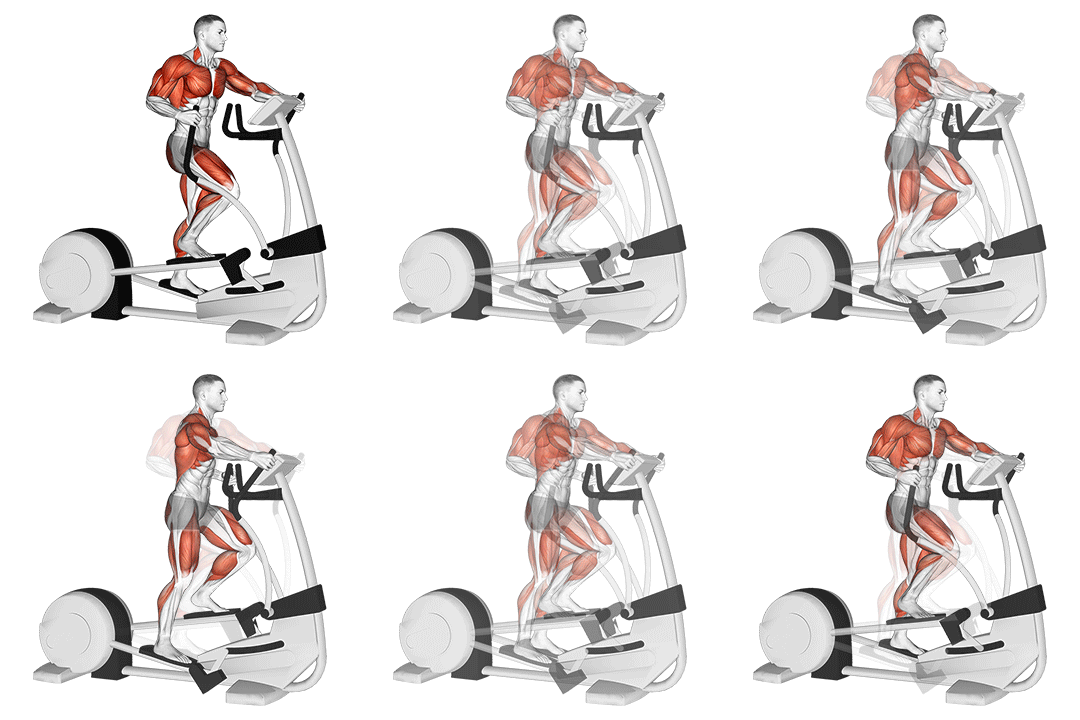
Original Exercise: Cycle Cross Trainer
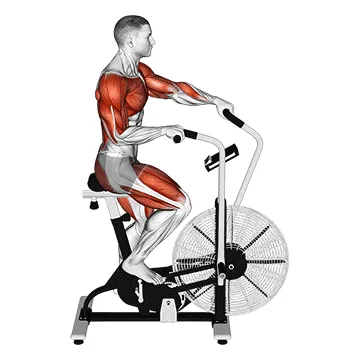
- Primary muscle
- Cardio
- Equipment
- Lever
- Difficulty
- Intermediate
- Type
- Compound
Secondary muscles: Quadriceps, Hamstrings, Glutes
How to perform Cycle Cross Trainer
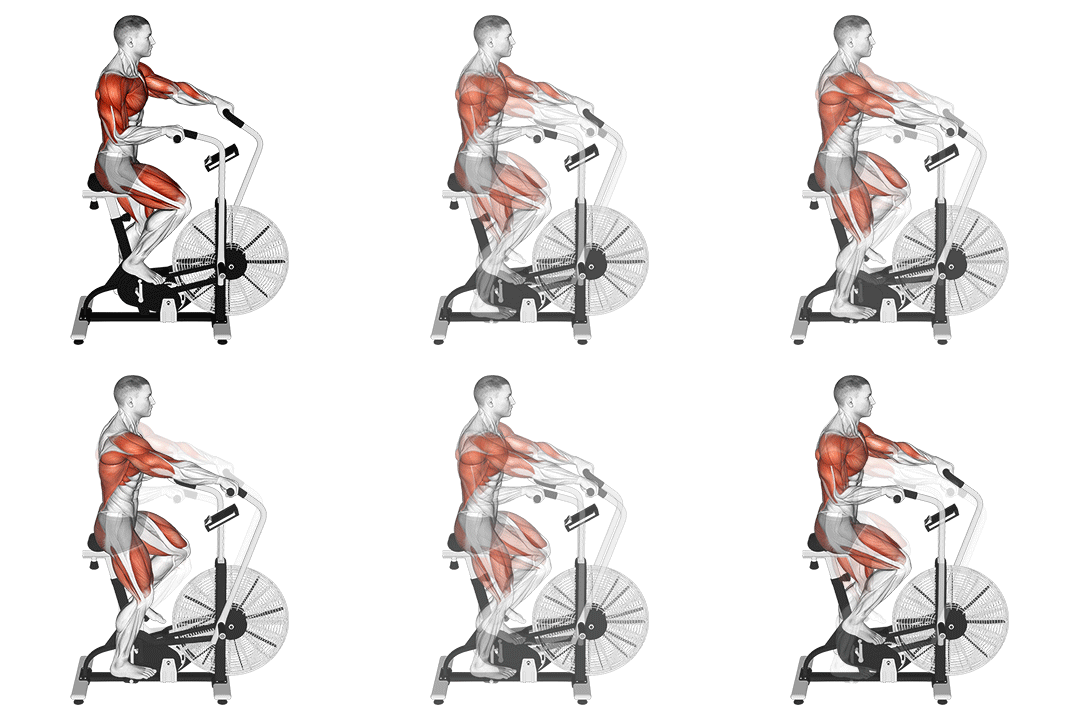
- Adjust the seat height and position yourself on the cycle cross trainer.
- Place your feet on the pedals and grip the handlebars.
- Start pedaling in a smooth and controlled motion.
- Maintain a steady pace and increase the resistance if desired.
- Continue pedaling for the desired duration of your cardio workout.
Ranked Cycle Cross Trainer Alternatives
10 substitutes, ranked by how closely each one matches the Cycle Cross Trainer on movement pattern, muscles worked, equipment and body position. The higher the score, the less you change. Open "How to perform this exercise" on a card for the steps; every card title links to that exercise's own alternatives page.
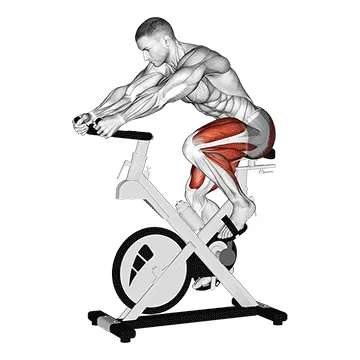
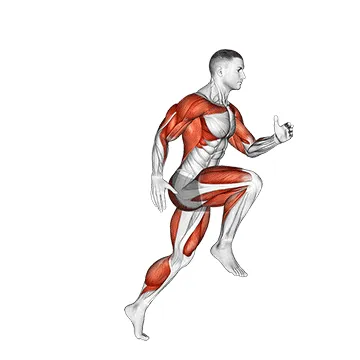
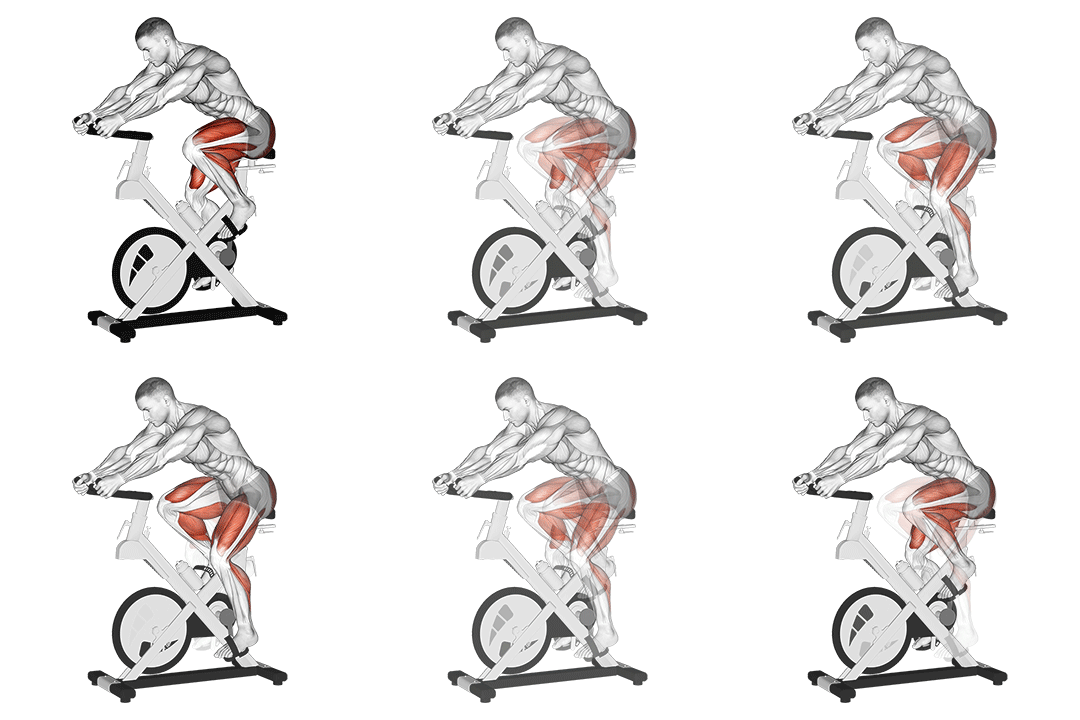
Best match 1. Stationary Bike Run
79% match- Cardio
- Other
- Intermediate
- Compound
A straight swap when you want to keep working the heart and lungs.
How to perform this exercise
- Adjust the seat height and position to ensure proper alignment.
- Place your feet on the pedals and secure them with the straps if available.
- Start pedaling at a comfortable pace.
- Maintain a steady rhythm and increase the resistance as desired.
- Engage your core muscles to maintain stability and proper posture.
- Continue pedaling for the desired duration of your workout.
- Gradually decrease the resistance and slow down before coming to a complete stop.
- Stretch your legs and cool down after the workout.
Sets and reps: Work for 30 to 60 seconds, rest as long as you worked, and repeat 6 to 10 times.
Why this matches
- Movement: cycling, the same as the Cycle Cross Trainer
- Primary muscle: your heart and lungs, the same as the Cycle Cross Trainer
- Equipment: a cardio machine, the same as the Cycle Cross Trainer
- Body position: seated, not standing
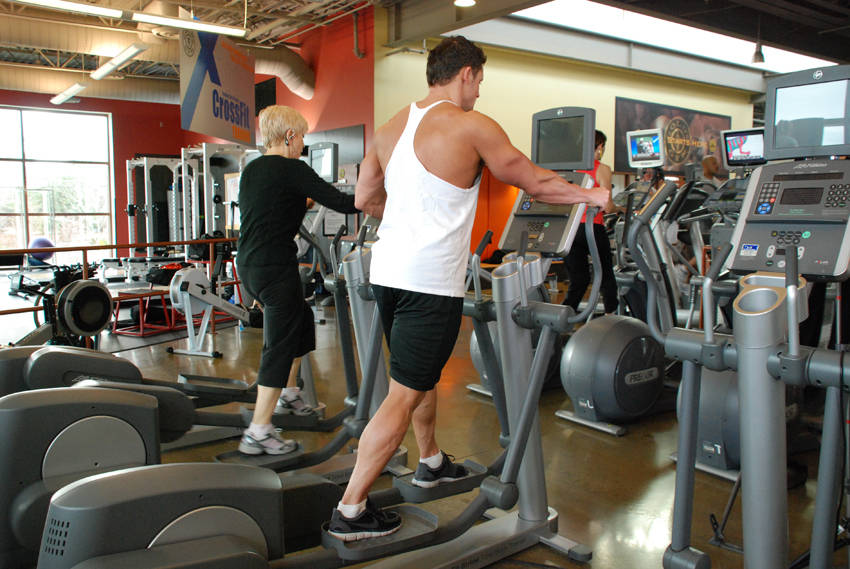
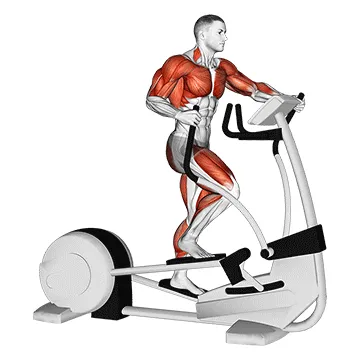
2. Elliptical Trainer
77% match- Quads
- Machine
- Beginner
- Compound
A looser match: it works the quads rather than the heart and lungs.
How to perform this exercise
- To begin, step onto the elliptical and select the desired option from the menu. Most ellipticals have a manual setting, or you can select a program to run. Typically, you can enter your age and weight to estimate the amount of calories burned during exercise. Elevation can be adjusted to change the intensity of the workout.
- The handles can be used to monitor your heart rate to help you stay at an appropriate intensity.
Sets and reps: Work for 30 to 60 seconds, rest as long as you worked, and repeat 6 to 10 times.
Why this matches
- Primary muscle: quads, not your heart and lungs
- Equipment: a cardio machine, the same as the Cycle Cross Trainer
- Body position: standing, the same as the Cycle Cross Trainer
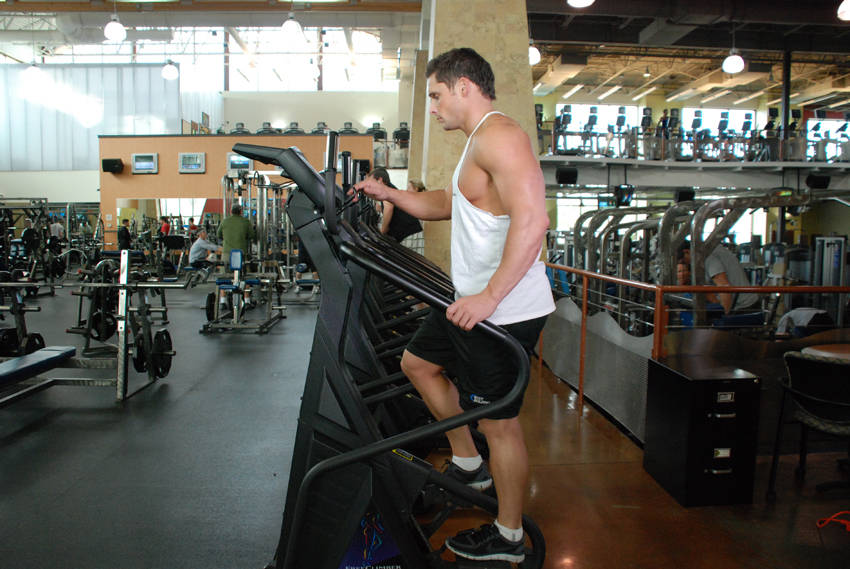
3. Stairmaster
77% match- Quads
- Machine
- Beginner
- Compound
How to perform this exercise
- To begin, step onto the stairmaster and select the desired option from the menu. You can choose a manual setting, or you can select a program to run. Typically, you can enter your age and weight to estimate the amount of calories burned during exercise.
- Pump your legs up and down in an established rhythm, driving the pedals down but not all the way to the floor. It is recommended that you maintain your grip on the handles so that you don't fall. The handles can be used to monitor your heart rate to help you stay at an appropriate intensity.
- Stairmasters offer convenience, cardiovascular benefits, and usually have less impact than running outside. They are typically much harder than other cardio equipment. A 150 lb person will typically burn over 300 calories in 30 minutes, compared to about 175 calories walking.
Sets and reps: Work for 30 to 60 seconds, rest as long as you worked, and repeat 6 to 10 times.
Why this matches
- Primary muscle: quads, not your heart and lungs
- Equipment: a cardio machine, the same as the Cycle Cross Trainer
- Body position: standing, the same as the Cycle Cross Trainer
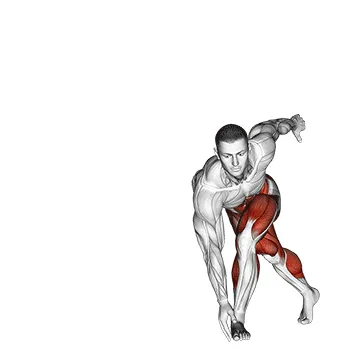
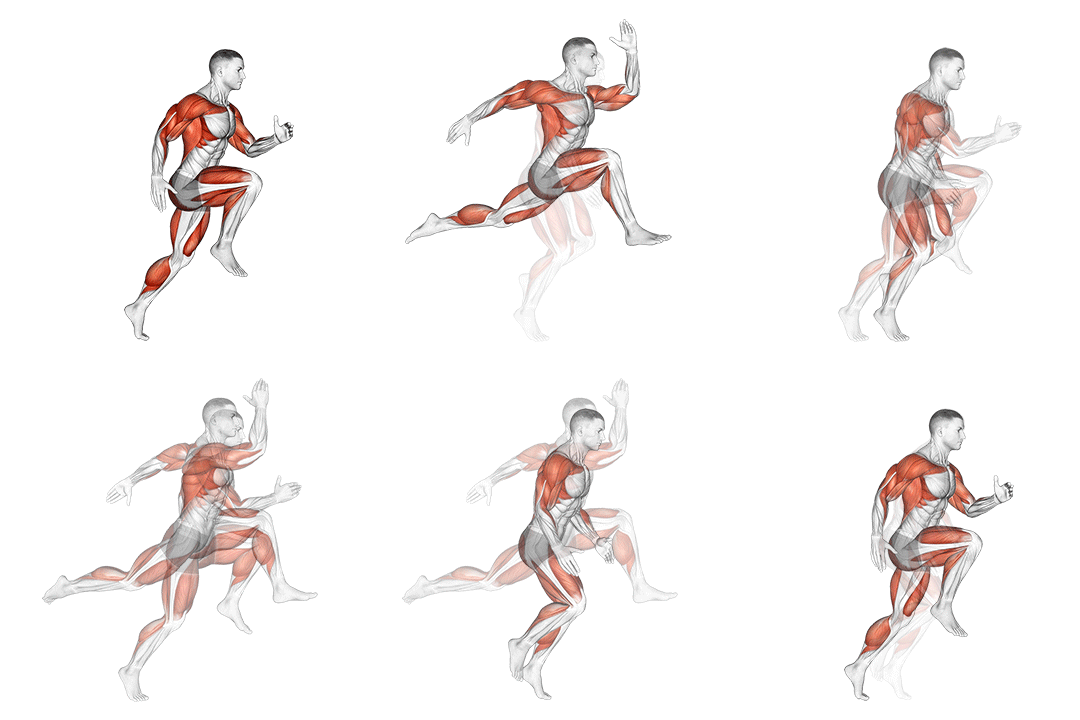
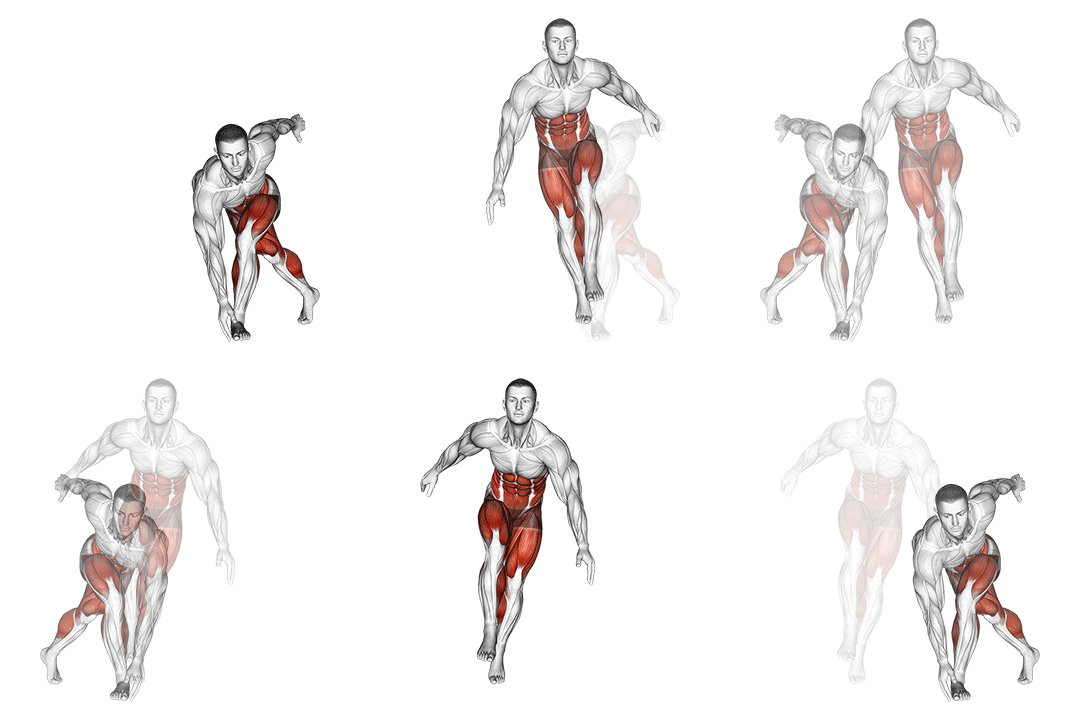
4. Ski Step
75% match- Cardio
- Bodyweight
- Beginner
- Compound
Use this when you have nothing to train with, because it works the heart and lungs with bodyweight alone.
How to perform this exercise
- Stand with your feet shoulder-width apart.
- Bend your knees slightly and keep your back straight.
- Jump to the right, landing on your right foot while swinging your left leg behind your right leg.
- Immediately jump to the left, landing on your left foot while swinging your right leg behind your left leg.
- Continue alternating jumps from side to side, mimicking a skiing motion.
- Repeat for the desired number of repetitions.
Sets and reps: Work for 30 to 60 seconds, rest as long as you worked, and repeat 6 to 10 times.
Why this matches
- Primary muscle: your heart and lungs, the same as the Cycle Cross Trainer
- Equipment: bodyweight only, not a cardio machine
- Body position: standing, the same as the Cycle Cross Trainer
- Balance: harder to stay steady on than the Cycle Cross Trainer
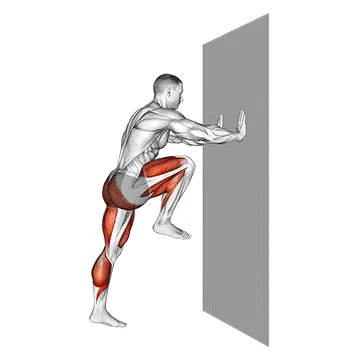
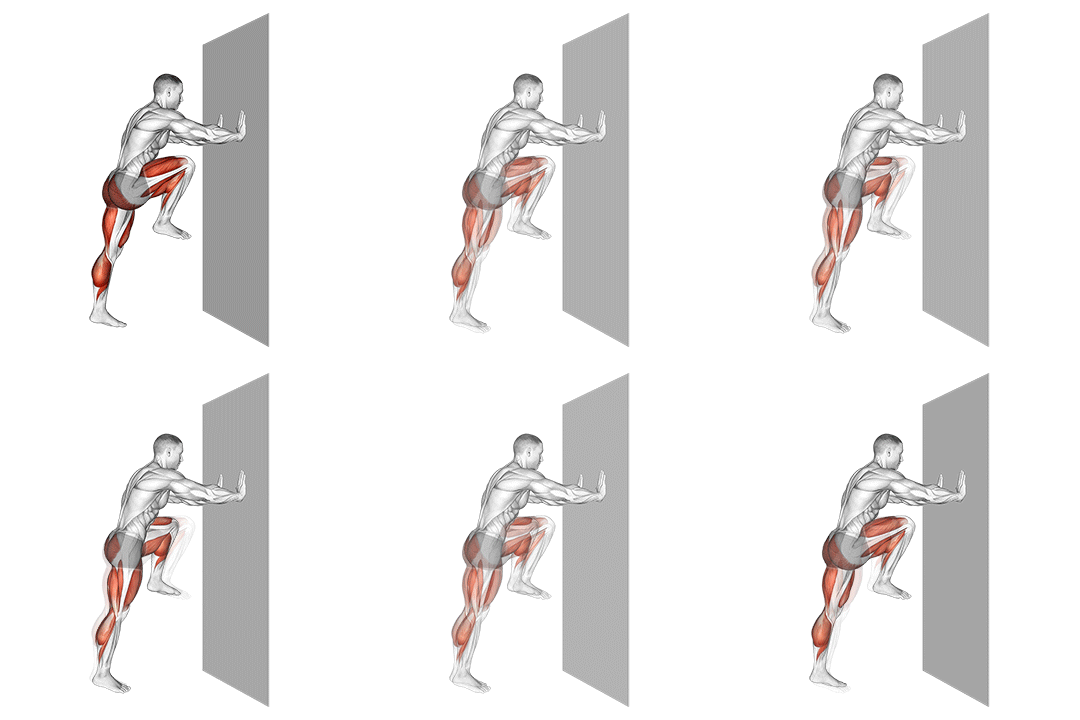
5. High Knee Against Wall
74% match- Cardio
- Bodyweight
- Beginner
- Compound
How to perform this exercise
- Stand facing a wall with your feet hip-width apart.
- Place your hands on the wall for support.
- Engage your core and lift your right knee up towards your chest, while keeping your left foot on the ground.
- Quickly switch legs, bringing your left knee up towards your chest and lowering your right foot back down.
- Continue alternating legs in a running motion, bringing your knees up as high as possible.
- Maintain a fast pace and keep your upper body stable throughout the exercise.
- Repeat for the desired duration or number of repetitions.
Sets and reps: Work for 30 to 60 seconds, rest as long as you worked, and repeat 6 to 10 times.
Why this matches
- Primary muscle: your heart and lungs, the same as the Cycle Cross Trainer
- Equipment: bodyweight only, not a cardio machine
- Body position: standing, the same as the Cycle Cross Trainer
- Balance: harder to stay steady on than the Cycle Cross Trainer
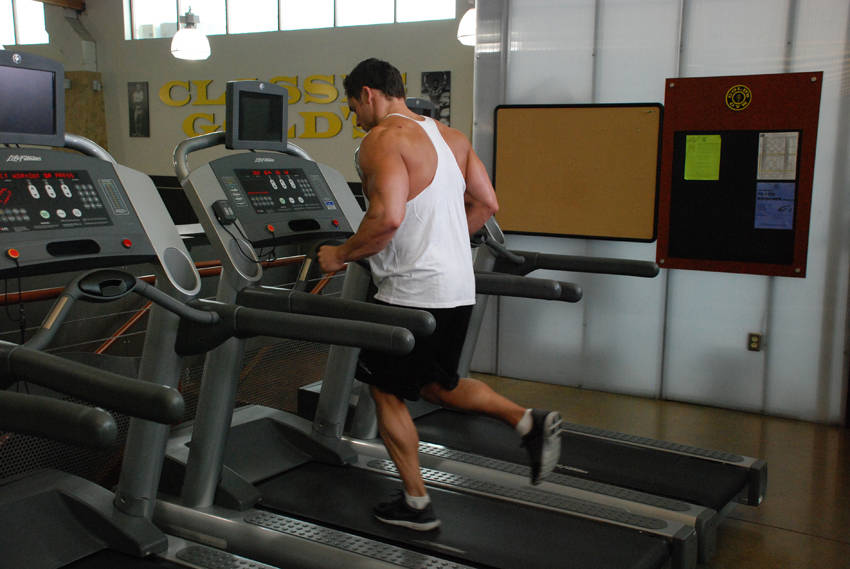
6. Treadmill Jogging
74% match- Quads
- Machine
- Beginner
- Compound
How to perform this exercise
- To begin, step onto the treadmill and select the desired option from the menu. Most treadmills have a manual setting, or you can select a program to run. Typically, you can enter your age and weight to estimate the amount of calories burned during exercise. Elevation can be adjusted to change the intensity of the workout.
- Treadmills offer convenience, cardiovascular benefits, and usually have less impact than jogging outside. A 150 lb person will burn almost 250 calories jogging for 30 minutes, compared to more than 450 calories running. Maintain proper posture as you jog, and only hold onto the handles when necessary, such as when dismounting or checking your heart rate.
Sets and reps: Work for 30 to 60 seconds, rest as long as you worked, and repeat 6 to 10 times.
Why this matches
- Primary muscle: quads, not your heart and lungs
- Equipment: a cardio machine, the same as the Cycle Cross Trainer
- Body position: standing, the same as the Cycle Cross Trainer
7. Wheel Run
73% match- Cardio
- Bodyweight
- Intermediate
- Compound
How to perform this exercise
- Start in a plank position with your hands on the wheel and your body straight.
- Engage your core and start rolling the wheel forward by extending your arms.
- Continue rolling until your body is fully extended and your arms are overhead.
- Reverse the movement by pulling the wheel back towards your body, using your core and arms.
- Repeat for the desired number of repetitions.
Sets and reps: Work for 30 to 60 seconds, rest as long as you worked, and repeat 6 to 10 times.
Why this matches
- Primary muscle: your heart and lungs, the same as the Cycle Cross Trainer
- Equipment: bodyweight only, not a cardio machine
- Body position: standing, the same as the Cycle Cross Trainer
8. Step Mill
73% match- Quads
- Machine
- Beginner
- Compound
How to perform this exercise
- To begin, step onto the stepmill and select the desired option from the menu. You can choose a manual setting, or you can select a program to run. Typically, you can enter your age and weight to estimate the amount of calories burned during exercise. Use caution so that you don't trip as you climb the stairs. It is recommended that you maintain your grip on the handles so that you don't fall.
- Stepmills offer convenience, cardiovascular benefits, and usually have less impact than running outside while offering a similar rate of calories burned. They are typically much harder than other cardio equipment. A 150 lb person will typically burn over 300 calories in 30 minutes, compared to about 175 calories walking.
Sets and reps: Work for 30 to 60 seconds, rest as long as you worked, and repeat 6 to 10 times.
Why this matches
- Primary muscle: quads, not your heart and lungs
- Equipment: a cardio machine, the same as the Cycle Cross Trainer
- Body position: standing, the same as the Cycle Cross Trainer
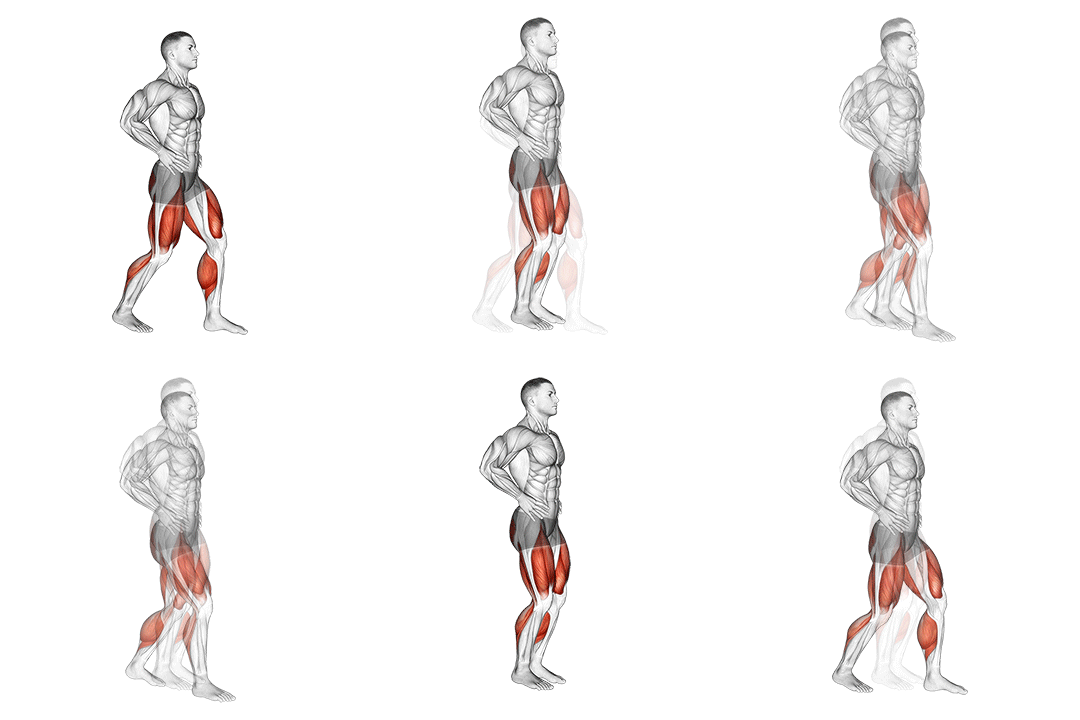
9. Walk Elliptical Cross Trainer
72% match- Cardio
- Machine
- Beginner
- Isolation
How to perform this exercise
- Adjust the resistance level and incline of the elliptical machine to your desired settings.
- Step onto the pedals of the machine and grip the handles lightly.
- Begin by pushing down with your feet and pulling the handles towards your body.
- Continue this motion, alternating between pushing and pulling, to simulate a walking or running motion.
- Maintain a steady pace and keep your core engaged throughout the exercise.
- Continue for the desired duration of your cardio workout.
- Gradually decrease the intensity and speed of the machine before stepping off.
Sets and reps: Carry for 20 to 30 metres and repeat for 3 or 4 rounds.
Why this matches
- Primary muscle: your heart and lungs, the same as the Cycle Cross Trainer
- Equipment: a cardio machine, the same as the Cycle Cross Trainer
- Body position: standing, the same as the Cycle Cross Trainer
10. Back And Forth Step
72% match- Cardio
- Bodyweight
- Beginner
- Compound
How to perform this exercise
- Stand with your feet shoulder-width apart.
- Step forward with your right foot, bending your knee and lowering your body into a lunge position.
- Push off with your right foot and step back to the starting position.
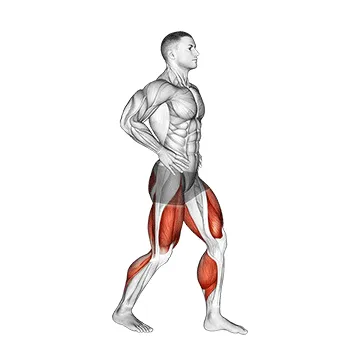
- Repeat the movement with your left foot, alternating legs with each step.
- Continue stepping back and forth, maintaining a steady pace.
- Repeat for the desired duration or number of repetitions.
Sets and reps: Work for 30 to 60 seconds, rest as long as you worked, and repeat 6 to 10 times.
Why this matches
- Primary muscle: your heart and lungs, the same as the Cycle Cross Trainer
- Equipment: bodyweight only, not a cardio machine
- Body position: standing, the same as the Cycle Cross Trainer
- Balance: harder to stay steady on than the Cycle Cross Trainer
Why You Might Need a Cycle Cross Trainer Alternative
You may substitute the Cycle Cross Trainer for several practical reasons: joint pain from repetitive knee extension, lack of the specific lever-equipped machine, travel, or a desire for varied stimulus. Alternatives let you change impact, muscle emphasis and loading patterns, for example, a rower shifts demand toward hip extension and posterior chain activation while a spin bike isolates knee extension and quad work. Use specific technique cues: on a rower, drive through the heels and finish with full hip extension; on a stair climber, shorten your step to reduce hip flexion. These choices preserve cardiovascular output while adjusting biomechanics to your needs.
Cycle Cross Trainer FAQ
What muscles does Cycle Cross Trainer work?
The Cycle Cross Trainer primarily taxes your cardiovascular system while recruiting large lower-body muscles: quadriceps, glutes, hamstrings and calves, plus upper-back and shoulders via the arm levers. The lever-driven pattern produces simultaneous hip and knee extension, creating sustained concentric contractions that raise oxygen demand; cue a slightly forward torso and push through the midfoot to maximize glute activation.
Can I build muscle without doing Cycle Cross Trainer?
Yes. The cross trainer is primarily aerobic; build muscle by using progressive resistance training like squats, deadlifts and lunges for hypertrophy. If you prefer cardio machines, increase resistance on a spin bike or rower and lengthen the concentric phase (2–3 seconds) to raise mechanical tension on quads and glutes.
Find Alternatives for Any Exercise
Search the exercise database and filter the ranked substitutes by the equipment you own.
Similarity scores compare exercise metadata such as movement pattern, muscles, equipment and body position. They are not a safety rating or a check that you own the equipment. Learn about our methodology