

10 Best Elliptical Trainer Alternatives for Low-Impact Cardio
The Elliptical Trainer is done standing with a machine. Ranked closest by our scoring: the Recumbent Bike, the Bicycling and the Dumbbell Burpee. Six harder versions, among them the Stairmaster and the Step Mill, are listed below as progressions rather than swaps.
Updated Ranked by our 12-factor similarity model How it works
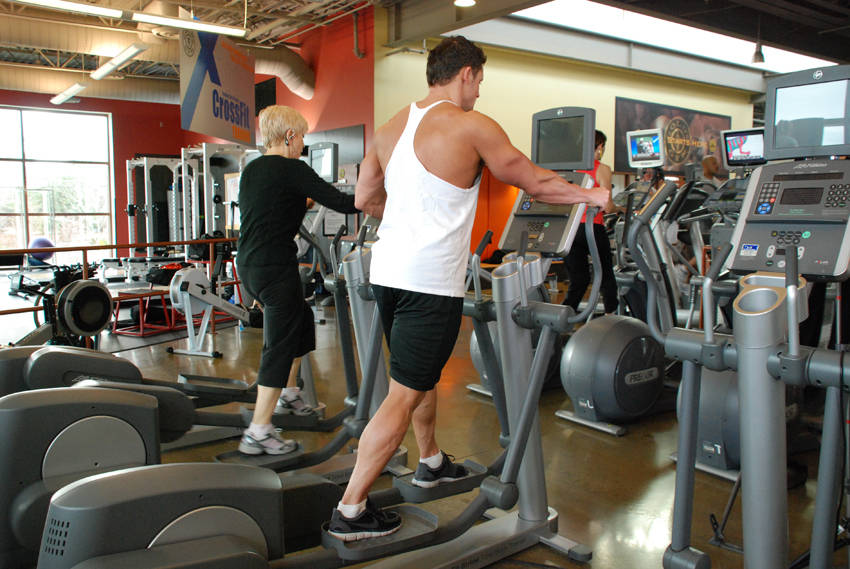
Original Exercise: Elliptical Trainer
- Primary muscle
- Quads
- Equipment
- Machine
- Difficulty
- Beginner
- Type
- Compound
Secondary muscles: Calves, Glutes, Hamstrings
How to perform Elliptical Trainer
- To begin, step onto the elliptical and select the desired option from the menu. Most ellipticals have a manual setting, or you can select a program to run. Typically, you can enter your age and weight to estimate the amount of calories burned during exercise. Elevation can be adjusted to change the intensity of the workout.
- The handles can be used to monitor your heart rate to help you stay at an appropriate intensity.
Ranked Elliptical Trainer Alternatives
10 substitutes, ranked by how closely each one matches the Elliptical Trainer on movement pattern, muscles worked, equipment and body position. The higher the score, the less you change. Open "How to perform this exercise" on a card for the steps; every card title links to that exercise's own alternatives page. Harder versions are tagged as progressions and kept out of the top spot even when they score higher.
Best match 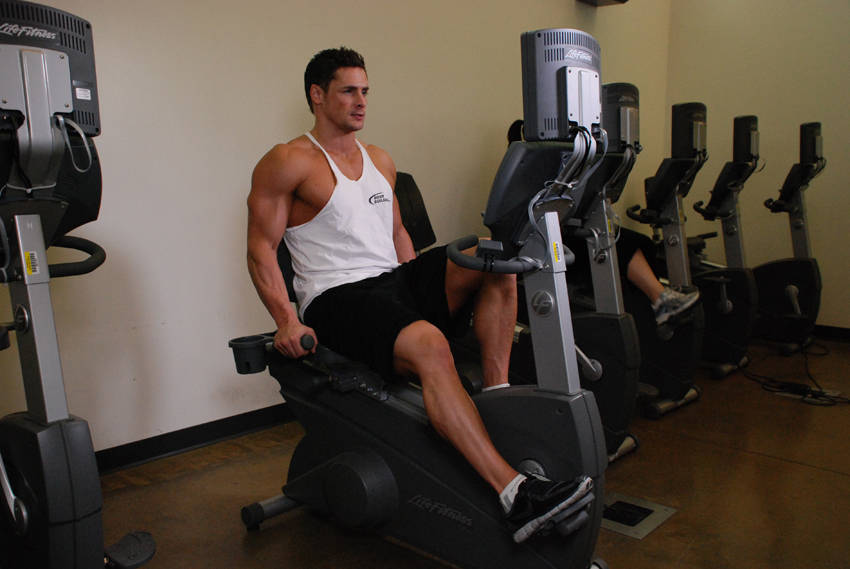
1. Recumbent Bike
82% match- Quads
- Machine
- Beginner
- Compound
The same equipment, done seated instead.
How to perform this exercise
- To begin, seat yourself on the bike and adjust the seat to your height.
- Select the desired option from the menu. You may have to start pedaling to turn it on. You can use the manual setting, or you can select a program to use. Typically, you can enter your age and weight to estimate the amount of calories burned during exercise. The level of resistance can be changed throughout the workout. The handles can be used to monitor your heart rate to help you stay at an appropriate intensity.
- Recumbent bikes offer convenience, cardiovascular benefits, and have less impact than other activities. A 150 lb person will burn about 230 calories cycling at a moderate rate for 30 minutes, compared to 450 calories or more running.
Sets and reps: Work for 30 to 60 seconds, rest as long as you worked, and repeat 6 to 10 times.
Why this matches
- Primary muscle: quads, the same as the Elliptical Trainer
- Equipment: a cardio machine, the same as the Elliptical Trainer
- Body position: seated, not standing
Progression
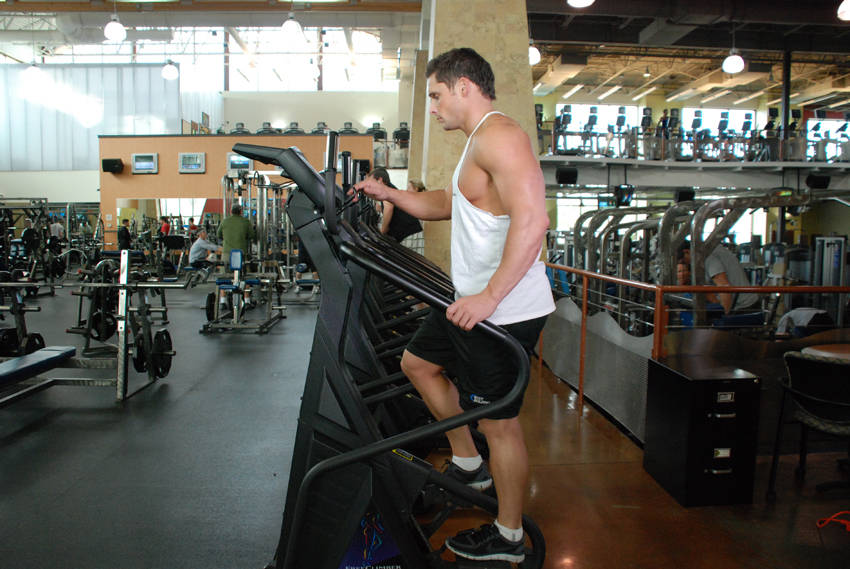
2. Stairmaster
99% match- Quads
- Machine
- Beginner
- Compound
Pick this when you want a harder version that still works the quads.
How to perform this exercise
- To begin, step onto the stairmaster and select the desired option from the menu. You can choose a manual setting, or you can select a program to run. Typically, you can enter your age and weight to estimate the amount of calories burned during exercise.
- Pump your legs up and down in an established rhythm, driving the pedals down but not all the way to the floor. It is recommended that you maintain your grip on the handles so that you don't fall. The handles can be used to monitor your heart rate to help you stay at an appropriate intensity.
- Stairmasters offer convenience, cardiovascular benefits, and usually have less impact than running outside. They are typically much harder than other cardio equipment. A 150 lb person will typically burn over 300 calories in 30 minutes, compared to about 175 calories walking.
Sets and reps: Work for 30 to 60 seconds, rest as long as you worked, and repeat 6 to 10 times.
Why this matches
- Primary muscle: quads, the same as the Elliptical Trainer
- Equipment: a cardio machine, the same as the Elliptical Trainer
- Body position: standing, the same as the Elliptical Trainer
Progression
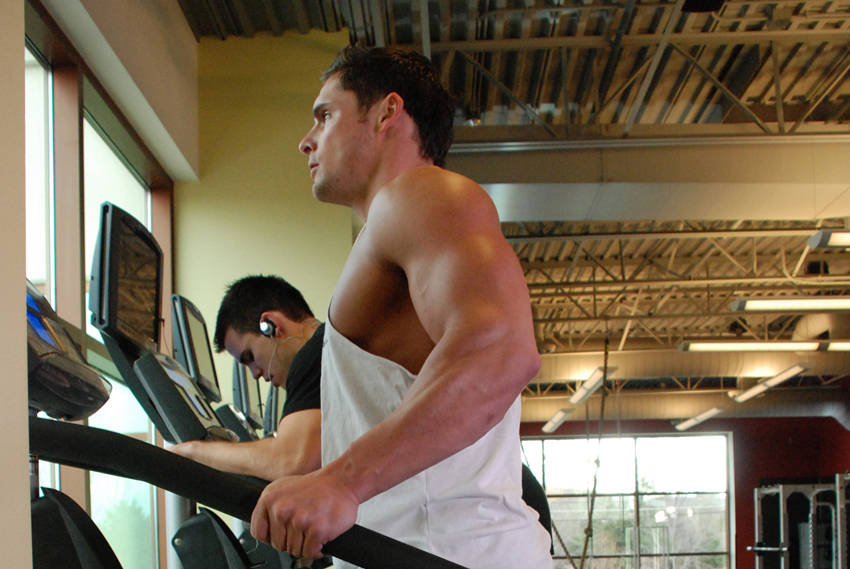
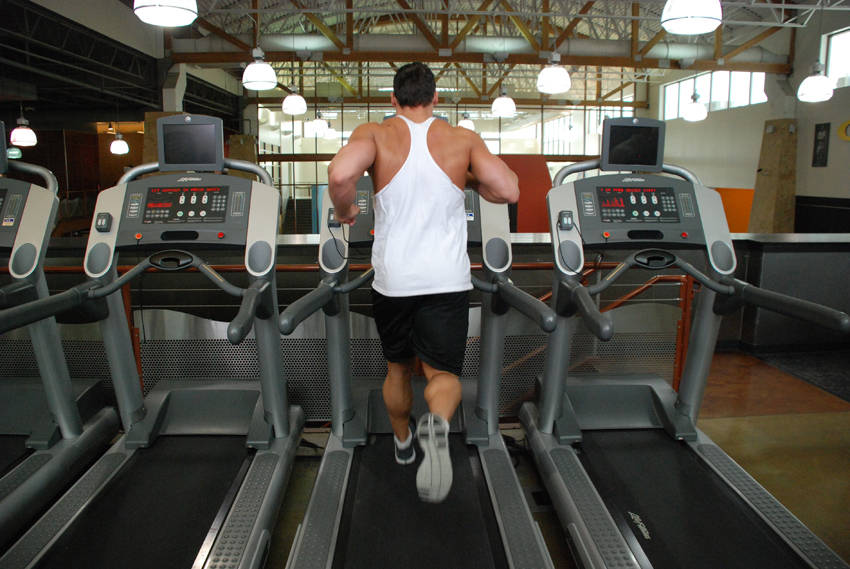
3. Step Mill
95% match- Quads
- Machine
- Beginner
- Compound
How to perform this exercise
- To begin, step onto the stepmill and select the desired option from the menu. You can choose a manual setting, or you can select a program to run. Typically, you can enter your age and weight to estimate the amount of calories burned during exercise. Use caution so that you don't trip as you climb the stairs. It is recommended that you maintain your grip on the handles so that you don't fall.
- Stepmills offer convenience, cardiovascular benefits, and usually have less impact than running outside while offering a similar rate of calories burned. They are typically much harder than other cardio equipment. A 150 lb person will typically burn over 300 calories in 30 minutes, compared to about 175 calories walking.
Sets and reps: Work for 30 to 60 seconds, rest as long as you worked, and repeat 6 to 10 times.
Why this matches
- Primary muscle: quads, the same as the Elliptical Trainer
- Equipment: a cardio machine, the same as the Elliptical Trainer
- Body position: standing, the same as the Elliptical Trainer
Progression
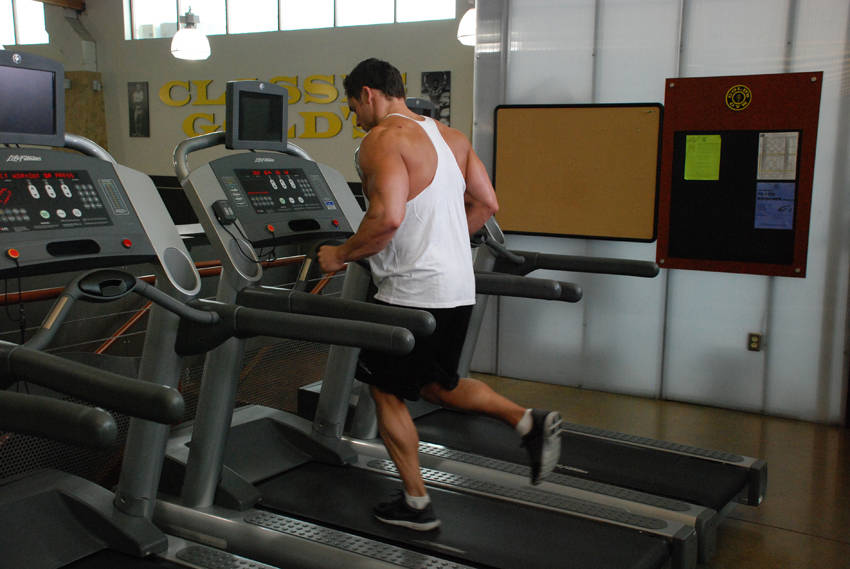
4. Treadmill Running
84% match- Quads
- Machine
- Beginner
- Compound
How to perform this exercise
- To begin, step onto the treadmill and select the desired option from the menu. Most treadmills have a manual setting, or you can select a program to run. Typically, you can enter your age and weight to estimate the amount of calories burned during exercise. Elevation can be adjusted to change the intensity of the workout.
- Treadmills offer convenience, cardiovascular benefits, and usually have less impact than running outside. A 150 lb person will burn over 450 calories running 8 miles per hour for 30 minutes. Maintain proper posture as you run, and only hold onto the handles when necessary, such as when dismounting or checking your heart rate.
Sets and reps: Work for 30 to 60 seconds, rest as long as you worked, and repeat 6 to 10 times.
Why this matches
- Primary muscle: quads, the same as the Elliptical Trainer
- Equipment: a cardio machine, the same as the Elliptical Trainer
- Body position: standing, the same as the Elliptical Trainer
Progression
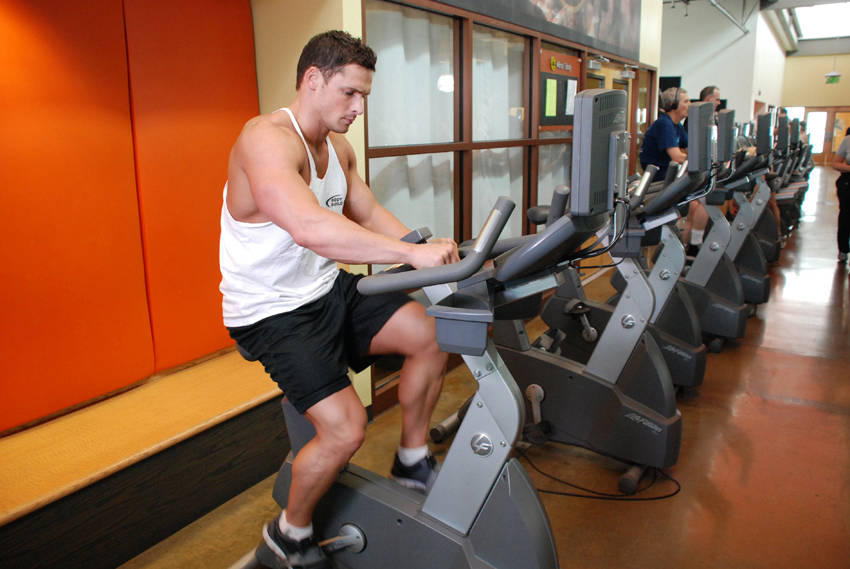
5. Treadmill Jogging
82% match- Quads
- Machine
- Beginner
- Compound
Pick this when you want a harder version that works the quads one side at a time.
How to perform this exercise
- To begin, step onto the treadmill and select the desired option from the menu. Most treadmills have a manual setting, or you can select a program to run. Typically, you can enter your age and weight to estimate the amount of calories burned during exercise. Elevation can be adjusted to change the intensity of the workout.
- Treadmills offer convenience, cardiovascular benefits, and usually have less impact than jogging outside. A 150 lb person will burn almost 250 calories jogging for 30 minutes, compared to more than 450 calories running. Maintain proper posture as you jog, and only hold onto the handles when necessary, such as when dismounting or checking your heart rate.
Sets and reps: Work for 30 to 60 seconds, rest as long as you worked, and repeat 6 to 10 times.
Why this matches
- Primary muscle: quads, the same as the Elliptical Trainer
- Equipment: a cardio machine, the same as the Elliptical Trainer
- Body position: standing, the same as the Elliptical Trainer
Progression
6. Stationary Bicycling
79% match- Quads
- Machine
- Intermediate
- Compound
How to perform this exercise
- To begin, seat yourself on the bike and adjust the seat to your height.
- Select the desired option from the menu. You may have to start pedaling to turn it on. You can use the manual setting, or you can select a program to use. Typically, you can enter your age and weight to estimate the amount of calories burned during exercise. The level of resistance can be changed throughout the workout. The handles can be used to monitor your heart rate to help you stay at an appropriate intensity.
Sets and reps: Work for 30 to 60 seconds, rest as long as you worked, and repeat 6 to 10 times.
Why this matches
- Primary muscle: quads, the same as the Elliptical Trainer
- Equipment: a cardio machine, the same as the Elliptical Trainer
- Body position: seated, not standing
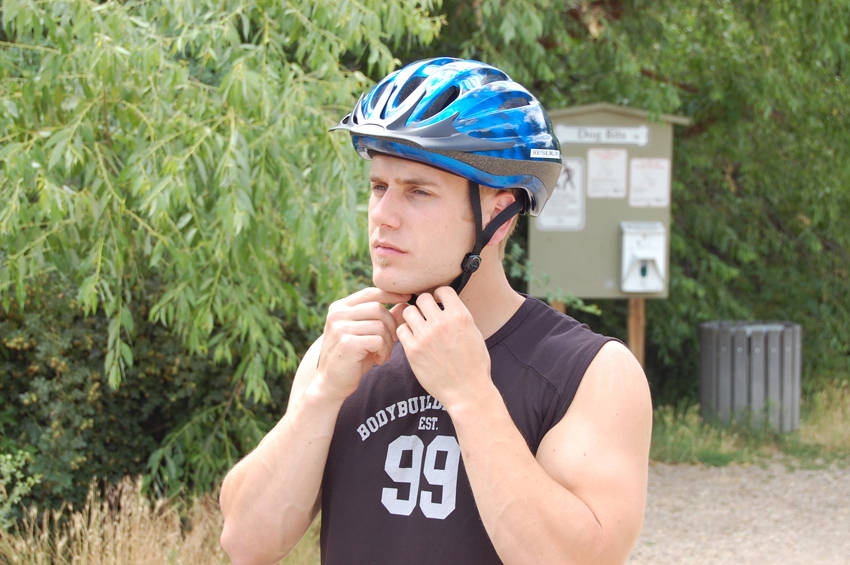
7. Bicycling
79% match- Quads
- Other
- Intermediate
- Compound
How to perform this exercise
- To begin, seat yourself on the bike and adjust the seat to your height.
Sets and reps: Work for 30 to 60 seconds, rest as long as you worked, and repeat 6 to 10 times.
Why this matches
- Primary muscle: quads, the same as the Elliptical Trainer
- Equipment: a cardio machine, the same as the Elliptical Trainer
- Body position: seated, not standing
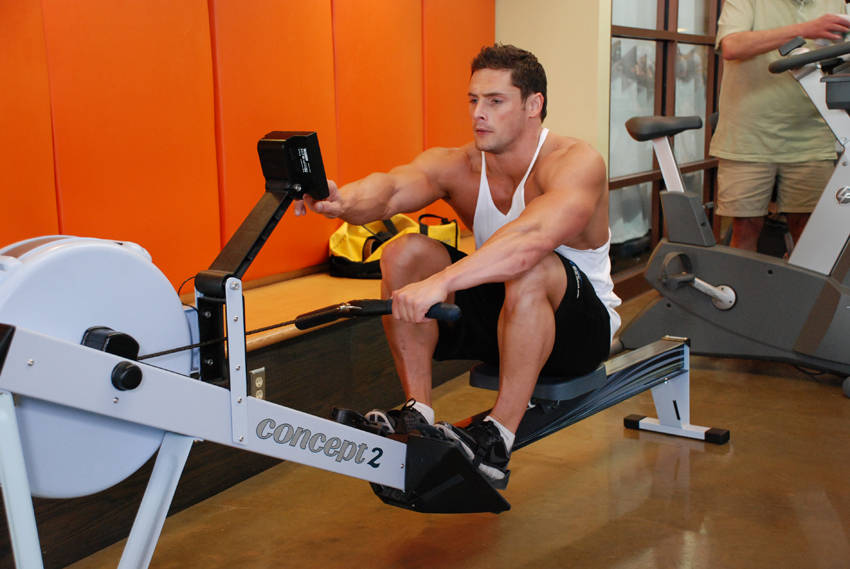
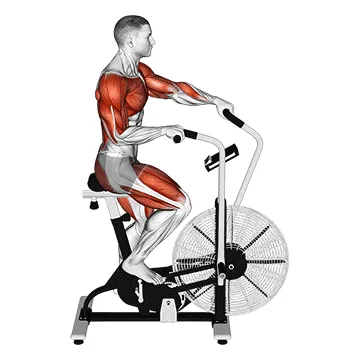
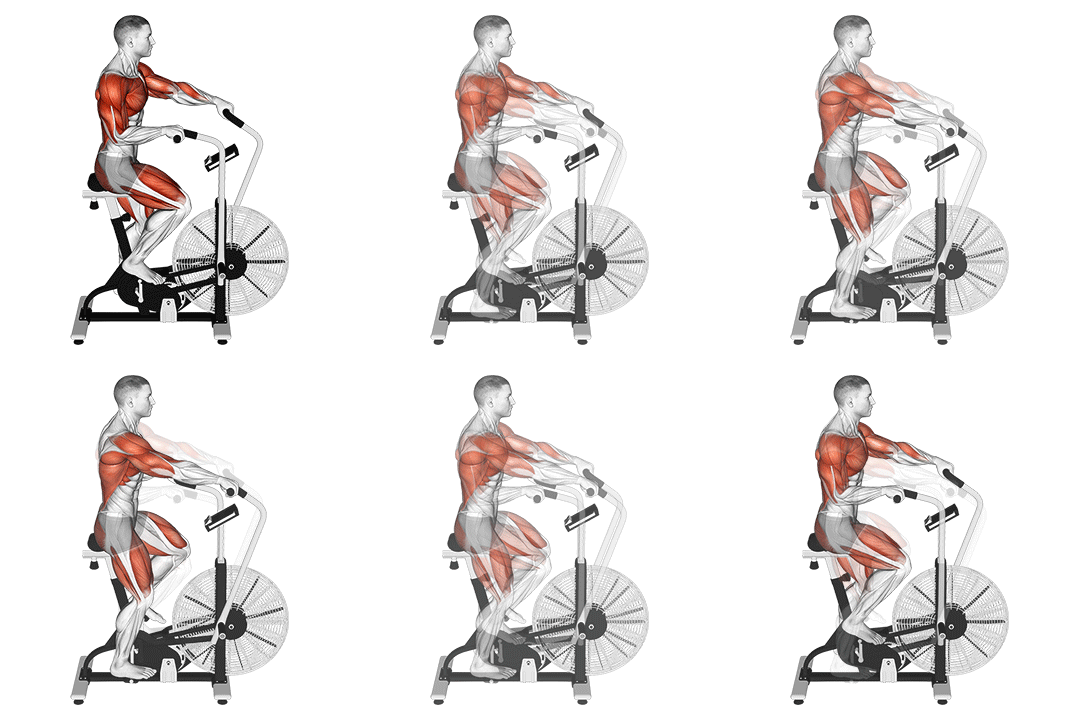
8. Cycle Cross Trainer
77% match- Cardio
- Lever
- Intermediate
- Compound
How to perform this exercise
- Adjust the seat height and position yourself on the cycle cross trainer.
- Place your feet on the pedals and grip the handlebars.
- Start pedaling in a smooth and controlled motion.
- Maintain a steady pace and increase the resistance if desired.
- Continue pedaling for the desired duration of your cardio workout.
Sets and reps: Work for 30 to 60 seconds, rest as long as you worked, and repeat 6 to 10 times.
Why this matches
- Primary muscle: your heart and lungs, not quads
- Equipment: a cardio machine, the same as the Elliptical Trainer
- Body position: standing, the same as the Elliptical Trainer
Progression
9. Stationary Rowing
76% match- Quads
- Machine
- Intermediate
- Compound
How to perform this exercise
- To begin, seat yourself on the rower. Make sure that your heels are resting comfortably against the base of the foot pedals and that the straps are secured. Select the program that you wish to use, if applicable. Sit up straight and bend forward at the hips.
- There are three phases of movement when using a rower. The first phase is when you come forward on the rower. Your knees are bent and against your chest. Your upper body is leaning slightly forward while still maintaining good posture. Next, push against the foot pedals and extend your legs while bringing your hands to your upper abdominal area, squeezing your shoulders back as you do so. To avoid straining your back, use primarily your leg and hip muscles.
- The recovery phase simply involves straightening your arms, bending the knees, and bringing your body forward again as you transition back into the first phase.
Sets and reps: Work for 30 to 60 seconds, rest as long as you worked, and repeat 6 to 10 times.
Why this matches
- Primary muscle: quads, the same as the Elliptical Trainer
- Equipment: a cardio machine, the same as the Elliptical Trainer
- Body position: seated, not standing
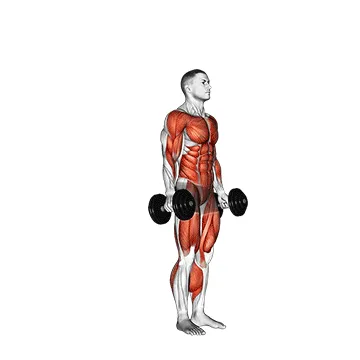
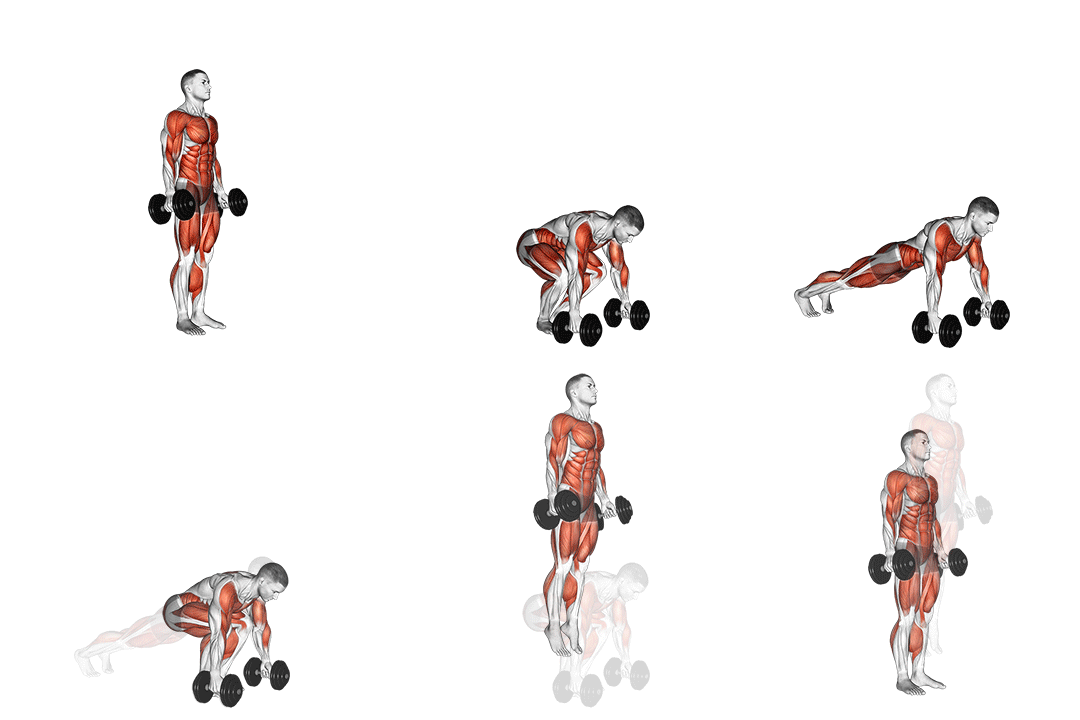
10. Dumbbell Burpee
73% match- Quads
- Dumbbell
- Advanced
- Compound
How to perform this exercise
- Start in a standing position with your feet shoulder-width apart and a dumbbell in each hand.
- Lower your body into a squat position, placing the dumbbells on the ground in front of you.
- Kick your feet back into a push-up position, keeping your body in a straight line.
- Perform a push-up, bending your elbows and lowering your chest towards the ground.
- Jump your feet back towards your hands, landing in a squat position.
- Stand up explosively, lifting the dumbbells off the ground and bringing them to your shoulders.
- Press the dumbbells overhead, fully extending your arms.
- Lower the dumbbells back to your shoulders and repeat the entire sequence for the desired number of repetitions.
Sets and reps: Work for 30 to 60 seconds, rest as long as you worked, and repeat 6 to 10 times.
Why this matches
- Primary muscle: quads, the same as the Elliptical Trainer
- Equipment: free weights, not a cardio machine
- Body position: standing, the same as the Elliptical Trainer
- Balance: harder to stay steady on than the Elliptical Trainer
Why You Might Need an Elliptical Trainer Alternative
You might substitute the elliptical for several reasons: joint pain from the machine's stride, lack of access to the equipment, desire for higher intensity, or a goal shift toward strength. For example, a stair climber recreates the knee-extension and hip flexion pattern with lower shear than running; cue tall posture and press through the balls of your feet to maximize quads. If you have knee sensitivity, a recumbent bike reduces compressive load while still loading the quadriceps during seated knee extension. For cardio capacity, an assault bike raises power output and oxygen demand, use short, aggressive pushes and focus on forceful knee extension to recruit fast-twitch quad fibers.
How to Choose the Right Elliptical Trainer Substitute
Match the substitute to impact tolerance, quad emphasis, available space, and training goal. If you need low joint stress, pick a recumbent or upright bike and pedal seated with a higher resistance to force concentric knee extension and quad loading; keep a neutral spine and long cadence. For quad strength and functional carryover, choose weighted step-ups or a treadmill incline walk and cue a full knee drive and controlled eccentric on descent. If you want anaerobic conditioning, select an assault bike and use 20–30 second maximal pushes to tax fast-twitch fibers and maintain hip-knee coordination.
Elliptical Trainer FAQ
What muscles does Elliptical Trainer work?
The elliptical primarily targets the quadriceps through repeated knee extension, while also engaging glutes, hamstrings, and calves during the push phase. The machine produces a low-impact hip and knee flexion-extension pattern, so you still recruit posterior chain muscles but with reduced ground reaction forces.
What is the best bodyweight alternative to Elliptical Trainer?
Weighted or unweighted step-ups are the best bodyweight alternative to mimic the elliptical's quad emphasis. Use a 12–18 inch step, drive through the heel and extend the knee explosively, and lower with a controlled eccentric to maximize quad activation.
Find Alternatives for Any Exercise
Search the exercise database and filter the ranked substitutes by the equipment you own.
Similarity scores compare exercise metadata such as movement pattern, muscles, equipment and body position. They are not a safety rating or a check that you own the equipment. Learn about our methodology