

10 Best Dumbbell Incline Shoulder Raise Alternatives for Home
The Dumbbell Incline Shoulder Raise is done lying on your back with dumbbells. Ranked closest by our scoring: Smith Incline Shoulder Raises. Four harder versions, among them Around The Worlds and the Straight-arm Dumbbell Pullover, are listed below as progressions rather than swaps.
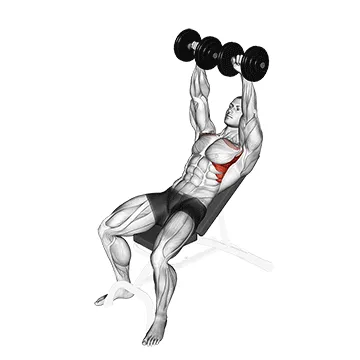
Each substitute is scored on movement pattern, muscles worked, equipment and body position. Read how we rank alternatives
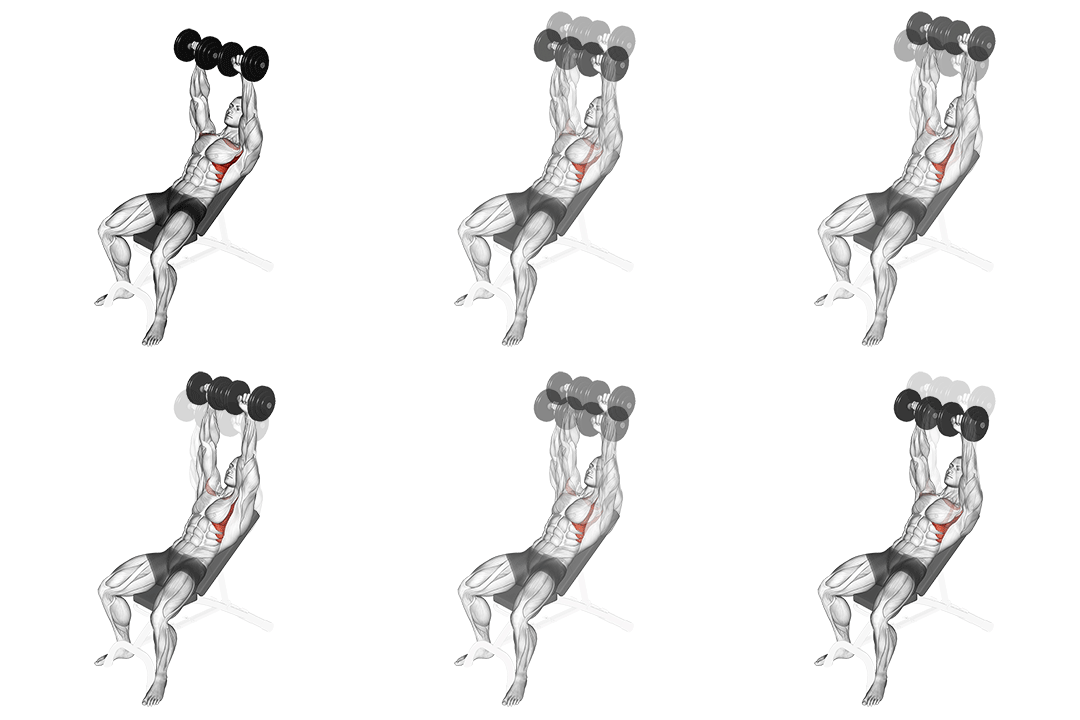
How to Do the Dumbbell Incline Shoulder Raise
The steps for the Dumbbell Incline Shoulder Raise itself, so you can judge how close each substitute below really is.
Serratus, with deltoids, trapezius · Dumbbell · Beginner · Isolation
- Set an incline bench to a 45-degree angle and sit on it with a dumbbell in each hand, palms facing down.
- Rest the dumbbells on your thighs and lean back onto the bench.
- Use your thighs to help raise the dumbbells to shoulder height, then rotate your wrists so that your palms are facing forward.
- Exhale and slowly raise the dumbbells above your head, keeping a slight bend in your elbows.
- Pause for a moment at the top, then inhale and slowly lower the dumbbells back to shoulder height.
- Repeat for the desired number of repetitions.
The 10 Best Dumbbell Incline Shoulder Raise Alternatives
10 substitutes, ranked by how closely each one matches the Dumbbell Incline Shoulder Raise on movement pattern, muscles worked, equipment and body position. The higher the score, the less you change. Cards with a "How to perform it" link open to show the steps; every card title links to that exercise's own alternatives page. Harder versions are tagged as progressions and kept out of the top spot even when they score higher.
Each link re-ranks the list below for the kit it names. Pick one to hide the substitutes you cannot set up.
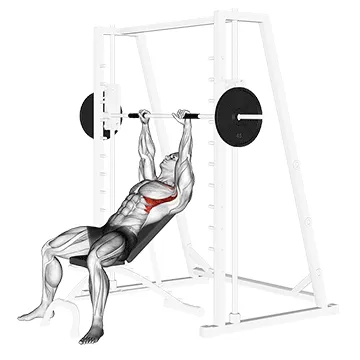
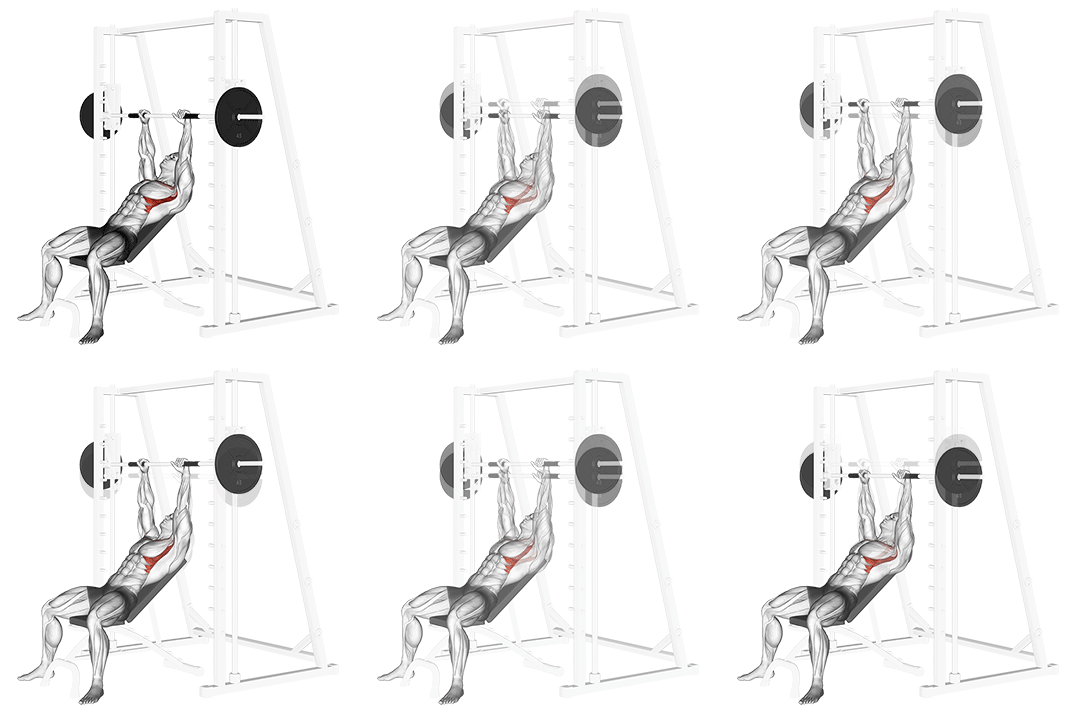
1. Smith Incline Shoulder Raises
76% matchSerratus · Beginner · Isolation
A good swap when you have a Smith machine to work with, and it still works the serratus.
- Smith-machine
How to perform it
- Adjust the smith machine to an incline position.
- Stand facing the machine with your feet shoulder-width apart.
- Grasp the bar with an overhand grip, slightly wider than shoulder-width apart.
- Keep your back straight and core engaged.
- Raise the barbell up towards the ceiling, leading with your elbows.
- Pause for a moment at the top, then slowly lower the barbell back down to the starting position.
- Repeat for the desired number of repetitions.
Sets and reps: 3 sets of 10 to 15 reps.
Why this matches
- Movement: raise, the same as the Dumbbell Incline Shoulder Raise
- Primary muscle: serratus, the same as the Dumbbell Incline Shoulder Raise
- Equipment: a machine, not free weights
- Body position: standing, not lying on your back
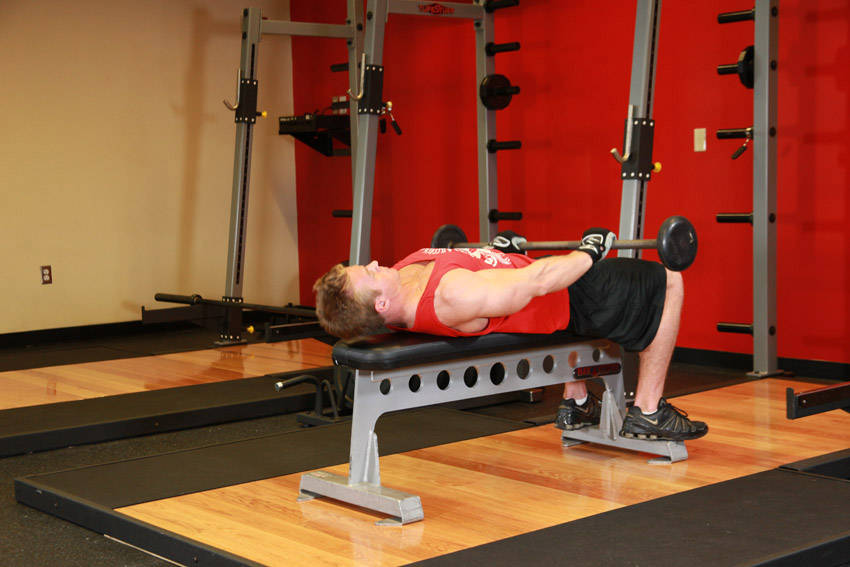
2. Front Raise And Pullover
70% matchPectorals · Intermediate · Compound
A looser match: it works the pectorals rather than the serratus.
- Barbell
How to perform it
- Lie on a flat bench while holding a barbell using a palms down grip that is about 15 inches apart.
- Place the bar on your upper thighs, extend your arms and lock them while keeping a slight bend on the elbows. This will be your starting position.
- Now raise the weight using a semicircular motion and keeping your arms straight as you inhale. Continue the same movement until the bar is on the other side above your head . (Tip: the bar will travel approximately 180-degrees). At this point your arms should be parallel to the floor with the palms of your hands facing the ceiling.
- Now return the barbell to the starting position by reversing the motion as you exhale.
- Repeat for the recommended amount of repetitions.
Sets and reps: 3 or 4 sets of 6 to 10 reps.
Why this matches
- Movement: raise, the same as the Dumbbell Incline Shoulder Raise
- Primary muscle: pectorals, not serratus
- Equipment: free weights, the same as the Dumbbell Incline Shoulder Raise
- Body position: lying on your back, the same as the Dumbbell Incline Shoulder Raise
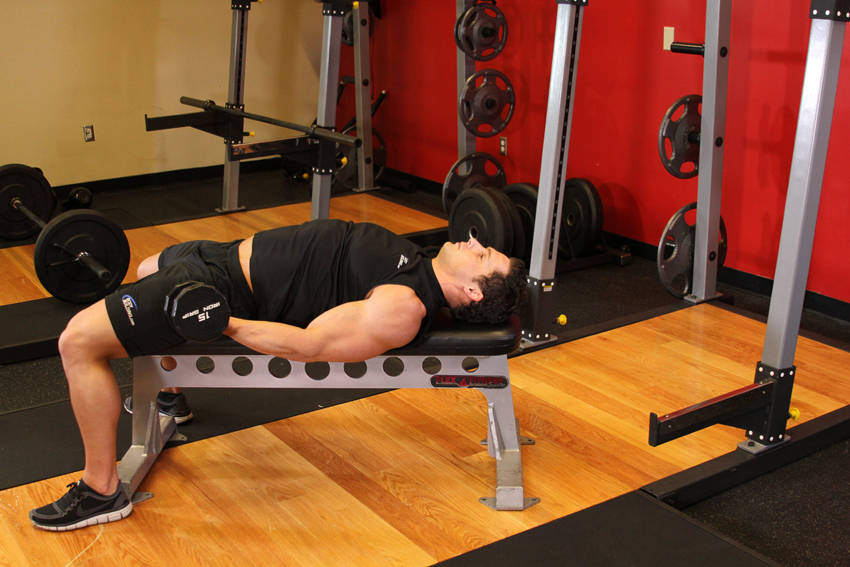
Progression
3. Around The Worlds
68% matchPectorals · Intermediate · Isolation
A looser match: it uses the same equipment, but it works the pectorals rather than the serratus.
- Dumbbell
How to perform it
- Lay down on a flat bench holding a dumbbell in each hand with the palms of the hands facing towards the ceiling. Tip: Your arms should be parallel to the floor and next to your thighs. To avoid injury, make sure that you keep your elbows slightly bent. This will be your starting position.
- Now move the dumbbells by creating a semi-circle as you displace them from the initial position to over the head. All of the movement should happen with the arms parallel to the floor at all times. Breathe in as you perform this portion of the movement.
- Reverse the movement to return the weight to the starting position as you exhale.
Sets and reps: 3 sets of 10 to 15 reps.
Why this matches
- Primary muscle: pectorals, not serratus
- Equipment: free weights, the same as the Dumbbell Incline Shoulder Raise
- Body position: lying on your back, the same as the Dumbbell Incline Shoulder Raise
- Balance: harder to stay steady on than the Dumbbell Incline Shoulder Raise
4. Dumbbell Flyes
68% matchPectorals · Beginner · Isolation
5. Dumbbell Incline Fly
64% matchPectorals · Intermediate · Isolation
8. Kettlebell Pirate Supper Legs
64% matchDelts · Intermediate · Compound
Triceps · Intermediate · Compound
Dumbbell Incline Shoulder Raise FAQ
What muscles does Dumbbell Incline Shoulder Raise work?
The exercise primarily targets the serratus anterior, the muscle that protracts and stabilizes the scapula against the ribcage. It also involves the pectoralis minor and anterior shoulder as secondary contributors; cue: emphasize full scapular protraction at the top to feel serratus engagement.
Can I build muscle without doing Dumbbell Incline Shoulder Raise?
Yes, targeted hypertrophy of the serratus and chest stability comes from progressive overload and proper scapular mechanics, not a single move. Use weighted serratus punches or cable protraction variations, increase resistance or volume gradually, and cue full protraction and controlled tempo to stimulate muscle growth.
Find Alternatives for Any Exercise
Search the exercise database and filter the ranked substitutes by the equipment you own.