

10 Best Smith Incline Shoulder Raises Alternatives for When You Don't Have a Smith Machine
Smith Incline Shoulder Raises are done standing with a Smith machine. Ranked closest by our scoring: the Dumbbell Incline Shoulder Raise and the Incline Scapula Push Up. Two harder versions, the Smith Upright Row and the Smith Rear Delt Row, are listed below as progressions rather than swaps.
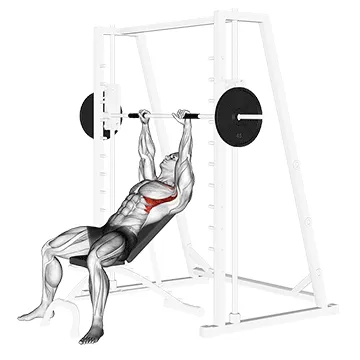
Each substitute is scored on movement pattern, muscles worked, equipment and body position. Read how we rank alternatives
How to Do Smith Incline Shoulder Raises
The steps for Smith Incline Shoulder Raises themselves, so you can judge how close each substitute below really is.
Serratus, with deltoids, trapezius · Smith-machine · Beginner · Isolation
- Adjust the smith machine to an incline position.
- Stand facing the machine with your feet shoulder-width apart.
- Grasp the bar with an overhand grip, slightly wider than shoulder-width apart.
- Keep your back straight and core engaged.
- Raise the barbell up towards the ceiling, leading with your elbows.
- Pause for a moment at the top, then slowly lower the barbell back down to the starting position.
- Repeat for the desired number of repetitions.
The 10 Best Smith Incline Shoulder Raises Alternatives
10 substitutes, ranked by how closely each one matches Smith Incline Shoulder Raises on movement pattern, muscles worked, equipment and body position. The higher the score, the less you change. Cards with a "How to perform it" link open to show the steps; every card title links to that exercise's own alternatives page. Harder versions are tagged as progressions and kept out of the top spot even when they score higher.
Each link re-ranks the list below for the kit it names. Pick one to hide the substitutes you cannot set up.
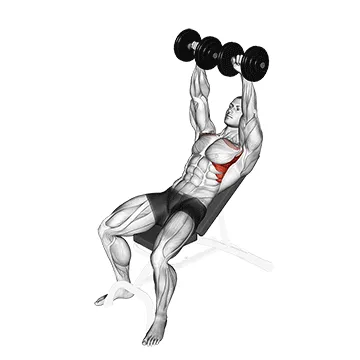
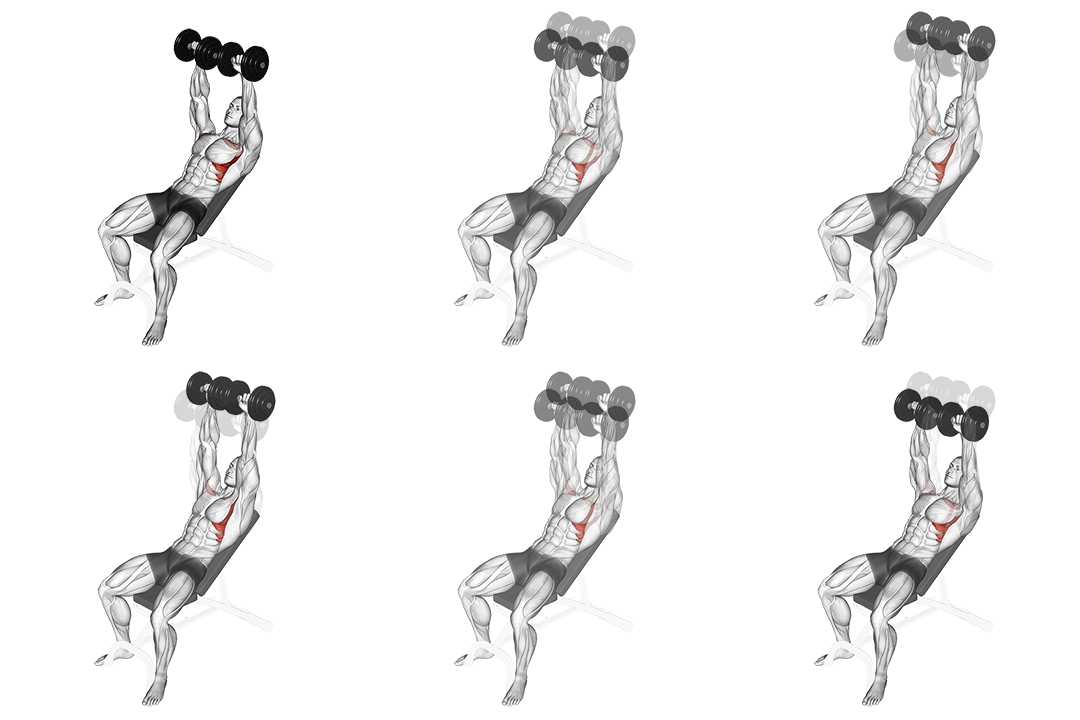
1. Dumbbell Incline Shoulder Raise
76% matchSerratus · Beginner · Isolation
A good swap when you have dumbbells to work with, and it still works the serratus.
- Dumbbell
How to perform it
- Set an incline bench to a 45-degree angle and sit on it with a dumbbell in each hand, palms facing down.
- Rest the dumbbells on your thighs and lean back onto the bench.
- Use your thighs to help raise the dumbbells to shoulder height, then rotate your wrists so that your palms are facing forward.
- Exhale and slowly raise the dumbbells above your head, keeping a slight bend in your elbows.
- Pause for a moment at the top, then inhale and slowly lower the dumbbells back to shoulder height.
- Repeat for the desired number of repetitions.
Sets and reps: 3 sets of 10 to 15 reps.
Why this matches
- Movement: raise, the same as Smith Incline Shoulder Raises
- Primary muscle: serratus, the same as Smith Incline Shoulder Raises
- Equipment: free weights, not a machine
- Body position: lying on your back, not standing
Progression
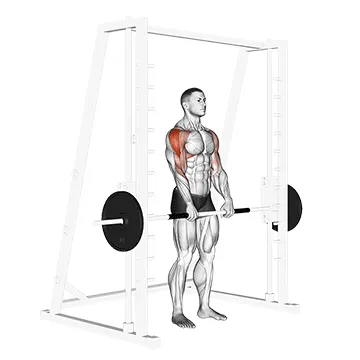
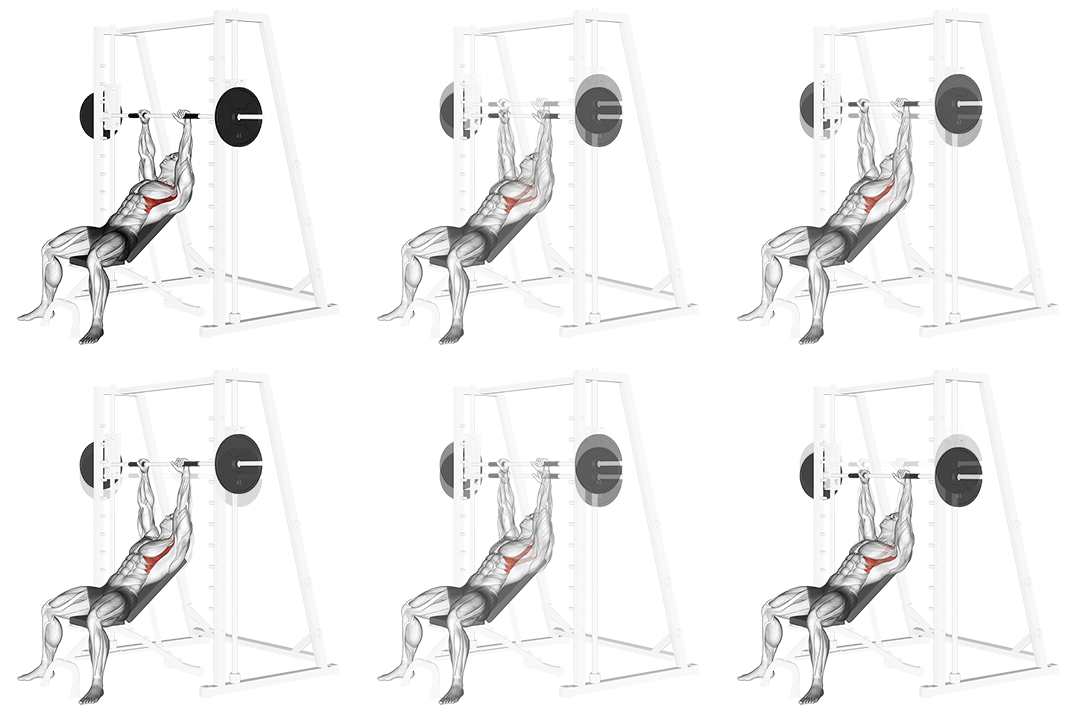
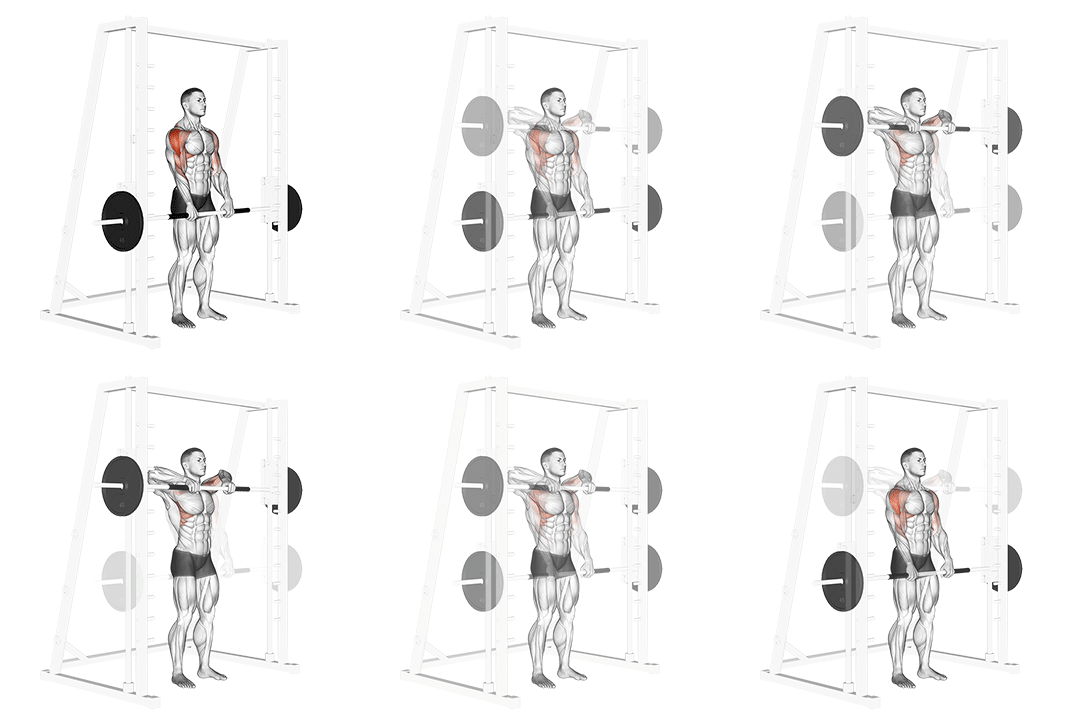
2. Smith Upright Row
74% matchDelts · Intermediate · Compound
A looser match: it uses the same equipment, but it works the delts rather than the serratus.
- Smith-machine
How to perform it
- Stand with your feet shoulder-width apart, facing the smith machine.
- Grasp the barbell with an overhand grip, hands slightly wider than shoulder-width apart.
- Keep your back straight and your core engaged.
- Pull the barbell up towards your chin, leading with your elbows.
- Pause for a moment at the top, then slowly lower the barbell back down to the starting position.
- Repeat for the desired number of repetitions.
Sets and reps: 3 or 4 sets of 6 to 10 reps.
Why this matches
- Primary muscle: delts, not serratus
- Equipment: a machine, the same as Smith Incline Shoulder Raises
- Body position: standing, the same as Smith Incline Shoulder Raises
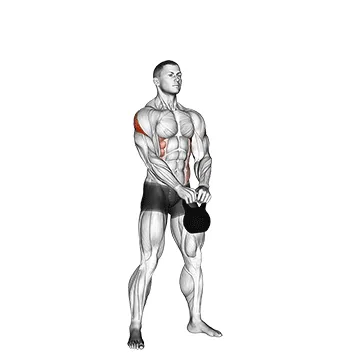
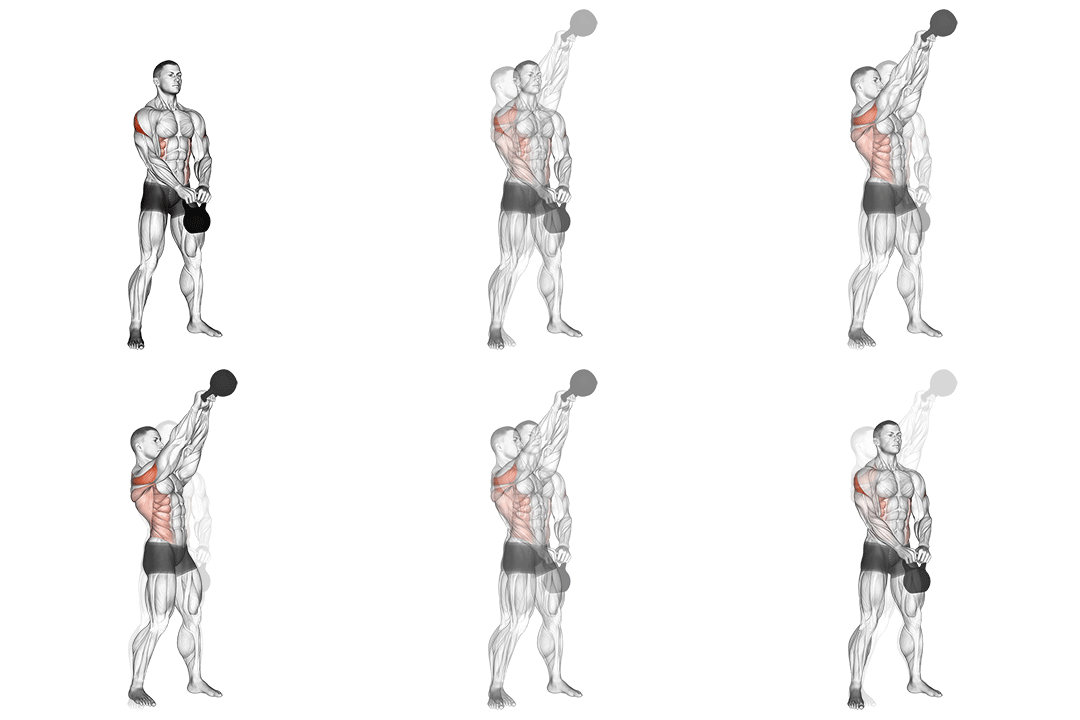
3. Kettlebell Pirate Supper Legs
65% matchDelts · Intermediate · Compound
A looser match: it works the delts rather than the serratus.
- Kettlebell
How to perform it
- Stand with your feet shoulder-width apart, holding a kettlebell in one hand.
- Bend your knees slightly and hinge forward at the hips, keeping your back straight.
- Raise the kettlebell up to shoulder height, keeping your elbow close to your body.
- Extend your arm fully overhead, straightening your elbow.
- Lower the kettlebell back down to shoulder height, then return to the starting position.
- Repeat for the desired number of repetitions, then switch sides.
Sets and reps: 3 or 4 sets of 6 to 10 reps.
Why this matches
- Primary muscle: delts, not serratus
- Equipment: free weights, not a machine
- Body position: standing, the same as Smith Incline Shoulder Raises
- Balance: harder to stay steady on than Smith Incline Shoulder Raises
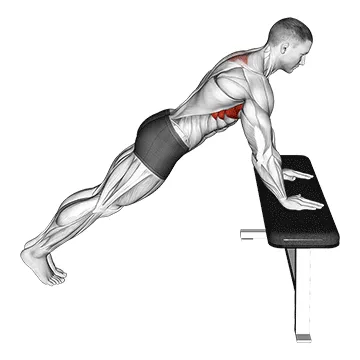
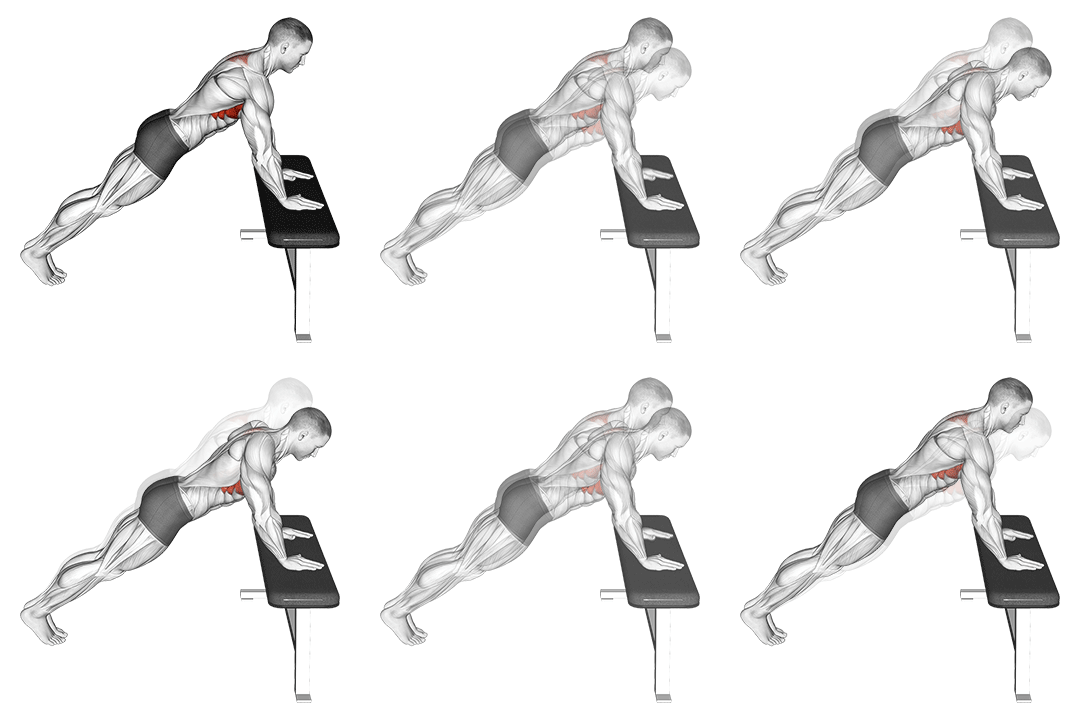
4. Incline Scapula Push Up
64% matchSerratus · Beginner · Isolation
Use this when you have nothing to train with, because it works the serratus with bodyweight alone.
- Bodyweight
How to perform it
- Set up an incline bench at a 45-degree angle.
- Place your hands on the bench slightly wider than shoulder-width apart.
- Position your feet on the ground, hip-width apart.
- Lower your chest towards the bench, keeping your elbows tucked in.
- As you lower, retract your shoulder blades, squeezing your scapulae together.
- Push through your palms to extend your arms and return to the starting position.
- Repeat for the desired number of repetitions.
Sets and reps: 3 sets of 8 to 12 reps, and add reps before you add load.
Why this matches
- Primary muscle: serratus, the same as Smith Incline Shoulder Raises
- Equipment: bodyweight only, not a machine
- Body position: standing, the same as Smith Incline Shoulder Raises
- Balance: harder to stay steady on than Smith Incline Shoulder Raises
5. Dumbbell Upright Row
63% matchDelts · Intermediate · Compound
Delts · Intermediate · Compound
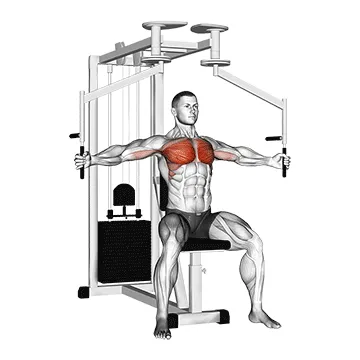
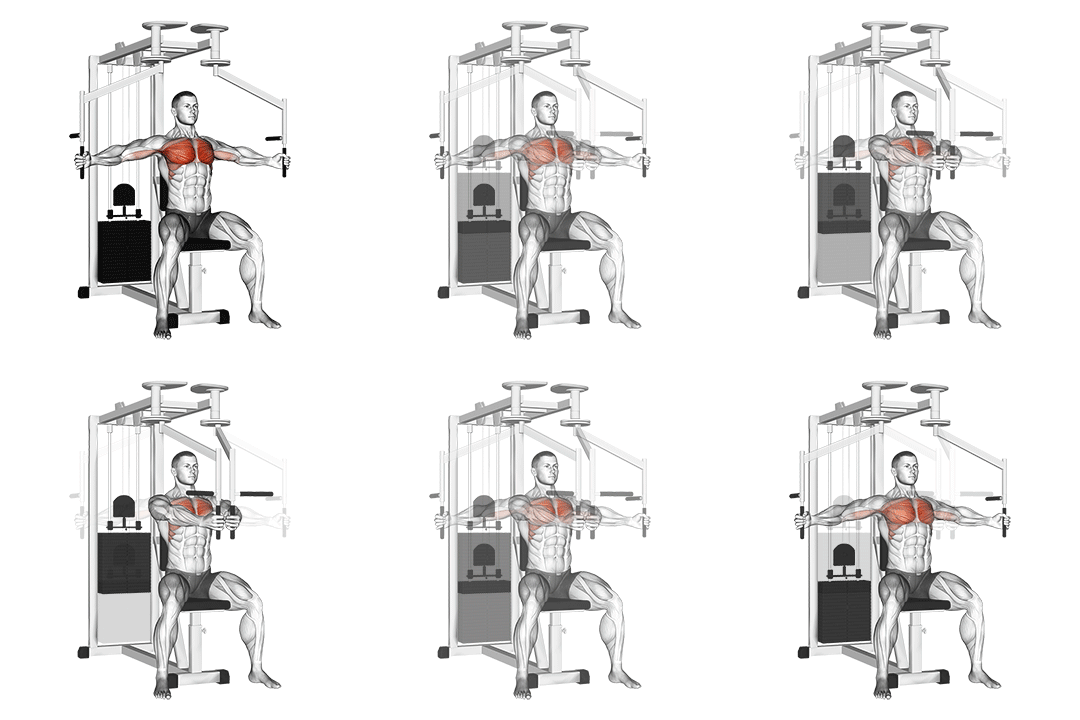
7. Lever Seated Fly
56% matchPectorals · Beginner · Isolation
A looser match: it works the pectorals rather than the serratus.
- Lever
How to perform it
- Adjust the seat height and position yourself on the machine with your back against the pad.
- Grasp the handles with a pronated grip and keep your elbows slightly bent.
- Exhale and push the handles forward, bringing them together in front of your chest.
- Pause for a moment, squeezing your chest muscles.
- Inhale and slowly return to the starting position, allowing your chest muscles to stretch.
- Repeat for the desired number of repetitions.
Sets and reps: 3 sets of 10 to 15 reps.
Why this matches
- Primary muscle: pectorals, not serratus
- Equipment: a machine, the same as Smith Incline Shoulder Raises
- Body position: seated, not standing
8. Front Raise And Pullover
56% matchPectorals · Intermediate · Compound
9. Butterfly
56% matchPectorals · Beginner · Isolation
Why You Might Need a Smith Incline Shoulder Raises Alternative
You might substitute Smith Incline Shoulder Raises because you lack a Smith machine, have shoulder pain with guided bar paths, or need greater scapular mobility and motor control. The serratus anterior responds to protraction and upward rotation of the scapula; poor technique or device constraints can let the upper trap dominate and reduce serratus activation. Use alternatives that free the scapula to protract and avoid excessive shoulder elevation. Technique cue: keep the glenohumeral joint stable, bend the elbow slightly, and emphasize isolated scapular push at end range to load the serratus without shrugging.
Smith Incline Shoulder Raises FAQ
What muscles does Smith Incline Shoulder Raises work?
It primarily targets the serratus anterior by driving scapular protraction and assisting upward rotation. The movement also recruits the anterior deltoid and pectoralis major as secondary movers while the upper traps must remain inactive to avoid compensation; cue: feel the shoulder blades push forward, not shrug up.
Can I build muscle without doing Smith Incline Shoulder Raises?
Yes. You can build serratus strength and hypertrophy with progressive overload via cables, dumbbells, or weighted punches and by increasing time under tension. Use controlled eccentrics, full protraction holds, and gradual load increases while avoiding shrugging to ensure targeted serratus recruitment.
Find Alternatives for Any Exercise
Search the exercise database and filter the ranked substitutes by the equipment you own.