

10 Best Incline Scapula Push Up Alternatives
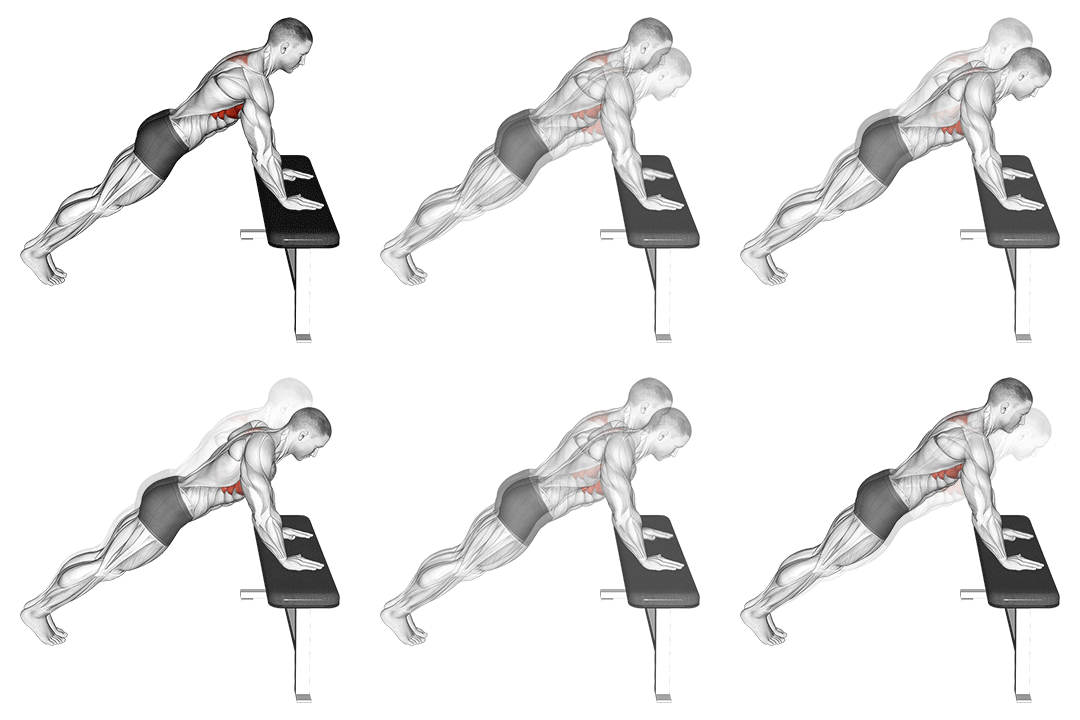
The Incline Scapula Push Up is done standing. Ranked closest by our scoring: the Scapula Push-up. Three harder versions, the Modified Hindu Push-up, the Incline Reverse Grip Push-up and the Triceps Dip (Between Benches), are listed below as progressions rather than swaps.
Updated Ranked by our 12-factor similarity model How it works
Original Exercise: Incline Scapula Push Up
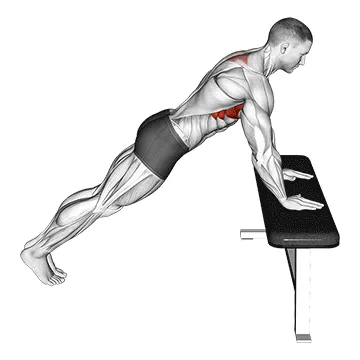
- Primary muscle
- Serratus
- Equipment
- Bodyweight
- Difficulty
- Beginner
- Type
- Isolation
Secondary muscles: Triceps, Shoulders
How to perform Incline Scapula Push Up
- Set up an incline bench at a 45-degree angle.
- Place your hands on the bench slightly wider than shoulder-width apart.
- Position your feet on the ground, hip-width apart.
- Lower your chest towards the bench, keeping your elbows tucked in.
- As you lower, retract your shoulder blades, squeezing your scapulae together.
- Push through your palms to extend your arms and return to the starting position.
- Repeat for the desired number of repetitions.
Ranked Incline Scapula Push Up Alternatives
10 substitutes, ranked by how closely each one matches the Incline Scapula Push Up on movement pattern, muscles worked, equipment and body position. The higher the score, the less you change. Open "How to perform this exercise" on a card for the steps; every card title links to that exercise's own alternatives page. Harder versions are tagged as progressions and kept out of the top spot even when they score higher.
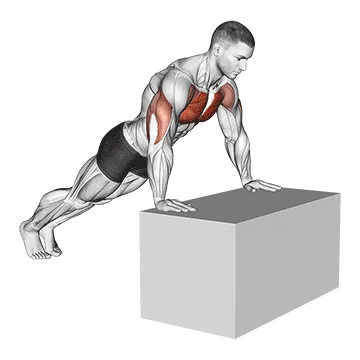
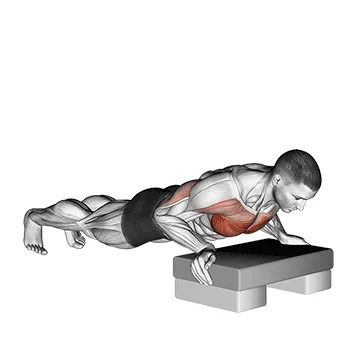
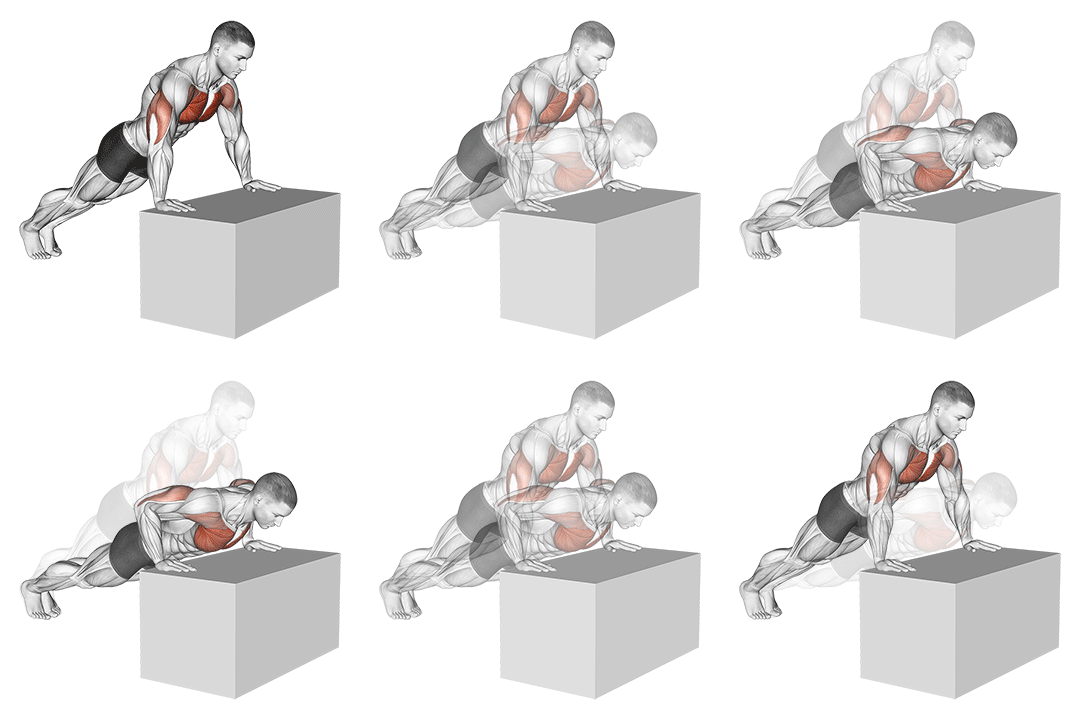
1. Incline Push-up (On Box)
79% match- Pectorals
- Bodyweight
- Beginner
- Compound
A looser match: it uses the same equipment, but it works the pectorals rather than the serratus.
How to perform this exercise
- Place your hands on the edge of a box or elevated surface, slightly wider than shoulder-width apart.
- Extend your legs behind you, resting on the balls of your feet, creating a straight line from your head to your heels.
- Lower your chest towards the box by bending your elbows, keeping your body in a straight line.
- Pause for a moment at the bottom, then push yourself back up to the starting position by straightening your arms.
- Repeat for the desired number of repetitions.
Sets and reps: 3 sets of 8 to 12 reps, and add reps before you add load.
Why this matches
- Movement: incline press, the same as the Incline Scapula Push Up
- Primary muscle: pectorals, not serratus
- Equipment: bodyweight only, the same as the Incline Scapula Push Up
- Body position: standing, the same as the Incline Scapula Push Up
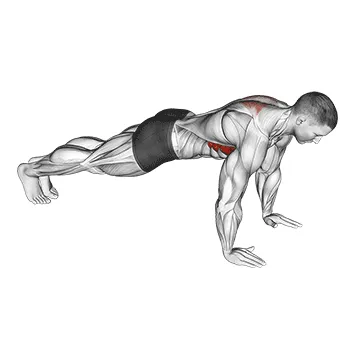
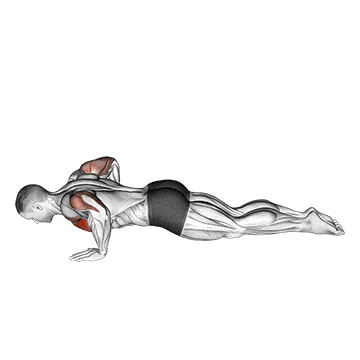
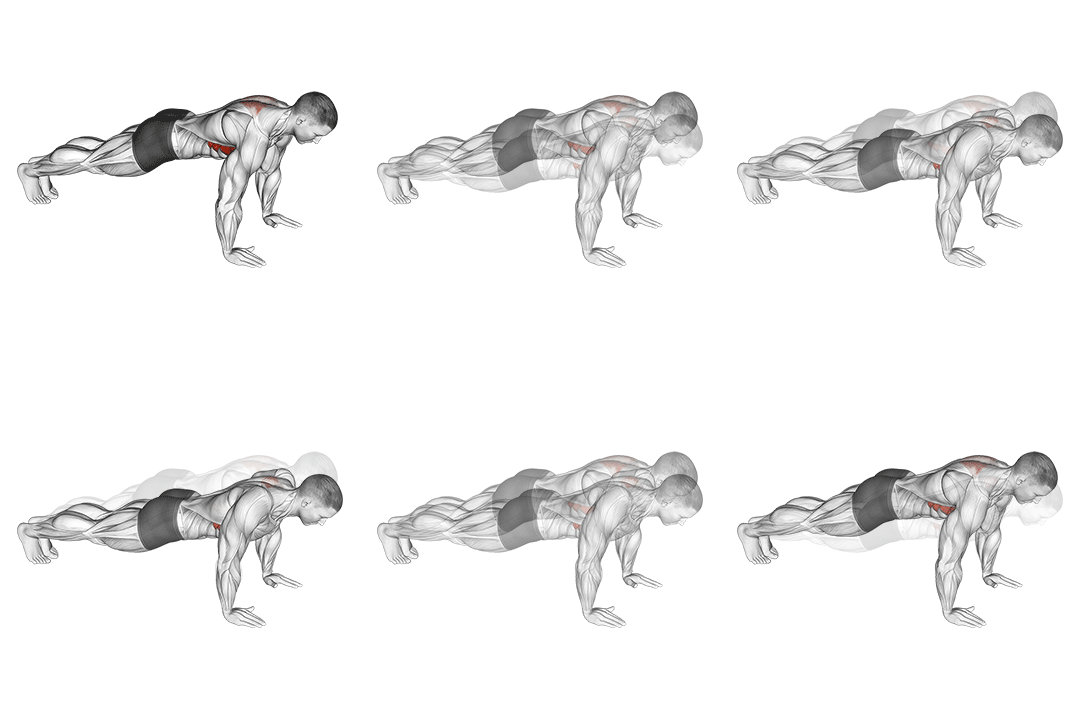
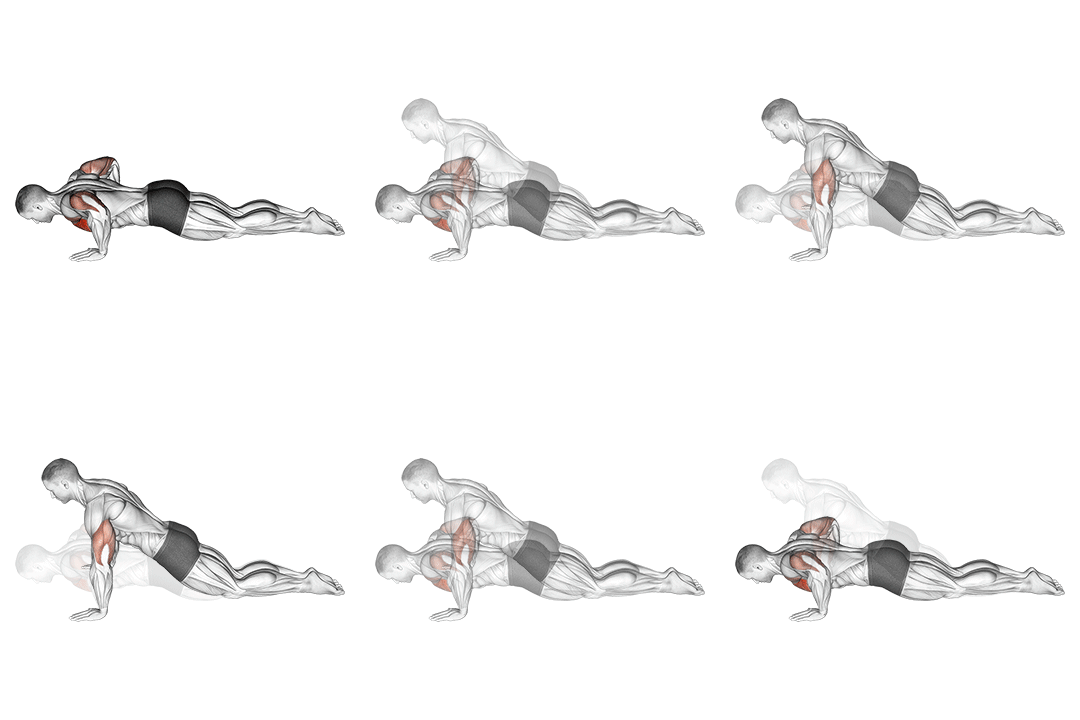
Best match 2. Scapula Push-up
75% match- Serratus
- Bodyweight
- Beginner
- Isolation
Pick this when you want to work the serratus with more balance to manage.
How to perform this exercise
- Start in a high plank position with your hands directly under your shoulders and your body in a straight line.
- Lower your chest towards the ground, keeping your elbows close to your body.
- As you lower, squeeze your shoulder blades together and push your chest forward.
- Pause for a moment at the bottom, then push back up to the starting position.
- Repeat for the desired number of repetitions.
Sets and reps: 3 sets of 8 to 12 reps, and add reps before you add load.
Why this matches
- Primary muscle: serratus, the same as the Incline Scapula Push Up
- Equipment: bodyweight only, the same as the Incline Scapula Push Up
- Body position: lying face down, not standing
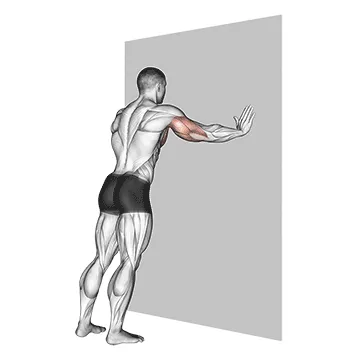
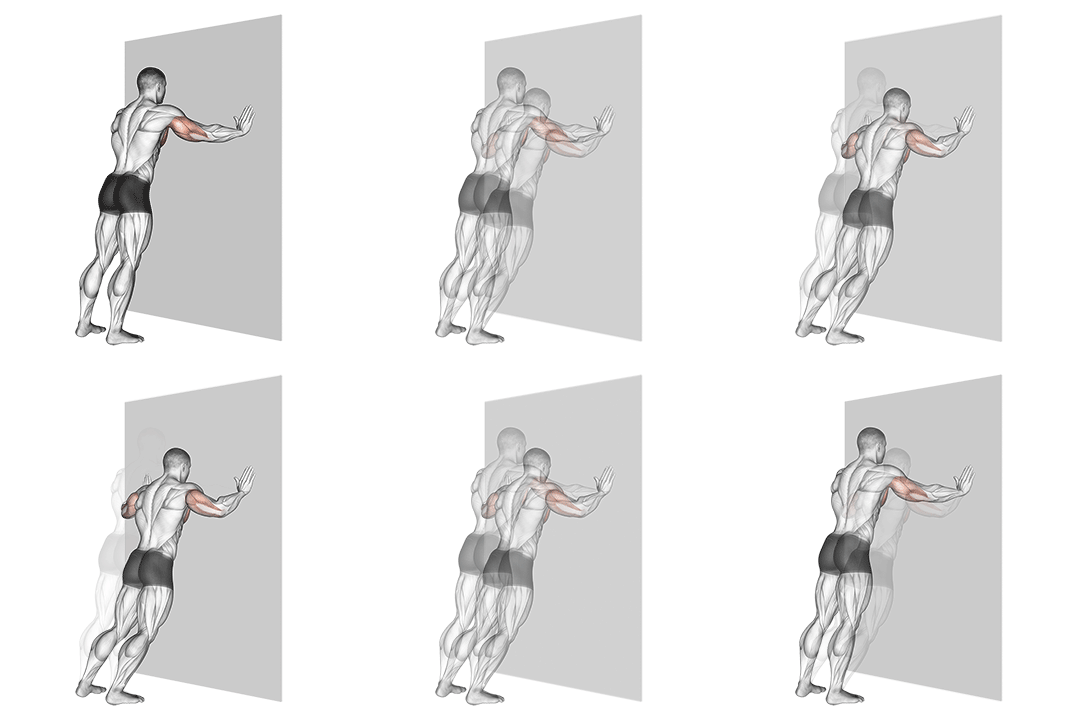
3. Push-up (Wall)
74% match- Pectorals
- Bodyweight
- Beginner
- Compound
How to perform this exercise
- Stand facing a wall, about arm's length away.
- Place your hands on the wall at shoulder height, slightly wider than shoulder-width apart.
- Step back with your feet, keeping them hip-width apart.
- Engage your core and keep your body in a straight line from head to heels.
- Bend your elbows and lower your chest towards the wall, keeping your body straight.
- Pause for a moment, then push yourself back to the starting position.
- Repeat for the desired number of repetitions.
Sets and reps: 3 sets of 8 to 12 reps, and add reps before you add load.
Why this matches
- Primary muscle: pectorals, not serratus
- Equipment: bodyweight only, the same as the Incline Scapula Push Up
- Body position: standing, the same as the Incline Scapula Push Up
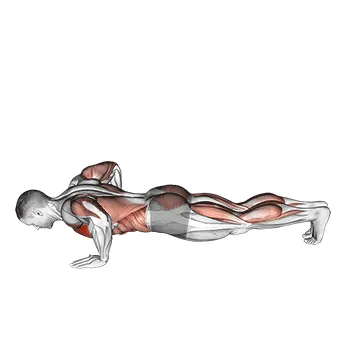
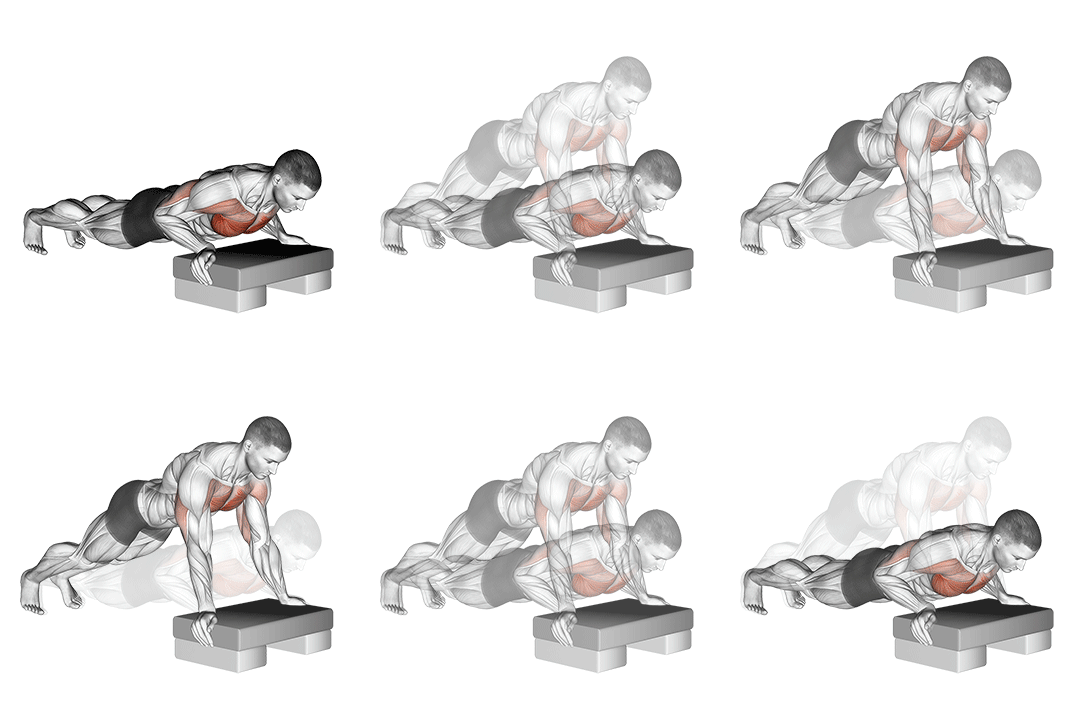
4. Incline Push-up
71% match- Pectorals
- Bodyweight
- Beginner
- Compound
How to perform this exercise
- Place your hands on an elevated surface, such as a bench or step, slightly wider than shoulder-width apart.
- Extend your legs behind you, resting on the balls of your feet, creating a straight line from your head to your heels.
- Lower your chest towards the elevated surface by bending your elbows, keeping your body in a straight line.
- Pause for a moment at the bottom, then push yourself back up to the starting position by straightening your arms.
- Repeat for the desired number of repetitions.
Sets and reps: 3 sets of 8 to 12 reps, and add reps before you add load.
Why this matches
- Movement: incline press, the same as the Incline Scapula Push Up
- Primary muscle: pectorals, not serratus
- Equipment: bodyweight only, the same as the Incline Scapula Push Up
- Body position: lying face down, not standing
5. Kneeling Push-up
71% match- Pectorals
- Bodyweight
- Beginner
- Compound
How to perform this exercise
- Start by kneeling on the ground with your hands shoulder-width apart, fingers pointing forward.
- Extend your legs behind you, resting on the balls of your feet, so that your body forms a straight line from head to heels.
- Engage your core and lower your body towards the ground by bending your elbows, keeping them close to your sides.
- Continue lowering until your chest is just above the ground, then push back up to the starting position by straightening your arms.
- Repeat for the desired number of repetitions.
Sets and reps: 3 sets of 8 to 12 reps, and add reps before you add load.
Why this matches
- Primary muscle: pectorals, not serratus
- Equipment: bodyweight only, the same as the Incline Scapula Push Up
- Body position: kneeling, not standing
Progression
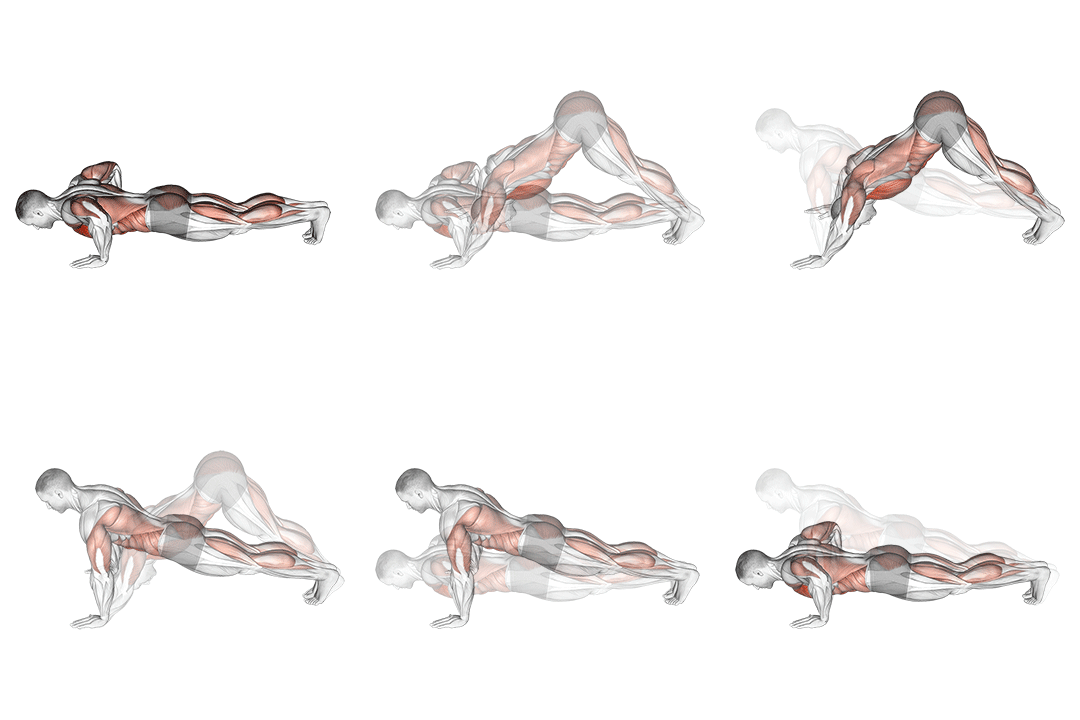
6. Modified Hindu Push-up
68% match- Pectorals
- Bodyweight
- Intermediate
- Compound
How to perform this exercise
- Start in a push-up position with your hands slightly wider than shoulder-width apart and your feet hip-width apart.
- Lower your body towards the ground, bending your elbows and keeping your core engaged.
- As you lower your body, shift your weight back and lift your hips up towards the ceiling, creating an inverted V shape with your body.
- Continue to lower your body until your chest is just above the ground, then reverse the movement, pushing your hips back down and extending your arms to return to the starting position.
- Repeat for the desired number of repetitions.
Sets and reps: 3 or 4 sets of 6 to 10 reps.
Why this matches
- Primary muscle: pectorals, not serratus
- Equipment: bodyweight only, the same as the Incline Scapula Push Up
- Body position: standing, the same as the Incline Scapula Push Up
- Balance: harder to stay steady on than the Incline Scapula Push Up
Progression
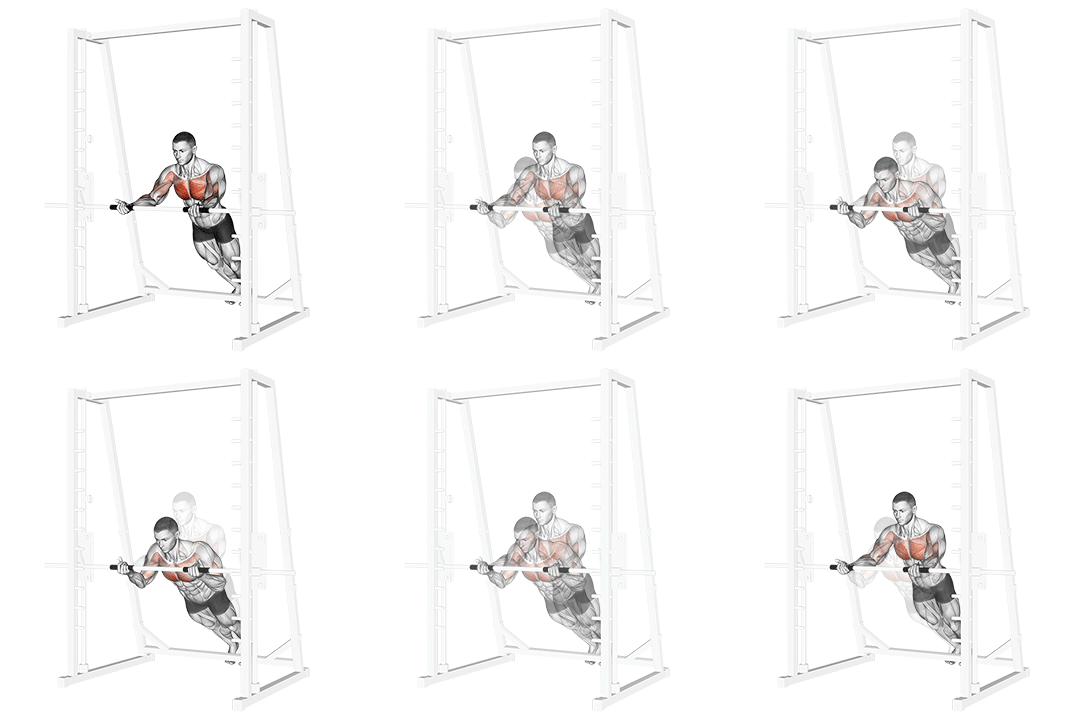
7. Incline Reverse Grip Push-up
67% match- Pectorals
- Bodyweight
- Intermediate
- Compound
How to perform this exercise
- Place your hands on the edge of a bench or elevated surface, slightly wider than shoulder-width apart.
- Extend your legs behind you, resting on the balls of your feet, creating a straight line from your head to your heels.
- Lower your chest towards the bench by bending your elbows, keeping them close to your sides.
- Pause for a moment at the bottom, then push yourself back up to the starting position by extending your arms.
- Repeat for the desired number of repetitions.
Sets and reps: 3 or 4 sets of 6 to 10 reps.
Why this matches
- Movement: incline press, the same as the Incline Scapula Push Up
- Primary muscle: pectorals, not serratus
- Equipment: bodyweight only, the same as the Incline Scapula Push Up
- Body position: lying face down, not standing
Progression
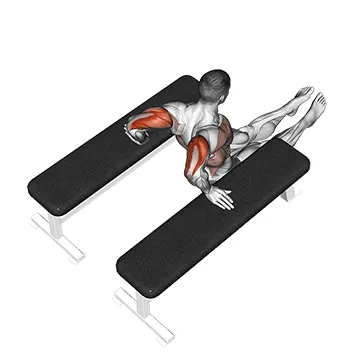
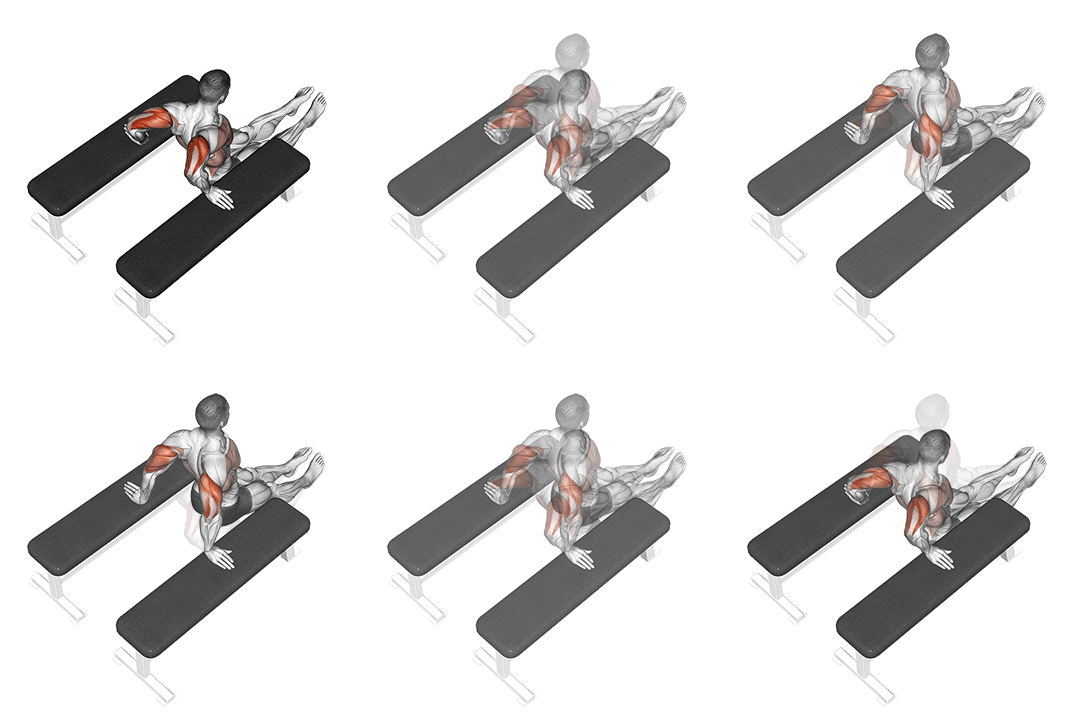
8. Triceps Dip (Between Benches)
65% match- Triceps
- Bodyweight
- Intermediate
- Compound
How to perform this exercise
- Sit on a bench with your hands gripping the edge of the bench, fingers pointing forward.
- Slide your butt off the bench, supporting your weight with your hands.
- Bend your elbows and lower your body towards the ground, keeping your back close to the bench.
- Pause for a moment at the bottom, then push yourself back up to the starting position.
- Repeat for the desired number of repetitions.
Sets and reps: 3 or 4 sets of 6 to 10 reps.
Why this matches
- Primary muscle: triceps, not serratus
- Equipment: bodyweight only, the same as the Incline Scapula Push Up
- Body position: standing, the same as the Incline Scapula Push Up
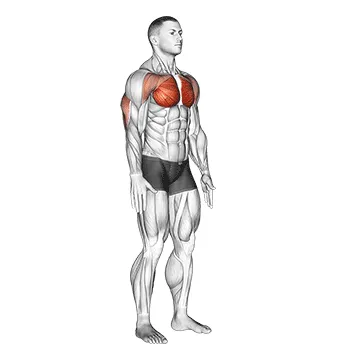
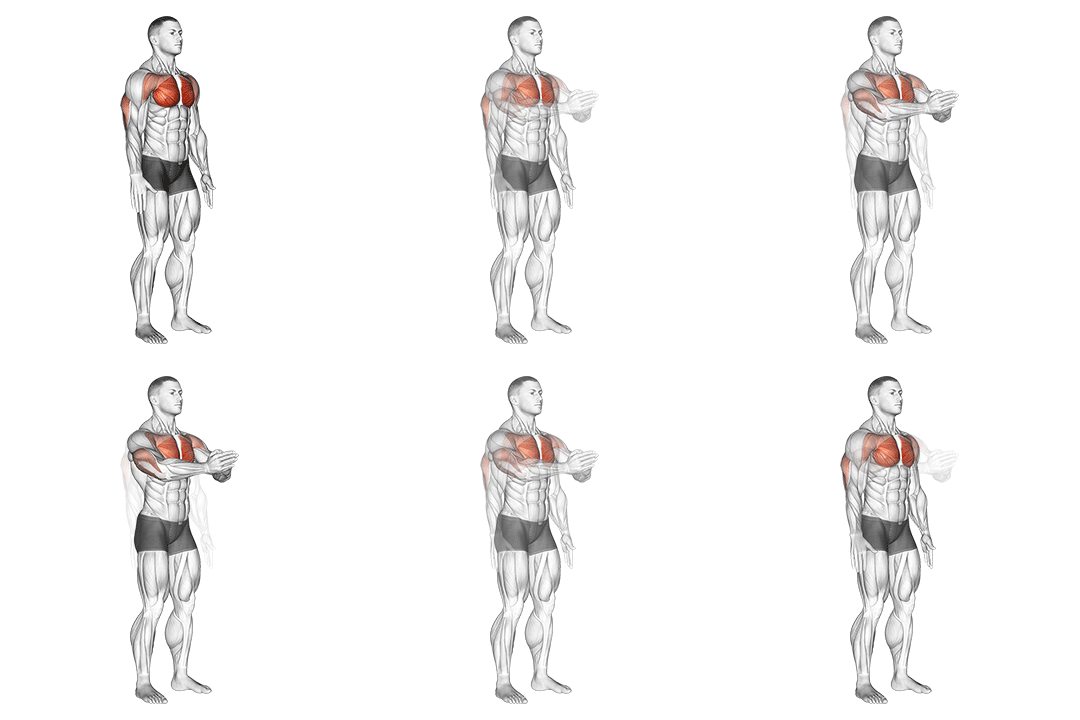
9. Isometric Chest Squeeze
65% match- Pectorals
- Bodyweight
- Beginner
- Isolation
How to perform this exercise
- Stand with your feet shoulder-width apart and your knees slightly bent.
- Extend your arms straight out in front of you, parallel to the ground, with your palms facing each other.
- Squeeze your chest muscles together as hard as you can, while keeping your arms straight.
- Hold this position for a few seconds, focusing on contracting your chest muscles.
- Release the squeeze and relax your chest muscles.
- Repeat for the desired number of repetitions.
Sets and reps: 3 sets of 8 to 12 reps, and add reps before you add load.
Why this matches
- Primary muscle: pectorals, not serratus
- Equipment: bodyweight only, the same as the Incline Scapula Push Up
- Body position: standing, the same as the Incline Scapula Push Up
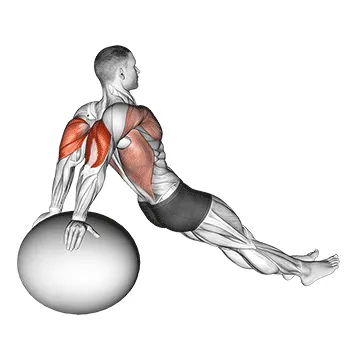
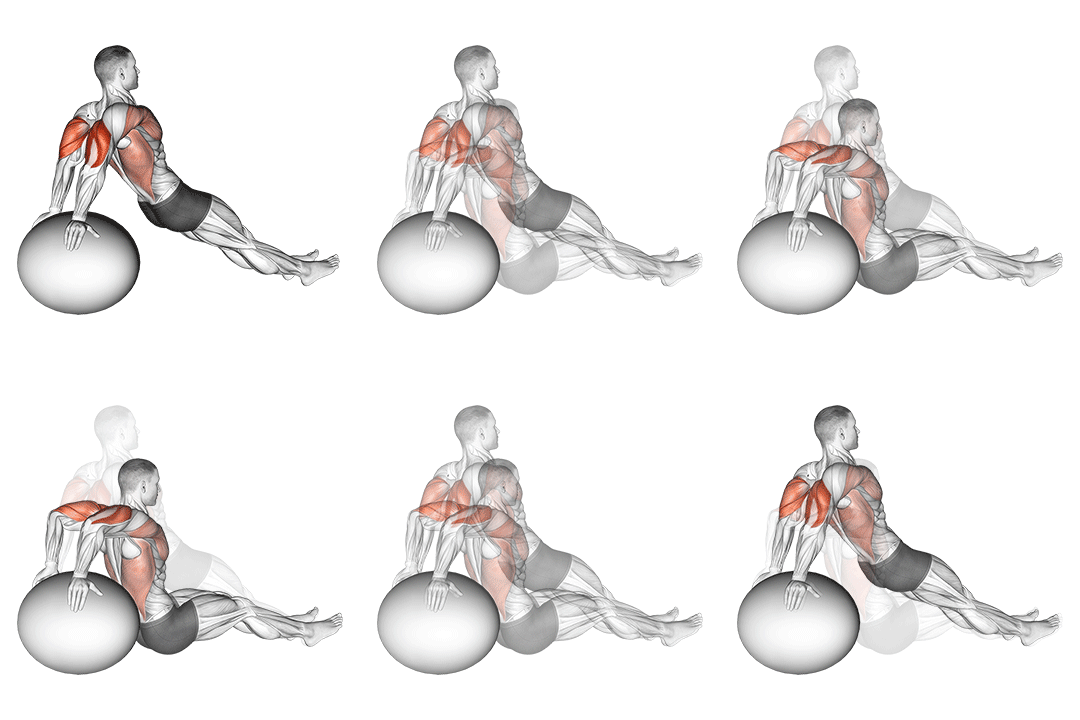
10. Exercise Ball Dip
65% match- Triceps
- Stability-ball
- Intermediate
- Compound
How to perform this exercise
- Sit on the stability ball with your feet flat on the ground and your knees bent at a 90-degree angle.
- Place your hands on the ball beside your hips, fingers pointing forward.
- Engage your triceps and push through your hands to lift your body off the ball, straightening your arms.
- Lower your body back down by bending your elbows, keeping them close to your sides.
- Repeat for the desired number of repetitions.
Sets and reps: 3 or 4 sets of 6 to 10 reps.
Why this matches
- Primary muscle: triceps, not serratus
- Equipment: bodyweight only, the same as the Incline Scapula Push Up
- Body position: standing, the same as the Incline Scapula Push Up
- Balance: harder to stay steady on than the Incline Scapula Push Up
Why You Might Need an Incline Scapula Push Up Alternative
You may substitute the Incline Scapula Push Up for several reasons: shoulder pain or limited ROM, lack of an appropriate incline surface, or the need for a regression or progression. Alternatives let you maintain serratus anterior activation while controlling load and range of motion; for example, wall slides reduce compressive shoulder stress while preserving protraction mechanics. Use a banded punch to increase resistance and emphasize scapular protraction, cueing a full forward drive without elbow flexion to isolate the serratus and protect the glenohumeral joint.
How to Choose the Right Incline Scapula Push Up Substitute
Choose a substitute based on goal, pain tolerance, and equipment. For rehab or shoulder pain, pick wall-based variations and emphasize slow protraction with neutral spine; cue: hold full protraction for 1–2 seconds. For strength, select banded serratus punches or weighted overhead holds that increase tension and progressive overload. Check that the chosen movement produces a clear serratus contraction (you should feel activation along the lateral ribs) and preserves scapulothoracic rhythm during shoulder movement.
Incline Scapula Push Up FAQ
What muscles does Incline Scapula Push Up work?
The primary target is the serratus anterior, which drives scapular protraction and stabilizes the shoulder blade. Secondary muscles include the pectoralis major and minor and the scapular stabilizers; cue: protract fully without bending the elbows to isolate the serratus under the lateral ribs.
Find Alternatives for Any Exercise
Search the exercise database and filter the ranked substitutes by the equipment you own.
Similarity scores compare exercise metadata such as movement pattern, muscles, equipment and body position. They are not a safety rating or a check that you own the equipment. Learn about our methodology