

10 Best Dumbbell Lunge With Bicep Curl Alternatives
The Dumbbell Lunge With Bicep Curl is done standing with dumbbells. Ranked closest by our scoring: the Bodyweight Side Lying Biceps Curl, the Biceps Leg Concentration Curl and the Biceps Pull-up.
Updated Ranked by our 12-factor similarity model How it works
Original Exercise: Dumbbell Lunge With Bicep Curl
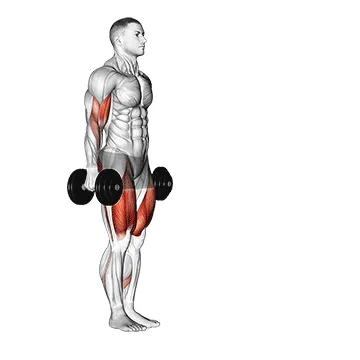
- Primary muscle
- Biceps
- Equipment
- Dumbbell
- Difficulty
- Intermediate
- Type
- Compound
Secondary muscles: Quadriceps, Hamstrings
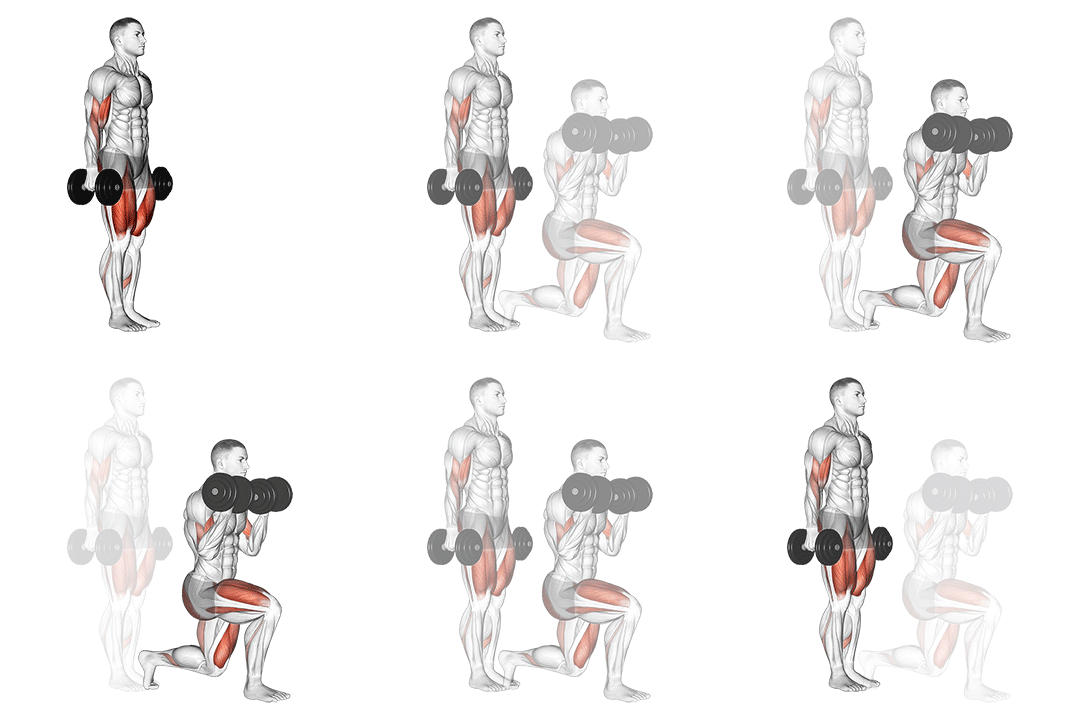
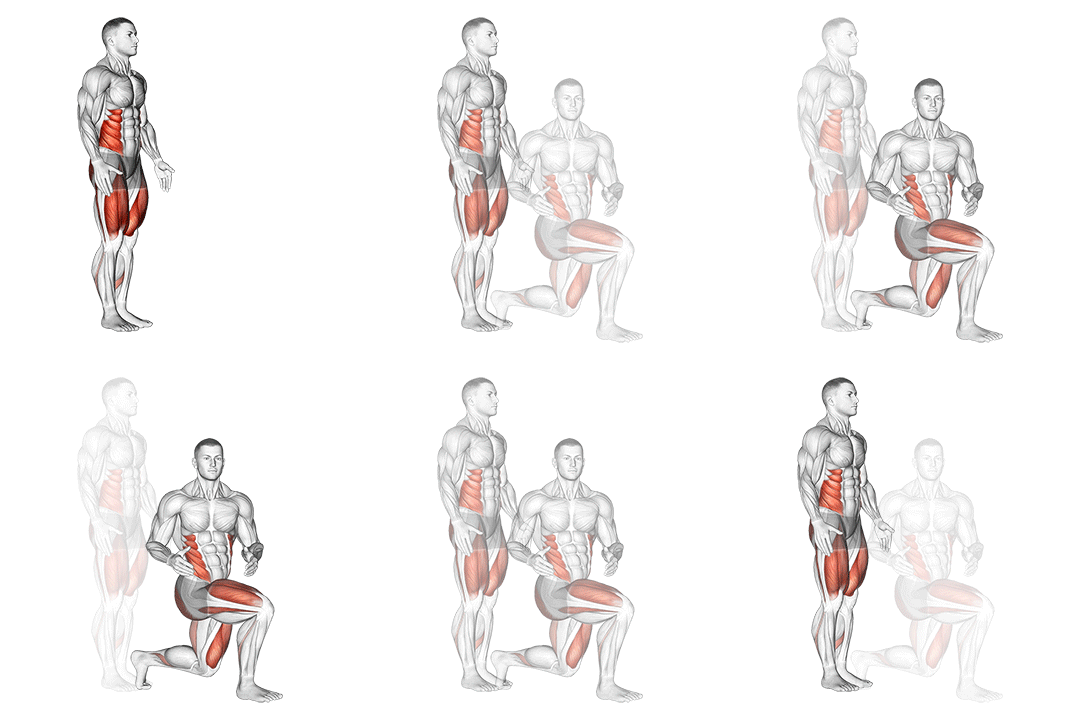
How to perform Dumbbell Lunge With Bicep Curl
- Stand with your feet shoulder-width apart, holding a dumbbell in each hand with your palms facing forward.
- Take a step forward with your right foot, lowering your body into a lunge position. Your right knee should be bent at a 90-degree angle and your left knee should be hovering just above the ground.
- As you lunge forward, simultaneously curl the dumbbells towards your shoulders, keeping your elbows close to your body.
- Pause for a moment at the bottom of the lunge, then push through your right heel to return to the starting position, lowering the dumbbells back down to your sides.
- Repeat the lunge and bicep curl on the opposite side, stepping forward with your left foot.
- Continue alternating sides for the desired number of repetitions.
Ranked Dumbbell Lunge With Bicep Curl Alternatives
10 substitutes, ranked by how closely each one matches the Dumbbell Lunge With Bicep Curl on movement pattern, muscles worked, equipment and body position. The higher the score, the less you change. Open "How to perform this exercise" on a card for the steps; every card title links to that exercise's own alternatives page.
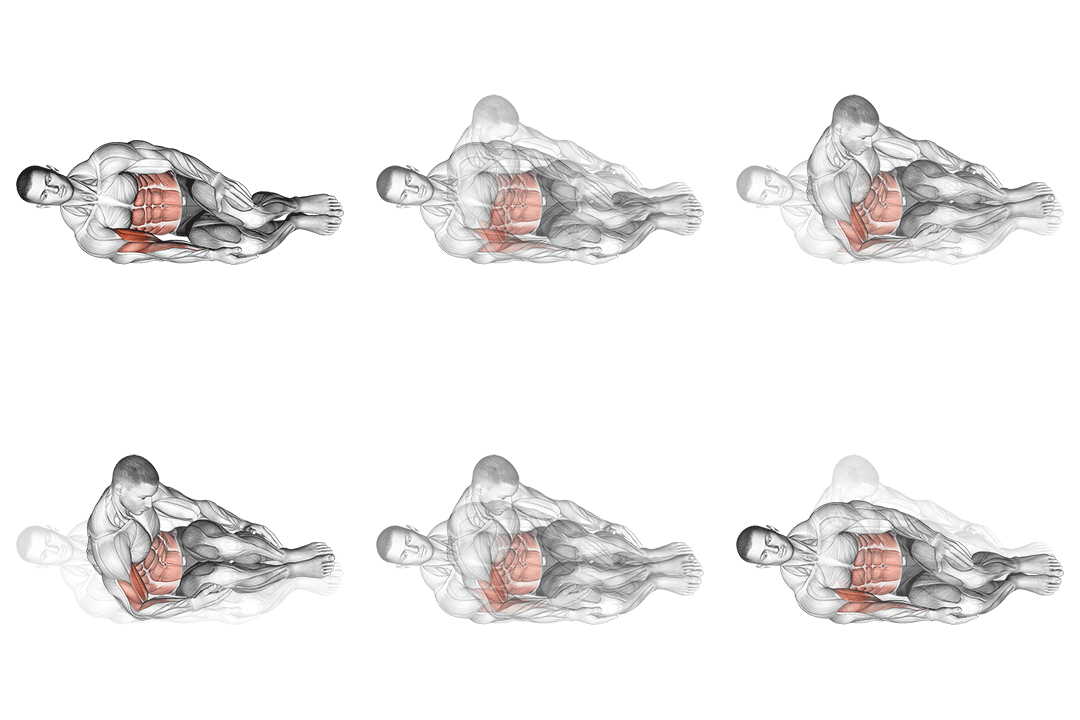
Best match 1. Bodyweight Side Lying Biceps Curl
53% match- Biceps
- Bodyweight
- Beginner
- Isolation
Use this when you have nothing to train with, because it works the biceps with bodyweight alone.
How to perform this exercise
- Lie on your side with your legs extended and your head supported by your arm.
- Hold your upper arm against your side and bend your elbow to curl your forearm towards your shoulder.
- Pause for a moment at the top, then slowly lower your forearm back down to the starting position.
- Repeat for the desired number of repetitions.
Sets and reps: 3 sets of 8 to 12 reps on each side, and add reps before you add load.
Why this matches
- Primary muscle: biceps, the same as the Dumbbell Lunge With Bicep Curl
- Equipment: bodyweight only, not free weights
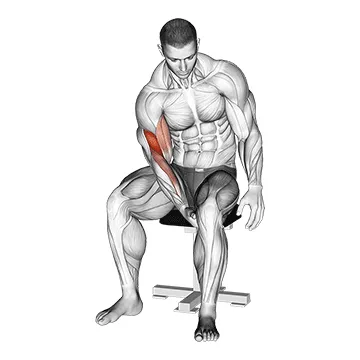
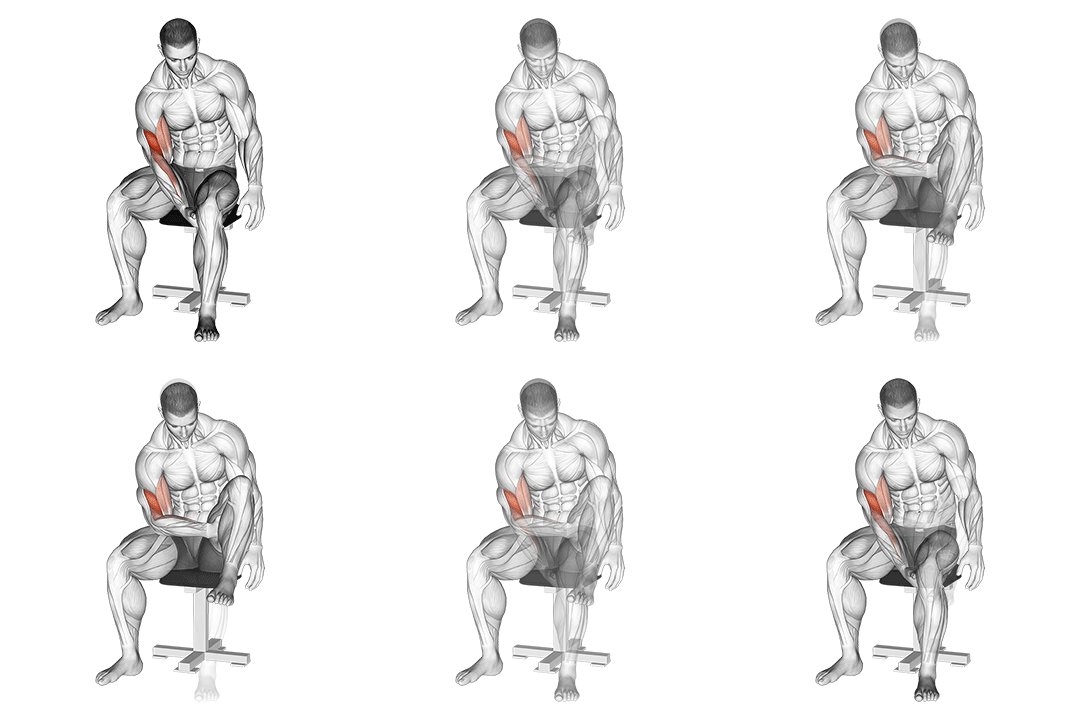
2. Biceps Leg Concentration Curl
51% match- Biceps
- Bodyweight
- Beginner
- Isolation
How to perform this exercise
- Sit on a bench with your legs spread apart and your feet flat on the ground.
- Hold a dumbbell in one hand and place your elbow on the inside of your thigh, just above the knee.
- With your palm facing up, curl the dumbbell towards your shoulder while keeping your upper arm stationary.
- Squeeze your biceps at the top of the movement, then slowly lower the dumbbell back to the starting position.
- Repeat for the desired number of repetitions, then switch arms.
Sets and reps: 3 sets of 8 to 12 reps on each side, and add reps before you add load.
Why this matches
- Primary muscle: biceps, the same as the Dumbbell Lunge With Bicep Curl
- Equipment: bodyweight only, not free weights
- Body position: seated, not standing
- Balance: easier to stay steady on than the Dumbbell Lunge With Bicep Curl
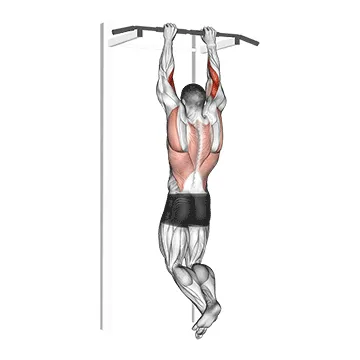
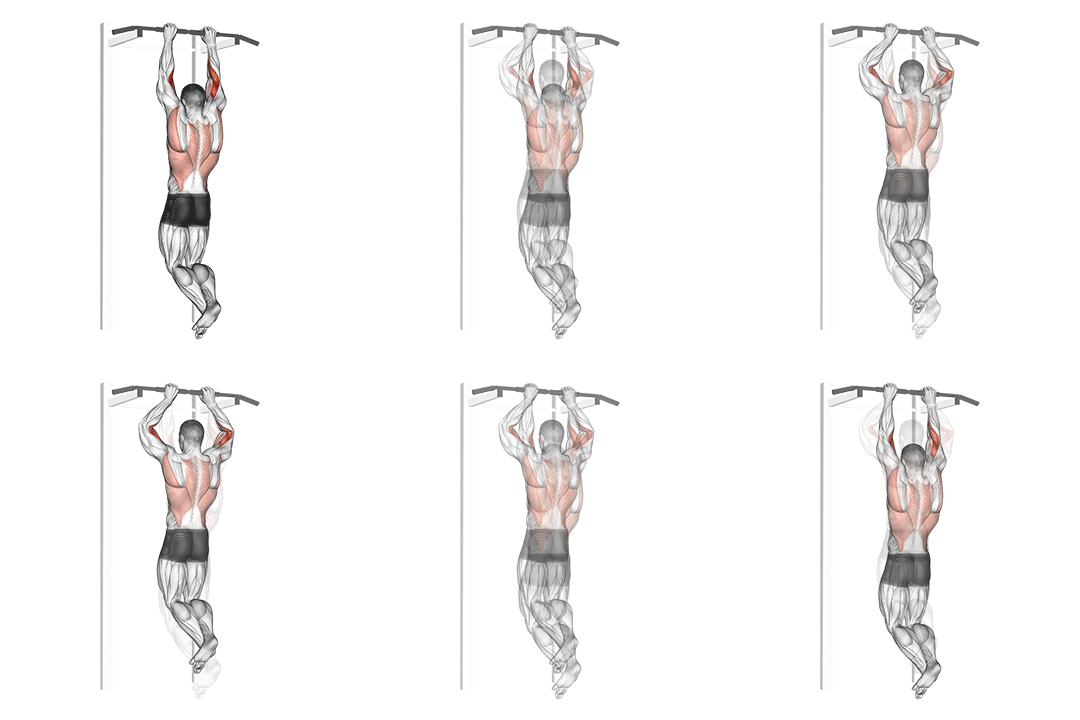
3. Biceps Pull-up
46% match- Biceps
- Bodyweight
- Advanced
- Compound
How to perform this exercise
- Hang from a pull-up bar with your palms facing away from you and your hands shoulder-width apart.
- Engage your core and pull yourself up by bending your elbows, bringing your chest towards the bar.
- Pause at the top of the movement, then slowly lower yourself back down to the starting position.
- Repeat for the desired number of repetitions.
Sets and reps: 3 or 4 sets of 6 to 10 reps.
Why this matches
- Primary muscle: biceps, the same as the Dumbbell Lunge With Bicep Curl
- Equipment: bodyweight only, not free weights
- Body position: hanging, not standing
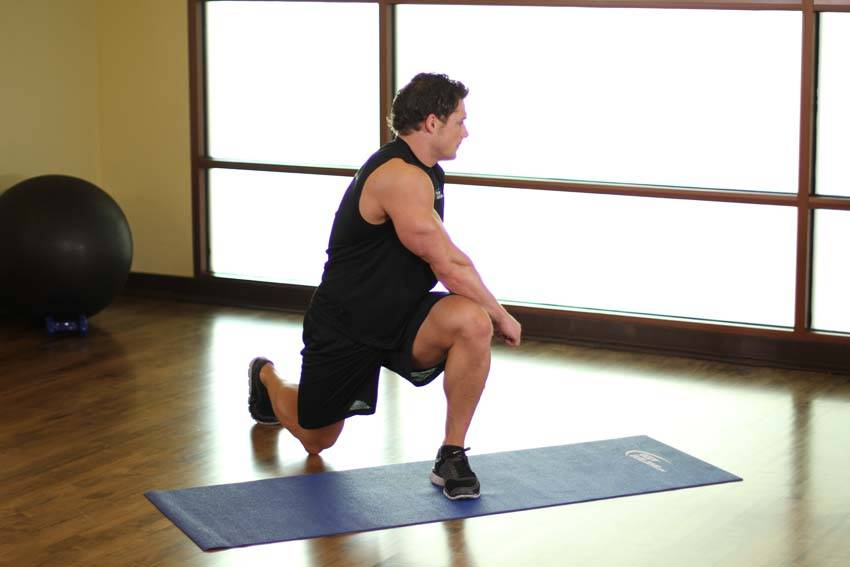
4. Crossover Reverse Lunge
44% match- Glutes
- Bodyweight
- Intermediate
- Compound
A looser match: it works the glutes rather than the biceps.
How to perform this exercise
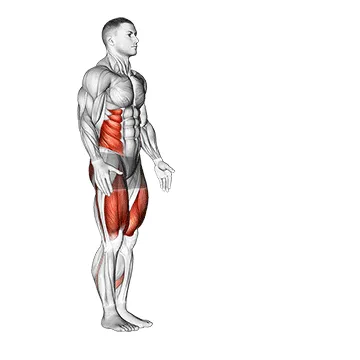
- Stand with your feet shoulder width apart. This will be your starting position.
- Perform a rear lunge by stepping back with one foot and flexing the hips and front knee. As you do so, rotate your torso across the front leg.
- After a brief pause, return to the starting position and repeat on the other side, continuing in an alternating fashion.
Sets and reps: 3 or 4 sets of 6 to 10 reps on each side.
Why this matches
- Primary muscle: glutes, not biceps
- Equipment: bodyweight only, not free weights
- Body position: standing, the same as the Dumbbell Lunge With Bicep Curl
5. Lunge With Twist
44% match- Abs
- Bodyweight
- Intermediate
- Compound
A looser match: it works the abs rather than the biceps.
How to perform this exercise
- Start by standing with your feet shoulder-width apart.
- Take a step forward with your right foot, lowering your body into a lunge position.
- As you lunge, twist your torso to the right, bringing your left elbow towards your right knee.
- Pause for a moment, then return to the starting position.
- Repeat on the other side, stepping forward with your left foot and twisting your torso to the left.
- Continue alternating sides for the desired number of repetitions.
Sets and reps: 3 or 4 sets of 6 to 10 reps on each side.
Why this matches
- Primary muscle: abs, not biceps
- Equipment: bodyweight only, not free weights
- Body position: standing, the same as the Dumbbell Lunge With Bicep Curl
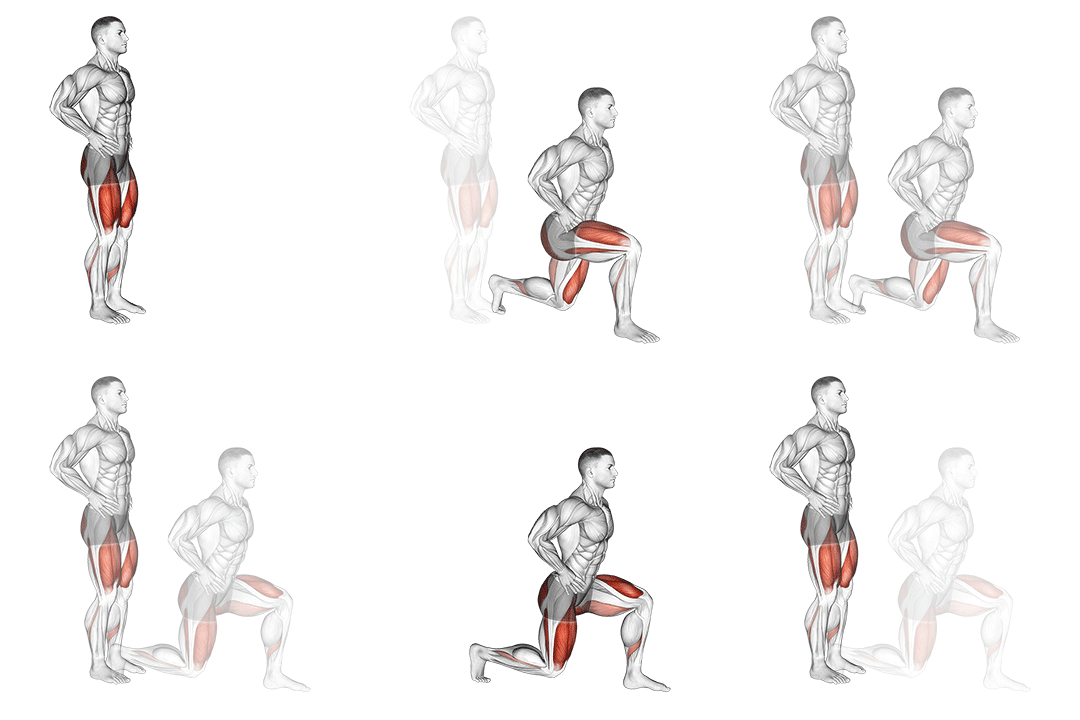
6. Forward Lunge
43% match- Glutes
- Bodyweight
- Beginner
- Compound
How to perform this exercise
- Stand with your feet hip-width apart and hands on your hips.
- Take a big step forward with your right foot, lowering your body into a lunge position.
- Bend your right knee to about 90 degrees, keeping your knee aligned with your ankle.
- Push off with your right foot and return to the starting position.
- Repeat with your left leg, alternating sides for the desired number of repetitions.
Sets and reps: 3 sets of 8 to 12 reps on each side, and add reps before you add load.
Why this matches
- Primary muscle: glutes, not biceps
- Equipment: bodyweight only, not free weights
- Body position: standing, the same as the Dumbbell Lunge With Bicep Curl
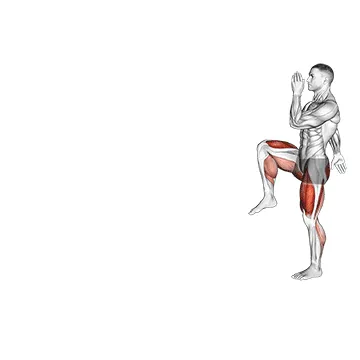
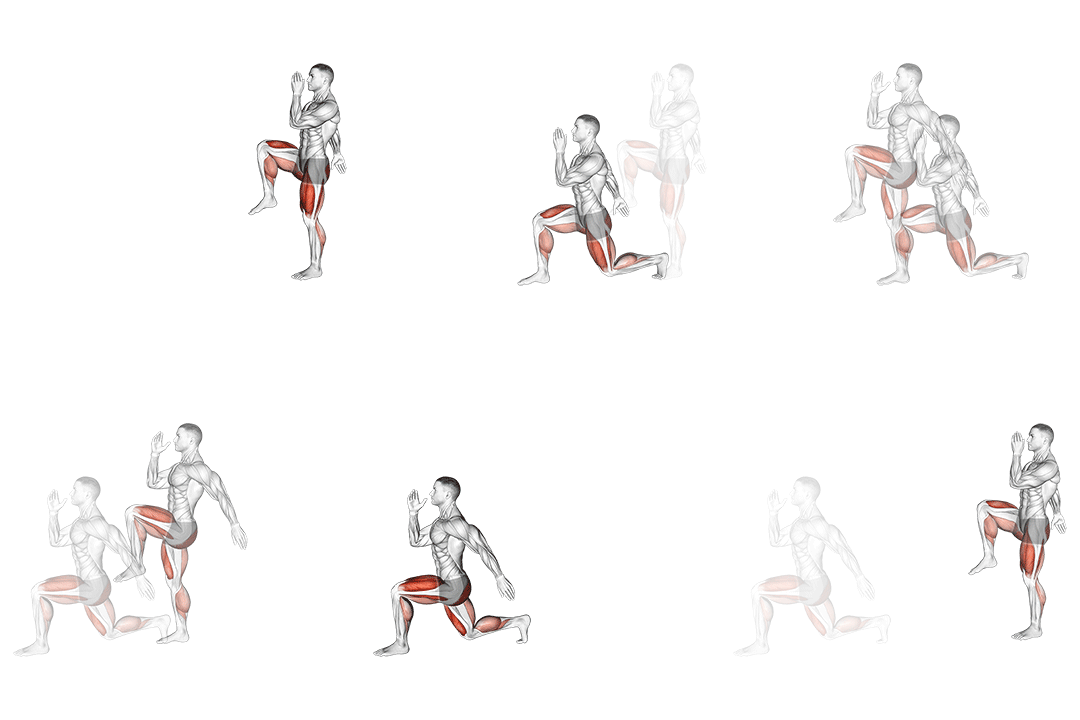
7. Walking High Knees Lunge
43% match- Cardio
- Bodyweight
- Beginner
- Compound
A looser match: it works the heart and lungs rather than the biceps.
How to perform this exercise
- Stand with your feet hip-width apart.
- Lift your right knee up towards your chest as high as you can while balancing on your left leg.
- Step forward with your right foot and lower your body into a lunge position, bending both knees to a 90-degree angle.
- Push off with your right foot and bring your left knee up towards your chest.
- Step forward with your left foot and lower your body into a lunge position.
- Continue alternating legs and lunging forward, keeping your core engaged and maintaining a steady pace.
- Repeat for the desired number of repetitions.
Sets and reps: 3 sets of 8 to 12 reps on each side, and add reps before you add load.
Why this matches
- Primary muscle: your heart and lungs, not biceps
- Equipment: bodyweight only, not free weights
- Body position: standing, the same as the Dumbbell Lunge With Bicep Curl
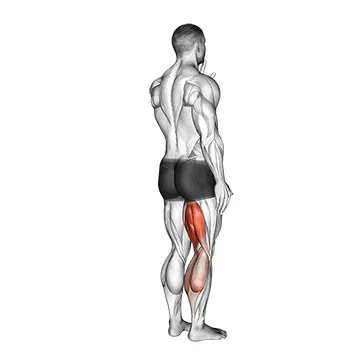
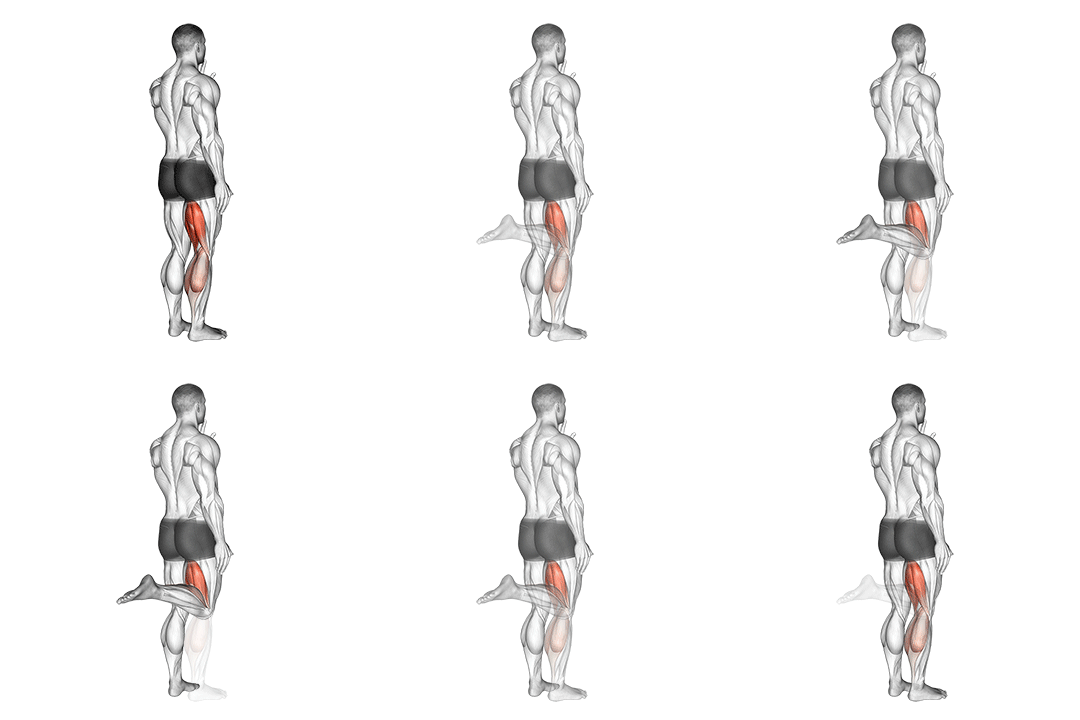
8. Standing Single Leg Curl
43% match- Hamstrings
- Bodyweight
- Intermediate
- Isolation
How to perform this exercise
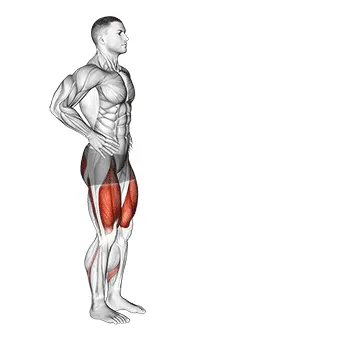
- Stand with your feet hip-width apart and your hands on your hips.
- Shift your weight onto your left leg and lift your right foot off the ground, bending your knee.
- Slowly curl your right heel towards your glutes, squeezing your hamstring.
- Pause for a moment at the top, then slowly lower your right foot back down to the starting position.
- Repeat for the desired number of repetitions, then switch legs.
Sets and reps: 3 sets of 10 to 15 reps on each side.
Why this matches
- Primary muscle: hamstrings, not biceps
- Equipment: bodyweight only, not free weights
- Body position: standing, the same as the Dumbbell Lunge With Bicep Curl
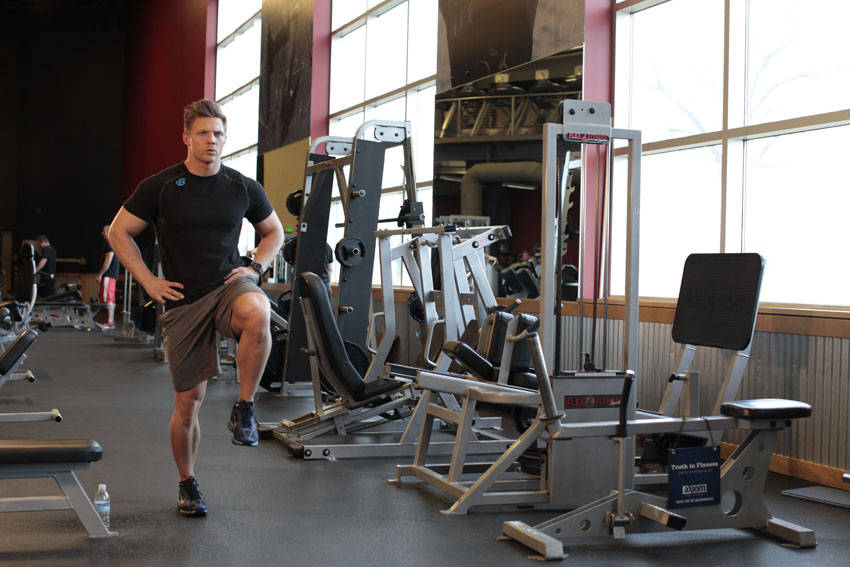
9. Bodyweight Walking Lunge
43% match- Quads
- Bodyweight
- Intermediate
- Compound
How to perform this exercise
- Begin standing with your feet shoulder width apart and your hands on your hips.
- Step forward with one leg, flexing the knees to drop your hips. Descend until your rear knee nearly touches the ground. Your posture should remain upright, and your front knee should stay above the front foot.
- Drive through the heel of your lead foot and extend both knees to raise yourself back up.
- Step forward with your rear foot, repeating the lunge on the opposite leg.
Sets and reps: 3 or 4 sets of 6 to 10 reps on each side.
Why this matches
- Primary muscle: quads, not biceps
- Equipment: bodyweight only, not free weights
- Body position: standing, the same as the Dumbbell Lunge With Bicep Curl
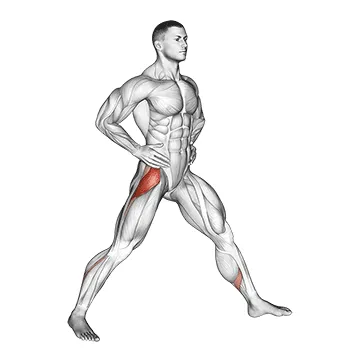
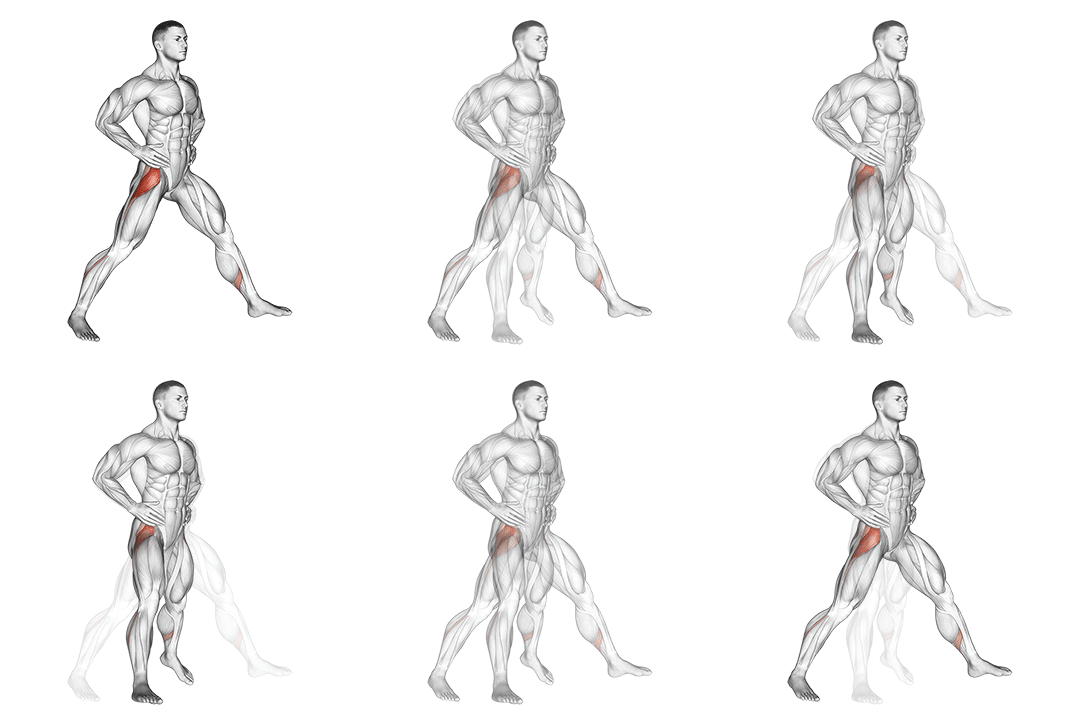
10. Monster Walk
39% match- Glutes
- Bodyweight
- Intermediate
- Compound
How to perform this exercise
- Place a resistance band around your ankles.
- Stand with your feet shoulder-width apart and slightly bend your knees.
- Take a step to the side with your right foot, maintaining tension on the resistance band.
- Follow with your left foot, stepping to the side to return to the starting position.
- Repeat for the desired number of repetitions, then switch sides.
Sets and reps: 3 or 4 sets of 6 to 10 reps on each side.
Why this matches
- Primary muscle: glutes, not biceps
- Equipment: bodyweight only, not free weights
- Body position: standing, the same as the Dumbbell Lunge With Bicep Curl
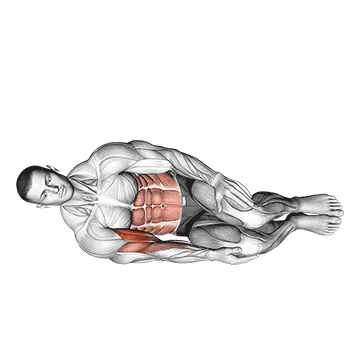
Dumbbell Lunge With Bicep Curl FAQ
What muscles does Dumbbell Lunge With Bicep Curl work?
The movement primarily targets the biceps brachii via elbow flexion while the lunge portion recruits quads, glutes, and hamstrings for hip and knee extension. It also engages core stabilizers and the vastus medialis for knee control; cue: keep the front knee tracking over the second toe to optimize quad and glute activation.
Find Alternatives for Any Exercise
Search the exercise database and filter the ranked substitutes by the equipment you own.
Similarity scores compare exercise metadata such as movement pattern, muscles, equipment and body position. They are not a safety rating or a check that you own the equipment. Learn about our methodology