

10 Best Rear Leg Raises Alternatives for No-Equipment Workouts
Rear Leg Raises are done kneeling. Ranked closest by our scoring: the Dumbbell Rear Lunge and the Barbell Rear Lunge. Six harder versions, among them the Crossover Reverse Lunge and the Lunge With Jump, are listed below as progressions rather than swaps.
Updated Ranked by our 12-factor similarity model How it works
Original Exercise: Rear Leg Raises
- Primary muscle
- Glutes
- Equipment
- Bodyweight
- Difficulty
- Beginner
- Type
- Isolation
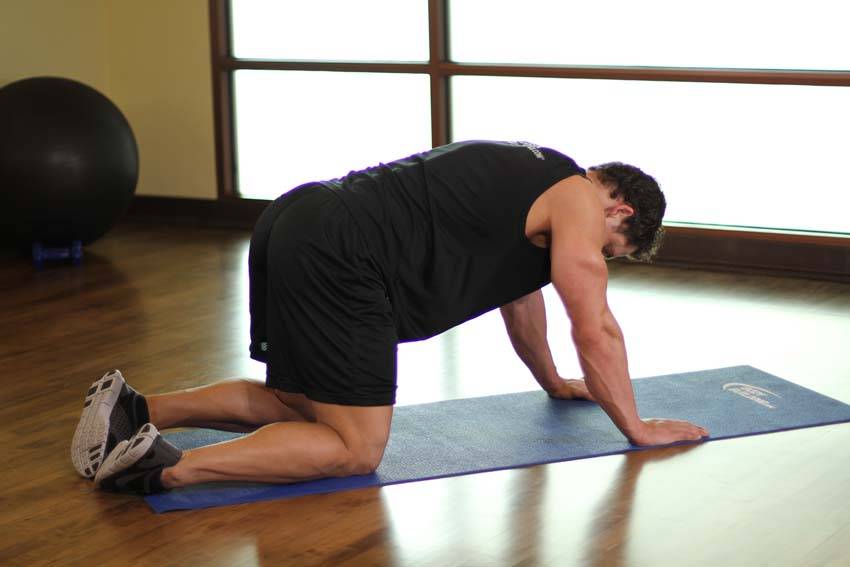
How to perform Rear Leg Raises
- Place yourself on your hands knees on an exercise mat. Your head should be looking forward and the bend of the knees should create a 90-degree angle between the hamstrings and the calves. This will be your starting position.
- Extend one leg up and behind you. The knee and hip should both extend. Repeat for 5-10 repetitions, and then switch sides.
Ranked Rear Leg Raises Alternatives
10 substitutes, ranked by how closely each one matches Rear Leg Raises on movement pattern, muscles worked, equipment and body position. The higher the score, the less you change. Open "How to perform this exercise" on a card for the steps; every card title links to that exercise's own alternatives page. Harder versions are tagged as progressions and kept out of the top spot even when they score higher.
Best match 1. Dumbbell Rear Lunge
65% match- Glutes
- Dumbbell
- Intermediate
- Compound
A good swap when you have dumbbells to work with, and it still works the glutes.
How to perform this exercise
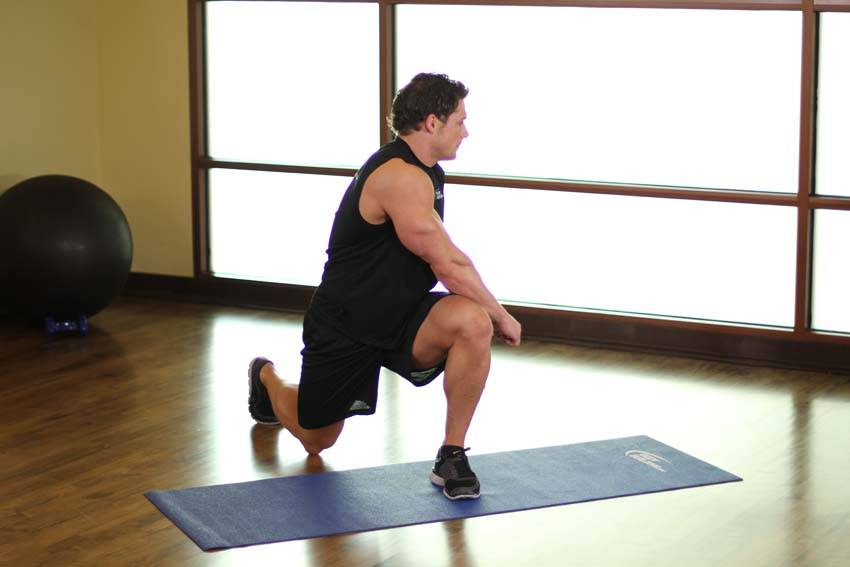
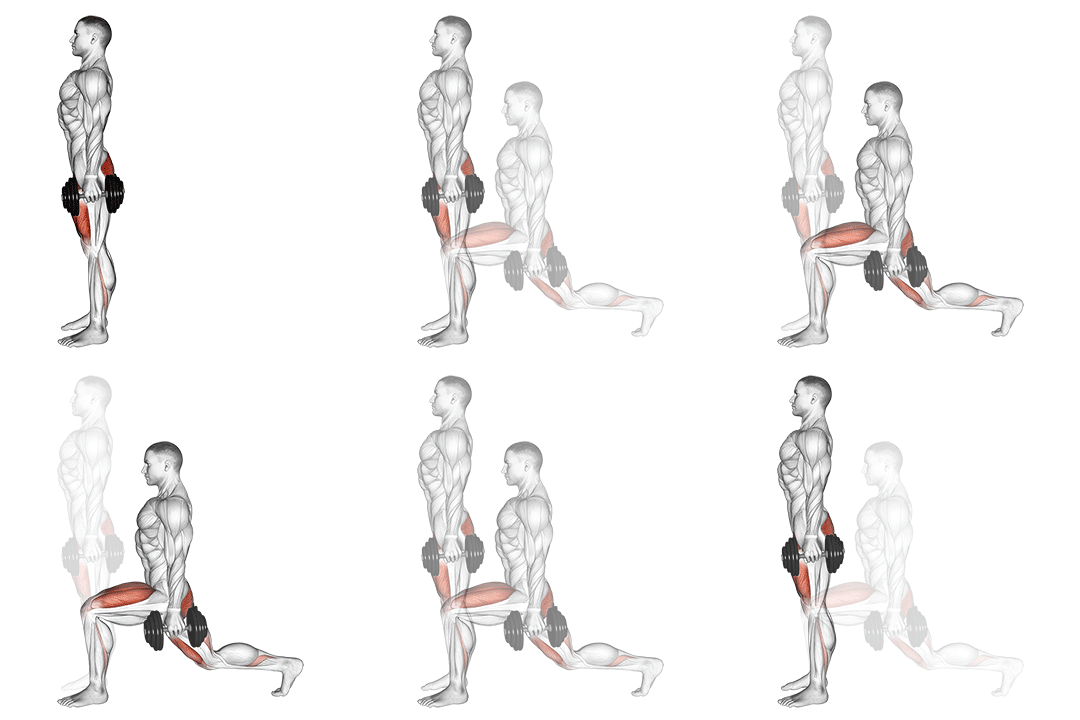
- Stand with your feet shoulder-width apart, holding a dumbbell in each hand.
- Take a step backward with your right foot, lowering your body into a lunge position.
- Bend your left knee and lower your body until your left thigh is parallel to the ground.
- Pause for a moment, then push through your left heel to return to the starting position.
- Repeat on the other side, stepping back with your left foot.
Sets and reps: 3 or 4 sets of 6 to 10 reps on each side.
Why this matches
- Primary muscle: glutes, the same as Rear Leg Raises
- Equipment: free weights, not bodyweight only
- Body position: standing, not kneeling
- Balance: harder to stay steady on than Rear Leg Raises
Progression
2. Crossover Reverse Lunge
74% match- Glutes
- Bodyweight
- Intermediate
- Compound
Pick this when you want a harder version that still works the glutes.
How to perform this exercise
- Stand with your feet shoulder width apart. This will be your starting position.
- Perform a rear lunge by stepping back with one foot and flexing the hips and front knee. As you do so, rotate your torso across the front leg.
- After a brief pause, return to the starting position and repeat on the other side, continuing in an alternating fashion.
Sets and reps: 3 or 4 sets of 6 to 10 reps on each side.
Why this matches
- Primary muscle: glutes, the same as Rear Leg Raises
- Equipment: bodyweight only, the same as Rear Leg Raises
- Body position: standing, not kneeling
- Balance: harder to stay steady on than Rear Leg Raises
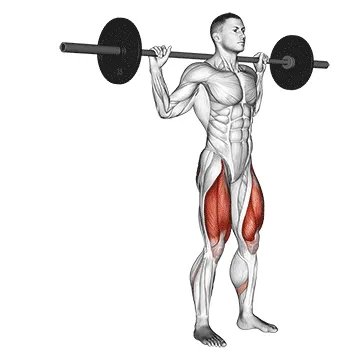
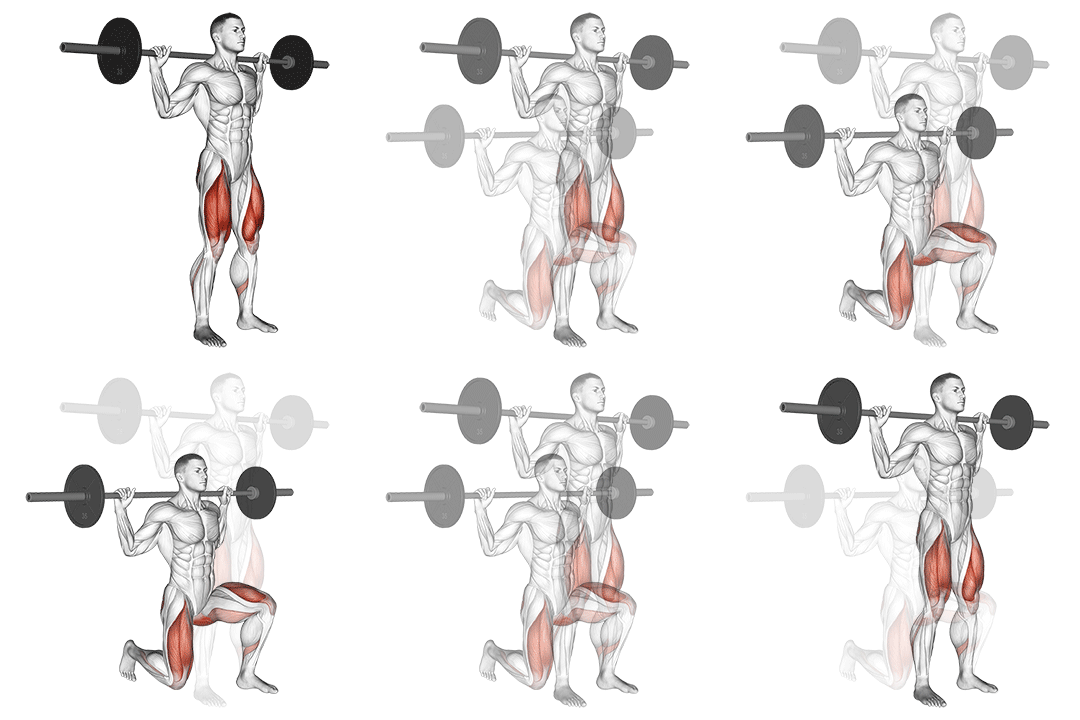
3. Barbell Rear Lunge
64% match- Glutes
- Barbell
- Intermediate
- Compound
A good swap when you have a barbell to work with, and it still works the glutes.
How to perform this exercise
- Start by standing with your feet shoulder-width apart and a barbell resting on your upper back.
- Take a step backward with your right foot, landing on the ball of your foot.
- Bend both knees to lower your body until your left thigh is parallel to the ground.
- Push through your left heel to return to the starting position.
- Repeat with the other leg.
Sets and reps: 3 to 5 sets of 5 to 8 reps on each side.
Why this matches
- Primary muscle: glutes, the same as Rear Leg Raises
- Equipment: free weights, not bodyweight only
- Body position: standing, not kneeling
- Balance: harder to stay steady on than Rear Leg Raises
Progression
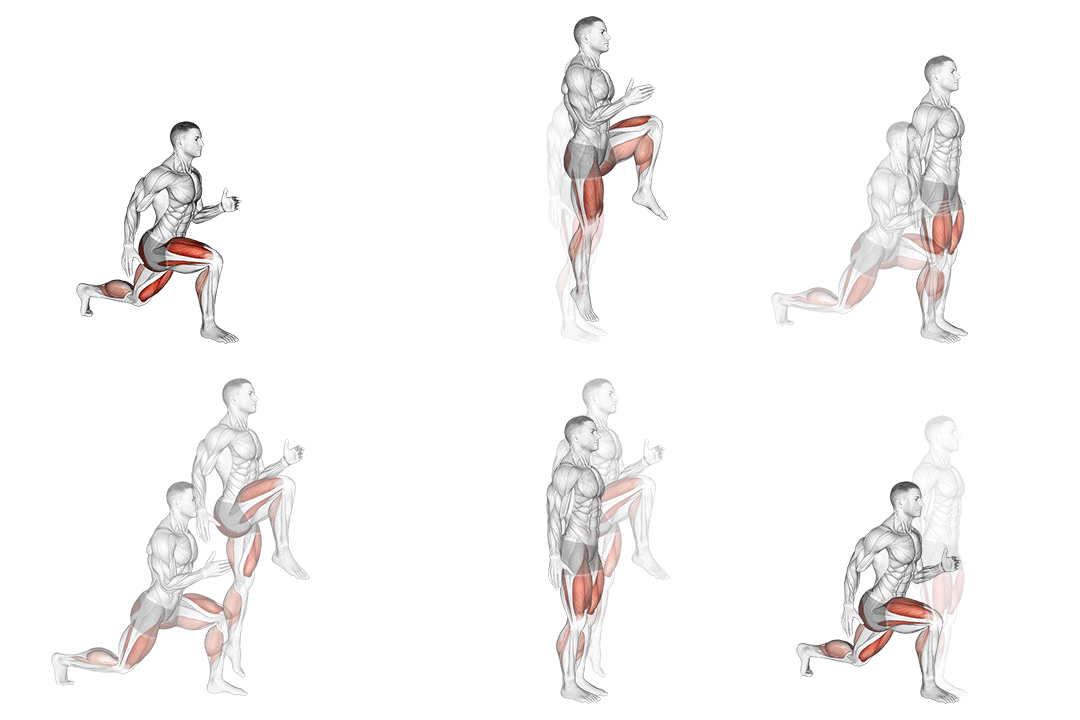
4. Lunge With Jump
60% match- Glutes
- Bodyweight
- Advanced
- Compound
How to perform this exercise
- Start by standing with your feet shoulder-width apart.
- Take a step forward with your right foot, lowering your body into a lunge position.
- Push off with your right foot and jump into the air, switching the position of your feet mid-air.
- Land softly with your left foot forward and immediately lower your body into a lunge position.
- Continue alternating between lunges and jumps for the desired number of repetitions.
Sets and reps: 3 or 4 sets of 6 to 10 reps on each side.
Why this matches
- Primary muscle: glutes, the same as Rear Leg Raises
- Equipment: bodyweight only, the same as Rear Leg Raises
- Body position: standing, not kneeling
- Balance: harder to stay steady on than Rear Leg Raises
Progression
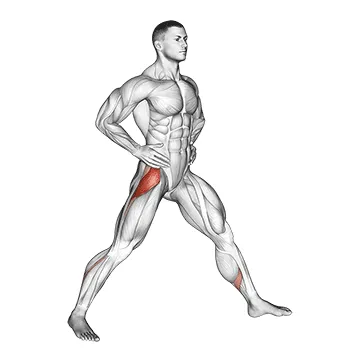
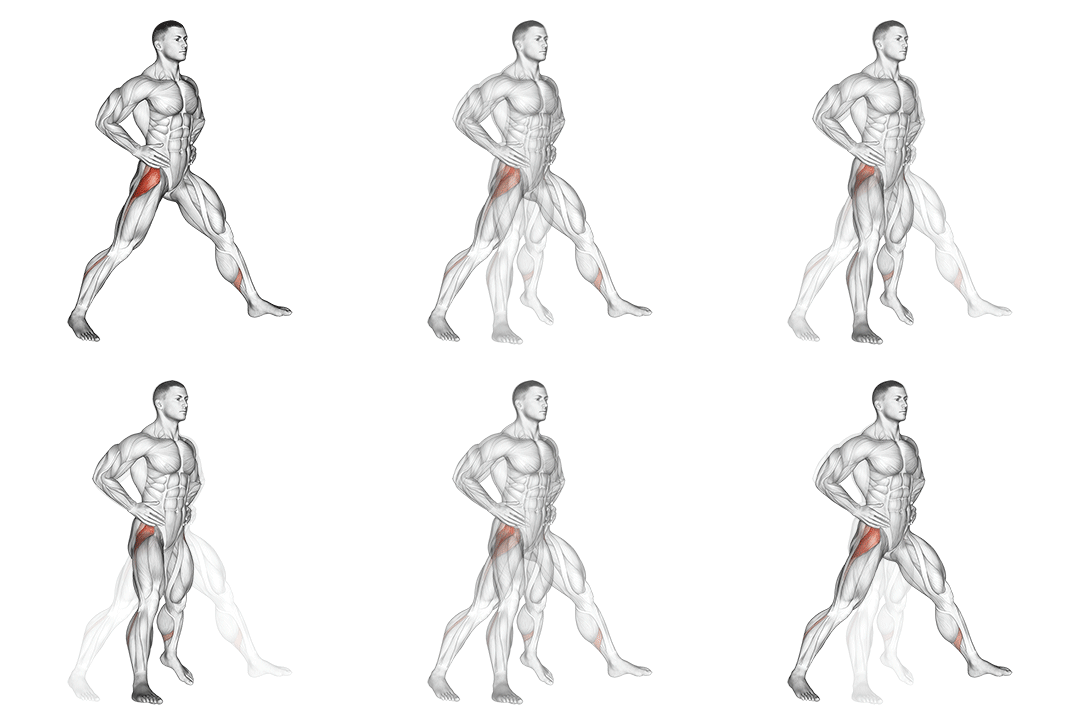
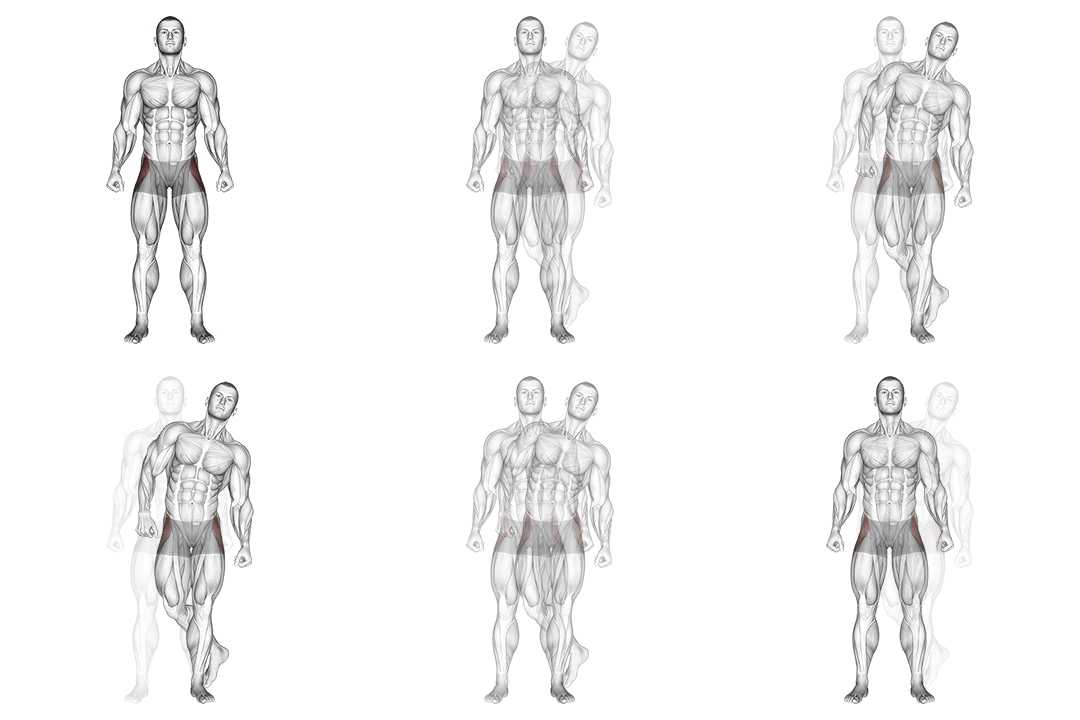
5. Monster Walk
58% match- Glutes
- Bodyweight
- Intermediate
- Compound
How to perform this exercise
- Place a resistance band around your ankles.
- Stand with your feet shoulder-width apart and slightly bend your knees.
- Take a step to the side with your right foot, maintaining tension on the resistance band.
- Follow with your left foot, stepping to the side to return to the starting position.
- Repeat for the desired number of repetitions, then switch sides.
Sets and reps: 3 or 4 sets of 6 to 10 reps on each side.
Why this matches
- Primary muscle: glutes, the same as Rear Leg Raises
- Equipment: bodyweight only, the same as Rear Leg Raises
- Body position: standing, not kneeling
- Balance: harder to stay steady on than Rear Leg Raises
Progression
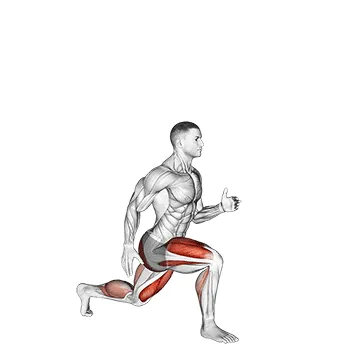
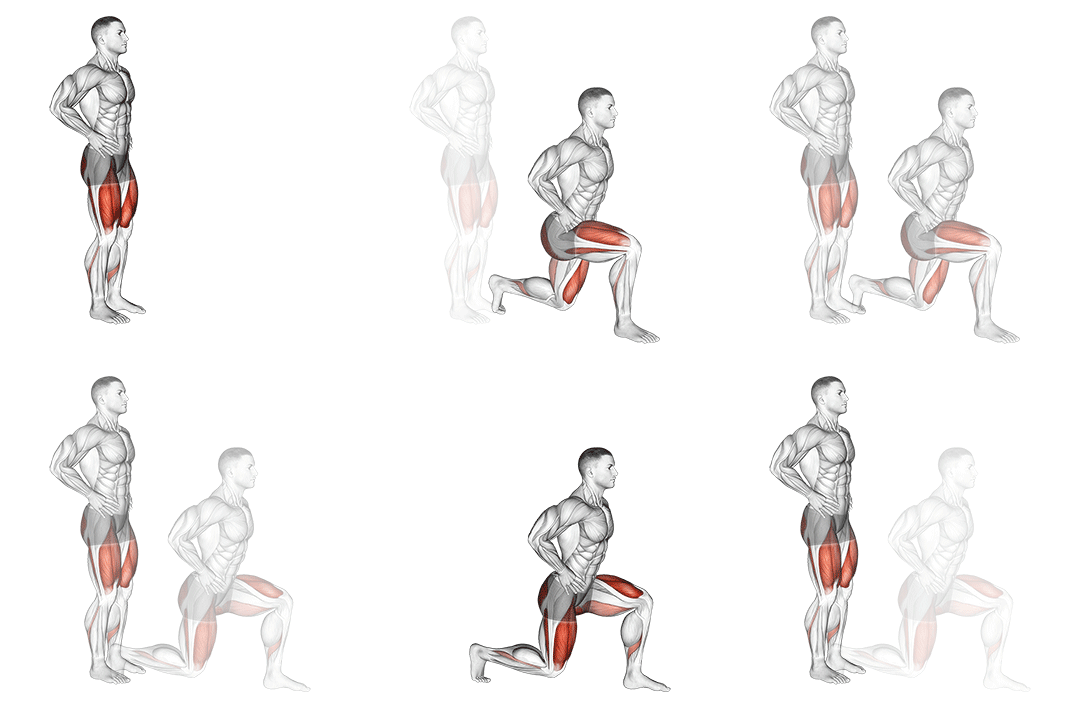
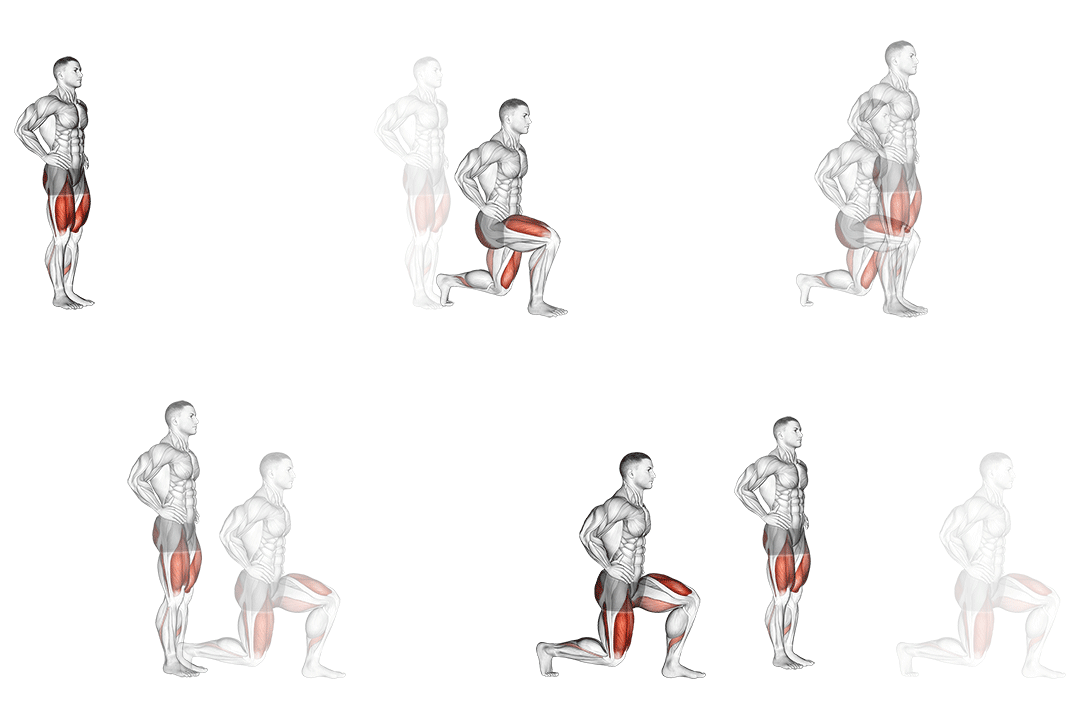
6. Forward Lunge
58% match- Glutes
- Bodyweight
- Beginner
- Compound
How to perform this exercise
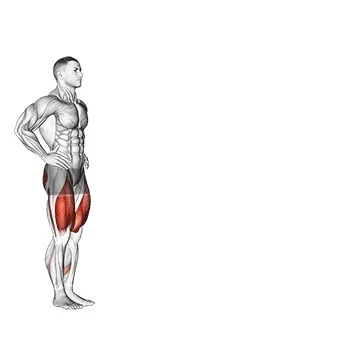
- Stand with your feet hip-width apart and hands on your hips.
- Take a big step forward with your right foot, lowering your body into a lunge position.
- Bend your right knee to about 90 degrees, keeping your knee aligned with your ankle.
- Push off with your right foot and return to the starting position.
- Repeat with your left leg, alternating sides for the desired number of repetitions.
Sets and reps: 3 sets of 8 to 12 reps on each side, and add reps before you add load.
Why this matches
- Primary muscle: glutes, the same as Rear Leg Raises
- Equipment: bodyweight only, the same as Rear Leg Raises
- Body position: standing, not kneeling
- Balance: harder to stay steady on than Rear Leg Raises
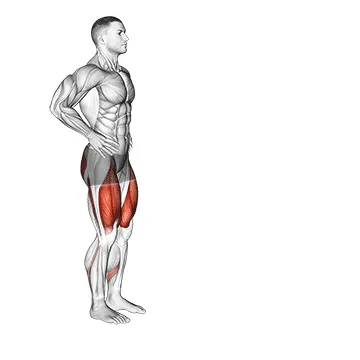
7. Backward Drag
57% match- Quads
- Other
- Intermediate
- Compound
A looser match: it works the quads rather than the glutes.
How to perform this exercise
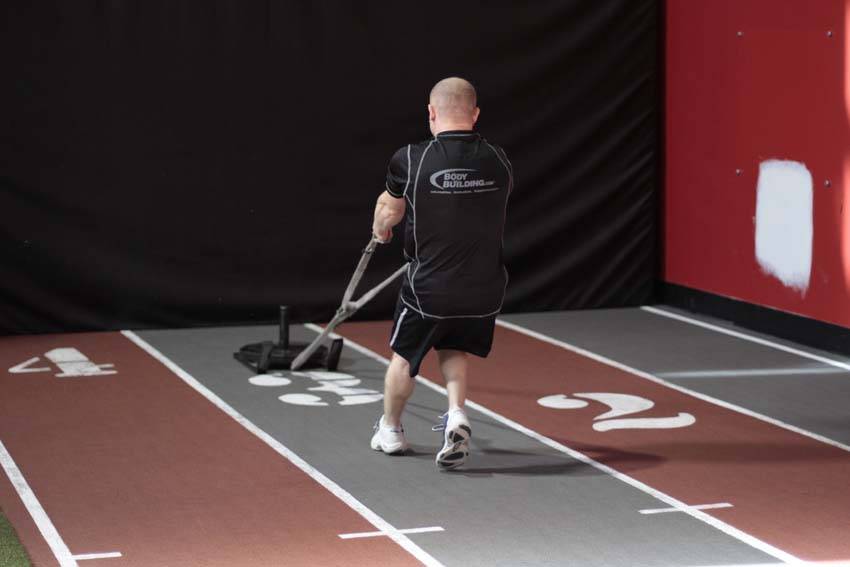
- Load a sled with the desired weight, attaching a rope or straps to the sled that you can hold onto.
- Begin the exercise by moving backwards for a given distance. Leaning back, extend through the legs for short steps to move as quickly as possible.
Sets and reps: 3 or 4 sets of 6 to 10 reps on each side.
Why this matches
- Primary muscle: quads, not glutes
- Body position: standing, not kneeling
- Balance: harder to stay steady on than Rear Leg Raises
Progression
8. Walking Lunge
57% match- Glutes
- Bodyweight
- Intermediate
- Compound
How to perform this exercise
- Stand with your feet shoulder-width apart.
- Take a step forward with your right leg, lowering your body into a lunge position.
- Keep your torso upright and your front knee aligned with your ankle.
- Push off with your right foot and bring your left foot forward, stepping into a lunge position with your left leg.
- Continue alternating legs and walking forward, maintaining a controlled and steady pace.
- Repeat for the desired number of repetitions.
Sets and reps: 3 or 4 sets of 6 to 10 reps on each side.
Why this matches
- Primary muscle: glutes, the same as Rear Leg Raises
- Equipment: bodyweight only, the same as Rear Leg Raises
- Body position: standing, not kneeling
- Balance: harder to stay steady on than Rear Leg Raises
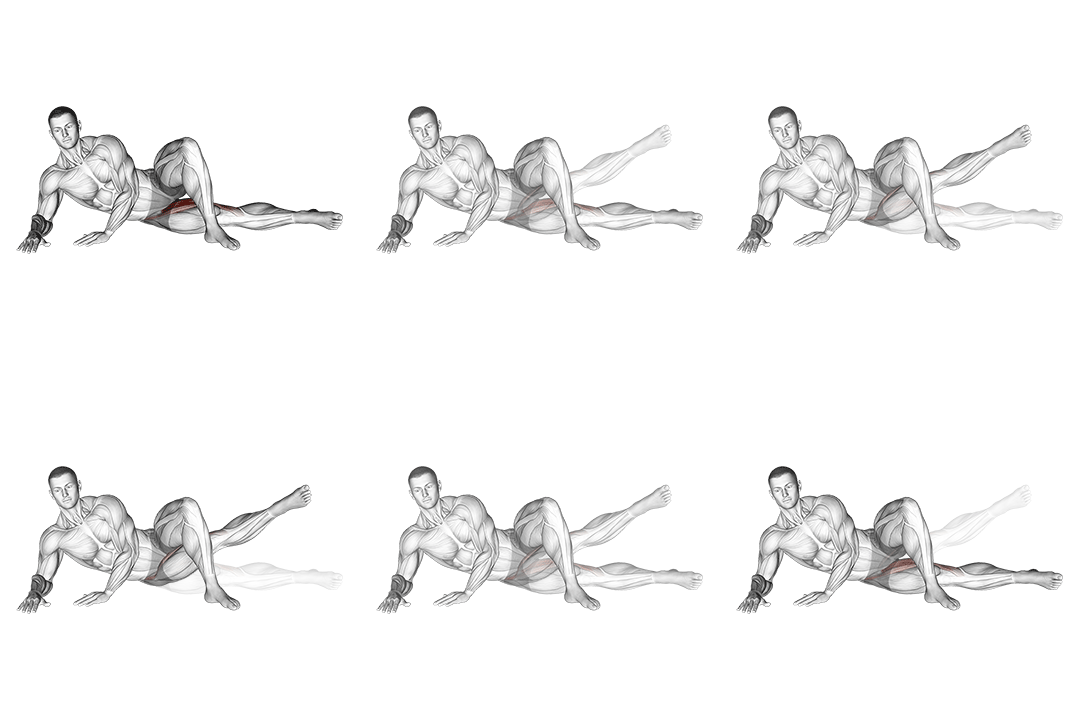
9. Side Lying Hip Adduction
56% match- Adductors
- Bodyweight
- Beginner
- Isolation
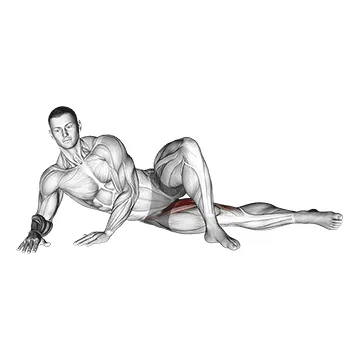
How to perform this exercise
- Lie on your side with your legs straight and stacked on top of each other.
- Place your bottom arm under your head for support.
- Engage your adductors and lift your top leg as high as possible without rotating your hips or leaning backward.
- Pause for a moment at the top, then slowly lower your leg back down to the starting position.
- Repeat for the desired number of repetitions, then switch sides.
Sets and reps: 3 sets of 8 to 12 reps on each side, and add reps before you add load.
Why this matches
- Primary muscle: adductors, not glutes
- Equipment: bodyweight only, the same as Rear Leg Raises
Progression
10. Straight Leg Outer Hip Abductor
56% match- Abductors
- Bodyweight
- Beginner
- Isolation
How to perform this exercise
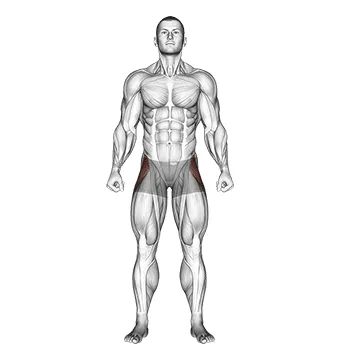
- Lie on your side with your legs straight and stacked on top of each other.
- Place your bottom arm under your head for support.
- Engage your core and lift your top leg as high as possible without rotating your hips or leaning backward.
- Pause for a moment at the top, then slowly lower your leg back down to the starting position.
- Repeat for the desired number of repetitions, then switch sides.
Sets and reps: 3 sets of 8 to 12 reps on each side, and add reps before you add load.
Why this matches
- Primary muscle: abductors, not glutes
- Equipment: bodyweight only, the same as Rear Leg Raises
Rear Leg Raises FAQ
What muscles does Rear Leg Raises work?
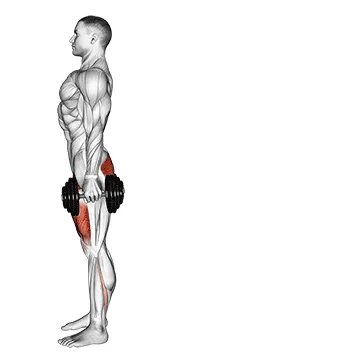
Rear Leg Raises primarily target the gluteus maximus and recruit the gluteus medius for stabilization. You also get secondary activation of the hamstrings and lumbar erectors to control hip extension and pelvic position.
Can I build muscle without doing Rear Leg Raises?
Yes, you can build glute muscle using progressive overload and compound patterns like single-leg RDLs, glute bridges, and hip thrust progressions. Focus on achieving mechanical tension through full hip extension, increasing reps, tempo, or external load over time.
Find Alternatives for Any Exercise
Search the exercise database and filter the ranked substitutes by the equipment you own.
Similarity scores compare exercise metadata such as movement pattern, muscles, equipment and body position. They are not a safety rating or a check that you own the equipment. Learn about our methodology