

10 Best Pallof Press Alternatives for Core Stability
The Pallof Press is done standing with a cable machine. Ranked closest by our scoring: the Band Horizontal Pallof Press, the Band Vertical Pallof Press and the Dead Bug.
A Pallof Press has one job: you stand side on to a cable, press the handle straight out from your chest and refuse to let the weight turn you, so any swap has to keep that refusal rather than simply burn the abs. The Band Horizontal Pallof Press is the closest swap because it changes only the cable, anchoring a band at waist height and asking for the same standing press against a sideways pull. With no band and nothing to anchor it to, the Dead Bug moves the same bracing to the floor.
Updated Ranked by our 12-factor similarity model How it works
Original Exercise: Pallof Press
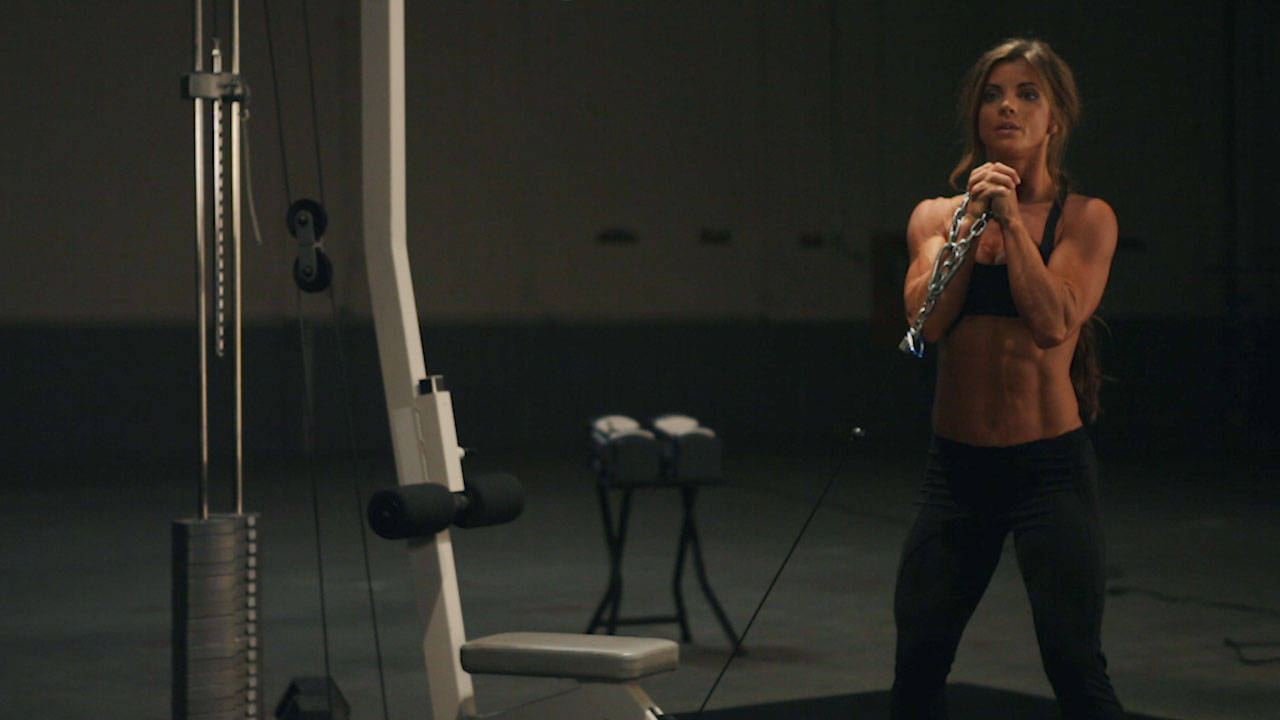
- Primary muscle
- Abs
- Equipment
- Cable
- Difficulty
- Beginner
- Type
- Isolation
Secondary muscles: Chest, Shoulders, Triceps
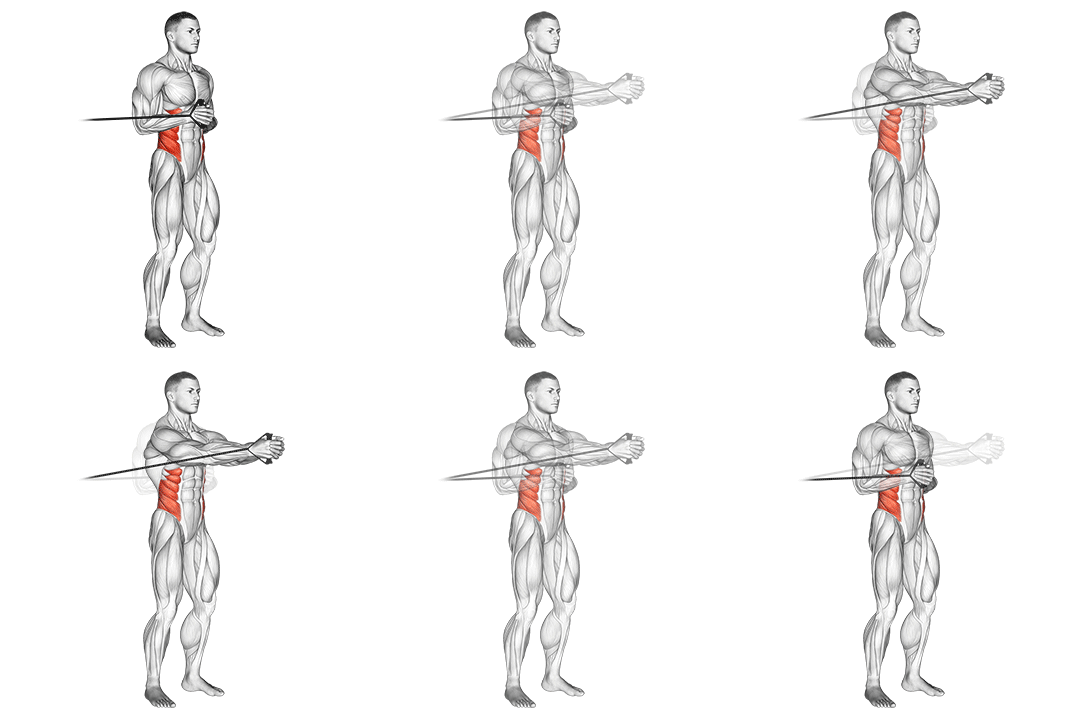
How to perform Pallof Press
- Connect a standard handle to a tower, and, if possible, position the cable to shoulder height. If not, a low pulley will suffice.
- With your side to the cable, grab the handle with both hands and step away from the tower. You should be approximately arm's length away from the pulley, with the tension of the weight on the cable.
- With your feet positioned hip-width apart and knees slightly bent, hold the cable to the middle of your chest. This will be your starting position.
- Press the cable away from your chest, fully extending both arms. You core should be tight and engaged.
- Hold the repetition for several seconds before returning to the starting position.
- At the conclusion of the set, repeat facing the other direction.
Ranked Pallof Press Alternatives
10 substitutes, ranked by how closely each one matches the Pallof Press on movement pattern, muscles worked, equipment and body position. The higher the score, the less you change. Open "How to perform this exercise" on a card for the steps; every card title links to that exercise's own alternatives page.
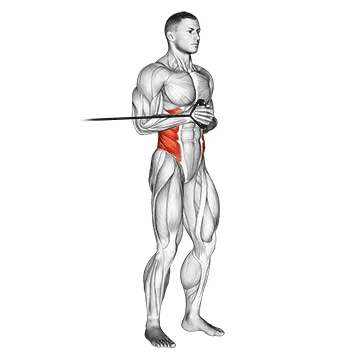
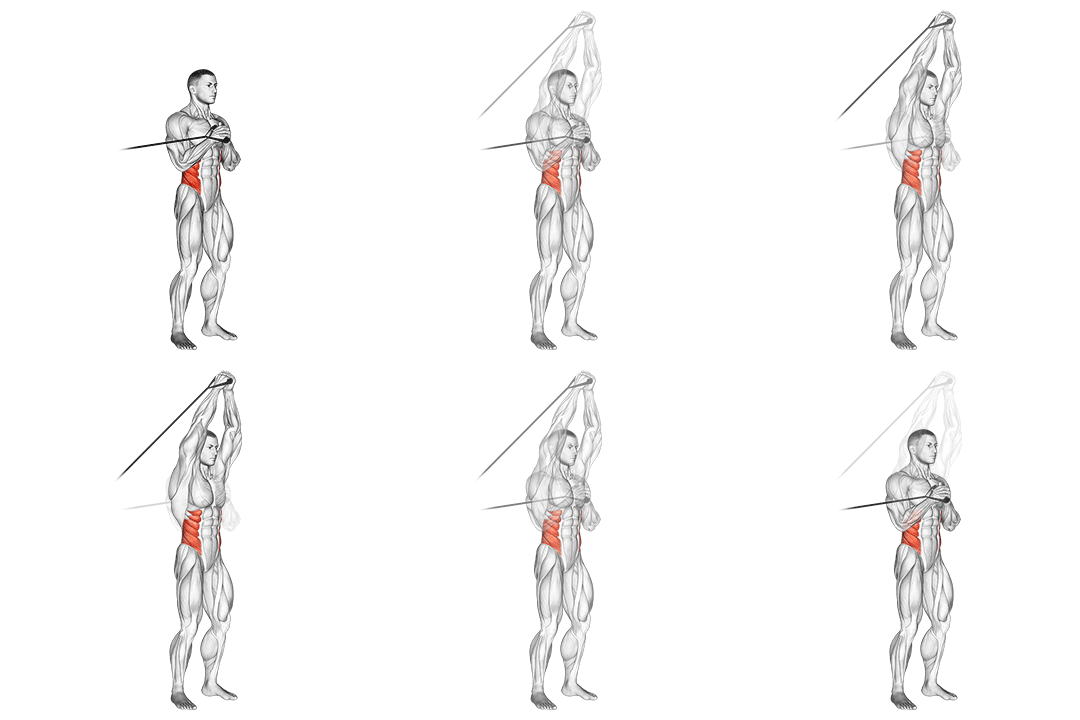
Best match 1. Band Horizontal Pallof Press
72% match- Abs
- Band
- Intermediate
- Isolation
A good swap when you have a band to work with, and it still works the abs.
How to perform this exercise
- Attach the band to a sturdy anchor point at waist height.
- Stand perpendicular to the anchor point with your feet shoulder-width apart.
- Grasp the band handle with both hands and step away from the anchor point to create tension in the band.
- Bring your hands to your chest, keeping your elbows bent and close to your body.
- Engage your core and maintain a stable stance.
- Extend your arms straight out in front of you, pushing the band away from your body.
- Hold the extended position for a few seconds, focusing on maintaining tension in your core.
- Slowly bring your hands back to your chest, resisting the pull of the band.
- Repeat for the desired number of repetitions.
Sets and reps: 3 sets of 10 to 15 reps.
Why this matches
- Movement: anti-rotation hold, the same as the Pallof Press
- Primary muscle: abs, the same as the Pallof Press
- Equipment: a band, not a cable
- Body position: standing, the same as the Pallof Press
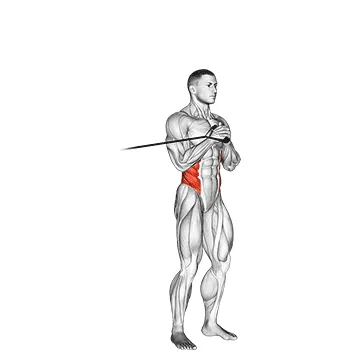
2. Band Vertical Pallof Press
71% match- Abs
- Band
- Intermediate
- Isolation
How to perform this exercise
- Stand with your feet shoulder-width apart and wrap the band around a sturdy object at chest height.
- Hold the band with both hands and step away from the anchor point, creating tension in the band.
- Position yourself perpendicular to the anchor point, with your side facing the band.
- Extend your arms straight out in front of you, keeping your hands at chest height.
- Engage your core and press the band away from your chest, fully extending your arms.
- Hold the position for a few seconds, then slowly bring the band back towards your chest.
- Repeat for the desired number of repetitions, then switch sides.
Sets and reps: 3 sets of 10 to 15 reps.
Why this matches
- Movement: anti-rotation hold, the same as the Pallof Press
- Primary muscle: abs, the same as the Pallof Press
- Equipment: a band, not a cable
- Body position: standing, the same as the Pallof Press
- Balance: harder to stay steady on than the Pallof Press
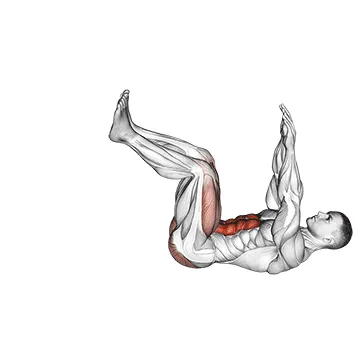
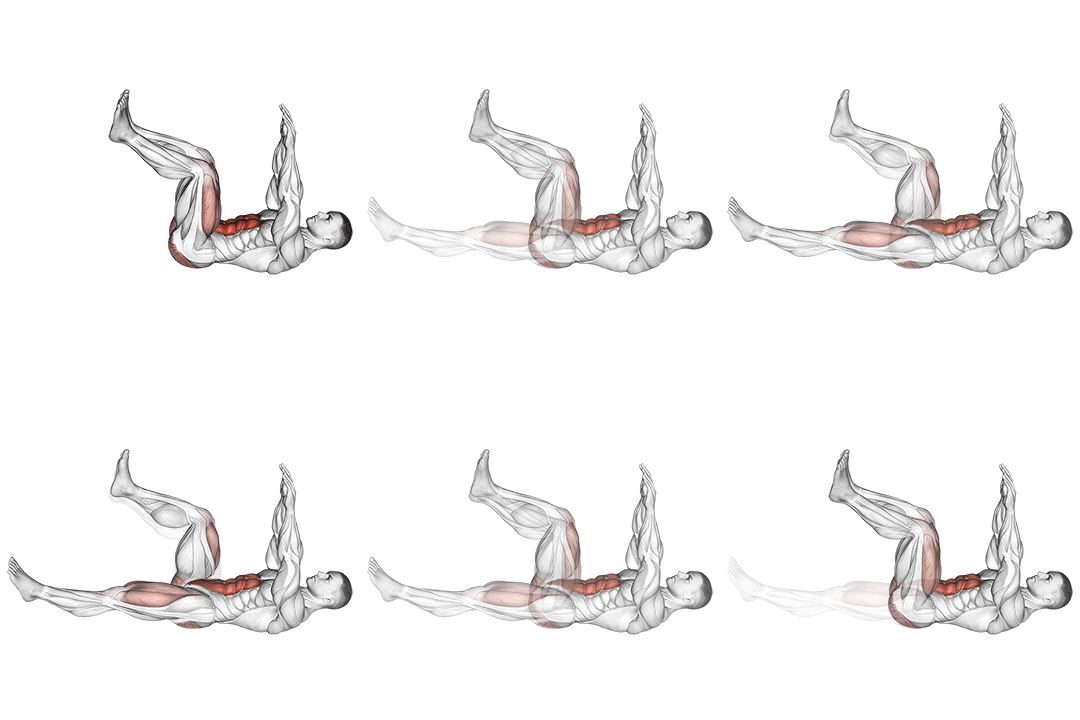
3. Dead Bug
64% match- Abs
- Bodyweight
- Beginner
- Isolation
Use this when you have nothing to train with, because it works the abs with bodyweight alone.
How to perform this exercise
- Lie flat on your back with your arms extended towards the ceiling.
- Bend your knees and lift your legs off the ground, creating a 90-degree angle at your hips and knees.
- Engage your core and lower back to press your lower back into the ground.
- Slowly lower your right arm and left leg towards the ground, keeping them straight and hovering just above the floor.
- Pause for a moment, then return to the starting position.
- Repeat the movement with your left arm and right leg.
- Continue alternating sides for the desired number of repetitions.
Sets and reps: 3 sets of 8 to 12 reps on each side, and add reps before you add load.
Why this matches
- Primary muscle: abs, the same as the Pallof Press
- Equipment: bodyweight only, not a cable
- Body position: lying on your back, not standing
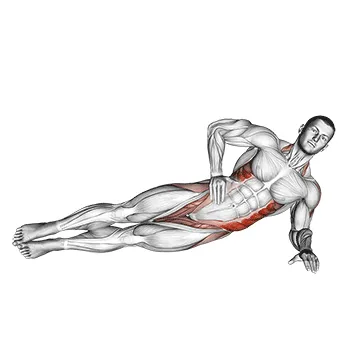
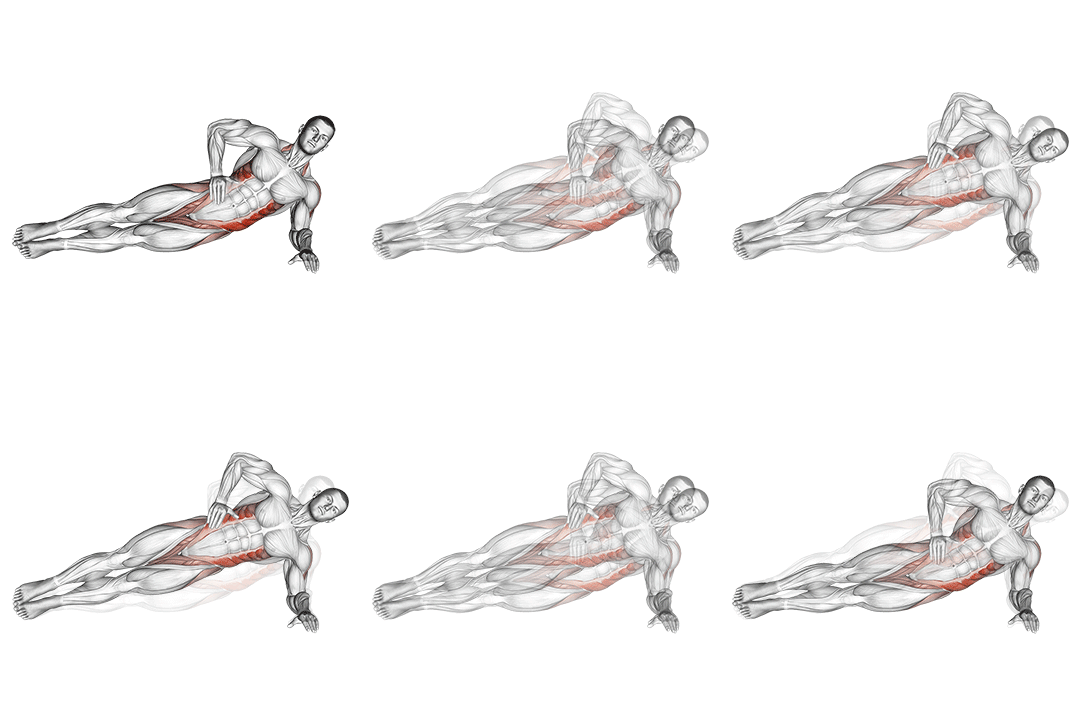
4. Side Bridge
63% match- Abs
- Bodyweight
- Intermediate
- Compound
How to perform this exercise
- Lie on your side with your legs extended and stacked on top of each other.
- Place your forearm on the ground directly below your shoulder, with your elbow bent at a 90-degree angle.
- Engage your core and lift your hips off the ground, creating a straight line from your head to your feet.
- Hold this position for the desired amount of time.
- Lower your hips back down to the starting position.
- Repeat on the other side.
Sets and reps: Hold for 20 to 30 seconds on each side, 3 sets.
Why this matches
- Movement: a lateral hold, close to the Pallof Press
- Primary muscle: abs, the same as the Pallof Press
- Equipment: bodyweight only, not a cable
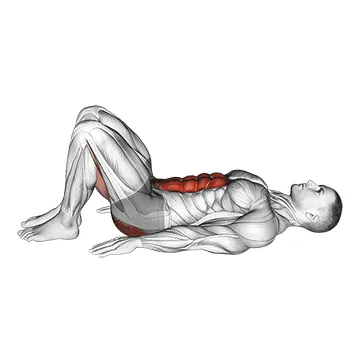
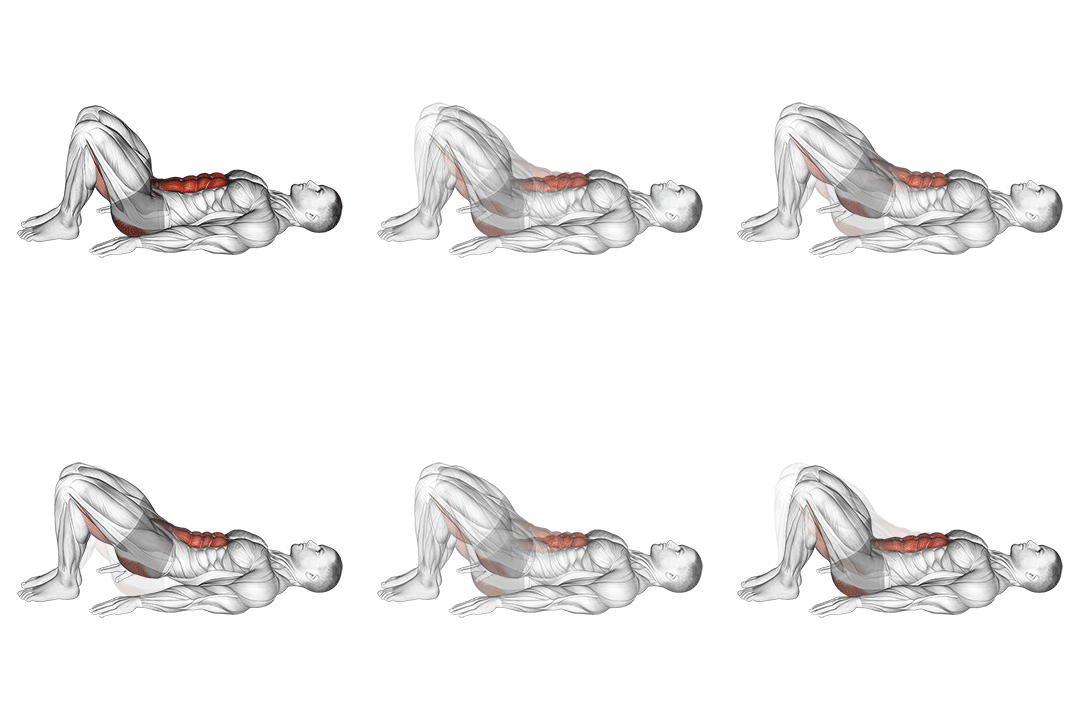
5. Pelvic Tilt
62% match- Abs
- Bodyweight
- Beginner
- Isolation
How to perform this exercise
- Lie flat on your back with your knees bent and feet flat on the ground.
- Place your hands by your sides.
- Engage your abs and tilt your pelvis upward, pressing your lower back into the ground.
- Hold this position for a few seconds, focusing on contracting your abs.
- Release the tilt and return to the starting position.
- Repeat for the desired number of repetitions.
Sets and reps: 3 sets of 8 to 12 reps, and add reps before you add load.
Why this matches
- Primary muscle: abs, the same as the Pallof Press
- Equipment: bodyweight only, not a cable
- Body position: lying on your back, not standing
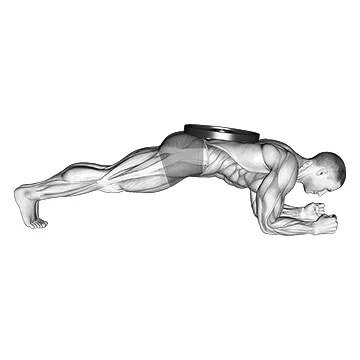
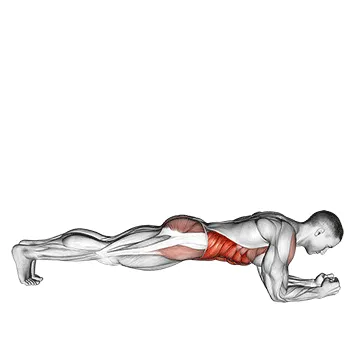
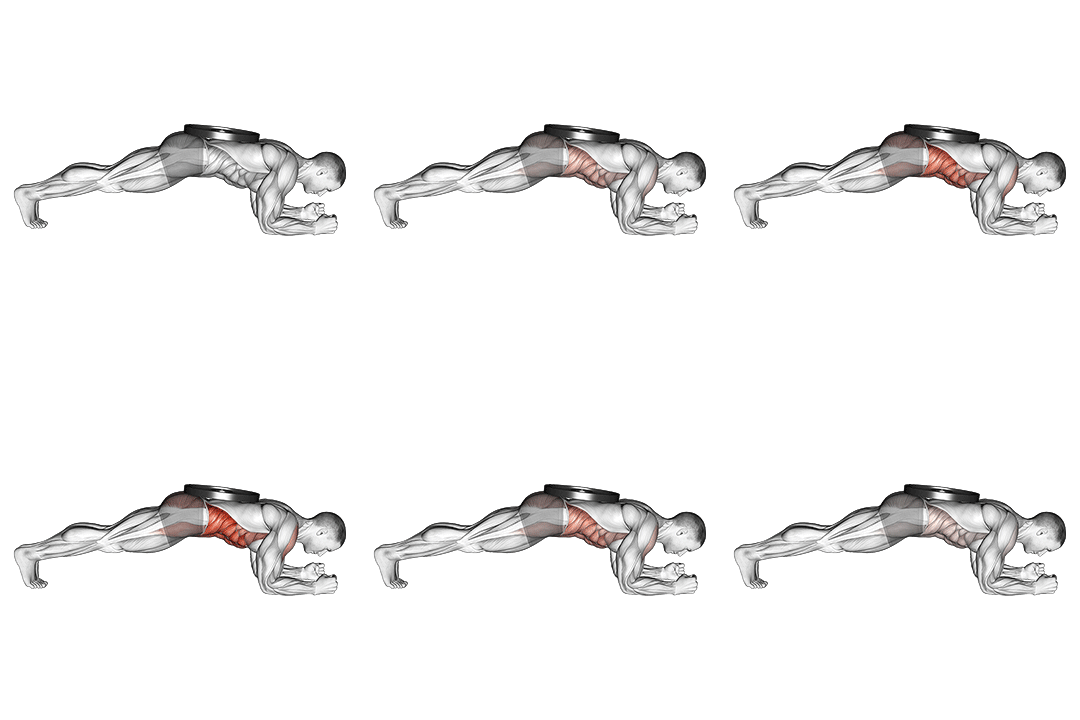
6. Weighted Front Plank
58% match- Abs
- Weighted
- Intermediate
- Isolation
Pick this when you want a harder version that still works the abs.
How to perform this exercise
- Start by lying face down on the floor.
- Place your forearms on the ground, with your elbows directly under your shoulders.
- Extend your legs straight out behind you, with your toes on the ground.
- Engage your core and lift your body off the ground, balancing on your forearms and toes.
- Keep your body in a straight line from your head to your heels.
- Hold this position for the desired amount of time.
- Lower your body back down to the starting position.
- Repeat for the desired number of repetitions.
Sets and reps: Hold for 20 to 30 seconds, 3 sets.
Why this matches
- Movement: an anti-extension hold, close to the Pallof Press
- Primary muscle: abs, the same as the Pallof Press
- Equipment: free weights, not a cable
- Body position: lying face down, not standing
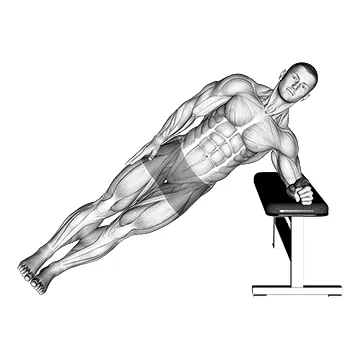
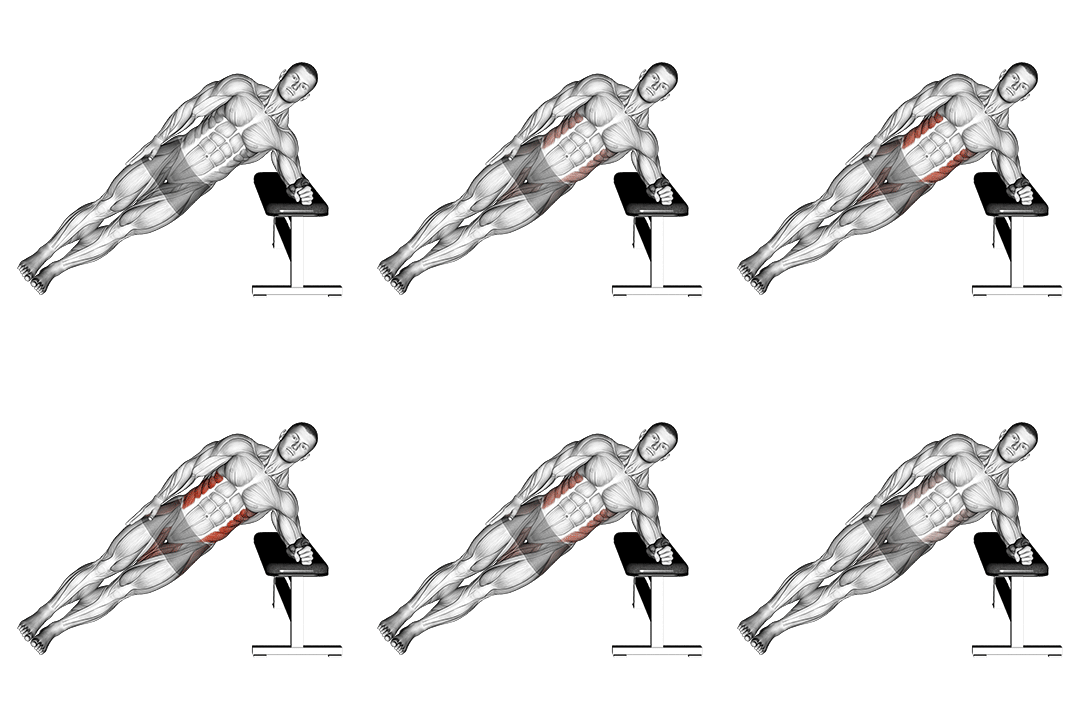
7. Bodyweight Incline Side Plank
57% match- Abs
- Bodyweight
- Intermediate
- Compound
How to perform this exercise
- Start by lying on your side with your legs extended and stacked on top of each other.
- Place your forearm on the ground directly below your shoulder, with your elbow bent at a 90-degree angle.
- Engage your core and lift your hips off the ground, creating a straight line from your head to your feet.
- Hold this position for the desired amount of time.
- Lower your hips back down to the ground and repeat on the other side.
Sets and reps: Hold for 20 to 30 seconds on each side, 3 sets.
Why this matches
- Movement: a lateral hold, close to the Pallof Press
- Primary muscle: abs, the same as the Pallof Press
- Equipment: bodyweight only, not a cable
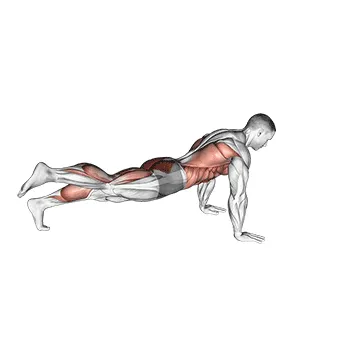
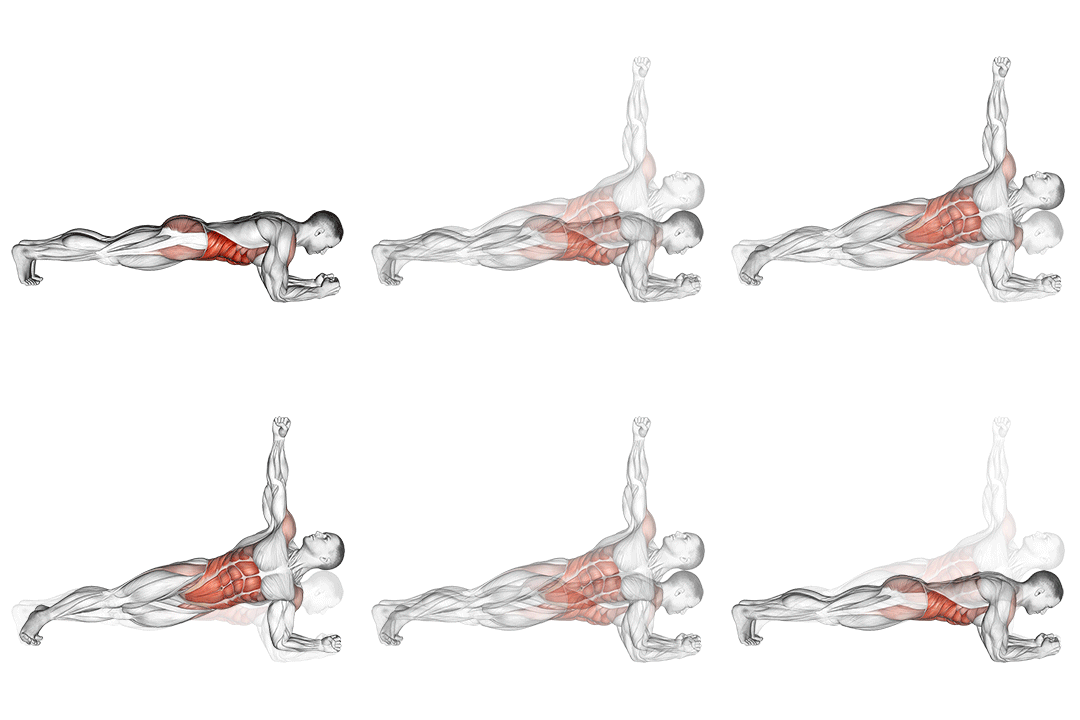
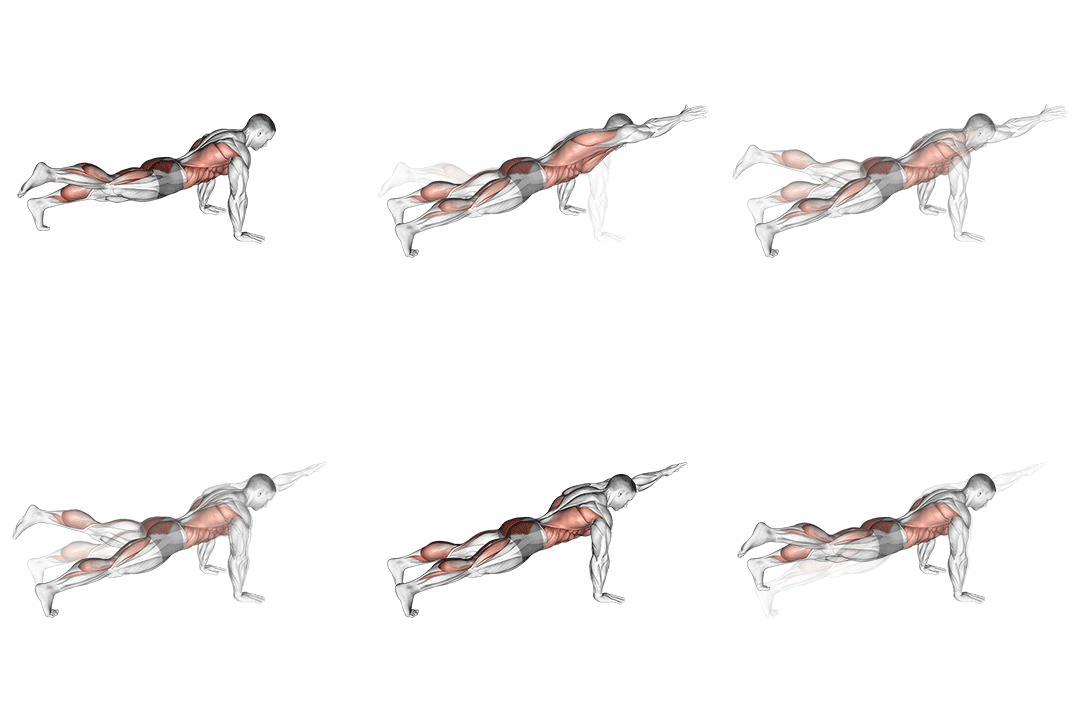
8. Front Plank With Twist
56% match- Abs
- Bodyweight
- Intermediate
- Compound
How to perform this exercise
- Start in a high plank position with your hands directly under your shoulders and your body in a straight line from head to toe.
- Engage your core and glutes to maintain a stable position.
- Rotate your torso to the right, lifting your right arm and extending it towards the ceiling.
- Keep your hips and legs stable as you twist.
- Hold for a moment, then return to the starting position.
- Repeat the twist on the left side.
- Continue alternating sides for the desired number of repetitions.
Sets and reps: 3 or 4 sets of 6 to 10 reps on each side.
Why this matches
- Movement: an anti-extension hold, close to the Pallof Press
- Primary muscle: abs, the same as the Pallof Press
- Equipment: bodyweight only, not a cable
- Body position: lying face down, not standing
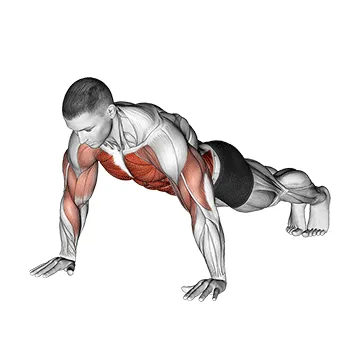
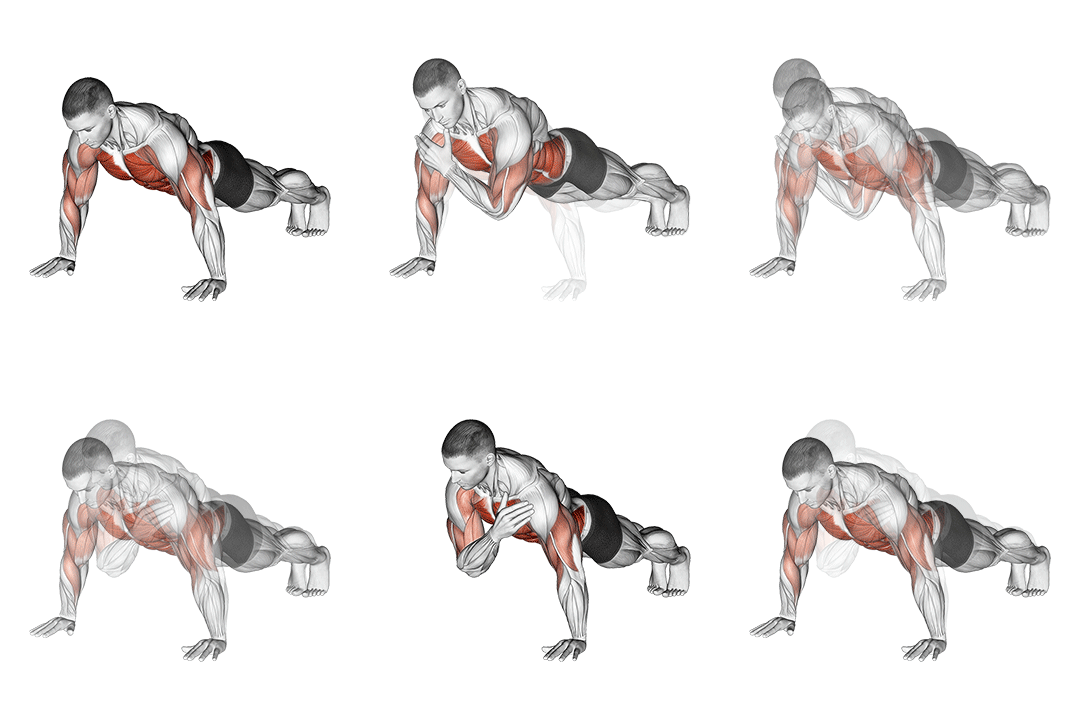
9. Shoulder Tap
55% match- Abs
- Bodyweight
- Intermediate
- Compound
How to perform this exercise
- Start in a high plank position with your hands directly under your shoulders and your body in a straight line.
- Engage your core and lift your right hand off the ground, reaching across to tap your left shoulder.
- Place your right hand back on the ground and repeat with your left hand tapping your right shoulder.
- Continue alternating shoulder taps while keeping your hips and torso stable.
- Repeat for the desired number of repetitions.
Sets and reps: 3 or 4 sets of 6 to 10 reps on each side.
Why this matches
- Movement: an anti-extension hold, close to the Pallof Press
- Primary muscle: abs, the same as the Pallof Press
- Equipment: bodyweight only, not a cable
- Body position: lying face down, not standing
10. Power Point Plank
54% match- Abs
- Bodyweight
- Intermediate
- Isolation
How to perform this exercise
- Start in a high plank position with your hands directly under your shoulders and your body in a straight line from head to toe.
- Engage your core and squeeze your glutes to maintain a stable position.
- Lower your body down onto your forearms, one arm at a time, maintaining a straight line from head to toe.
- Hold this position for the desired amount of time, keeping your core and glutes engaged.
- To return to the starting position, push through your forearms and lift your body back up into a high plank position.
- Repeat for the desired number of repetitions.
Sets and reps: Hold for 20 to 30 seconds on each side, 3 sets.
Why this matches
- Movement: an anti-extension hold, close to the Pallof Press
- Primary muscle: abs, the same as the Pallof Press
- Equipment: bodyweight only, not a cable
- Body position: lying face down, not standing
Why You Might Need a Pallof Press Alternative
A cable tower is the one thing a Pallof Press cannot do without, so a busy station, a gym with none, or a home setup with just a band and a mat all send you looking for a swap. The band presses keep the anti-rotation demand and change what you hold; the floor drills keep the brace and drop the sideways pull. A band anchored at the right height keeps the same standing press, a held position on the floor asks your trunk to brace with nothing to push against, and the Weighted Front Plank adds load to that same held position so you can push the idea harder.
How to Choose the Right Pallof Press Substitute
Match the anchor first. A band on a doorway or a rack upright gives you the Band Horizontal Pallof Press, standing and pressing against a sideways pull, so the drill barely changes. The Band Vertical Pallof Press is the same standing side-on press with the band anchored at chest height instead of waist height, which is closer to the shoulder-height cable the original calls for. With nothing to anchor, the Dead Bug is the gentlest way in, because you start lying on your back with the floor doing the stabilising. The Side Bridge holds you on one forearm with hips lifted into a line, working more of your obliques as a step up rather than a like for like. When the floor holds feel easy, the Weighted Front Plank adds load to the same forearms-and-toes hold.
Pallof Press FAQ
Which alternative is most like the Pallof Press?
The Band Horizontal Pallof Press. You stand side on to the anchor, hold the band at your chest and press it straight out without letting your ribs turn, which is what the cable version asks of you. A band builds resistance as it stretches, so expect the hardest point at full extension rather than at your chest.
Which Pallof Press swaps need no equipment?
The Dead Bug, the Side Bridge, the Pelvic Tilt and the Bodyweight Incline Side Plank all work on the floor with nothing in your hands. The Dead Bug is the easiest place to start. The Side Bridge and the Bodyweight Incline Side Plank are the same forearm side hold as written, so pick one and hold it for time on each side.
Can I do the Pallof Press at home?
Yes, with a band and something solid to anchor it to. The Band Horizontal Pallof Press keeps you standing and pressing against a sideways pull, so it behaves like the cable version. With no band at all, the Dead Bug moves the brace to the floor while your arms and legs move, and the Pelvic Tilt teaches you to press your lower back into the floor and hold it, a starting point rather than a like for like.
How do I make a bodyweight swap harder?
Add load or add movement. The Weighted Front Plank adds load to the same forearm hold, which is the simplest way to push a floor drill further. The Front Plank With Twist keeps you unloaded and asks your trunk to control rotation as you move, so pick it when you want the skill rather than the weight.
Find Alternatives for Any Exercise
Search the exercise database and filter the ranked substitutes by the equipment you own.
Similarity scores compare exercise metadata such as movement pattern, muscles, equipment and body position. They are not a safety rating or a check that you own the equipment. Learn about our methodology