

10 Best Side Wrist Pull Alternatives for Shoulder Isolation
If you can’t do the Side Wrist Pull, choose movements that load the lateral deltoid through arm abduction and a short lever. Effective swaps include dumbbell lateral raises, cable lateral raises, single-arm band lateral raises, seated lateral raises, and leaning cable raises. Cue: keep a 15–30° elbow bend and lift by driving the elbow outward to isolate the delts.
Original Exercise: Side Wrist Pull
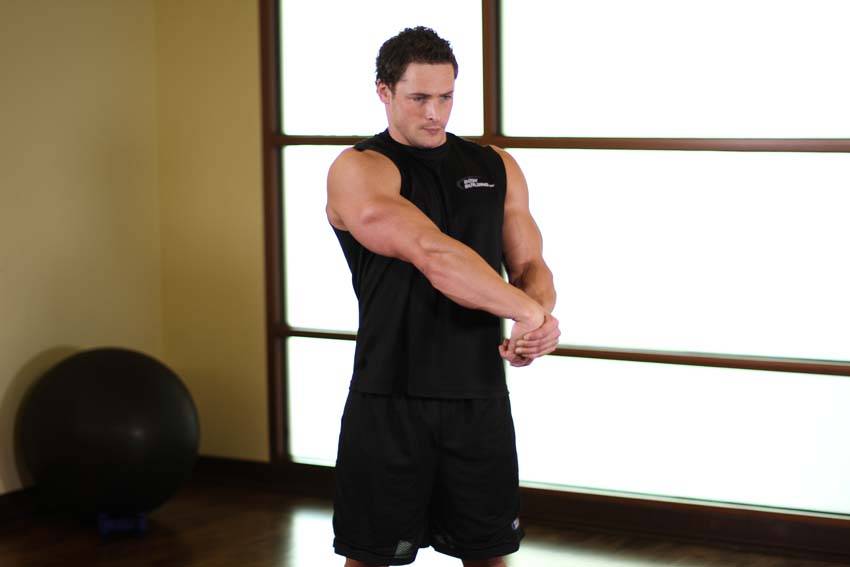
How to Perform Side Wrist Pull
- This stretch works best standing. Cross your left arm over the midline of your body and hold the left wrist in your right hand down at the level of your hips. Start the stretch with a bent left arm.
- Slowly straighten, pull, and lift it up to shoulder height, as pictured. Feel this stretch originate in your back, not your shoulders, and don't pull too hard on the shoulders joint. Switch sides.
Pro Tips
- Category: Stretching
- Force: Static
- Movement type: Isolation
Ranked Side Wrist Pull Alternatives
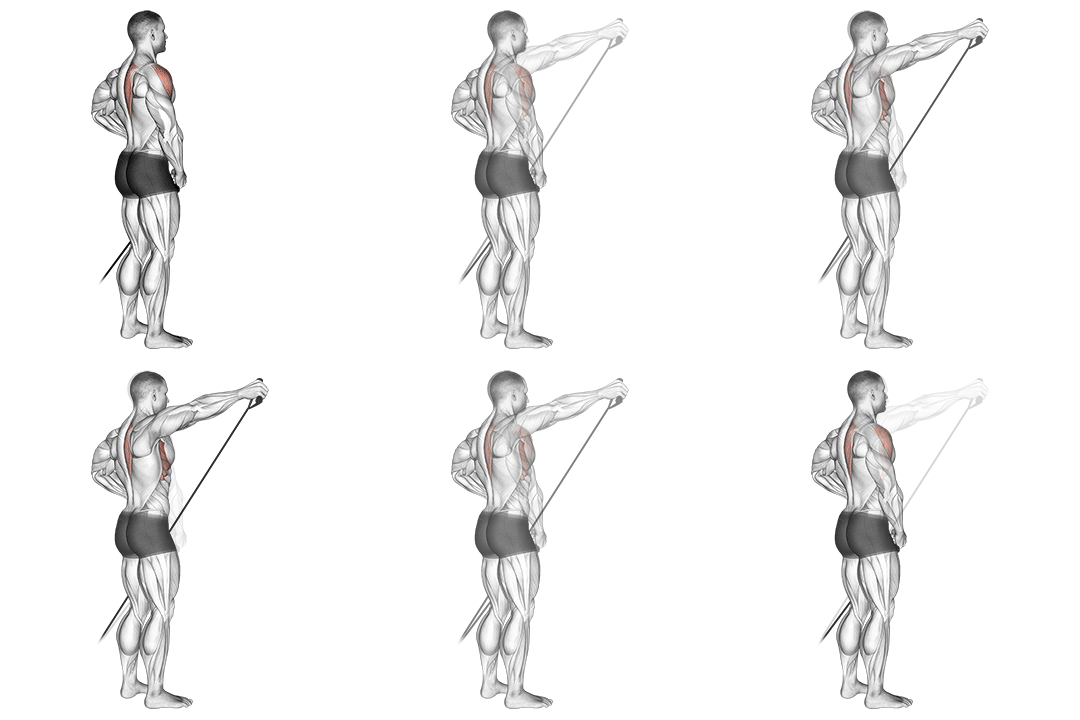
1. Band Front Lateral Raise
92.2% MatchHow to perform this exercise
- Stand with your feet shoulder-width apart and hold the band in front of your thighs with your palms facing down.
- Keep your arms straight and lift the band up in front of you until your arms are parallel to the ground.
- Pause for a moment at the top, then slowly lower the band back down to the starting position.
- Repeat for the desired number of repetitions.
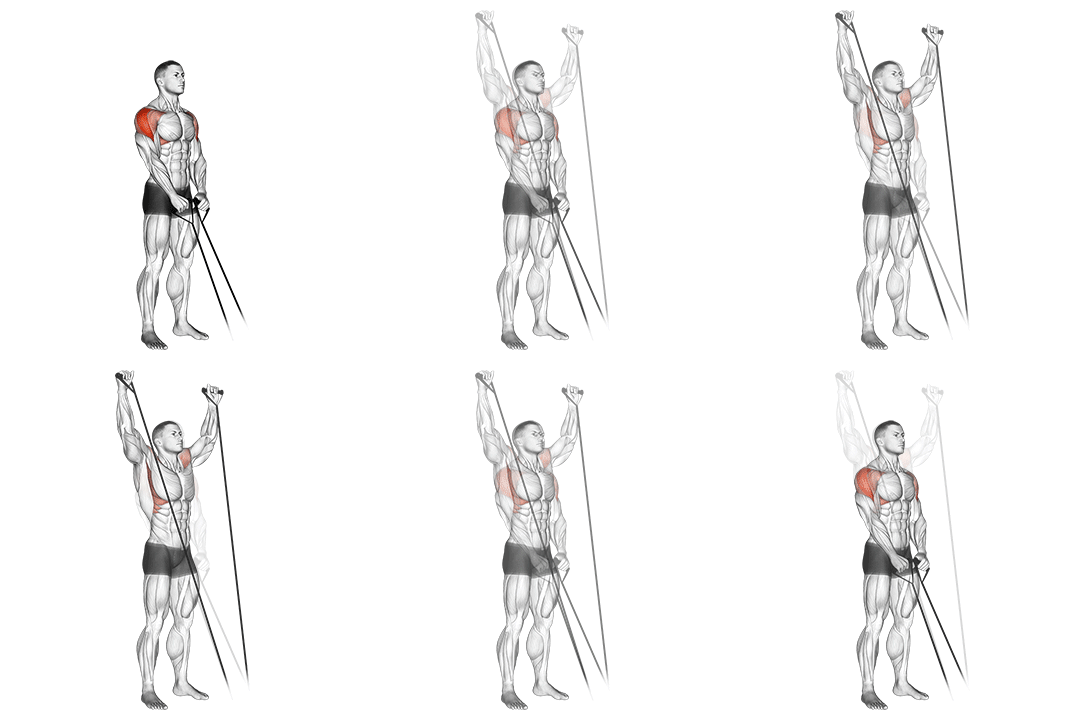
2. Band Y-raise
91.4% MatchHow to perform this exercise
- Stand with your feet shoulder-width apart and hold the band in front of your thighs with your palms facing inwards.
- Keep your arms straight and lift them up and out to the sides, forming a 'Y' shape with your body.
- Squeeze your shoulder blades together at the top of the movement.
- Slowly lower your arms back down to the starting position.
- Repeat for the desired number of repetitions.
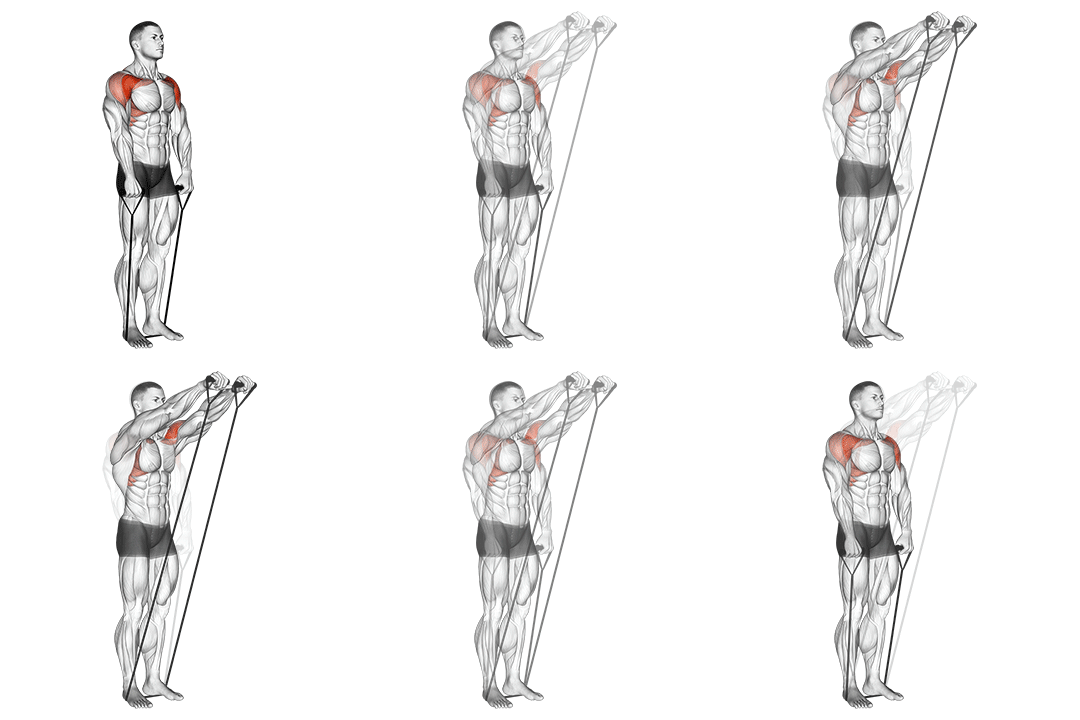
3. Band Front Raise
88.2% MatchHow to perform this exercise
- Stand with your feet shoulder-width apart and hold the band in front of your thighs with your palms facing down.
- Keep your arms straight and slowly raise them forward until they are parallel to the ground.
- Pause for a moment at the top, then slowly lower your arms back down to the starting position.
- Repeat for the desired number of repetitions.
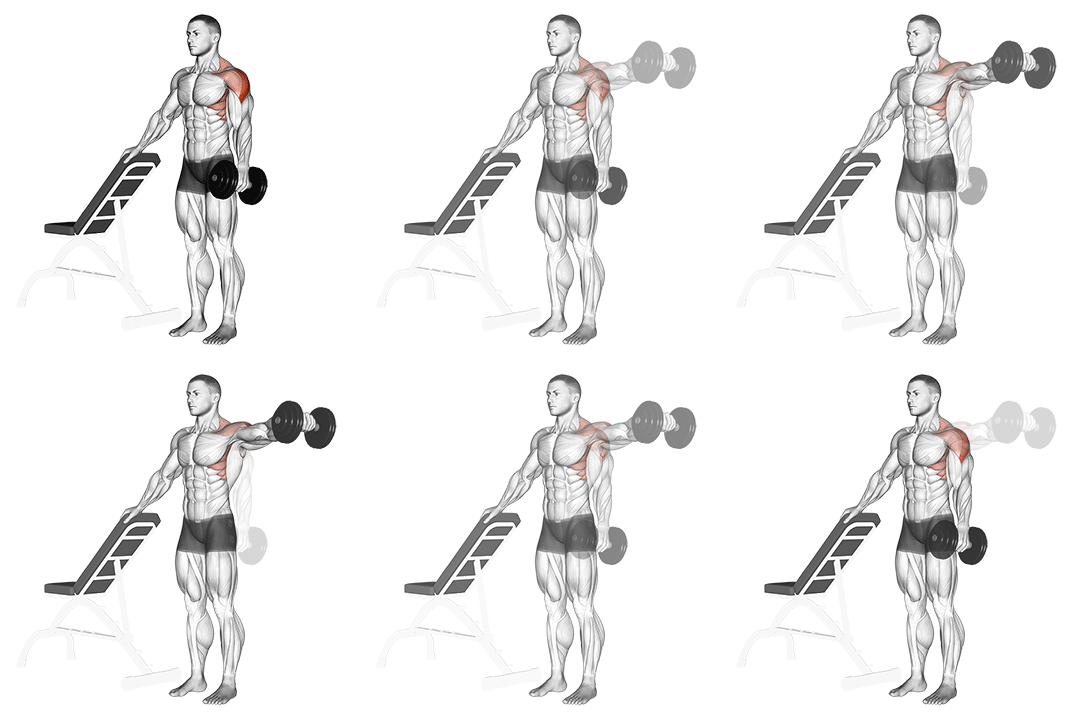
4. Dumbbell One Arm Lateral Raise With Support
84.4% MatchHow to perform this exercise
- Stand with your feet shoulder-width apart and hold a dumbbell in one hand, with your palm facing your body.
- Place your other hand on a stable surface, such as a bench or wall, for support.
- Keep your back straight and engage your core.
- Raise the dumbbell out to the side, keeping your arm straight and your palm facing down.
- Continue lifting until your arm is parallel to the ground.
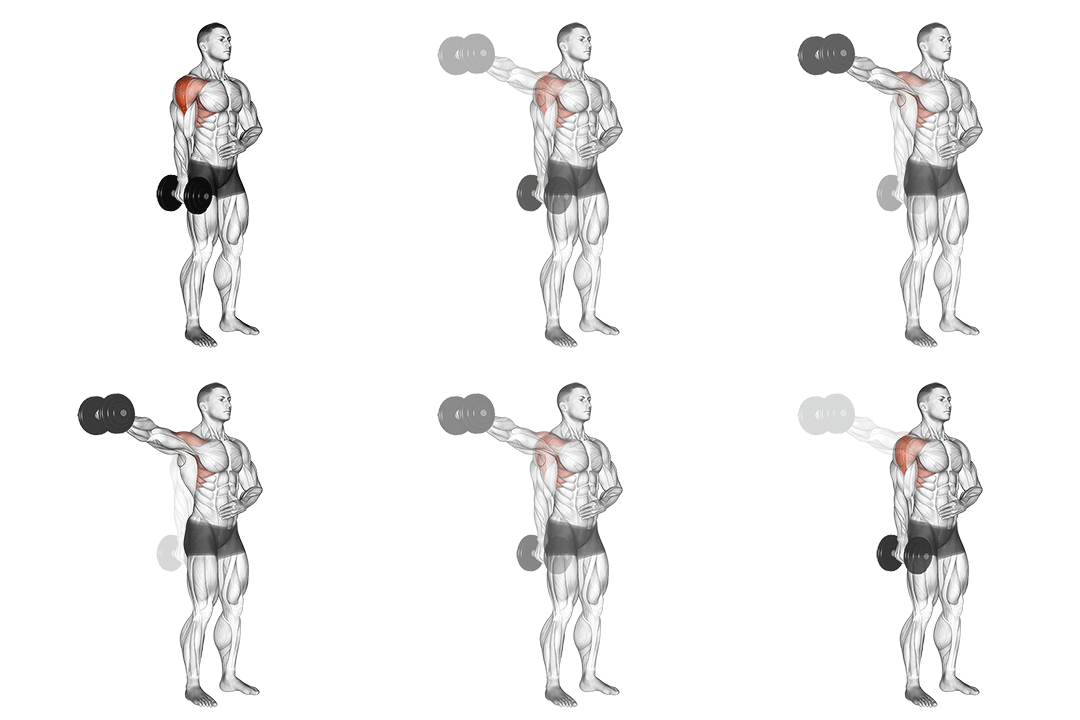
5. Dumbbell One Arm Lateral Raise
83.1% MatchHow to perform this exercise
- Stand with your feet shoulder-width apart, holding a dumbbell in one hand with your palm facing your body.
- Keep your back straight and your core engaged throughout the exercise.
- Raise the dumbbell to the side, keeping your arm straight and your palm facing down.
- Continue lifting until your arm is parallel to the ground.
- Pause for a moment at the top, then slowly lower the dumbbell back to the starting position.
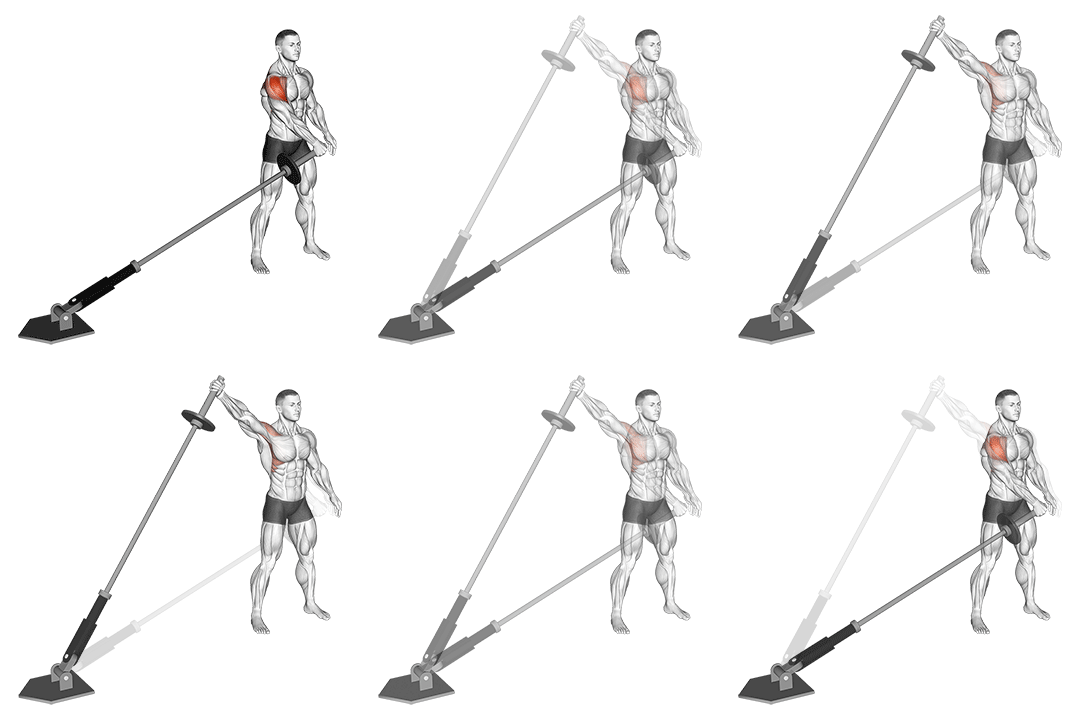
6. Landmine Lateral Raise
82% MatchHow to perform this exercise
- Stand with your feet shoulder-width apart and knees slightly bent.
- Hold the barbell with an overhand grip, resting it on the front of your shoulders.
- Keeping your core engaged and back straight, lift the barbell up and away from your body, raising it to shoulder height.
- Pause for a moment at the top, then slowly lower the barbell back down to the starting position.
- Repeat for the desired number of repetitions.
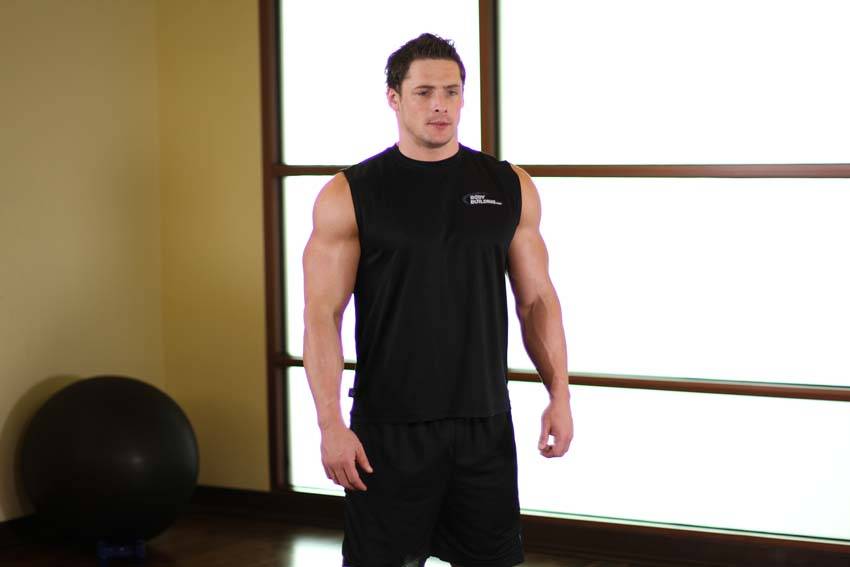
7. Shoulder Raise
78.2% MatchHow to perform this exercise
- Relax your arms to your sides and raise your shoulders up toward your ears, then back down.
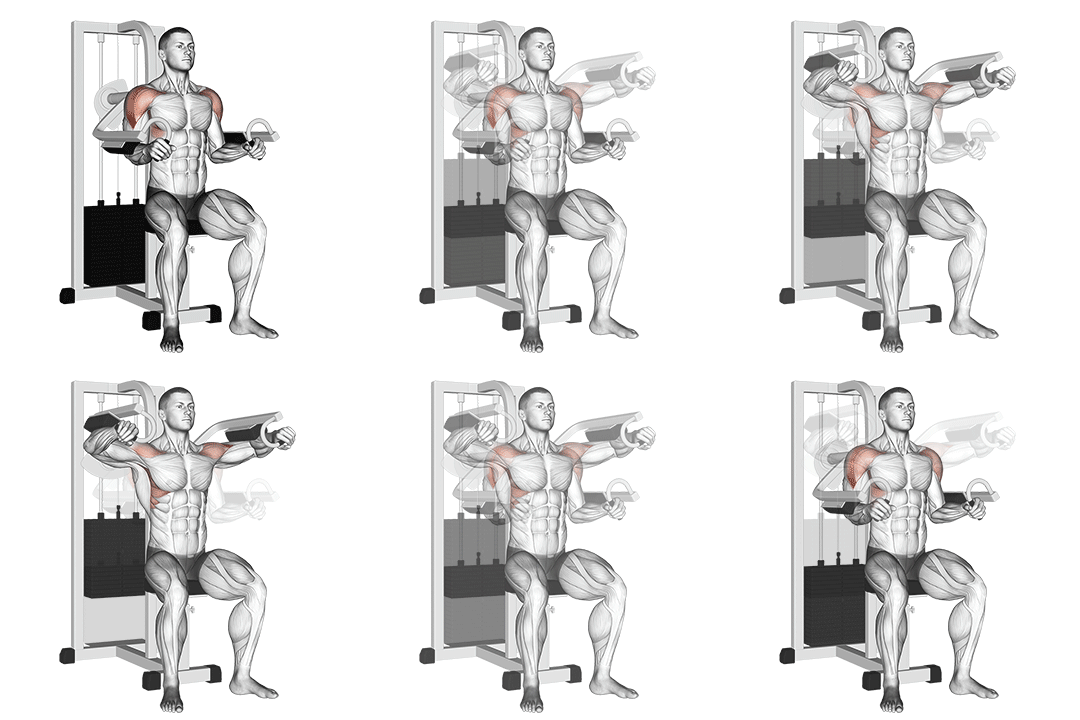
8. Lever Lateral Raise
77.7% MatchHow to perform this exercise
- Adjust the seat height and position yourself on the machine with your back against the pad.
- Grasp the handles with an overhand grip and keep your arms straight.
- Exhale and raise your arms out to the sides until they are parallel to the floor.
- Pause for a moment at the top, then inhale and slowly lower your arms back to the starting position.
- Repeat for the desired number of repetitions.
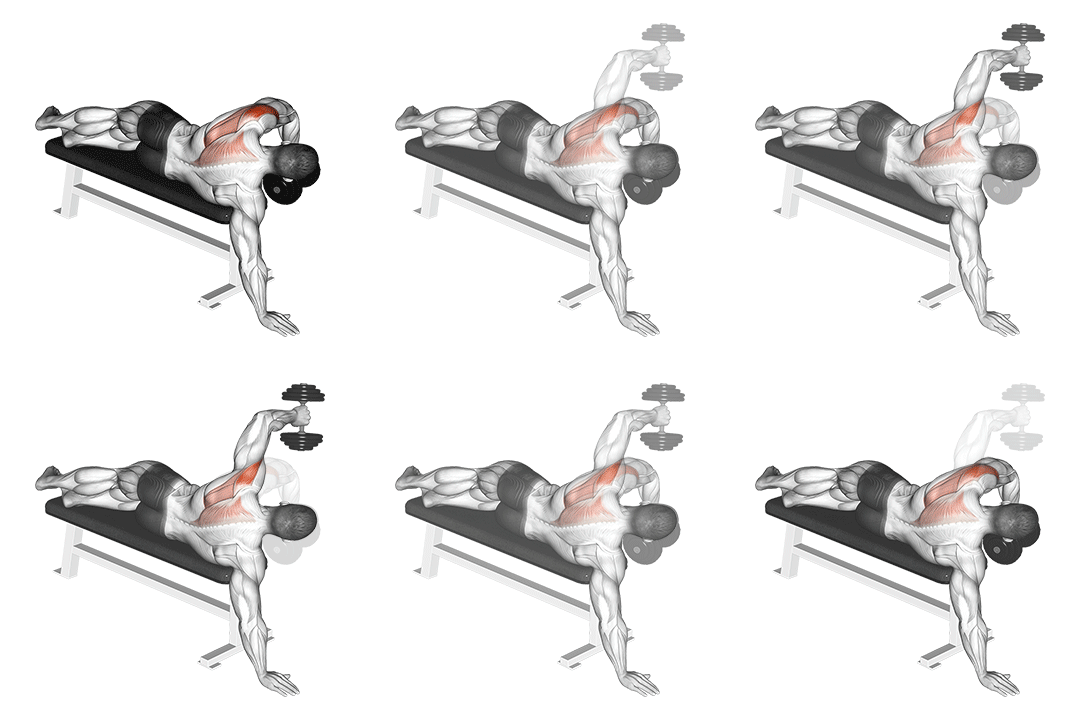
9. Dumbbell Lying One Arm Deltoid Rear
76.7% MatchHow to perform this exercise
- Lie face down on a flat bench with a dumbbell in one hand, palm facing inwards.
- Extend your arm straight down towards the floor, keeping it close to your body.
- Raise your arm up and back, squeezing your shoulder blade towards your spine.
- Pause for a moment at the top, then slowly lower your arm back down to the starting position.
- Repeat for the desired number of repetitions, then switch arms.
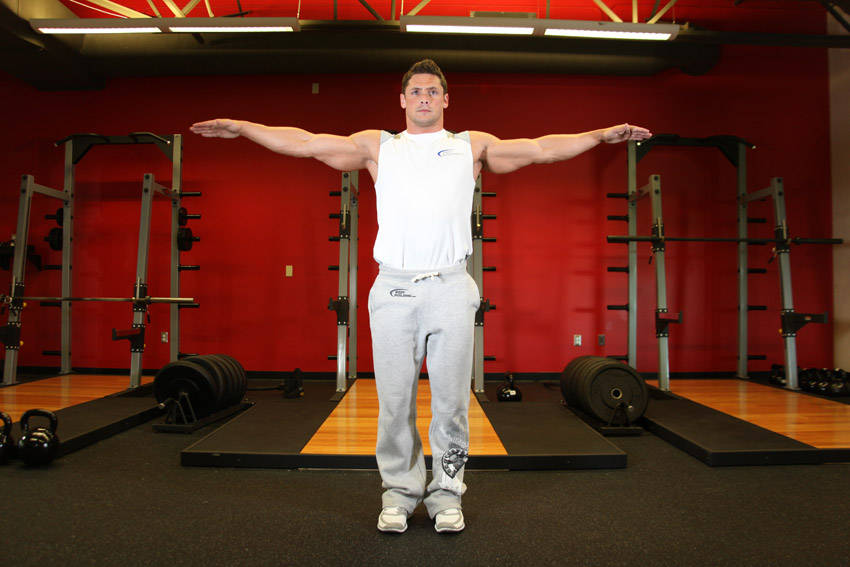
10. Arm Circles
76.3% MatchHow to perform this exercise
- Stand up and extend your arms straight out by the sides. The arms should be parallel to the floor and perpendicular (90-degree angle) to your torso. This will be your starting position.
- Slowly start to make circles of about 1 foot in diameter with each outstretched arm. Breathe normally as you perform the movement.
- Continue the circular motion of the outstretched arms for about ten seconds. Then reverse the movement, going the opposite direction.
Why You Might Need a Side Wrist Pull Alternative
You might substitute the Side Wrist Pull for wrist, elbow, or shoulder irritation, lack of band equipment, or to progress strength and hypertrophy. Wrist or grip pain often makes the grip-intensive band pull uncomfortable; choosing a neutral-grip dumbbell or cable lateral raise reduces wrist torque. You may also swap to a seated or supported variation to remove trunk momentum and increase lateral deltoid activation. Finally, different alternatives let you vary load type (constant band tension vs. plate/dumbbell overload) and change the lever arm to adjust mechanical tension on the delts.
How to Choose the Right Substitute
Match the substitute to your goal, joint tolerance, and available equipment. If your wrist limits you, choose a neutral-grip dumbbell or cable handle and cue a slightly flexed elbow while keeping the scapula stable. If you need more time under tension, pick cables or bands for continuous tension; if you want heavier absolute load, choose dumbbells and control the eccentric. Prioritize movements that let you maintain strict abduction without trunk lean and allow progressive overload while keeping scapular control and a consistent elbow-first movement pattern.
Frequently Asked Questions
What muscles does Side Wrist Pull work?
The Side Wrist Pull primarily targets the lateral (middle) deltoid through shoulder abduction. The anterior and posterior deltoid portions assist, while the trapezius and rotator cuff stabilize the scapula and glenohumeral joint. Cue: lead with the elbow to maximize lateral deltoid activation and minimize upper-trap dominance.
What is the best bodyweight alternative to Side Wrist Pull?
The best bodyweight substitute is the pike push-up or elevated pike push-up to emphasize shoulder loading when no equipment exists. Cue: keep hips high, bend at the shoulders, and press by driving the top of the arm overhead to engage the deltoids, this shifts load to the lateral and anterior heads compared with horizontal pushes.
Can I build muscle without doing Side Wrist Pull?
Yes. You can hypertrophy the lateral deltoid with other isolation and compound movements, dumbbell lateral raises, cable lateral raises, leaning cable raises, and overhead presses all work. Use progressive overload, strict form (elbow-led abduction), and controlled eccentrics to maximize deltoid mechanical tension and growth.
More Exercise Alternatives
Find Alternatives for Any Exercise
Use the exercise substitution finder to compare ranked alternatives for your available equipment and training preference.
Try the Exercise Substitution Finder →