

10 Best Smith Incline Bench Press Alternatives
The Smith Incline Bench Press is done lying on your back with a Smith machine. Ranked closest by our scoring: the Smith Bench Press, the Smith Decline Bench Press and the Cable Incline Bench Press.
Updated Ranked by our 12-factor similarity model How it works
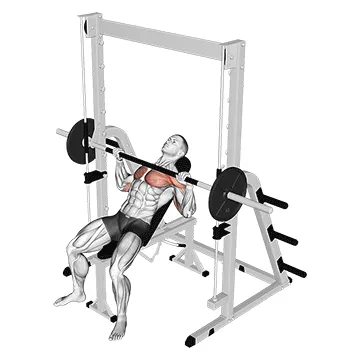
Original Exercise: Smith Incline Bench Press
- Primary muscle
- Pectorals
- Equipment
- Smith-machine
- Difficulty
- Intermediate
- Type
- Compound
Secondary muscles: Shoulders, Triceps
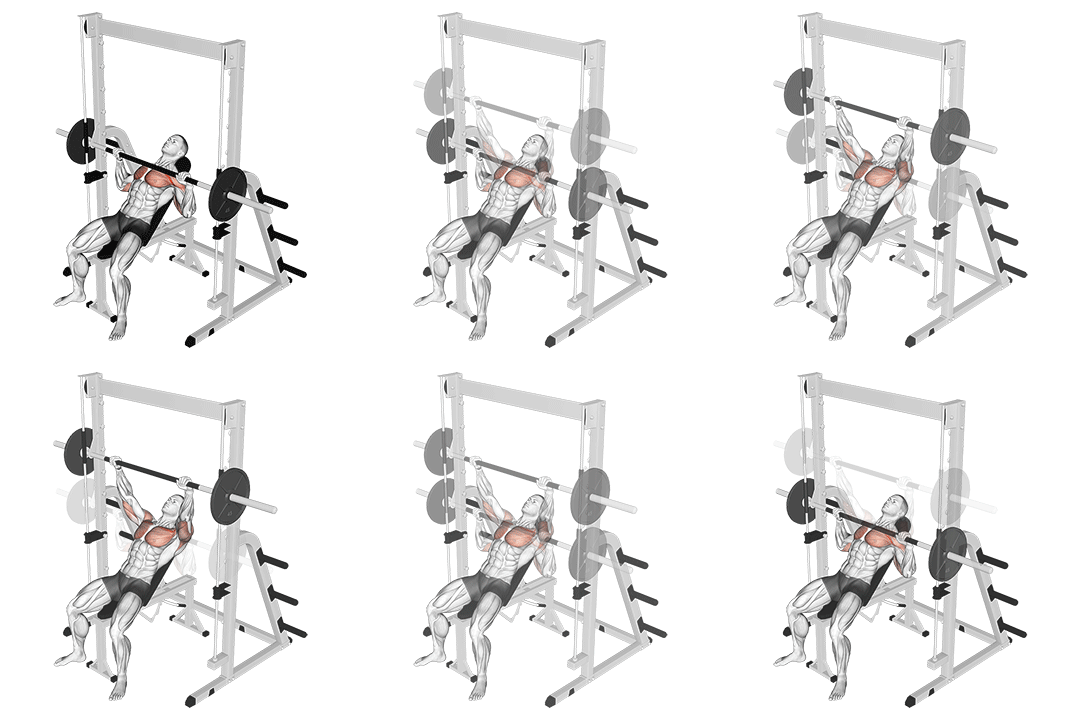
How to perform Smith Incline Bench Press
- Adjust the bench to a 30-45 degree incline.
- Sit on the bench with your back flat against the pad and feet firmly on the ground.
- Grasp the barbell with an overhand grip slightly wider than shoulder-width apart.
- Unrack the barbell and lower it slowly towards your upper chest, keeping your elbows slightly tucked in.
- Pause for a moment at the bottom, then push the barbell back up to the starting position, fully extending your arms.
- Repeat for the desired number of repetitions.
Ranked Smith Incline Bench Press Alternatives
10 substitutes, ranked by how closely each one matches the Smith Incline Bench Press on movement pattern, muscles worked, equipment and body position. The higher the score, the less you change. Open "How to perform this exercise" on a card for the steps; every card title links to that exercise's own alternatives page.
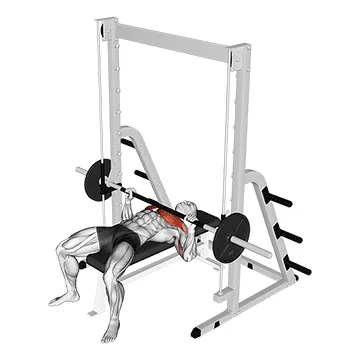
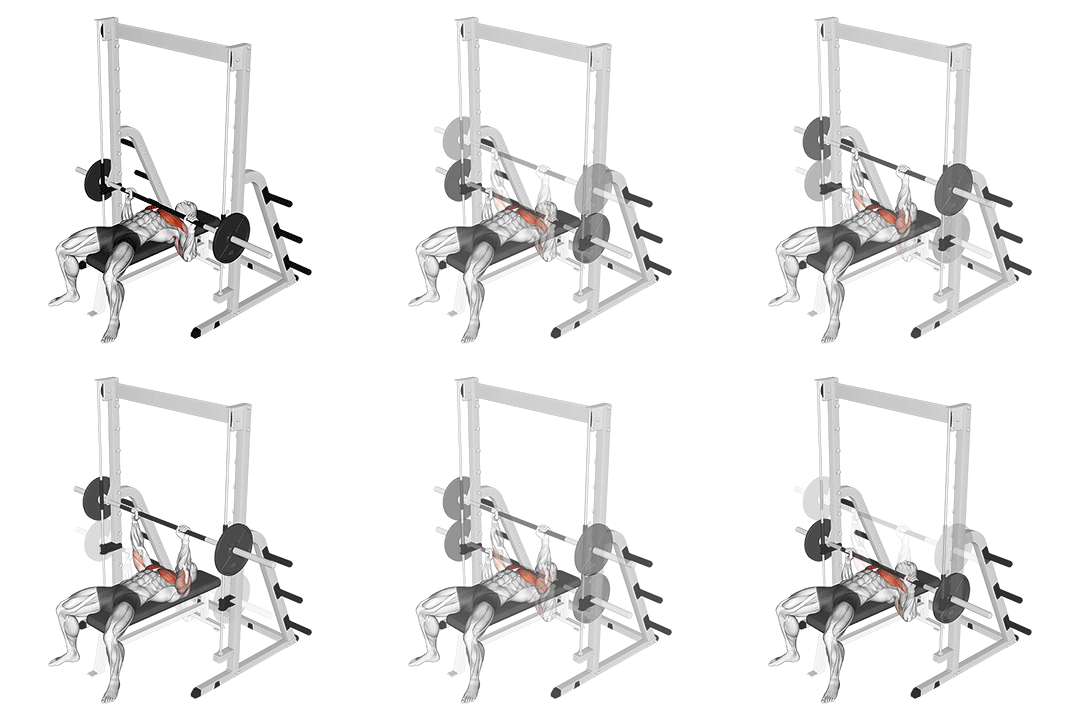
Best match 1. Smith Bench Press
90% match- Pectorals
- Smith-machine
- Intermediate
- Compound
It uses the same equipment and still works the pectorals.
How to perform this exercise
- Adjust the height of the smith machine bar to chest level.
- Lie flat on the bench with your feet firmly planted on the ground.
- Grip the bar with an overhand grip slightly wider than shoulder-width apart.
- Unrack the bar and lower it towards your chest, keeping your elbows tucked in.
- Pause for a moment when the bar touches your chest.
- Push the bar back up to the starting position, fully extending your arms.
- Repeat for the desired number of repetitions.
Sets and reps: 3 or 4 sets of 6 to 10 reps.
Why this matches
- Primary muscle: pectorals, the same as the Smith Incline Bench Press
- Equipment: a machine, the same as the Smith Incline Bench Press
- Body position: lying on your back, the same as the Smith Incline Bench Press
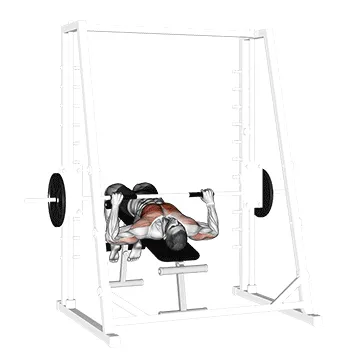
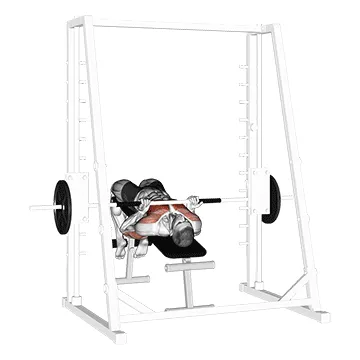
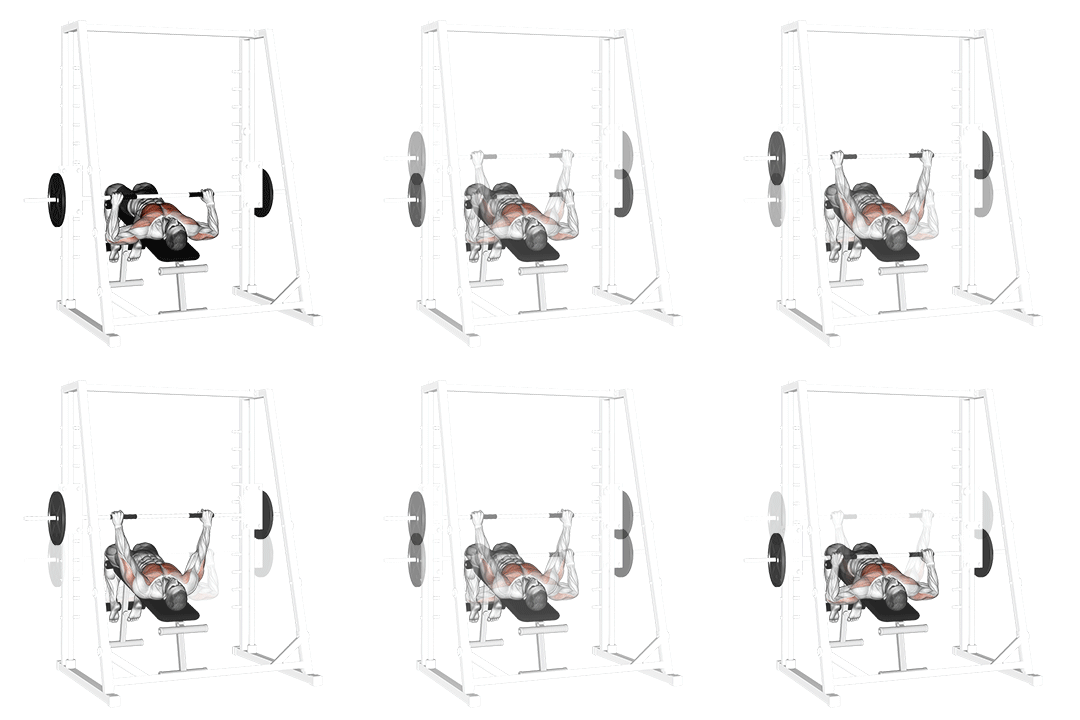
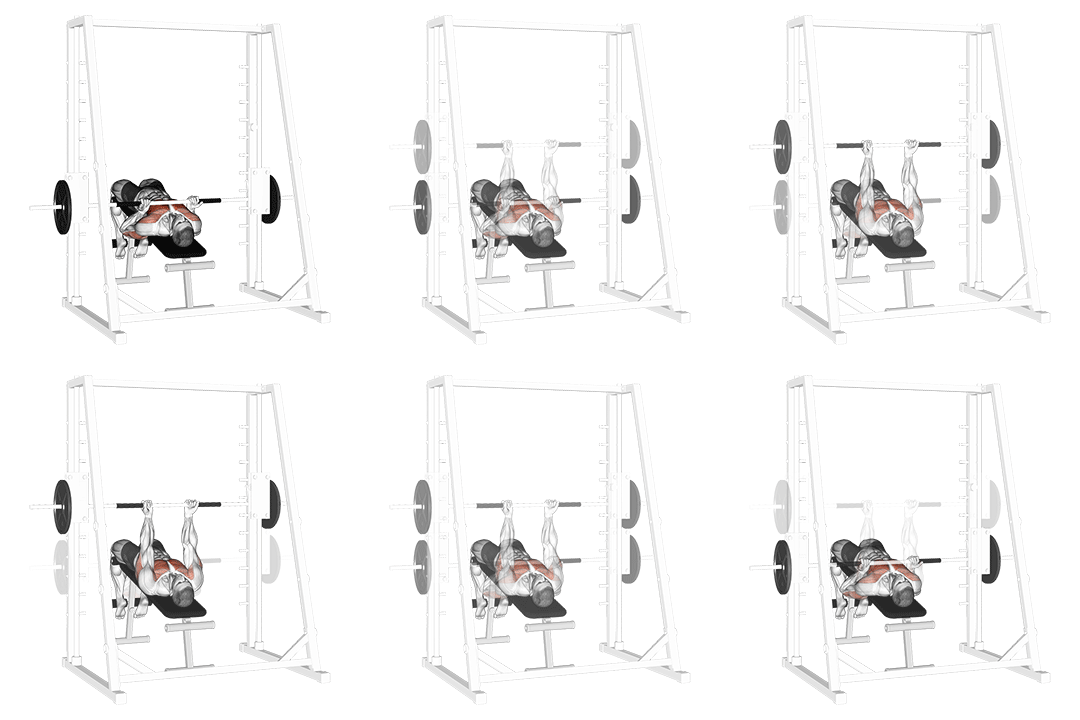
2. Smith Decline Bench Press
90% match- Pectorals
- Smith-machine
- Intermediate
- Compound
How to perform this exercise
- Adjust the decline bench to the desired angle.
- Lie down on the bench with your feet secured under the foot pads.
- Grasp the barbell with an overhand grip slightly wider than shoulder-width apart.
- Unrack the barbell and lower it slowly towards your chest, keeping your elbows tucked in.
- Pause for a moment at the bottom, then push the barbell back up to the starting position.
- Repeat for the desired number of repetitions.
Sets and reps: 3 or 4 sets of 6 to 10 reps.
Why this matches
- Primary muscle: pectorals, the same as the Smith Incline Bench Press
- Equipment: a machine, the same as the Smith Incline Bench Press
- Body position: lying on your back, the same as the Smith Incline Bench Press
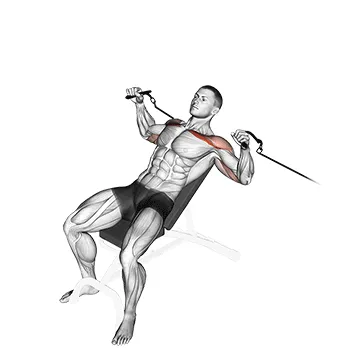
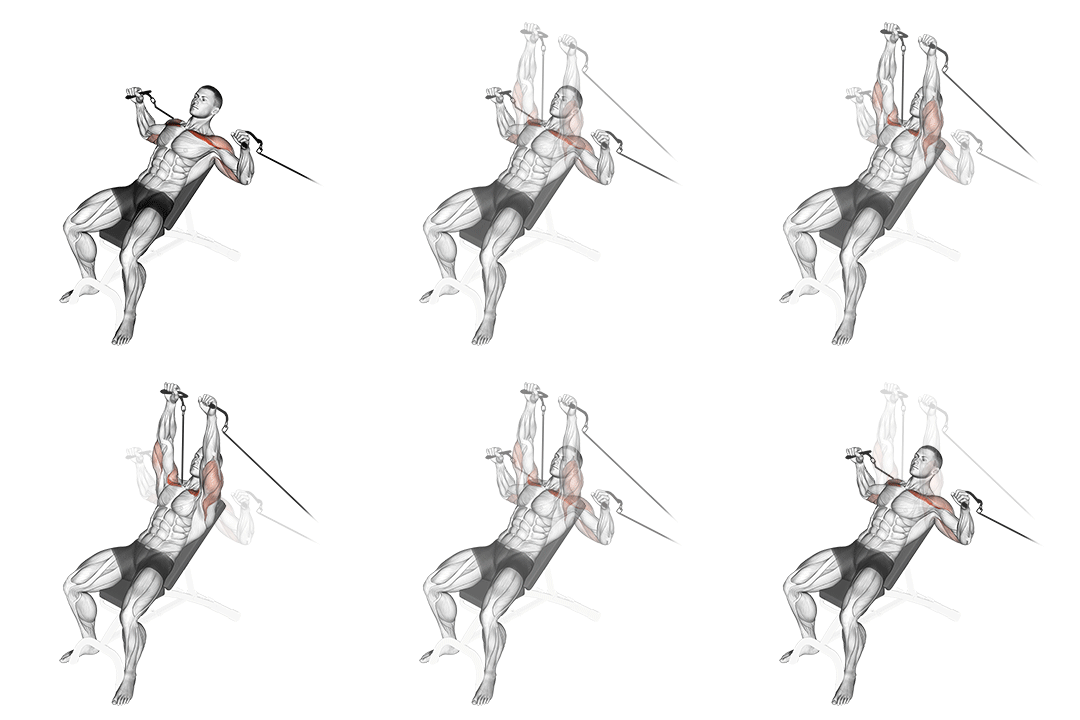
3. Cable Incline Bench Press
87% match- Pectorals
- Cable
- Intermediate
- Compound
A good swap when you have a cable machine to work with, and it still works the pectorals.
How to perform this exercise
- Adjust the bench to a 45-degree incline.
- Attach the cable handles to the high pulleys.
- Sit on the bench facing the cable machine with your feet flat on the ground.
- Grasp the handles with an overhand grip and bring them to shoulder height.
- Push the handles forward and upward until your arms are fully extended.
- Pause for a moment, then slowly lower the handles back to the starting position.
- Repeat for the desired number of repetitions.
Sets and reps: 3 or 4 sets of 6 to 10 reps.
Why this matches
- Movement: incline press, the same as the Smith Incline Bench Press
- Primary muscle: pectorals, the same as the Smith Incline Bench Press
- Equipment: a cable, not a machine
- Body position: lying on your back, the same as the Smith Incline Bench Press
- Balance: harder to stay steady on than the Smith Incline Bench Press
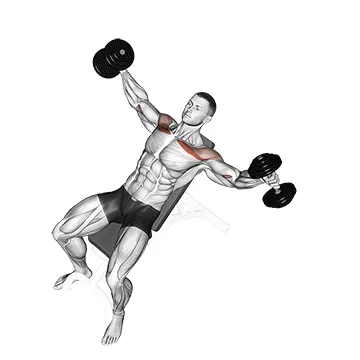
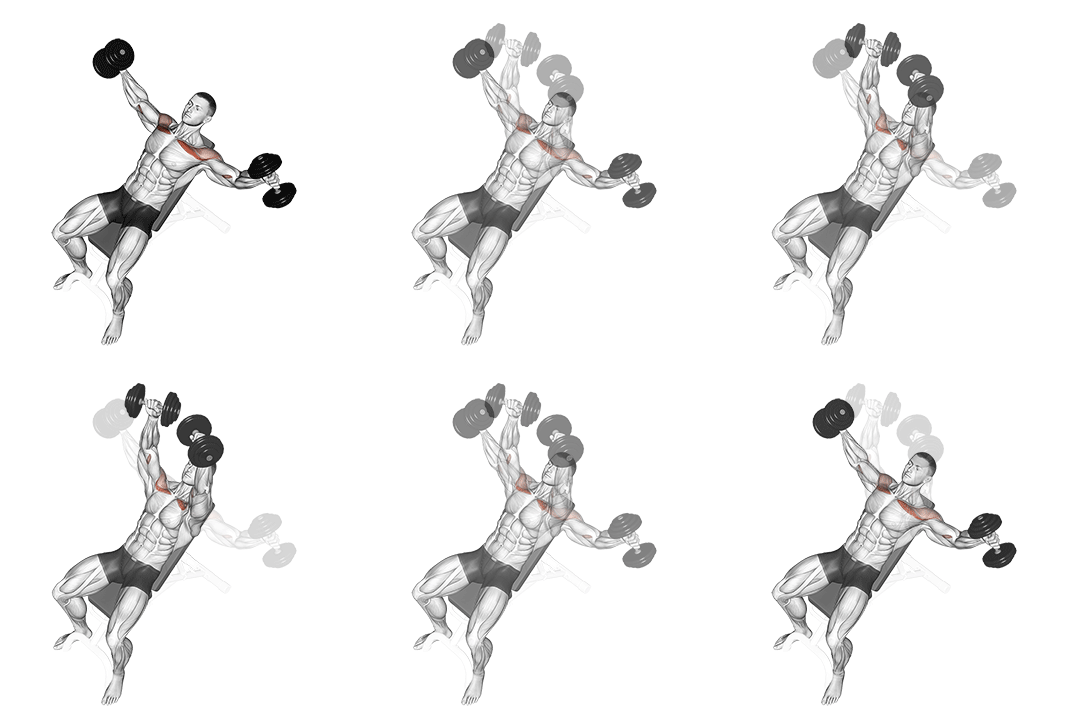
4. Dumbbell Incline Breeding
87% match- Pectorals
- Dumbbell
- Intermediate
- Compound
A good swap when you have dumbbells to work with, and it still works the pectorals.
How to perform this exercise
- Set up an incline bench at a 45-degree angle.
- Sit on the bench with your back against the pad and feet flat on the ground.
- Hold a dumbbell in each hand with an overhand grip, palms facing forward.
- Start with your arms fully extended, perpendicular to the ground.
- Lower the dumbbells slowly to the sides of your chest, keeping your elbows at a 90-degree angle.
- Pause for a moment at the bottom, then push the dumbbells back up to the starting position.
- Repeat for the desired number of repetitions.
Sets and reps: 3 to 5 sets of 5 to 8 reps.
Why this matches
- Movement: incline press, the same as the Smith Incline Bench Press
- Primary muscle: pectorals, the same as the Smith Incline Bench Press
- Equipment: free weights, not a machine
- Body position: lying on your back, the same as the Smith Incline Bench Press
- Balance: harder to stay steady on than the Smith Incline Bench Press
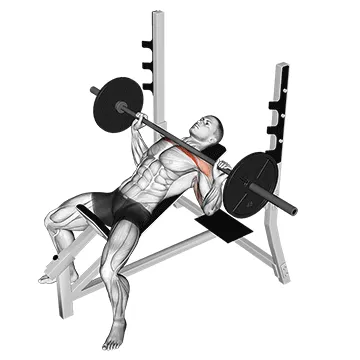
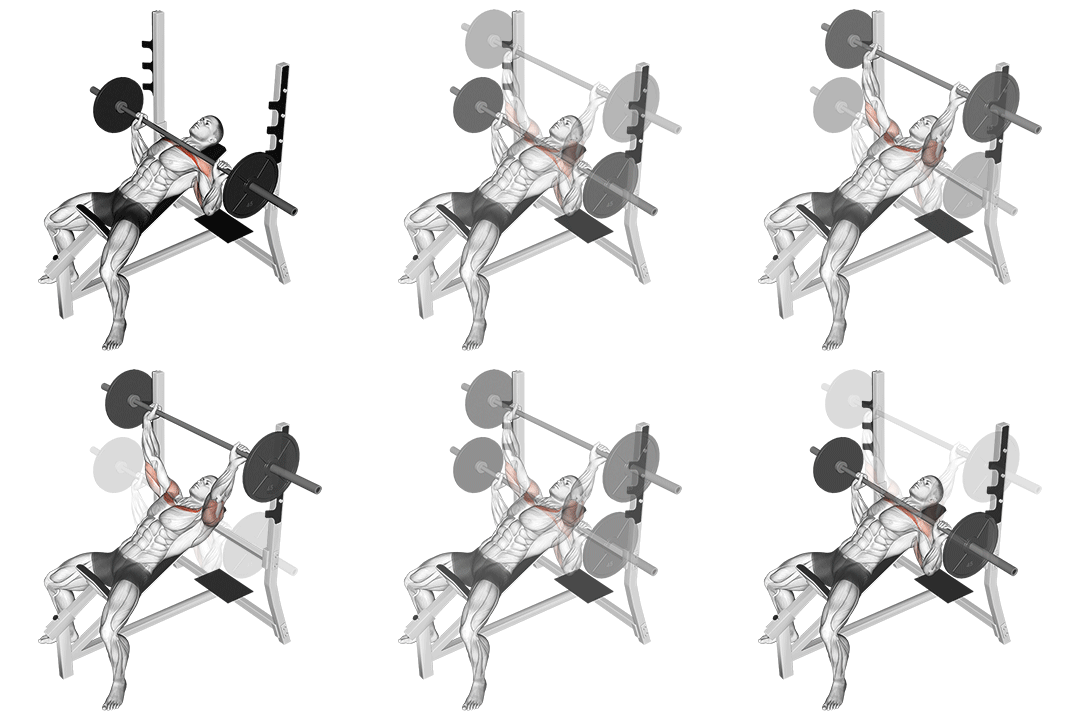
5. Barbell Incline Bench Press
87% match- Pectorals
- Barbell
- Intermediate
- Compound
A good swap when you have a barbell to work with, and it still works the pectorals.
How to perform this exercise
- Set up an incline bench at a 45-degree angle.
- Lie down on the bench with your feet flat on the ground.
- Grasp the barbell with an overhand grip, slightly wider than shoulder-width apart.
- Unrack the barbell and lower it slowly towards your chest, keeping your elbows at a 45-degree angle.
- Pause for a moment at the bottom, then push the barbell back up to the starting position.
- Repeat for the desired number of repetitions.
Sets and reps: 3 or 4 sets of 6 to 10 reps.
Why this matches
- Movement: incline press, the same as the Smith Incline Bench Press
- Primary muscle: pectorals, the same as the Smith Incline Bench Press
- Equipment: free weights, not a machine
- Body position: lying on your back, the same as the Smith Incline Bench Press
- Balance: harder to stay steady on than the Smith Incline Bench Press
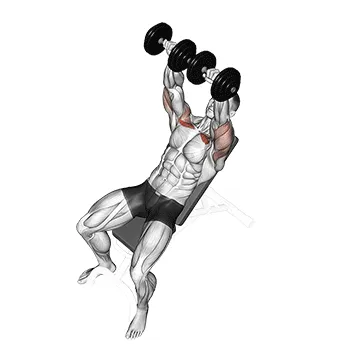
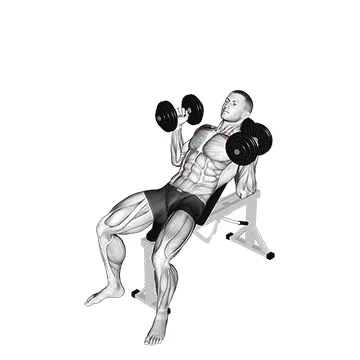
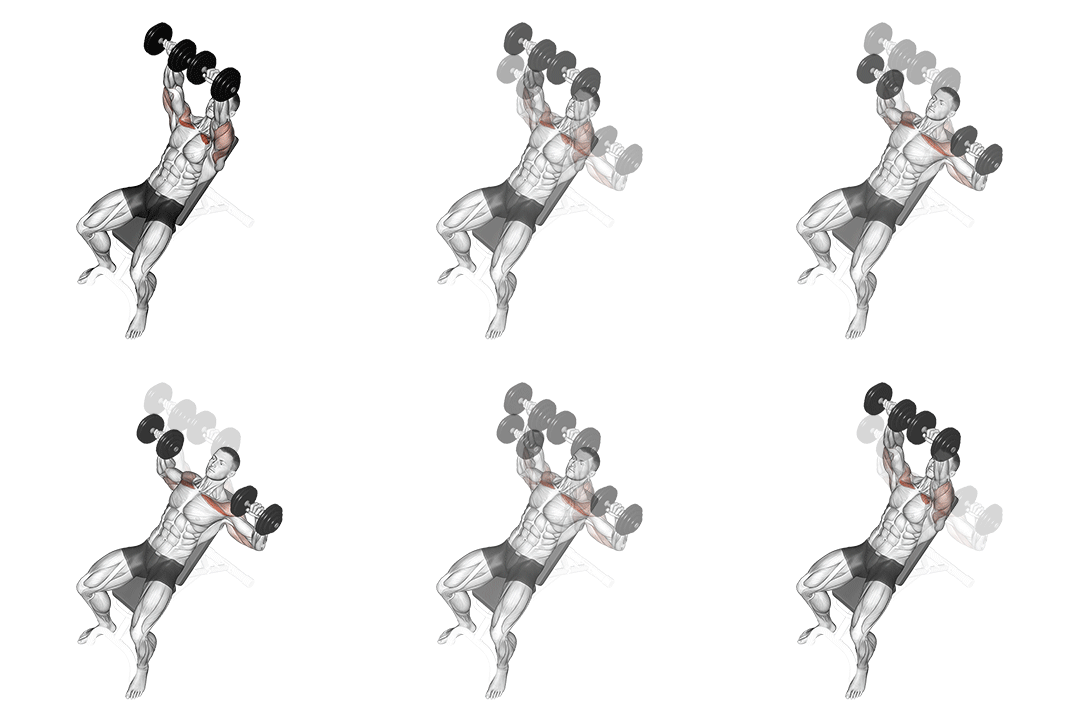
6. Dumbbell Incline Bench Press
87% match- Pectorals
- Dumbbell
- Intermediate
- Compound
How to perform this exercise
- Set up an incline bench at a 45-degree angle.
- Sit on the bench with your feet flat on the ground and your back pressed firmly against the bench.
- Hold a dumbbell in each hand, palms facing forward, and lift them to shoulder height.
- Slowly lower the dumbbells to the sides of your chest, keeping your elbows at a 90-degree angle.
- Push the dumbbells back up to the starting position, fully extending your arms.
- Repeat for the desired number of repetitions.
Sets and reps: 3 to 5 sets of 5 to 8 reps.
Why this matches
- Movement: incline press, the same as the Smith Incline Bench Press
- Primary muscle: pectorals, the same as the Smith Incline Bench Press
- Equipment: free weights, not a machine
- Body position: lying on your back, the same as the Smith Incline Bench Press
- Balance: harder to stay steady on than the Smith Incline Bench Press
- Pectorals
- Smith-machine
- Intermediate
- Compound
How to perform this exercise
- Adjust the smith machine to a decline position.
- Lie down on the bench with your feet secured under the foot pads.
- Grasp the barbell with a close grip, slightly narrower than shoulder-width apart.
- Unrack the barbell and lower it slowly towards your chest, keeping your elbows tucked in.
- Pause for a moment at the bottom, then push the barbell back up to the starting position.
- Repeat for the desired number of repetitions.
Sets and reps: 3 or 4 sets of 6 to 10 reps.
Why this matches
- Primary muscle: pectorals, the same as the Smith Incline Bench Press
- Equipment: a machine, the same as the Smith Incline Bench Press
- Body position: lying on your back, the same as the Smith Incline Bench Press
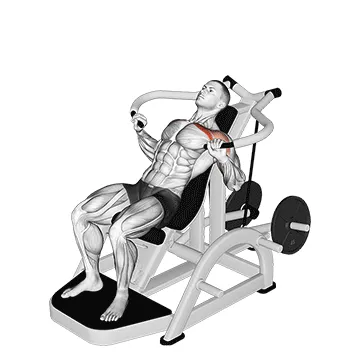
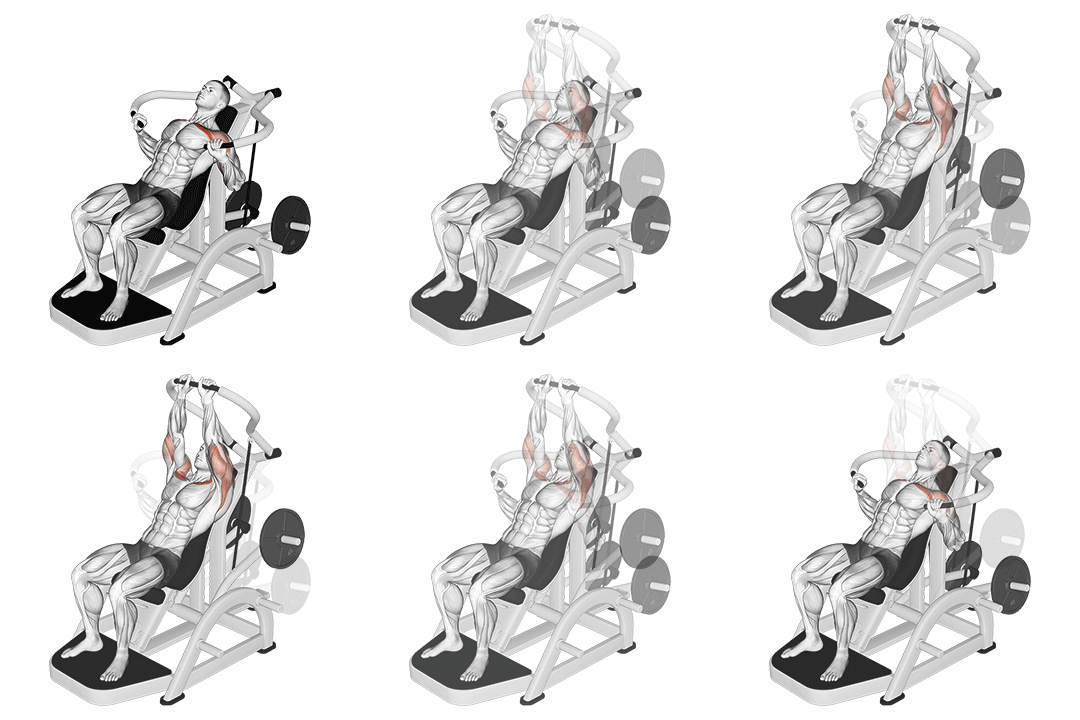
8. Lever Incline Chest Press
84% match- Pectorals
- Lever
- Intermediate
- Compound
How to perform this exercise
- Adjust the seat height and backrest angle on the leverage machine to a comfortable position.
- Sit on the machine with your back against the backrest and your feet flat on the floor.
- Grasp the handles with an overhand grip and position your hands slightly wider than shoulder-width apart.
- Push the handles forward and away from your body until your arms are fully extended, but without locking your elbows.
- Pause for a moment at the fully extended position, then slowly bend your elbows and lower the handles back towards your chest.
- Repeat for the desired number of repetitions.
Sets and reps: 3 or 4 sets of 6 to 10 reps.
Why this matches
- Primary muscle: pectorals, the same as the Smith Incline Bench Press
- Equipment: a machine, the same as the Smith Incline Bench Press
- Body position: lying on your back, the same as the Smith Incline Bench Press
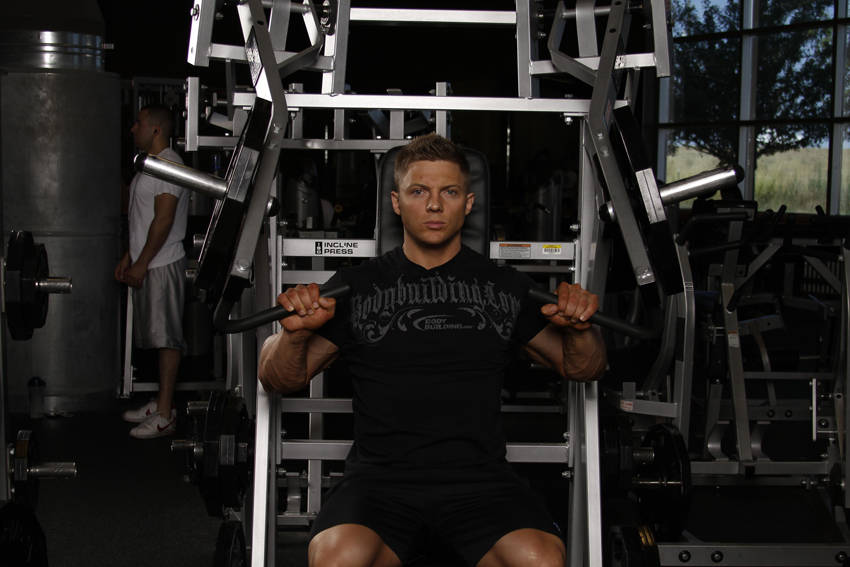
9. Leverage Incline Chest Press
84% match- Pectorals
- Machine
- Intermediate
- Compound
How to perform this exercise
- Load an appropriate weight onto the pins and adjust the seat for your height. The handles should be near the top of the pectorals at the beginning of the motion. Your chest and head should be up and your shoulder blades retracted. This will be your starting position.
- Press the handles forward by extending through the elbow.
- After a brief pause at the top, return the weight just above the start position, keeping tension on the muscles by not returning the weight to the stops until the set is complete.
Sets and reps: 3 or 4 sets of 6 to 10 reps.
Why this matches
- Primary muscle: pectorals, the same as the Smith Incline Bench Press
- Equipment: a machine, the same as the Smith Incline Bench Press
- Body position: lying on your back, the same as the Smith Incline Bench Press
- Pectorals
- Dumbbell
- Intermediate
- Compound
How to perform this exercise
- Set up an incline bench at a 45-degree angle.
- Sit on the bench with your back against the backrest and feet flat on the ground.
- Hold a dumbbell in each hand with an overhand grip, palms facing inwards.
- Extend your arms straight up above your chest, keeping a slight bend in your elbows.
- Lower the dumbbells slowly towards your shoulders, keeping your elbows close to your body.
- Pause for a moment at the bottom, then press the dumbbells back up to the starting position.
- Repeat for the desired number of repetitions.
Sets and reps: 3 or 4 sets of 6 to 10 reps.
Why this matches
- Movement: incline press, the same as the Smith Incline Bench Press
- Primary muscle: pectorals, the same as the Smith Incline Bench Press
- Equipment: free weights, not a machine
- Body position: lying on your back, the same as the Smith Incline Bench Press
- Balance: harder to stay steady on than the Smith Incline Bench Press
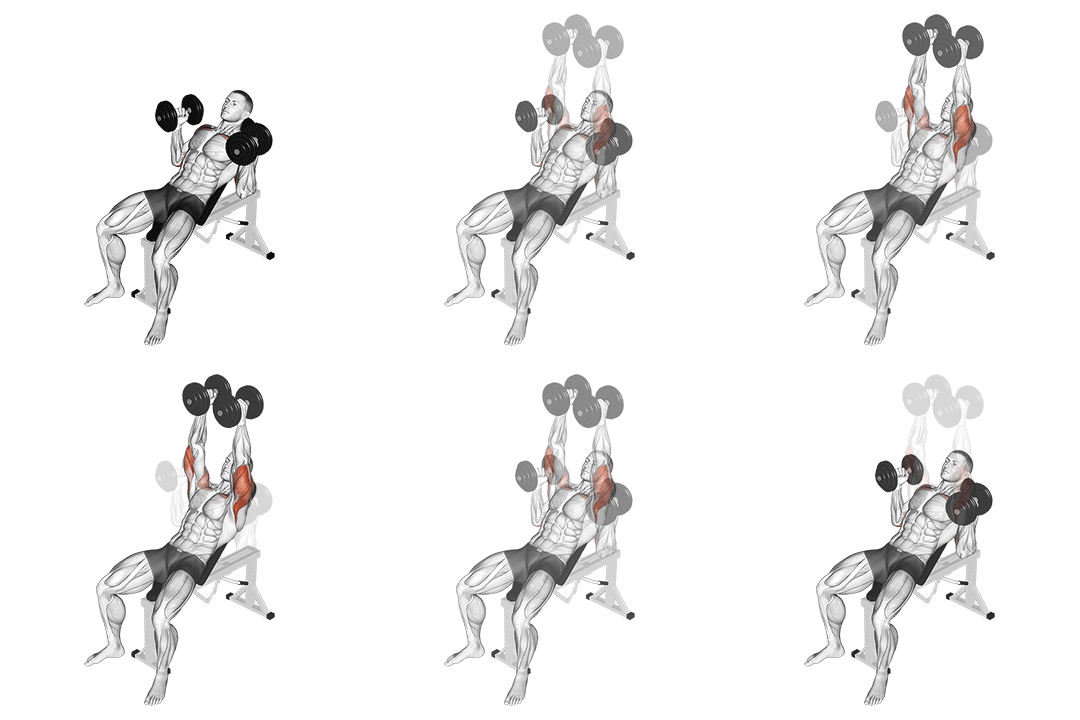
Why You Might Need a Smith Incline Bench Press Alternative
You may need substitutes because the Smith machine fixes the bar path, alters stabilizer recruitment, or aggravates shoulder pain. Free-weight incline presses restore natural bar path and increase pec and serratus activation by demanding scapular stability. Cables and landmine variations maintain constant tension and let you change line of pull to stress the upper pectorals without heavy shoulder extension. Bodyweight elevates core and scapular control for functionally relevant strength. Use cues like tucking elbows to 30–45° and keeping the scapula retracted to shift load onto the clavicular head rather than the anterior deltoid.
How to Choose the Right Smith Incline Bench Press Substitute
Match the substitute to your goal, equipment, and injury status. Choose dumbbells if you want improved unilateral control and increased eccentric range; cue a slow 2–3 second descent and full scapular retraction to maximize pec stretch. Pick cables when you need constant tension and a horizontal line of pull; set handles high and press slightly upward to bias the upper chest. Use landmine presses for a safer arc and reduced shoulder extension, driving the elbow forward to load clavicular fibers. For bodyweight, elevate feet to increase upper-chest recruitment and maintain a rigid plank position.
Smith Incline Bench Press FAQ
What muscles does Smith Incline Bench Press work?
The Smith incline press primarily targets the clavicular head of the pectoralis major, with secondary loading of the anterior deltoid and triceps. Using a 30–45° bench angle and pressing through the mid-palm shifts activation to the upper chest while limiting shoulder extension.
Find Alternatives for Any Exercise
Search the exercise database and filter the ranked substitutes by the equipment you own.
Similarity scores compare exercise metadata such as movement pattern, muscles, equipment and body position. They are not a safety rating or a check that you own the equipment. Learn about our methodology