

10 Best Split Snatch Alternatives for Strength and Hamstrings
The Split Snatch is done standing with a barbell. Ranked closest by our scoring: the One-arm Open Palm Kettlebell Clean, the Hang Snatch and the Muscle Snatch.
Updated Ranked by our 12-factor similarity model How it works
Original Exercise: Split Snatch
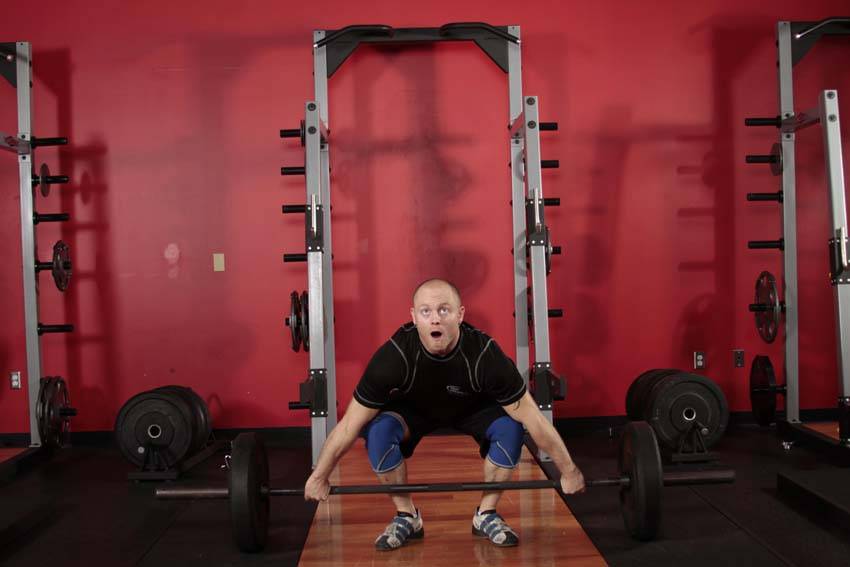
- Primary muscle
- Hamstrings
- Equipment
- Barbell
- Difficulty
- Advanced
- Type
- Compound
Secondary muscles: Calves, Forearms, Glutes, Hamstrings, Lower Back, Quadriceps, Shoulders, Traps, Triceps
How to perform Split Snatch
- Begin with a loaded barbell on the floor. The bar should be close to or touching the shins, and a wide grip should be taken on the bar. The feet should be directly below the hips, with the feet turned out as needed. Lower the hips, with the chest up and the head looking forward. The shoulders should be just in front of the bar. This will be the starting position.
- Begin the first pull by driving through the front of the heels, raising the bar from the ground. The back angle should stay the same until the bar passes the knees.
- Transition into the second pull by extending through the hips knees and ankles, driving the bar up as quickly as possible. The bar should be close to the body. At peak extension, shrug the shoulders and allow the elbows to flex to the side.
- As you move your feet into the receiving position, forcefully pull yourself below the bar as you elevate the bar overhead. The feet should move forcefully to a split position, one foot forward one foot back. Receive the bar with your body as low as possible and the arms fully extended overhead.
- Keeping the bar aligned over the front of the heels, your head and chest up, drive through heels of the feet to move to a standing position, bringing your feet together.
- Carefully return the weight to floor.
Ranked Split Snatch Alternatives
10 substitutes, ranked by how closely each one matches the Split Snatch on movement pattern, muscles worked, equipment and body position. The higher the score, the less you change. Open "How to perform this exercise" on a card for the steps; every card title links to that exercise's own alternatives page.
Best match 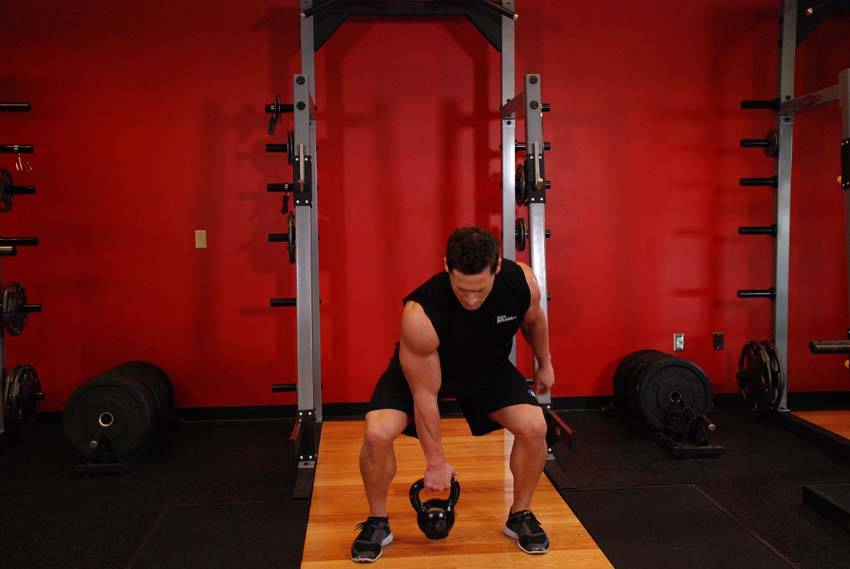
- Hamstrings
- Kettlebell
- Intermediate
- Compound
Pick this when you want an easier single-arm version that still works the hamstrings.
How to perform this exercise
- Place one kettlebell between your feet.
- Grab the handle with one hand and raise the kettlebell rapidly, let it flip so that the ball of the kettlebell lands in the palm of your hand.
- Throw the kettlebell out in front of you and catch the handle with one hand.
- Take the kettlebell to the floor and repeat. Make sure to work both arms.
Sets and reps: 3 to 5 sets of 5 to 8 reps on each side.
Why this matches
- Primary muscle: hamstrings, the same as the Split Snatch
- Equipment: free weights, the same as the Split Snatch
- Body position: standing, the same as the Split Snatch
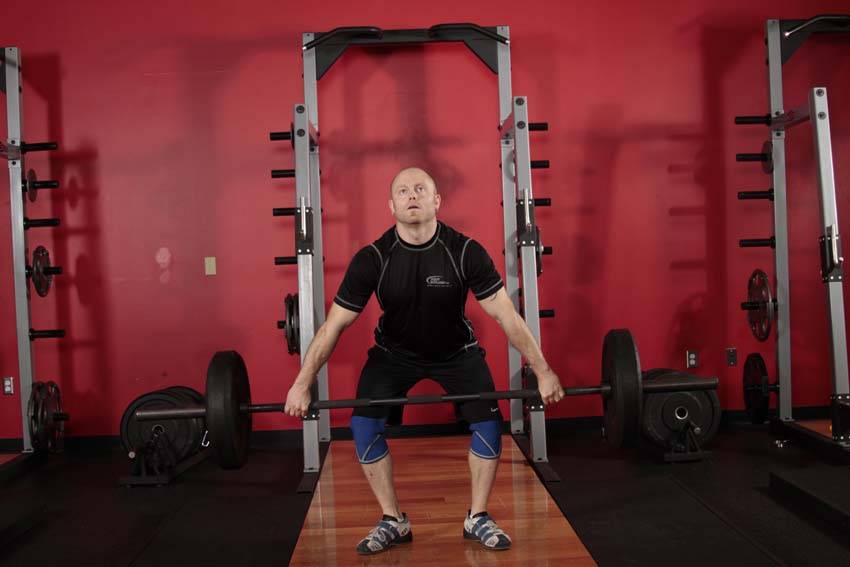
2. Hang Snatch
86% match- Hamstrings
- Barbell
- Advanced
- Compound
Pick this when you want an easier version that still works the hamstrings.
How to perform this exercise
- Begin with a wide grip on the bar, with an overhand or hook grip. The feet should be directly below the hips with the feet turned out. Your knees should be slightly bent, and the torso inclined forward. The spine should be fully extended and the head facing forward. The bar should be at the hips. This will be your starting position.
- Aggressively extend through the legs and hips. At peak extension, shrug the shoulders and allow the elbows to flex to the side.
- As you move your feet into the receiving position, forcefully pull yourself below the bar as you elevate the bar overhead. Receive the bar with your body as low as possible and the arms fully extended overhead.
- Return to a standing position with the weight overhead. Follow by returning the weight to the ground under control.
Sets and reps: 3 to 5 sets of 5 to 8 reps.
Why this matches
- Primary muscle: hamstrings, the same as the Split Snatch
- Equipment: free weights, the same as the Split Snatch
- Body position: standing, the same as the Split Snatch
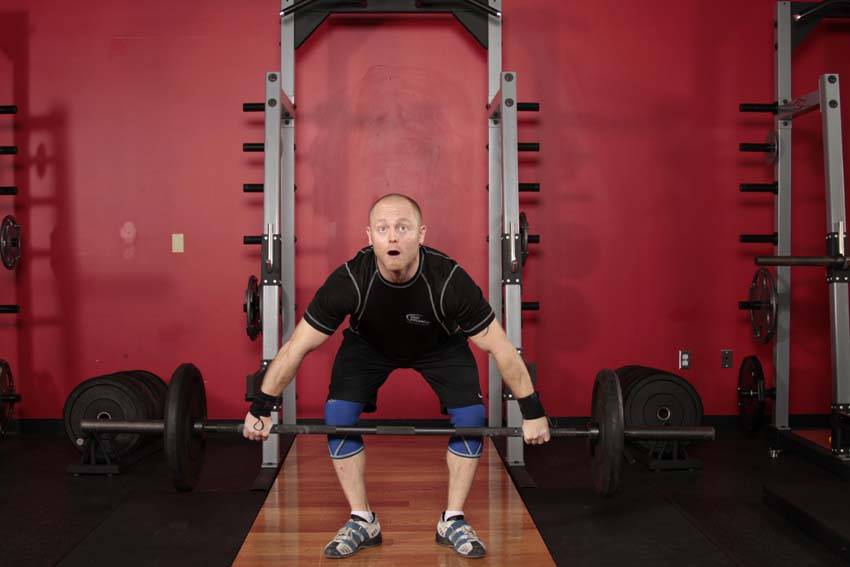
3. Muscle Snatch
86% match- Hamstrings
- Barbell
- Advanced
- Compound
How to perform this exercise
- Begin with a loaded barbell held at the mid thigh position with a wide grip. The feet should be directly below the hips, with the feet turned out as needed. Lower the hips, with the chest up and the head looking forward. The shoulders should be just in front of the bar. This will be the starting position.
- Begin the pull by driving through the front of the heels, raising the bar. Transition into the second pull by extending through the hips knees and ankles, driving the bar up as quickly as possible. The bar should be close to the body.
- Continue raising the bar to the overhead position, without rebending the knees.
Sets and reps: 3 to 5 sets of 5 to 8 reps.
Why this matches
- Primary muscle: hamstrings, the same as the Split Snatch
- Equipment: free weights, the same as the Split Snatch
- Body position: standing, the same as the Split Snatch
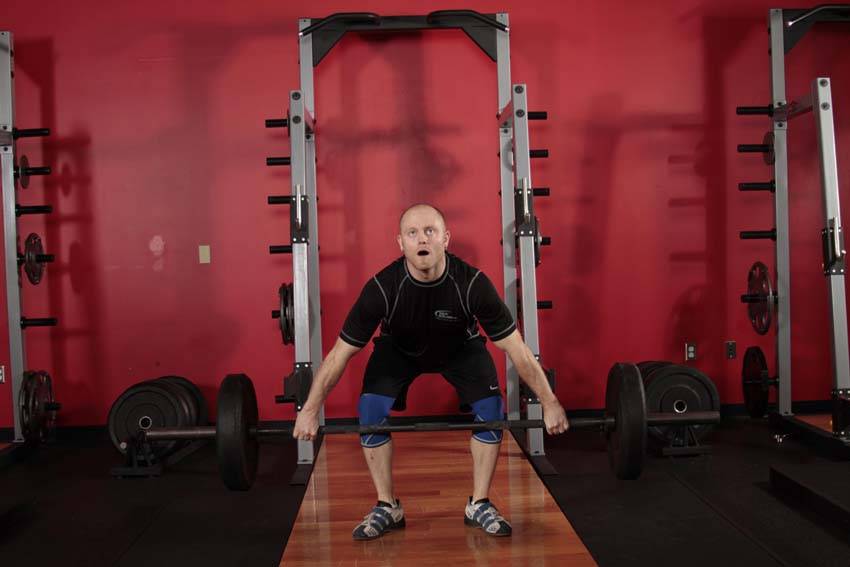
4. Hang Snatch - Below Knees
85% match- Hamstrings
- Barbell
- Advanced
- Compound
How to perform this exercise
- Begin with a wide grip on the bar, with an overhand or hook grip. The feet should be directly below the hips with the feet turned out. Your knees should be slightly bent, and the torso inclined forward. The spine should be fully extended and the head facing forward. The bar should be just below the knees. This will be your starting position.
- Aggressively extend through the legs and hips. At peak extension, shrug the shoulders and allow the elbows to flex to the side.
- As you move your feet into the receiving position, forcefully pull yourself below the bar as you elevate the bar overhead. Receive the bar with your body as low as possible and the arms fully extended overhead.
- Return to a standing position with the weight overhead, and then return the weight to the floor under control.
Sets and reps: 3 to 5 sets of 5 to 8 reps.
Why this matches
- Primary muscle: hamstrings, the same as the Split Snatch
- Equipment: free weights, the same as the Split Snatch
- Body position: standing, the same as the Split Snatch
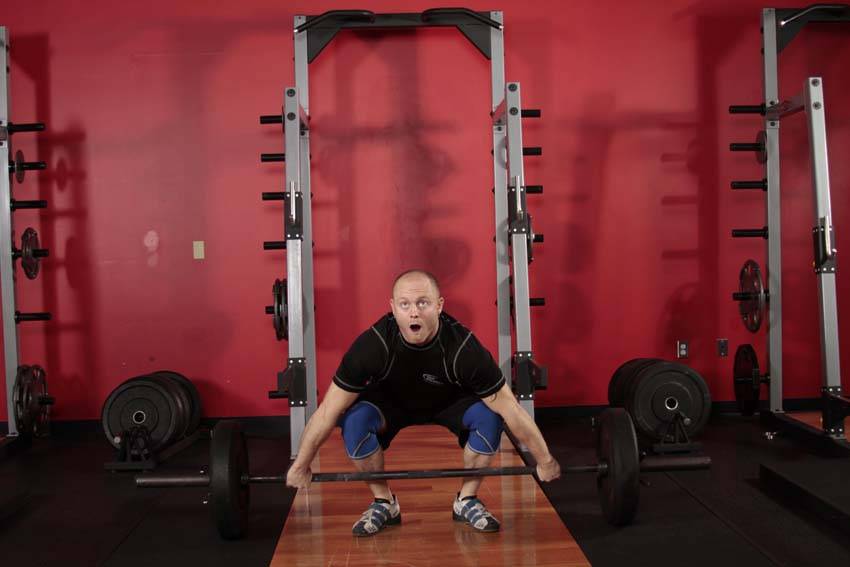
5. Snatch
84% match- Quads
- Barbell
- Advanced
- Compound
A looser match: it uses the same equipment, but it works the quads rather than the hamstrings.
How to perform this exercise
- Place your feet at a shoulder width stance with the barbell resting right above the connection between the toes and the rest of the foot.
- With a palms facing down grip, bend at the knees and keeping the back flat grab the bar using a wider than shoulder width grip. Bring the hips down and make sure that your body drops as if you were going to sit on a chair. This will be your starting position.
- Start pushing the floor as if it were a moving platform with your feet and simultaneously start lifting the barbell keeping it close to your legs.
- As the bar reaches the middle of your thighs, push the floor with your legs and lift your body to a complete extension in an explosive motion.
- Lift your shoulders back in a shrugging movement as you bring the bar up while lifting your elbows out to the side and keeping them above the bar for as long as possible.
- Now in a very quick but powerful motion, you have to get your body under the barbell when it has reached a high enough point where it can be controlled and drop while locking your arms and holding the barbell overhead as you assume a squat position.
- Finalize the movement by rising up out of the squat position to finish the lift. At the end of the lift both feet should be on line and the arms fully extended holding the barbell overhead.
Sets and reps: 3 to 5 sets of 5 to 8 reps.
Why this matches
- Primary muscle: quads, not hamstrings
- Equipment: free weights, the same as the Split Snatch
- Body position: standing, the same as the Split Snatch
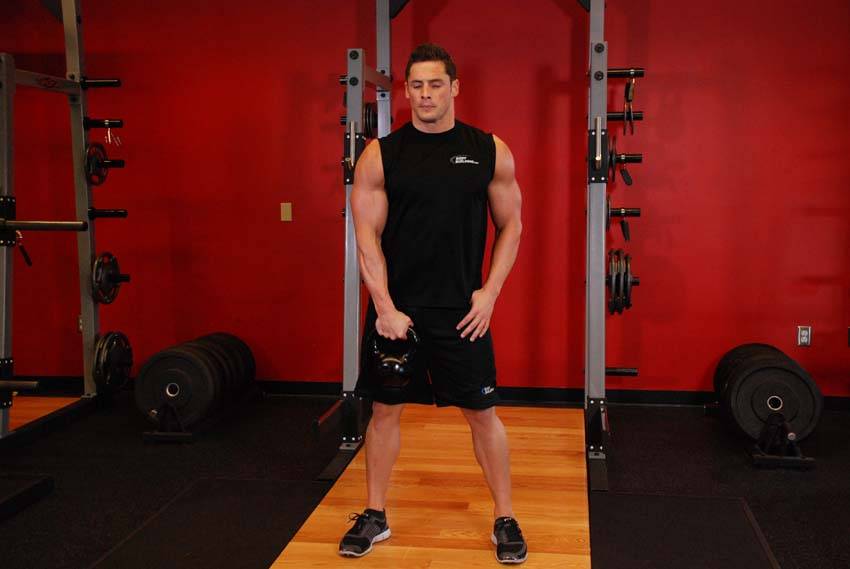
6. One-arm Kettlebell Clean
84% match- Hamstrings
- Kettlebell
- Intermediate
- Compound
How to perform this exercise
- Place a kettlebell between your feet. As you bend down to grab the kettlebell, push your butt back and keep your eyes looking forward.
- Clean the kettlebell to your shoulders by extending through the legs and hips as you raise the kettlebell towards your shoulder. The wrist should rotate as you do so.
- Return the weight to the starting position.
Sets and reps: 3 to 5 sets of 5 to 8 reps on each side.
Why this matches
- Primary muscle: hamstrings, the same as the Split Snatch
- Equipment: free weights, the same as the Split Snatch
- Body position: standing, the same as the Split Snatch
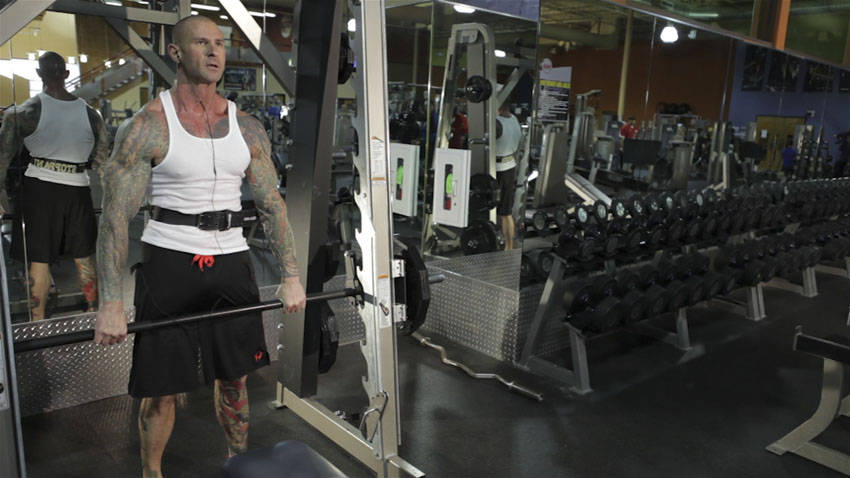
7. Smith Machine Hang Power Clean
82% match- Hamstrings
- Smith-machine
- Advanced
- Compound
A good swap when you have a Smith machine to work with, and it still works the hamstrings.
How to perform this exercise
- Position the bar at knee height and load it to an appropriate weight.
- Take a pronated grip on the bar outside of shoulder width and unhook the bar from the machine. Your arms should be fully extended with your head and chest up. Your elbows should be pointed out with your shoulders back and down. Your hips should be back, loading the tension into the hamstrings. This will be your starting position.
- Initate the movement by forcefully extending the hips and knees, accelerating into the bar. Ensure that you keep your arms straight during this part of the motion.
- Upon full extension, rebend the hips and knees to lower your receiving position.
- Allow the arms to flex at this point, rotating the elbows around the bar to receive it on your shoulders.
- Extend through the hips and knees to come to a standing position with the bar racked on your shoulders to complete the movement.
Sets and reps: 3 to 5 sets of 5 to 8 reps.
Why this matches
- Primary muscle: hamstrings, the same as the Split Snatch
- Equipment: a machine, not free weights
- Body position: standing, the same as the Split Snatch
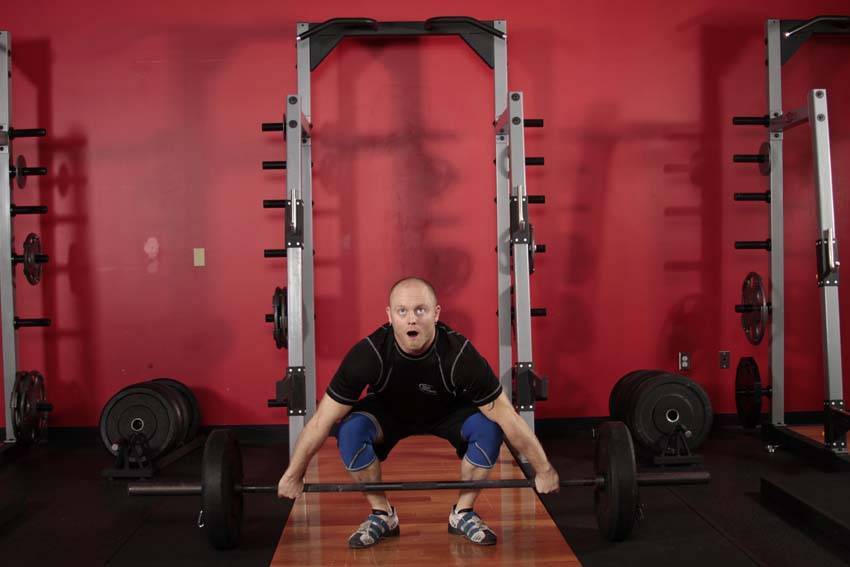
8. Power Snatch
82% match- Hamstrings
- Barbell
- Advanced
- Compound
How to perform this exercise
- Begin with a loaded barbell on the floor. The bar should be close to or touching the shins, and a wide grip should be taken on the bar. The feet should be directly below the hips, with the feet turned out as needed. Lower the hips, with the chest up and the head looking forward. The shoulders should be just in front of the bar. This will be the starting position.
- Begin the first pull by driving through the front of the heels, raising the bar from the ground. The back angle should stay the same until the bar passes the knees.
- Transition into the second pull by extending through the hips knees and ankles, driving the bar up as quickly as possible. The bar should be close to the body. At peak extension, shrug the shoulders and allow the elbows to flex to the side.
- As you move your feet into the receiving position, a slightly wider position, pull yourself below the bar as you elevate the bar overhead. The bar should be received in a partial squat. Continue raising the bar to the overhead position, receiving the bar locked out overhead.
- Return to a standing position with the weight over head.
Sets and reps: 3 to 5 sets of 5 to 8 reps.
Why this matches
- Primary muscle: hamstrings, the same as the Split Snatch
- Equipment: free weights, the same as the Split Snatch
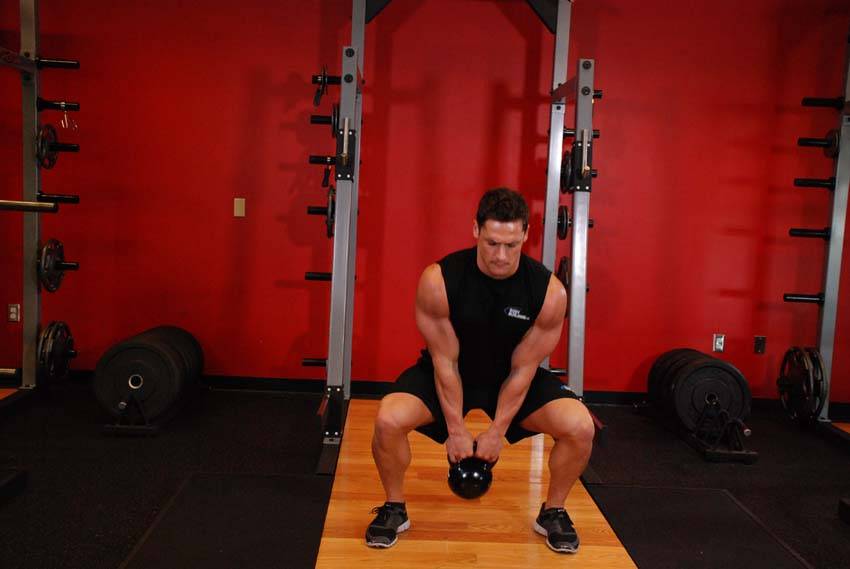
9. Open Palm Kettlebell Clean
82% match- Hamstrings
- Kettlebell
- Intermediate
- Compound
How to perform this exercise
- Place one kettlebell between your feet. Clean the kettlebell by extending through the legs and hips as you raise the kettlebell towards your shoulders.
- Release the kettlebell as it comes up, and let it flip so that the ball of the kettlebell lands in the palms of your hands.
- Release the kettlebell out in front of you and catch the handle with both hands. Lower the kettlebell to the starting position and repeat.
Sets and reps: 3 to 5 sets of 5 to 8 reps on each side.
Why this matches
- Primary muscle: hamstrings, the same as the Split Snatch
- Equipment: free weights, the same as the Split Snatch
- Body position: standing, the same as the Split Snatch
- Balance: easier to stay steady on than the Split Snatch
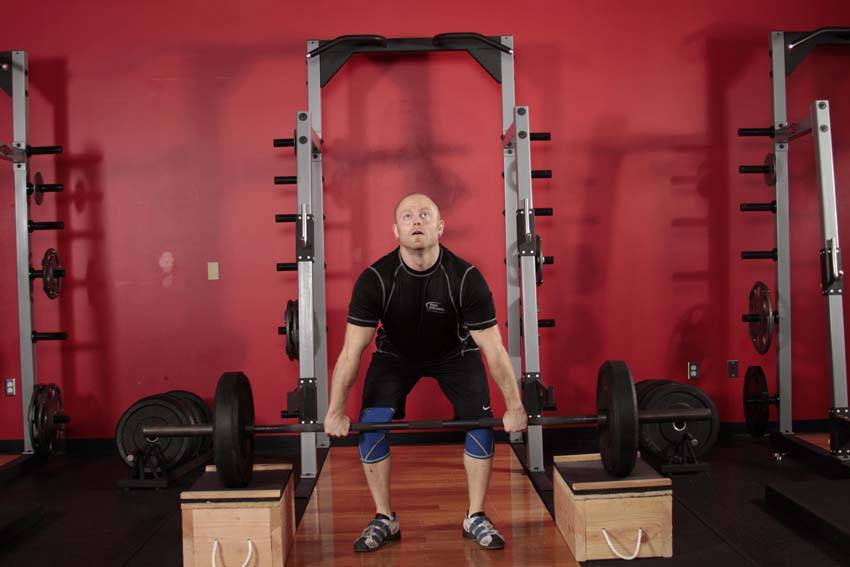
10. Power Clean From Blocks
81% match- Hamstrings
- Barbell
- Advanced
- Compound
How to perform this exercise
- With a barbell on boxes of the desired height, take a grip just outside the legs. Lower your hips with the weight focused on the heels, back straight, head facing forward, chest up, with your shoulders just in front of the bar. This will be your starting position.
- Begin the first pull by driving through the heels, extending your knees. Your back angle should stay the same, and your arms should remain straight. As the bar approaches the mid-thigh position, begin extending through the hips.
- In a jumping motion, accelerate by extending the hips, knees, and ankles, using speed to move the bar upward. There should be no need to actively pull through the arms to accelerate the weight. At the end of the second pull, the body should be fully extended, leaning slightly back, with the arms still extended.
- As full extension is achieved, transition into the third pull by aggressively shrugging and flexing the arms with the elbows up and out. At peak extension, pull yourself under the bar far enough that it can be racked onto the shoulders, rotating your elbows under the bar as you do so. The bar should be racked onto the protracted shoulders, lightly touching the throat with the hands relaxed.
- Immediately recover by driving through the heels, keeping the torso upright and elbows up. Continue until you have risen to a standing position, and complete the repetition by returning the weight to the boxes.
Sets and reps: 3 to 5 sets of 5 to 8 reps.
Why this matches
- Primary muscle: hamstrings, the same as the Split Snatch
- Equipment: free weights, the same as the Split Snatch
- Body position: standing, the same as the Split Snatch
Split Snatch FAQ
What muscles does Split Snatch work?
The Split Snatch primarily recruits the hamstrings and glutes through explosive hip extension, plus quads during the drive and shoulders/upper back for receiving the bar. It also taxes the core for transfer of force and single-leg stabilizers when you split, so you get posterior-chain power and unilateral stability.
What is the best bodyweight alternative to Split Snatch?
The Nordic hamstring curl is the best bodyweight substitute for hamstring strength and eccentric control; anchor your ankles and lower with slow, controlled descent to maximize eccentric activation. If you lack an anchor, use single-leg hip bridges with a long tempo: squeeze the glute at the top and lower slowly to load the hamstrings.
Find Alternatives for Any Exercise
Search the exercise database and filter the ranked substitutes by the equipment you own.
Similarity scores compare exercise metadata such as movement pattern, muscles, equipment and body position. They are not a safety rating or a check that you own the equipment. Learn about our methodology