45° Side Bend: Sculpt Your Abs with This Effective Move

Enhance Core Flexibility and Side Strength

Ash, ACE, MSc
By
Ash, ACE, MSc
Ash is a highly respected fitness expert and certified personal trainer through the American Council on Exercise (ACE). With a B.A. in biology from Rutgers and...
6 Min Read
How to do 45° Side Bend

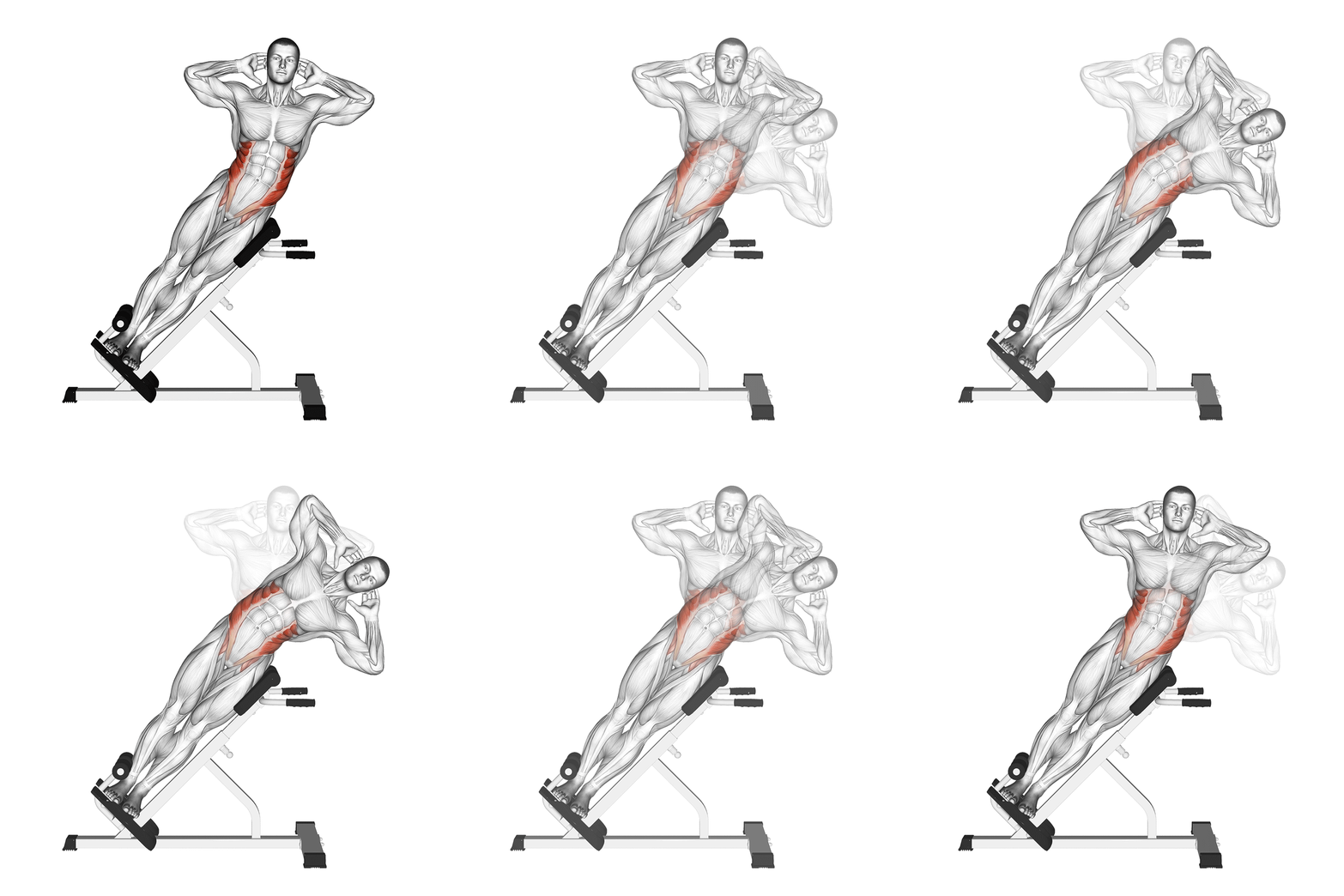
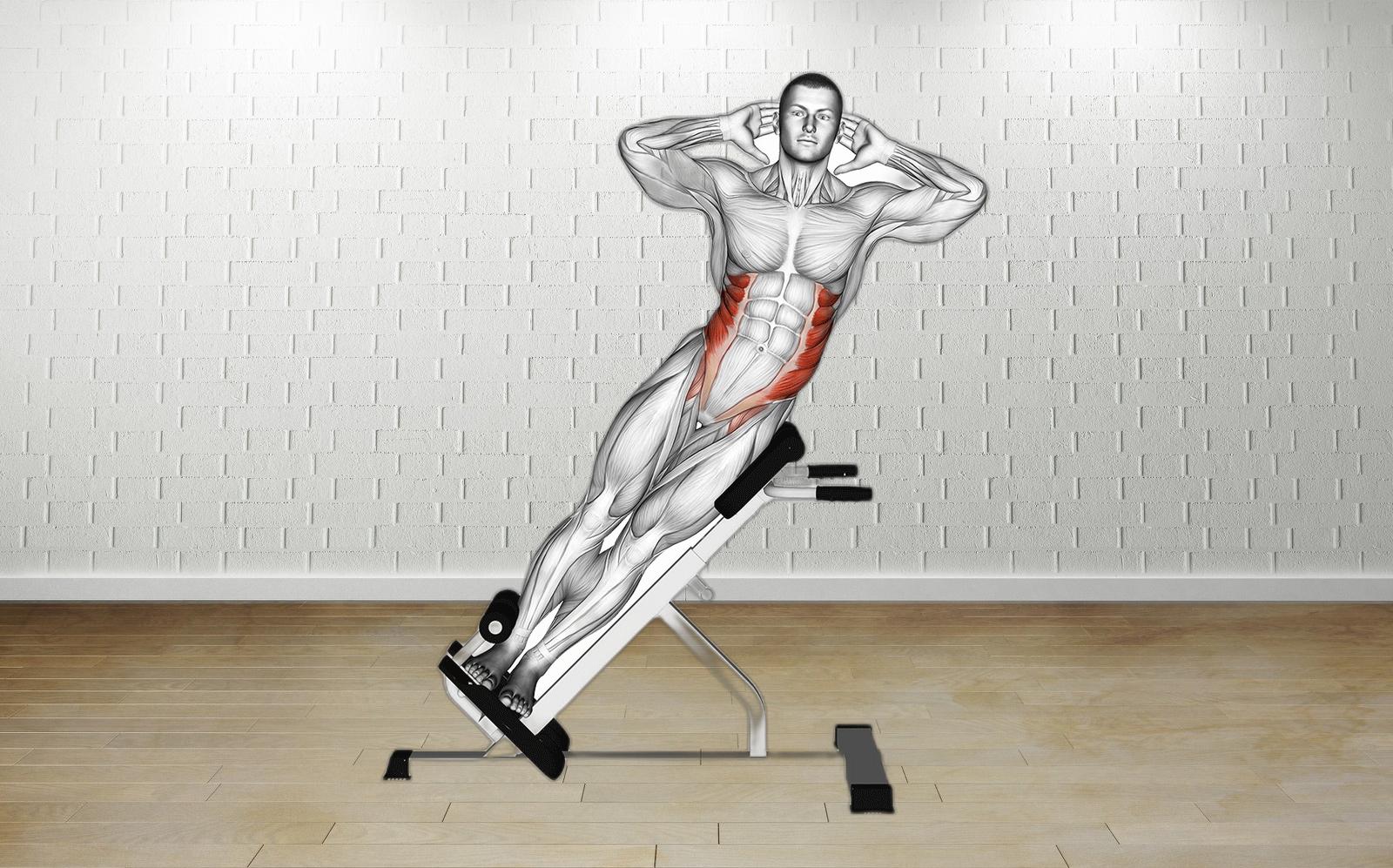
The 45° Side Bend is a powerful exercise that effectively sculpts and strengthens the core, particularly targeting the oblique muscles on the sides of your abdomen. It’s a crucial addition to any fitness regimen, enhancing waist appearance while improving overall core stability, endurance, and flexibility. By strengthening the obliques, you can achieve better posture, reduced back pain, and a more toned physique.

To incorporate the 45° Side Bend into your workout routine, aim for 2-3 sessions per week. Ensure you have enough space to perform the exercise with proper form. Control your movements to avoid strain; a smooth and intentional execution is key to preventing injury. If you’re new to the exercise, start without weights or reduce the angle of your lean until you feel comfortable. For added challenge, holding a light dumbbell in the raised hand can increase resistance.

In summary, the 45° Side Bend is an accessible and effective way to enhance core strength and muscular endurance. Stay attuned to your body’s signals as you enjoy the journey toward a stronger, healthier you.

45° Side Bend Details
Basic Information
Body Part
Waist
Primary Muscles
Secondary Muscles
Equipment
Bodyweight
Exercise Characteristics
Exercise Type
Strength
Movement Pattern
Rotation
Force Type
Isotonic
Unilateral/Bilateral
Unilateral
Compound/Isolation
Isolation
Bodyweight Exercise
Yes
Training Parameters
Difficulty Level
Beginner
Target Training Goals
Flexibility
Suitable Workout Phases
Main workout
Risk Level
Low
Weight Category
Bodyweight
Recommended Rep Ranges
GoalRep Range
Strength8-12
Hypertrophy8-12
Endurance15-20
Power3-6
Muscular endurance15-20
Stability core10-15
Flexibility mobilityVaries

How to Do a 45° Side Bend

How to do a 45° Side Bend - Step by step Strength exercise demonstration targeting Abs, Obliques

Begin by standing upright with your feet shoulder-width apart and your arms relaxed at your sides. Engage your core muscles to stabilize your body.

Get Fitter, Faster

Level Up Your Fitness: Join our 💪 strong community in Fitness Volt Newsletter. Get daily inspiration, expert-backed workouts, nutrition tips, the latest in strength sports, and the support you need to reach your goals. Subscribe for free!

  1. Slowly raise your right arm overhead, keeping it straight while your left arm remains at your side.
  2. Lean your torso to the left at a 45° angle, feeling the stretch along your right side.
  3. Hold the position for a moment, then return to the starting position by straightening your torso and lowering your right arm.
  4. Repeat the movement on the opposite side by raising your left arm overhead and leaning to the right.
  5. Continue alternating sides for the desired number of repetitions.

Inhale as you raise your arm and exhale as you lean to the side, maintaining a smooth breathing rhythm throughout the exercise.</

Common Mistakes in the 45° Side Bend

  • Leaning too far: Many people overextend their lean, which can strain the back. To avoid this, focus on maintaining a controlled 45° angle and feeling the stretch without pushing beyond your limit.
  • Neglecting core engagement: Failing to engage the core can lead to poor form and ineffective work on the abs. Ensure you actively tighten your core muscles throughout the movement for optimal stability and effectiveness.
  • Incorrect arm positioning: Raising the arm too far back or not straight can throw off balance. Keep your raised arm aligned with your ear, directly overhead, to maintain proper form and alignment.
  • Holding breath: Holding the breath can lead to tension in the body and reduce effectiveness. Practice a smooth breathing rhythm, inhaling as you raise your arm and exhaling during the side bend to enhance stability and relaxation.
  • Rushing the movements: Performing the exercise too quickly can compromise form and limit benefits. Focus on slow, controlled movements to engage the muscles adequately and promote better results.

Benefits of the 45° Side Bend

  • Core Strengthening: This exercise effectively targets the oblique muscles, crucial for a strong core and improved stability.
  • Improved Flexibility: The 45° Side Bend enhances lateral flexibility by stretching the muscles along the sides of the torso.
  • Posture Enhancement: Regular practice promotes better posture by strengthening the muscles that support the spine.
  • Enhanced Body Awareness: This movement increases proprioception, helping you to better understand your body’s positioning.
  • Fat Reduction: Engaging in this exercise contributes to overall fat loss when combined with a balanced diet and other physical activities.

Exercise Variations

  • Side Crunches
    Level: Intermediate
    Targets: Obliques, Rectus Abdominis, Transverse abdominis, Erector Spinae, Hip Flexors, Quadratus lumborum
    Equipment: Exercise Mat | Movement: Rotation | Type: Strength | Force Type: Concentric | Isolation
  • Lying Bent-Knee Oblique Twist
    Level: Intermediate
    Targets: Hip Flexors, Obliques, Rectus Abdominis, Transverse abdominis, Erector Spinae, Quadratus lumborum
    Equipment: Exercise Mat, Optional Weight (Like A Medicine Ball Or Dumbbell) | Movement: Rotation | Type: Strength | Force Type: Isometric | Isolation
  • Heel Touches
    Level: Intermediate
    Targets: Obliques, Rectus Abdominis, Transverse abdominis, Erector Spinae, Hip Flexors
    Equipment: None | Movement: Rotation | Type: Strength | Force Type: Isotonic | Isolation
  • Dumbbell Around the World Exercise
    Level: Intermediate
    Targets: Chest, Core, Deltoids, Shoulders, Triceps, Upper Back, Core Muscles, Pectorals, Rhomboids, Serratus Anterior, Trapezius
    Equipment: Dumbbells | Movement: Rotation | Type: Strength | Force Type: Isotonic | Compound
  • Kettlebell Windmill
    Level: Intermediate
    Targets: Deltoids, Erector Spinae, Gluteus Maximus, Hamstrings, Latissimus Dorsi, Obliques, Quadriceps, Transverse abdominis, Adductors, Gluteus Medius, Quadratus lumborum, Shoulder Stabilizers
    Equipment: Kettlebell | Movement: Rotation | Type: Strength | Force Type: Isometric | Compound
  • Kettlebell Bent Press
    Level: Intermediate
    Targets: Deltoids, Erector Spinae, Latissimus Dorsi, Obliques, Quadratus lumborum, Trapezius, Triceps, Gluteus Maximus, Serratus Anterior
    Equipment: Kettlebell | Movement: Rotation | Type: Strength | Force Type: Concentric | Compound
  • Oblique Crunches
    Level: Intermediate
    Targets: Obliques, Rectus Abdominis, Transverse abdominis, Erector Spinae, Hip Flexors, Quadratus lumborum
    Equipment: Mat | Movement: Rotation | Type: Strength | Force Type: Concentric | Isolation
  • Cross-Body Crunch
    Level: Intermediate
    Targets: Hip Flexors, Obliques, Rectus Abdominis, Transverse abdominis, Quadratus lumborum
    Equipment: Exercise Mat | Movement: Rotation | Type: Strength | Force Type: Concentric | Isolation
  • Cable Side Crunch
    Level: Intermediate
    Targets: Erector Spinae, Obliques, Rectus Abdominis, Transverse abdominis, Hip Flexors, Quadratus lumborum
    Equipment: Cable Machine, Ankle Strap Or Handle Attachment. | Movement: Rotation | Type: Strength | Force Type: Concentric | Isolation
  • Cable Side Bend
    Level: Intermediate
    Targets: Erector Spinae, Obliques, Rectus Abdominis, Quadratus lumborum
    Equipment: Cable Machine, Handle Attachment. | Movement: Rotation | Type: Strength | Force Type: Isotonic | Isolation

Alternative Exercises

  • Low Cable Cross-Over
    Level: Intermediate
    Targets: Pectoralis major, Triceps brachii, Rhomboids, Triceps
    Equipment: Cable Machine, Adjustable Pulleys, Handle Attachments | Movement: Pull | Type: Strength | Force Type: Isotonic | Isolation
  • Cable Overhead Triceps Extension with Rope
    Level: Intermediate
    Targets: Anconeus, Deltoids, Triceps brachii, Rhomboids, Serratus Anterior, Trapezius
    Equipment: Cable Machine, Rope Attachment. | Movement: Push | Type: Strength | Force Type: Isotonic | Isolation
  • Cable Triceps Pushdown
    Level: Intermediate
    Targets: Anconeus, Triceps brachii, Brachialis, Deltoid, Pectoralis major
    Equipment: Cable Machine, Straight Bar Attachment Or Rope Attachment. | Movement: Push | Type: Strength | Force Type: Isotonic | Isolation
  • Cable Straight Arm Pulldown
    Level: Intermediate
    Targets: Latissimus Dorsi, Posterior deltoids, Rhomboids, Teres Major, Triceps brachii, Anterior Deltoid, Core Muscles, Trapezius
    Equipment: Cable Machine, Straight Bar Attachment Or Rope Attachment. | Movement: Pull | Type: Strength | Force Type: Isotonic | Isolation
  • Cable Standing Row
    Level: Intermediate
    Targets: Biceps brachii, Latissimus Dorsi, Rear deltoids, Rhomboids, Teres Major, Trapezius, Infraspinatus, Teres Minor
    Equipment: Cable Machine, Handle Attachment. | Movement: Pull | Type: Strength | Force Type: Isotonic | Compound
  • Cable Shoulder Press
    Level: Intermediate
    Targets: Deltoids, Serratus Anterior, Triceps, Upper Pectorals, Deltoid Anterior, Pectoralis major, Rhomboids, Supraspinatus, Trapezius, Triceps brachii
    Equipment: Cable Machine, Adjustable Bench, Cable Handles. | Movement: Push | Type: Strength | Force Type: Concentric | Compound
  • Wall Sit Exercise
    Level: Intermediate
    Targets: Calves, Core, Glutes, Hamstrings, Quadriceps, Abdominals, Erector Spinae, Gastrocnemius, Gluteus Medius, Gluteus Minimus, Hip Flexors, Quadratus lumborum, Soleus
    Equipment: None | Movement: Squat | Type: Strength | Force Type: Isometric | Isolation
  • Cable Incline Pushdown
    Level: Intermediate
    Targets: Anconeus, Deltoids, Pectoralis major, Triceps brachii, Anterior Deltoid, Rhomboids, Serratus Anterior
    Equipment: Cable Machine, Rope Attachment Or Straight Bar Attachment. | Movement: Push | Type: Strength | Force Type: Concentric | Isolation
  • Cable Shrug
    Level: Intermediate
    Targets: Levator Scapulae, Rhomboids, Serratus Anterior, Trapezius, Deltoids, Upper Trapezius
    Equipment: Cable Machine, Cable Attachment (Such As A Straight Bar Or Rope). | Movement: Brace | Type: Strength | Force Type: Isometric | Isolation
  • Cable Side Shrug
    Level: Intermediate
    Targets: Deltoids, Levator Scapulae, Trapezius, Rhomboids, Serratus Anterior
    Equipment: Cable Machine, Cable Attachment, Weight Plates. | Movement: Brace | Type: Strength | Force Type: Isometric | Isolation

Safety Precautions for 45° Side Bend

When performing the 45° Side Bend, it’s essential to maintain proper body alignment to prevent strain. Always engage your core muscles throughout the movement. This not only stabilizes your body but also enhances the effectiveness of the exercise. Avoid leaning too far or excessively twisting your torso, as these actions can lead to injury. Instead, focus on small controlled movements to ensure a safe range of motion.

Ensure your feet are firmly planted, and your weight is evenly distributed. This balance helps in preventing falls and supports your stability as you execute the bend. If you experience any discomfort or pain, stop immediately and reassess your form. Using a mirror or an exercise partner can help you maintain correct posture and alignment during the exercise.

Lastly, consider your flexibility and strength level; if you are new to this exercise, you might want to start with shallower bends before progressing to the full 45° angle. Gradually increase the depth of your lean as your body adapts to the movement. Proper warm-up before starting will also reduce the risk of muscle strains and enhance overall performance.

Stay on top of the latest fitness news and updates by adding Fitness Volt to your Google News feed: Follow us on Google News You can also follow us on Twitter, Facebook, Instagram, and YouTube for even more content.

If you have any questions or need further clarification about this article, please leave a comment below, and Ash will get back to you as soon as possible.

Stay Updated with FitnessVolt Get the latest fitness news, workouts & nutrition tips delivered to your feed
Follow on Google News
Share This Article
Ash is a highly respected fitness expert and certified personal trainer through the American Council on Exercise (ACE). With a B.A. in biology from Rutgers and an M.S. in Exercise Science (Kinesiology) from CBU, she brings a wealth of knowledge and expertise to her work. Ash is dedicated to helping people achieve their fitness and health goals through personalized training and nutrition plans. With a passion for fitness and a deep understanding of the science behind healthy living, she is able to create effective and sustainable programs that deliver real results. Whether you're looking to lose weight, build muscle, or just feel better in your own skin, Ash is the expert you can trust to guide you on your journey to a healthier and happier life.
Leave a Comment