Back and Forth Steps: The Simple Exercise That Boosts Cardiovascular Health

Enhance Endurance and Strengthen Lower Body Coordination

Ash, ACE, MSc
By
Ash, ACE, MSc
Ash is a highly respected fitness expert and certified personal trainer through the American Council on Exercise (ACE). With a B.A. in biology from Rutgers and...
6 Min Read
How to do Back And Forth Step

Improving cardiovascular health is vital for a vibrant lifestyle, and the Back and Forth Step exercise is an effective way to achieve this. This dynamic movement elevates your heart rate while engaging multiple muscle groups, including the quadriceps, hamstrings, glutes, and calves. Additionally, it enhances balance and coordination, which are essential for everyday activities.

To incorporate the Back and Forth Step into your fitness routine, aim for sessions of 10 to 30 minutes, depending on your fitness level. This exercise can be performed in various environments, whether indoors or outdoors, requiring no specialized equipment. For added intensity, consider using hand weights or ankle weights. It’s important to maintain good posture by engaging your core and ensuring your knees do not extend past your toes during lunges. Wearing supportive footwear can also enhance stability.

By consistently including the Back and Forth Step in your workouts, you promote not only a healthier heart but also greater overall strength and balance. Stay committed to your fitness goals, and remember, every effort counts toward better cardiovascular health.

Back And Forth Step Details
Basic Information
Body Part
Cardio
Primary Muscles
Secondary Muscles
Equipment
Bodyweight
Exercise Characteristics
Exercise Type
Agility
Movement Pattern
Lunge
Force Type
Plyometric
Unilateral/Bilateral
Bilateral
Compound/Isolation
Isolation
Bodyweight Exercise
Yes
Training Parameters
Difficulty Level
Intermediate
Target Training Goals
Balance
Suitable Workout Phases
Main workout
Risk Level
Low
Weight Category
Bodyweight
Recommended Rep Ranges
GoalRep Range
Strength6-8
Hypertrophy8-12
Endurance15-20
Power3-5
Muscular endurance15-20
Stability core10-15
Flexibility mobilityVaries

How to Do a Back And Forth Step

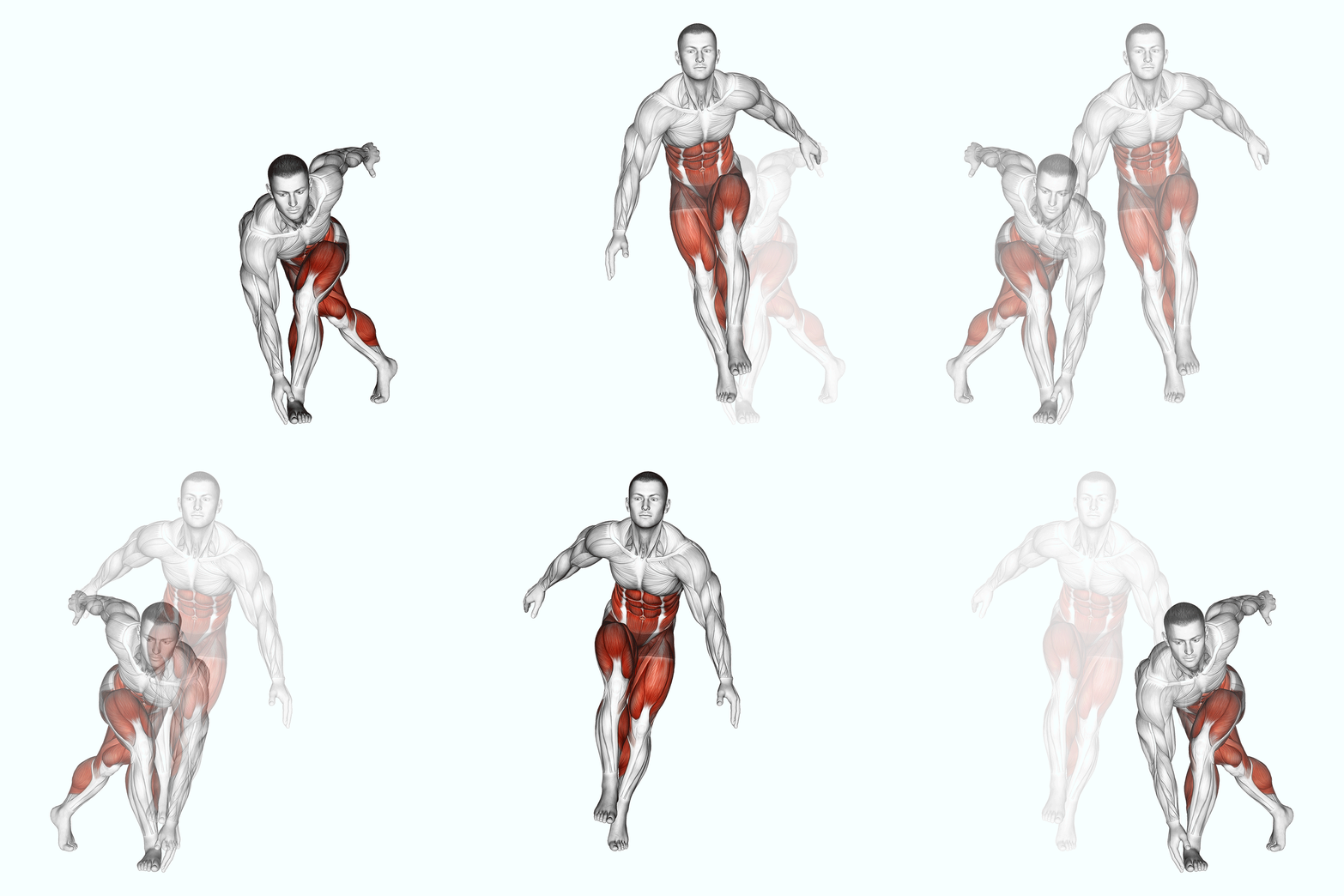
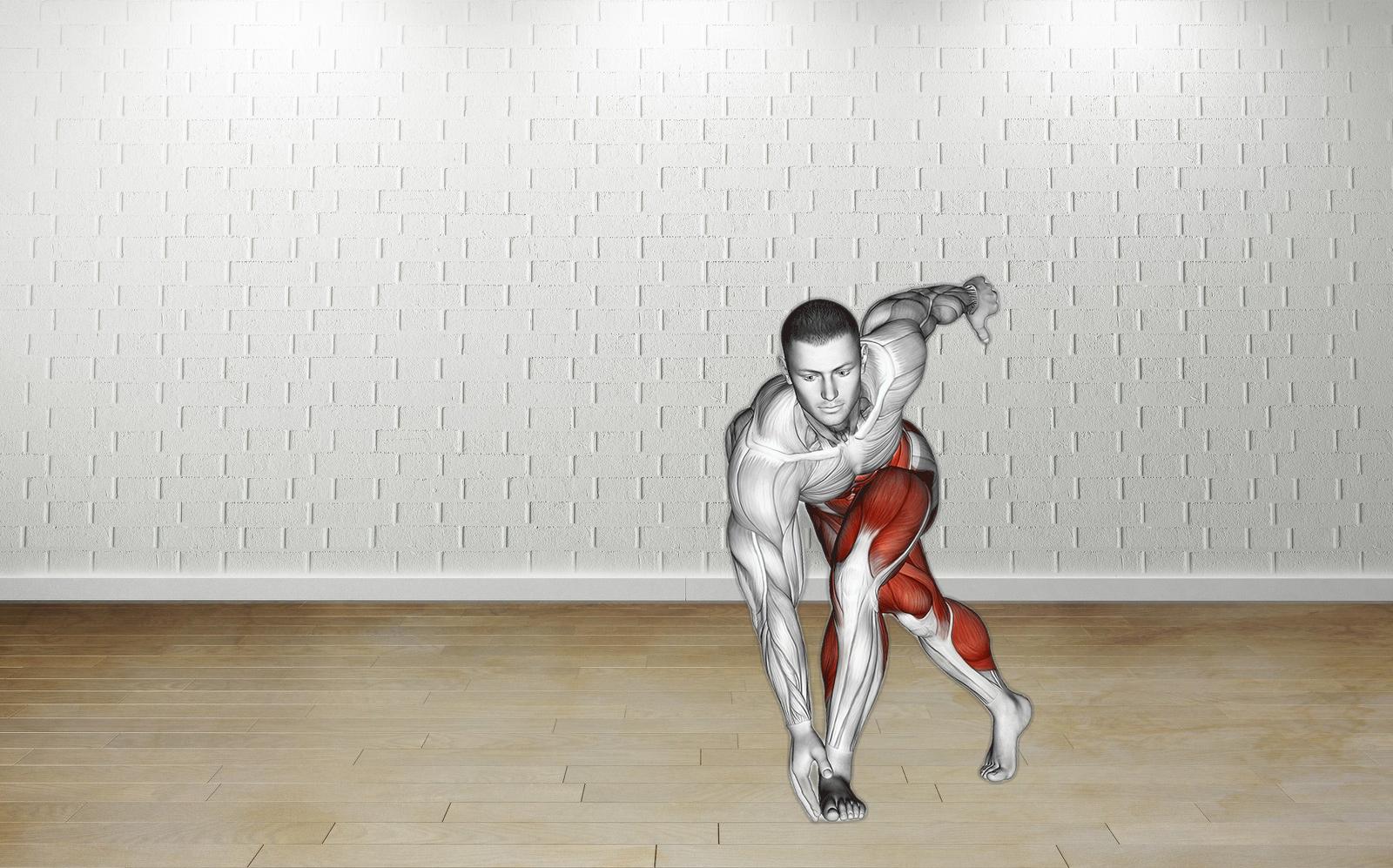
How to do a Back And Forth Step - Step by step Agility exercise demonstration targeting Cardiovascular System, Calves, Glutes, Hamstrings, Quadriceps

Begin by standing upright with your feet hip-width apart and your arms relaxed at your sides. Engage your core to maintain good posture throughout the exercise.

Get Fitter, Faster

Level Up Your Fitness: Join our đŸ’Ș strong community in Fitness Volt Newsletter. Get daily inspiration, expert-backed workouts, nutrition tips, the latest in strength sports, and the support you need to reach your goals. Subscribe for free!

  1. Step forward with your right foot, bending both knees slightly to lower your body into a lunge position.
  2. Push off your right foot and bring it back to the starting position while simultaneously stepping back with your left foot into a lunge.
  3. Return to the starting position by pushing off your left foot and bringing it back to stand upright.
  4. Continue alternating between stepping forward with the right foot and stepping back with the left foot for the desired duration.

Inhale as you step forward and exhale as you return to the starting position, maintaining a steady breathing rhythm throughout the exercise.

Common Mistakes

  • Poor Posture: Many individuals forget to engage their core and end up with a hunched back. This can lead to strain on the spine. To avoid this mistake, focus on keeping your spine aligned and your shoulders back throughout the exercise.
  • Lack of Depth in Lunges: Some may not lower their bodies enough during lunges, which reduces the exercise’s effectiveness. Ensure that both knees bend at about 90 degrees to fully engage your muscles and maximize the cardiovascular benefits.
  • Improper Breathing: Forgetting to breathe or holding your breath can impede performance and stamina. Remember to inhale as you step forward and exhale upon returning to the starting position to maintain a steady rhythm.
  • Inconsistent Pace: Jumping between speeds can lead to a loss of focus and reduced cardiovascular impact. Maintain a steady pace throughout the exercise to build endurance and keep your heart rate elevated.
  • Neglecting Warm-Up: Skipping a warm-up can lead to injuries and reduce overall performance. Always allocate time for dynamic stretches to prepare your muscles before engaging in the back and forth steps.

Benefits

  • Enhances Cardiovascular Endurance: The continuous movement of alternating lunges elevates your heart rate, improving overall heart health and stamina.
  • Builds Lower Body Strength: Engaging major muscle groups in your legs, this exercise develops strength in your quadriceps, hamstrings, and glutes.
  • Improves Balance and Coordination: The alternating steps help enhance proprioception and balance, making it easier to perform other physical activities.
  • Promotes Core Stability: Engaging your core during the exercise strengthens the abdominal muscles and enhances overall stability during movement.
  • Increases Flexibility: The dynamic movement of lunging forward and back allows for a greater range of motion in the hips, improving overall flexibility.

Exercise Variations

  • Lying Alternating Knee Raise
    Level: Intermediate
    Targets: Iliopsoas, Adductors
    Equipment: Yoga Mat, None | Movement: Lunge | Type: Strength | Force Type: Concentric | Isolation
  • Dumbbell Forward Lunge
    Level: Intermediate
    Targets: Calves, Core, Glutes, Hamstrings, Hip Flexors, Quadriceps, Erector Spinae, Gluteus Medius, Gluteus Minimus
    Equipment: Dumbbells | Movement: Lunge | Type: Strength | Force Type: Concentric | Compound
  • Cable Hip Adduction
    Level: Intermediate
    Targets: Adductor Brevis, Adductor Longus, Gracilis, Pectineus, Gluteus Maximus, Gluteus Medius, Iliopsoas, Quadratus lumborum, Sartorius, Tensor Fasciae Latae
    Equipment: Cable Machine, Ankle Strap. | Movement: Lunge | Type: Strength | Force Type: Concentric | Isolation
  • Dumbbell Step-Up
    Level: Intermediate
    Targets: Calves, Gluteus Maximus, Hamstrings, Hip Flexors, Quadriceps, Core, Glutes
    Equipment: Dumbbells, Step Or Bench. | Movement: Lunge | Type: Strength | Force Type: Concentric | Compound
  • Barbell Lunge
    Level: Intermediate
    Targets: Adductors, Calves, Gluteus Maximus, Hamstrings, Hip Flexors, Quadriceps, Core Muscles, Gluteus Medius
    Equipment: Barbell, Weight Plates, Weightlifting Belt, Exercise Mat | Movement: Lunge | Type: Strength | Force Type: Concentric | Compound
  • Side Hip Raise
    Level: Intermediate
    Targets: Gluteus Medius, Gluteus Minimus, Quadratus lumborum, Tensor Fasciae Latae, Erector Spinae
    Equipment: Exercise Mat, Resistance Band, Ankle Weights | Movement: Lunge | Type: Strength | Force Type: Concentric | Isolation
  • Dumbbell Rear Lunge
    Level: Intermediate
    Targets: Adductors, Calves, Glutes, Hamstrings, Hip Flexors, Quadriceps, Core Muscles, Gluteus Medius
    Equipment: Dumbbells | Movement: Lunge | Type: Strength | Force Type: Concentric | Compound
  • Barbell Side Lunge
    Level: Intermediate
    Targets: Adductors, Calves, Gluteus Maximus, Hamstrings, Hip Flexors, Quadriceps, Erector Spinae, Glutes
    Equipment: Barbell, Weight Plates, Gym Mat | Movement: Lunge | Type: Strength | Force Type: Concentric | Compound
  • Dumbbell Lunge
    Level: Intermediate
    Targets: Adductors, Calves, Gluteus Maximus, Hamstrings, Hip Flexors, Quadriceps, Gastrocnemius, Gluteus Medius, Gluteus Minimus, Quadratus lumborum, Tibialis anterior
    Equipment: Dumbbells | Movement: Lunge | Type: Strength | Force Type: Concentric | Compound
  • Cable Hip Abduction
    Level: Intermediate
    Targets: Gluteus Medius, Gluteus Minimus, Sartorius, Tensor Fasciae Latae, Adductor Brevis, Adductor Longus, Gluteus Maximus, Quadratus lumborum
    Equipment: Cable Machine, Ankle Strap. | Movement: Lunge | Type: Strength | Force Type: Isotonic | Isolation

Alternative Exercises

  • Rollouts
    Level: Intermediate
    Targets: Hip Flexors, Lats, Obliques, Rectus Abdominis, Shoulders, Transverse abdominis, Latissimus Dorsi, Serratus Anterior, Triceps
    Equipment: Ab Wheel, Exercise Mat | Movement: Locomotion | Type: Agility | Force Type: Isometric | Compound
  • Low Cable Cross-Over
    Level: Intermediate
    Targets: Pectoralis major, Triceps brachii, Rhomboids, Triceps
    Equipment: Cable Machine, Adjustable Pulleys, Handle Attachments | Movement: Pull | Type: Strength | Force Type: Isotonic | Isolation
  • Standing Dumbbell One-Leg Calf Raise
    Level: Intermediate
    Targets: Tibialis posterior, Flexor digitorum longus, Flexor hallucis longus, Peroneus brevis, Peroneus longus, Tibialis anterior
    Equipment: Dumbbells, Exercise Mat | Movement: Push | Type: Strength | Force Type: Concentric | Isolation
  • Tricep Dip
    Level: Intermediate
    Targets: Anterior Deltoid, Triceps brachii, Erector Spinae, Latissimus Dorsi
    Equipment: Bench, Dip Bars, Sturdy Chair, Parallel Bars | Movement: Push | Type: Strength | Force Type: Concentric | Compound
  • One-leg Hyperextension
    Level: Intermediate
    Targets: Gluteus Maximus, Multifidus
    Equipment: Bench, Ankle Weights Or Resistance Bands | Movement: Hinge | Type: Strength | Force Type: Concentric | Isolation
  • Side Plank Hip Adduction
    Level: Intermediate
    Targets: Adductors, Gluteus Medius, Transverse abdominis, Adductor muscles, Erector Spinae
    Equipment: Yoga Mat, Resistance Band, Ankle Weights | Movement: Brace | Type: Strength | Force Type: Isometric | Isolation
  • Barbell Stiff Leg Deadlift
    Level: Intermediate
    Targets: Adductors, Gluteus Maximus, Quadratus lumborum, Core, Forearms, Rhomboids, Trapezius
    Equipment: Barbell, Weight Plates, Lifting Platform Or Mat, Weightlifting Belt, Chalk | Movement: Hinge | Type: Strength | Force Type: Eccentric | Compound
  • Barbell Romanian Deadlift
    Level: Intermediate
    Targets: Calves, Quadriceps, Core, Forearms, Lower Back, Upper Back
    Equipment: Barbell, Weight Plates, Weightlifting Belt, Lifting Shoes, Chalk | Movement: Hinge | Type: Strength | Force Type: Eccentric | Compound
  • Hanging Windshield Wiper
    Level: Intermediate
    Targets: Glutes, Obliques, Transverse abdominis, Quadratus lumborum, Serratus Anterior
    Equipment: Pull-Up Bar, Exercise Mat | Movement: Rotation | Type: Mobility | Force Type: Eccentric | Isolation
  • Underhand Yates Row
    Level: Intermediate
    Targets: Latissimus Dorsi, Posterior deltoids, Teres Major, Forearm muscles, Rear deltoids
    Equipment: Barbell, Weight Plates, Weightlifting Belt, Lifting Straps, Gym Mat | Movement: Pull | Type: Strength | Force Type: Concentric | Compound

Safety Precautions

When performing the back and forth steps, it is essential to maintain proper form to prevent injuries. Ensure your knees do not extend beyond your toes during lunges, as this can strain the joints. Pay special attention to your posture; keep your back straight and your core engaged to provide stability and support. If you experience any pain or discomfort in your knees or lower back, stop the exercise immediately and assess your technique.

Furthermore, it’s crucial to perform a thorough warm-up before starting the exercise routine. This can include dynamic stretches targeting your legs, hips, and core. Warming up will increase your heart rate and improve blood flow to your muscles, reducing the risk of injuries. Additionally, always practice on a flat, stable surface to minimize the chances of slipping or falling during the exercise.

Lastly, listen to your body and allow for rest days in between intense workouts. Overtraining can lead to fatigue and predispose you to injuries. If you’re a beginner or have any pre-existing conditions, consider consulting with a fitness professional to tailor the exercise to your individual needs.

Interested in measuring your progress? Check out our strength standards for Bench Press, Squat, Deadlift, and more exercises.



If you have any questions or need further clarification about this article, please leave a comment below, and Ash will get back to you as soon as possible.

Share This Article
Ash is a highly respected fitness expert and certified personal trainer through the American Council on Exercise (ACE). With a B.A. in biology from Rutgers and an M.S. in Exercise Science (Kinesiology) from CBU, she brings a wealth of knowledge and expertise to her work. Ash is dedicated to helping people achieve their fitness and health goals through personalized training and nutrition plans. With a passion for fitness and a deep understanding of the science behind healthy living, she is able to create effective and sustainable programs that deliver real results. Whether you're looking to lose weight, build muscle, or just feel better in your own skin, Ash is the expert you can trust to guide you on your journey to a healthier and happier life.
Leave a Comment