

10 Best Cable Low Fly Alternatives for Chest Strength
The Cable Low Fly sweeps your arms together in front of your chest from a low pulley position, and most swaps happen because that low station is busy. The Cable Standing Fly is the closest one: it moves the pulleys up to chest height and still brings your arms together in front of your chest. Move the pulleys overhead instead and the Cable Crossover has you bend forward and pull the handles down and together before opening them back out to the sides until you feel the stretch in your chest.
Original Exercise: Cable Low Fly
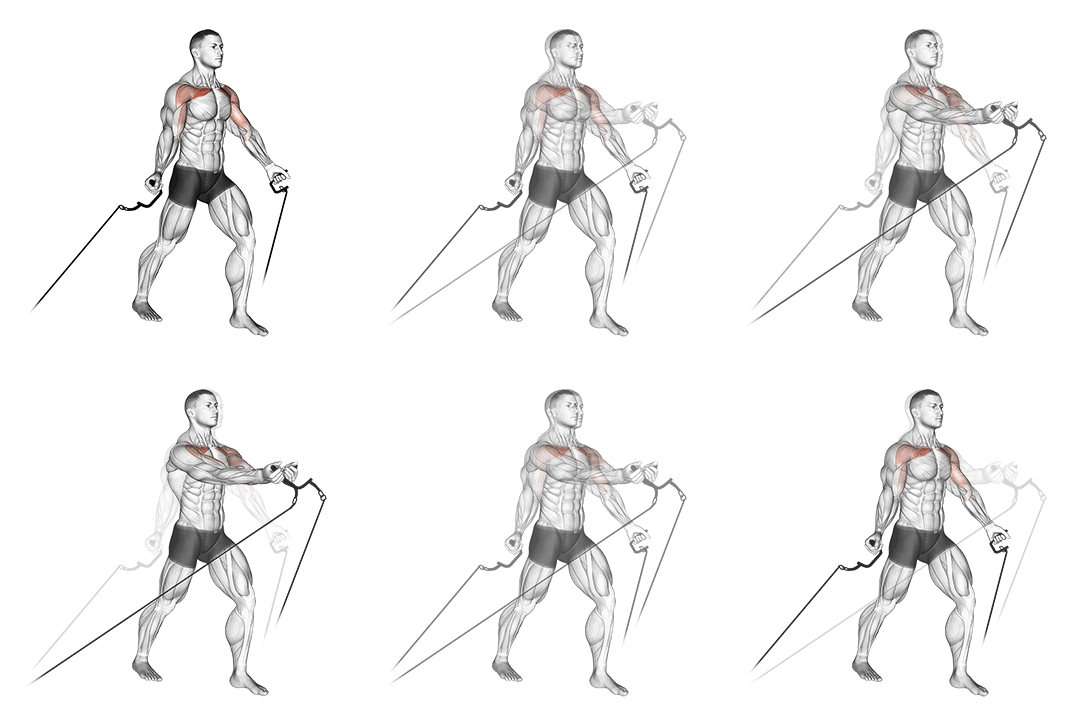
How to Perform Cable Low Fly
- Attach the handles to the low pulleys of a cable machine and select an appropriate weight.
- Stand in the middle of the machine with your feet shoulder-width apart and a slight bend in your knees.
- Grasp the handles with an overhand grip and extend your arms out to the sides, keeping a slight bend in your elbows.
- Maintaining control, slowly bring your arms forward in a sweeping motion, crossing them in front of your body.
- Pause for a moment at the peak of the movement, feeling the stretch in your chest muscles.
- Reverse the motion and slowly return your arms to the starting position, keeping tension on your chest muscles throughout.
- Repeat for the desired number of repetitions.
Ranked Cable Low Fly Alternatives
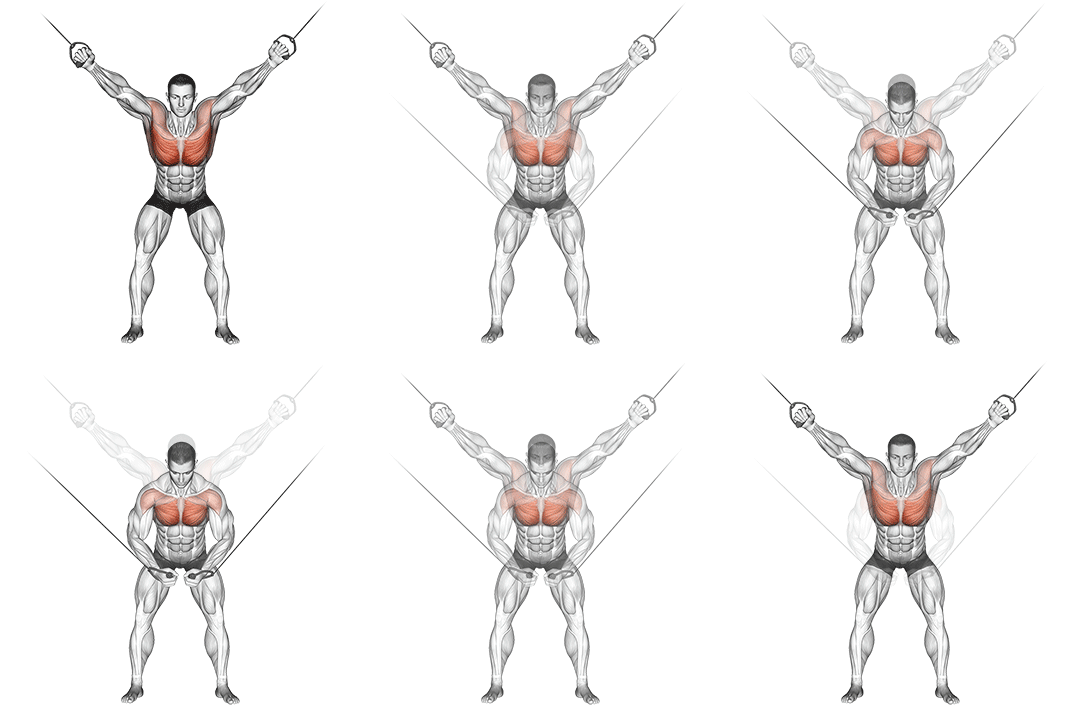
1. Cable Standing Fly
98% MatchHow to perform this exercise
- Attach the handles to the cables at chest height.
- Stand with your feet shoulder-width apart, facing away from the cable machine.
- Grasp the handles with an overhand grip, palms facing forward.
- Step forward slightly to create tension in the cables.
- Keep your core engaged and your back straight throughout the exercise.
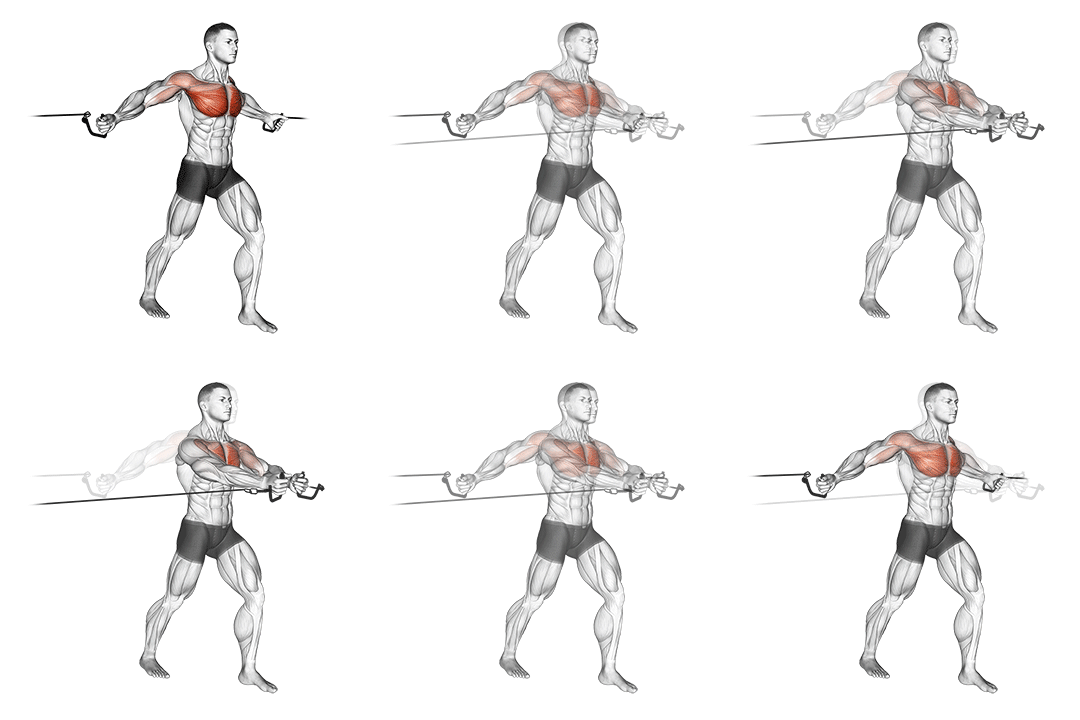
2. Cable Middle Fly
94.6% MatchHow to perform this exercise
- Attach cables to both sides of a cable machine at chest height.
- Stand in the center of the machine with one foot slightly in front of the other.
- Grasp the handles with an overhand grip and extend your arms out to the sides.
- Keep a slight bend in your elbows and maintain a slight forward lean.
- Engage your chest muscles and bring your arms forward in a sweeping motion.
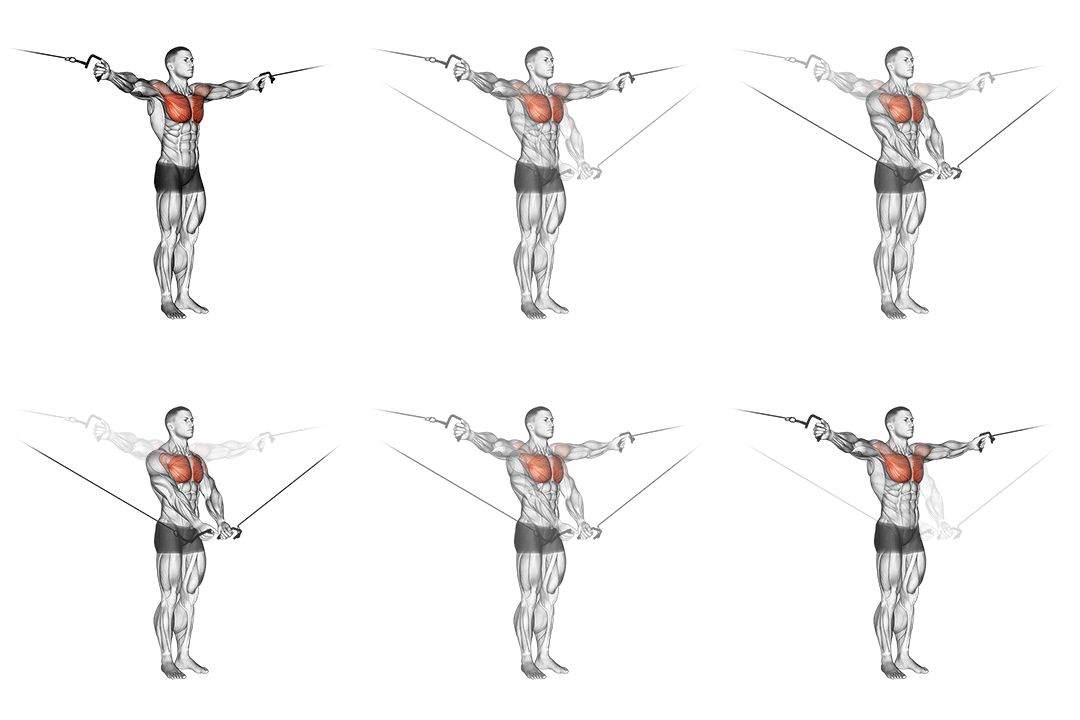
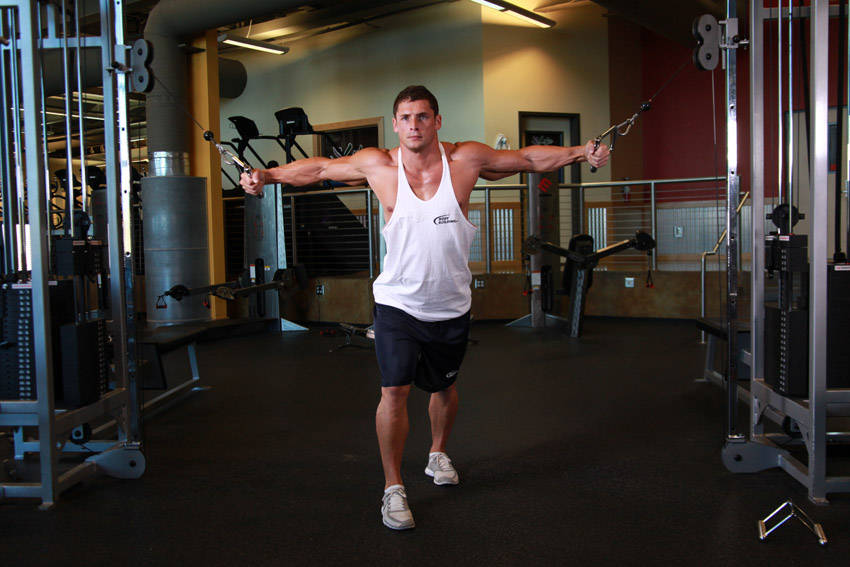
3. Cable Cross-over Variation
94.3% MatchHow to perform this exercise
- Adjust the cable pulleys to chest height.
- Stand in the center of the cable machine with one foot in front of the other.
- Grasp the handles with your palms facing down and your arms extended out to the sides.
- Take a step forward, keeping your arms slightly bent.
- With a slight bend in your elbows, bring your hands together in front of your chest.
4. Cable Crossover
94.3% MatchHow to perform this exercise
- To get yourself into the starting position, place the pulleys on a high position (above your head), select the resistance to be used and hold the pulleys in each hand.
- Step forward in front of an imaginary straight line between both pulleys while pulling your arms together in front of you. Your torso should have a small forward bend from the waist. This will be your starting position.
- With a slight bend on your elbows in order to prevent stress at the biceps tendon, extend your arms to the side (straight out at both sides) in a wide arc until you feel a stretch on your chest. Breathe in as you perform this portion of the movement. Tip: Keep in mind that throughout the movement, the arms and torso should remain stationary; the movement should only occur at the shoulder joint.
- Return your arms back to the starting position as you breathe out. Make sure to use the same arc of motion used to lower the weights.
- Hold for a second at the starting position and repeat the movement for the prescribed amount of repetitions.
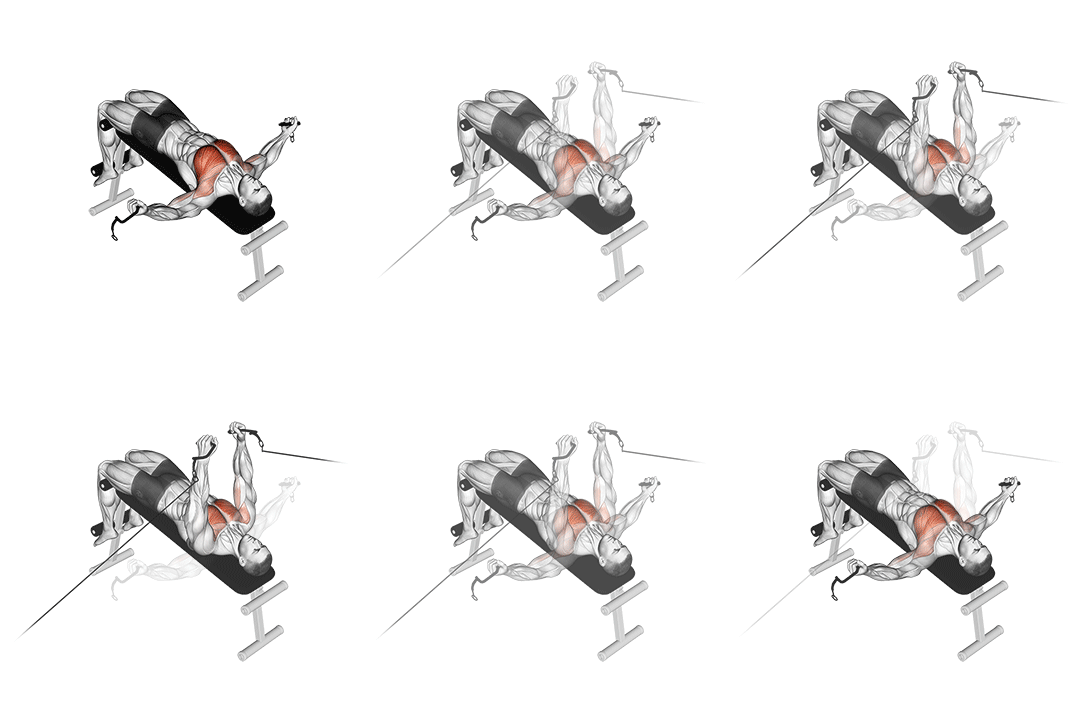
5. Cable Decline Fly
94.3% MatchHow to perform this exercise
- Adjust the cable machine to a decline position.
- Stand facing away from the machine with your feet shoulder-width apart.
- Hold the handles with your palms facing forward and your arms extended straight out in front of you.
- Keeping a slight bend in your elbows, open your arms out to the sides in a controlled motion.
- Pause for a moment at the fully extended position, then slowly return to the starting position.
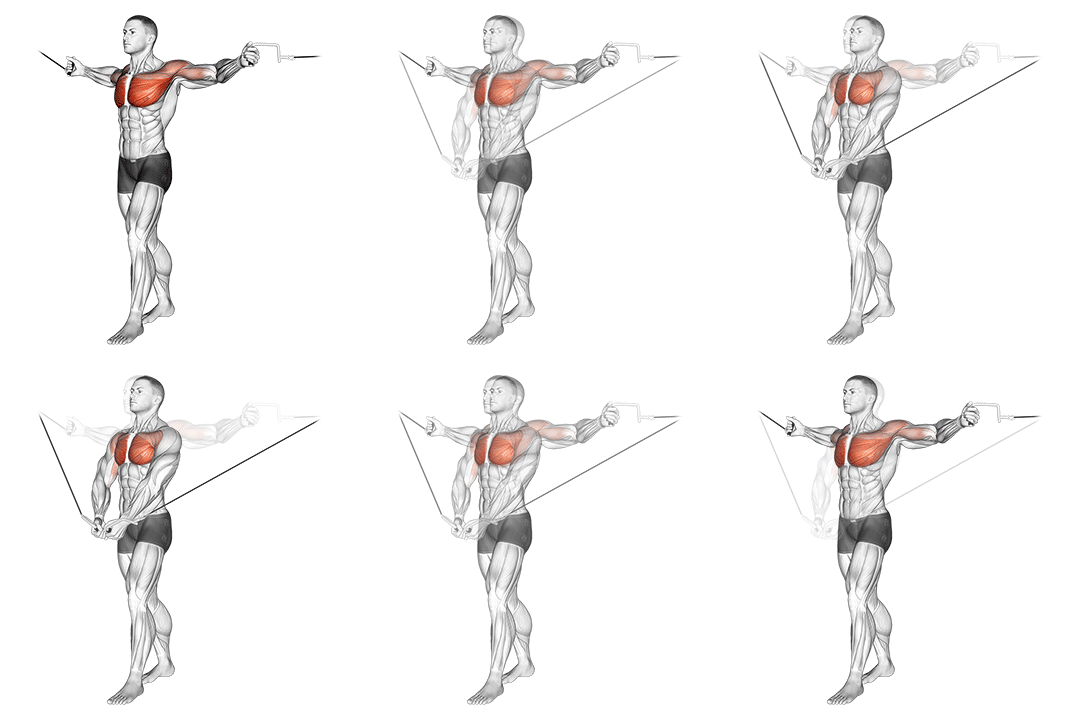
6. Cable Standing Up Straight Crossovers
94.3% MatchHow to perform this exercise
- Stand in the middle of a cable machine with your feet shoulder-width apart.
- Hold the handles of the cables with your palms facing down and your arms extended straight out to the sides.
- Keeping your arms straight, bring your hands together in front of your body, crossing them over each other.
- Pause for a moment, then slowly return to the starting position, keeping your arms extended.
- Repeat for the desired number of repetitions.
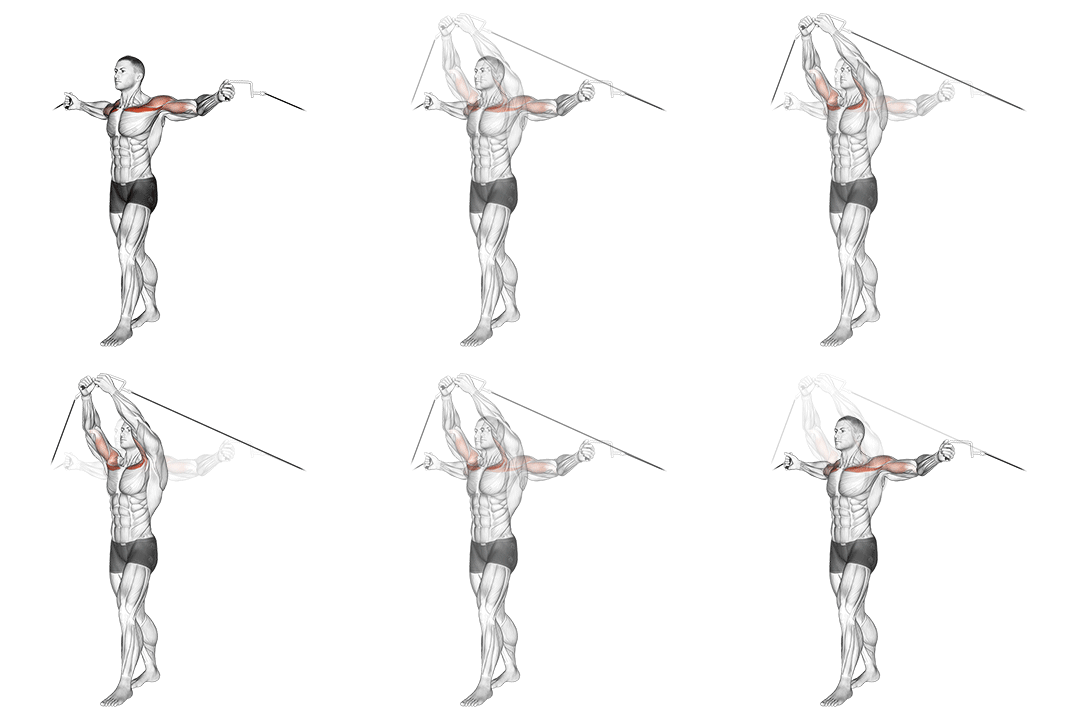
7. Cable Upper Chest Crossovers
94.3% MatchHow to perform this exercise
- Attach the handles to the cables at chest height.
- Stand in the center of the cable machine with one foot slightly in front of the other.
- Grasp the handles with your palms facing down and your arms extended out to the sides.
- Keep a slight bend in your elbows and engage your core.
- Pull the cables together in front of your chest, crossing them over each other.
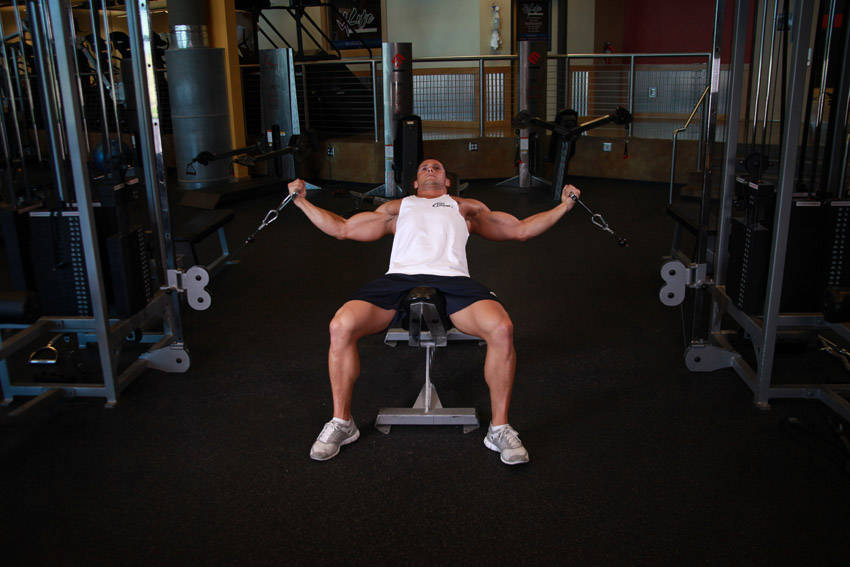
8. Incline Cable Flye
94.3% MatchHow to perform this exercise
- To get yourself into the starting position, set the pulleys at the floor level (lowest level possible on the machine that is below your torso).
- Place an incline bench (set at 45 degrees) in between the pulleys, select a weight on each one and grab a pulley on each hand.
- With a handle on each hand, lie on the incline bench and bring your hands together at arms length in front of your face. This will be your starting position.
- With a slight bend of your elbows (in order to prevent stress at the biceps tendon), lower your arms out at both sides in a wide arc until you feel a stretch on your chest. Breathe in as you perform this portion of the movement. Tip: Keep in mind that throughout the movement, the arms should remain stationary. The movement should only occur at the shoulder joint.
- Return your arms back to the starting position as you squeeze your chest muscles and exhale. Hold the contracted position for a second. Tip: Make sure to use the same arc of motion used to lower the weights.
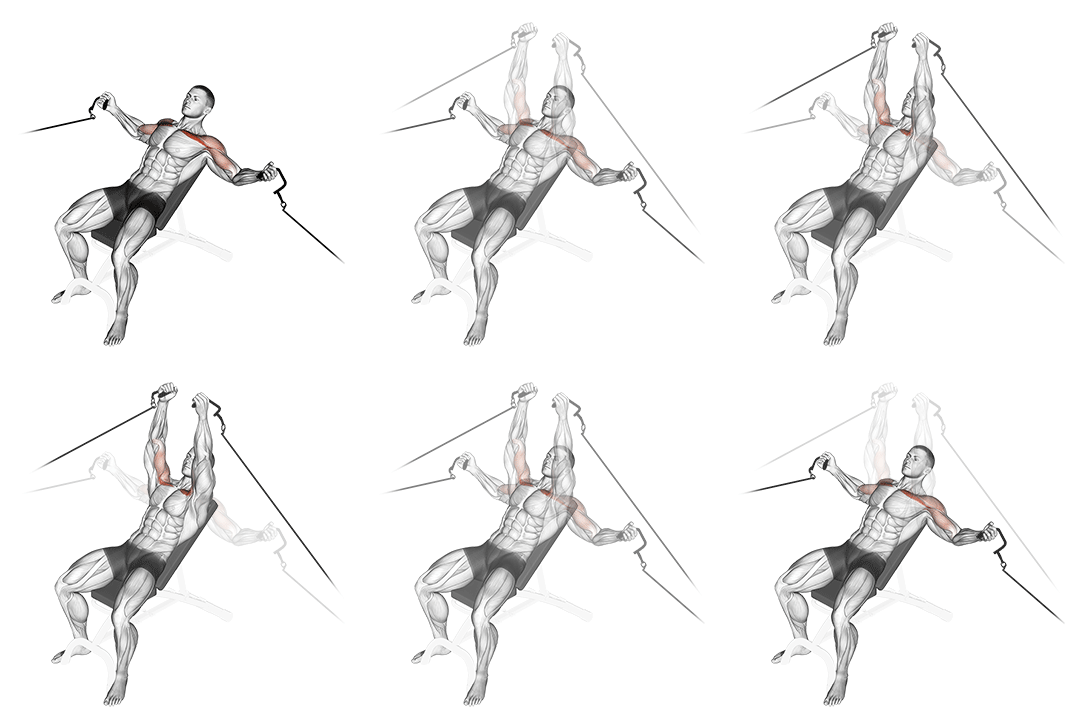
9. Cable Incline Fly
91.3% MatchHow to perform this exercise
- Adjust the cable machine to a low position and attach the handles.
- Sit on an incline bench with your back against the pad and feet flat on the floor.
- Grasp the handles with an overhand grip and extend your arms straight out in front of you.
- Keeping a slight bend in your elbows, open your arms out to the sides in a controlled motion.
- Pause for a moment at the fully extended position, then slowly return to the starting position.
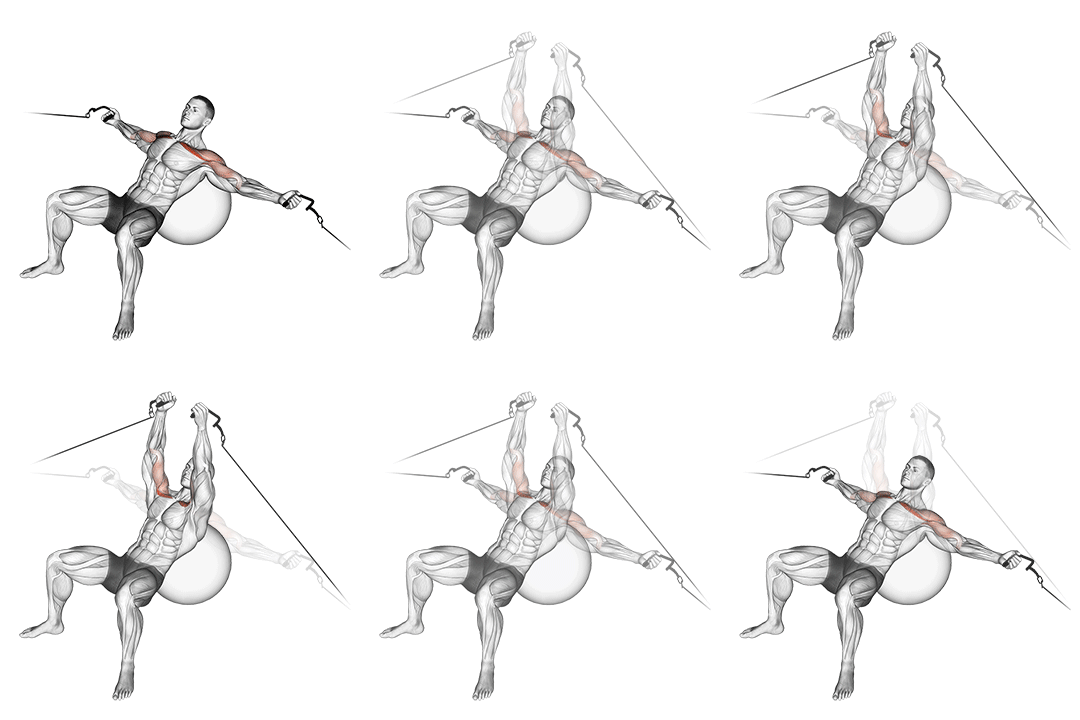
10. Cable Incline Fly (on Stability Ball)
88.4% MatchHow to perform this exercise
- Set up a stability ball at an incline angle.
- Attach the cable handles to the high pulleys of a cable machine.
- Sit on the stability ball facing away from the machine, with your feet firmly planted on the ground.
- Grasp the cable handles with an overhand grip, palms facing forward.
- Lean forward slightly, keeping your back straight and core engaged.
Why You Might Need a Cable Low Fly Alternative
The low pulley station gets busy, or someone else has both handles when you want to train chest. Every swap still comes off a cable stack, so what changes is where the pulleys sit and whether you stand between them or lie on an incline bench. The Cable Standing Fly moves the handles up to chest height, so you face away from the stack and bring your arms forward and together in front of your chest with the cable pulling from beside you rather than from below. The Cable Middle Fly keeps that chest-height setting too, so it works for the same reason. The Cable Crossover moves the pulleys overhead instead: you bend forward, pull the handles down and together in front of you, and open them back out to the sides until you feel the stretch in your chest.
How to Choose the Right Substitute
Pick the Cable Standing Fly when the low pulleys are taken: same machine, same chest work, with the handles set at chest height and your arms sweeping forward and together in front of your chest. Choose the Cable Middle Fly for the same reason, since it uses that same chest-height setting. For a different line of pull, move to the Cable Crossover: the pulleys sit overhead, you bend slightly forward from the waist, and you pull the handles down and together in front of you before opening them out to the sides until you feel the stretch in your chest. The Cable Standing Up Straight Crossovers add one more change, keeping your arms straight through the whole sweep instead of the slight elbow bend you use on the Cable Low Fly.
Frequently Asked Questions
What muscles does the Cable Low Fly train?
The Cable Low Fly works your chest: you sweep the handles forward from the low pulleys, pause to feel the stretch in your chest at the top, and return slowly while keeping tension on your chest the whole way. Every swap is a cable fly for the chest, so choose by pulley height and whether you stand between the stacks or lie back on an incline bench, not by muscle.
Why would I swap the Cable Low Fly for another cable exercise?
The low pulley station might be busy, or someone else could be using both handles when you want to train chest. Every swap still comes off a cable stack, so the machine stays the same and what changes is the pulley height and whether you stand between the stacks or lie back on an incline bench.
Which Cable Low Fly alternative uses the same pulley height?
The Incline Cable Flye and the Cable Incline Fly. Both keep the pulleys at the lowest setting the Cable Low Fly uses, but you lie back on an incline bench set between the stacks and sweep the handles together above your face instead of standing. The other standing swaps set the pulleys at chest height (Cable Standing Fly, Cable Middle Fly, Cable Cross-over Variation, Cable Upper Chest Crossovers) or overhead (Cable Crossover).
How do I make a Cable Low Fly alternative harder?
Move the pulleys overhead for the Cable Crossover, where you bend slightly forward from the waist and pull the handles down and together in front of you, then open them out to the sides until you feel the stretch in your chest. The Cable Standing Up Straight Crossovers add a further change, keeping your arms straight through the whole motion instead of the slight elbow bend you use on the Cable Low Fly.
More Exercise Alternatives
Find Alternatives for Any Exercise
Use the exercise substitution finder to compare ranked alternatives for your available equipment and training preference.
Try the Exercise Substitution Finder →