

10 Best Glute Kickback Alternatives for Home and Gym
The Glute Kickback is done kneeling. Ranked closest by our scoring: the Leg Lift, the Hip Extension With Bands and the Physioball Hip Bridge. Seven harder versions, among them the Single Leg Glute Bridge and the Single Leg Bridge With Outstretched Leg, are listed below as progressions rather than swaps.
Updated Ranked by our 12-factor similarity model How it works
Original Exercise: Glute Kickback
- Primary muscle
- Glutes
- Equipment
- Bodyweight
- Difficulty
- Beginner
- Type
- Isolation
Secondary muscles: Hamstrings
How to perform Glute Kickback
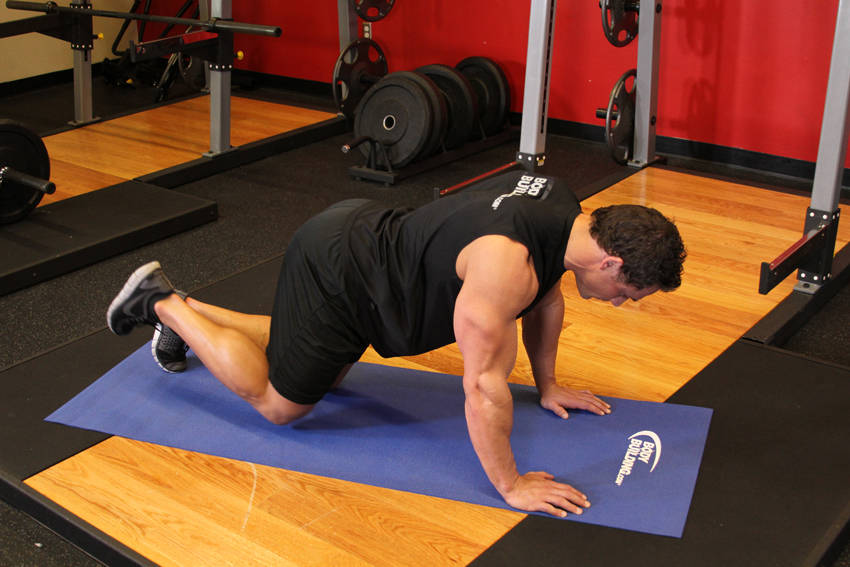
- Kneel on the floor or an exercise mat and bend at the waist with your arms extended in front of you (perpendicular to the torso) in order to get into a kneeling push-up position but with the arms spaced at shoulder width. Your head should be looking forward and the bend of the knees should create a 90-degree angle between the hamstrings and the calves. This will be your starting position.
- As you exhale, lift up your right leg until the hamstrings are in line with the back while maintaining the 90-degree angle bend. Contract the glutes throughout this movement and hold the contraction at the top for a second. Tip: At the end of the movement the upper leg should be parallel to the floor while the calf should be perpendicular to it.
- Go back to the initial position as you inhale and now repeat with the left leg.
- Continue to alternate legs until all of the recommended repetitions have been performed.
Ranked Glute Kickback Alternatives
10 substitutes, ranked by how closely each one matches the Glute Kickback on movement pattern, muscles worked, equipment and body position. The higher the score, the less you change. Open "How to perform this exercise" on a card for the steps; every card title links to that exercise's own alternatives page. Harder versions are tagged as progressions and kept out of the top spot even when they score higher.
Best match 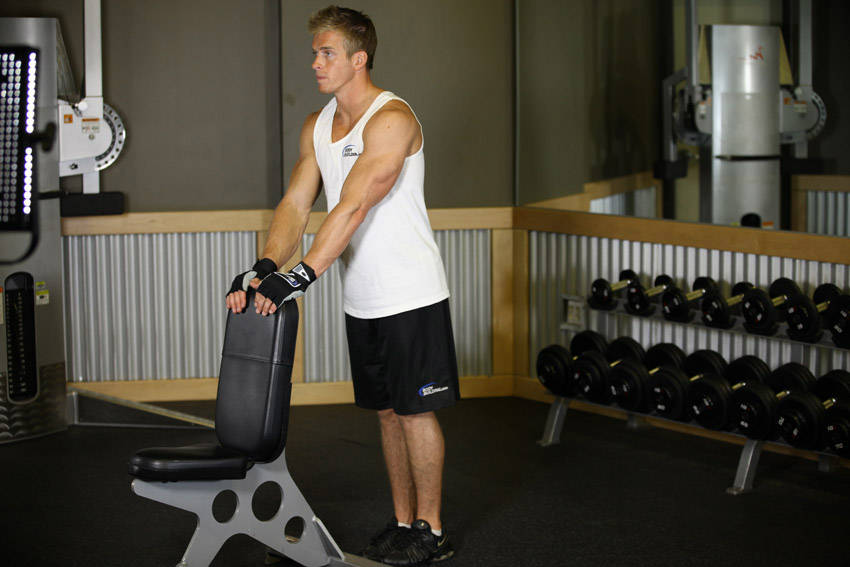
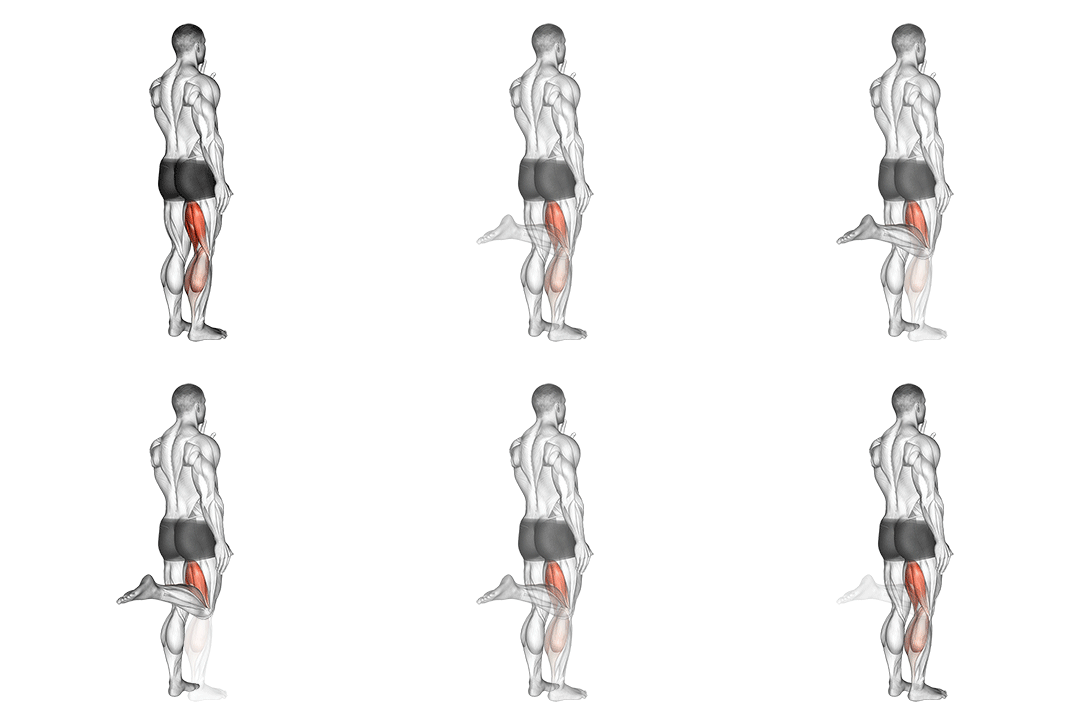
1. Leg Lift
74% match- Glutes
- Bodyweight
- Beginner
- Isolation
It uses the same equipment and still works the glutes.
How to perform this exercise
- While standing up straight with both feet next to each other at around shoulder width, grab a sturdy surface such as the sides of a squat rack or the top of a chair to brace yourself and keep balance.
- With or without an ankle weight, lift one leg behind you as if performing a leg curl but standing up while keeping the other leg straight. Breathe out as you perform this movement.
- Slowly bring the raised leg back to the floor as you breathe in.
- Repeat for the recommended amount of repetitions.
- Repeat the movement with the opposite leg.
Sets and reps: 3 sets of 8 to 12 reps on each side, and add reps before you add load.
Why this matches
- Primary muscle: glutes, the same as the Glute Kickback
- Equipment: bodyweight only, the same as the Glute Kickback
- Body position: kneeling, the same as the Glute Kickback
Progression
2. Single Leg Glute Bridge
71% match- Glutes
- Bodyweight
- Intermediate
- Isolation
Pick this when you want a harder version that still works the glutes.
How to perform this exercise
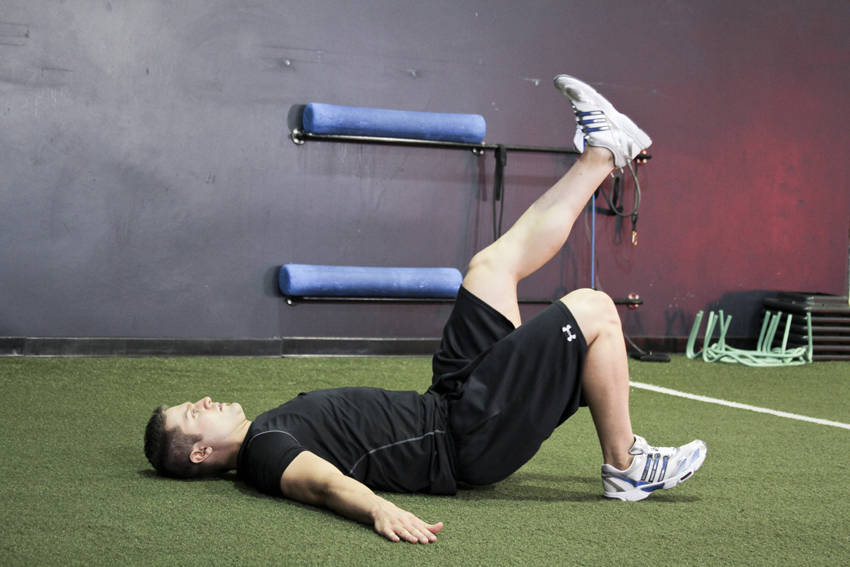
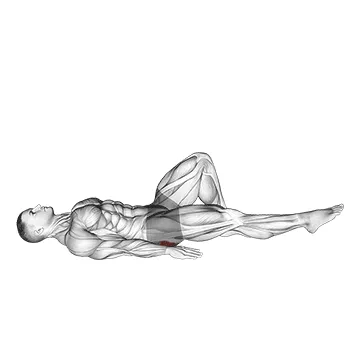
- Lay on the floor with your feet flat and knees bent.
- Raise one leg off of the ground, pulling the knee to your chest. This will be your starting position.
- Execute the movement by driving through the heel, extending your hip upward and raising your glutes off of the ground.
- Extend as far as possible, pause and then return to the starting position.
Sets and reps: 3 sets of 10 to 15 reps on each side.
Why this matches
- Primary muscle: glutes, the same as the Glute Kickback
- Equipment: bodyweight only, the same as the Glute Kickback
- Body position: lying on your back, not kneeling
Progression
- Glutes
- Bodyweight
- Intermediate
- Compound
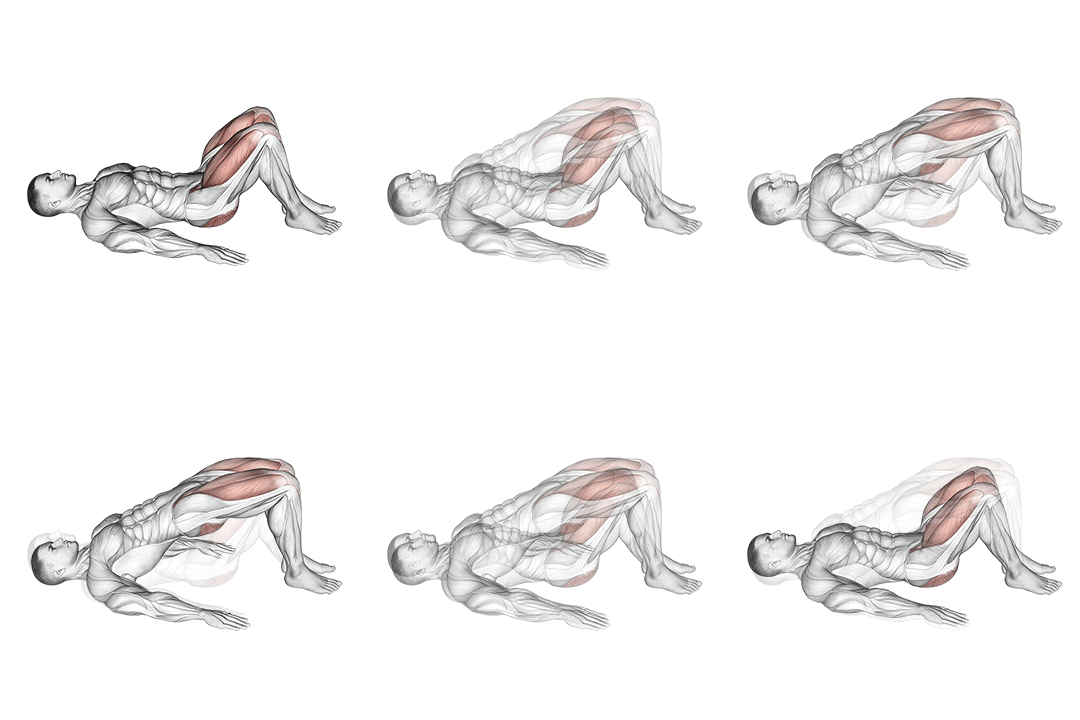
How to perform this exercise
- Lie on your back with your knees bent and feet flat on the ground.
- Extend one leg straight out in front of you.
- Engage your glutes and lift your hips off the ground, forming a straight line from your knees to your shoulders.
- Hold for a moment at the top, then slowly lower your hips back down to the starting position.
- Repeat for the desired number of repetitions, then switch legs.
Sets and reps: 3 or 4 sets of 6 to 10 reps on each side.
Why this matches
- Primary muscle: glutes, the same as the Glute Kickback
- Equipment: bodyweight only, the same as the Glute Kickback
- Body position: lying on your back, not kneeling
4. Hip Extension With Bands
61% match- Glutes
- Band
- Beginner
- Isolation
A good swap when you have a band to work with, and it still works the glutes.
How to perform this exercise
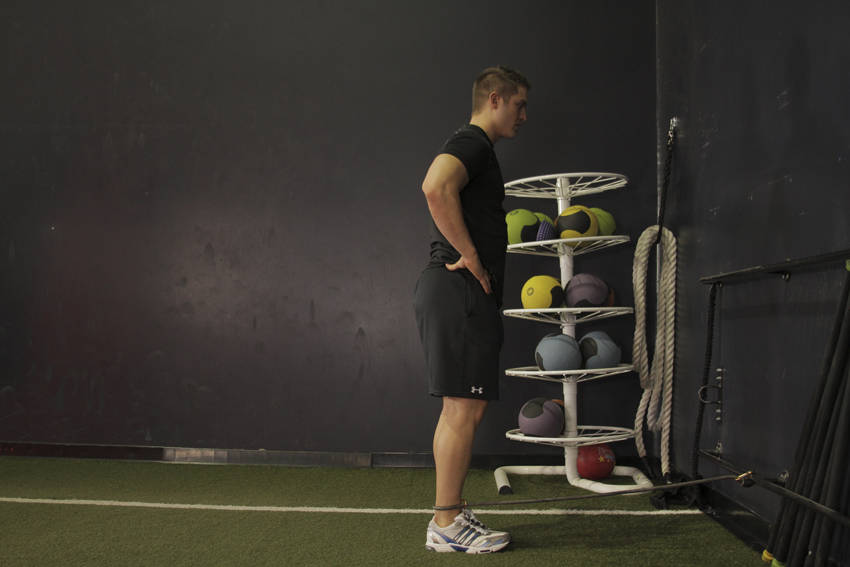
- Secure one end of the band to the lower portion of a post and attach the other to one ankle.
- Facing the attachment point of the band, hold on to the column to stabilize yourself.
- Keeping your head and your chest up, move the resisted leg back as far as you can while keeping the knee straight.
- Return the leg to the starting position.
Sets and reps: 3 sets of 10 to 15 reps on each side.
Why this matches
- Primary muscle: glutes, the same as the Glute Kickback
- Equipment: a band, not bodyweight only
- Body position: standing, not kneeling
Progression
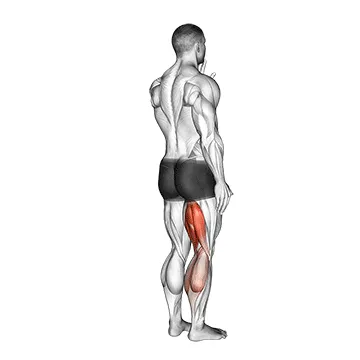
5. Standing Single Leg Curl
60% match- Hamstrings
- Bodyweight
- Intermediate
- Isolation
A looser match: it uses the same equipment, but it works the hamstrings rather than the glutes.
How to perform this exercise
- Stand with your feet hip-width apart and your hands on your hips.
- Shift your weight onto your left leg and lift your right foot off the ground, bending your knee.
- Slowly curl your right heel towards your glutes, squeezing your hamstring.
- Pause for a moment at the top, then slowly lower your right foot back down to the starting position.
- Repeat for the desired number of repetitions, then switch legs.
Sets and reps: 3 sets of 10 to 15 reps on each side.
Why this matches
- Primary muscle: hamstrings, not glutes
- Equipment: bodyweight only, the same as the Glute Kickback
- Body position: standing, not kneeling
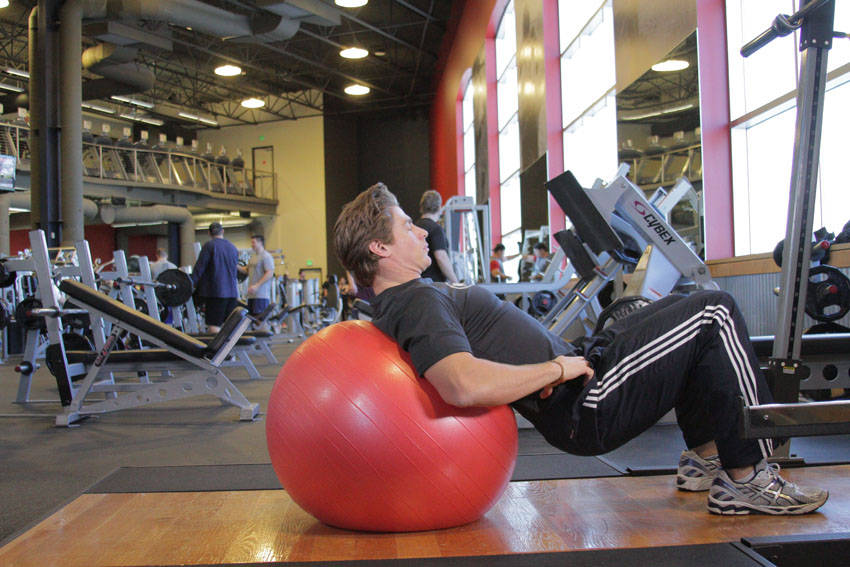
6. Physioball Hip Bridge
59% match- Glutes
- Stability-ball
- Intermediate
- Compound
A good swap when you have a stability ball to work with, and it still works the glutes.
How to perform this exercise
- Lay on a ball so that your upper back is on the ball with your hips unsupported. Both feet should be flat on the floor, hip width apart or wider. This will be your starting position.
- Begin by extending the hips using your glutes and hamstrings, raising your hips upward as you bridge.
- Pause at the top of the motion and return to the starting position.
Sets and reps: 3 or 4 sets of 6 to 10 reps.
Why this matches
- Primary muscle: glutes, the same as the Glute Kickback
- Equipment: bodyweight only, the same as the Glute Kickback
- Body position: lying on your back, not kneeling
Progression
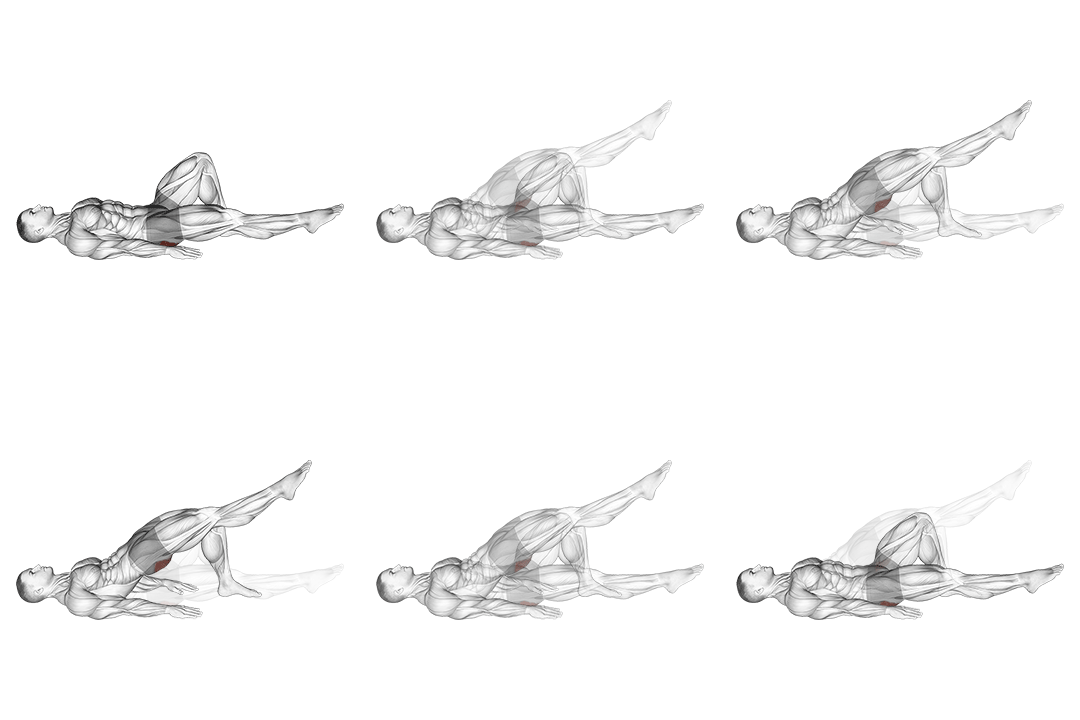
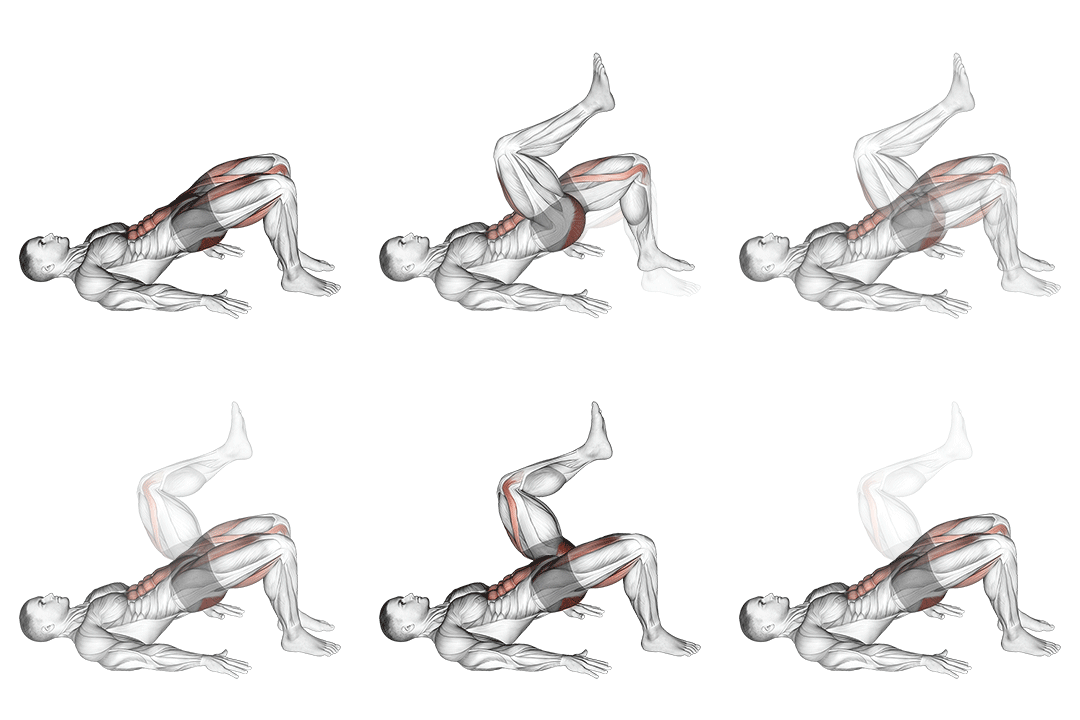
7. Glute Bridge March
59% match- Glutes
- Bodyweight
- Intermediate
- Compound
How to perform this exercise
- Lie flat on your back with your knees bent and feet flat on the ground.
- Engage your glutes and lift your hips off the ground, forming a straight line from your knees to your shoulders.
- While keeping your hips lifted, lift one foot off the ground and bring your knee towards your chest.
- Lower your foot back to the ground and repeat the movement with the other leg.
- Continue alternating legs in a marching motion while maintaining the bridge position.
- Repeat for the desired number of repetitions.
Sets and reps: 3 or 4 sets of 6 to 10 reps on each side.
Why this matches
- Primary muscle: glutes, the same as the Glute Kickback
- Equipment: bodyweight only, the same as the Glute Kickback
- Body position: lying on your back, not kneeling
Progression
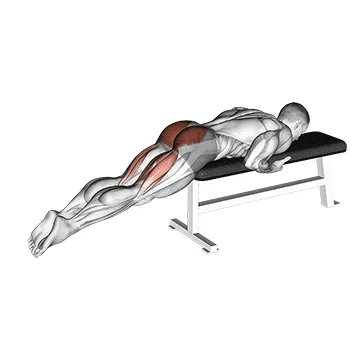
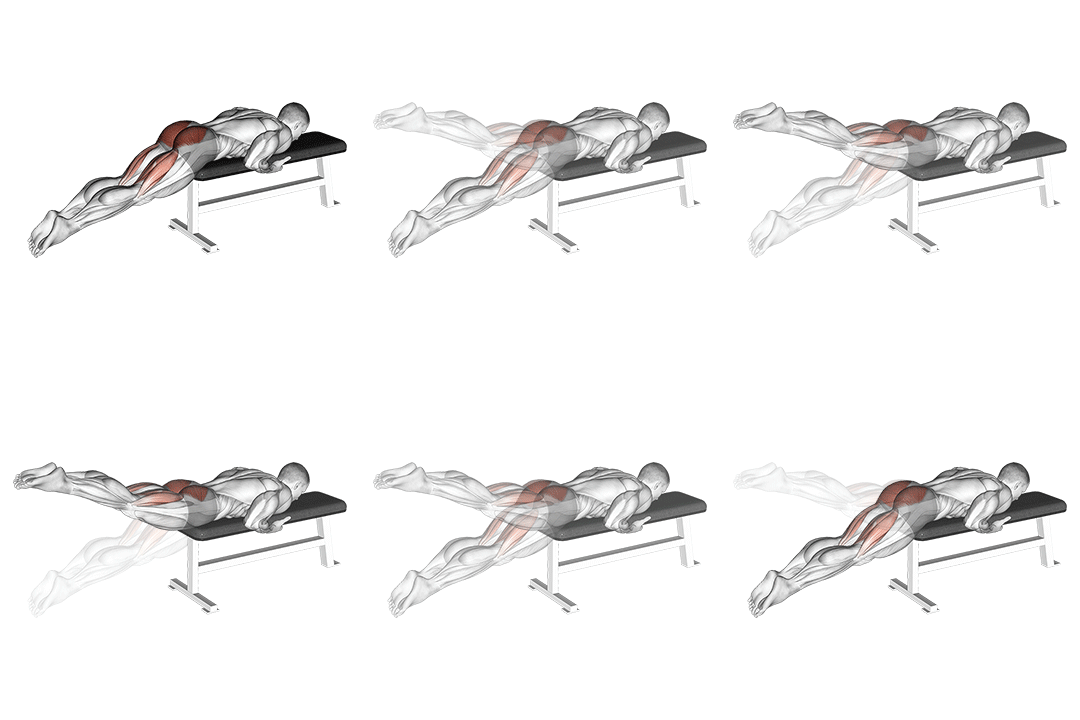
8. Reverse Hyper On Flat Bench
59% match- Glutes
- Bodyweight
- Intermediate
- Compound
How to perform this exercise
- Lie face down on a flat bench with your hips at the edge and your legs hanging off the bench.
- Hold onto the bench for stability.
- Keeping your legs straight, raise them up towards the ceiling as high as you can.
- Squeeze your glutes at the top of the movement.
- Slowly lower your legs back down to the starting position.
- Repeat for the desired number of repetitions.
Sets and reps: 3 or 4 sets of 6 to 10 reps.
Why this matches
- Primary muscle: glutes, the same as the Glute Kickback
- Equipment: bodyweight only, the same as the Glute Kickback
- Body position: lying face down, not kneeling
Progression
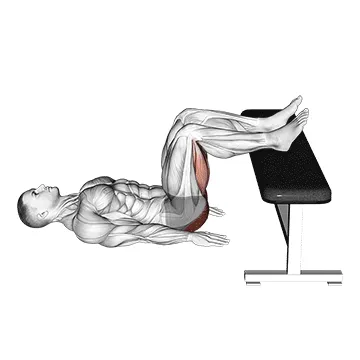
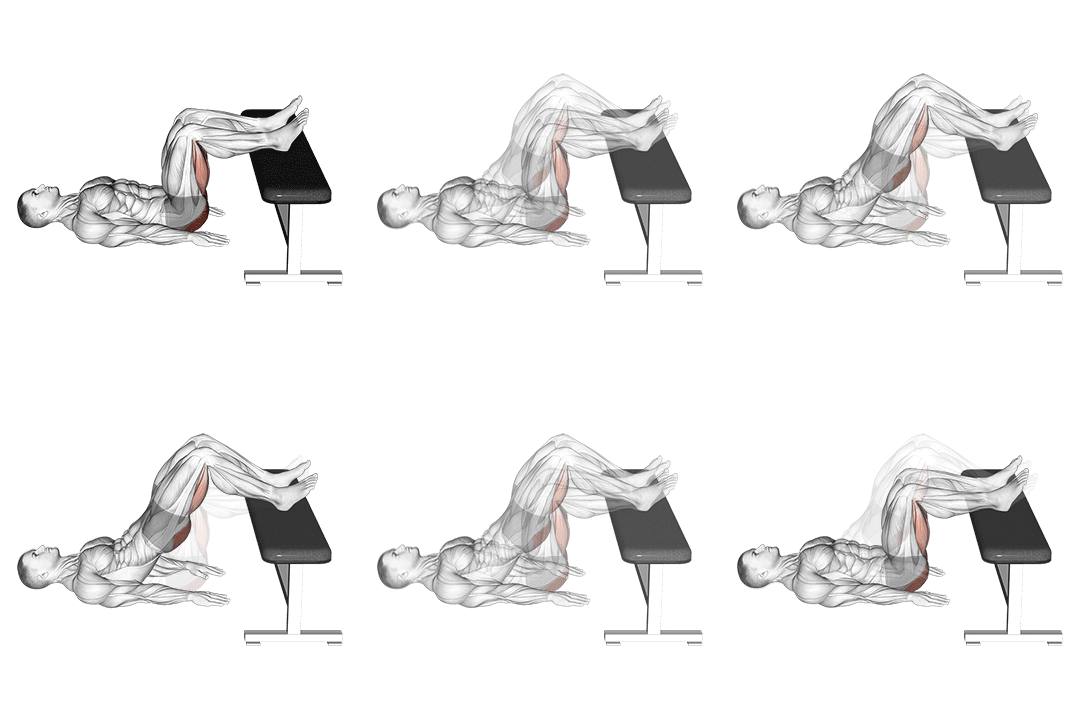
9. Glute Bridge Two Legs On Bench
58% match- Glutes
- Bodyweight
- Intermediate
- Compound
How to perform this exercise
- Sit on the edge of a bench with your back against it and your feet flat on the ground.
- Place your hands on the bench beside your hips for support.
- Engage your glutes and hamstrings, then lift your hips off the bench until your body forms a straight line from your knees to your shoulders.
- Pause for a moment at the top, then slowly lower your hips back down to the starting position.
- Repeat for the desired number of repetitions.
Sets and reps: 3 or 4 sets of 6 to 10 reps.
Why this matches
- Primary muscle: glutes, the same as the Glute Kickback
- Equipment: bodyweight only, the same as the Glute Kickback
- Body position: lying on your back, not kneeling
- Balance: easier to stay steady on than the Glute Kickback
Progression
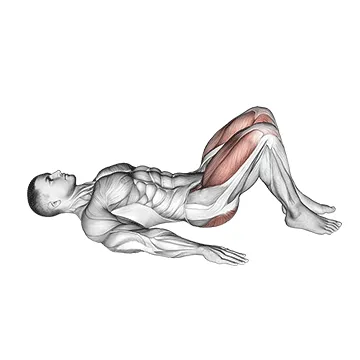
10. Rear Decline Bridge
58% match- Glutes
- Bodyweight
- Intermediate
- Compound
How to perform this exercise
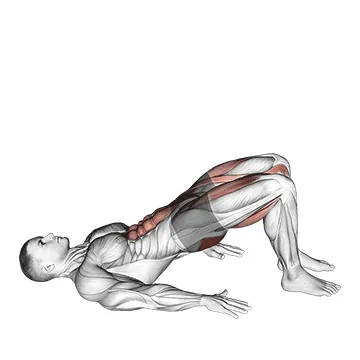
- Lie on your back with your feet flat on the ground and your knees bent.
- Place your arms by your sides with your palms facing down.
- Engage your glutes and hamstrings, and lift your hips off the ground until your body forms a straight line from your knees to your shoulders.
- Hold this position for a few seconds, then slowly lower your hips back down to the starting position.
- Repeat for the desired number of repetitions.
Sets and reps: 3 or 4 sets of 6 to 10 reps.
Why this matches
- Primary muscle: glutes, the same as the Glute Kickback
- Equipment: bodyweight only, the same as the Glute Kickback
- Body position: lying on your back, not kneeling
Why You Might Need a Glute Kickback Alternative
You might substitute glute kickbacks for several reasons: imbalance or poor single-leg stability, lower-back or hip pain when flexing the spine, lack of space, or a need for progressive overload. Compound or loaded alternatives train hip extension under higher force, increasing mechanical tension on the gluteus maximus. For rehab or beginners choose low-load options that isolate the glute medius and minimize lumbar shear. Technique cue: keep hips square and avoid lumbar extension by bracing your core and initiating movement from the hip joint so the glutes, not the low back, produce the extension.
Glute Kickback FAQ
What muscles does Glute Kickback work?
Glute kickbacks primarily target the gluteus maximus and secondarily recruit the gluteus medius and hamstrings. The movement emphasizes hip extension and posterior chain activation when you extend the hip while keeping the pelvis stable.
What is the best bodyweight alternative to Glute Kickback?
Frog pumps are the best bodyweight substitute for direct glute isolation; lie on your back, knees wide, push your hips up and squeeze the glutes at the top for full hip extension. Focus on driving through the heels and holding a one- to two-second peak contraction to maximize gluteus maximus activation.
Find Alternatives for Any Exercise
Search the exercise database and filter the ranked substitutes by the equipment you own.
Similarity scores compare exercise metadata such as movement pattern, muscles, equipment and body position. They are not a safety rating or a check that you own the equipment. Learn about our methodology