

10 Best Single-leg Hop Progression Alternatives
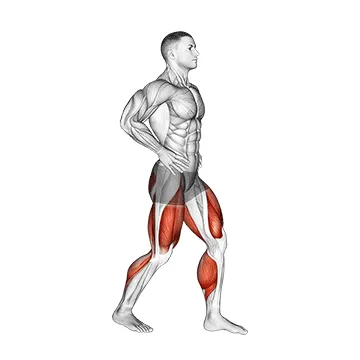
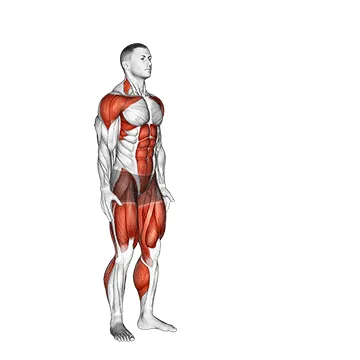
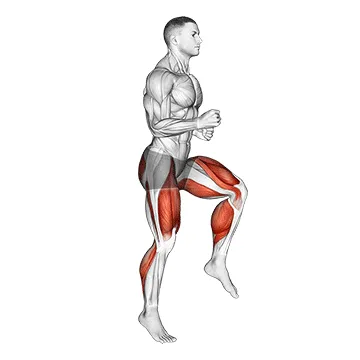
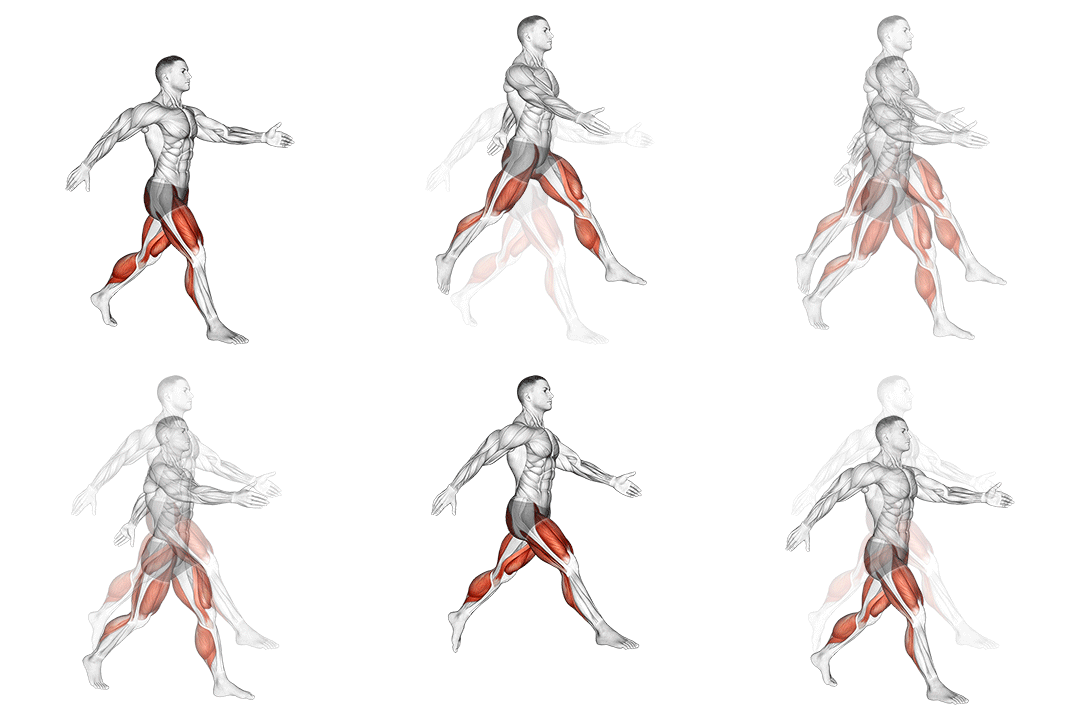
The Single-leg Hop Progression is done standing. Ranked closest by our scoring: the Side Standing Long Jump and the Single Leg Butt Kick.
Updated Ranked by our 12-factor similarity model How it works
Original Exercise: Single-leg Hop Progression
- Primary muscle
- Quadriceps
- Equipment
- Other
- Difficulty
- Advanced
- Type
- Compound
Secondary muscles: Abductors, Adductors, Calves, Hamstrings
How to perform Single-leg Hop Progression
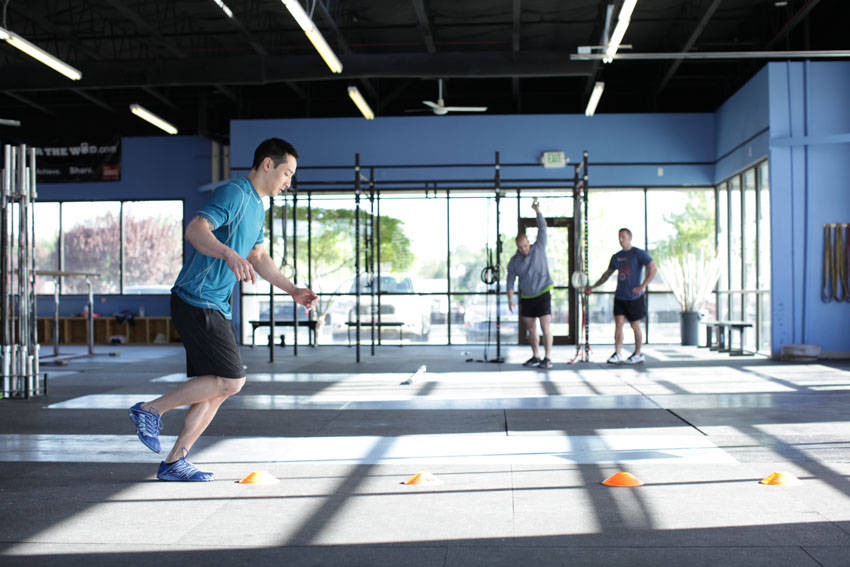
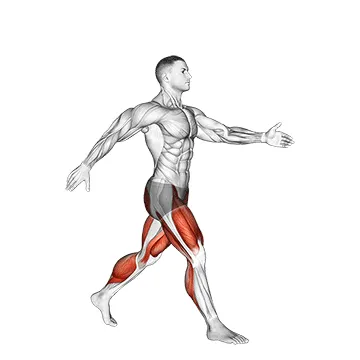
- Arrange a line of cones in front of you. Assume a relaxed standing position, balanced on one leg. Raise the knee of your opposite leg. This will be your starting position.
- Hop forward, jumping and landing with the same leg over the cone.
- Use a countermovement jump to hop from cone to cone.
- At the end, turn around and go back on the other leg.
Ranked Single-leg Hop Progression Alternatives
10 substitutes, ranked by how closely each one matches the Single-leg Hop Progression on movement pattern, muscles worked, equipment and body position. The higher the score, the less you change. Open "How to perform this exercise" on a card for the steps; every card title links to that exercise's own alternatives page.
Best match 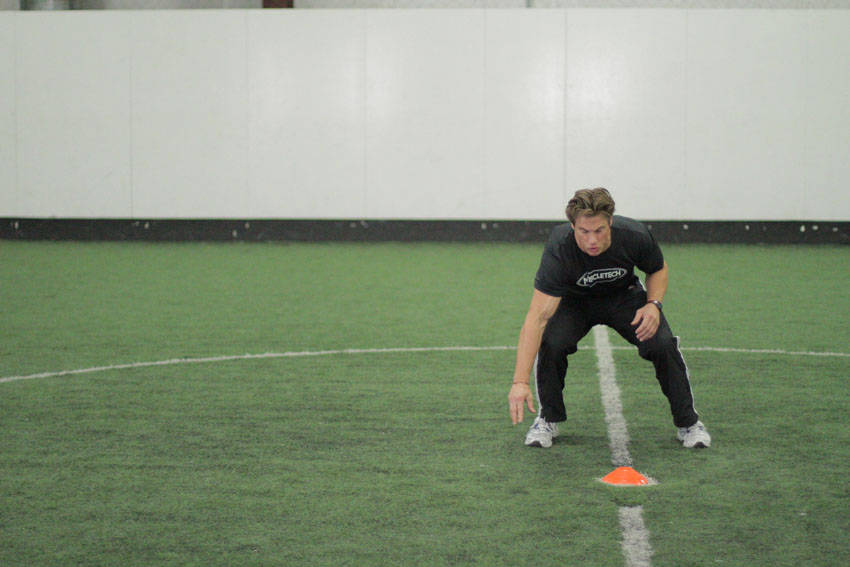
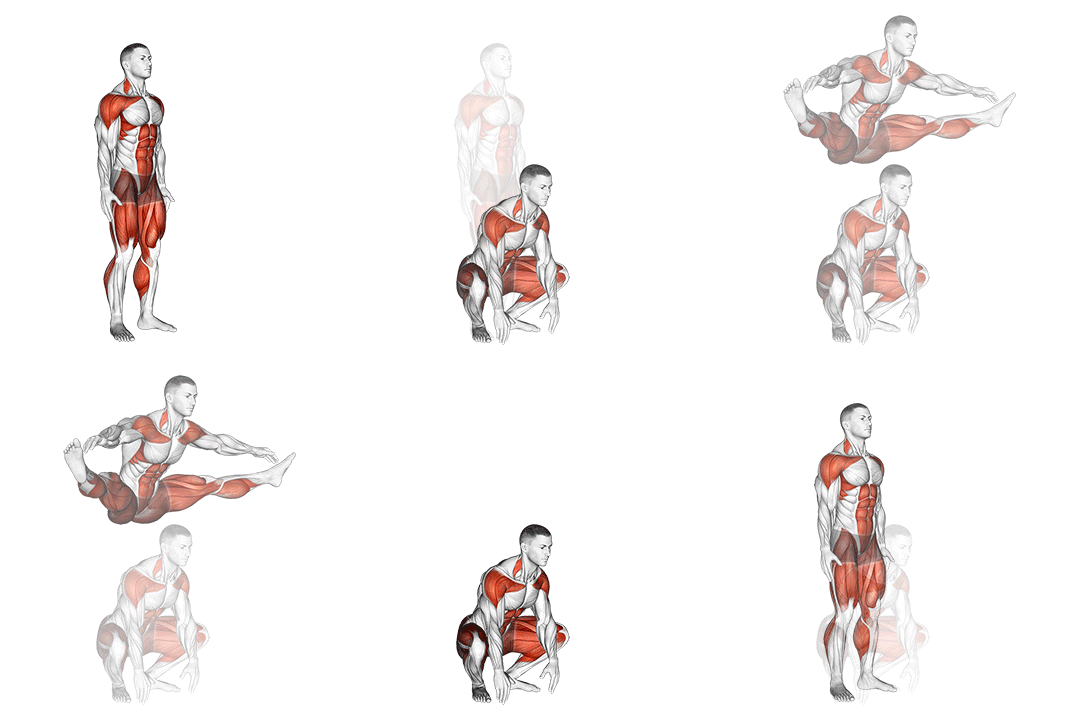
1. Side Standing Long Jump
82% match- Quadriceps
- Bodyweight
- Intermediate
- Compound
Pick this when you want an easier version that still works the quadriceps.
How to perform this exercise
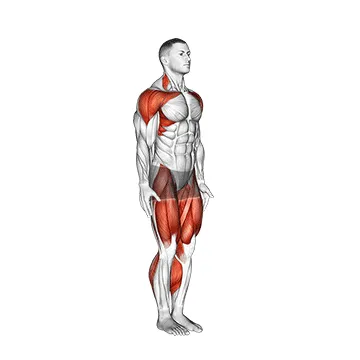
- Begin standing with your feet hip width apart in an athletic stance. Your head and chest should be up, knees and hips slightly bent. This will be your starting position.
- Leaning to your right, extend through your hips, knees, and ankles to jump into the air. Block with the arms to lead the movement, jumping as far to your right as you can.
- Land facing the same direction with your feet hip width apart, absorbing the impact through your lower body.
Sets and reps: Work for 30 to 60 seconds, rest as long as you worked, and repeat 6 to 10 times.
Why this matches
- Primary muscle: quadriceps, the same as the Single-leg Hop Progression
- Equipment: bodyweight only, the same as the Single-leg Hop Progression
- Body position: standing, the same as the Single-leg Hop Progression
- Balance: easier to stay steady on than the Single-leg Hop Progression
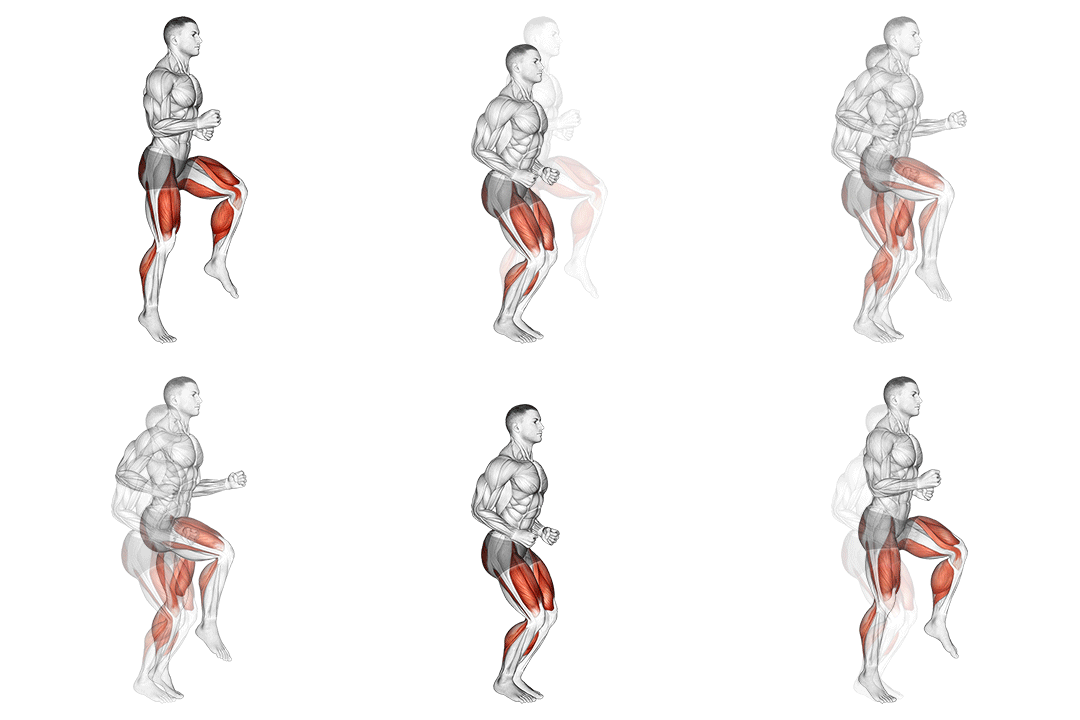
2. Single Leg Butt Kick
76% match- Quadriceps
- Bodyweight
- Beginner
- Compound
How to perform this exercise
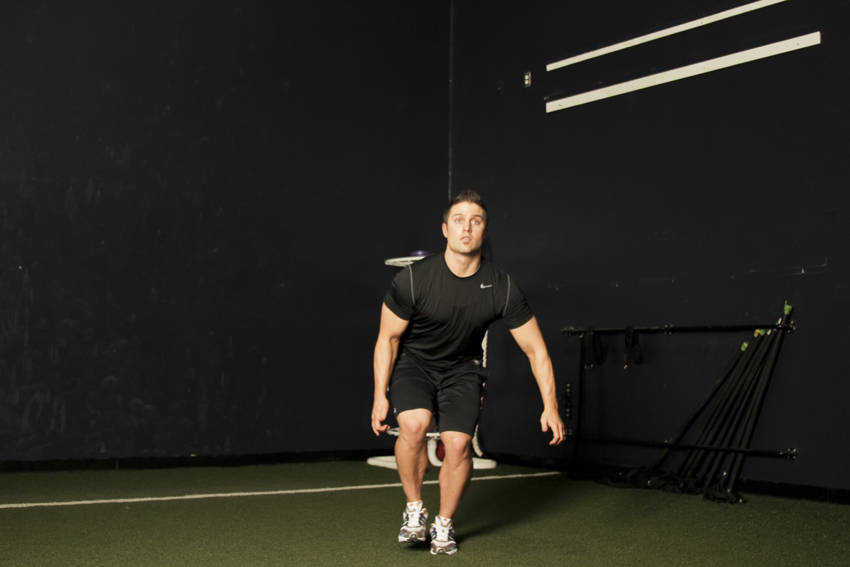
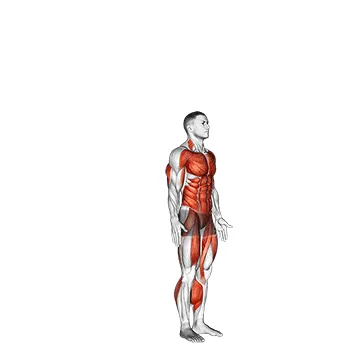
- Begin by standing on one leg, with the bent knee raised. This will be your start position.
- Using a countermovement jump, take off upward by extending the hip, knee, and ankle of the grounded leg.
- Immediately flex the knee and attempt to touch your butt with the heel of your jumping leg.
- Return the leg to a partially bent position underneath the hips and land. Your opposite leg should stay in relatively the same position throughout the drill.
Sets and reps: Work for 30 to 60 seconds, rest as long as you worked, and repeat 6 to 10 times.
Why this matches
- Primary muscle: quadriceps, the same as the Single-leg Hop Progression
- Equipment: bodyweight only, the same as the Single-leg Hop Progression
- Body position: standing, the same as the Single-leg Hop Progression
- Balance: easier to stay steady on than the Single-leg Hop Progression
3. Scissor Jumps
71% match- Cardio
- Bodyweight
- Intermediate
- Compound
A looser match: it works the heart and lungs rather than the quadriceps.
How to perform this exercise
- Stand with your feet shoulder-width apart.
- Jump off the ground and simultaneously cross your right leg in front of your left leg.
- As you land, quickly switch legs, crossing your left leg in front of your right leg.
- Continue alternating legs and jumping as quickly as possible.
- Repeat for the desired number of repetitions.
Sets and reps: Work for 30 to 60 seconds, rest as long as you worked, and repeat 6 to 10 times.
Why this matches
- Primary muscle: your heart and lungs, not quadriceps
- Equipment: bodyweight only, the same as the Single-leg Hop Progression
- Body position: standing, the same as the Single-leg Hop Progression
- Balance: easier to stay steady on than the Single-leg Hop Progression
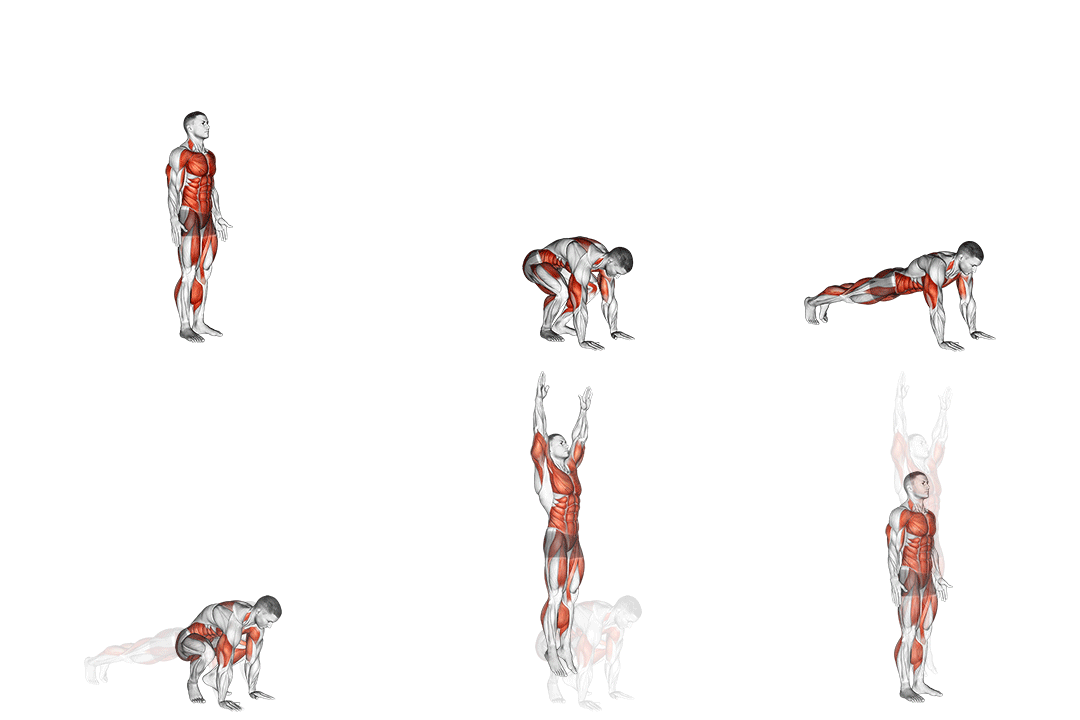
4. Burpee
71% match- Cardio
- Bodyweight
- Intermediate
- Compound
How to perform this exercise
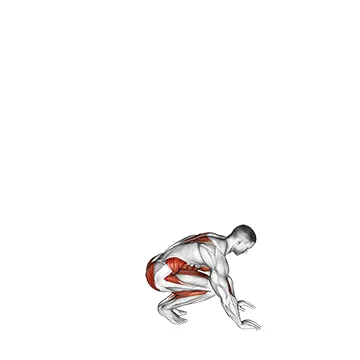
- Start in a standing position with your feet shoulder-width apart.
- Lower your body into a squat position by bending your knees and placing your hands on the floor in front of you.
- Kick your feet back into a push-up position.
- Perform a push-up, keeping your body in a straight line.
- Jump your feet back into the squat position.
- Jump up explosively, reaching your arms overhead.
- Land softly and immediately lower back into a squat position to begin the next repetition.
Sets and reps: Work for 30 to 60 seconds, rest as long as you worked, and repeat 6 to 10 times.
Why this matches
- Primary muscle: your heart and lungs, not quadriceps
- Equipment: bodyweight only, the same as the Single-leg Hop Progression
- Balance: easier to stay steady on than the Single-leg Hop Progression
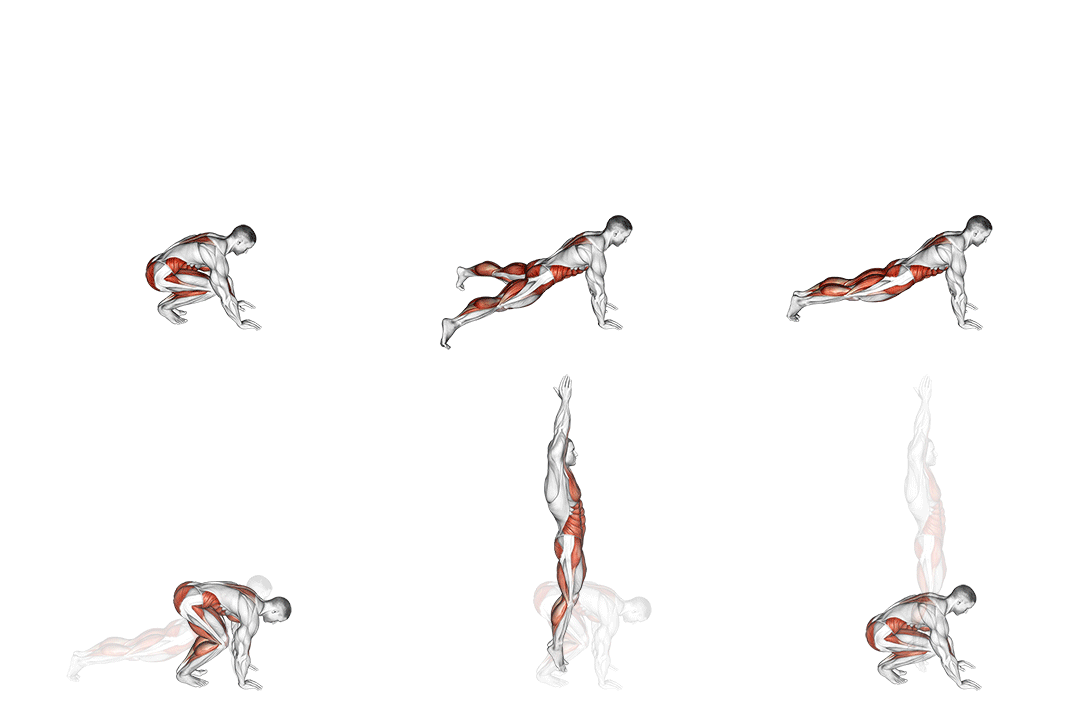
5. Jack Burpee
70% match- Cardio
- Bodyweight
- Intermediate
- Compound
A looser match: it works the cardiovascular rather than the quadriceps.
How to perform this exercise
- Start in a standing position with your feet shoulder-width apart.
- Lower your body into a squat position, placing your hands on the ground in front of you.
- Kick your feet back, landing in a push-up position.
- Perform a push-up, lowering your chest to the ground and then pushing back up.
- Jump your feet forward, landing in a squat position.
- Jump up explosively, reaching your arms overhead.
- Land softly and immediately lower back into the squat position to begin the next repetition.
Sets and reps: Work for 30 to 60 seconds, rest as long as you worked, and repeat 6 to 10 times.
Why this matches
- Primary muscle: your heart and lungs, not quadriceps
- Equipment: bodyweight only, the same as the Single-leg Hop Progression
- Body position: standing, the same as the Single-leg Hop Progression
- Balance: easier to stay steady on than the Single-leg Hop Progression
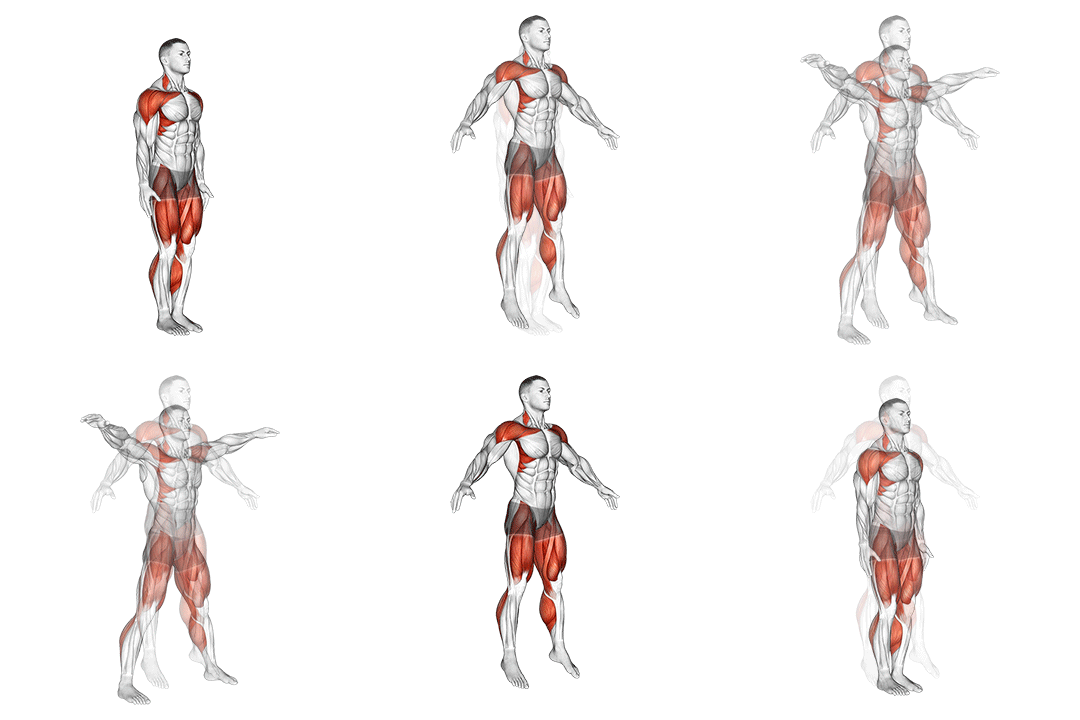
6. Astride Jumps
69% match- Cardio
- Bodyweight
- Intermediate
- Compound
How to perform this exercise
- Stand with your feet shoulder-width apart.
- Bend your knees and lower your body into a squat position.
- Jump explosively upwards, extending your legs and arms.
- While in the air, spread your legs apart and bring your arms out to the sides.
- Land softly with your feet shoulder-width apart, bending your knees to absorb the impact.
- Repeat for the desired number of repetitions.
Sets and reps: Work for 30 to 60 seconds, rest as long as you worked, and repeat 6 to 10 times.
Why this matches
- Primary muscle: your heart and lungs, not quadriceps
- Equipment: bodyweight only, the same as the Single-leg Hop Progression
- Body position: standing, the same as the Single-leg Hop Progression
- Balance: easier to stay steady on than the Single-leg Hop Progression
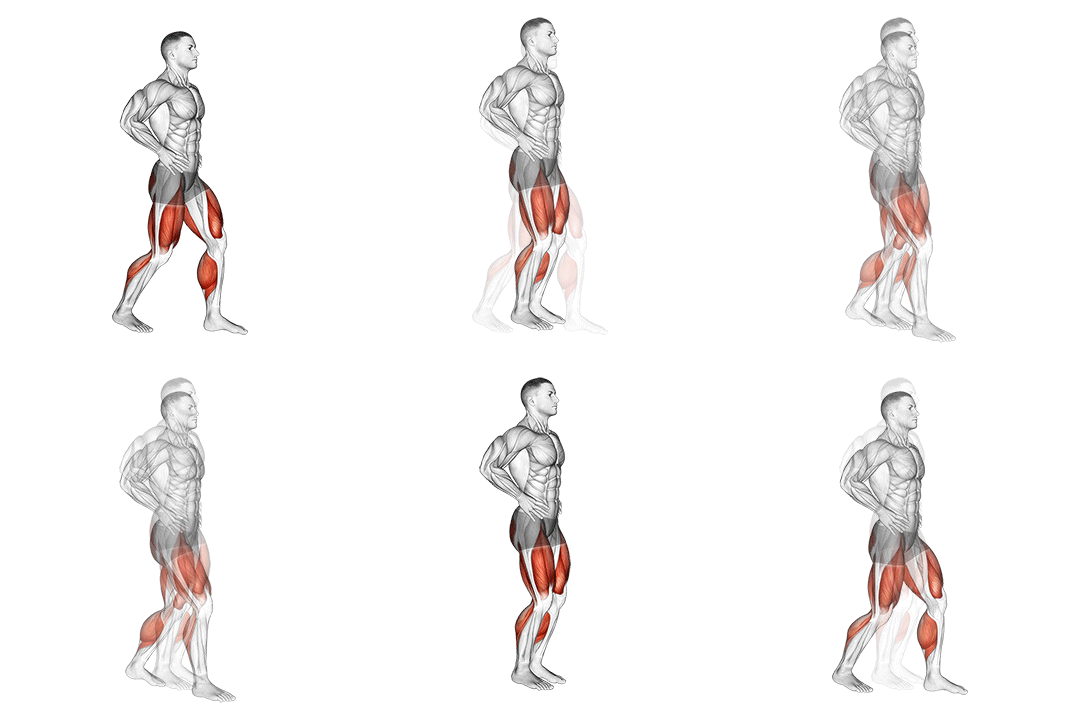
7. Ski Step
69% match- Cardio
- Bodyweight
- Beginner
- Compound
How to perform this exercise
- Stand with your feet shoulder-width apart.
- Bend your knees slightly and keep your back straight.
- Jump to the right, landing on your right foot while swinging your left leg behind your right leg.
- Immediately jump to the left, landing on your left foot while swinging your right leg behind your left leg.
- Continue alternating jumps from side to side, mimicking a skiing motion.
- Repeat for the desired number of repetitions.
Sets and reps: Work for 30 to 60 seconds, rest as long as you worked, and repeat 6 to 10 times.
Why this matches
- Primary muscle: your heart and lungs, not quadriceps
- Equipment: bodyweight only, the same as the Single-leg Hop Progression
- Body position: standing, the same as the Single-leg Hop Progression
- Balance: easier to stay steady on than the Single-leg Hop Progression
8. Star Jump
69% match- Quads
- Bodyweight
- Intermediate
- Compound
How to perform this exercise
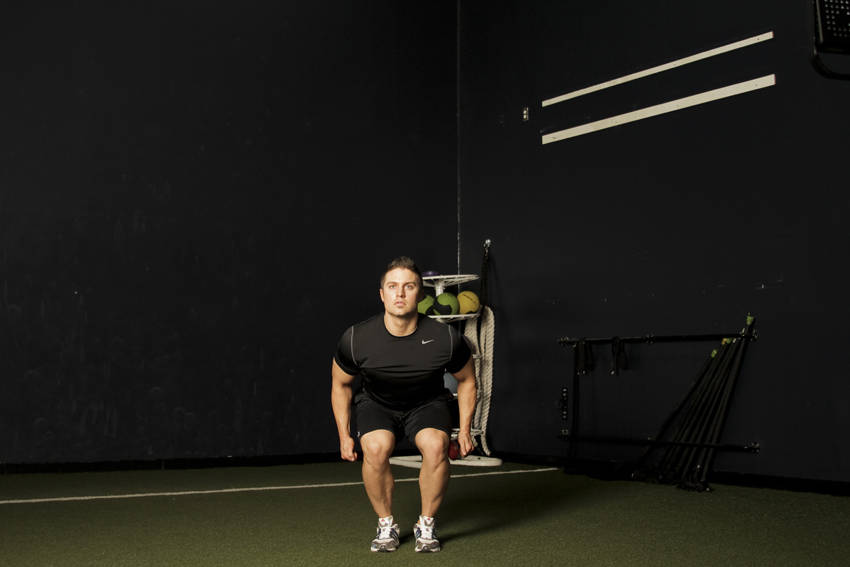
- Begin in a relaxed stance with your feet shoulder width apart and hold your arms close to the body.
- To initiate the move, squat down halfway and explode back up as high as possible. Fully extend your entire body, spreading your legs and arms away from the body.
- As you land, bring your limbs back in and absorb your impact through the legs.
Sets and reps: Work for 30 to 60 seconds, rest as long as you worked, and repeat 6 to 10 times.
Why this matches
- Primary muscle: quads, not quadriceps
- Equipment: bodyweight only, the same as the Single-leg Hop Progression
- Body position: standing, the same as the Single-leg Hop Progression
- Balance: easier to stay steady on than the Single-leg Hop Progression
9. Jack Jump
68% match- Cardio
- Bodyweight
- Beginner
- Compound
How to perform this exercise
- Stand with your feet together and your arms by your sides.
- Jump up, spreading your feet apart and raising your arms above your head.
- As you land, quickly jump back to the starting position.
- Repeat for the desired number of repetitions.
Sets and reps: Work for 30 to 60 seconds, rest as long as you worked, and repeat 6 to 10 times.
Why this matches
- Primary muscle: your heart and lungs, not quadriceps
- Equipment: bodyweight only, the same as the Single-leg Hop Progression
- Body position: standing, the same as the Single-leg Hop Progression
- Balance: easier to stay steady on than the Single-leg Hop Progression
10. Half Knee Bends
67% match- Cardio
- Bodyweight
- Beginner
- Compound
How to perform this exercise
- Stand with your feet shoulder-width apart.
- Bend your knees and lower your body down as if you were sitting back into a chair.
- Keep your chest up and your weight in your heels.
- Pause for a moment at the bottom, then push through your heels to return to the starting position.
- Repeat for the desired number of repetitions.
Sets and reps: Work for 30 to 60 seconds, rest as long as you worked, and repeat 6 to 10 times.
Why this matches
- Primary muscle: your heart and lungs, not quadriceps
- Equipment: bodyweight only, the same as the Single-leg Hop Progression
- Body position: standing, the same as the Single-leg Hop Progression
- Balance: easier to stay steady on than the Single-leg Hop Progression
Why You Might Need a Single-leg Hop Progression Alternative
You might substitute the single-leg hop because of joint pain, limited equipment, poor landing mechanics, or a training goal that favors strength over plyometrics. High-impact hops increase patellofemoral stress and demand rapid Achilles and ankle stability; switching to controlled unilateral squats or step-ups lowers peak landing forces while still loading the quadriceps eccentrically and concentrically. Technique cue: keep the knee tracking over the second toe and control descent for 2–3 seconds to increase quad tension and protect the knee.
Single-leg Hop Progression FAQ
What muscles does Single-leg Hop Progression work?
The exercise primarily targets the quadriceps (rectus femoris, vastus lateralis, medialis), with secondary demand on the glutes and calf complex for propulsion and landing. During the landing phase the quads perform eccentric control to absorb force, so proper knee alignment increases quad engagement.
What is the best bodyweight alternative to Single-leg Hop Progression?
A bodyweight Bulgarian split squat is an effective alternative because it isolates the front-leg quadriceps and trains balance. Cue: keep the torso upright, push through the front heel, and lower with a 2–3 second eccentric to maximize quad activation.
Find Alternatives for Any Exercise
Search the exercise database and filter the ranked substitutes by the equipment you own.
Similarity scores compare exercise metadata such as movement pattern, muscles, equipment and body position. They are not a safety rating or a check that you own the equipment. Learn about our methodology