

10 Best World Greatest Stretch Alternatives for Hamstring Mobility
The World Greatest Stretch is done standing. Ranked closest by our scoring: the World's Greatest Stretch, Standing Toe Touches and the Seated Wide Angle Pose Sequence.
Updated Ranked by our 12-factor similarity model How it works
Original Exercise: World Greatest Stretch
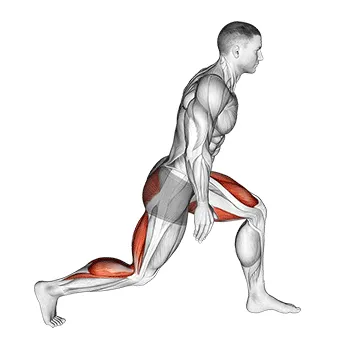
- Primary muscle
- Hamstrings
- Equipment
- Bodyweight
- Difficulty
- Beginner
- Type
- Isolation
Secondary muscles: Glutes, Quadriceps, Calves
How to perform World Greatest Stretch
- Start in a lunge position with your right foot forward and your left foot back.
- Place your hands on the ground on either side of your right foot.
- Lower your left knee to the ground and extend your right leg, keeping your right foot flat on the ground.
- Rotate your torso to the right, reaching your right arm up towards the ceiling.
- Hold this position for a few seconds, then return to the starting position.
- Switch sides and repeat the stretch with your left foot forward.
Ranked World Greatest Stretch Alternatives
10 substitutes, ranked by how closely each one matches the World Greatest Stretch on movement pattern, muscles worked, equipment and body position. The higher the score, the less you change. Open "How to perform this exercise" on a card for the steps; every card title links to that exercise's own alternatives page.
Best match 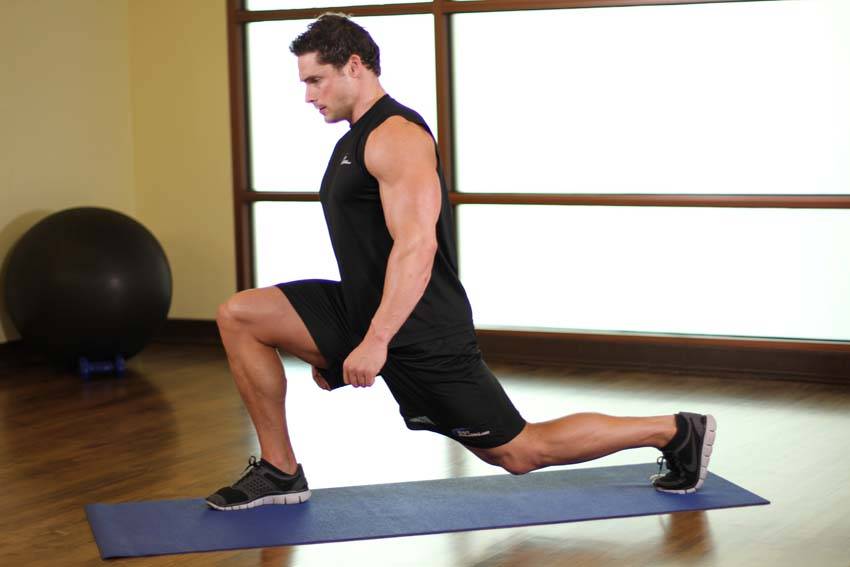
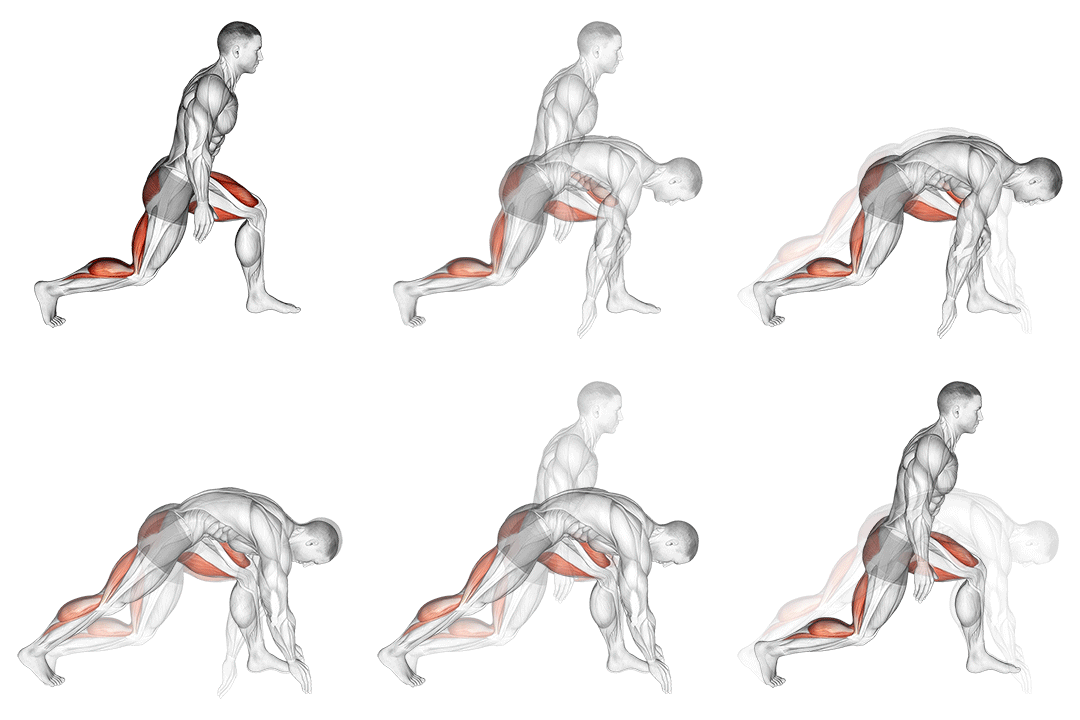
1. World's Greatest Stretch
97% match- Hamstrings
- Bodyweight
- Beginner
- Isolation
Pick this when you want to work the hamstrings with less balance to manage.
How to perform this exercise
- This is a three-part stretch. Begin by lunging forward, with your front foot flat on the ground and on the toes of your back foot. With your knees bent, squat down until your knee is almost touching the ground. Keep your torso erect, and hold this position for 10-20 seconds.
- Now, place the arm on the same side as your front leg on the ground, with the elbow next to the foot. Your other hand should be placed on the ground, parallel to your lead leg, to help support you during this portion of the stretch.
- After 10-20 seconds, place your hands on either side of your front foot. Raise the toes of the front foot off of the ground, and straighten your leg. You may need to reposition your rear leg to do so. Hold for 10-20 seconds, and then repeat the entire sequence for the other side.
Sets and reps: Hold for 30 to 60 seconds and repeat 2 or 3 times.
Why this matches
- Primary muscle: hamstrings, the same as the World Greatest Stretch
- Equipment: bodyweight only, the same as the World Greatest Stretch
- Body position: standing, the same as the World Greatest Stretch
- Balance: easier to stay steady on than the World Greatest Stretch
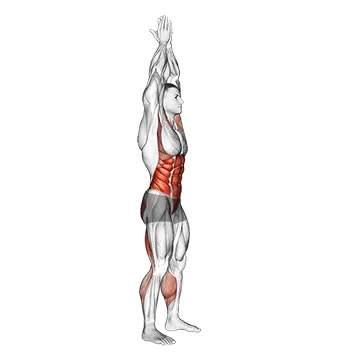
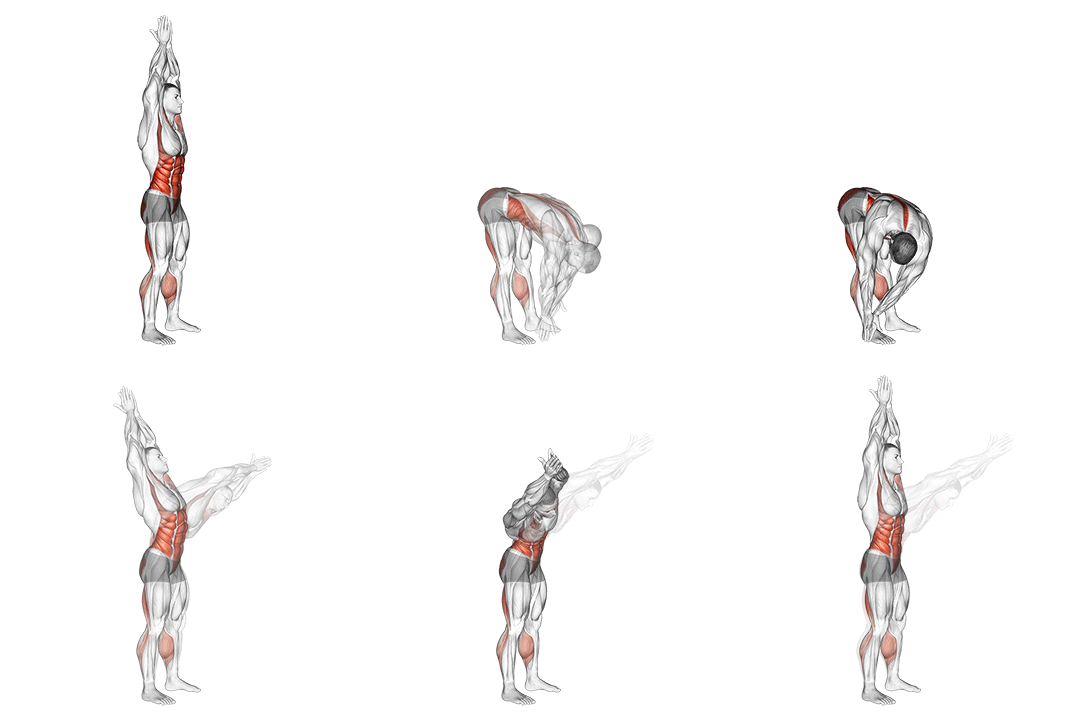
2. Standing Toe Touches
83% match- Hamstrings
- Other
- Beginner
- Isolation
Pick this when you want an easier version that still works the hamstrings.
How to perform this exercise
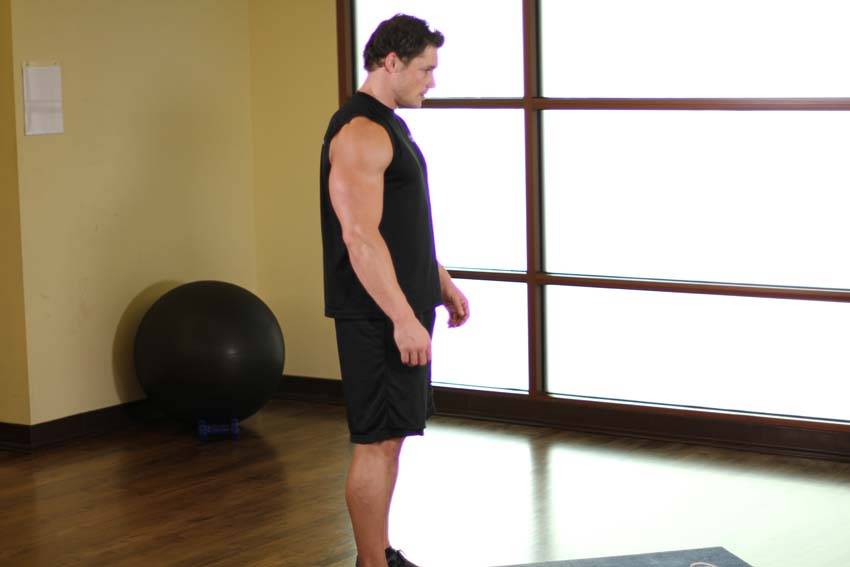
- Stand with some space in front and behind you.
- Bend at the waist, keeping your legs straight, until you can relax and let your upper body hang down in front of you. Let your arms and hands hang down naturally. Hold for 10 to 20 seconds.
Sets and reps: Hold for 30 to 60 seconds and repeat 2 or 3 times.
Why this matches
- Primary muscle: hamstrings, the same as the World Greatest Stretch
- Equipment: bodyweight only, the same as the World Greatest Stretch
- Body position: standing, the same as the World Greatest Stretch
- Balance: easier to stay steady on than the World Greatest Stretch
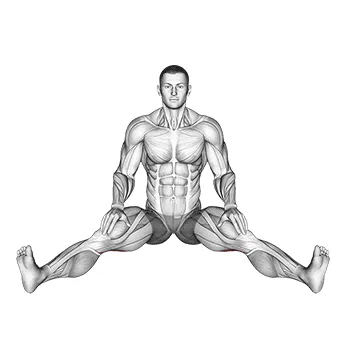
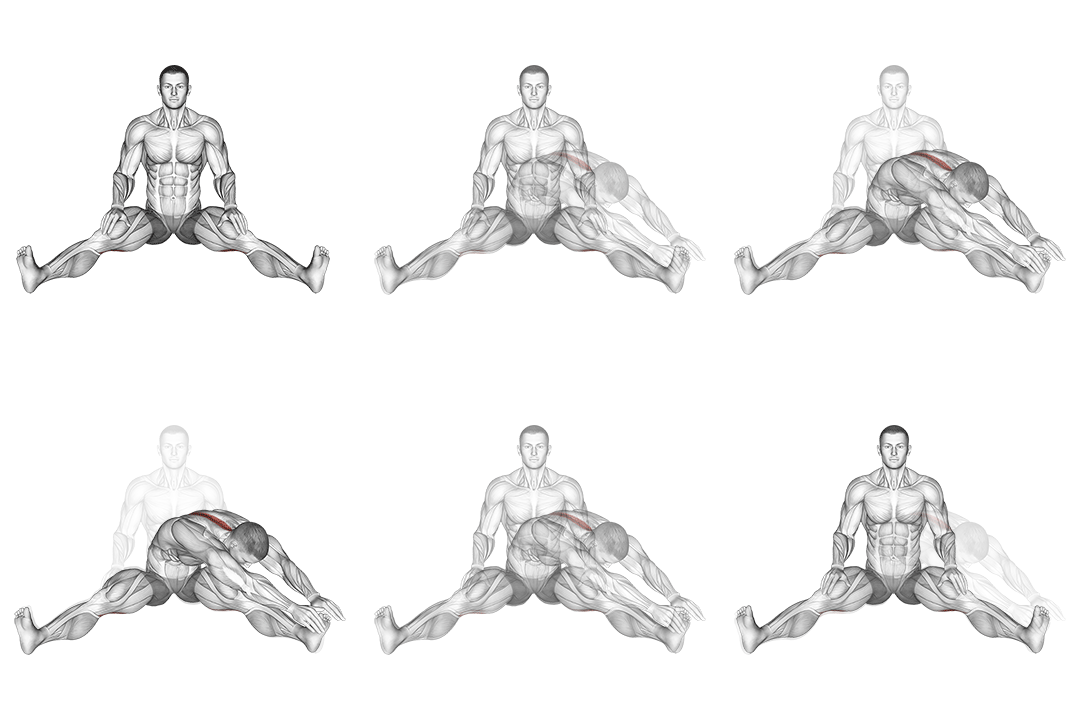
3. Seated Wide Angle Pose Sequence
77% match- Hamstrings
- Bodyweight
- Beginner
- Isolation
How to perform this exercise
- Sit on the ground with your legs extended in a wide angle.
- Flex your feet and engage your quadriceps.
- Place your hands on the ground behind you for support.
- Keeping your back straight, lean forward from your hips.
- Continue leaning forward until you feel a stretch in your hamstrings.
- Hold this position for a few breaths.
- Slowly release the stretch and return to the starting position.
- Repeat for the desired number of repetitions.
Sets and reps: Hold for 30 to 60 seconds and repeat 2 or 3 times.
Why this matches
- Primary muscle: hamstrings, the same as the World Greatest Stretch
- Equipment: bodyweight only, the same as the World Greatest Stretch
- Body position: seated, not standing
- Balance: easier to stay steady on than the World Greatest Stretch
4. Hamstring-smr
75% match- Hamstrings
- Foam-roll
- Beginner
- Isolation
A good swap when you have a foam roller to work with, and it still works the hamstrings.
How to perform this exercise
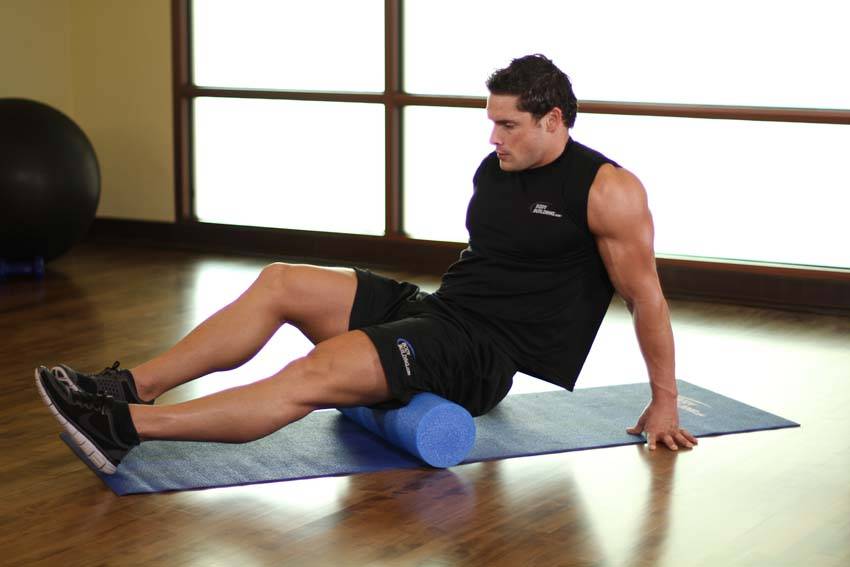
- In a seated position, extend your legs over a foam roll so that it is position on the back of the upper legs. Place your hands to the side or behind you to help support your weight. This will be your starting position.
- Using your hands, lift your hips off of the floor and shift your weight on the foam roll to one leg. Relax the hamstrings of the leg you are stretching.
- Roll over the foam from below the hip to above the back of the knee, pausing at points of tension for 10-30 seconds. Repeat for the other leg.
Sets and reps: Hold for 30 to 60 seconds and repeat 2 or 3 times.
Why this matches
- Primary muscle: hamstrings, the same as the World Greatest Stretch
- Equipment: bodyweight only, the same as the World Greatest Stretch
- Body position: seated, not standing
- Balance: easier to stay steady on than the World Greatest Stretch
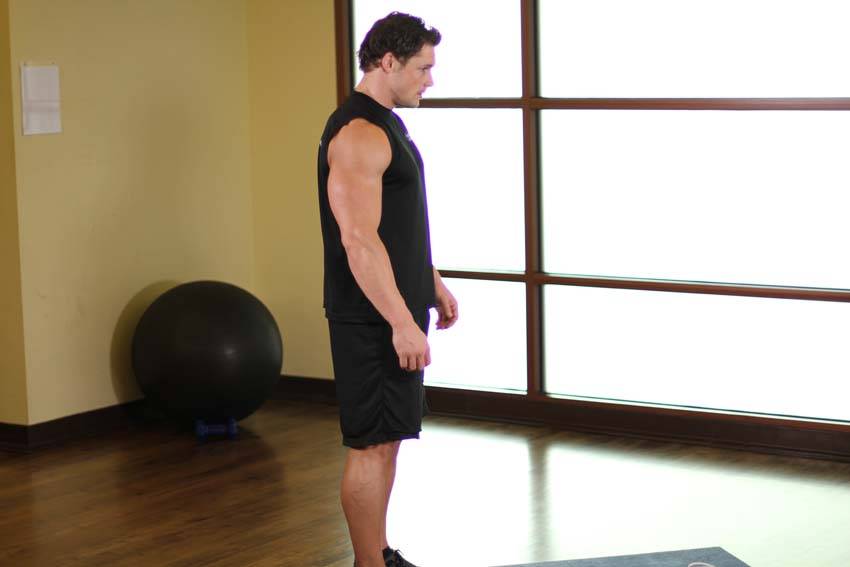
5. Runner's Stretch
74% match- Hamstrings
- Bodyweight
- Beginner
- Isolation
How to perform this exercise
- It's easiest to get into this stretch if you start standing up, put one leg behind you, and slowly lower your torso down to the floor.
- Keep the front heel on the floor (if it lifts up, scoot your other leg further back).
- Place your hands on either side of your front leg. To get more out of this stretch, push your butt up toward the ceiling, and then gradually lower it back toward the floor. You'll Stretch the hip flexor of the back leg and the hamstring and buttocks of the front.
Sets and reps: Hold for 30 to 60 seconds and repeat 2 or 3 times.
Why this matches
- Primary muscle: hamstrings, the same as the World Greatest Stretch
- Equipment: bodyweight only, the same as the World Greatest Stretch
- Balance: easier to stay steady on than the World Greatest Stretch
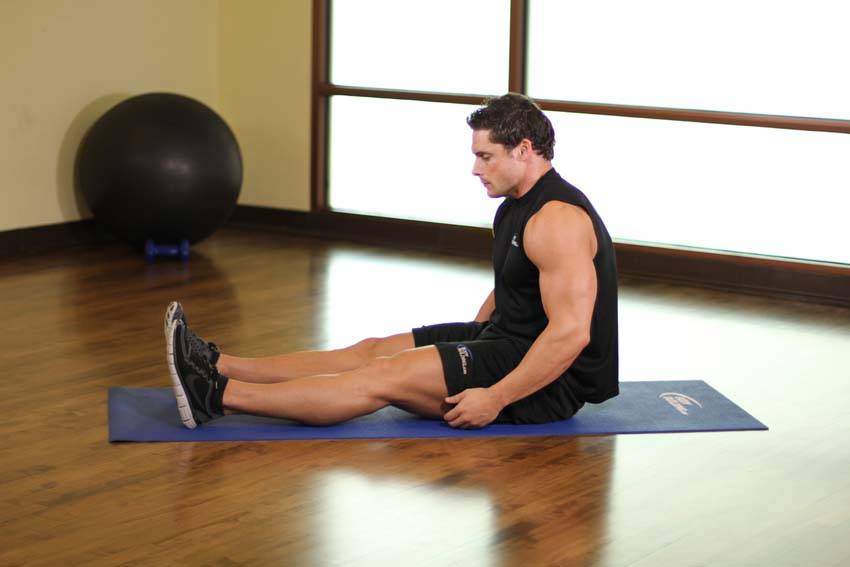
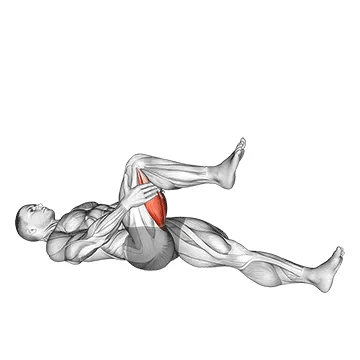
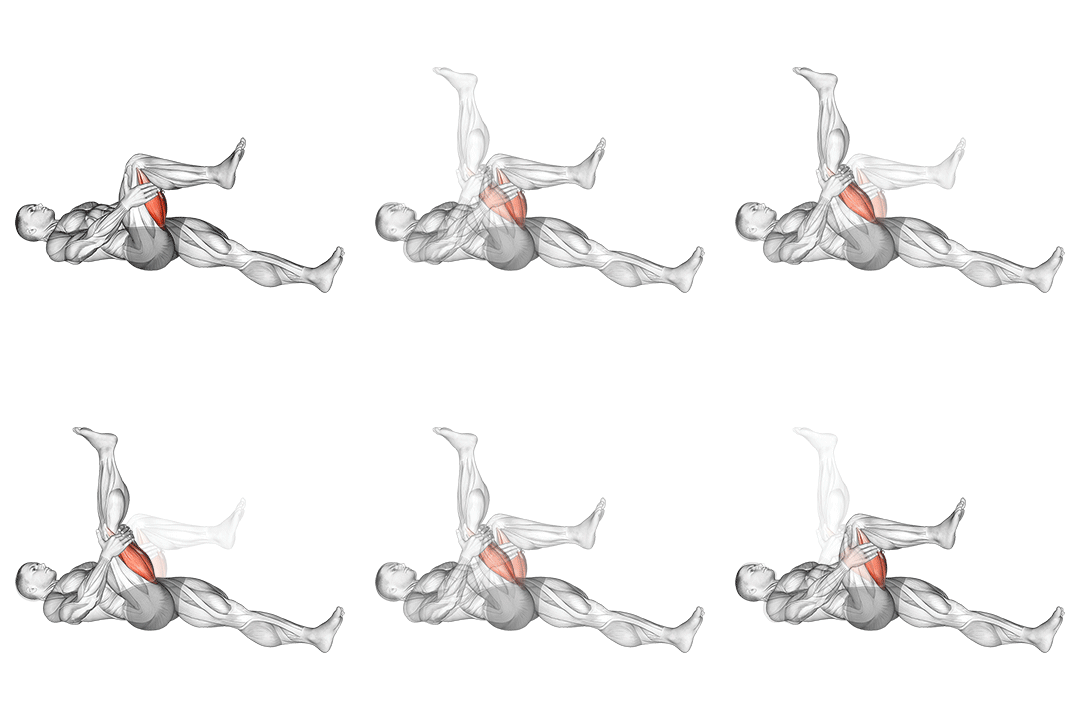
6. Upper Back-leg Grab
70% match- Hamstrings
- Bodyweight
- Beginner
- Isolation
How to perform this exercise
- While seated, bend forward to hug your thighs from underneath with both arms.
- Keep your knees together and your legs extended out as you bring your chest down to your knees. You can also stretch your middle back by pulling your back away from your knees as your hugging them.
Sets and reps: Hold for 30 to 60 seconds and repeat 2 or 3 times.
Why this matches
- Primary muscle: hamstrings, the same as the World Greatest Stretch
- Equipment: bodyweight only, the same as the World Greatest Stretch
- Body position: seated, not standing
- Balance: easier to stay steady on than the World Greatest Stretch
7. Hamstring Stretch
70% match- Hamstrings
- Bodyweight
- Beginner
- Isolation
How to perform this exercise
- Stand with your feet shoulder-width apart.
- Step forward with your right foot and shift your weight onto your right leg.
- Keeping your back straight, slowly bend forward at the hips, reaching towards your right foot with both hands.
- Hold the stretch for 20-30 seconds, then return to the starting position.
- Repeat on the other side.
Sets and reps: Hold for 20 to 30 seconds, 3 sets.
Why this matches
- Primary muscle: hamstrings, the same as the World Greatest Stretch
- Equipment: bodyweight only, the same as the World Greatest Stretch
- Body position: standing, the same as the World Greatest Stretch
- Balance: easier to stay steady on than the World Greatest Stretch
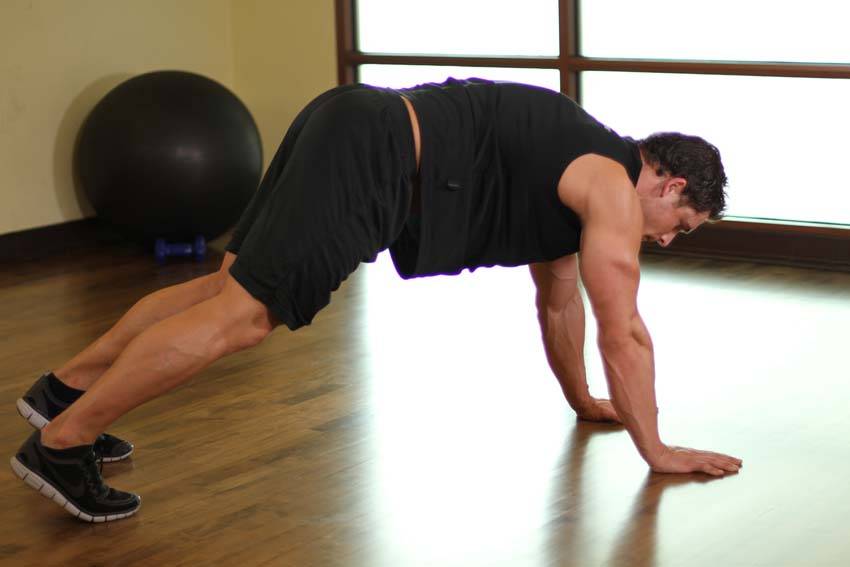
8. Groiners
70% match- Adductors
- Bodyweight
- Beginner
- Isolation
How to perform this exercise
- Begin in a pushup position on the floor. This will be your starting position.
- Using both legs, jump forward landing with your feet next to your hands. Keep your head up as you do so.
- Return to the starting position and immediately repeat the movement, continuing for 10-20 repetitions.
Sets and reps: Hold for 30 to 60 seconds and repeat 2 or 3 times.
Why this matches
- Primary muscle: adductors, not hamstrings
- Equipment: bodyweight only, the same as the World Greatest Stretch
- Body position: lying face down, not standing
- Balance: harder to stay steady on than the World Greatest Stretch
9. Hands Clasped Circular Toe Touch
70% match- Glutes
- Bodyweight
- Beginner
- Isolation
How to perform this exercise
- Stand with your feet shoulder-width apart and your hands clasped together in front of your chest.
- Bend your knees slightly and hinge forward at the hips, keeping your back straight.
- Lower your hands towards your toes in a circular motion, reaching as far as you can without straining.
- Pause for a moment at the bottom, then slowly return to the starting position.
- Repeat for the desired number of repetitions.
Sets and reps: Hold for 30 to 60 seconds and repeat 2 or 3 times.
Why this matches
- Primary muscle: glutes, not hamstrings
- Equipment: bodyweight only, the same as the World Greatest Stretch
- Body position: standing, the same as the World Greatest Stretch
- Balance: easier to stay steady on than the World Greatest Stretch
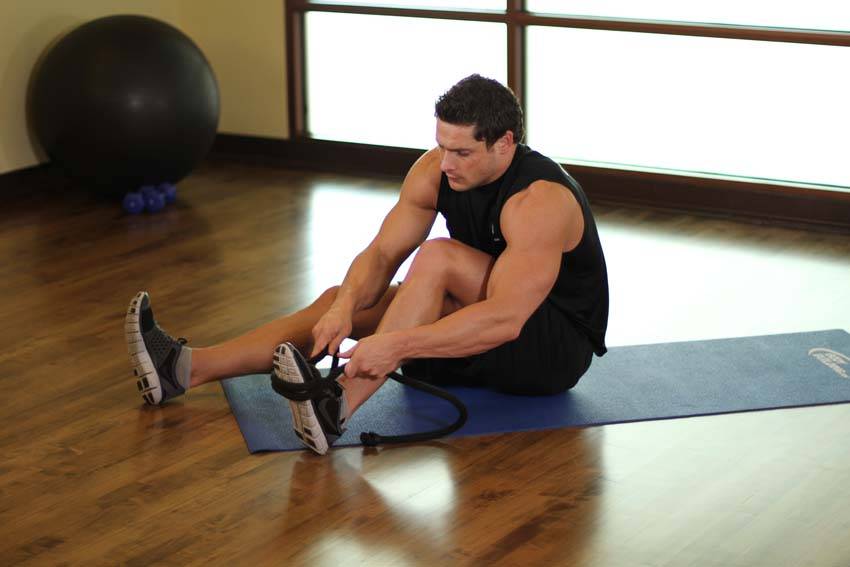
10. Intermediate Groin Stretch
66% match- Hamstrings
- Other
- Intermediate
- Isolation
How to perform this exercise
- Lie on your back with your legs extended. Loop a belt, rope, or band around one of your feet, and swing that leg as far to the side as you can. This will be your starting position.
- Pull gently on the belt to create tension in your groin and hamstring muscles. Hold for 10-20 seconds, and repeat on the other side.
Sets and reps: Hold for 20 to 30 seconds, 3 sets.
Why this matches
- Primary muscle: hamstrings, the same as the World Greatest Stretch
- Equipment: bodyweight only, the same as the World Greatest Stretch
- Body position: seated, not standing
Why You Might Need a World Greatest Stretch Alternative
You might substitute the World Greatest Stretch for pain management, isolation needs, or training focus. The dynamic lunge pattern combines spine rotation and hip extension, which can aggravate low-back or hip issues; choosing a single-joint or single-leg option reduces lumbar shear. Alternatives let you emphasize eccentric loading (Nordic curls), pure hip-dominant strength (single-leg bridges), or isolated lengthening (controlled standing folds). Use technique cues, keep a soft knee and brace the core on RDLs, to shift load away from vulnerable joints while preserving hamstring activation and progressive overload.
How to Choose the Right World Greatest Stretch Substitute
Match the substitute to your goal and limitations. For mobility and lengthening pick slow forward folds or single-leg RDLs, cueing a hip hinge and long spine to emphasize distal hamstring stretch. For strength and hypertrophy choose eccentric-focused Nordic curls or bridge walkouts and lower slowly (3–5 seconds) to increase muscle tension. If you have low-back pain, favor knee-bent, hip-dominant moves like single-leg bridges to reduce lumbar load. Consider equipment, ability to progress load, and your tolerance for ROM when selecting the most effective alternative.
World Greatest Stretch FAQ
What muscles does World Greatest Stretch work?
The World Greatest Stretch primarily targets the hamstrings while also engaging the glutes and hip flexors through the lunge and hip extension. It adds thoracic rotation and hip mobility, so you feel activation across the posterior chain and thoracic extensors during the dynamic sequence.
Can I build muscle without doing World Greatest Stretch?
Yes. You can build hamstring size and strength using progressive, hamstring-focused exercises like Nordic curls, single-leg bridges, and single-leg RDLs while emphasizing eccentrics and increasing reps or sets over time. Prioritize controlled tempo and full range of motion to maximize muscle activation and hypertrophic stimulus.
Find Alternatives for Any Exercise
Search the exercise database and filter the ranked substitutes by the equipment you own.
Similarity scores compare exercise metadata such as movement pattern, muscles, equipment and body position. They are not a safety rating or a check that you own the equipment. Learn about our methodology