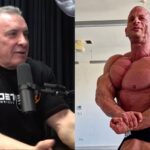
Lee Labrada believes plant protein could be a secret weapon athletes are overlooking. In a YouTube video from May 5, 2026, he broke down how to build a plant-based diet for longevity and chronic disease prevention.
In the 1980s and 90s, Lee Labrada cemented himself as a top-tier Men’s Open competitor. His symmetry, V-taper, and conditioning set the bar high throughout his tenure. Though Labrada never won the Sandow trophy, he came close and pushed former eight-time Mr. Olympia champ Lee Haney onstage.
Elite nutrition was a non-negotiable for Labrada. He often weighed significantly less than his rivals, so ensuring he ate enough protein was crucial to his success. In retirement, maintaining muscle mass and longevity have become top priorities, which have steered him toward plant-based options.
Lee Labrada Breaks Down High-Protein Plant-Based Diets
In the video, Labrada pointed to research associating plant foods with longevity and a reduced risk of chronic diseases. He added that very few individuals actually meet the recommended daily intake for fruits, vegetables, and fiber.
“Growing amounts of research show that eating more plant foods is associated with greater longevity and a reduced risk for most chronic diseases, including heart disease and type 2 diabetes. We also know that very few people consume the minimum recommended daily servings of fruits, vegetables, and fiber.”
Even for athletes with higher protein demands, Labrada argued that plant-based options can be sufficient:
“But while we know plant foods are loaded with nutrients, many athletes who have higher protein demands because of their training wonder if plant sources can offer them enough protein. Is that possible? Absolutely.”
He compared animal sources with plant-based proteins, noting how their amino acid profiles differ.
“Animal sources of protein are considered complete in that they contain adequate amounts of all the essential amino acids the human body needs. On the other hand, with few exceptions, such as soy and quinoa, most plant foods are considered incomplete proteins because they have low levels of or are missing one or more of the essential amino acids,” Lee Labrada shared.
For those interested, Labrada explained that you can supplement plant-based options in a diet with animal-sourced protein.
“That said, plant sources of protein can be combined to complement amino acid levels to make a more complete protein. A diet that includes both whole grains and legumes can provide a sufficient amount of all essential amino acids.”
Types of Plant-Based Diets
Below, he breaks down three different types of plant-based diets:
- Vegetarian – “Vegetarians eat plant foods and may include dairy products and eggs.”
- Vegan – “Vegan diets eliminate all animal products, including dairy products, eggs, and even honey.”
- Plant-Based – “It can maximize plant food intake and reduces in animal proteins.”
Labrada emphasized that you don’t have to be vegan or vegetarian to reap benefits from plant-based protein.
“You don’t have to be a vegetarian or vegan to benefit from a plant-based diet. Remember, not all plant-based diets are equally beneficial. For instance, it’s possible you could be a vegan and still eat lots of processed foods.”
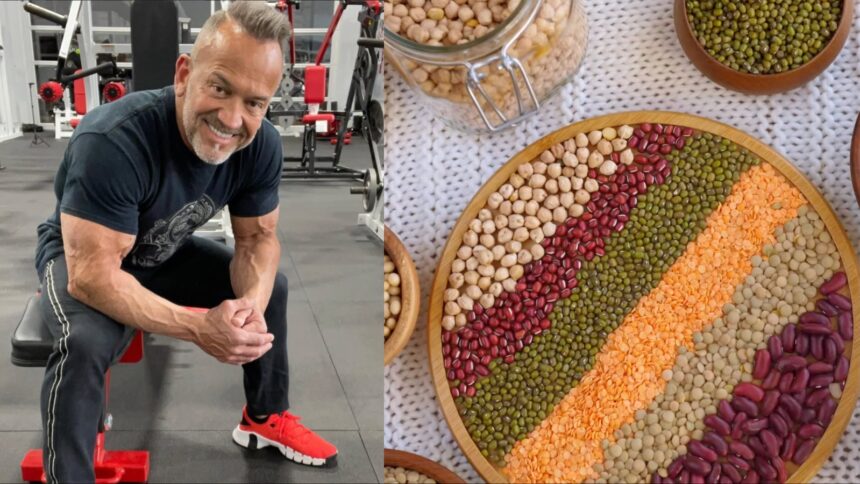
“The goal is to eat a plant-based diet with natural foods, like whole grains, beans, nuts, seeds, fruits, and vegetables.”
Common Plant-Based Protein Sources
- Beans
- Lentils
- Chickpeas
- Peas
- Peanuts
- Wheat
- Rice
- Corn
- Oats
- Plant-Based Meat Replacements
According to Labrada, skipping protein won’t just affect muscle growth. He recently explained that a lack of protein can negatively affect skin, the immune system, and overall health. It also impacts how athletes can recover following workouts.
At 65 years old, Labrada continues to focus on his longevity. He believes plant-protein options such as legumes and nuts help support a healthy and strong body.
RELATED: Lee Labrada Shares The Key To Reduce The Chances Of Heart Disease By A Staggering 96 Percent