Master the Archer Pull Up: Build Powerful Lats Fast!

Enhance Upper Body Strength and Muscle Definition

Ash, ACE, MSc
By
Ash, ACE, MSc
Ash is a highly respected fitness expert and certified personal trainer through the American Council on Exercise (ACE). With a B.A. in biology from Rutgers and...
6 Min Read
How to do Archer Pull Up

Unlock the power of the Archer Pull-Up to elevate your upper body strength and develop impressive lats. This advanced exercise not only tests your determination but also boosts muscle control, core strength, and overall physique symmetry. Ideal for those looking to advance their pull-up routine, the Archer Pull-Up challenges you in ways that foster rapid growth and a striking V-shaped back.

Primarily targeting the latissimus dorsi, this move also engages the biceps, shoulders, and core for a total upper body workout. To effectively integrate Archer Pull-Ups into your training, begin with standard pull-ups, gradually progressing to this challenging variation. Aim for 2-3 sessions a week, allowing recovery time while focusing on quality over quantity.

Safety is crucial; maintain proper form to avoid injuries, ensuring your body remains straight without excessive twisting or overextending. This exercise requires only a sturdy pull-up bar, making it accessible whether at the gym or home. If the Archer Pull-Up proves challenging, use resistance bands for assistance or practice archer push-ups to build essential strength. With consistent effort, you’ll experience significant gains in both strength and aesthetics.

Archer Pull Up Details
Basic Information
Body Part
Back
Primary Muscles
Secondary Muscles
Equipment
Bodyweight
Exercise Characteristics
Exercise Type
Strength
Movement Pattern
Pull
Force Type
Concentric
Unilateral/Bilateral
Unilateral
Compound/Isolation
Compound
Bodyweight Exercise
Yes
Training Parameters
Difficulty Level
Intermediate
Target Training Goals
Strength
Suitable Workout Phases
Main workout
Risk Level
Moderate
Weight Category
Bodyweight
Recommended Rep Ranges
GoalRep Range
Strength3-6
Hypertrophy6-12
Endurance6-12
Power1-5
Muscular endurance8-12
Stability core4-8
Flexibility mobility8-12

How to Do a Archer Pull Up

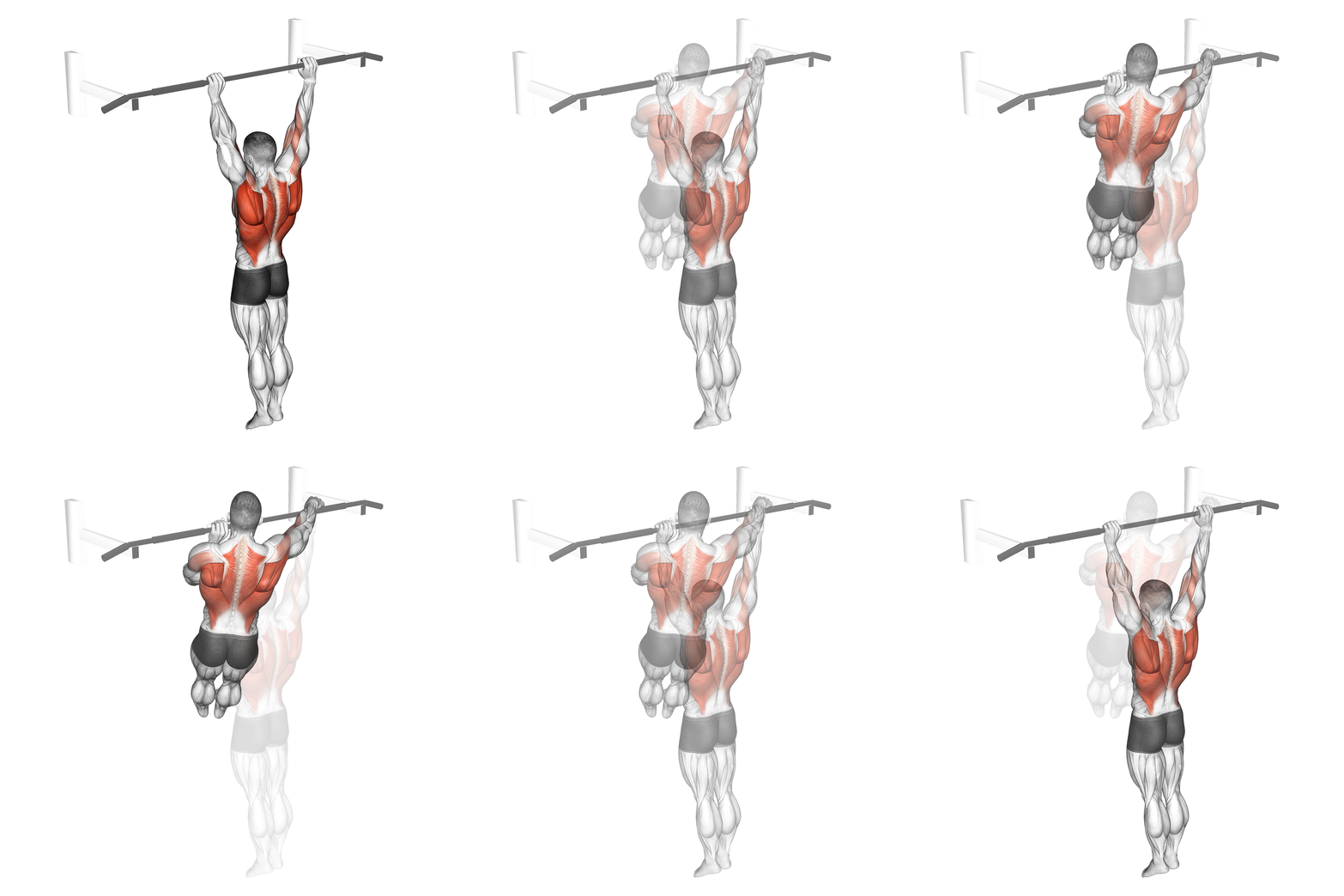
How to do a Archer Pull Up - Step by step Strength exercise demonstration targeting Lats, Biceps, Forearms

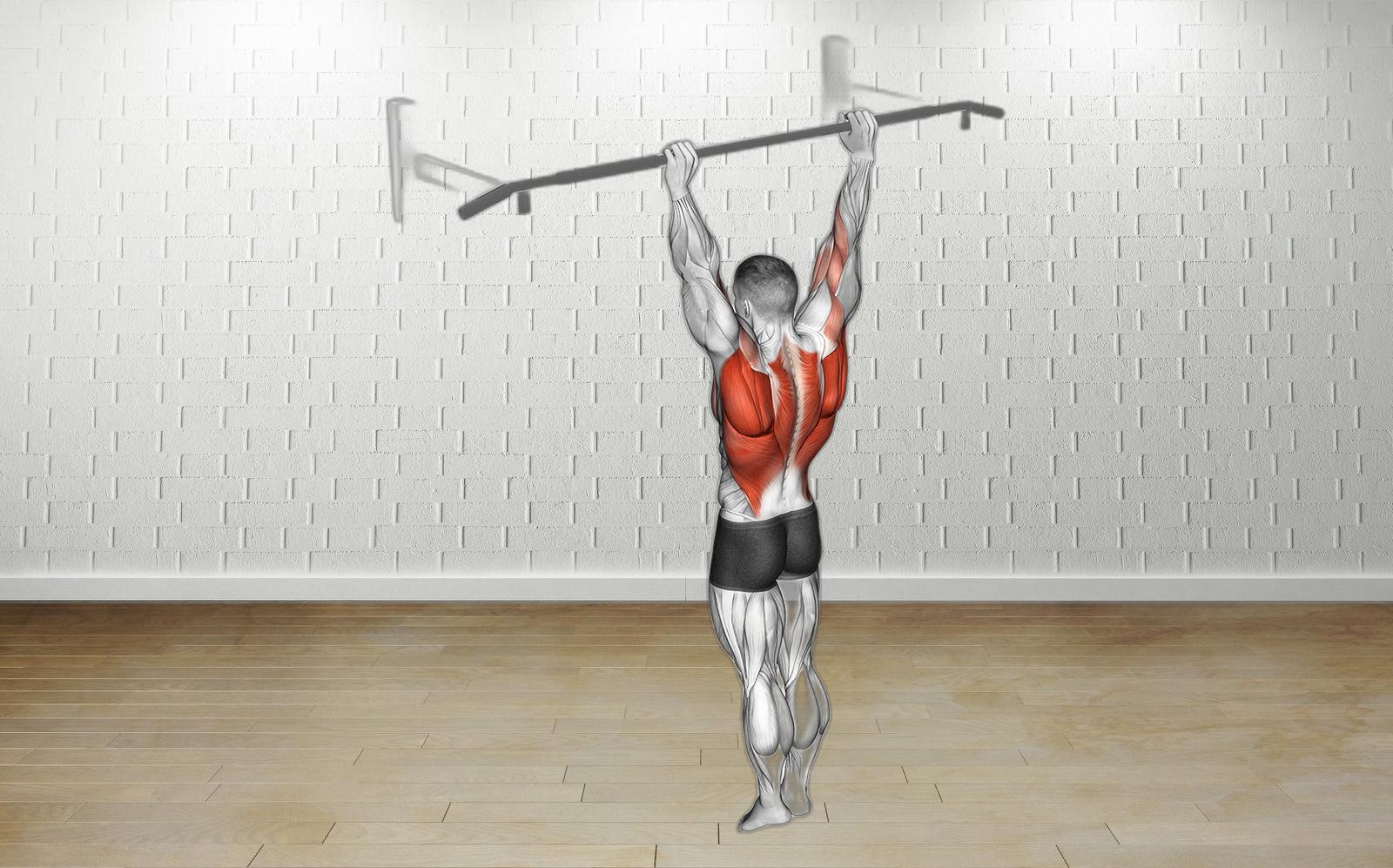
Begin by hanging from a pull-up bar with a wide grip, arms fully extended, and your body straight. Position your hands so that one hand is closer to your body while the other is further away, creating a staggered grip.

Get Fitter, Faster

Level Up Your Fitness: Join our 💪 strong community in Fitness Volt Newsletter. Get daily inspiration, expert-backed workouts, nutrition tips, the latest in strength sports, and the support you need to reach your goals. Subscribe for free!

  1. Engage your core and pull your body upward towards the closer hand.
  2. As you ascend, shift your weight towards the closer hand, allowing the opposite arm to extend.
  3. At the top of the movement, your chin should be above the bar, facing the closer hand.
  4. Lower your body back down in a controlled manner, extending the arms fully.
  5. Repeat the movement, alternating the leading hand with each rep.

Inhale as you pull up, and exhale as you lower your body down to maintain proper breathing

Common Mistakes

  • Poor Grip Position: Failing to stagger your grip correctly can lead to imbalances and reduced effectiveness of the pull-up. Ensure one hand is significantly closer to your body than the other for proper form.
  • Neglecting Core Engagement: Many overlook core engagement, leading to body swaying. Always activate your core before starting the pull-up to stabilize your body throughout the movement.
  • Inadequate Weight Shift: Not shifting your weight properly towards the closer hand can diminish your range of motion and reduce muscle recruitment. Make a conscious effort to lean into the pull-up for maximal engagement.
  • Incomplete Range of Motion: Some lifters fail to pull their chin above the bar, which can hinder muscle growth and strength gain. Ensure you reach full extension both on the way up and the way down.
  • Rushing the Movement: Performing the exercise too quickly can lead to poor form and increased injury risk. Focus on a controlled ascent and descent to maximize benefits and ensure safety.

Benefits of Archer Pull Ups

  • Enhances Upper Body Strength: The Archer Pull Up primarily targets the latissimus dorsi, improving overall upper body strength.
  • Increases Muscle Definition: This exercise promotes hypertrophy in the back, biceps, and shoulders, leading to improved muscle definition.
  • Develops Core Stability: Engaging the core throughout the movement fosters better core stability, essential for overall fitness.
  • Improves Grip Strength: The varied grip weakens the biceps but strengthens the fingers and forearms, enhancing grip strength significantly.
  • Encourages Muscle Symmetry: Alternating leading hands helps in developing unilateral strength, preventing muscular imbalances.

Exercise Variations

  • Underhand Yates Row
    Level: Intermediate
    Targets: Latissimus Dorsi, Posterior deltoids, Teres Major, Forearm muscles, Rear deltoids
    Equipment: Barbell, Weight Plates, Weightlifting Belt, Lifting Straps, Gym Mat | Movement: Pull | Type: Strength | Force Type: Concentric | Compound
  • Reverse-Grip Lat Pull-Down
    Level: Intermediate
    Targets: Infraspinatus, Latissimus Dorsi, Pectoralis major
    Equipment: Lat Pull-Down Machine, V-Bar Attachment Or EZ Curl Bar, Weight Plates | Movement: Pull | Type: Strength | Force Type: Concentric | Compound
  • Close Neutral-Grip Pull-Up
    Level: Intermediate
    Targets: Biceps brachii, Brachialis, Infraspinatus, Latissimus Dorsi, Pectoralis major, Rhomboids, Teres Major, Trapezius, Brachioradialis, Core Muscles
    Equipment: Pull-Up Bar Or Gymnastic Rings, Weight Belt (Optional For Added Resistance) | Movement: Pull | Type: Strength | Force Type: Concentric | Compound
  • Wide-Grip Cable Row
    Level: Intermediate
    Targets: Biceps brachii, Latissimus Dorsi, Rear deltoids, Rhomboids, Teres Major, Trapezius, Forearm muscles, Infraspinatus
    Equipment: Cable Machine, Wide-Grip Handle Attachment | Movement: Pull | Type: Strength | Force Type: Isotonic | Compound
  • Seated Twisting Cable Row
    Level: Intermediate
    Targets: Biceps brachii, External Obliques, Internal Obliques, Latissimus Dorsi, Rhomboids, Teres Major, Trapezius, Erector Spinae, Obliques
    Equipment: Cable Machine, Cable Attachment, Seated Bench Or Platform | Movement: Pull | Type: Strength | Force Type: Isotonic | Compound
  • Smith Machine Underhand Yates Row
    Level: Intermediate
    Targets: Biceps brachii, Erector Spinae, Latissimus Dorsi, Posterior deltoids, Rhomboids, Trapezius, Brachialis, Rear deltoids, Teres Major
    Equipment: Smith Machine, Barbell, Weight Plates, Weight Collar, Lifting Straps, Bench | Movement: Pull | Type: Strength | Force Type: Concentric | Compound
  • Inverted Row
    Level: Intermediate
    Targets: Biceps brachii, Latissimus Dorsi, Posterior deltoids, Rhomboids, Teres Major, Trapezius, Forearm muscles, Rear deltoids
    Equipment: Pull-Up Bar, Suspension Trainer, Gymnastic Rings, Smith Machine, Low Bar, TRX Straps | Movement: Pull | Type: Strength | Force Type: Concentric | Compound
  • Cable Rear Delt Row
    Level: Intermediate
    Targets: Infraspinatus, Latissimus Dorsi, Posterior Deltoid, Rhomboids, Teres Minor, Trapezius, Biceps brachii, Brachialis, Teres Major
    Equipment: Cable Machine, D-Handle Attachment, Weight Plates | Movement: Pull | Type: Strength | Force Type: Isotonic | Isolation
  • Seated High Row Machine
    Level: Intermediate
    Targets: Biceps brachii, Latissimus Dorsi, Rhomboids, Teres Major, Trapezius, Rear deltoids
    Equipment: Seated High Row Machine | Movement: Pull | Type: Strength | Force Type: Concentric | Compound
  • Close Neutral Grip Lat Pull-down
    Level: Intermediate
    Targets: Biceps brachii, Brachialis, Latissimus Dorsi, Lower Trapezius, Middle Trapezius, Rhomboids, Teres Major, Infraspinatus, Pectoralis major, Serratus Anterior, Trapezius
    Equipment: Lat Pulldown Machine, Neutral Grip Handle Attachment. | Movement: Pull | Type: Strength | Force Type: Concentric | Compound

Alternative Exercises

  • Kettlebell Turkish Get Up
    Level: Intermediate
    Targets: Chest, Core, Glutes, Hamstrings, Lats, Lower Back, Obliques, Quadriceps, Shoulders, Adductors, Forearms, Hips, Trapezius
    Equipment: Kettlebell, Exercise Mat | Movement: Carry | Type: Strength | Force Type: Isometric | Compound
  • Rollouts
    Level: Intermediate
    Targets: Hip Flexors, Lats, Obliques, Rectus Abdominis, Shoulders, Transverse abdominis, Latissimus Dorsi, Serratus Anterior, Triceps
    Equipment: Ab Wheel, Exercise Mat | Movement: Locomotion | Type: Agility | Force Type: Isometric | Compound
  • Rope Climbs
    Level: Intermediate
    Targets: Biceps brachii, Core Muscles, Deltoids, Forearm muscles, Latissimus Dorsi, Pectoralis major, Rhomboids, Trapezius, Abdominal Muscles, Gluteus Maximus, Obliques, Teres Major
    Equipment: Climbing Rope, Climbing Harness, Climbing Carabiner, Gymnastic Chalk, Pull-Up Bar | Movement: Climb | Type: Strength | Force Type: Concentric | Compound
  • Standing Dumbbell One-Leg Calf Raise
    Level: Intermediate
    Targets: Tibialis posterior, Flexor digitorum longus, Flexor hallucis longus, Peroneus brevis, Peroneus longus, Tibialis anterior
    Equipment: Dumbbells, Exercise Mat | Movement: Push | Type: Strength | Force Type: Concentric | Isolation
  • Tricep Dip
    Level: Intermediate
    Targets: Anterior Deltoid, Triceps brachii, Erector Spinae, Latissimus Dorsi
    Equipment: Bench, Dip Bars, Sturdy Chair, Parallel Bars | Movement: Push | Type: Strength | Force Type: Concentric | Compound
  • One-leg Hyperextension
    Level: Intermediate
    Targets: Gluteus Maximus, Multifidus
    Equipment: Bench, Ankle Weights Or Resistance Bands | Movement: Hinge | Type: Strength | Force Type: Concentric | Isolation
  • Lying Alternating Knee Raise
    Level: Intermediate
    Targets: Iliopsoas, Adductors
    Equipment: Yoga Mat, None | Movement: Lunge | Type: Strength | Force Type: Concentric | Isolation
  • Side Plank Hip Adduction
    Level: Intermediate
    Targets: Adductors, Gluteus Medius, Transverse abdominis, Adductor muscles, Erector Spinae
    Equipment: Yoga Mat, Resistance Band, Ankle Weights | Movement: Brace | Type: Strength | Force Type: Isometric | Isolation
  • Barbell Stiff Leg Deadlift
    Level: Intermediate
    Targets: Adductors, Gluteus Maximus, Quadratus lumborum, Core, Forearms, Rhomboids, Trapezius
    Equipment: Barbell, Weight Plates, Lifting Platform Or Mat, Weightlifting Belt, Chalk | Movement: Hinge | Type: Strength | Force Type: Eccentric | Compound
  • Barbell Romanian Deadlift
    Level: Intermediate
    Targets: Calves, Quadriceps, Core, Forearms, Lower Back, Upper Back
    Equipment: Barbell, Weight Plates, Weightlifting Belt, Lifting Shoes, Chalk | Movement: Hinge | Type: Strength | Force Type: Eccentric | Compound

Safety Precautions for the Archer Pull Up

Before engaging in the archer pull-up, ensure that you have a strong foundational strength in standard pull-ups. This exercise emphasizes unilateral strength and control, therefore, you should be able to perform at least 5-10 regular pull-ups with proper form. Skipping this step can increase the risk of injury due to overexertion of the muscles involved.

As with any upper body exercise, proper warm-up is crucial. Spend at least 5-10 minutes performing dynamic stretches focusing on the shoulders, back, and core. Neglecting your warm-up can lead to muscle strains or tears, particularly in the shoulders, since this exercise places a significant load on them. Additionally, consider using mobility exercises like arm circles and band pull-aparts to prepare your joints for the movement.

While performing the archer pull-up, maintain an awareness of your body positioning and avoid swinging or using momentum to complete the exercise. Always focus on controlled movements, as this not only engages the targeted muscles effectively but also helps to prevent injuries. If you experience any pain or discomfort while performing the movement, stop immediately and reassess your form and readiness. Consider consulting a trainer if necessary to ensure you’re executing the pull-up correctly.

Interested in measuring your progress? Check out our strength standards for Bench Press, Squat, Deadlift, and more exercises.



If you have any questions or need further clarification about this article, please leave a comment below, and Ash will get back to you as soon as possible.

Share This Article
Ash is a highly respected fitness expert and certified personal trainer through the American Council on Exercise (ACE). With a B.A. in biology from Rutgers and an M.S. in Exercise Science (Kinesiology) from CBU, she brings a wealth of knowledge and expertise to her work. Ash is dedicated to helping people achieve their fitness and health goals through personalized training and nutrition plans. With a passion for fitness and a deep understanding of the science behind healthy living, she is able to create effective and sustainable programs that deliver real results. Whether you're looking to lose weight, build muscle, or just feel better in your own skin, Ash is the expert you can trust to guide you on your journey to a healthier and happier life.
Leave a Comment