

Assisted Prone Hamstring vs Floor Glute-Ham Raise: Complete Comparison Guide
Assisted Prone Hamstring vs Floor Glute-Ham Raise — you’re comparing two hamstring-heavy moves that look similar on paper but load your muscles very differently. In this guide you’ll get clear, actionable comparisons on muscle activation, biomechanics, equipment needs, technique cues, and who should use each exercise. You’ll learn rep ranges (6–12 for hypertrophy, 3–6 for strength), how to cue each lift for safer loading, and practical progressions so you can pick the right move for your goals and experience.
Exercise Comparison
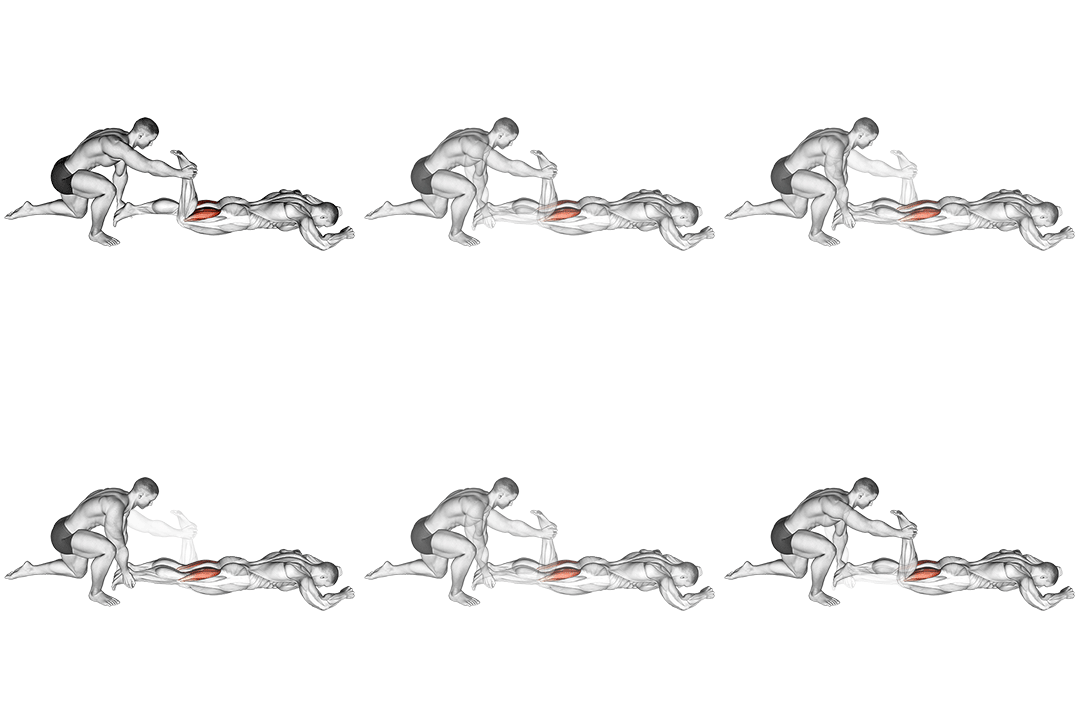
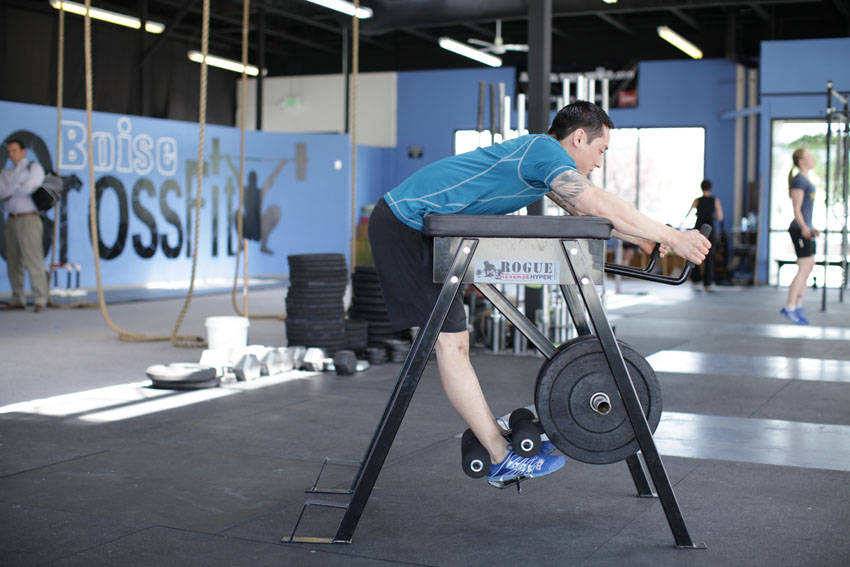
Assisted Prone Hamstring
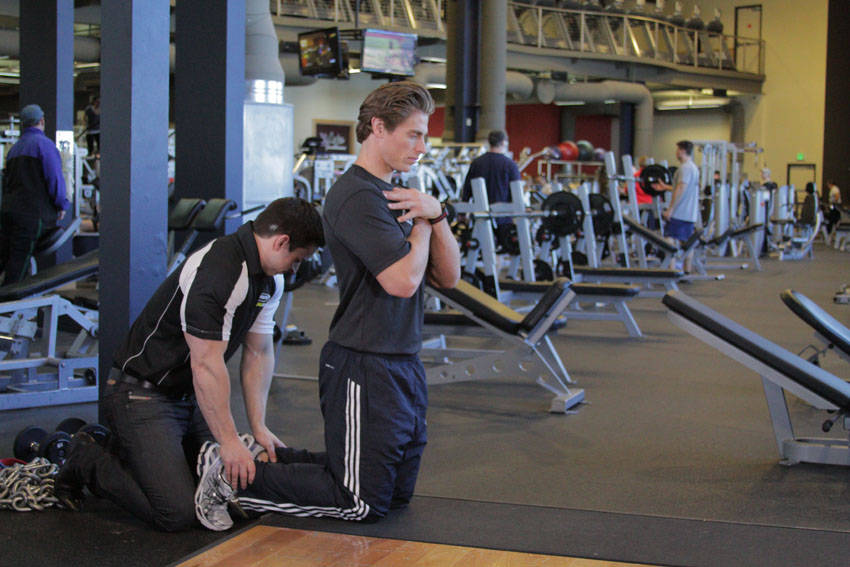
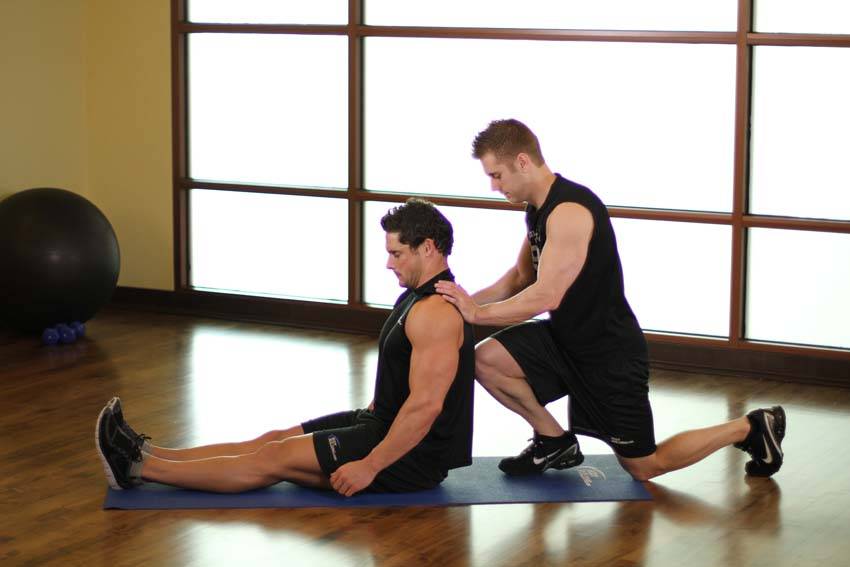
Floor Glute-ham Raise
Head-to-Head Comparison
| Attribute | Assisted Prone Hamstring | Floor Glute-ham Raise |
|---|---|---|
| Target Muscle |
Hamstrings
|
Hamstrings
|
| Body Part |
Upper-legs
|
Upper-legs
|
| Equipment |
Machine
|
Machine
|
| Difficulty |
Beginner
|
Advanced
|
| Movement Type |
Isolation
|
Compound
|
| Secondary Muscles |
2
|
2
|
Secondary Muscles Activated
Assisted Prone Hamstring
Floor Glute-ham Raise
Visual Comparison
Overview
Assisted Prone Hamstring vs Floor Glute-Ham Raise — you’re comparing two hamstring-heavy moves that look similar on paper but load your muscles very differently. In this guide you’ll get clear, actionable comparisons on muscle activation, biomechanics, equipment needs, technique cues, and who should use each exercise. You’ll learn rep ranges (6–12 for hypertrophy, 3–6 for strength), how to cue each lift for safer loading, and practical progressions so you can pick the right move for your goals and experience.
Key Differences
- Assisted Prone Hamstring is an isolation exercise, while Floor Glute-ham Raise is a compound movement.
- Difficulty levels differ: Assisted Prone Hamstring is beginner, while Floor Glute-ham Raise is advanced.
- Both exercises target the Hamstrings using Machine. The main differences are in their movement patterns and muscle activation angles.
Pros & Cons
Assisted Prone Hamstring
+ Pros
- Easy to learn and use — guided knee flexion reduces coordination demands
- Low acute injury risk due to machine support and adjustable assistance
- Great for straight-set hypertrophy work and strict tempo control (2–4s eccentrics)
- Precise load increments let you target 8–15 rep ranges reliably
− Cons
- Less activation of glutes and calves compared with compound moves
- Limited carryover to hip-dominant athletic movements
- Requires a specific machine that may not be available at home
Floor Glute-ham Raise
+ Pros
- High posterior chain recruitment — strong stimulus for hamstring and glute strength
- Loads hamstrings at longer muscle lengths, enhancing eccentric adaptations
- Excellent for building strength and resilient connective tissue with slow eccentrics (3–5s)
- Translates well to athletic movements that require hip extension and deceleration
− Cons
- Steep technical learning curve and higher injury risk if uncontrolled
- Harder to load incrementally without specialized equipment
- Often unavailable in small gyms or home setups without improvisation
When Each Exercise Wins
Floor Glute-Ham Raise wins because it loads the hamstrings at longer lengths and combines hip extension with knee flexion, producing more overall mechanical tension. Use controlled sets of 6–12 reps with slow eccentrics (2–4s) for maximal fiber recruitment.
The compound hip-knee loading in the GHR allows heavier eccentric overload and full posterior chain recruitment, which drives greater strength improvements. Progress with weighted vests or added resistance and low rep ranges (3–6) focusing on tempo control.
The assisted prone machine guides movement, reduces coordination demands, and lets you control load precisely—ideal for learning hamstring isolation and building baseline strength safely. Start with 8–15 reps and short eccentrics to build technique.
Although the GHR often uses a machine, it has close home alternatives (Nordic curls or partner-anchored GHR) that reproduce long‑length hamstring loading without specialized gym machines. These can be done with bodyweight or added resistance.
Frequently Asked Questions
Can I do both Assisted Prone Hamstring and Floor Glute-Ham Raise in the same workout?
Yes — pairing them works well: use the Assisted Prone Hamstring as an isolation finisher or volume tool (8–15 reps) after heavy GHR sets, or vice versa. Keep total hamstring volume in check (20–40 work sets per week) and manage eccentric fatigue to avoid overtraining.
Which exercise is better for beginners?
Assisted Prone Hamstring is better for beginners because the machine stabilizes the hips and guides knee flexion, letting you focus on tension and tempo. Start with lighter loads and 8–15 reps to build control before progressing to compound variations.
How do the muscle activation patterns differ?
The Assisted Prone Hamstring isolates knee flexion, creating concentric-dominant activation in mid-to-short hamstring lengths. The Floor Glute-Ham Raise produces stronger eccentric loading across longer muscle lengths and greater glute-ham co-contraction due to combined hip extension and knee flexion demands.
Can Floor Glute-Ham Raise replace Assisted Prone Hamstring?
Yes for strength and functional carryover—the GHR can replace isolation work when you need more posterior chain recruitment. For high-volume hypertrophy phases or rehab, keep the Assisted Prone Hamstring in rotation for safer, targeted loading and finer progression control.
Expert Verdict
Choose the Assisted Prone Hamstring when you want controlled, low‑risk isolation work—it's ideal for beginners, rehab phases, and high-volume hypertrophy where you need precise load increments and tempo control. Pick the Floor Glute-Ham Raise when your goal is heavy posterior chain strength, eccentric resilience, and functional hip extension; it stresses the hamstrings at longer lengths and forces glute co-contraction. Program both: use the assisted machine for accumulation phases (8–15 reps) and the GHR or Nordic variations for intensification and strength blocks (3–6 heavy reps or 6–12 with slow eccentrics). Prioritize technique, keep hip-spine alignment, and progress tempo before load.
Also Compare
More comparisons with Assisted Prone Hamstring
Compare More Exercises
Use our free comparison tool to analyze any two exercises head-to-head.
Compare Exercises