

Floor Glute-Ham Raise vs Glute Ham Raise: Complete Comparison Guide
Floor Glute-Ham Raise vs Glute Ham Raise — both hit the hamstrings hard, but they load the muscle differently. You’ll get clear comparisons of muscle activation, equipment needs, technique cues, progression routes, and injury considerations so you can pick the best choice for your goals. I’ll show you how each exercise stresses the hamstrings via knee flexion versus combined hip extension, give specific rep ranges (strength: 3–6, hypertrophy: 6–12, eccentric focus: 4–6 with 3–5s negatives), and explain which one to use for strength, size, or accessibility.
Exercise Comparison
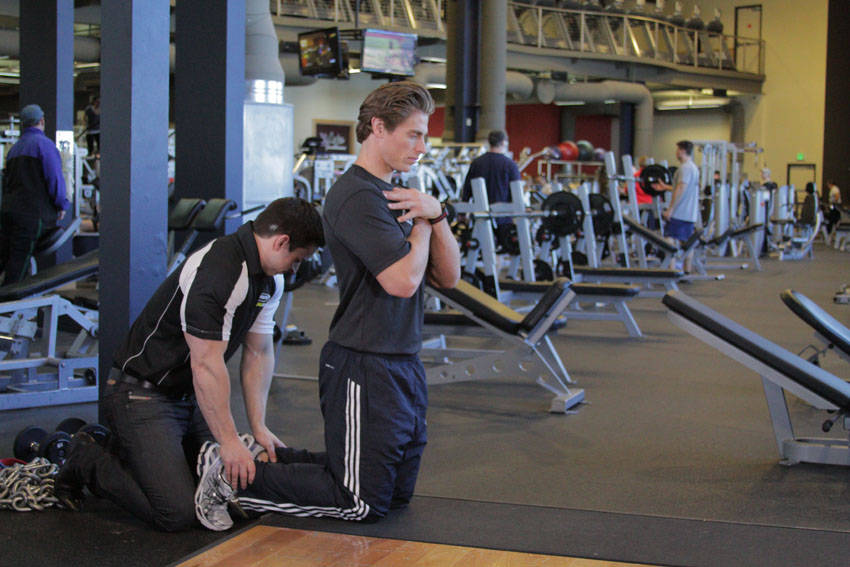
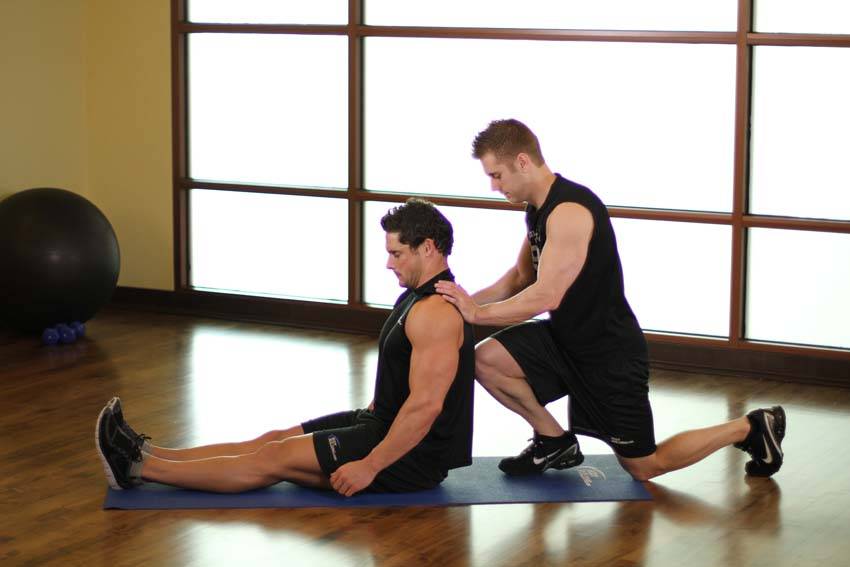
Floor Glute-ham Raise
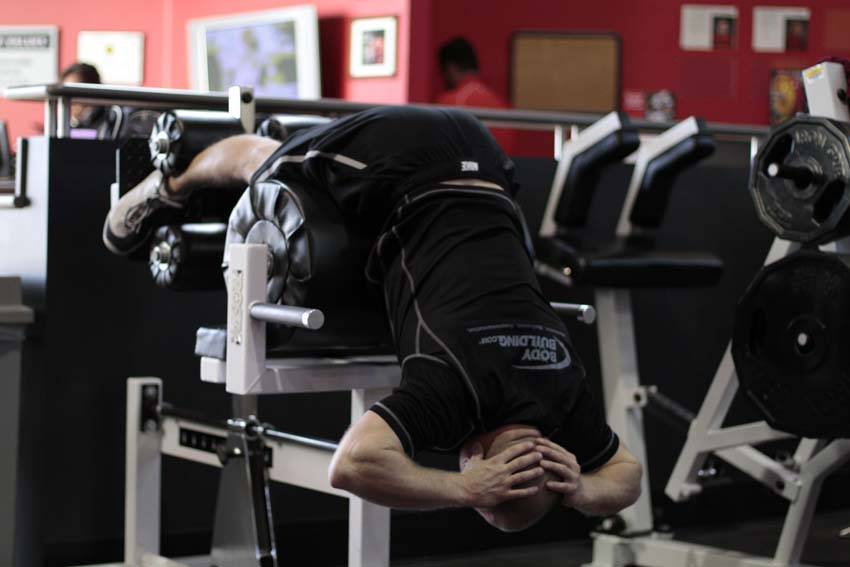
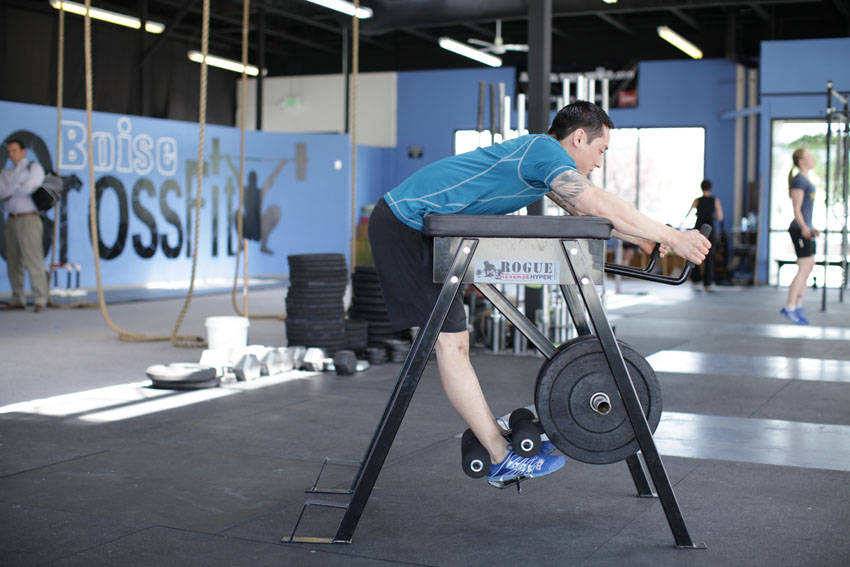
Glute Ham Raise
Head-to-Head Comparison
| Attribute | Floor Glute-ham Raise | Glute Ham Raise |
|---|---|---|
| Target Muscle |
Hamstrings
|
Hamstrings
|
| Body Part |
Upper-legs
|
Upper-legs
|
| Equipment |
Machine
|
Machine
|
| Difficulty |
Advanced
|
Advanced
|
| Movement Type |
Compound
|
Compound
|
| Secondary Muscles |
2
|
2
|
Secondary Muscles Activated
Floor Glute-ham Raise
Glute Ham Raise
Visual Comparison
Overview
Floor Glute-Ham Raise vs Glute Ham Raise — both hit the hamstrings hard, but they load the muscle differently. You’ll get clear comparisons of muscle activation, equipment needs, technique cues, progression routes, and injury considerations so you can pick the best choice for your goals. I’ll show you how each exercise stresses the hamstrings via knee flexion versus combined hip extension, give specific rep ranges (strength: 3–6, hypertrophy: 6–12, eccentric focus: 4–6 with 3–5s negatives), and explain which one to use for strength, size, or accessibility.
Key Differences
- Both exercises target the Hamstrings using Machine. The main differences are in their movement patterns and muscle activation angles.
Pros & Cons
Floor Glute-ham Raise
+ Pros
- Easier to regress with band or partner assistance
- Strong eccentric stimulus that increases time under tension
- Smaller footprint — you can set up with an anchor or partner
- Cleaner knee-dominant loading useful for hamstring isolation
− Cons
- Limited ability to add external load systematically
- Less glute involvement due to restricted hip travel
- Requires a stable foot anchor or partner for safety
Glute Ham Raise
+ Pros
- Greater hip extension ROM increases hamstring and glute tension
- Easier to progressively overload with plates or chains
- Stable machine setup improves consistency and technique
- Peak activation occurs later in ROM — good for lengthened tension
− Cons
- Harder to learn optimal hip and spine positioning
- Slightly higher spinal/lumbar risk if uncontrolled
- Requires a GHR/GHD machine that not every facility has
When Each Exercise Wins
The Glute Ham Raise produces greater hip flexion and a longer hamstring length under tension, which increases mechanical tension and muscle fibre recruitment. It also allows progressive overload with added weight and varied tempos, making 6–12 rep sets highly effective.
You can load the Glute Ham Raise and perform heavier 3–6 rep ranges, plus eccentrics and isometrics at end range. The ability to manipulate lever length and add external resistance makes it superior for building maximal force.
Floor variants are easier to regress — start with partial ROM, band assistance, or partner help — so you can build eccentric control and posterior chain coordination before moving to the full GHR machine.
A Floor Glute-Ham Raise can be approximated with an anchor, couch, or partner and requires less bulky equipment than a dedicated GHR machine, making it the more practical option for limited-space setups.
Frequently Asked Questions
Can I do both Floor Glute-Ham Raise and Glute Ham Raise in the same workout?
Yes — pairing them works well: start with weighted Glute Ham Raises for heavy sets (3–6 reps) then finish with Floor Glute-Ham Raises for controlled eccentrics or higher-rep metabolic work (6–12 reps). Keep total weekly volume appropriate to avoid excessive hamstring fatigue.
Which exercise is better for beginners?
The Floor Glute-Ham Raise is better for beginners because you can regress range of motion and use band or partner assistance to build eccentric strength and hip control before progressing to the full Glute Ham Raise.
How do the muscle activation patterns differ?
Both load hamstrings eccentrically then concentrically, but the Glute Ham Raise shifts peak activation later due to greater hip flexion and increased muscle length. The Floor version is more knee-dominant, producing a stronger early-range hamstring demand with slightly less glute contribution.
Can Glute Ham Raise replace Floor Glute-Ham Raise?
Yes — the Glute Ham Raise can replace the Floor variant for most goals because it offers greater ROM and loading options. Keep the Floor variation in your toolbox for regressions, eccentric-focused blocks, or when equipment is limited.
Expert Verdict
Choose the Glute Ham Raise if your priority is muscle growth and strength: it produces greater hamstring length-tension via increased hip flexion and lets you add plates, change pad height, and manipulate tempo for progressive overload. Pick the Floor Glute-Ham Raise if you need regressions, are training at home, or want an intense knee-dominant hamstring stimulus with simpler setup. For programming, use Glute Ham Raises for 3–6 heavy sets for strength or 6–12 for hypertrophy, and use Floor Glute-Ham Raises for eccentric-focused work (4–6 reps with 3–5s negatives) and skill-building before moving to the machine.
Also Compare
More comparisons with Floor Glute-ham Raise
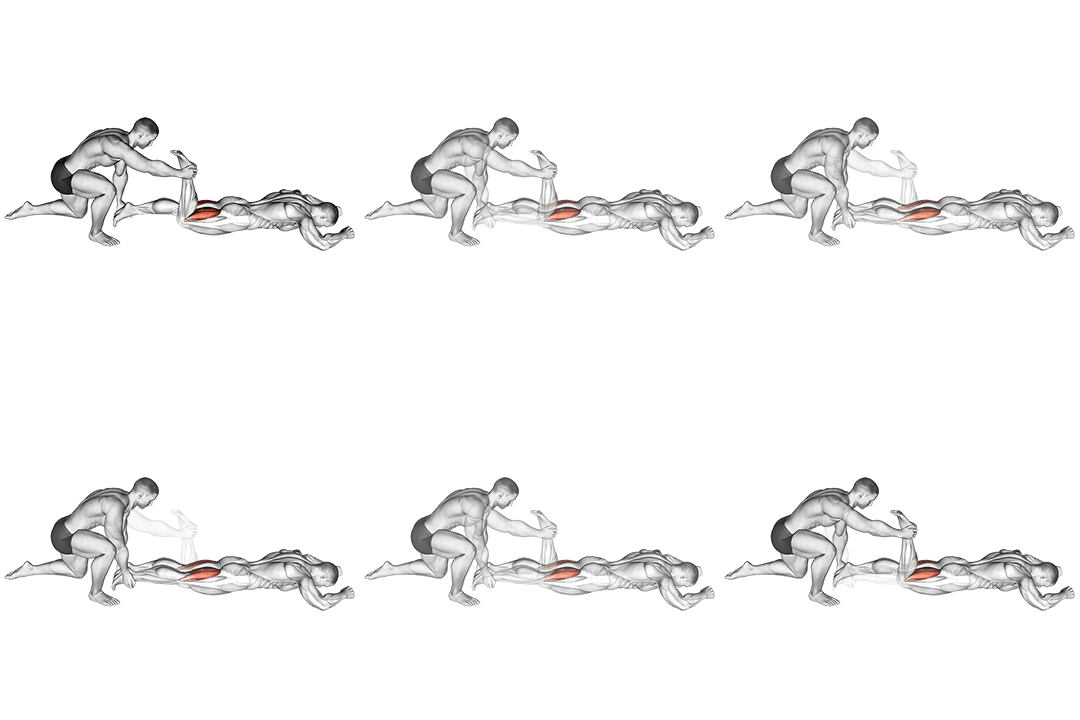
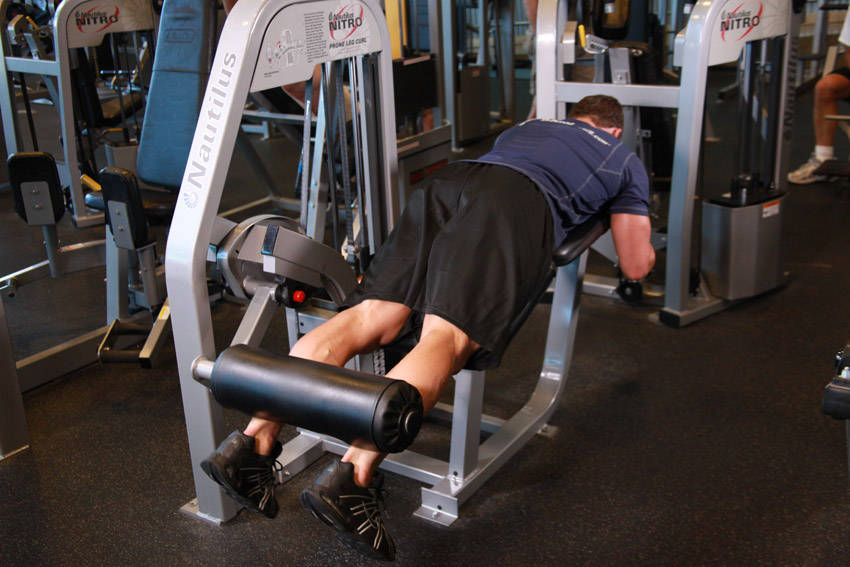
Compare More Exercises
Use our free comparison tool to analyze any two exercises head-to-head.
Compare Exercises