

Assisted Prone Hamstring vs Seated Hamstring: Complete Comparison Guide
Assisted Prone Hamstring vs Seated Hamstring — two beginner-friendly machine curls that target your hamstrings but load them differently. In this comparison you’ll get clear guidance on muscle activation, biomechanics (hip angle, length-tension, force vectors), technique cues, equipment needs, and programming (rep ranges and progressions). I’ll show which movement better promotes muscle growth, which one is safer for beginners, and actionable coaching points you can use on your next leg day to maximize hamstring development.
Exercise Comparison
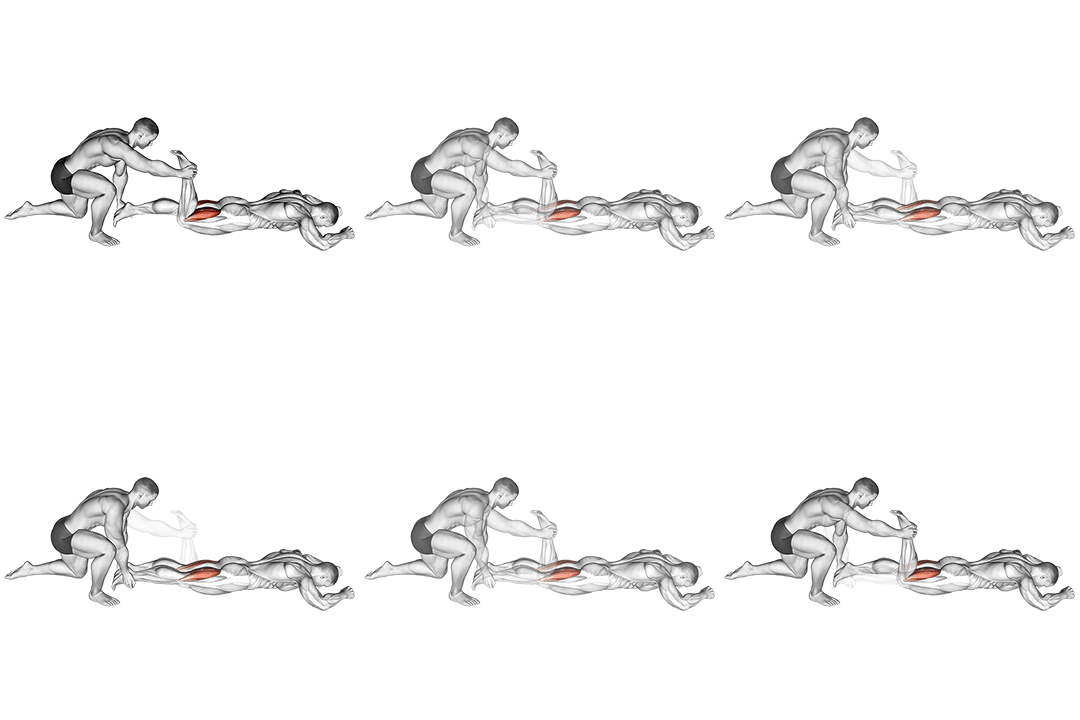
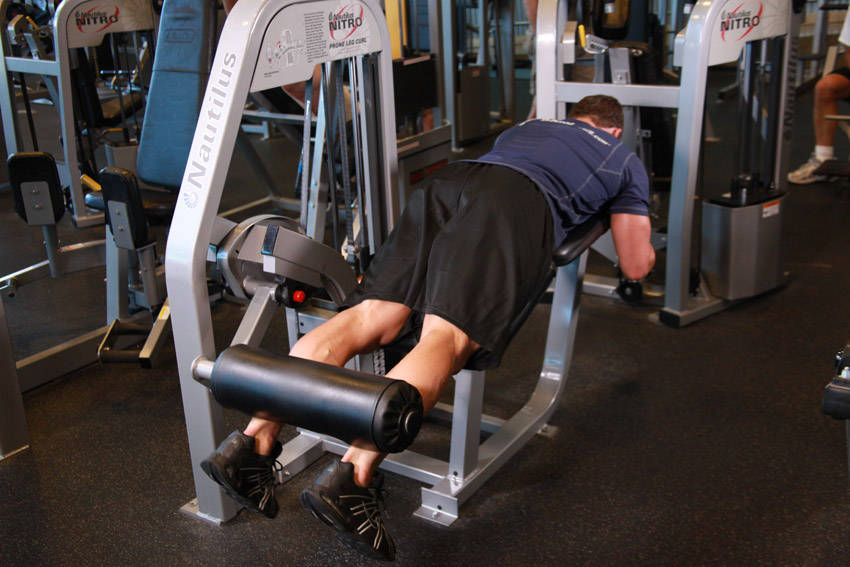
Assisted Prone Hamstring
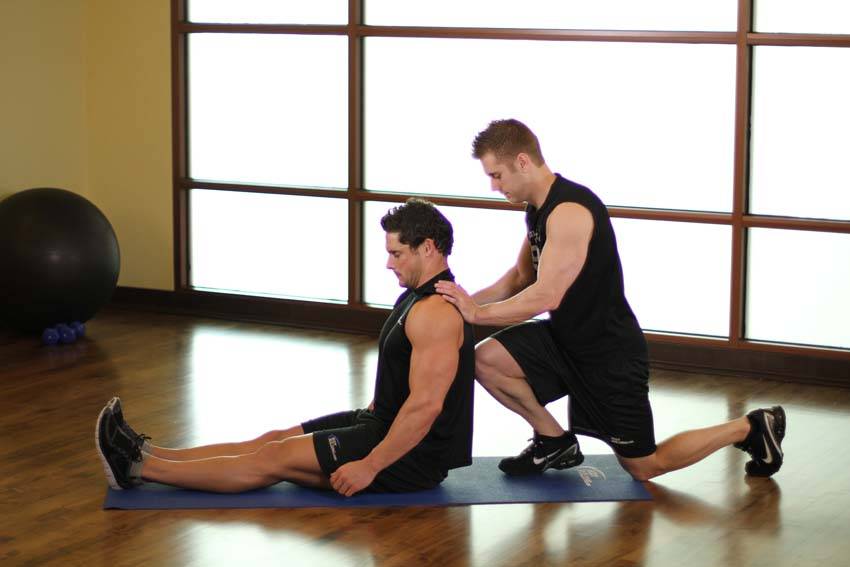
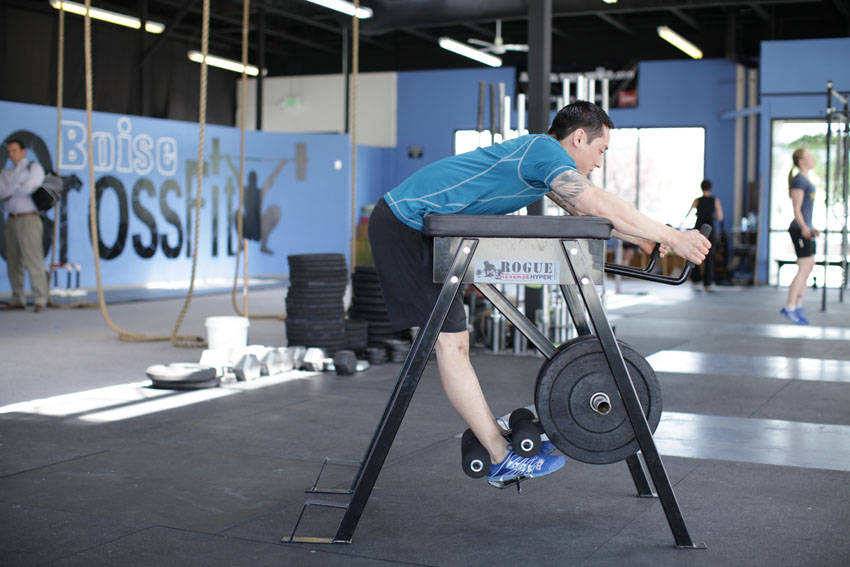
Seated Hamstring
Head-to-Head Comparison
| Attribute | Assisted Prone Hamstring | Seated Hamstring |
|---|---|---|
| Target Muscle |
Hamstrings
|
Hamstrings
|
| Body Part |
Upper-legs
|
Upper-legs
|
| Equipment |
Machine
|
Machine
|
| Difficulty |
Beginner
|
Beginner
|
| Movement Type |
Isolation
|
Isolation
|
| Secondary Muscles |
2
|
1
|
Secondary Muscles Activated
Assisted Prone Hamstring
Seated Hamstring
Visual Comparison
Overview
Assisted Prone Hamstring vs Seated Hamstring — two beginner-friendly machine curls that target your hamstrings but load them differently. In this comparison you’ll get clear guidance on muscle activation, biomechanics (hip angle, length-tension, force vectors), technique cues, equipment needs, and programming (rep ranges and progressions). I’ll show which movement better promotes muscle growth, which one is safer for beginners, and actionable coaching points you can use on your next leg day to maximize hamstring development.
Key Differences
- Both exercises target the Hamstrings using Machine. The main differences are in their movement patterns and muscle activation angles.
Pros & Cons
Assisted Prone Hamstring
+ Pros
- Allows heavier concentric loads—good for strength progression
- Better posterior chain stability when performed with a neutral pelvis
- Less calf involvement, more pure knee-flexion isolation
- Clear, short-range force application ideal for controlled negatives (2–4 sec eccentrics)
− Cons
- Requires strict pelvic control to avoid lumbar extension
- Smaller stretch stimulus for hamstring fibers in hip-flexed position
- Some gyms lack a dedicated prone machine
Seated Hamstring
+ Pros
- Places hamstrings on a longer length via hip flexion—better stretch stimulus
- Backrest stabilizes the torso, making setup easier for beginners
- Often more accessible on multi-gyms and cable stations
- Slight calf recruitment can add functional transfer to knee flexion activities
− Cons
- Greater stretch increases strain risk if overloaded
- May feel less stable for heavy loading compared with prone position
- Limited by backrest and seat geometry for some body sizes
When Each Exercise Wins
Seated position lengthens the hamstrings via ~80°–100° hip flexion, increasing length-tension stimulus and eccentric stretch—both drivers of hypertrophy. Use 8–15 reps with 2–3 second eccentrics to maximize muscle growth.
Prone curls allow higher concentric force and heavier absolute loads thanks to a stable lying position and shorter effective lever—ideal for 4–8 heavy sets to build knee-flexor strength and neural adaptations.
The seated curl’s backrest and thigh pads simplify setup and reduce lower-back compensation, letting beginners focus on tempo and full range. Start with 10–15 reps and slow eccentrics to learn control.
Seated curl movements are easier to approximate with a low cable or resistance band and an anchored seat, while prone curls usually need dedicated lying machines. That makes seated variations more adaptable for limited equipment.
Frequently Asked Questions
Can I do both Assisted Prone Hamstring and Seated Hamstring in the same workout?
Yes. Pairing them back-to-back (e.g., prone heavy sets then seated lighter sets at longer length) trains both concentric force and eccentric stretch. Limit total volume to 10–16 working sets for hamstrings per week to avoid overtraining.
Which exercise is better for beginners?
Seated Hamstring is better for beginners because the backrest and thigh pad stabilize the pelvis and lower back, letting you focus on tempo and full range. Start with lighter resistance, 10–15 reps, and emphasize a slow 2–3 second eccentric.
How do the muscle activation patterns differ?
Seated curls put the hamstrings at a longer starting length due to ~80°–100° hip flexion, increasing eccentric stretch and activation of length-sensitive fibers. Prone curls keep the hip more neutral, favoring higher concentric force and slightly different recruitment of posterior chain stabilizers.
Can Seated Hamstring replace Assisted Prone Hamstring?
Seated can replace prone if your goal is hypertrophy or you lack equipment, since it provides a strong stretch stimulus. If you want maximal concentric strength or heavier loading, keep prone curls in your program rather than fully replacing them.
Expert Verdict
Choose Seated Hamstring when your priority is muscle growth and a strong eccentric stretch—its hip-flexed position lengthens the hamstrings and boosts stretch-mediated hypertrophy (use 8–15 reps with controlled 2–3 second eccentrics). Pick Assisted Prone Hamstring when you want to move heavier loads and emphasize concentric strength or reduce calf involvement—aim for 4–8 heavy reps or mixed rep schemes. For beginners, start with seated curls to learn movement control, then add prone curls for variety and progressive overload. Alternate both across training cycles to exploit different length-tension and force-vector benefits.
Also Compare
More comparisons with Assisted Prone Hamstring
Compare More Exercises
Use our free comparison tool to analyze any two exercises head-to-head.
Compare Exercises