

Floor Glute-Ham Raise vs Seated Hamstring: Complete Comparison Guide
Floor Glute-Ham Raise vs Seated Hamstring — if you want stronger, thicker hamstrings you need to pick the right tool. You’ll get a clear, practical comparison that covers primary muscle activation, secondary recruitment (glutes and calves), equipment needs, learning curve, injury risk, and programming tips. I’ll give technique cues, rep ranges (6–12 for hypertrophy, 3–6 for strength, 8–15 for beginners), and when to use each exercise so you can choose what fits your goals and gym setup.
Exercise Comparison
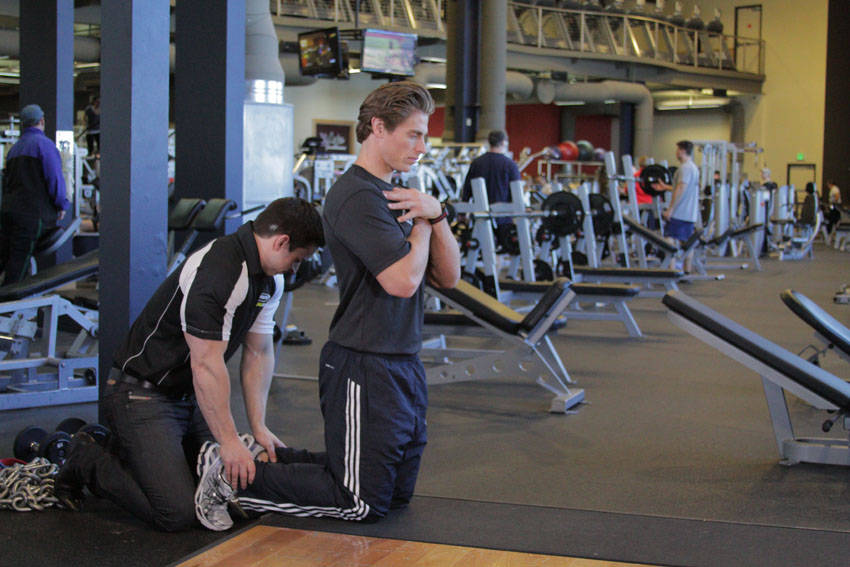
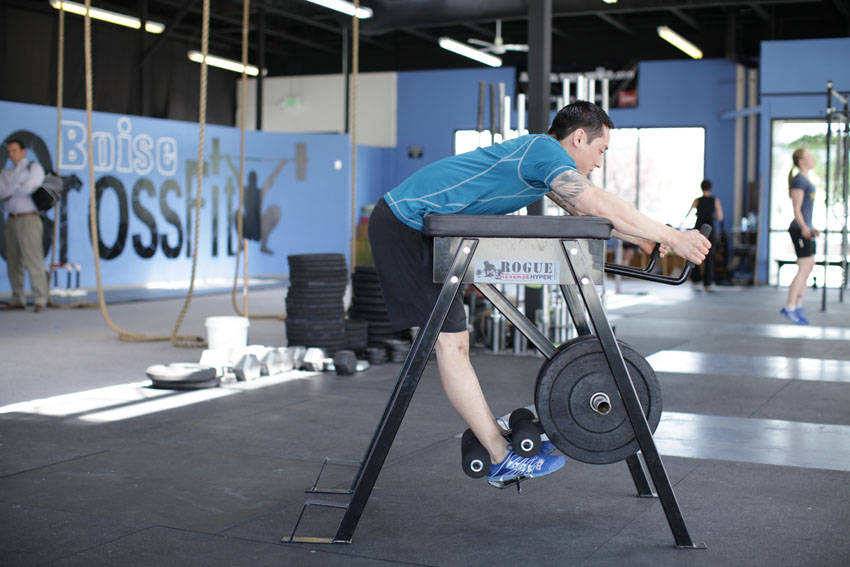
Floor Glute-ham Raise
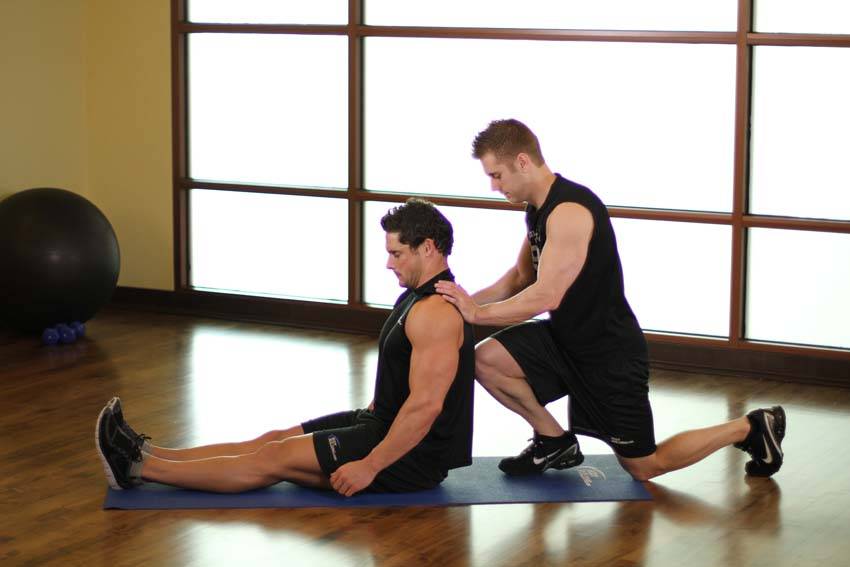
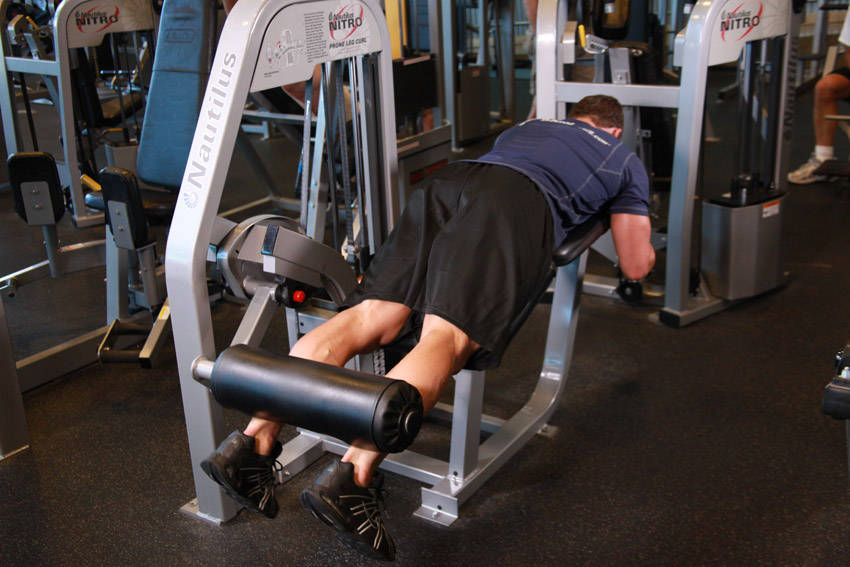
Seated Hamstring
Head-to-Head Comparison
| Attribute | Floor Glute-ham Raise | Seated Hamstring |
|---|---|---|
| Target Muscle |
Hamstrings
|
Hamstrings
|
| Body Part |
Upper-legs
|
Upper-legs
|
| Equipment |
Machine
|
Machine
|
| Difficulty |
Advanced
|
Beginner
|
| Movement Type |
Compound
|
Isolation
|
| Secondary Muscles |
2
|
1
|
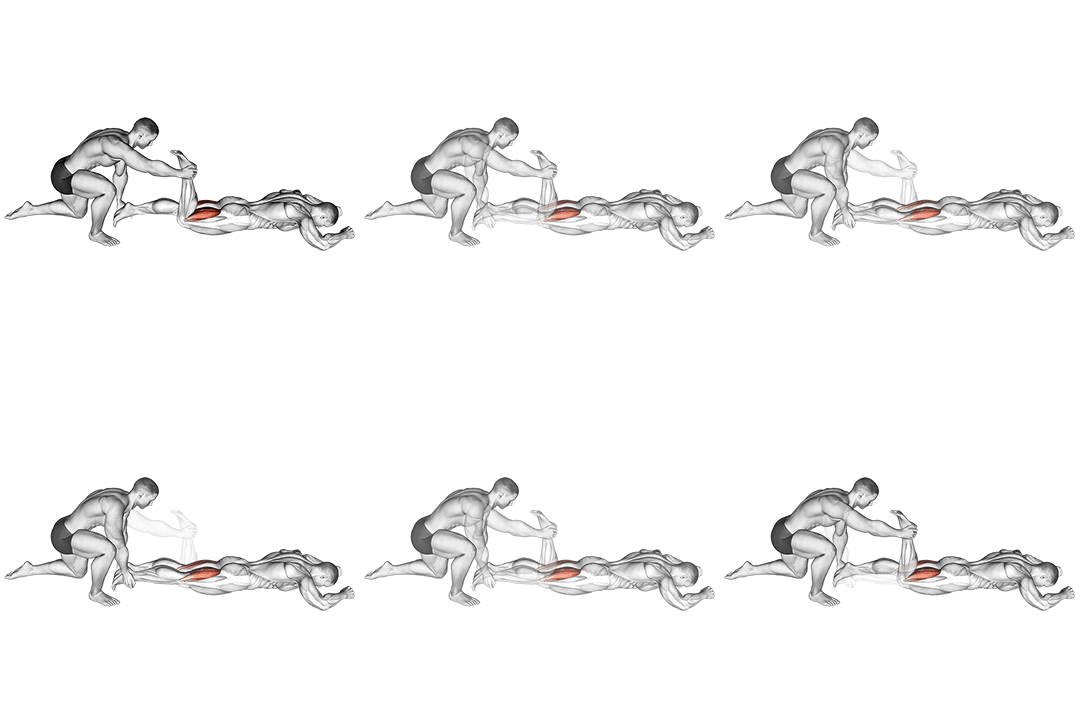
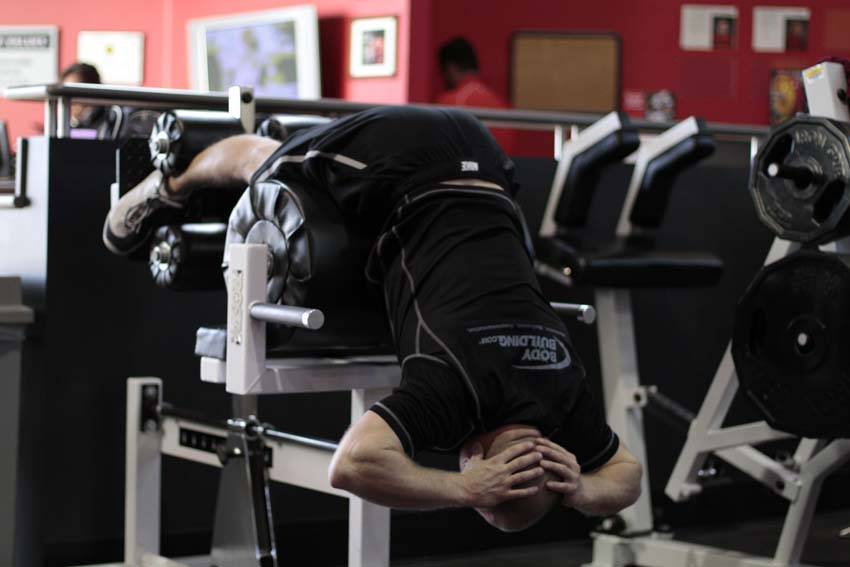
Secondary Muscles Activated
Floor Glute-ham Raise
Seated Hamstring
Visual Comparison
Overview
Floor Glute-Ham Raise vs Seated Hamstring — if you want stronger, thicker hamstrings you need to pick the right tool. You’ll get a clear, practical comparison that covers primary muscle activation, secondary recruitment (glutes and calves), equipment needs, learning curve, injury risk, and programming tips. I’ll give technique cues, rep ranges (6–12 for hypertrophy, 3–6 for strength, 8–15 for beginners), and when to use each exercise so you can choose what fits your goals and gym setup.
Key Differences
- Floor Glute-ham Raise is a compound movement, while Seated Hamstring is an isolation exercise.
- Difficulty levels differ: Floor Glute-ham Raise is advanced, while Seated Hamstring is beginner.
- Both exercises target the Hamstrings using Machine. The main differences are in their movement patterns and muscle activation angles.
Pros & Cons
Floor Glute-ham Raise
+ Pros
- Massive eccentric loading across hip and knee for high mechanical tension
- Stronger glute recruitment improves hip-extension strength
- High progression ceiling with added weight and eccentric focus
- Improves posterior chain coordination and sprint-related strength
− Cons
- Advanced technique; steep learning curve
- Requires a GHR machine or partner-assisted setup
- Higher strain risk if eccentrics are uncontrolled
Seated Hamstring
+ Pros
- Easy to cue and set up for beginners
- Good isolation allows precise time under tension (8–15 reps)
- Commonly available in most commercial gyms
- Lower acute injury risk and easier to control tempo
− Cons
- Limited hip-extension training; long head contribution reduced
- Smaller progression ceiling for overall posterior chain strength
- Less carryover to multi-joint athletic movements
When Each Exercise Wins
The GHR produces higher mechanical tension across both hip and knee joints and allows heavy eccentric overload, which increases muscle fiber recruitment and time under tension. Use 6–12 reps with a 2–4s eccentric to stimulate substantial muscle growth in the hamstrings and glutes.
Because it’s a compound, multi-joint movement that can be loaded progressively (belt, vest) and emphasizes eccentric control, the GHR better transfers to maximal posterior chain strength. Program sets of 3–6 reps with added load and slow eccentrics for neural and structural adaptation.
Seated curls isolate knee flexion with simpler mechanics and lower technical demand, letting you learn hamstring engagement and build baseline strength. Start with 8–15 reps, focus on full ROM and a 2–3s eccentric before graduating to more complex patterns.
Most home setups can replicate seated curls with a single-leg curl machine, cable, or bands, while a proper GHR setup is rare. If you want GHR benefits at home, substitute Nordic hamstring lowers and progress eccentrics gradually.
Frequently Asked Questions
Can I do both Floor Glute-Ham Raise and Seated Hamstring in the same workout?
Yes. Pair them strategically: perform Floor Glute-Ham Raises early when you’re fresh to handle heavy eccentrics (3–6 or 6–8 reps), then use Seated Hamstring curls as an accessory for volume (8–15 reps) to increase time under tension and finish off the hamstrings.
Which exercise is better for beginners?
Seated Hamstring is better for beginners because it isolates knee flexion, is easier to set up, and allows safe tempo control. Once you’ve built foundational strength and posterior-chain coordination, introduce GHR progressions or Nordic lowers.
How do the muscle activation patterns differ?
GHRs activate hamstrings across both hip and knee, placing fibers at longer lengths and increasing eccentric demand; EMG work often shows higher overall activity in GHR-style movements. Seated curls isolate knee flexion with the hip at ~90°, which shortens the long head and shifts emphasis toward knee-dominant activation.
Can Seated Hamstring replace Floor Glute-Ham Raise?
Seated Hamstring can substitute when you lack a GHR setup or are rehabbing, but it won’t fully replace the hip-extension and eccentric strength benefits of the GHR. For full posterior-chain carryover, include a hip-extension pattern (GHR, Romanian deadlift, or Nordic curl) alongside seated curls.
Expert Verdict
Use the Floor Glute-Ham Raise when you need heavy, sport-specific posterior-chain development — it trains hamstrings through both hip extension and knee flexion and excels for strength and hypertrophy when you can control eccentrics. Choose the Seated Hamstring if you’re new to training, need a reliable isolation tool, or lack access to GHR equipment. For balanced development, prioritize GHRs in advanced phases (3–6 or 6–12 rep ranges with eccentric emphasis) and program seated curls in accessory blocks (8–15 reps) to dial in volume and rehab weak points.
Also Compare
More comparisons with Floor Glute-ham Raise
Compare More Exercises
Use our free comparison tool to analyze any two exercises head-to-head.
Compare Exercises