

Assisted Prone Hamstring vs Reverse Hyperextension: Complete Comparison Guide
Assisted Prone Hamstring vs Reverse Hyperextension — you’re comparing two machine movements that both target the hamstrings but use different joints and force vectors. In this guide you’ll get clear, usable advice: how each exercise loads the hamstrings, the secondary muscle recruitment, technique cues you can use now, recommended rep ranges (6–12 for strength and hypertrophy work), and which fits your goals and gym setup. Read on and you’ll know when to choose the isolation-driven prone curl or the compound, hip-driven reverse hyperextension.
Exercise Comparison
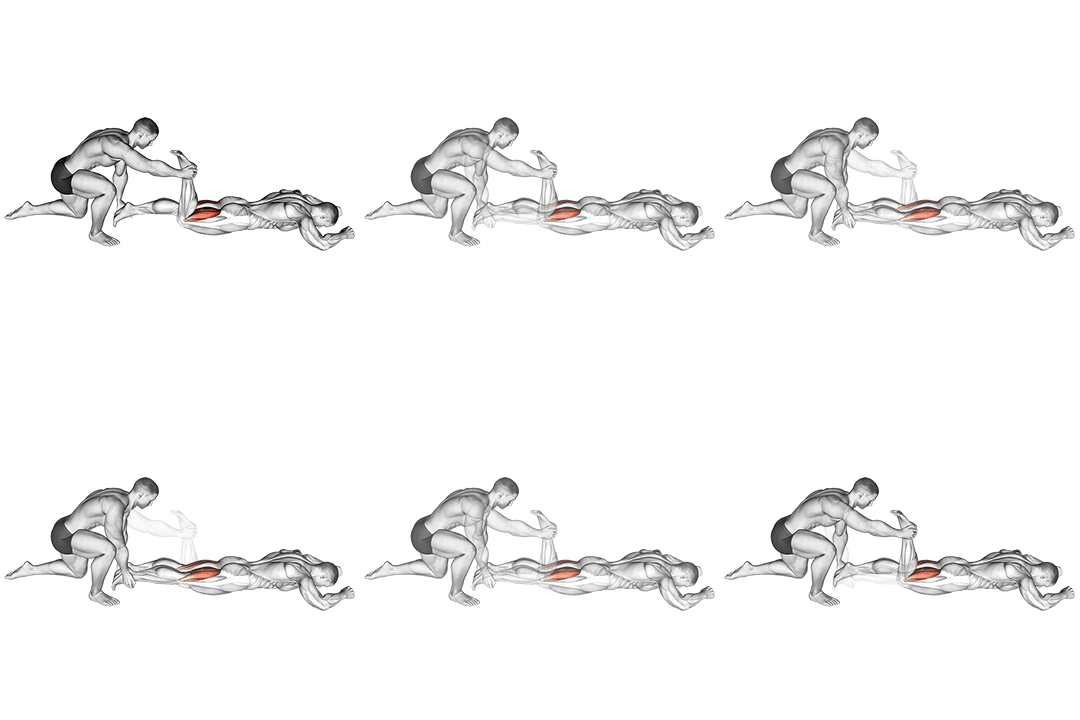
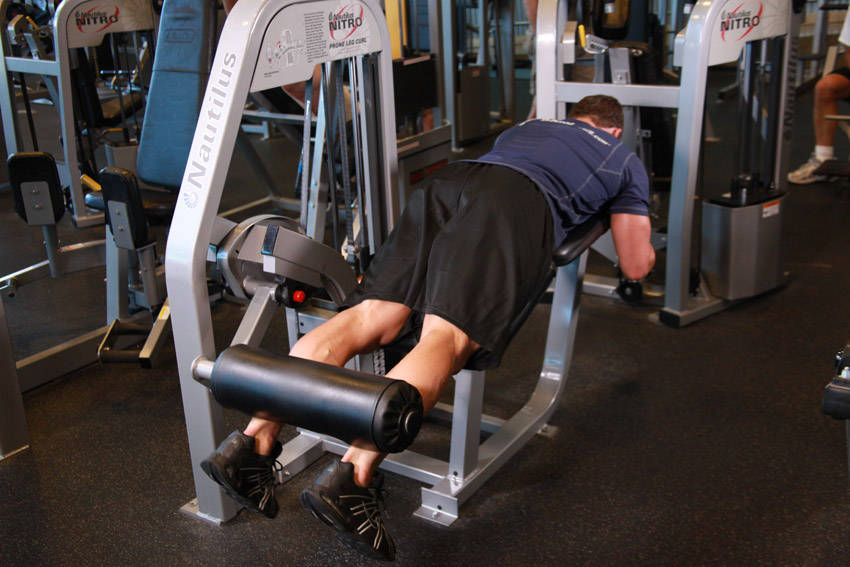
Assisted Prone Hamstring
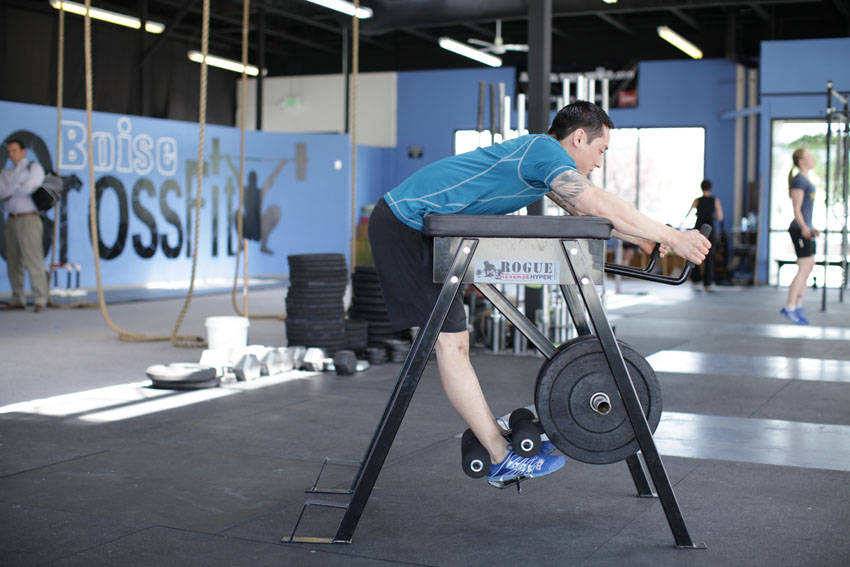
Reverse Hyperextension
Head-to-Head Comparison
| Attribute | Assisted Prone Hamstring | Reverse Hyperextension |
|---|---|---|
| Target Muscle |
Hamstrings
|
Hamstrings
|
| Body Part |
Upper-legs
|
Upper-legs
|
| Equipment |
Machine
|
Machine
|
| Difficulty |
Beginner
|
Intermediate
|
| Movement Type |
Isolation
|
Compound
|
| Secondary Muscles |
2
|
2
|
Secondary Muscles Activated
Assisted Prone Hamstring
Reverse Hyperextension
Visual Comparison
Overview
Assisted Prone Hamstring vs Reverse Hyperextension — you’re comparing two machine movements that both target the hamstrings but use different joints and force vectors. In this guide you’ll get clear, usable advice: how each exercise loads the hamstrings, the secondary muscle recruitment, technique cues you can use now, recommended rep ranges (6–12 for strength and hypertrophy work), and which fits your goals and gym setup. Read on and you’ll know when to choose the isolation-driven prone curl or the compound, hip-driven reverse hyperextension.
Key Differences
- Assisted Prone Hamstring is an isolation exercise, while Reverse Hyperextension is a compound movement.
- Difficulty levels differ: Assisted Prone Hamstring is beginner, while Reverse Hyperextension is intermediate.
- Both exercises target the Hamstrings using Machine. The main differences are in their movement patterns and muscle activation angles.
Pros & Cons
Assisted Prone Hamstring
+ Pros
- Direct isolation of hamstrings via knee flexion improves targeted muscle growth and mind-muscle connection
- Easy to learn and set up—good for beginners and rehabilitation
- Low coordination demands let you focus on tempo (e.g., 2 s concentric, 3 s eccentric)
- Small incremental loading is available on most machines for safe progress
− Cons
- Limited carryover to hip-dominant movements like deadlifts or sprinting
- Shortened-range emphasis may miss adaptations at long muscle lengths
- Less overall posterior chain recruitment compared with compound options
Reverse Hyperextension
+ Pros
- Loads hamstrings and glutes through hip extension, improving posterior chain strength
- Maintains tension across a longer muscle length, which can enhance hypertrophy and tendon resilience
- Transfers well to athletic and deadlift-style tasks due to hip-dominant force vector
- Can be used for light, high-volume spinal decompression-style swings in rehab settings
− Cons
- Less common equipment—harder to find in many gyms
- Requires pelvic and lumbar control; poor technique increases risk
- Learning curve and coordination demands are higher than isolated curls
When Each Exercise Wins
Reverse hypers load the hamstrings at longer muscle lengths and through a larger hip-extension range, promoting eccentric tension that favors muscle growth. Use 6–12 reps with controlled 2–3 s negatives to exploit length-tension adaptations.
Because it’s a compound, hip-driven movement, reverse hypers improve intermuscular coordination and posterior chain torque, which transfers better to heavy deadlifts and hip-dominant lifts. Train with heavier sets of 3–6 reps and progressive loading.
The prone hamstring curl isolates knee flexion and has a simple movement pattern, making it easier to learn and safer for novices. Start with 10–15 reps focusing on full range and slow eccentrics to build tendon tolerance.
Most home setups can mimic knee-flexion resistance using bands or a simple curl attachment, while reverse hypers usually require a bulky, specialized machine. Bands and adjustable loads make prone-style curls more practical at home.
Frequently Asked Questions
Can I do both Assisted Prone Hamstring and Reverse Hyperextension in the same workout?
Yes. Use Reverse Hyperextension earlier as a heavy, compound lift to build hip extension strength, then follow with Assisted Prone Hamstring as a higher-rep isolation finisher. A sample sequence: 3–4 sets of reverse hypers (3–6 reps) then 2–3 sets of prone curls (10–15 reps).
Which exercise is better for beginners?
Assisted Prone Hamstring is better for beginners because it isolates the knee-flexion movement and requires less coordination. Start with lighter loads and controlled eccentrics to build strength and tendon resilience before progressing to hip-dominant work.
How do the muscle activation patterns differ?
Prone hamstring curls concentrate activation during terminal knee flexion, emphasizing shortening contractions and peak activation near 0° knee angle. Reverse hypers keep hamstrings under tension through hip extension, providing more continuous lengthened contraction and greater glute and lumbar involvement.
Can Reverse Hyperextension replace Assisted Prone Hamstring?
Reverse hypers can replace prone curls if your priority is hip-extension strength and functional posterior chain development, but they won’t isolate knee-flexor strength as effectively. For complete hamstring development, include both across training cycles.
Expert Verdict
Choose the Assisted Prone Hamstring when you want a low-skill, isolation tool to target knee-flexor strength, improve mind-muscle connection, or work around spine issues—ideal for beginners, rehabilitation, or accessory work (8–15 reps). Opt for Reverse Hyperextension when your goal is posterior chain integration, hip-extension strength, and working hamstrings at longer lengths; it’s the better choice for strength athletes and hypertrophy focused on functional transfer (3–8 heavy reps to build strength, 6–12 for size with tempo). If you can access both, pair them: reverse hypers for heavy compound loading and prone curls for targeted volume and finishers.
Also Compare
More comparisons with Assisted Prone Hamstring
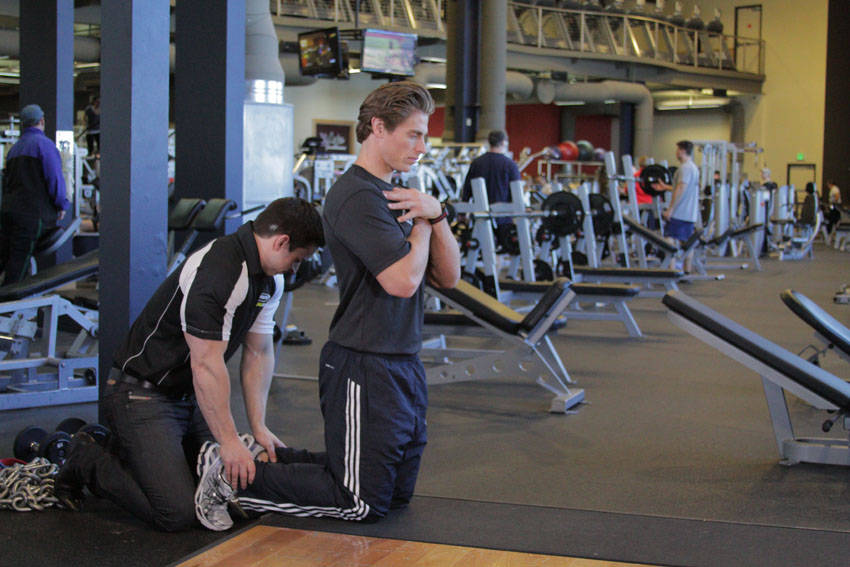
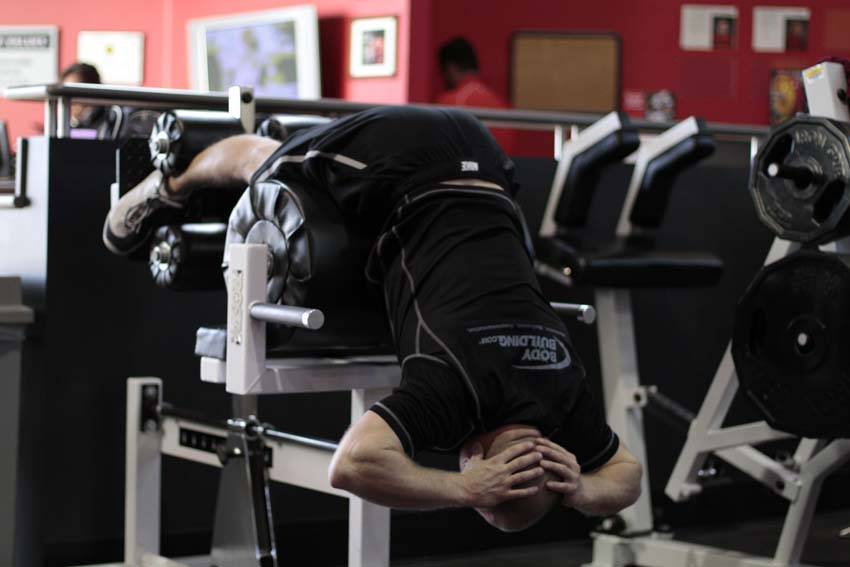
Compare More Exercises
Use our free comparison tool to analyze any two exercises head-to-head.
Compare Exercises