

Assisted Prone Hamstring vs Lying Leg Curls: Complete Comparison Guide
Assisted Prone Hamstring vs Lying Leg Curls — you want stronger, thicker hamstrings and need a clear choice. I’ll walk you through how each machine stresses the hamstrings, which secondary muscles light up, setup and technique cues, numeric rep ranges, and when to pick one over the other for hypertrophy, strength, or rehab. Read this guide and you’ll know which exercise to program, how to cue your body (hip position, knee angle, tempo), and simple progressions to safely increase load and time under tension.
Exercise Comparison
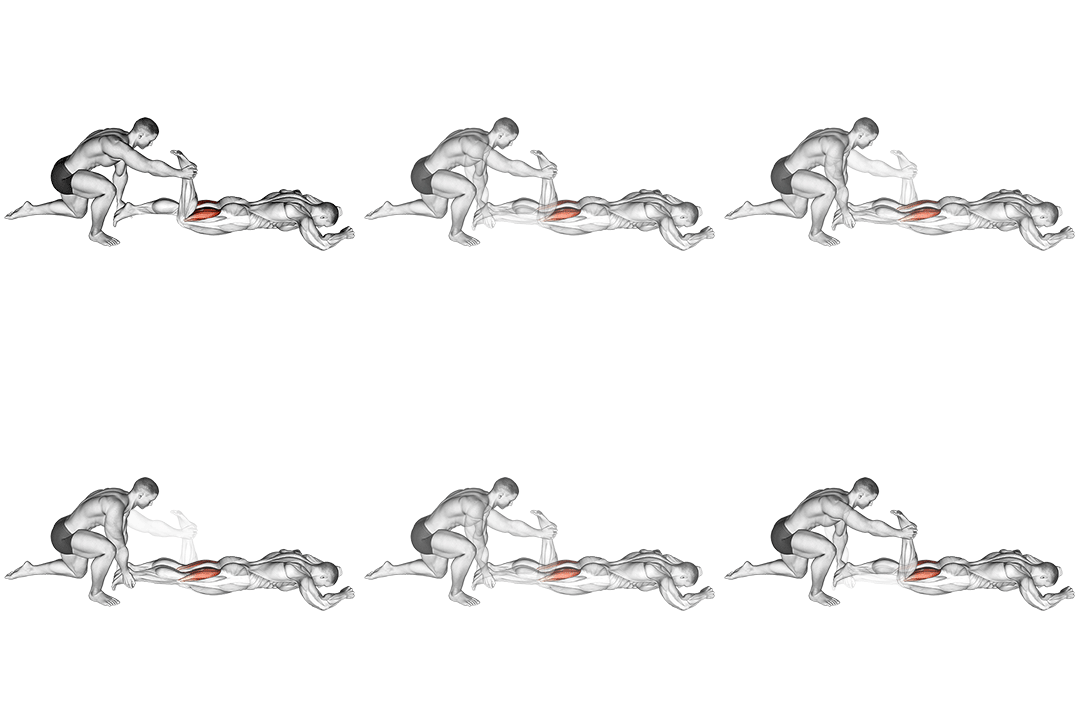
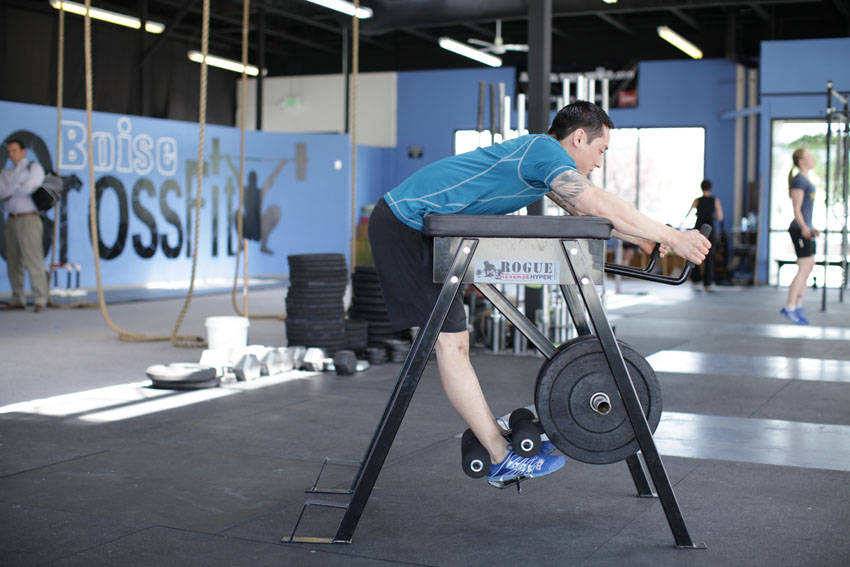
Assisted Prone Hamstring
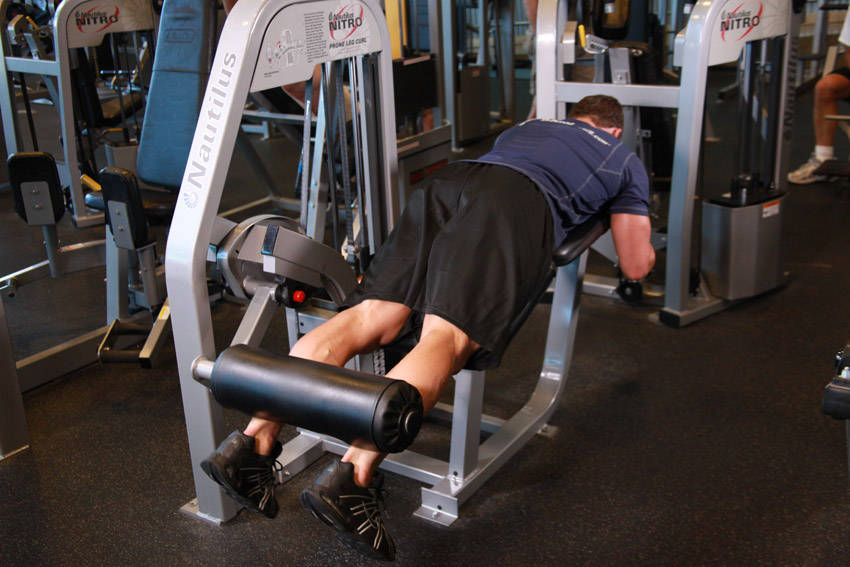
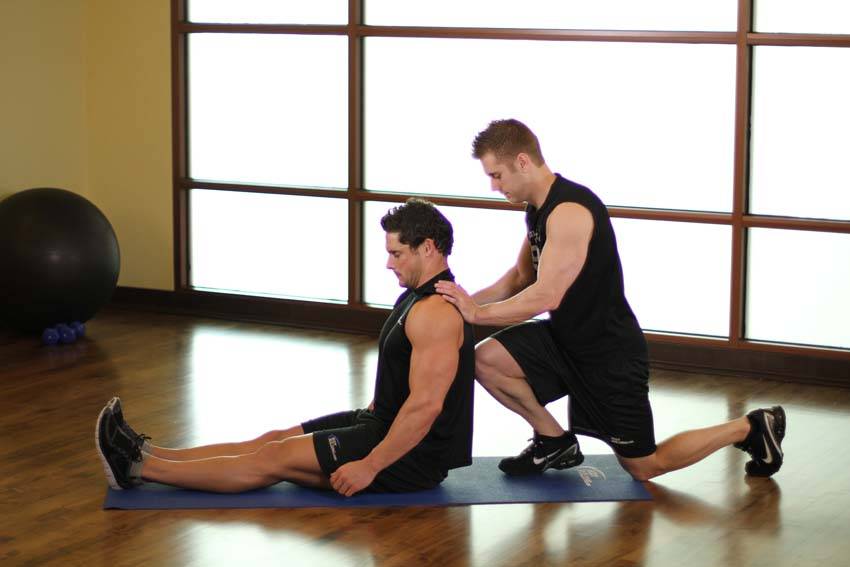
Lying Leg Curls
Head-to-Head Comparison
| Attribute | Assisted Prone Hamstring | Lying Leg Curls |
|---|---|---|
| Target Muscle |
Hamstrings
|
Hamstrings
|
| Body Part |
Upper-legs
|
Upper-legs
|
| Equipment |
Machine
|
Machine
|
| Difficulty |
Beginner
|
Intermediate
|
| Movement Type |
Isolation
|
Isolation
|
| Secondary Muscles |
2
|
0
|
Secondary Muscles Activated
Assisted Prone Hamstring
Lying Leg Curls
Visual Comparison
Overview
Assisted Prone Hamstring vs Lying Leg Curls — you want stronger, thicker hamstrings and need a clear choice. I’ll walk you through how each machine stresses the hamstrings, which secondary muscles light up, setup and technique cues, numeric rep ranges, and when to pick one over the other for hypertrophy, strength, or rehab. Read this guide and you’ll know which exercise to program, how to cue your body (hip position, knee angle, tempo), and simple progressions to safely increase load and time under tension.
Key Differences
- Difficulty levels differ: Assisted Prone Hamstring is beginner, while Lying Leg Curls is intermediate.
- Both exercises target the Hamstrings using Machine. The main differences are in their movement patterns and muscle activation angles.
Pros & Cons
Assisted Prone Hamstring
+ Pros
- Easier to learn—torso support reduces compensatory movement
- Better for controlled eccentrics and full ROM, improving time under tension
- Lower initial injury risk due to assistance and guided path
- Helps engage glutes and lower back stabilizers mildly for functional balance
− Cons
- Less common in gyms—equipment can be specialized
- Limited top-end overload compared with heavy lying curls
- Assistance can mask weaknesses if you rely on settings instead of progressive loading
Lying Leg Curls
+ Pros
- Widely available in commercial gyms and easy to load heavy
- Strong progression potential for strength via increasing resistance
- Direct, high peak hamstring torque around mid-range knee flexion
- Simple setup—consistent lever and stops aid repeatability
− Cons
- Higher technical demand—requires strict hip stabilization to avoid compensation
- Greater injury risk when performing heavy or ballistic reps
- Less forgiving for beginners who lack motor control or hamstring flexibility
When Each Exercise Wins
The assisted prone variation lets you use slower eccentric tempos (2–4 s) and a full range of motion with less joint stress, increasing time under tension which is key for muscle growth. Its support reduces compensatory movement so you can target hamstrings across longer muscle lengths for better long-head stimulus.
Lying leg curls allow heavier absolute loads and more straightforward progressive overload, making them better for low-rep strength work (3–6 reps). The fixed lever and plate/stack increments make it easier to drive peak concentric force and track progress.
Assisted machines stabilize the torso and reduce the initial load, which helps you learn proper knee-flexion mechanics and eccentric control while minimizing lumbar or hip compensation. You can safely build motor control before progressing to heavier lying variations.
While both require a machine, the assisted approach is easier to approximate at home with resistance bands anchored for prone curls or with an adjustable bench that offers body support. Lying leg curl mechanics are harder to replicate without a dedicated lever.
Frequently Asked Questions
Can I do both Assisted Prone Hamstring and Lying Leg Curls in the same workout?
Yes — pairing them works well: use assisted prone curls first to pre-fatigue and teach strict tempo (8–12 reps, slow eccentrics), then perform heavier lying leg-curl sets for 3–6 reps to overload peak force. Monitor volume to avoid excessive hamstring fatigue in a single session.
Which exercise is better for beginners?
Assisted Prone Hamstring is better for beginners because the machine supports your torso and reduces load, making it easier to learn the knee-flexion pattern and control eccentrics without compensatory hip drive. Start with 2–3 sets of 8–15 reps and focus on hip position and full range.
How do the muscle activation patterns differ?
Assisted prone work increases activation across longer hamstring lengths and the long head due to a slightly more extended hip and full ROM, emphasizing eccentric control. Lying leg curls concentrate higher peak force mid-range (roughly 30°–60° knee flexion), producing sharper concentric torque spikes.
Can Lying Leg Curls replace Assisted Prone Hamstring?
Lying leg curls can substitute for many training goals, but they don’t fully replace the assisted variant’s benefits for beginners or rehab clients. If your goal is controlled eccentric hypertrophy or motor-learning, keep assisted curls; use lying curls mainly when you need heavier progressive loading.
Expert Verdict
If your primary goal is hypertrophy and safe technical development, prioritize Assisted Prone Hamstring work for controlled tempo, full ROM, and lower injury risk. Use 8–15 reps with 2–4 second eccentrics and focus on ankle placement and keeping hips pinned. If you want raw strength and straightforward overload, program Lying Leg Curls for heavier sets of 3–6 reps, maintain a neutral hip position, and avoid excessive hip drive. For most lifters, start with assisted variations to build motor control, then add lying leg curls to increase heavy loading capacity as your hamstrings and posterior chain strengthen.
Also Compare
More comparisons with Assisted Prone Hamstring
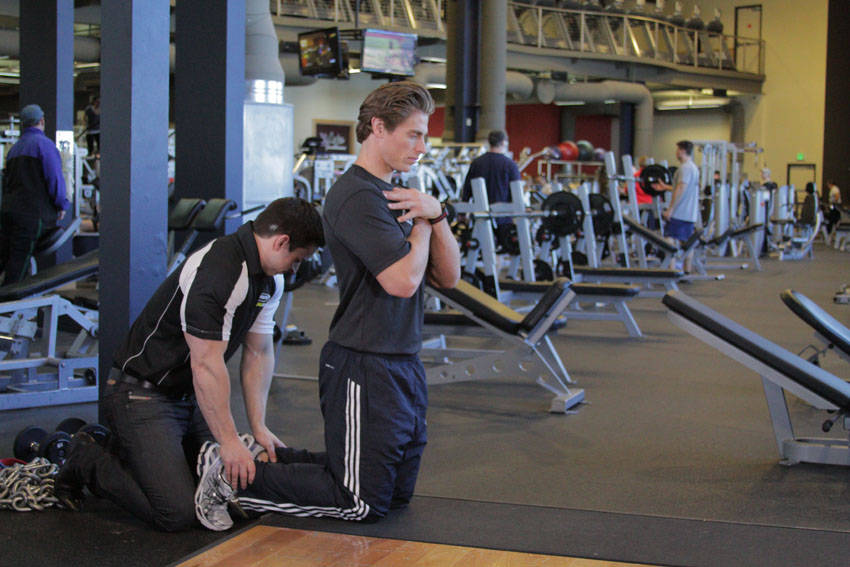
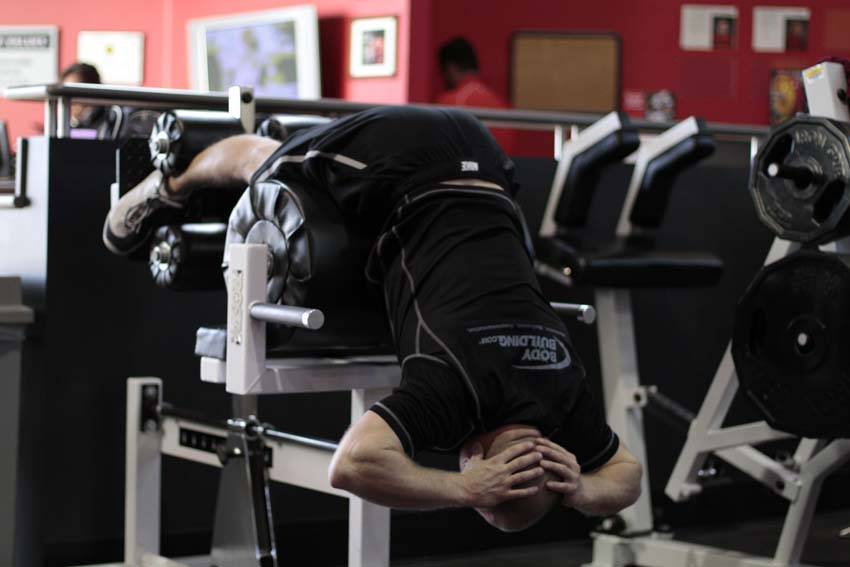
Compare More Exercises
Use our free comparison tool to analyze any two exercises head-to-head.
Compare Exercises