

Assisted Prone Hamstring vs Glute Ham Raise: Complete Comparison Guide
Assisted Prone Hamstring vs Glute Ham Raise — two hamstring-focused moves that look similar on paper but load your muscles very differently. If you want clearer hamstring isolation, joint-by-joint comparison, and practical cues to improve technique, this guide is for you. You'll learn which exercise drives more muscle growth, which one builds raw posterior-chain strength, how to progress safely (rep ranges, eccentric timing), and which to pick based on your training age and equipment access. Read on and you’ll know exactly when to use the machine curl and when to prioritize the glute-ham raise.
Exercise Comparison
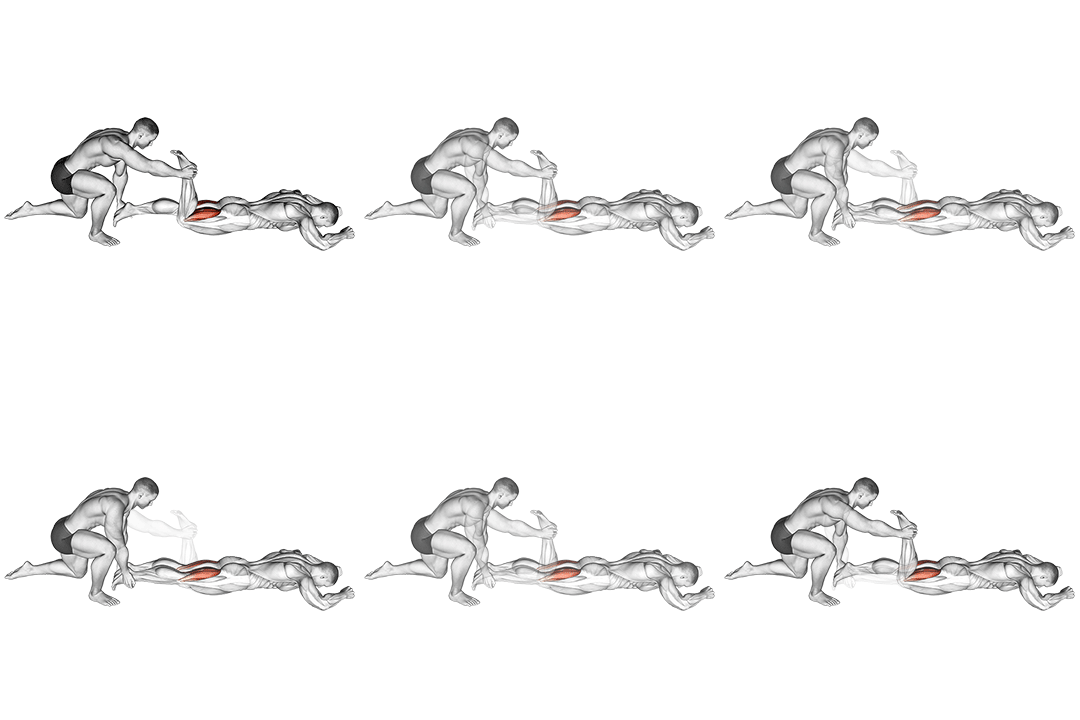
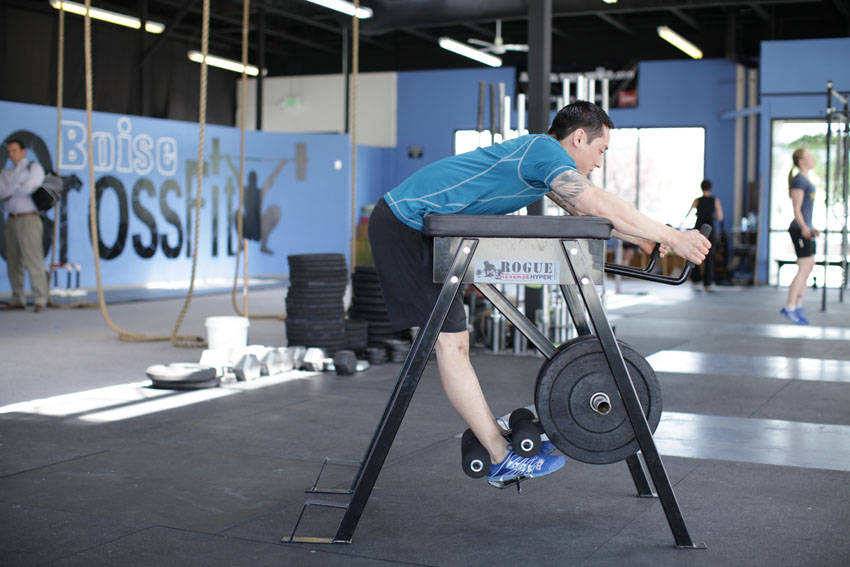
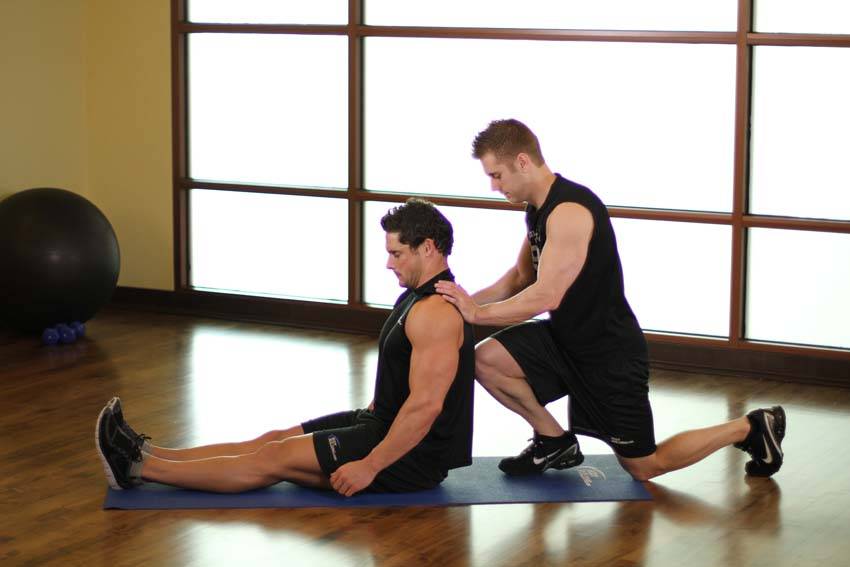
Assisted Prone Hamstring
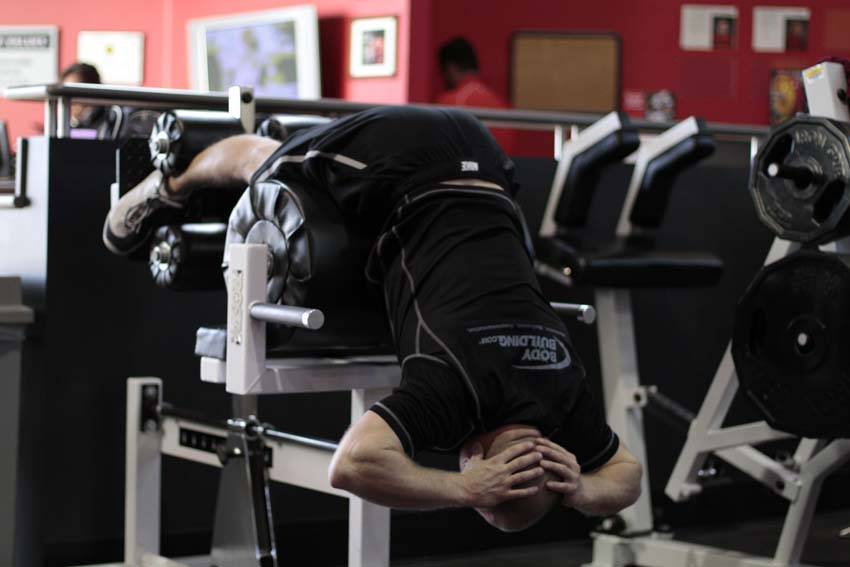
Glute Ham Raise
Head-to-Head Comparison
| Attribute | Assisted Prone Hamstring | Glute Ham Raise |
|---|---|---|
| Target Muscle |
Hamstrings
|
Hamstrings
|
| Body Part |
Upper-legs
|
Upper-legs
|
| Equipment |
Machine
|
Machine
|
| Difficulty |
Beginner
|
Advanced
|
| Movement Type |
Isolation
|
Compound
|
| Secondary Muscles |
2
|
2
|
Secondary Muscles Activated
Assisted Prone Hamstring
Glute Ham Raise
Visual Comparison
Overview
Assisted Prone Hamstring vs Glute Ham Raise — two hamstring-focused moves that look similar on paper but load your muscles very differently. If you want clearer hamstring isolation, joint-by-joint comparison, and practical cues to improve technique, this guide is for you. You'll learn which exercise drives more muscle growth, which one builds raw posterior-chain strength, how to progress safely (rep ranges, eccentric timing), and which to pick based on your training age and equipment access. Read on and you’ll know exactly when to use the machine curl and when to prioritize the glute-ham raise.
Key Differences
- Assisted Prone Hamstring is an isolation exercise, while Glute Ham Raise is a compound movement.
- Difficulty levels differ: Assisted Prone Hamstring is beginner, while Glute Ham Raise is advanced.
- Both exercises target the Hamstrings using Machine. The main differences are in their movement patterns and muscle activation angles.
Pros & Cons
Assisted Prone Hamstring
+ Pros
- Consistent isolation of knee flexors for targeted hamstring hypertrophy
- Easy to adjust load and accumulate volume (8–20 rep ranges)
- Lower technical demand and quick to learn
- Machine stabilizes spine and hip, reducing compensations
− Cons
- Limited hip-extension stimulus for the long head of the hamstring
- Less carryover to sporting movements that need eccentric posterior-chain strength
- Can underload stabilizers like glutes and lower back
Glute Ham Raise
+ Pros
- High posterior-chain recruitment — long head hamstrings and glutes activate together
- Excellent for eccentric strength and tendon resilience when progressed slowly
- Greater carryover to sprinting and hip-dominant athletic tasks
- Allows heavy bodyweight/resisted variations for strength (4–8 reps)
− Cons
- Technically challenging and hard on unprepared hamstrings
- Requires a GHD or machine, which many gyms lack
- Harder to accumulate high-volume hypertrophy sets safely
When Each Exercise Wins
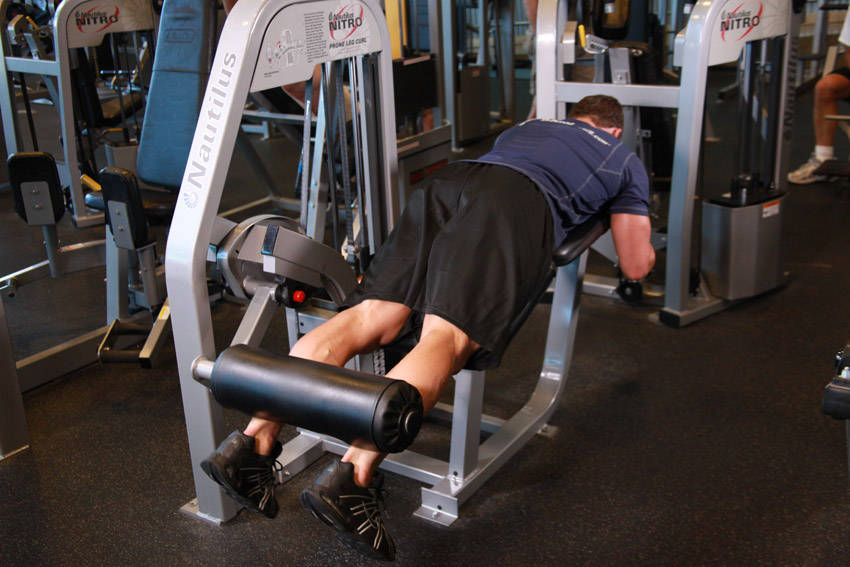
Choose the prone curl for hypertrophy because it isolates the hamstrings and lets you reliably accumulate volume (8–15 reps, 3–5 sets) with controlled time under tension. The machine minimizes compensatory hip drive so you can target the muscle directly.
Pick the glute-ham raise for strength: it forces high eccentric loads and hip-extension torque, which improve force production and transfer to athletic tasks. Use low reps (4–8), slow eccentrics (3–5 seconds), or added resistance for progressive overload.
Beginners benefit from the machine’s stable setup and adjustable assistance — you can learn safe ROM and build baseline hamstring capacity before attempting high-eccentric GHR work.
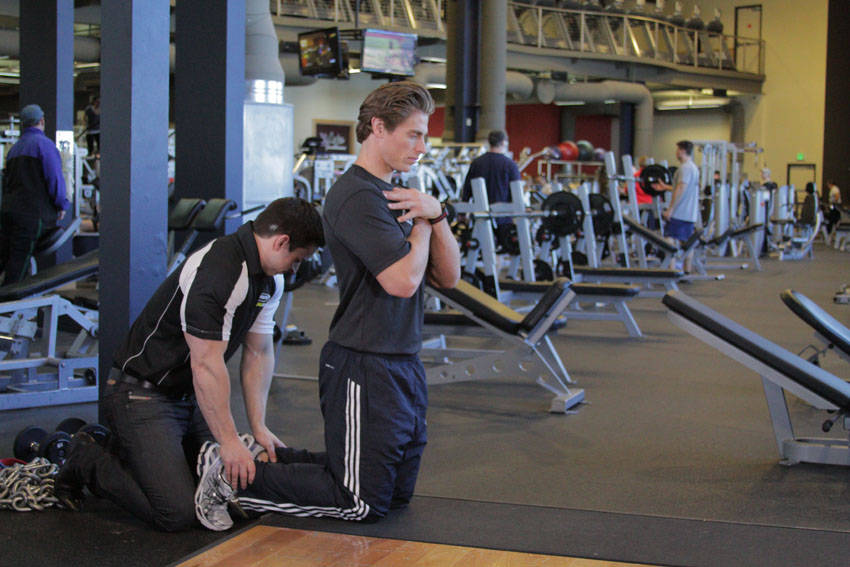
If you can’t access machines, the glute-ham movement is easier to approximate at home (Nordic curls, partner-anchored variations) and develops eccentric strength without a bulky leg-curl machine.
Frequently Asked Questions
Can I do both Assisted Prone Hamstring and Glute Ham Raise in the same workout?
Yes. Pairing them works well: perform Glute Ham Raises first for strength and neural demand (4–6 reps), then use Assisted Prone Hamstring curls for higher-volume hypertrophy (8–15 reps). Keep total sets per session to 6–12 per leg to manage recovery.
Which exercise is better for beginners?
Assisted Prone Hamstring is better for beginners because the machine stabilizes the hip and spine and allows you to dial load precisely. Use light resistance and focus on full, controlled ROM before attempting GHR variations.
How do the muscle activation patterns differ?
The prone curl emphasizes knee-flexor concentric work with peak activation mid-range of knee flexion, while the GHR drives high activation during eccentric control and near-full hip extension. The GHR loads the long head and glutes more due to increased muscle length and hip-extension torque.
Can Glute Ham Raise replace Assisted Prone Hamstring?
Yes, for many trainees the GHR can replace prone curls if your goal is strength and eccentric development, but it’s harder to accumulate safe hypertrophy volume. For pure isolation and high-rep work, keep the prone curl in your program.
Expert Verdict
Use the Assisted Prone Hamstring when your priority is controlled hamstring isolation, accumulating volume for muscle growth, or when you’re new to posterior-chain training. Set the pad to allow a full but safe knee ROM, use 8–15 reps for hypertrophy, and pause 1–2 seconds at peak contraction. Choose the Glute Ham Raise to build raw posterior-chain strength, eccentric tolerance, and athletic transfer: perform heavy sets of 4–8 reps or tempo sets with 3–5 second eccentrics. If you’re short on equipment, substitute with Nordic curls. Progress logically — start with machine isolation, then add GHR work as your eccentric strength and hip control improve.
Also Compare
More comparisons with Assisted Prone Hamstring
Compare More Exercises
Use our free comparison tool to analyze any two exercises head-to-head.
Compare Exercises