

Floor Glute-Ham Raise vs Lying Leg Curls: Complete Comparison Guide
Floor Glute-Ham Raise vs Lying Leg Curls — you probably want the strongest, most reliable way to train your hamstrings. This guide walks you through how each exercise loads the hamstrings, which secondary muscles fire, the equipment you need, and which movement fits specific goals like hypertrophy, strength, or rehab. I’ll give clear technique cues, rep ranges (6-12 for hypertrophy, 3-6 for strength), and practical progressions so you can pick the right tool and apply it in your program.
Exercise Comparison
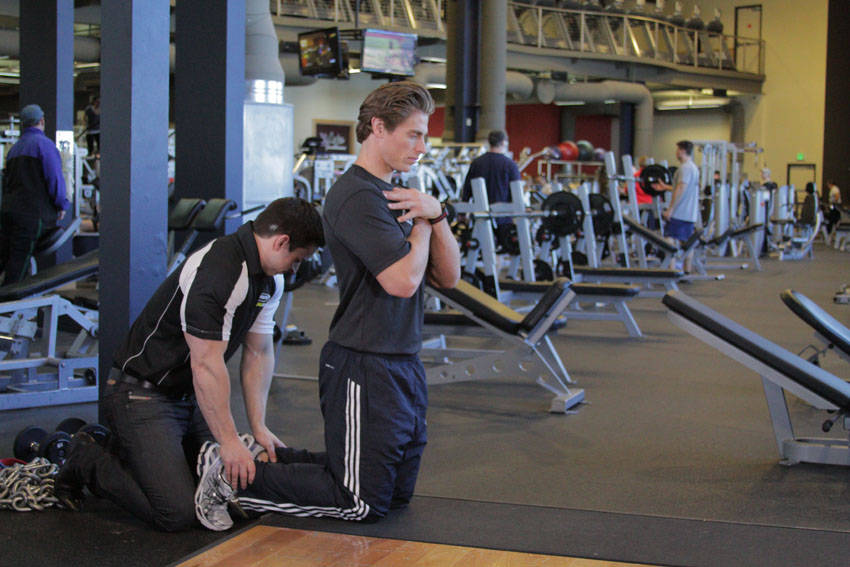
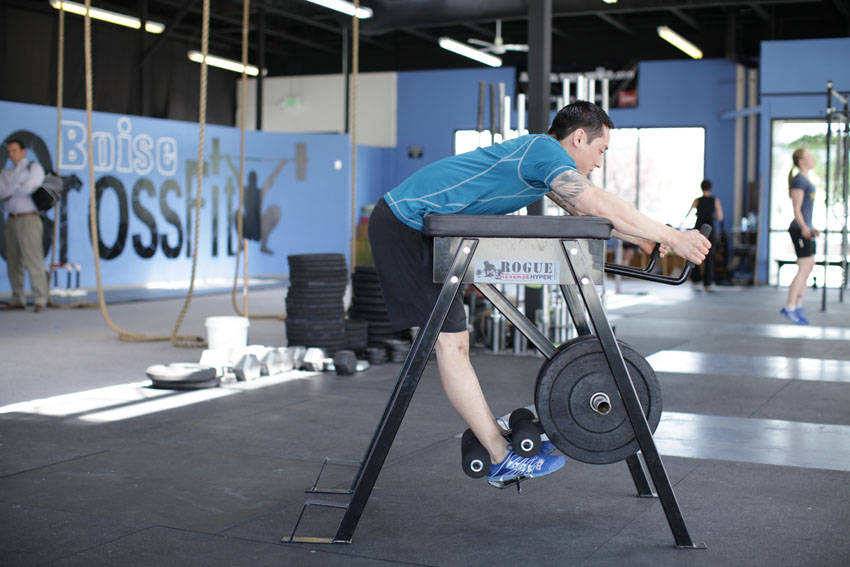
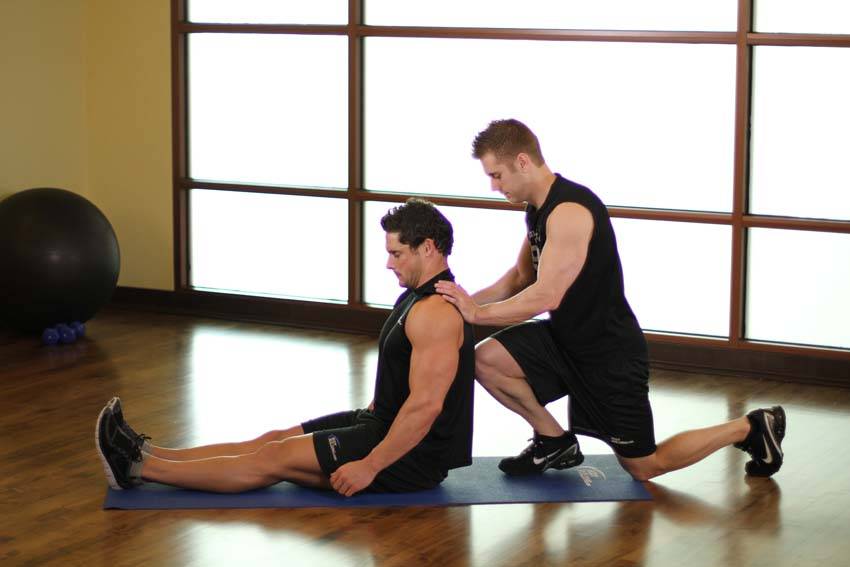
Floor Glute-ham Raise
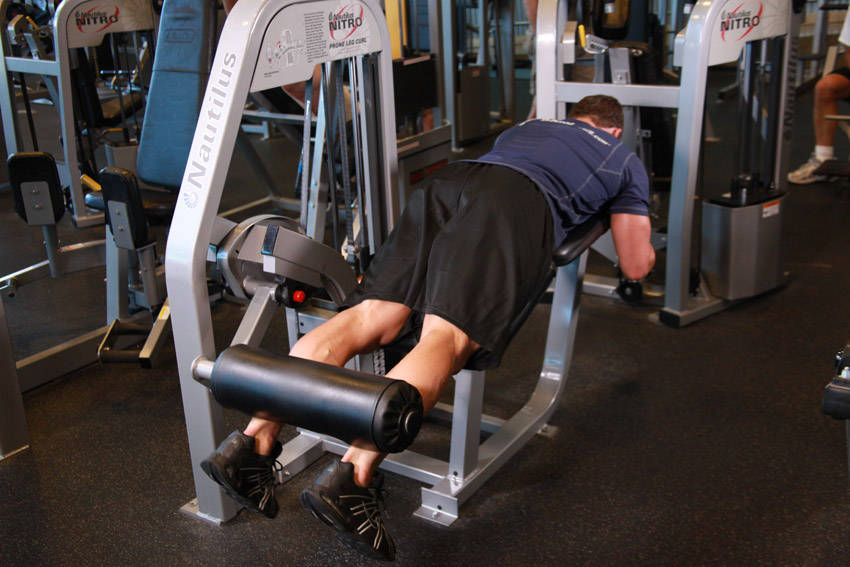
Lying Leg Curls
Head-to-Head Comparison
| Attribute | Floor Glute-ham Raise | Lying Leg Curls |
|---|---|---|
| Target Muscle |
Hamstrings
|
Hamstrings
|
| Body Part |
Upper-legs
|
Upper-legs
|
| Equipment |
Machine
|
Machine
|
| Difficulty |
Advanced
|
Intermediate
|
| Movement Type |
Compound
|
Isolation
|
| Secondary Muscles |
2
|
0
|
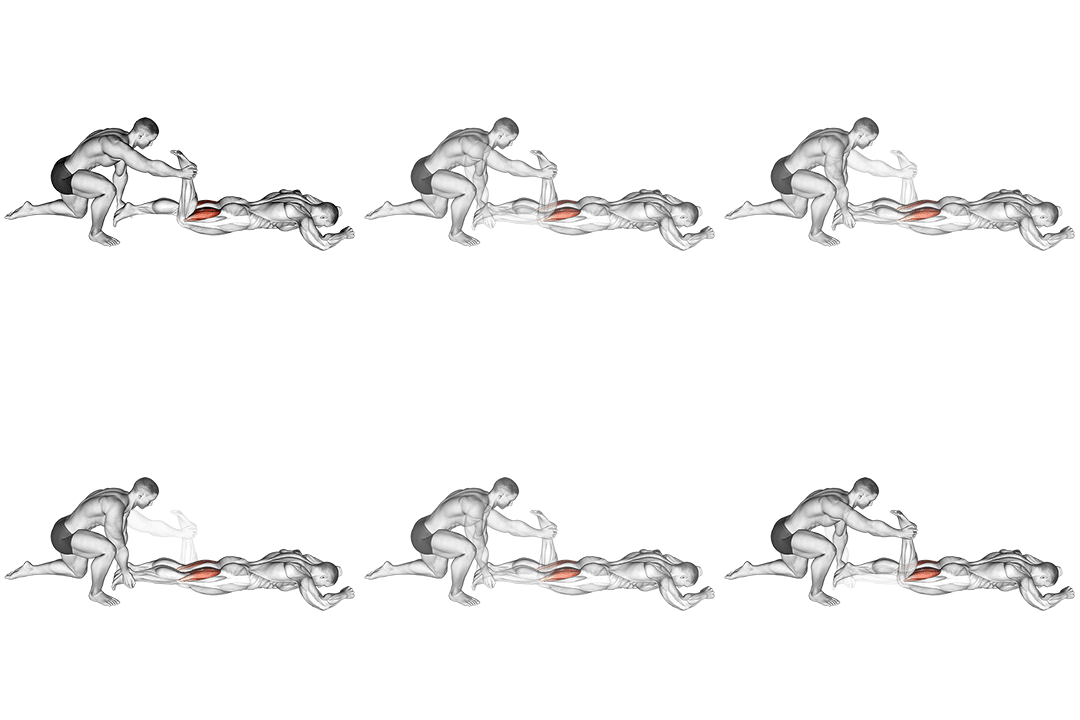
Secondary Muscles Activated
Floor Glute-ham Raise
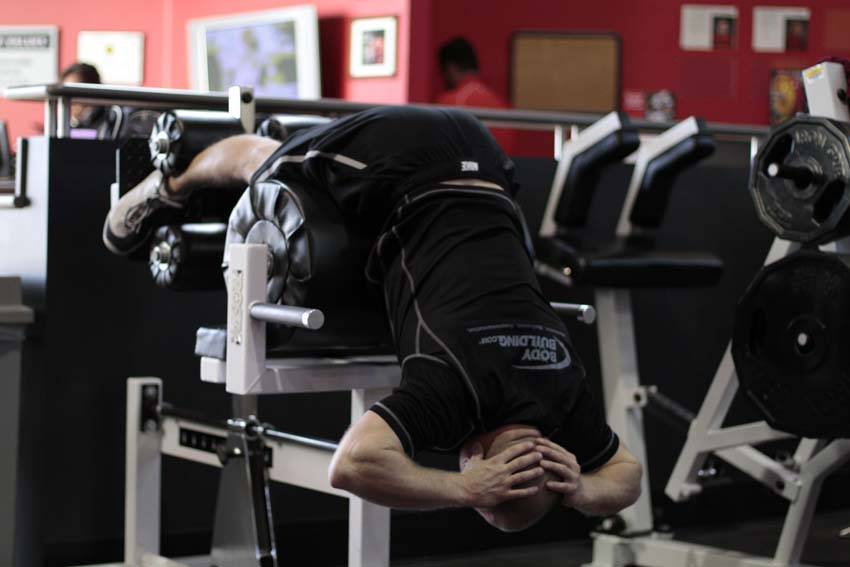
Lying Leg Curls
Visual Comparison
Overview
Floor Glute-Ham Raise vs Lying Leg Curls — you probably want the strongest, most reliable way to train your hamstrings. This guide walks you through how each exercise loads the hamstrings, which secondary muscles fire, the equipment you need, and which movement fits specific goals like hypertrophy, strength, or rehab. I’ll give clear technique cues, rep ranges (6-12 for hypertrophy, 3-6 for strength), and practical progressions so you can pick the right tool and apply it in your program.
Key Differences
- Floor Glute-ham Raise is a compound movement, while Lying Leg Curls is an isolation exercise.
- Difficulty levels differ: Floor Glute-ham Raise is advanced, while Lying Leg Curls is intermediate.
- Both exercises target the Hamstrings using Machine. The main differences are in their movement patterns and muscle activation angles.
Pros & Cons
Floor Glute-ham Raise
+ Pros
- High eccentric overload that stimulates strength and tendon resilience
- Integrates hip extension—improves posterior chain carryover
- Works hamstrings at longer muscle lengths, favorable for remodeling
- Multiple progression options (weight vests, added eccentric tempo)
− Cons
- Requires specialized equipment (GHD) or a partner
- Steeper technical learning curve with higher injury risk if uncontrolled
- Harder to target pure hamstring isolation for high-rep hypertrophy
Lying Leg Curls
+ Pros
- Simple to learn and perform with consistent load
- Excellent isolation for focused hamstring hypertrophy and volume work
- Easier to control tempo and progressive overload (exact loads)
- More gym-accessible and suitable for beginners or rehab
− Cons
- Limited hip-extension carryover to compound posterior chain strength
- Works hamstrings at shorter muscle lengths—less stimulus for length-tension adaptations
- Can place shear on the knee if performed with heavy, uncontrolled loads
When Each Exercise Wins
Lying leg curls allow consistent, isolated loading and higher volume (8–15+ reps) with precise weight increments, which is ideal for muscle growth. You can control tempo and accumulate mechanical tension without excessive spinal or hip stress.
GHRs produce high eccentric force and integrate hip extension, improving maximal posterior chain strength and transfer to deadlifts and sprinting. Use lower reps (3–6) with added load or slow eccentrics (3–5s) for strength adaptations.
Lying leg curls are straightforward, lower-risk, and let you learn to load the hamstrings progressively. They let beginners build baseline strength and hypertrophy before advancing to compound GHR patterns.
Most home setups can replicate lying curls using bands or cable attachments, whereas a safe GHD or partner setup for GHRs is uncommon. If you want a bodyweight home option, consider Nordic hamstring curls as a GHR alternative.
Frequently Asked Questions
Can I do both Floor Glute-Ham Raise and Lying Leg Curls in the same workout?
Yes. Start with the more demanding movement (Floor GHRs) for strength or neuromuscular priority, then use lying leg curls to add volume and metabolic stress. Keep total weekly hamstring volume in check—aim for 10–20 hard sets per week depending on training level.
Which exercise is better for beginners?
Lying leg curls are better for beginners because they’re easier to learn, lower risk, and let you control load precisely. Once you build baseline strength and control, add GHR progressions to develop eccentric strength and posterior chain integration.
How do the muscle activation patterns differ?
GHRs load hamstrings across hip and knee, producing high eccentric tension at longer muscle lengths and recruiting glutes and calves for hip extension and stabilization. Lying curls focus on knee flexion, creating peak force at mid-to-short hamstring lengths with minimal hip involvement.
Can Lying Leg Curls replace Floor Glute-Ham Raise?
Lying leg curls can replace GHRs if your priority is hamstring hypertrophy or accessibility, but they won’t fully replicate GHR benefits for eccentric strength and hip-extension carryover. If strength and tendon resilience are your goal, keep some GHR-style work or Nordic progressions in your plan.
Expert Verdict
Choose Floor Glute-Ham Raises when your goal is posterior chain strength, eccentric control, and carryover to compound lifts or sprinting; program GHRs for low-rep strength blocks (3–6 reps) or controlled eccentric-focused sets (3–5s descent). Choose Lying Leg Curls when you need targeted hamstring hypertrophy, rehab-friendly isolation, or a more accessible exercise for consistent volume (8–15 reps). For a complete program, pair both: use GHRs once weekly for strength and tendon robustness and add 2–3 lying-curl sessions weekly to accumulate hypertrophic volume while managing fatigue.
Also Compare
More comparisons with Floor Glute-ham Raise
Compare More Exercises
Use our free comparison tool to analyze any two exercises head-to-head.
Compare Exercises