

Floor Glute-Ham Raise vs Reverse Hyperextension: Complete Comparison Guide
Floor Glute-Ham Raise vs Reverse Hyperextension — two machines that both target the hamstrings but do it in very different ways. If you want clearer choices for hamstring hypertrophy, strength, rehab, or gym accessibility, this guide has you covered. I’ll compare primary and secondary muscle activation, required equipment, biomechanics (length-tension and moment arms), difficulty, injury risk, and practical programming tips so you can pick the exercise that matches your goals and training level.
Exercise Comparison
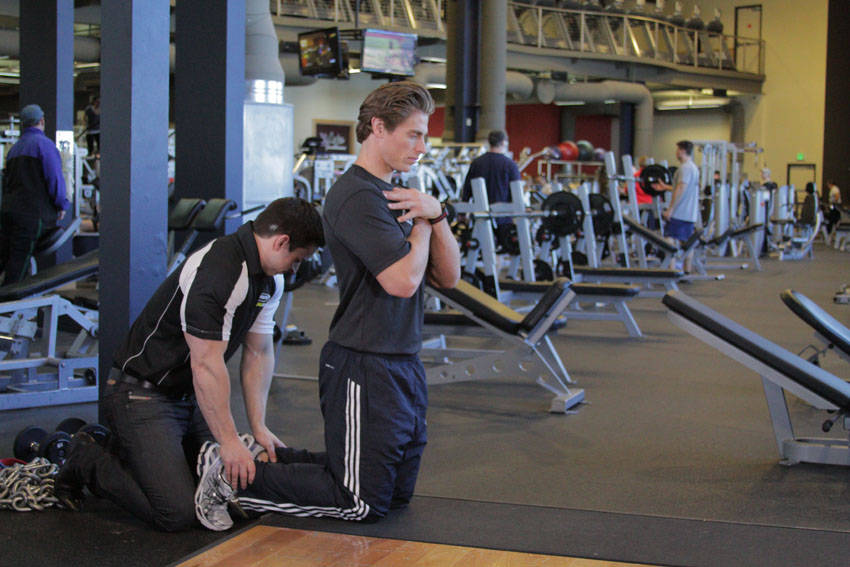
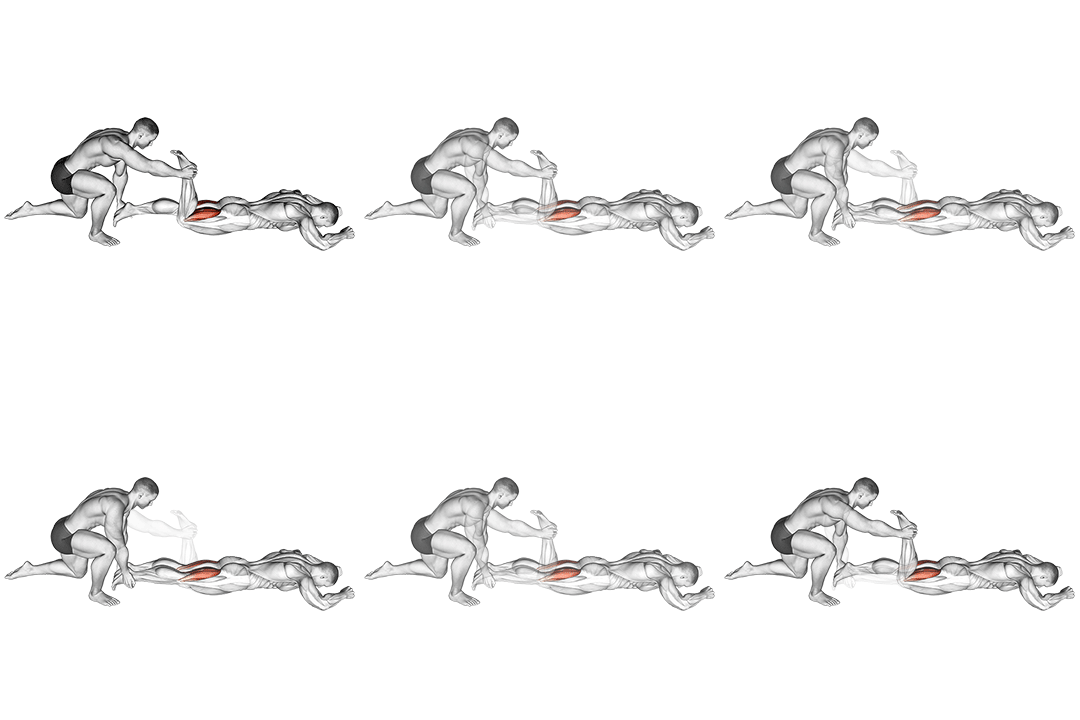
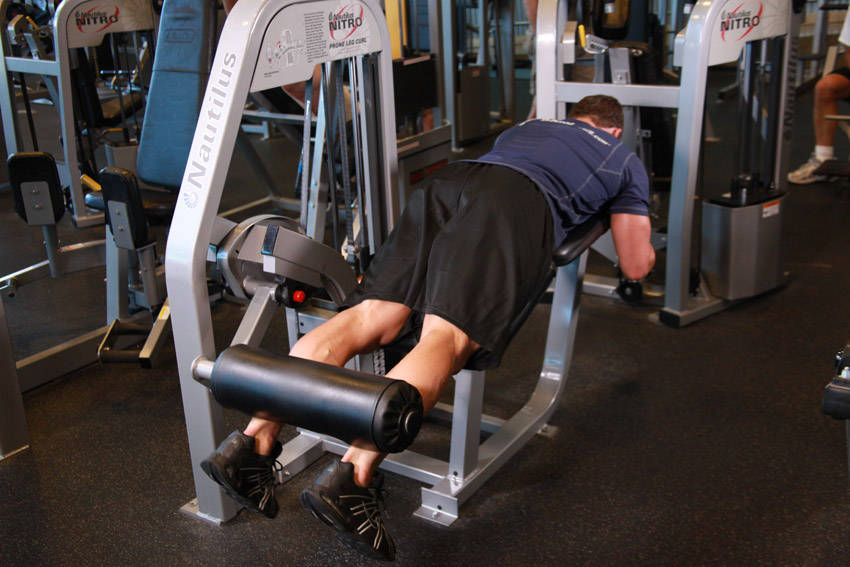
Floor Glute-ham Raise
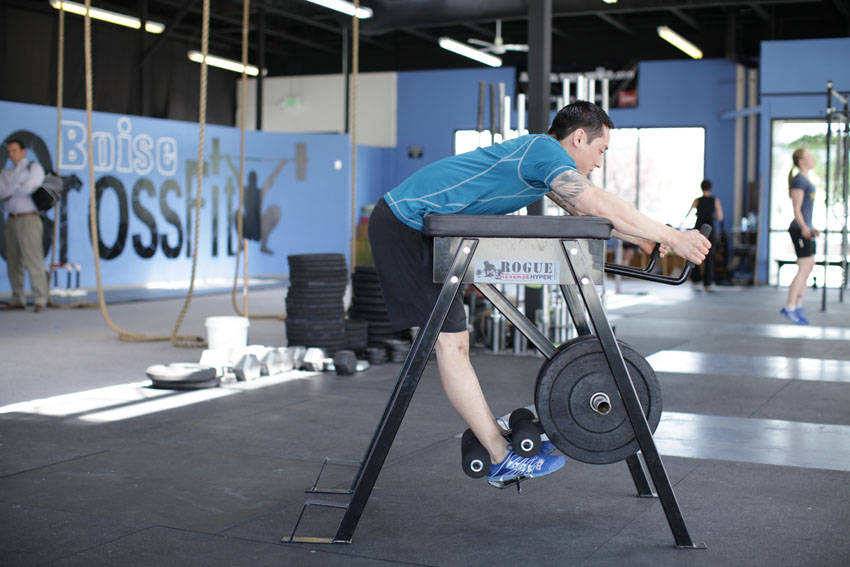
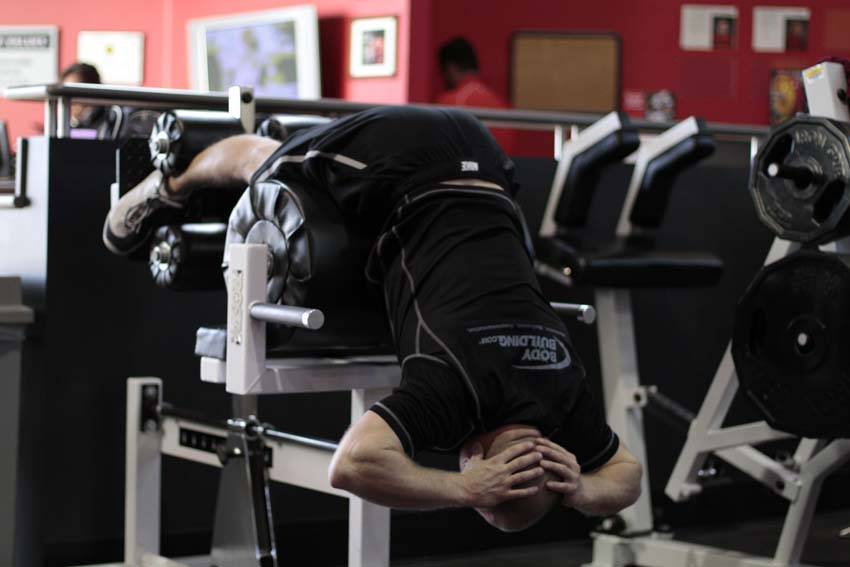
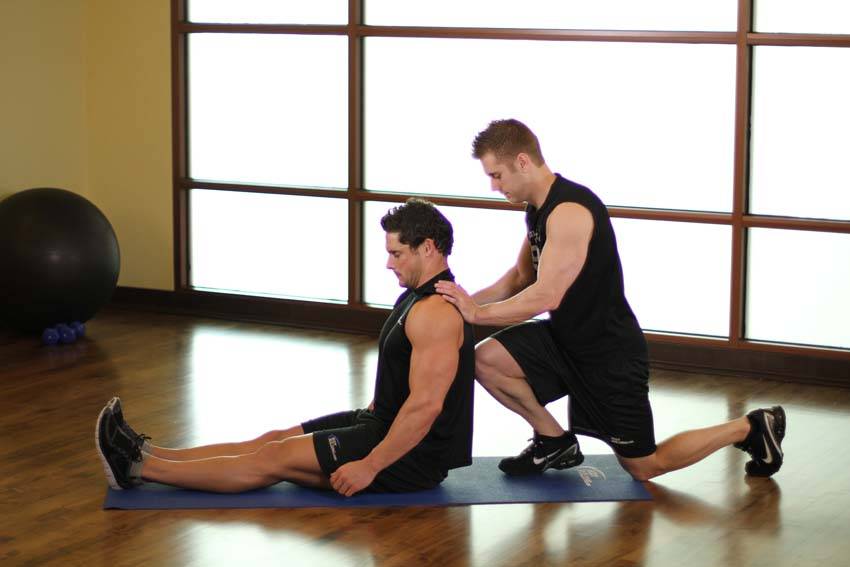
Reverse Hyperextension
Head-to-Head Comparison
| Attribute | Floor Glute-ham Raise | Reverse Hyperextension |
|---|---|---|
| Target Muscle |
Hamstrings
|
Hamstrings
|
| Body Part |
Upper-legs
|
Upper-legs
|
| Equipment |
Machine
|
Machine
|
| Difficulty |
Advanced
|
Intermediate
|
| Movement Type |
Compound
|
Compound
|
| Secondary Muscles |
2
|
2
|
Secondary Muscles Activated
Floor Glute-ham Raise
Reverse Hyperextension
Visual Comparison
Overview
Floor Glute-Ham Raise vs Reverse Hyperextension — two machines that both target the hamstrings but do it in very different ways. If you want clearer choices for hamstring hypertrophy, strength, rehab, or gym accessibility, this guide has you covered. I’ll compare primary and secondary muscle activation, required equipment, biomechanics (length-tension and moment arms), difficulty, injury risk, and practical programming tips so you can pick the exercise that matches your goals and training level.
Key Differences
- Difficulty levels differ: Floor Glute-ham Raise is advanced, while Reverse Hyperextension is intermediate.
- Both exercises target the Hamstrings using Machine. The main differences are in their movement patterns and muscle activation angles.
Pros & Cons
Floor Glute-ham Raise
+ Pros
- Exceptional hamstring eccentric overload for muscle growth and tendon resilience
- Loads both knee flexion and hip extension actions for comprehensive hamstring work
- Easy to apply tempo progressions (3–5s eccentrics) to increase stimulus
- Translates well to sprint and posterior chain strength due to dual-joint loading
− Cons
- Requires a GHD or specific machine not available in many gyms
- High technical demand; poor form increases hamstring strain risk
- Difficult to scale for very heavy loads without spotter or specialized add-ons
Reverse Hyperextension
+ Pros
- Safer for the lumbar spine — provides decompression and low shear when done controlled
- Easier to load with plates; good for high-volume posterior chain work
- Accessible to intermediates and useful for rehab/progression
- Strong glute–erector recruitment at end-range hip extension
− Cons
- Less isolated eccentric knee loading of the hamstrings compared to GHR
- Requires a reverse hyper machine or a modified setup that some gyms lack
- Can produce momentum if you use too much load, reducing hamstring time under tension
When Each Exercise Wins
The GHR allows intense hamstring eccentric overload and longer time under tension (use 6–12 reps, 3–5s eccentrics), stressing the muscle across both knee and hip joints which drives greater hypertrophy in the distal hamstrings.
Reverse hypers permit heavier, safer loading of hip extension with plates and provide consistent concentric force production, making them ideal for building hip-extension strength and posterior chain capacity.
Reverse hypers have a simpler motor pattern and lower technical demand, so beginners can load and progress without mastering complex eccentric knee control or needing specialized eccentric training.
Reverse hypers can be approximated with a long bench and bands or a DIY setup using plates, whereas a true Floor Glute-Ham Raise requires a GHD that most home gyms lack.
Frequently Asked Questions
Can I do both Floor Glute-Ham Raise and Reverse Hyperextension in the same workout?
Yes. Pair them by doing reverse hypers early for heavy hip-extension sets (3–6 sets of 6–10 reps) and finish with GHRs for eccentric-focused sets (2–3 sets of 6–12 reps with slow eccentrics). Space them to avoid acute fatigue that destroys technique.
Which exercise is better for beginners?
Reverse Hyperextension is better for beginners because it has a simpler hip-extension pattern, lower technical demand, and allows gradual loading with plates or bands before attempting the higher-skill GHR.
How do the muscle activation patterns differ?
GHRs load hamstrings through both knee flexion and hip extension with peak tension during late eccentric knee extension, emphasizing lengthened hamstring tension. Reverse hypers drive hip extension torque with peak activation near full hip extension, stressing proximal hamstrings and glutes with a shorter hamstring length at peak force.
Can Reverse Hyperextension replace Floor Glute-Ham Raise?
Reverse hypers can substitute when you lack a GHD or need lower spinal loading, but they won’t fully replicate the eccentric knee stress of GHRs. For complete hamstring development, include both across training phases if possible.
Expert Verdict
Choose the Floor Glute-Ham Raise when your priority is targeted hamstring hypertrophy and eccentric strengthening — it loads the hamstrings across both knee and hip joints and excels with slow eccentrics (3–5 seconds) and 6–12 rep ranges. Pick Reverse Hyperextension when you want heavy, spine-friendly hip-extension strength, higher-volume work, or a movement that’s easier to learn and load with plates (8–20 reps). If you train athletes who sprint, include GHRs for eccentric control; if you need rehab-friendly posterior chain work or consistent heavy loading, prioritize reverse hypers. Ideally, cycle them across phases for balanced hamstring development.
Also Compare
More comparisons with Floor Glute-ham Raise
Compare More Exercises
Use our free comparison tool to analyze any two exercises head-to-head.
Compare Exercises