

Glute Ham Raise vs Seated Hamstring: Complete Comparison Guide
Glute Ham Raise vs Seated Hamstring — two hamstring builders that look similar on paper but work very differently in practice. I’ll walk you through how each loads the hamstrings, which secondary muscles join the effort, and the biomechanics behind their strength and hypertrophy potential. You’ll get clear technique cues, rep ranges, and real-world recommendations for beginners, athletes, and lifters training at home or in the gym. Read on to see which exercise fits your goals and how to program each for safe progress.
Exercise Comparison
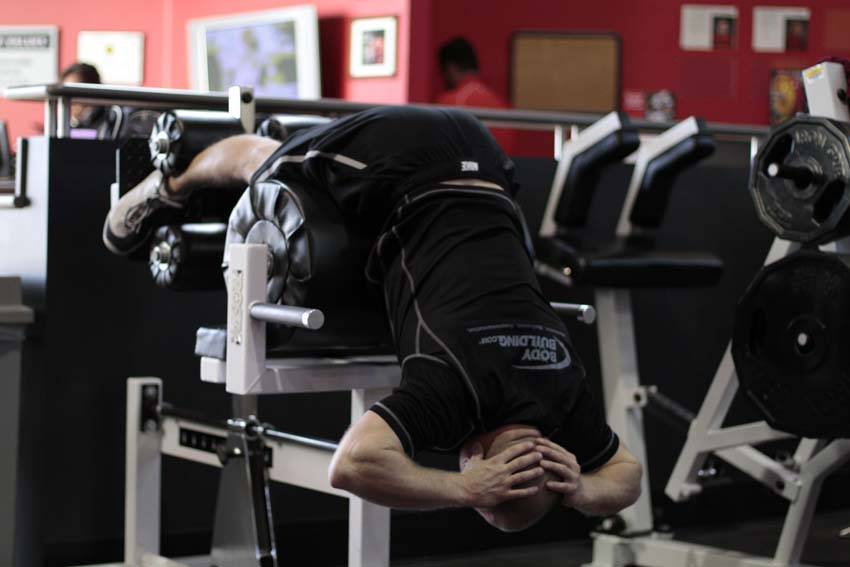
Glute Ham Raise
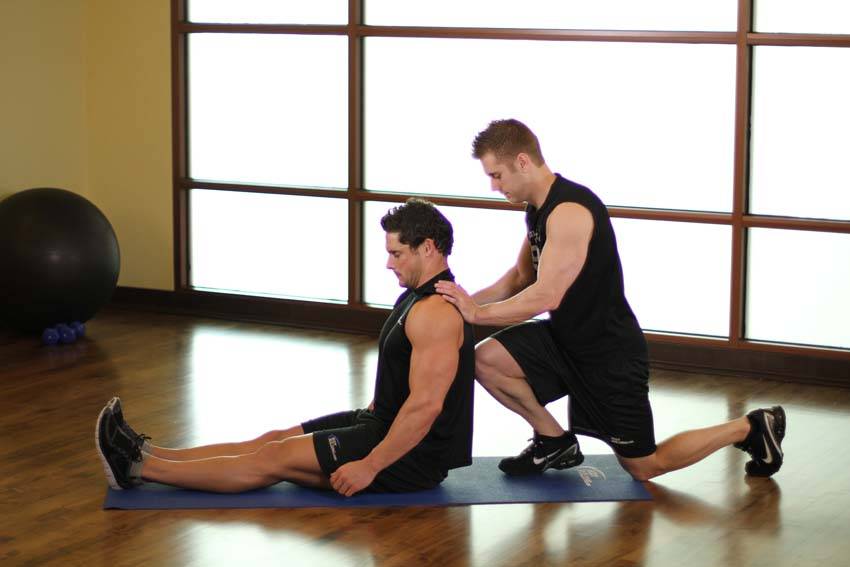
Seated Hamstring
Head-to-Head Comparison
| Attribute | Glute Ham Raise | Seated Hamstring |
|---|---|---|
| Target Muscle |
Hamstrings
|
Hamstrings
|
| Body Part |
Upper-legs
|
Upper-legs
|
| Equipment |
Machine
|
Machine
|
| Difficulty |
Advanced
|
Beginner
|
| Movement Type |
Compound
|
Isolation
|
| Secondary Muscles |
2
|
1
|
Secondary Muscles Activated
Glute Ham Raise
Seated Hamstring
Visual Comparison
Overview
Glute Ham Raise vs Seated Hamstring — two hamstring builders that look similar on paper but work very differently in practice. I’ll walk you through how each loads the hamstrings, which secondary muscles join the effort, and the biomechanics behind their strength and hypertrophy potential. You’ll get clear technique cues, rep ranges, and real-world recommendations for beginners, athletes, and lifters training at home or in the gym. Read on to see which exercise fits your goals and how to program each for safe progress.
Key Differences
- Glute Ham Raise is a compound movement, while Seated Hamstring is an isolation exercise.
- Difficulty levels differ: Glute Ham Raise is advanced, while Seated Hamstring is beginner.
- Both exercises target the Hamstrings using Machine. The main differences are in their movement patterns and muscle activation angles.
Pros & Cons
Glute Ham Raise
+ Pros
- High overall hamstring activation due to combined hip extension and knee flexion
- Strong eccentric stimulus that builds tendon resilience and deceleration strength
- Engages glutes and calves for integrated posterior-chain development
- Great transfer to sprinting, jumping and hip-driven lifts
− Cons
- Requires a specialized machine or skilled partner assist
- Advanced technique and higher eccentric strain risk
- Harder to load precisely for pure hypertrophy sets
Seated Hamstring
+ Pros
- Easy to learn and dial in technique with adjustable weight stacks
- Isolates hamstrings for targeted hypertrophy and pump sets
- Predictable loading increments for progressive overload
- Lower technical demand reduces acute injury risk
− Cons
- Minimal glute involvement limits posterior-chain carryover
- Less eccentric overload compared to GHR, reducing functional strength gains
- Can create muscle imbalances if used exclusively without hip-extension work
When Each Exercise Wins
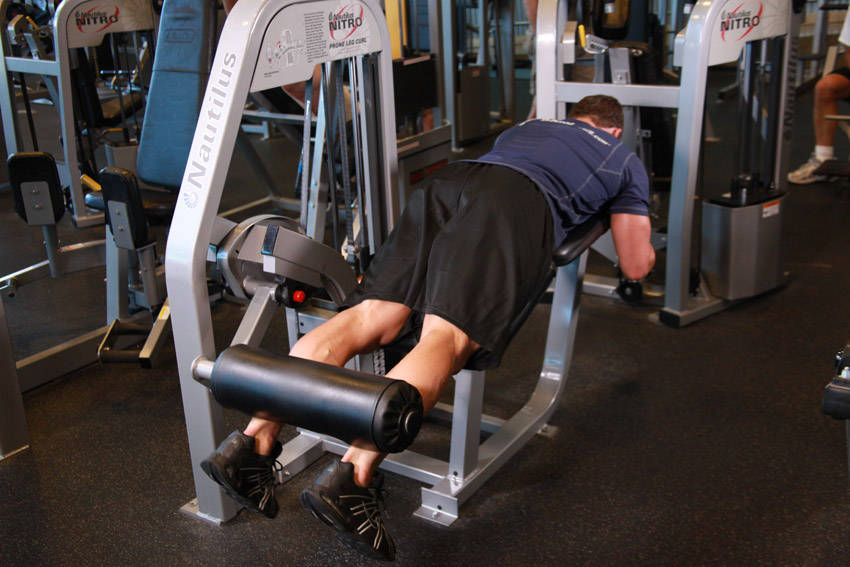
Seated hamstring curls let you target the hamstrings with precise loading, controlled tempo and higher time-under-tension (8–15 reps). The fixed hip position isolates the knee-flexors so you can accumulate volume without the technical demands and fatigue of heavy eccentric GHR sets.
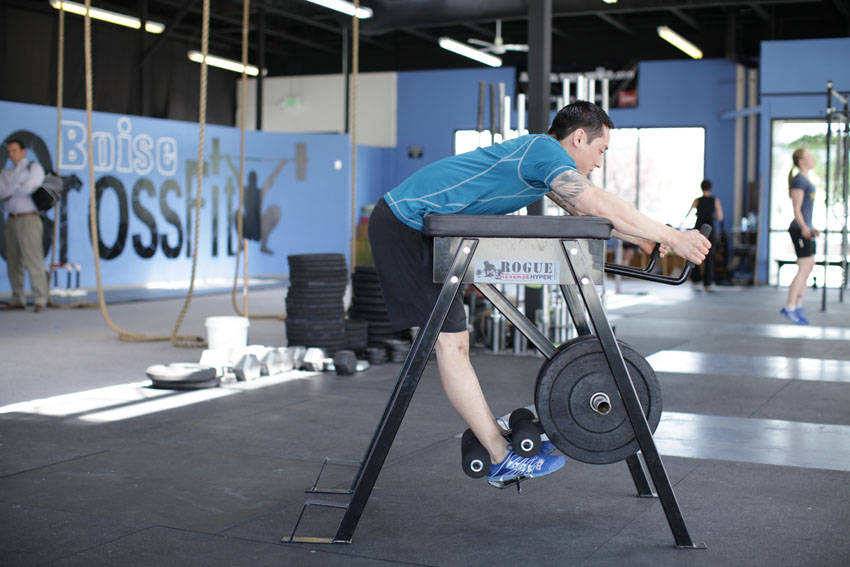
GHR trains the hamstrings across both hip and knee joints and emphasizes eccentric control, which increases maximal force capacity and tendon stiffness. It transfers better to compound posterior-chain movements and athletic actions like sprinting and deadlifting.
Seated curls have a shallow learning curve: set the pad and perform controlled knee flexion without managing hip position or high-eccentric loads. That makes them safer for novices while allowing progressive overload with small weight jumps.
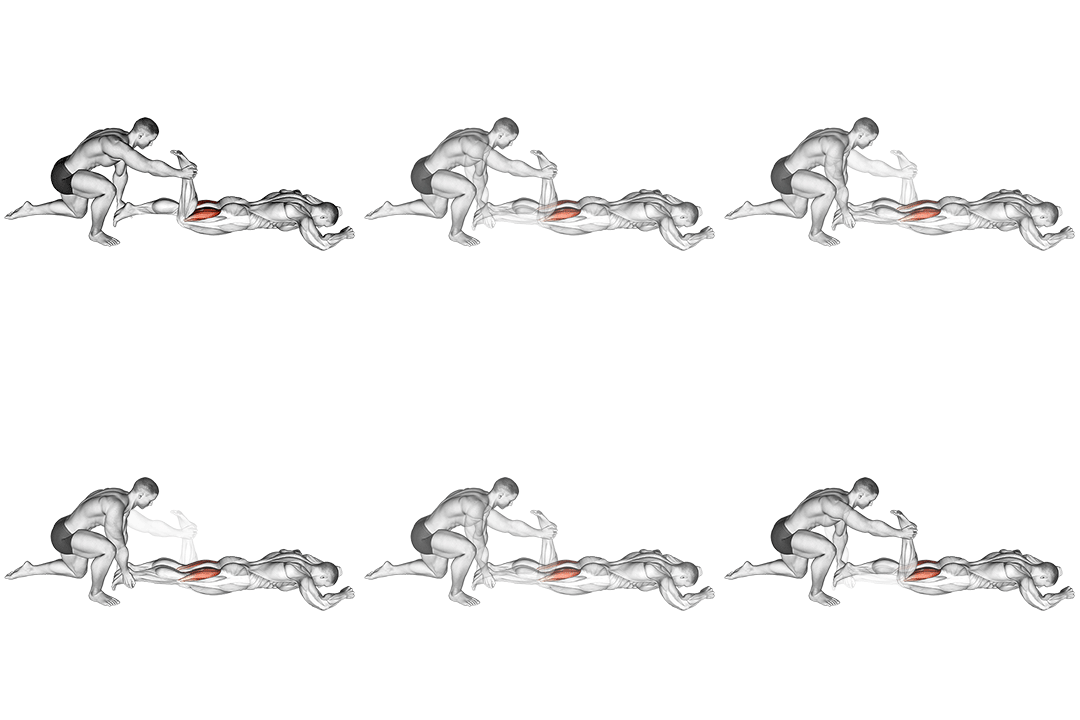
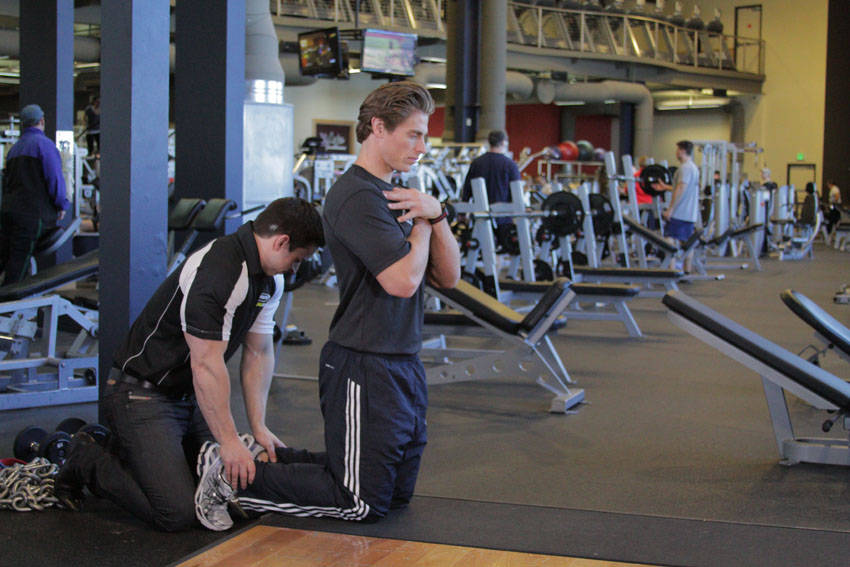
You can replicate the GHR stimulus at home with Nordic hamstring curls, a simple ankle anchor, or partner assistance, achieving the same high-eccentric demand without a machine. Seated machines are rarely available at home, so GHR-style bodyweight variants are the more practical choice.
Frequently Asked Questions
Can I do both Glute Ham Raise and Seated Hamstring in the same workout?
Yes. Pair them by using seated hamstring curls for higher-volume hypertrophy (8–15 reps) and the Glute Ham Raise for low-rep strength or eccentric-focused sets (3–6 reps or 6–10 tempo reps). Place the GHR early when you’re fresh for quality eccentrics and follow with seated curls for targeted volume.
Which exercise is better for beginners?
Seated Hamstring is better for beginners because it isolates knee flexion, has minimal setup complexity, and allows safe incremental loading. Beginners should learn hamstring mechanics here first, then progress to GHR variations as posterior-chain control improves.
How do the muscle activation patterns differ?
GHR activates hamstrings across both hip extension and knee flexion, producing higher eccentric loading and recruiting gluteus maximus as a prime mover. Seated curls hold the hip at roughly 80–100° flexion so hamstrings act mainly as knee flexors, yielding a concentrated concentric load and consistent mid-range torque.
Can Seated Hamstring replace Glute Ham Raise?
Seated hamstring curls can substitute when you need isolation or when a GHR machine isn’t available, but they don’t fully replace the eccentric, hip-extension benefits of the Glute Ham Raise. If your goal is athletic strength and tendon resilience, keep GHR-style work (or Nordic variations) in the program alongside seated curls.
Expert Verdict
Choose the Glute Ham Raise if you want integrated posterior-chain strength, improved eccentric control, and direct transfer to athletic movements. It’s the go-to for athletes and experienced lifters who can handle advanced loading and learn correct hip-knee coordination. Opt for the Seated Hamstring if you need a low-skill, high-volume tool for targeted hypertrophy, rehab-friendly loading, or when you want predictable incremental progression. Program both when possible: use seated curls for volume and isolation (8–15 reps) and GHR for heavy eccentrics and strength work (3–6 heavy sets or controlled 6–10 tempo reps).
Also Compare
More comparisons with Glute Ham Raise
Compare More Exercises
Use our free comparison tool to analyze any two exercises head-to-head.
Compare Exercises