

Glute Ham Raise vs Reverse Hyperextension: Complete Comparison Guide
Glute Ham Raise vs Reverse Hyperextension — if you want stronger, thicker hamstrings you need to know how these two machines differ. You’ll get a clear breakdown of primary and secondary muscle activation, equipment needs, difficulty and injury risk, plus rep ranges and technique cues so you can program them into your routine. I’ll explain the biomechanics (length-tension, joint angles, force vectors) and give decisive recommendations for hypertrophy, strength, beginners, and home training. Read on and you’ll know which movement fits your goals and how to perform it correctly.
Exercise Comparison
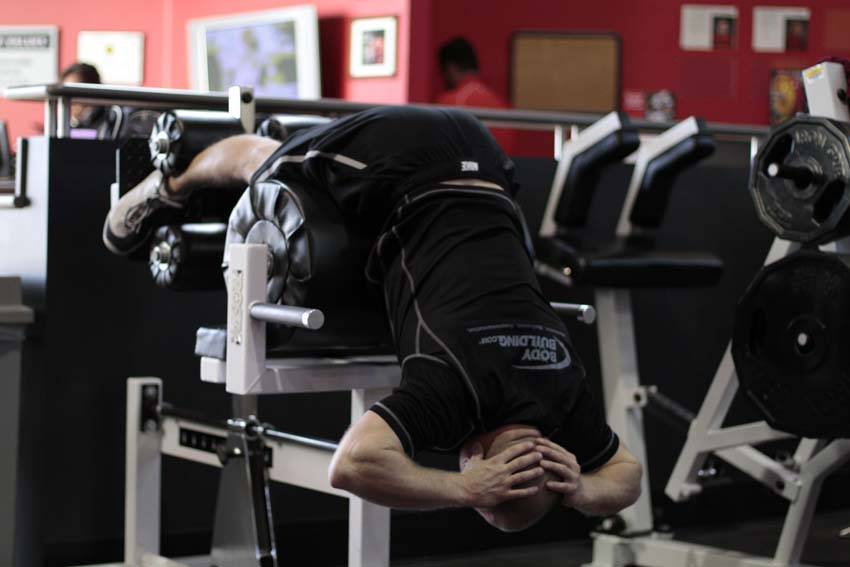
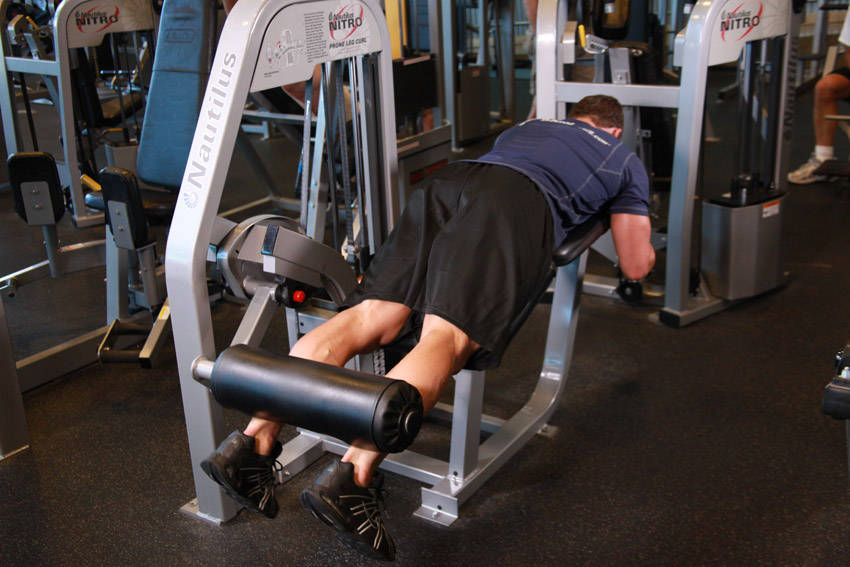
Glute Ham Raise
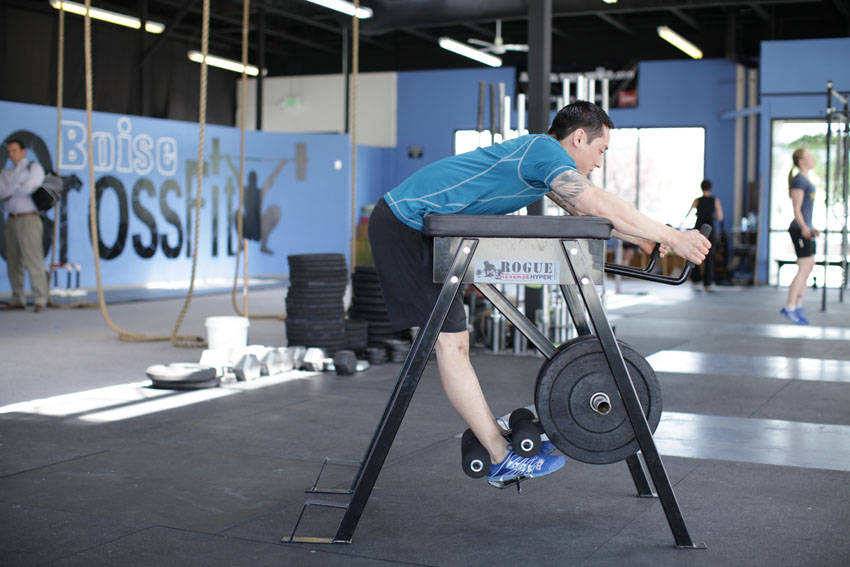
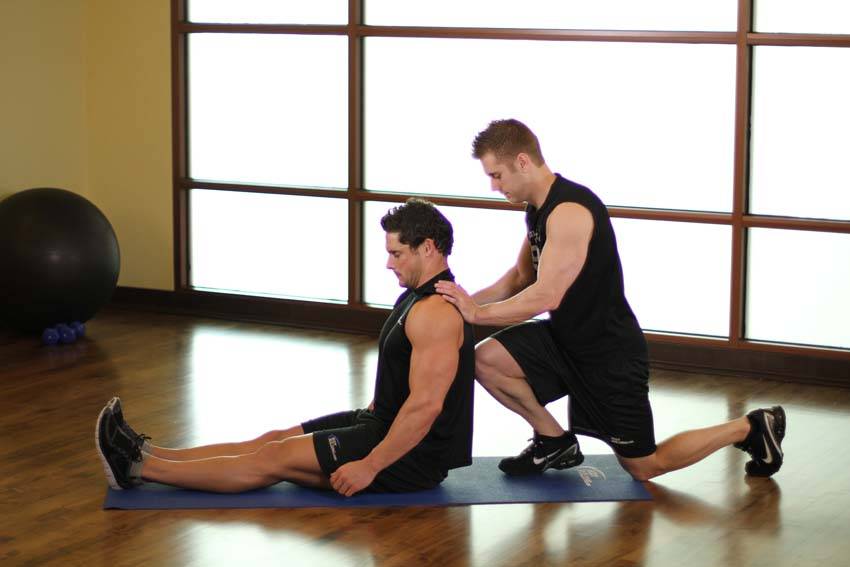
Reverse Hyperextension
Head-to-Head Comparison
| Attribute | Glute Ham Raise | Reverse Hyperextension |
|---|---|---|
| Target Muscle |
Hamstrings
|
Hamstrings
|
| Body Part |
Upper-legs
|
Upper-legs
|
| Equipment |
Machine
|
Machine
|
| Difficulty |
Advanced
|
Intermediate
|
| Movement Type |
Compound
|
Compound
|
| Secondary Muscles |
2
|
2
|
Secondary Muscles Activated
Glute Ham Raise
Reverse Hyperextension
Visual Comparison
Overview
Glute Ham Raise vs Reverse Hyperextension — if you want stronger, thicker hamstrings you need to know how these two machines differ. You’ll get a clear breakdown of primary and secondary muscle activation, equipment needs, difficulty and injury risk, plus rep ranges and technique cues so you can program them into your routine. I’ll explain the biomechanics (length-tension, joint angles, force vectors) and give decisive recommendations for hypertrophy, strength, beginners, and home training. Read on and you’ll know which movement fits your goals and how to perform it correctly.
Key Differences
- Difficulty levels differ: Glute Ham Raise is advanced, while Reverse Hyperextension is intermediate.
- Both exercises target the Hamstrings using Machine. The main differences are in their movement patterns and muscle activation angles.
Pros & Cons
Glute Ham Raise
+ Pros
- Massive hamstring eccentric loading for hypertrophy and tendon resilience
- Direct knee-flexion torque builds hamstring strength transferable to sprinting and deadlifts
- Easy to emphasize slow eccentrics (3–5 sec) for time under tension
- Minimal lumbar loading when performed with neutral pelvis
− Cons
- Requires a specialized machine or Nordic setup that’s less common
- High technical demand — poor form risks tendon strain
- Hard to load progressively without weight vests or partner assistance
Reverse Hyperextension
+ Pros
- Accessible in many gyms and easy to load with plates
- Loads the posterior chain through hip extension with low axial compression
- Great for rehab and low-impact strength work
- Easy to perform higher rep sets (8–20) or isometric holds at end-range
− Cons
- Less isolated knee-flexion stimulus, so hamstring distal development is reduced
- Easy to cheat with lumbar hyperextension if you lack pelvic control
- Less eccentric overload compared to GHR for tendon remodeling
When Each Exercise Wins
GHR provides greater eccentric lengthening and knee-focused torque that drives sarcomerogenesis when done for 6–12 reps with controlled 3–5 second eccentrics. That longer time under tension at long muscle lengths favors muscle growth in the hamstrings.
For direct hamstring strength, especially knee-flexion strength, GHR wins because it produces higher peak force across the knee joint and transfers well to sprinting and posterior chain lifts when loaded for 3–6 heavy reps.
Reverse hyper is easier to learn and lets you build hip extension strength with minimal lumbar compression and gradual loading, making it safer for novices to develop posterior chain control.
Reverse hyper can be approximated with a Swiss ball or low bench and lighter plates, or substituted with glute bridges; GHR needs a bench or machine and secure foot anchoring, which is harder to replicate at home.
Frequently Asked Questions
Can I do both Glute Ham Raise and Reverse Hyperextension in the same workout?
Yes — pairing them works well: use reverse hypers as a lighter warm-up or accumulation movement (8–15 reps) and finish with GHRs for heavy sets or eccentric emphases (3–12 reps). Space them by 6–12 minutes or alternate across training days to manage fatigue.
Which exercise is better for beginners?
Reverse hyperextension is better for beginners because it trains hip extension with easier progression and less technical demand. Beginners should focus on tempo control and pelvic stability before attempting full-range GHRs.
How do the muscle activation patterns differ?
GHR causes large eccentric-to-concentric hamstring action across the knee with peak activation during late eccentrics and early concentric phases; reverse hyper shows concentric-dominant hip extension with peak activation at terminal hip extension (around 30–45°). The GHR stresses length-tension relationships more, while reverse hypers load force vectors across the hip.
Can Reverse Hyperextension replace Glute Ham Raise?
Reverse hyper can substitute for general posterior chain work, but it won’t fully replace GHR if your goal is maximum hamstring knee-flexion strength or eccentric tendon remodeling. Use reverse hypers for volume and rehab, and retain GHRs when you need the knee-focused stimulus.
Expert Verdict
Choose the Glute Ham Raise when your priority is targeted hamstring hypertrophy and maximal knee-flexion strength. Program it for 3–6 heavy reps for strength or 6–12 reps with 3–5 second eccentrics for muscle growth, and use added weight only after you master tempo and pelvic control. Pick the Reverse Hyperextension when you want safe hip-extension loading, higher-rep posterior chain conditioning (8–20 reps), or rehab-friendly work with low axial load. If you can, cycle both: use reverse hypers for accumulation phases and GHRs for focused strength or eccentric phases to cover both joint actions and maximize posterior chain development.
Also Compare
More comparisons with Glute Ham Raise
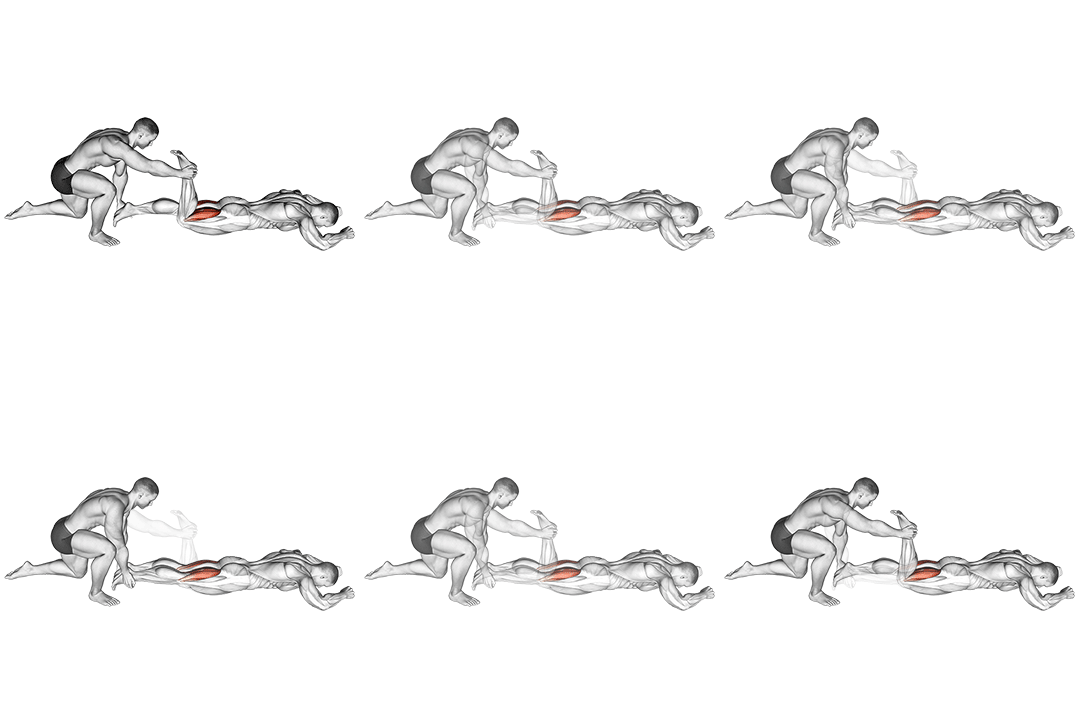
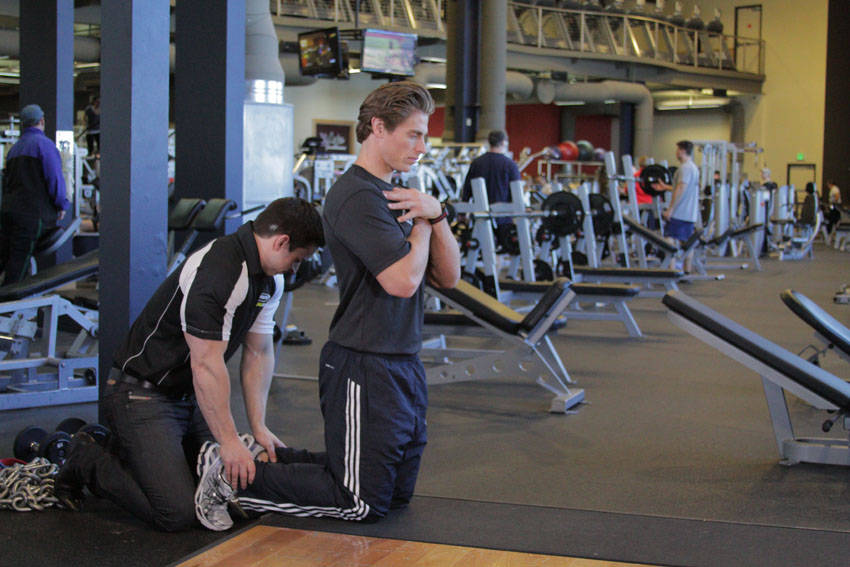
Compare More Exercises
Use our free comparison tool to analyze any two exercises head-to-head.
Compare Exercises