

Glute Ham Raise vs Lying Leg Curls: Complete Comparison Guide
Glute Ham Raise vs Lying Leg Curls — if you want stronger, thicker hamstrings, you should know how these two differ. I’ll walk you through muscle activation, equipment needs, learning curve, and how each exercise affects hip and knee mechanics. You’ll get clear technique cues, rep ranges for strength and hypertrophy, and scenarios showing which to pick for your goals — from building muscle to training at home. Read on and you’ll know when to prioritize the multi-joint Glute Ham Raise or the isolation-focused Lying Leg Curl in your program.
Exercise Comparison
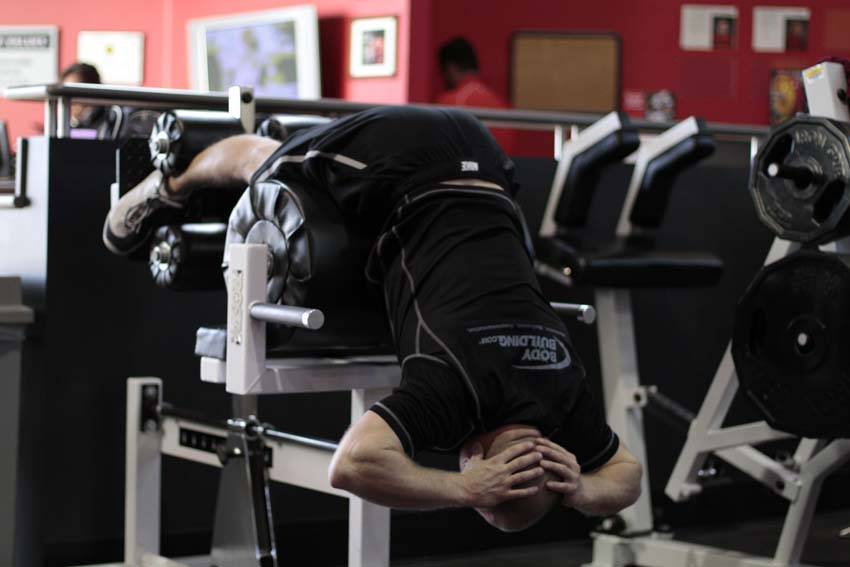
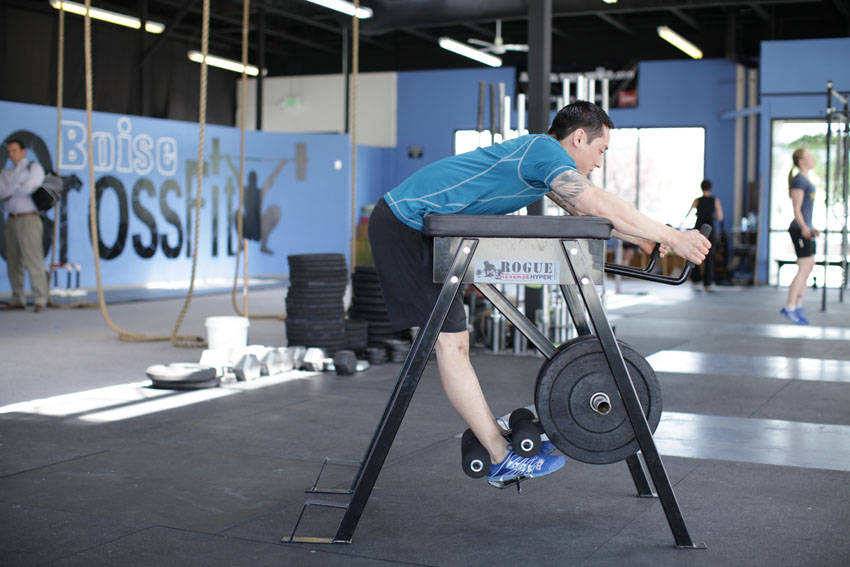
Glute Ham Raise
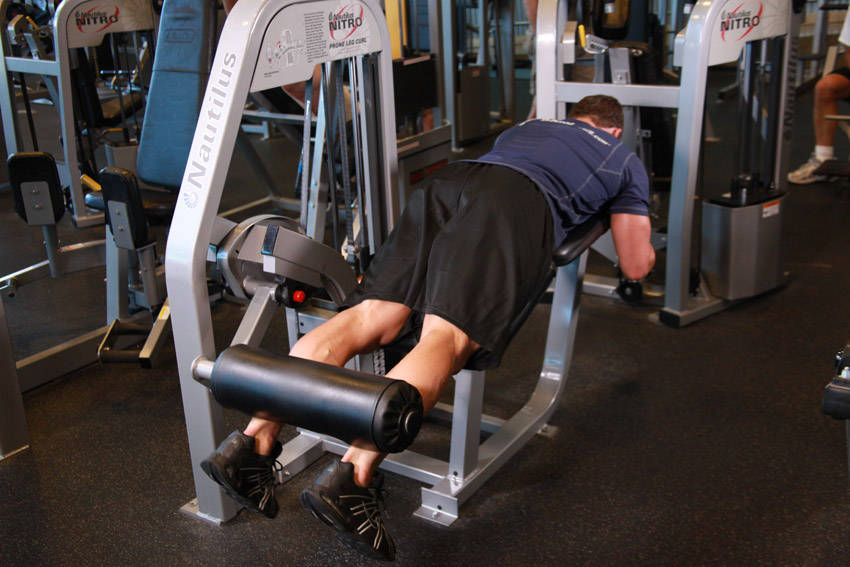
Lying Leg Curls
Head-to-Head Comparison
| Attribute | Glute Ham Raise | Lying Leg Curls |
|---|---|---|
| Target Muscle |
Hamstrings
|
Hamstrings
|
| Body Part |
Upper-legs
|
Upper-legs
|
| Equipment |
Machine
|
Machine
|
| Difficulty |
Advanced
|
Intermediate
|
| Movement Type |
Compound
|
Isolation
|
| Secondary Muscles |
2
|
0
|
Secondary Muscles Activated
Glute Ham Raise
Lying Leg Curls
Visual Comparison
Overview
Glute Ham Raise vs Lying Leg Curls — if you want stronger, thicker hamstrings, you should know how these two differ. I’ll walk you through muscle activation, equipment needs, learning curve, and how each exercise affects hip and knee mechanics. You’ll get clear technique cues, rep ranges for strength and hypertrophy, and scenarios showing which to pick for your goals — from building muscle to training at home. Read on and you’ll know when to prioritize the multi-joint Glute Ham Raise or the isolation-focused Lying Leg Curl in your program.
Key Differences
- Glute Ham Raise is a compound movement, while Lying Leg Curls is an isolation exercise.
- Difficulty levels differ: Glute Ham Raise is advanced, while Lying Leg Curls is intermediate.
- Both exercises target the Hamstrings using Machine. The main differences are in their movement patterns and muscle activation angles.
Pros & Cons
Glute Ham Raise
+ Pros
- Loads hamstrings at long muscle lengths, improving eccentric strength
- Also trains glutes and calves through hip extension and plantarflexion
- High carryover to athletic posterior chain strength and sprinting mechanics
- Multiple tough progression options (bodyweight negatives, added load)
− Cons
- Requires specialized equipment or a partner-assisted setup
- Steep learning curve; poor form increases strain risk
- Harder to isolate hamstrings for pure hypertrophy work
Lying Leg Curls
+ Pros
- Excellent isolation for focused hamstring hypertrophy
- Easy to load progressively and track weight increases
- Lower technical demand—quick to teach and learn
- Adaptable to machines, bands, or stability-ball variations
− Cons
- Limited hip-extension training and less carryover to sprinting
- Shorter muscle length tension compared with GHR
- Less eccentric overload potential unless tempo is manipulated
When Each Exercise Wins
Lying Leg Curls let you isolate the hamstrings and maintain continuous tension across 8–15 reps with easy progressive loading. Use slow eccentrics and partials to increase time under tension and target sarcoplasmic and myofibrillar growth.
Glute Ham Raises load the hamstrings eccentrically at longer lengths and engage hip extensors, which transfers better to sprint force and posterior chain strength. Heavy 3–6 rep sets with controlled eccentrics build maximal force capacity.
Lying Leg Curls are simpler to set up and coach: short technical demand, single-joint action, and predictable load progression make them safer for new lifters learning to target the hamstrings.
Lying Leg Curls can be approximated with bands or a Swiss ball so you can maintain knee-flexion overload at home. Glute Ham Raises require a specialized bench or partner, making them less practical for most home setups.
Frequently Asked Questions
Can I do both Glute Ham Raise and Lying Leg Curls in the same workout?
Yes. Pair them smartly: use Glute Ham Raises early for heavy, low-rep strength work (3–6 reps), then finish with Lying Leg Curls for 2–3 sets of 8–15 reps to increase metabolic stress and isolate the hamstrings.
Which exercise is better for beginners?
Lying Leg Curls are better for beginners because the setup is simple and the single-joint pattern is easy to control. Start with light weight, focus on full range and tempo, and progress when form is consistent.
How do the muscle activation patterns differ?
Lying Leg Curls peak hamstring activation around terminal knee flexion with minimal hip change, while Glute Ham Raises distribute activation across knee flexion and hip extension, increasing eccentric loading at longer muscle lengths and engaging glutes as synergists.
Can Lying Leg Curls replace Glute Ham Raise?
Lying Leg Curls can replace Glute Ham Raises if your priority is hamstring hypertrophy or you lack specialized equipment, but they won’t provide the same eccentric length-loading or hip-extension benefits important for athletic strength.
Expert Verdict
Pick Glute Ham Raises when you want to build posterior chain strength, improve eccentric control, and get carryover to sprinting or lifting—program heavy 3–6 rep sets and controlled 3–4 second eccentrics when your technique is solid. Choose Lying Leg Curls when your goal is targeted hamstring hypertrophy, easier progressive overload, or when you're a beginner; program 3–4 sets of 8–15 reps with tempo variations for time under tension. If you have access to both, alternate them across phases: use GHRs in strength or athletic phases and Lying Leg Curls in hypertrophy-focused blocks for balanced hamstring development.
Also Compare
More comparisons with Glute Ham Raise
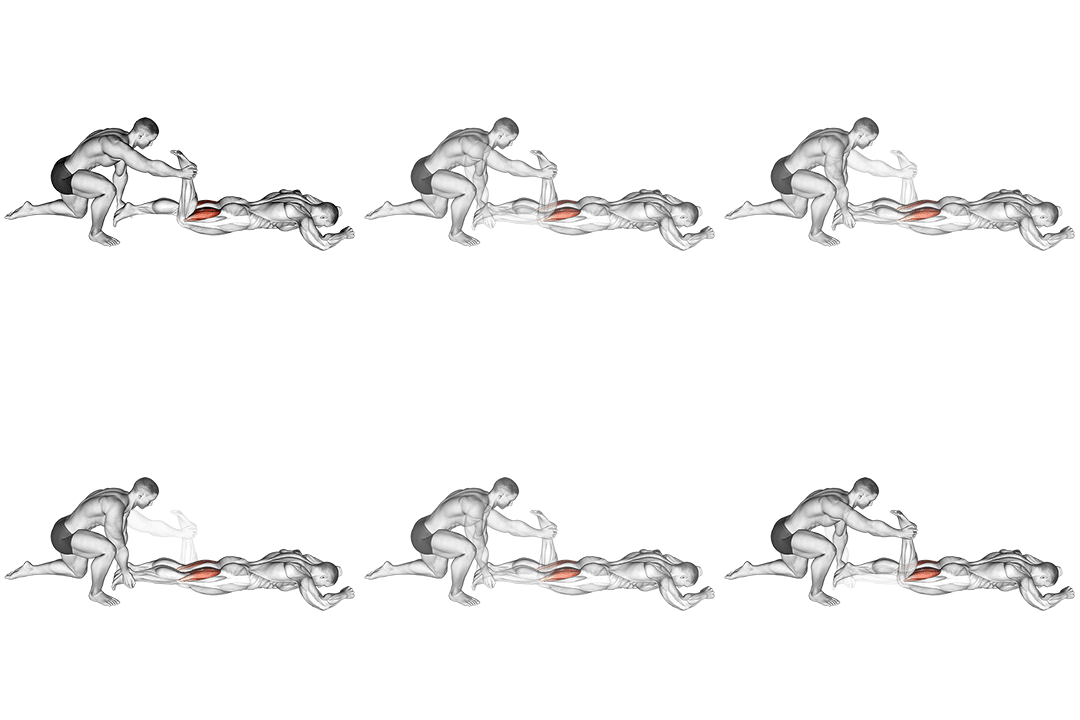
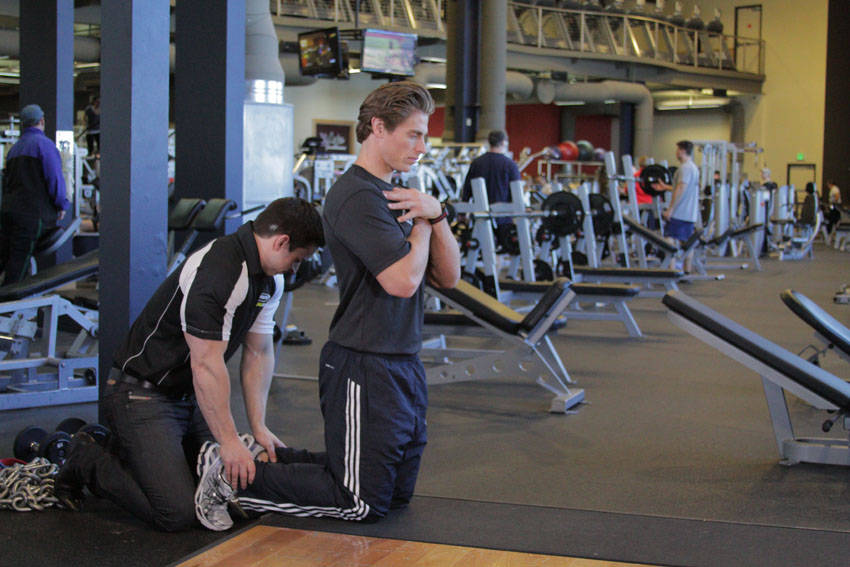
Compare More Exercises
Use our free comparison tool to analyze any two exercises head-to-head.
Compare Exercises