

Lying Leg Curls vs Seated Hamstring: Complete Comparison Guide
Lying Leg Curls vs Seated Hamstring — two isolation machine moves that both target your hamstrings but load them differently. If you want clear guidance on which to pick, you’re in the right place. I’ll break down muscle activation, biomechanics (hip angle and length-tension), equipment needs, learning curve, and injury considerations. You’ll get concrete technique cues, rep ranges for hypertrophy and strength, and scenarios showing the better choice for specific goals so you can pick the most effective move for your program.
Exercise Comparison
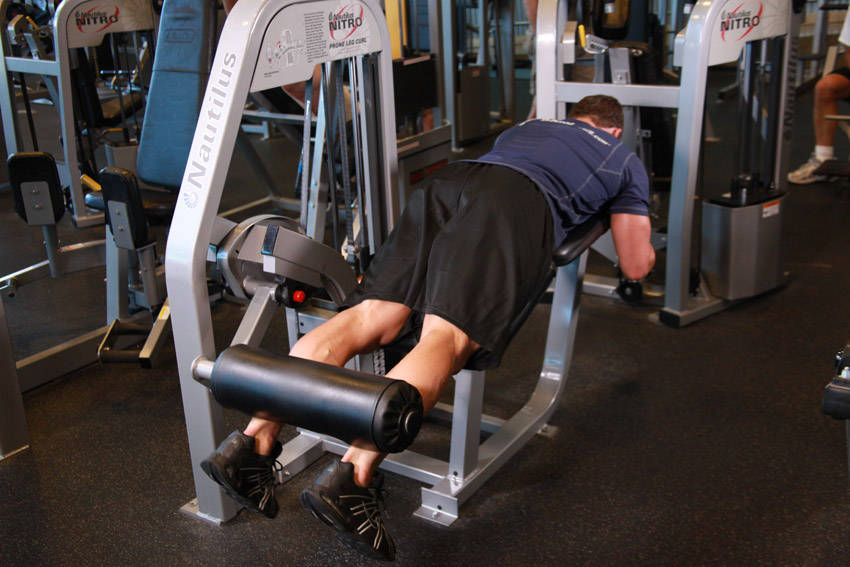
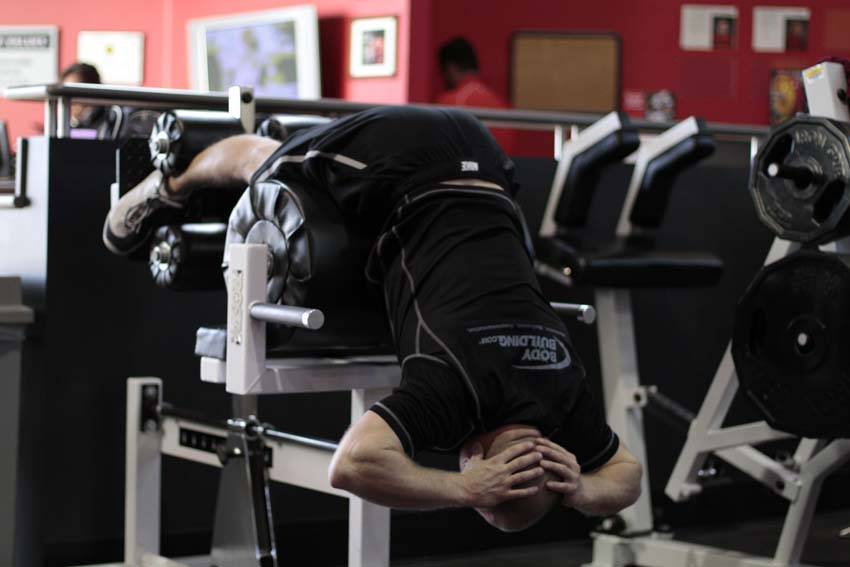
Lying Leg Curls
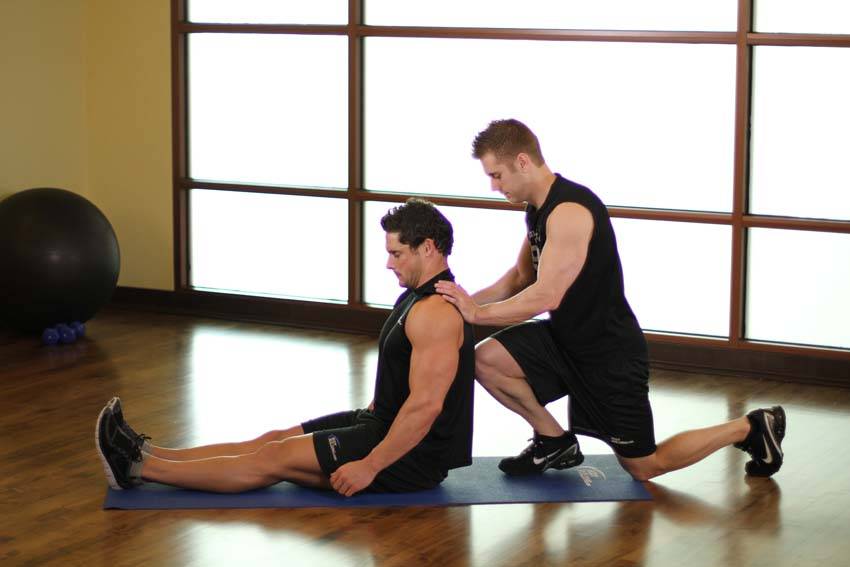
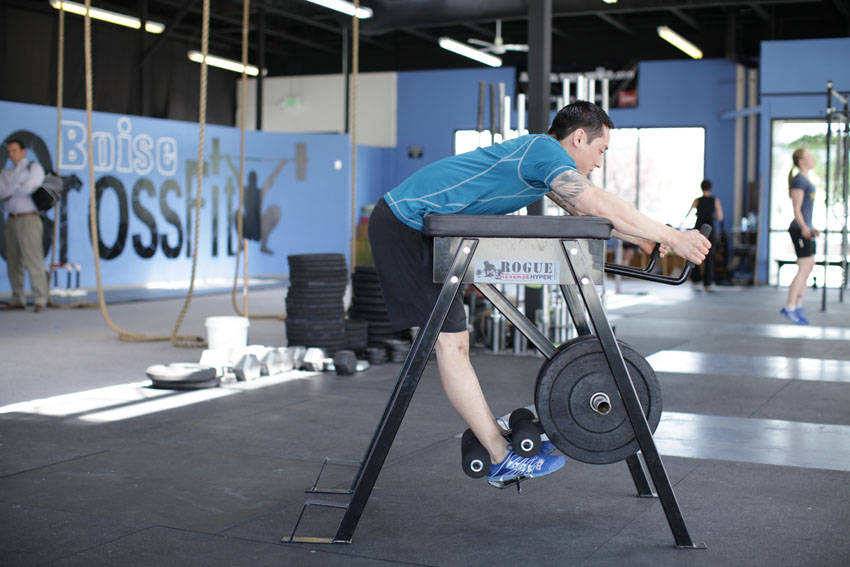
Seated Hamstring
Head-to-Head Comparison
| Attribute | Lying Leg Curls | Seated Hamstring |
|---|---|---|
| Target Muscle |
Hamstrings
|
Hamstrings
|
| Body Part |
Upper-legs
|
Upper-legs
|
| Equipment |
Machine
|
Machine
|
| Difficulty |
Intermediate
|
Beginner
|
| Movement Type |
Isolation
|
Isolation
|
| Secondary Muscles |
0
|
1
|
Secondary Muscles Activated
Lying Leg Curls
Seated Hamstring
Visual Comparison
Overview
Lying Leg Curls vs Seated Hamstring — two isolation machine moves that both target your hamstrings but load them differently. If you want clear guidance on which to pick, you’re in the right place. I’ll break down muscle activation, biomechanics (hip angle and length-tension), equipment needs, learning curve, and injury considerations. You’ll get concrete technique cues, rep ranges for hypertrophy and strength, and scenarios showing the better choice for specific goals so you can pick the most effective move for your program.
Key Differences
- Difficulty levels differ: Lying Leg Curls is intermediate, while Seated Hamstring is beginner.
- Both exercises target the Hamstrings using Machine. The main differences are in their movement patterns and muscle activation angles.
Pros & Cons
Lying Leg Curls
+ Pros
- Allows higher absolute loading for progressive overload and strength-focused sets
- Tight isolation of knee-flexor action with minimal pelvis movement when set up correctly
- Cleaner eccentric control on many machines for tempo work (3–5 second negatives)
- Comfortable for trainers who struggle with hip flexion mobility
− Cons
- Starts hamstrings at a shorter length, reducing stretch-mediated hypertrophy stimulus
- Can encourage hip drive and lumbar compensation if pelvic position isn’t locked
- Less calf and medial-hamstring recruitment compared to seated variations
Seated Hamstring
+ Pros
- Places hamstrings at a longer starting length (80–100° hip flexion) for greater stretch stimulus
- Typically easier to learn and set up because the thigh pad stabilizes the pelvis
- Involves the gastrocnemius slightly, adding a functional component to knee flexion
- Excellent for hypertrophy rep ranges due to sustained eccentric tension
− Cons
- Often limited by machine weight increments, making heavy progressive overload harder
- Higher tensile stress on the distal hamstring and posterior knee if overloaded
- Bulky machine and possible discomfort at the hips or backrest for some users
When Each Exercise Wins
Seated Hamstring places the hamstrings on a longer length-tension curve (hip ~80–100° flexion), increasing eccentric tension and stretch-mediated hypertrophy. Use 8–15 reps with 2–4 second eccentrics to exploit the lengthened position and muscle damage pathways.
Lying Leg Curls let you load heavier absolute weights and maintain a stable hip position, which supports progressive overload in low rep ranges (4–6). Heavier, slow-tempo sets produce greater force adaptation in the knee flexors when technique is strict.
Seated machines lock the pelvis and simplify movement mechanics, making it easier to learn knee flexion without compensatory hip drive. The setup minimizes coaching cues, so beginners can focus on tempo and range of motion.
If you must pick one based on typical multi-gym availability and compact selectorized designs, seated stations are more commonly included on home multi-gyms. Both require machines, but seated machines are often more user-friendly in limited-space setups.
Frequently Asked Questions
Can I do both Lying Leg Curls and Seated Hamstring in the same workout?
Yes — sequencing matters. Do heavier lying leg curls first if you plan low-rep strength work, then follow with seated hamstrings for higher-rep stretch-focused volume. Keep total knee-flexor volume to 12–20 hard sets per week as a starting guideline.
Which exercise is better for beginners?
Seated Hamstring is better for most beginners because the thigh pad stabilizes the pelvis and reduces compensatory hip movement. That lets you focus on tempo and full range before adding heavier loads.
How do the muscle activation patterns differ?
Seated curls start with the hamstrings at a longer length due to ~80–100° hip flexion, shifting activation toward greater eccentric and mid-range tension. Lying curls emphasize knee flexion with a shorter starting length, producing peak activation near maximal knee flexion and easier overload in absolute weight.
Can Seated Hamstring replace Lying Leg Curls?
Seated Hamstring can replace lying curls if your goal is hypertrophy and you prefer stretch-based loading, but it won’t always match the absolute loading potential of lying curls for strength-focused work. For comprehensive development, include both across different training phases.
Expert Verdict
Use Seated Hamstring when your priority is hypertrophy and muscle stretch: the hip-flexed position increases length-tension stress and tends to produce greater eccentric tension, so program 8–15 reps with controlled eccentrics. Choose Lying Leg Curls when you want to prioritize load progression and raw knee-flexor strength—use heavier sets of 4–6 or 6–10 for strength/transitional work, focusing on pelvic control to avoid compensation. For beginners and people with low-back sensitivity, start with seated curls to learn movement patterns. Rotate both across training cycles to exploit stretch stimulus and overload adaptations for balanced hamstring development.
Also Compare
More comparisons with Lying Leg Curls
Compare More Exercises
Use our free comparison tool to analyze any two exercises head-to-head.
Compare Exercises