

Lying Leg Curls vs Reverse Hyperextension: Complete Comparison Guide
Lying Leg Curls vs Reverse Hyperextension are two machine-based hamstring builders that work the posterior chain in very different ways. If you want clear guidance on technique, muscle activation, injury risk, and programming, this guide has your back. You’ll learn how each exercise loads the hamstrings (knee-flexion vs hip-extension), which secondary muscles get involved, rep ranges for hypertrophy and strength (8–12 vs 3–6/6–12), and practical cues so you can pick the right movement for your goals and training split.
Exercise Comparison
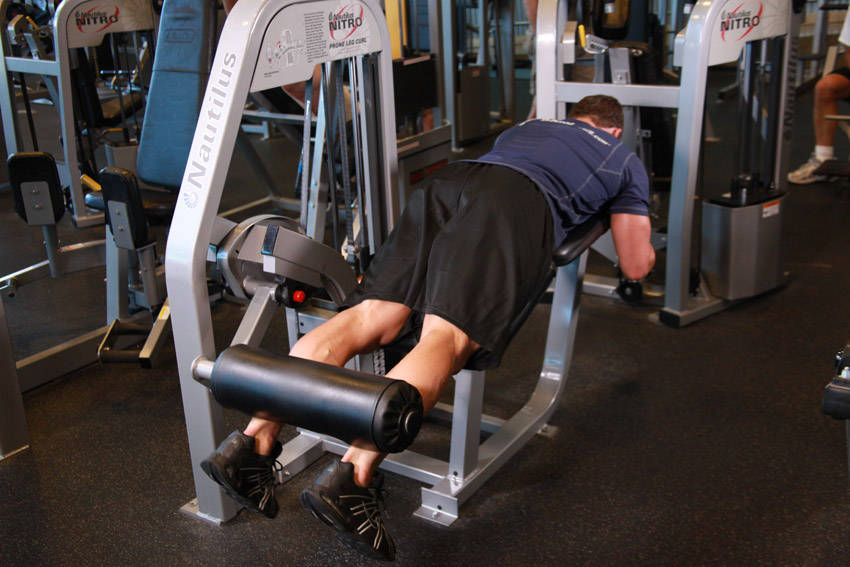
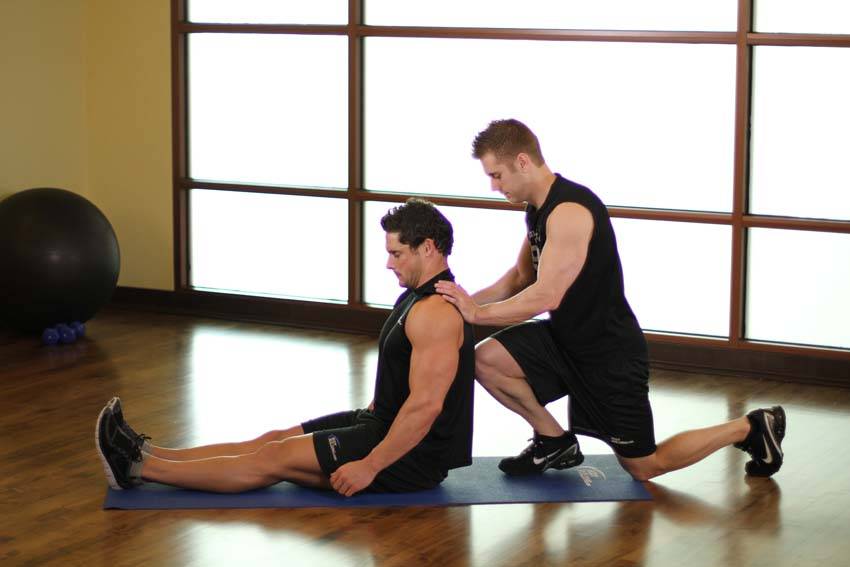
Lying Leg Curls
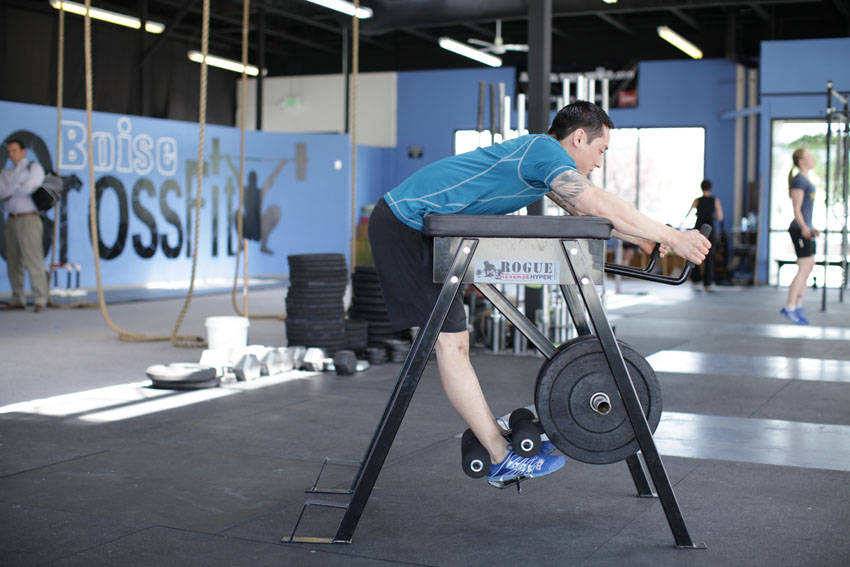
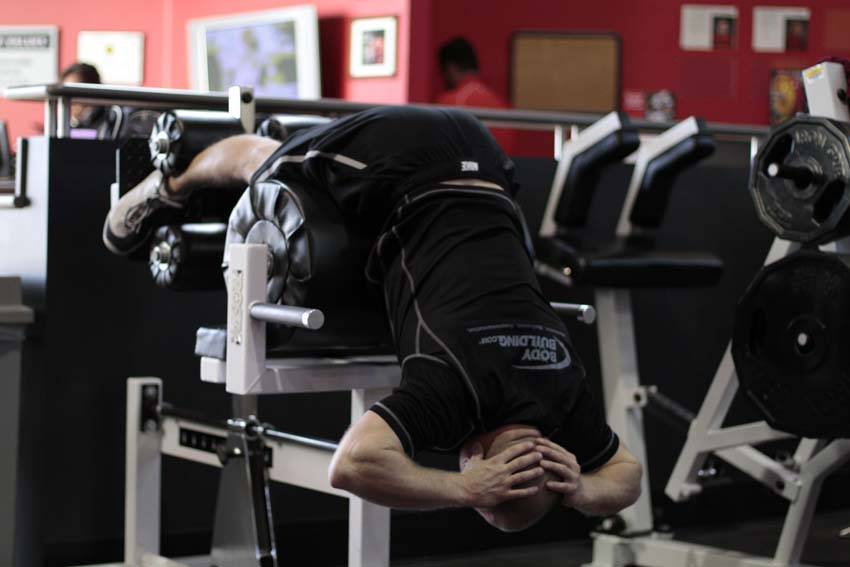
Reverse Hyperextension
Head-to-Head Comparison
| Attribute | Lying Leg Curls | Reverse Hyperextension |
|---|---|---|
| Target Muscle |
Hamstrings
|
Hamstrings
|
| Body Part |
Upper-legs
|
Upper-legs
|
| Equipment |
Machine
|
Machine
|
| Difficulty |
Intermediate
|
Intermediate
|
| Movement Type |
Isolation
|
Compound
|
| Secondary Muscles |
0
|
2
|
Secondary Muscles Activated
Lying Leg Curls
Reverse Hyperextension
Visual Comparison
Overview
Lying Leg Curls vs Reverse Hyperextension are two machine-based hamstring builders that work the posterior chain in very different ways. If you want clear guidance on technique, muscle activation, injury risk, and programming, this guide has your back. You’ll learn how each exercise loads the hamstrings (knee-flexion vs hip-extension), which secondary muscles get involved, rep ranges for hypertrophy and strength (8–12 vs 3–6/6–12), and practical cues so you can pick the right movement for your goals and training split.
Key Differences
- Lying Leg Curls is an isolation exercise, while Reverse Hyperextension is a compound movement.
- Both exercises target the Hamstrings using Machine. The main differences are in their movement patterns and muscle activation angles.
Pros & Cons
Lying Leg Curls
+ Pros
- Direct hamstring isolation for targeted hypertrophy and unilateral focus
- Easy to control tempo and time under tension (use 2–3s concentric, 2–3s eccentric)
- Simple learning curve and machine-based stability
- Clear progressive overload via weight stacks and pauses at peak contraction
− Cons
- Limited transfer to hip-hinge strength and athletic movements
- Hamstrings work at a shortened length, reducing long-length stimulus
- Potential for hamstring strain under heavy, uncontrolled reps
Reverse Hyperextension
+ Pros
- Loads hamstrings at longer muscle lengths and builds hip-extension strength
- Engages glutes and spinal erectors for better posterior chain carryover
- Allows heavy loading and eccentric control for tendon resilience
- Can reduce spinal compressive load compared with heavy axial lifts when performed correctly
− Cons
- Requires specialized equipment that's less common in gyms
- Higher technical demand to protect the lumbar spine and pelvis
- Less isolated hamstring hypertrophy compared with dedicated curl machines
When Each Exercise Wins
Lying Leg Curls isolate the hamstrings and let you manipulate tempo and time under tension (8–12 reps, 2–3s eccentric) to stimulate myofibrillar and sarcoplasmic hypertrophy more efficiently than a multi-joint movement.
Reverse hypers load hip extension and recruit glutes, hamstrings, and erectors together, allowing heavier plate-loaded progressions and better transfer to deadlifts and athletic hip-hinge strength.
Lying Leg Curls have a simpler setup and movement pattern that lets you learn load control and hamstring isolation before introducing complex hip-hinge timing and pelvic stability demanded by reverse hypers.
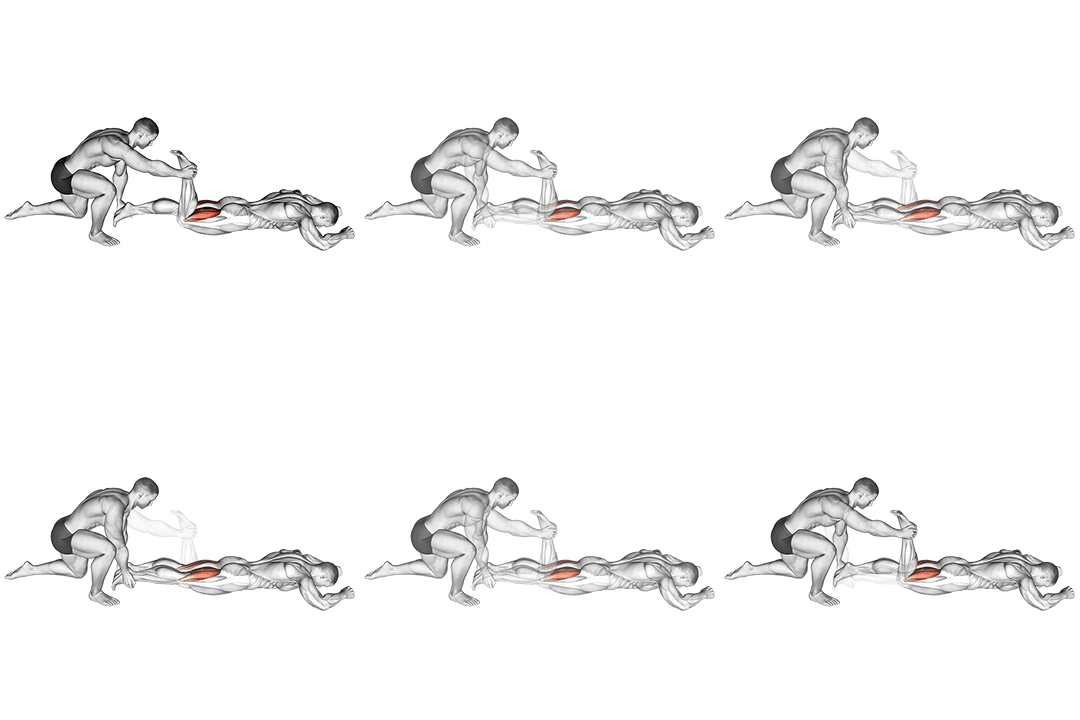
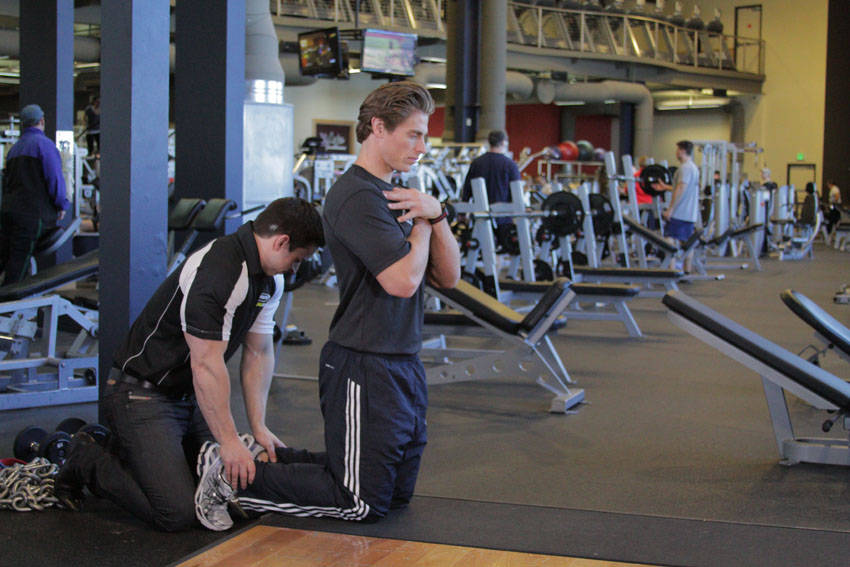
Most homes lack a reverse-hyper machine, but you can replicate knee-flexion overload with sliders, stability-ball curls, or Nordic curls, making hamstring work more practical at home.
Frequently Asked Questions
Can I do both Lying Leg Curls and Reverse Hyperextension in the same workout?
Yes. Pair them by ordering reverse hypers first if you want heavy hip-extension strength (3–6 reps), then use lying leg curls for isolation hypertrophy (8–12 reps) to pre-exhaust or finish the hamstrings with higher time under tension.
Which exercise is better for beginners?
Lying Leg Curls are better for beginners because they require less hip and pelvic control and let you safely learn hamstring loading and tempo. Start light and focus on full controlled range and a 2–3s eccentric.
How do the muscle activation patterns differ?
Lying curls drive hamstring activation through knee flexion, peaking in mid-to-end range concentric phases, while reverse hypers produce co-contraction across the posterior chain with hamstrings working eccentrically on descent and concentrically during hip extension at longer muscle lengths.
Can Reverse Hyperextension replace Lying Leg Curls?
Reverse hypers can replace lying curls for posterior-chain strength and long-length hamstring stimulus, but they don’t match the isolation and short-range time under tension that optimizes hamstring hypertrophy—use them interchangeably based on training phase.
Expert Verdict
Choose Lying Leg Curls when your priority is targeted hamstring hypertrophy, rehab-focused isolation, or beginner-friendly loading—use 8–12 reps with controlled eccentrics and keep hips pinned to avoid pelvic tilt. Choose Reverse Hyperextension when you want hip-extension strength, posterior chain durability, and transfer to deadlifts or sprinting; program 3–6 heavy sets for strength or 6–12 with slower eccentrics for tendon conditioning. For most balanced programs, use both: prioritize lying curls in blocks for size and alternate in reverse hypers for strength and long-length hamstring health.
Also Compare
More comparisons with Lying Leg Curls
Compare More Exercises
Use our free comparison tool to analyze any two exercises head-to-head.
Compare Exercises