

Reverse Hyperextension vs Seated Hamstring: Complete Comparison Guide
Reverse Hyperextension vs Seated Hamstring — you’re comparing two machine-based hamstring staples with very different mechanics. I’ll walk you through how each loads the hamstrings, which secondary muscles light up, the biomechanics (hip vs. knee dominance, length-tension, force vectors), and practical cues so you can pick the best move for hypertrophy, strength, or rehab. You’ll get clear rep ranges, progression tips, and safety notes so you can use one or both in your program with confidence.
Exercise Comparison
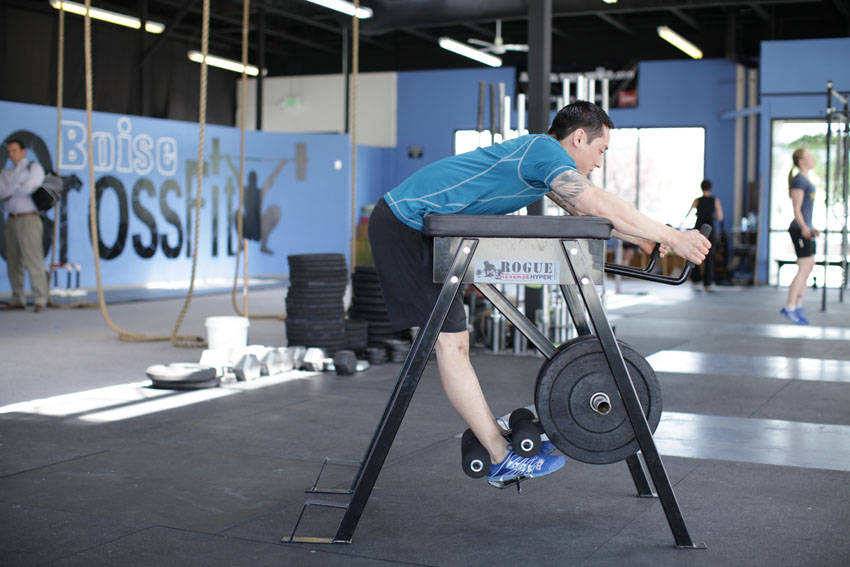
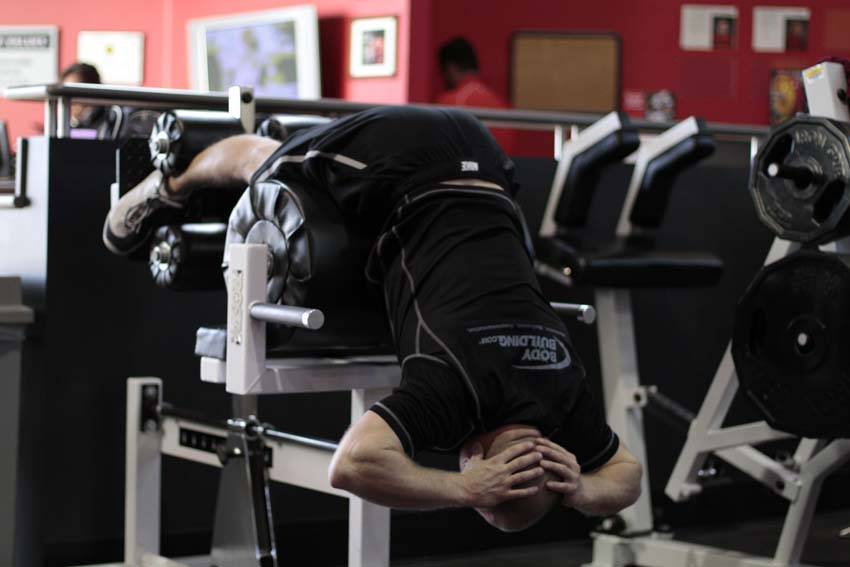
Reverse Hyperextension
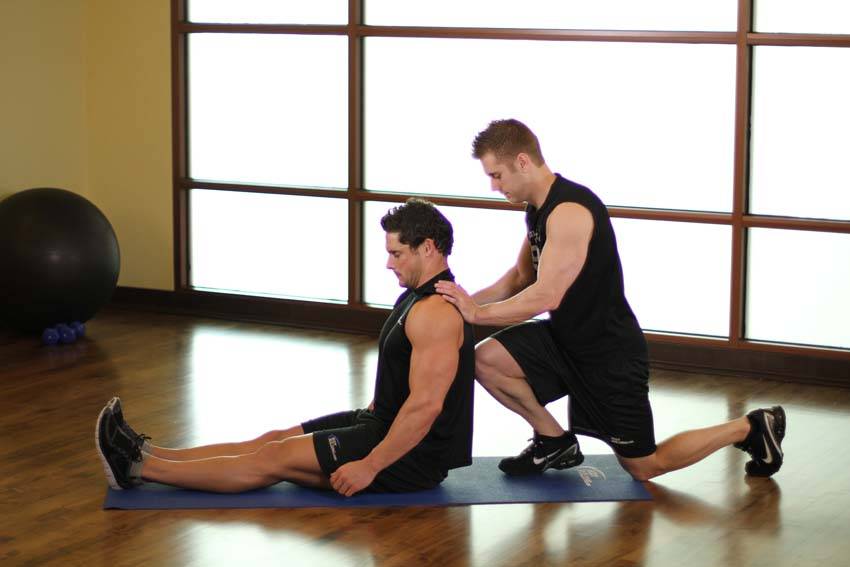
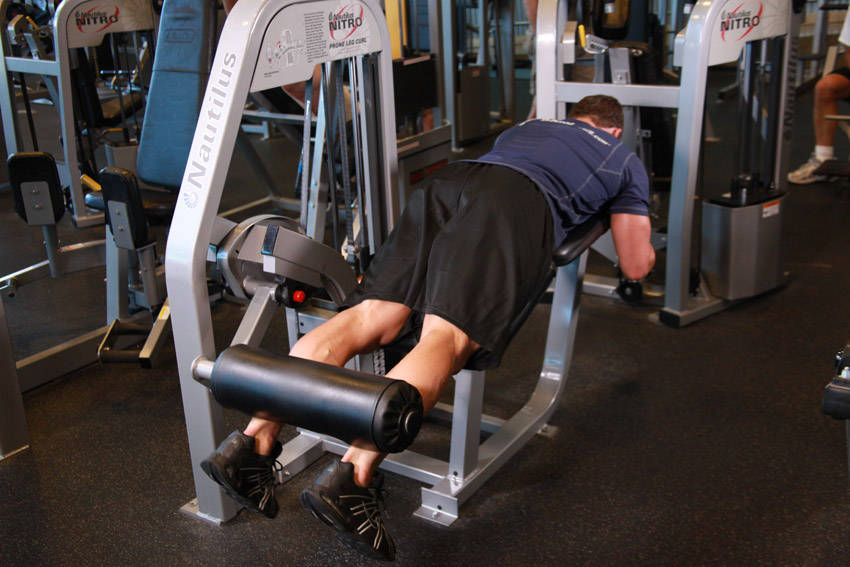
Seated Hamstring
Head-to-Head Comparison
| Attribute | Reverse Hyperextension | Seated Hamstring |
|---|---|---|
| Target Muscle |
Hamstrings
|
Hamstrings
|
| Body Part |
Upper-legs
|
Upper-legs
|
| Equipment |
Machine
|
Machine
|
| Difficulty |
Intermediate
|
Beginner
|
| Movement Type |
Compound
|
Isolation
|
| Secondary Muscles |
2
|
1
|
Secondary Muscles Activated
Reverse Hyperextension
Seated Hamstring
Visual Comparison
Overview
Reverse Hyperextension vs Seated Hamstring — you’re comparing two machine-based hamstring staples with very different mechanics. I’ll walk you through how each loads the hamstrings, which secondary muscles light up, the biomechanics (hip vs. knee dominance, length-tension, force vectors), and practical cues so you can pick the best move for hypertrophy, strength, or rehab. You’ll get clear rep ranges, progression tips, and safety notes so you can use one or both in your program with confidence.
Key Differences
- Reverse Hyperextension is a compound movement, while Seated Hamstring is an isolation exercise.
- Difficulty levels differ: Reverse Hyperextension is intermediate, while Seated Hamstring is beginner.
- Both exercises target the Hamstrings using Machine. The main differences are in their movement patterns and muscle activation angles.
Pros & Cons
Reverse Hyperextension
+ Pros
- Loads hamstrings in hip-extension pattern for posterior chain transfer
- Strong glute recruitment adds carryover to deadlift and sprint mechanics
- Easy to apply heavy eccentric overload with plates or bands
- Works hamstrings at longer muscle lengths for eccentric stimulus
− Cons
- Less available equipment in many gyms
- Higher demand on lumbar control—risk if technique breaks down
- Requires coaching to find safe range and tempo
Seated Hamstring
+ Pros
- Machine isolates hamstrings via knee flexion for focused work
- Very accessible in commercial gyms with simple setup
- Lower spinal load makes it easier for rehab or beginners
- Easy to control tempo and hit hypertrophy rep ranges (8–20 reps)
− Cons
- Limited transfer to hip-dominant strength like deadlifts
- Fixed path can mask compensations if seat fit is poor
- Less eccentric overload potential compared with reverse hypers
When Each Exercise Wins
Seated Hamstring isolates the hamstrings and keeps constant tension through the knee-flexion range, making it easy to target specific fibers with 8–20 rep sets and controlled 2–4 second eccentrics for metabolic stress and mechanical tension.
Reverse Hyperextension builds hip-extension torque and eccentric capacity, transferring directly to deadlifts and hip-hinge strength. You can load it heavily (3–6 reps for strength blocks) and use eccentric overload to increase force production.
Seated Hamstring's fixed path and low spinal demand let beginners learn to activate hamstrings safely and build baseline strength before progressing to compound hip-dominant moves.
While both machines are rare at home, you can replicate reverse-hyper mechanics with a sturdy bench, bands, or a Swiss ball for hip-extension patterns. That makes it easier to mimic posterior-chain loading without a dedicated seated curl machine.
Frequently Asked Questions
Can I do both Reverse Hyperextension and Seated Hamstring in the same workout?
Yes — using reverse hypers early in the workout for heavy hip-driven sets (3–6 reps) followed by seated hamstring for focused volume (8–15 reps) is an effective combination. This sequence leverages neural strength first and isolates the hamstrings for metabolic stress afterward.
Which exercise is better for beginners?
Seated Hamstring is better for most beginners because the machine enforces the path of motion and reduces spinal load, letting you learn hamstring activation without complex hip control. Start there and add hip-dominant work once you’ve built baseline strength.
How do the muscle activation patterns differ?
Seated curls peak hamstring activation during concentric knee flexion at mid-to-high knee angles, while reverse hypers emphasize hip extension and produce larger eccentric loading when the hamstrings are lengthened. The former isolates distal hamstring action; the latter recruits glutes and proximal hamstring fibers more.
Can Seated Hamstring replace Reverse Hyperextension?
For pure isolation and hypertrophy, yes — seated hamstrings can replace reverse hypers in a program. For posterior-chain strength carryover and eccentric overload that improves hip-hinge performance, reverse hypers are the superior choice and shouldn’t be fully replaced if strength transfer is a priority.
Expert Verdict
Use Seated Hamstring when your goal is direct hamstring hypertrophy, controlled knee-flexion work, or you need a lower-spine option for rehab and beginners. Aim for 8–20 reps, 2–4 second eccentrics, and precise seat fit to maximize isolation. Choose Reverse Hyperextension when you want posterior-chain strength, eccentric overload, and carryover to deadlifts or sprints — load for 3–8 reps for strength or 6–12 with slow eccentrics for size. Pair them: start sessions with reverse hypers for neural/hip work, finish with seated curls for targeted volume and pump.
Also Compare
More comparisons with Reverse Hyperextension
Compare More Exercises
Use our free comparison tool to analyze any two exercises head-to-head.
Compare Exercises