

Backward Drag vs Bear Crawl Sled Drags: Complete Comparison Guide
Backward Drag vs Bear Crawl Sled Drags is a practical comparison you need if you want to prioritize quad strength, conditioning, or carryover to athletics. You’ll get clear direction on how each movement loads the quads, which secondary muscles pick up the work, and the exact technique cues to use. I’ll cover muscle activation, biomechanics (force vectors, length-tension), equipment needs, progressions and injury considerations, plus rep ranges and sample programming so you can pick the right drag for your goals.
Exercise Comparison
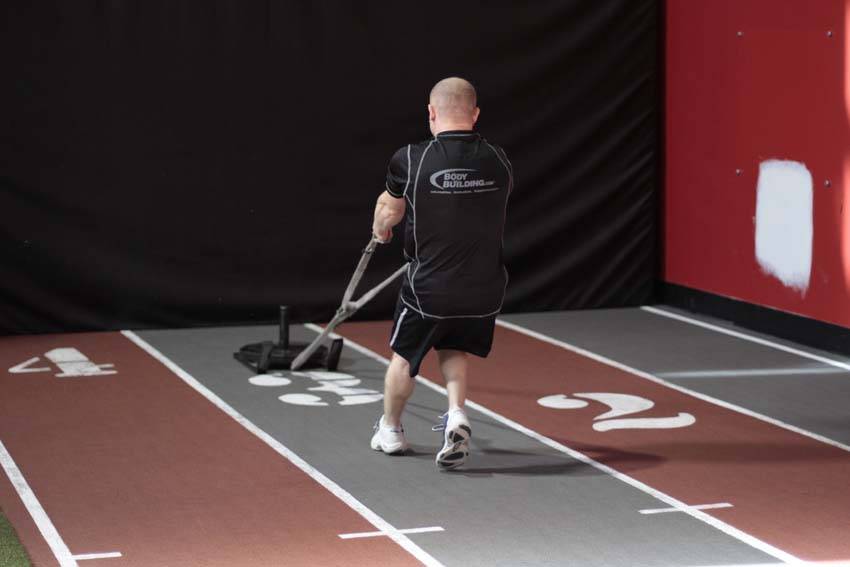
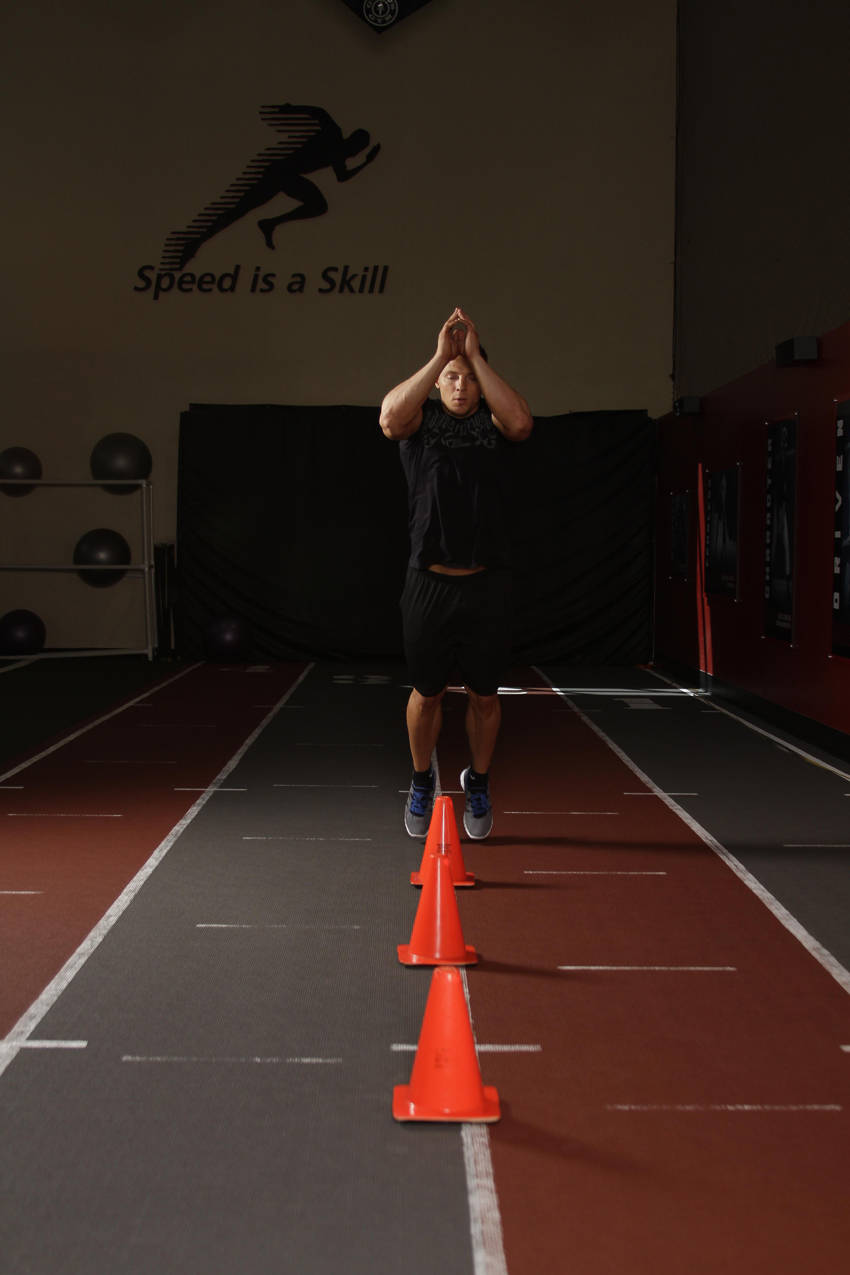
Backward Drag
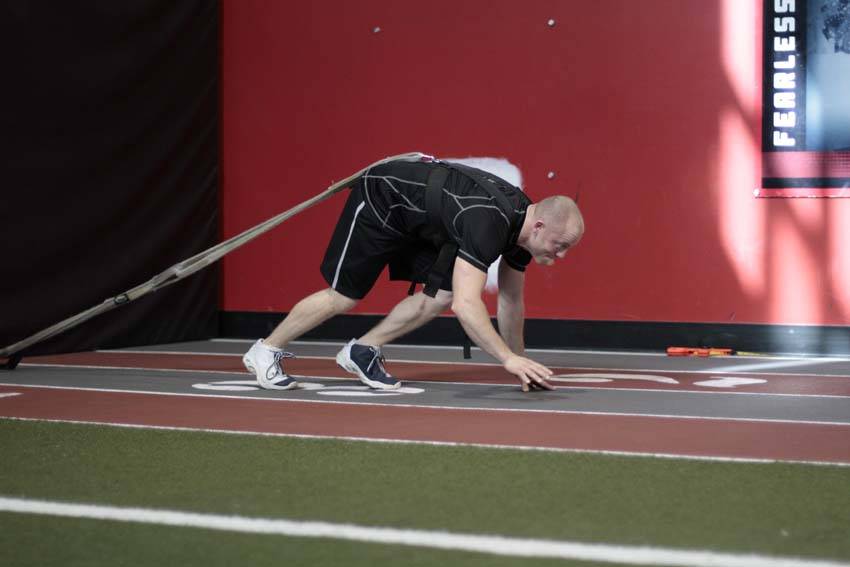
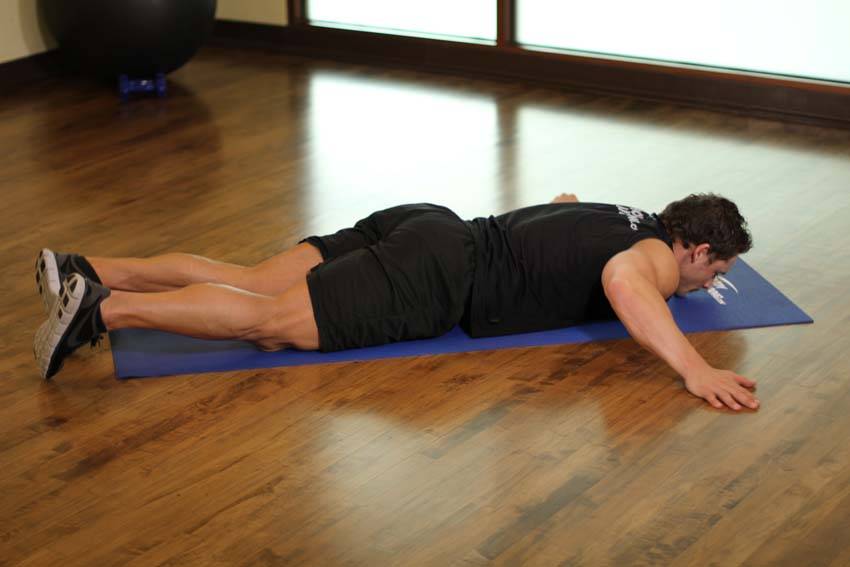
Bear Crawl Sled Drags
Head-to-Head Comparison
| Attribute | Backward Drag | Bear Crawl Sled Drags |
|---|---|---|
| Target Muscle |
Quads
|
Quads
|
| Body Part |
Upper-legs
|
Upper-legs
|
| Equipment |
Other
|
Other
|
| Difficulty |
Intermediate
|
Intermediate
|
| Movement Type |
Compound
|
Compound
|
| Secondary Muscles |
5
|
3
|
Secondary Muscles Activated
Backward Drag
Bear Crawl Sled Drags
Visual Comparison
Overview
Backward Drag vs Bear Crawl Sled Drags is a practical comparison you need if you want to prioritize quad strength, conditioning, or carryover to athletics. You’ll get clear direction on how each movement loads the quads, which secondary muscles pick up the work, and the exact technique cues to use. I’ll cover muscle activation, biomechanics (force vectors, length-tension), equipment needs, progressions and injury considerations, plus rep ranges and sample programming so you can pick the right drag for your goals.
Key Differences
- Both exercises target the Quads using Other. The main differences are in their movement patterns and muscle activation angles.
Pros & Cons
Backward Drag
+ Pros
- High quad overload via strong knee‑extension torque (good for muscle growth and strength).
- Straightforward technique — fast learning curve for most lifters.
- Easy to scale load precisely by adding weight to sled.
- Transfers well to athletic posterior chain work and sprint mechanics (rearward force emphasis).
− Cons
- Requires longer space/runway and secure harness setup.
- Higher grip and lower‑back demand if using straps improperly.
- Backward stepping increases fall/step‑misplacement risk in tight spaces.
Bear Crawl Sled Drags
+ Pros
- Sustained quad tension and improved work capacity with shorter distances.
- Less grip demand — harness at hips reduces forearm fatigue.
- Engages glutes and hamstrings in a patterned crawl, aiding hip stability.
- Easily modulated for conditioning with rep/time schemes (20–60 s).
− Cons
- More technical — requires core and hip control in quadruped.
- Wrist/shoulder discomfort possible from prolonged support position.
- Harder to achieve very high single‑rep peak loads for maximal strength.
When Each Exercise Wins
Backward Drag better facilitates progressive overload and high knee‑extension torque in the 6–12 rep or 10–30 m range, producing greater mechanical tension on quads and a clearer path to muscle growth. You can reliably increase load in 5–10% increments to drive progressive stimulus.
Backward Drag allows higher peak horizontal force production and heavier absolute loads, which better develop maximal lower‑limb force output. Use heavy 3–6 rep sets or heavy sled pushes over 10–20 m to prioritize strength adaptations.
Backward Drag’s gait‑based pattern is simpler to teach and monitor: short, controlled steps and an upright torso resolve most faults quickly. Start conservative with light load and 10–20 m walks to build technique before adding weight.
Bear Crawl Sled Drags adapt better to limited spaces and improvised drag surfaces (towel, small sled) and produce significant quad stimulus with shorter distances and higher time‑under‑tension. They’re easier to scale without a heavy sled.
Frequently Asked Questions
Can I do both Backward Drag and Bear Crawl Sled Drags in the same workout?
Yes. Pair them deliberately: use Backward Drag early in the session for heavy, low‑rep work (3–6 or 6–12 reps / 10–30 m) and finish with Bear Crawl Sled Drags as a conditioning/finisher (20–45 s sets). That sequencing preserves strength output then taxes work capacity without doubling maximal loads.
Which exercise is better for beginners?
Backward Drag is generally simpler and easier to coach because it follows a natural stepping pattern and allows straightforward load progression. Start light, focus on short controlled steps and a neutral spine before increasing resistance.
How do the muscle activation patterns differ?
Backward Drag produces larger, shorter peak knee‑extension moments and relies more on concentric knee extension pulses; it also loads forearms and lower back via the strap. Bear Crawl Sled Drags produce lower peak forces but longer time‑under‑tension with repeated hip and knee extension cycles, increasing glute/hamstring rhythm and core demand.
Can Bear Crawl Sled Drags replace Backward Drag?
If your goal is conditioning or improving hip‑knee coordination, yes—bear crawls can substitute and add variety. If you need maximal quad overload or measurable strength progression, Backward Drag is the preferable primary choice; use crawls as a complementary drill.
Expert Verdict
Use Backward Drag when your goal is targeted quad development and strength. Its force vector produces high knee‑extension torque (peak around 40–70° of knee flexion), making it ideal for 3–12 rep schemes, heavy loads and measurable progression. Choose Bear Crawl Sled Drags when you want sustained quad tension, better glute‑ham pairing and conditioning in cramped spaces; use 20–60 second sets or 10–20 m crawls to build work capacity. Program both in a block: prioritize backward drags for heavy strength or hypertrophy phases and add bear crawl drags for metabolic conditioning, hip stability and movement variety.
Also Compare
More comparisons with Backward Drag
More comparisons with Bear Crawl Sled Drags
Compare More Exercises
Use our free comparison tool to analyze any two exercises head-to-head.
Compare Exercises