

Bear Crawl Sled Drags vs Iron Crosses (stretch): Complete Comparison Guide
Bear Crawl Sled Drags vs Iron Crosses (stretch) sets up a clear contrast: one is a loaded, multi-joint quad builder and the other is a beginner-friendly quad isolation stretch. You’ll get a side-by-side look at primary and secondary muscle activation, equipment needs, difficulty, programming tips (rep ranges, tempos, distances) and when to use each in your training. Read on to learn technique cues, how biomechanics like length-tension and force vectors change muscle demand, and which exercise to pick for muscle growth, strength, mobility, or home workouts.
Exercise Comparison
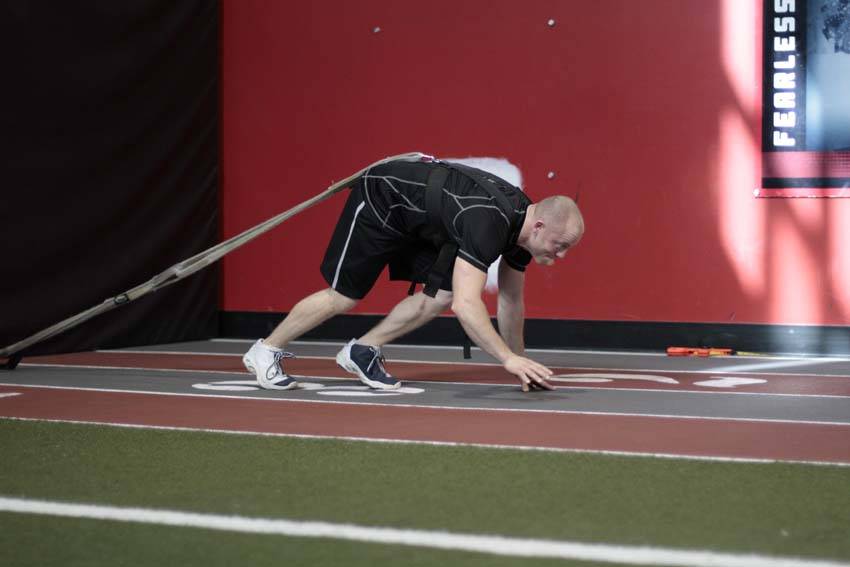
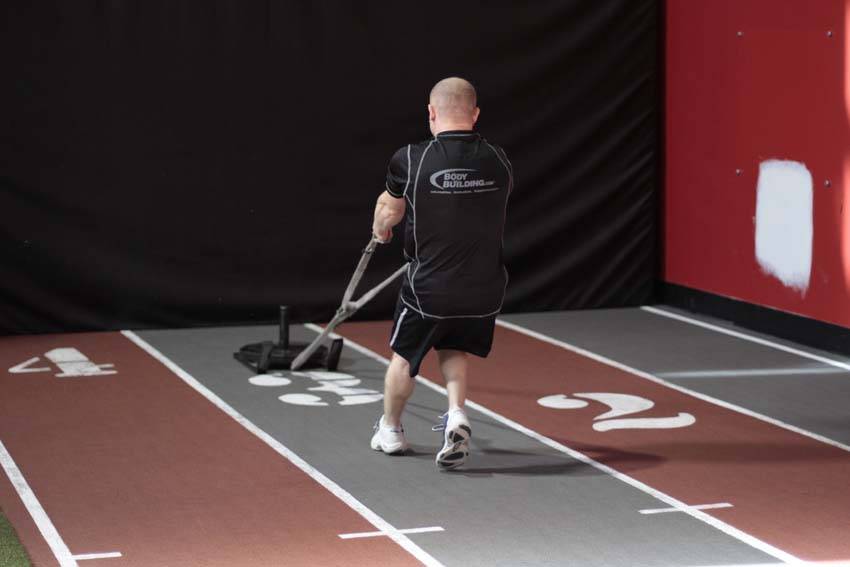
Bear Crawl Sled Drags
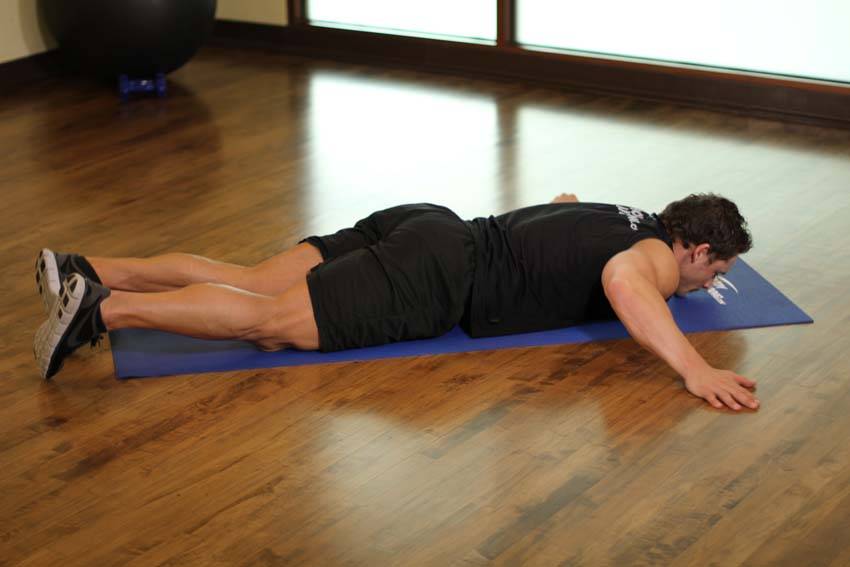
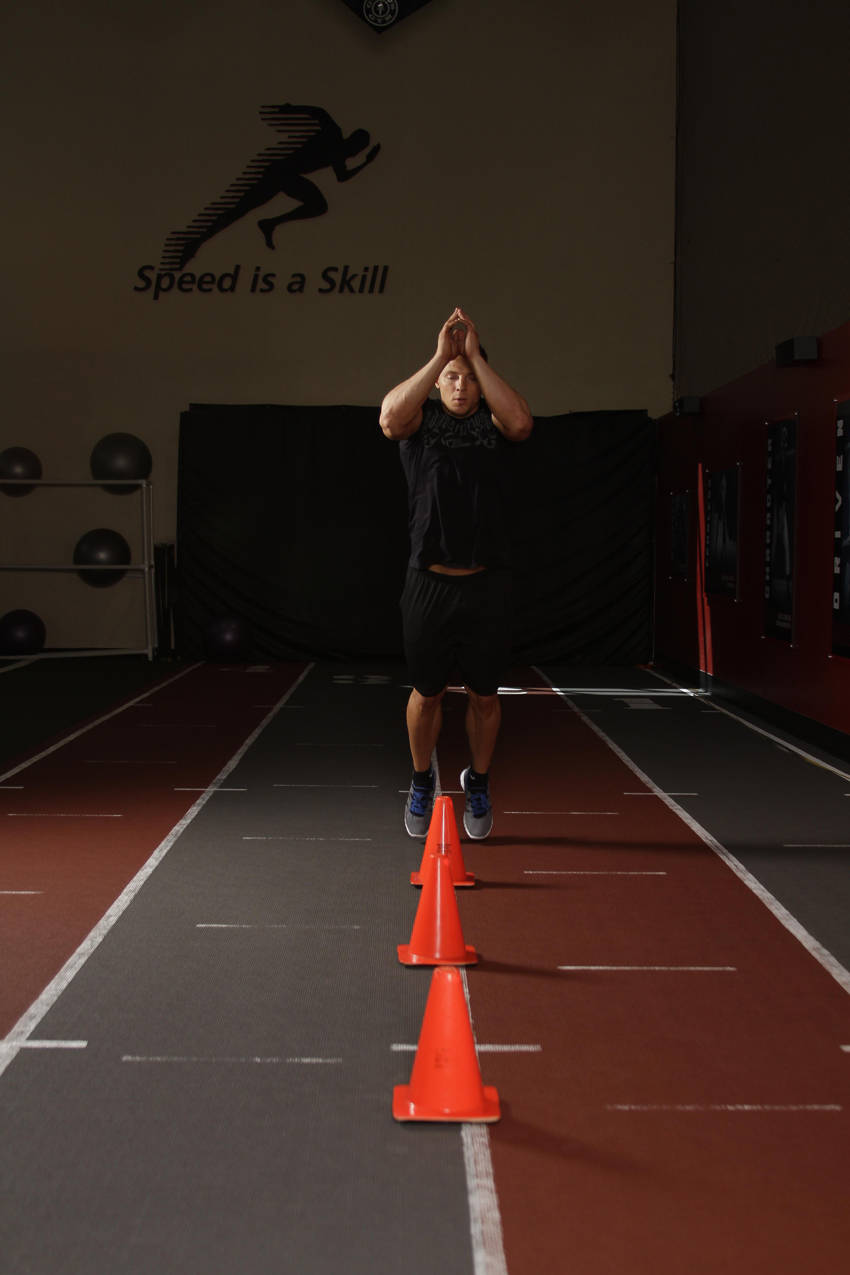
Iron Crosses (stretch)
Head-to-Head Comparison
| Attribute | Bear Crawl Sled Drags | Iron Crosses (stretch) |
|---|---|---|
| Target Muscle |
Quads
|
Quads
|
| Body Part |
Upper-legs
|
Upper-legs
|
| Equipment |
Other
|
Other
|
| Difficulty |
Intermediate
|
Beginner
|
| Movement Type |
Compound
|
Isolation
|
| Secondary Muscles |
3
|
0
|
Secondary Muscles Activated
Bear Crawl Sled Drags
Iron Crosses (stretch)
Visual Comparison
Overview
Bear Crawl Sled Drags vs Iron Crosses (stretch) sets up a clear contrast: one is a loaded, multi-joint quad builder and the other is a beginner-friendly quad isolation stretch. You’ll get a side-by-side look at primary and secondary muscle activation, equipment needs, difficulty, programming tips (rep ranges, tempos, distances) and when to use each in your training. Read on to learn technique cues, how biomechanics like length-tension and force vectors change muscle demand, and which exercise to pick for muscle growth, strength, mobility, or home workouts.
Key Differences
- Bear Crawl Sled Drags is a compound movement, while Iron Crosses (stretch) is an isolation exercise.
- Difficulty levels differ: Bear Crawl Sled Drags is intermediate, while Iron Crosses (stretch) is beginner.
- Both exercises target the Quads using Other. The main differences are in their movement patterns and muscle activation angles.
Pros & Cons
Bear Crawl Sled Drags
+ Pros
- High quad mechanical tension across full knee ROM enabling progressive overload
- Also trains glutes, hamstrings and calves for athletic transfer
- Variable loading: adjust plates, distance, tempo (6–12 reps-equivalent or 20–60 m intervals)
- Great for metabolic conditioning and unilateral coordination when done as alternating bear steps
− Cons
- Requires a sled or heavy equipment and space
- Higher technical demand—coordination of gait, hip drive and knee tracking
- Greater injury risk if overloaded or performed with poor alignment
Iron Crosses (stretch)
+ Pros
- Minimal equipment and easy to teach to beginners
- Places quads at longer muscle length to target stretch-mediated hypertrophy
- Low-impact and low systemic fatigue—useful for recovery or mobility days
- Useful as a targeted corrective exercise to address quad tightness and ROM
− Cons
- Limited progressive overload for heavy concentric strength
- Doesn’t significantly train glutes, hamstrings or calves
- Can be uncomfortable for people with anterior hip pain or severe quad tightness
When Each Exercise Wins
Sled drags allow progressive overload with measurable increases in external load and produce repeated concentric-eccentric cycles that maximize mechanical tension. Use 3–6 sets of 6–12 explosive steps or 20–40 m shuttles with 60–90 s rest to drive quad muscle growth.
The horizontal force vector and ability to add plates or heavier loads makes sled drags superior for increasing quad force output and transfer to weighted movements. Program heavy short sprints (4–6 reps-equivalent) or heavy resisted steps to build strength.
Iron Crosses isolate the quads with simple positioning and low load, allowing you to learn tension control and improve knee ROM without complex coordination or heavy equipment. Hold 30–60 s per side to build tolerance.
They require only a mat or floor space and provide a meaningful quad stimulus without a sled. Use them in circuits or as a focused mobility/hypertrophy tool at home.
Frequently Asked Questions
Can I do both Bear Crawl Sled Drags and Iron Crosses (stretch) in the same workout?
Yes. Use sled drags as the primary loaded quad exercise and follow with Iron Crosses as an accessory for targeted length-tension work or mobility. Keep sled sets heavy and short (3–6 sets), then finish with 2–3 sets of 30–60 s Iron Cross holds to avoid excessive fatigue.
Which exercise is better for beginners?
Iron Crosses (stretch) are better for beginners because they’re simpler to learn, require no special equipment, and control quad tension at longer lengths. Gradually add sled drags once you master knee tracking and hip drive with light loads.
How do the muscle activation patterns differ?
Sled drags produce dynamic concentric-eccentric activation across the knee and hip, increasing integrated mechanical tension and metabolic cost. Iron Crosses produce mostly isometric/slow eccentric activation at long muscle lengths, increasing passive tension and stretch-related stimulus without large concentric loads.
Can Iron Crosses (stretch) replace Bear Crawl Sled Drags?
Not if your goal is heavy quad overload or strength transfer—Iron Crosses can’t match the progressive concentric loading of sled drags. They can replace sled work for mobility, recovery, or when equipment isn’t available, but expect less direct strength carryover.
Expert Verdict
Choose Bear Crawl Sled Drags when you want measurable quad overload, carryover to athletic movements, and posterior chain integration—they excel for hypertrophy and strength when you can load and coach technique. Opt for Iron Crosses (stretch) when you need a low-equipment quad isolate that improves muscle length-tension and joint mobility or when you’re a beginner or training at home. For a balanced program, use sled drags 1–2x weekly as a primary loaded quad stimulus (6–12 rep-equivalent or 20–40 m intervals) and add Iron Crosses as accessory work or on recovery days (30–90 s holds) to enhance ROM and stretch-mediated muscle tension.
Also Compare
More comparisons with Bear Crawl Sled Drags
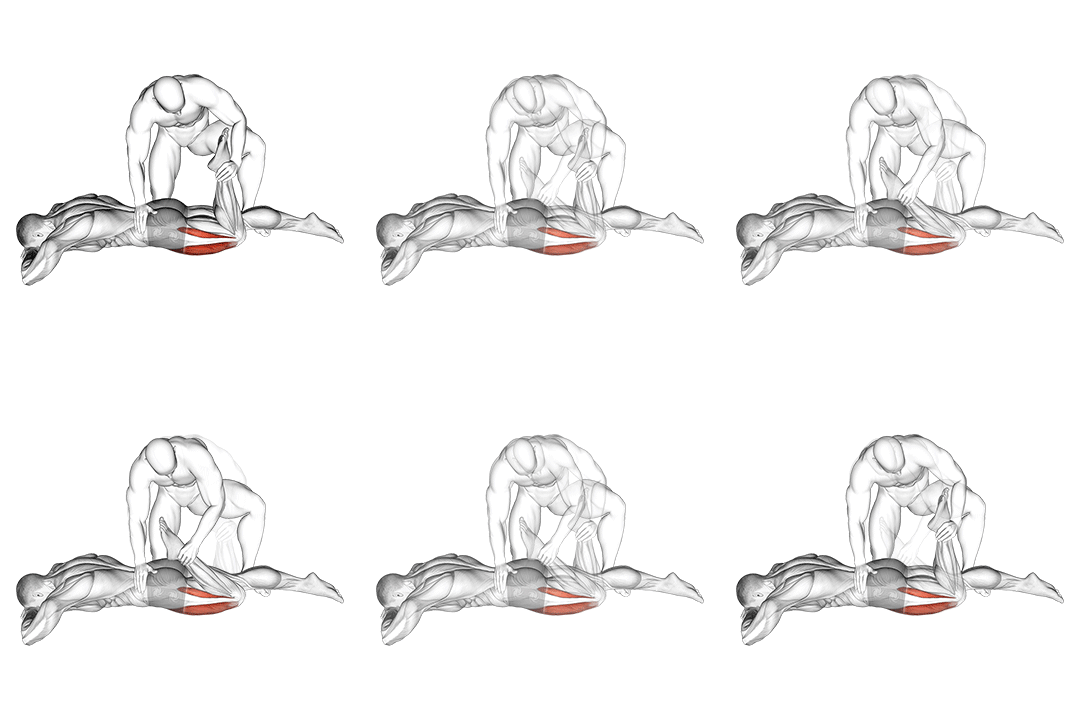
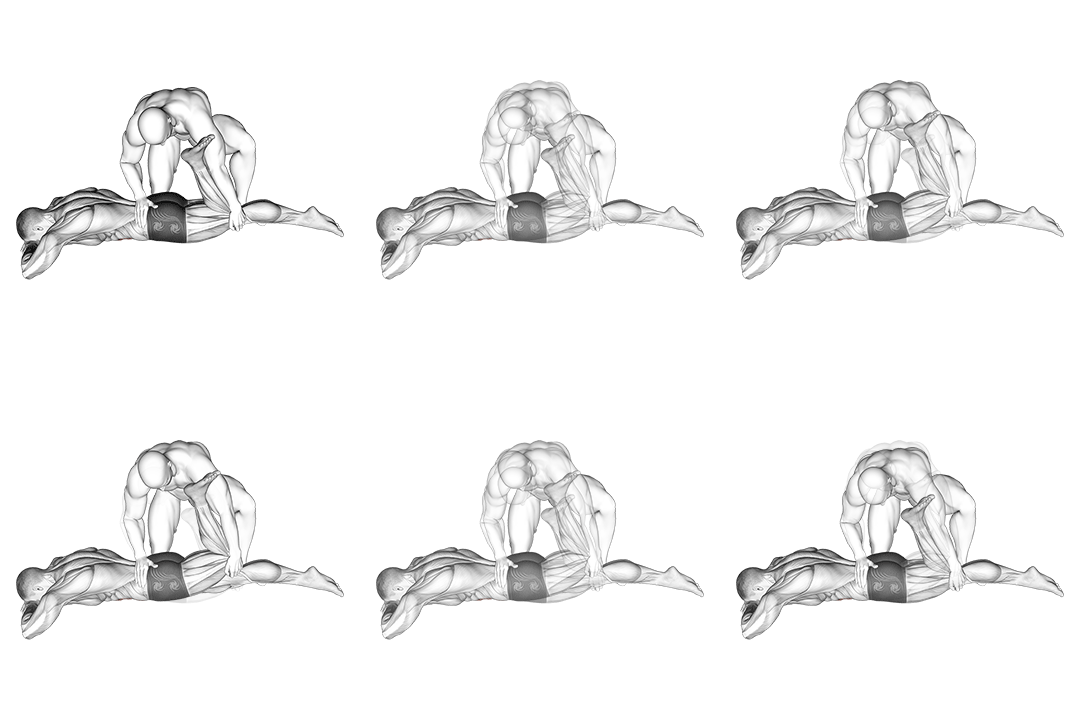
More comparisons with Iron Crosses (stretch)
Compare More Exercises
Use our free comparison tool to analyze any two exercises head-to-head.
Compare Exercises