

Assisted Prone Lying Quads Stretch vs Backward Drag: Complete Comparison Guide
Assisted Prone Lying Quads Stretch vs Backward Drag — you’re comparing a low‑load isolation stretch to a higher‑demand compound mover that both target the quadriceps. In this guide you’ll get clear technique cues, biomechanical reasoning, rep ranges, and when to pick each exercise for flexibility, hypertrophy, or strength. I’ll show how they differ in muscle recruitment, equipment needs, and injury risk, then give precise, actionable recommendations so you can choose the right move for your current program.
Exercise Comparison
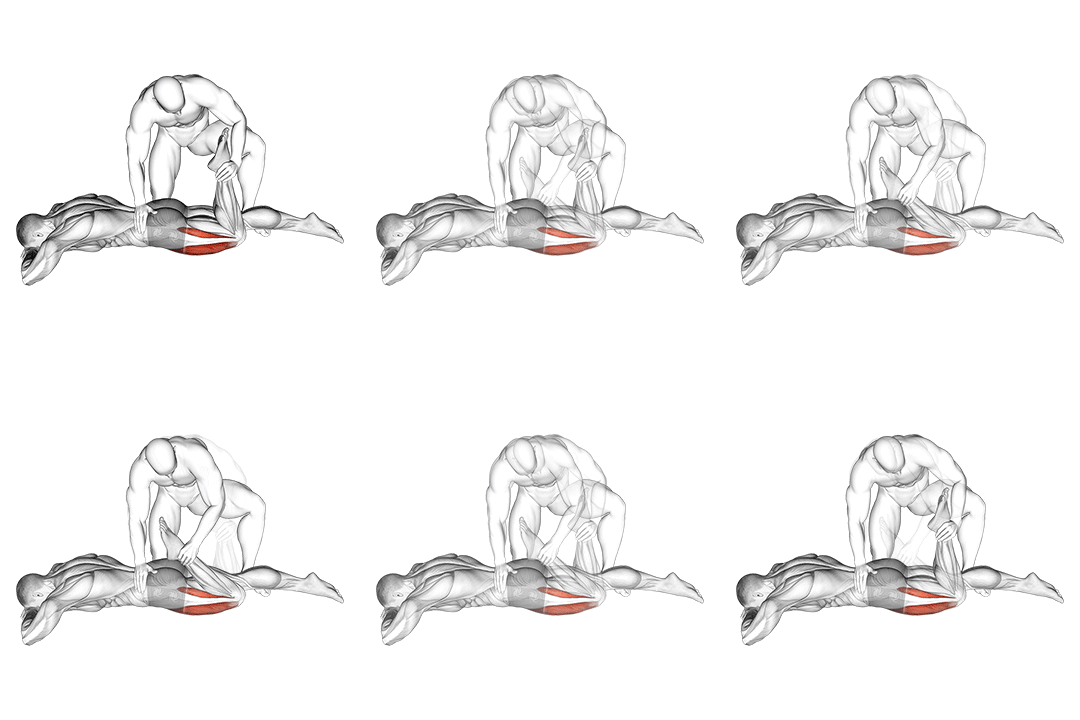
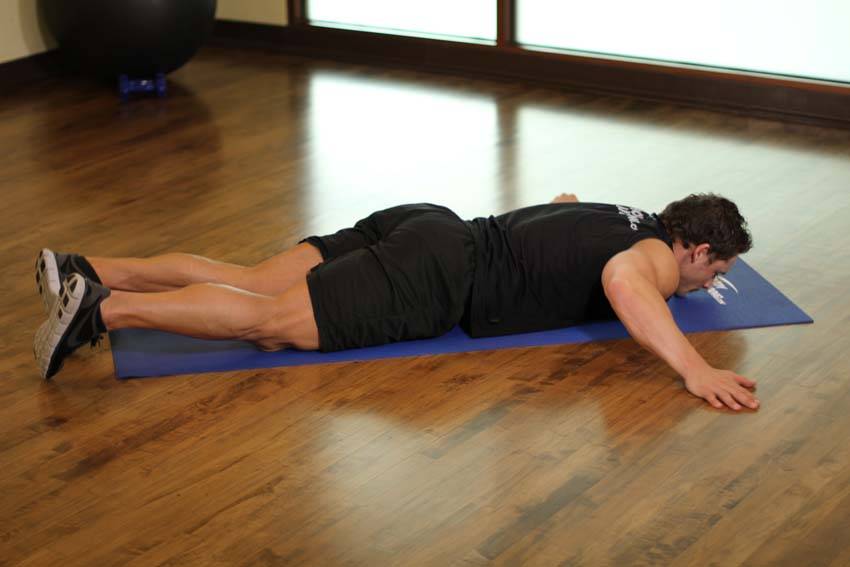
Assisted Prone Lying Quads Stretch
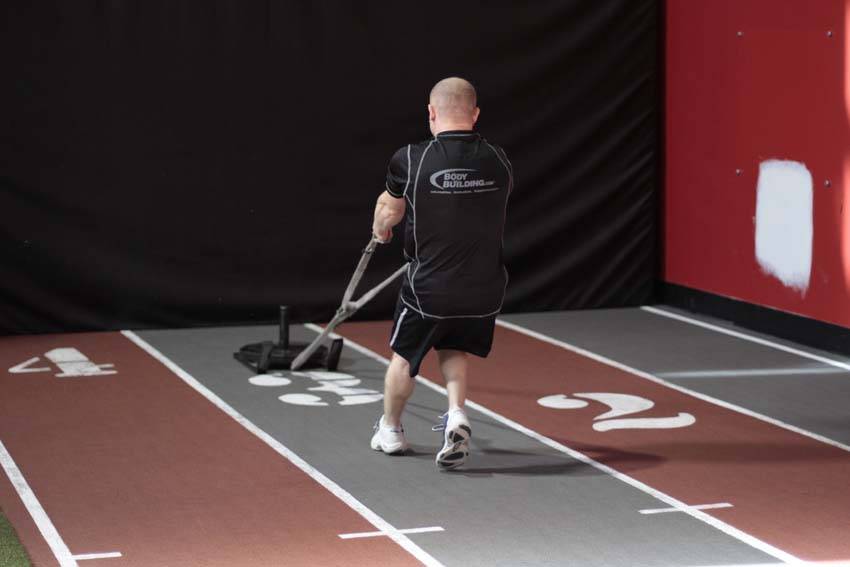
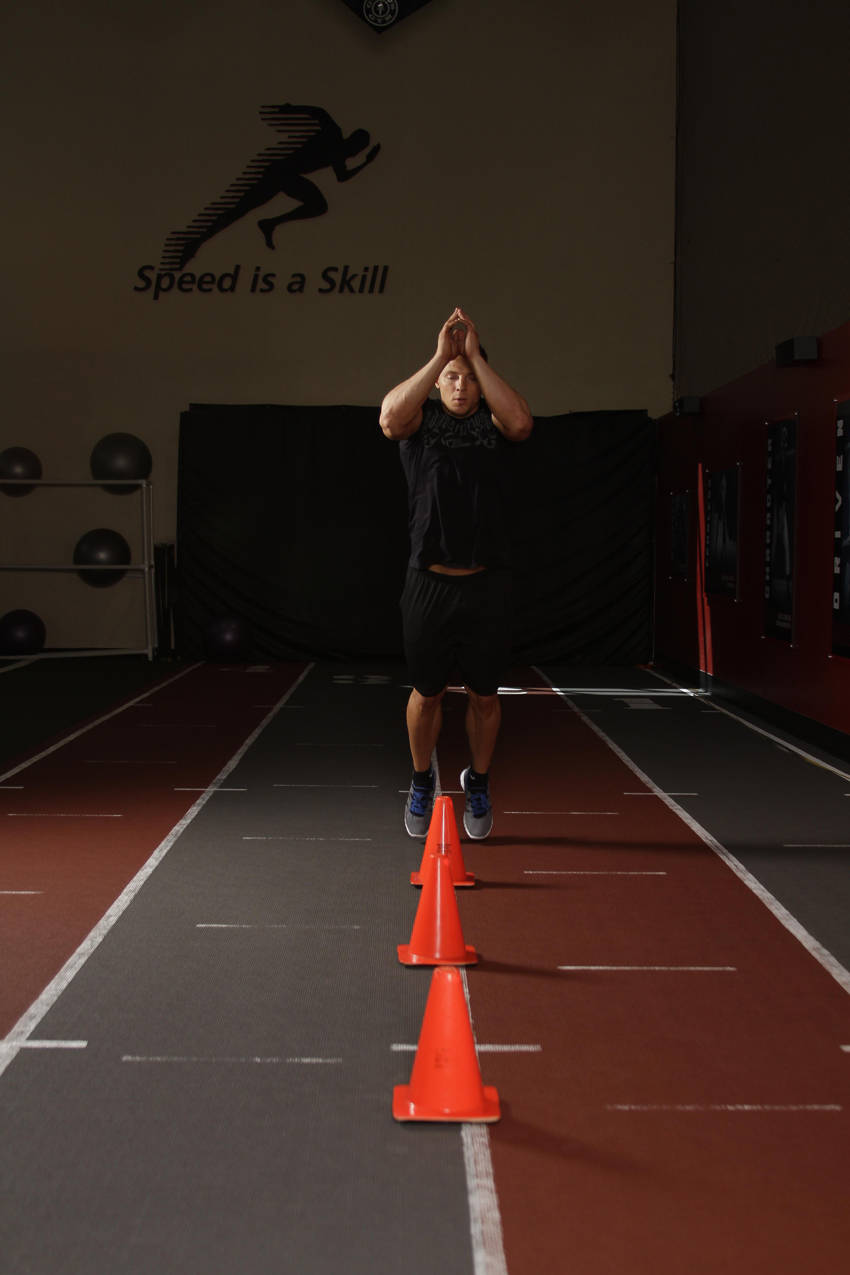
Backward Drag
Head-to-Head Comparison
| Attribute | Assisted Prone Lying Quads Stretch | Backward Drag |
|---|---|---|
| Target Muscle |
Quads
|
Quads
|
| Body Part |
Upper-legs
|
Upper-legs
|
| Equipment |
Other
|
Other
|
| Difficulty |
Beginner
|
Intermediate
|
| Movement Type |
Isolation
|
Compound
|
| Secondary Muscles |
2
|
5
|
Secondary Muscles Activated
Assisted Prone Lying Quads Stretch
Backward Drag
Visual Comparison
Overview
Assisted Prone Lying Quads Stretch vs Backward Drag — you’re comparing a low‑load isolation stretch to a higher‑demand compound mover that both target the quadriceps. In this guide you’ll get clear technique cues, biomechanical reasoning, rep ranges, and when to pick each exercise for flexibility, hypertrophy, or strength. I’ll show how they differ in muscle recruitment, equipment needs, and injury risk, then give precise, actionable recommendations so you can choose the right move for your current program.
Key Differences
- Assisted Prone Lying Quads Stretch is an isolation exercise, while Backward Drag is a compound movement.
- Difficulty levels differ: Assisted Prone Lying Quads Stretch is beginner, while Backward Drag is intermediate.
- Both exercises target the Quads using Other. The main differences are in their movement patterns and muscle activation angles.
Pros & Cons
Assisted Prone Lying Quads Stretch
+ Pros
- Minimal equipment — just a strap or partner
- Excellent for increasing quad flexibility and rectus femoris length
- Low cardiovascular and systemic load — good for warmups and rehab
- Easy to teach and scale (holds 30–60s; 2–4 sets)
− Cons
- Limited ability to produce mechanical tension for hypertrophy
- Doesn’t train force production or coordination under load
- Can create anterior knee or hip discomfort if performed with lumbar extension
Backward Drag
+ Pros
- High mechanical tension for hypertrophy and strength (use 4–12 rep ranges)
- Engages multiple muscle groups for functional strength
- Easy to overload progressively by adding weight or distance
- Improves work capacity and intermuscular coordination
− Cons
- Requires more equipment and space (sled/bag/band)
- Higher technical demand — posture and hip hinge must be correct
- Greater systemic fatigue and potentially higher injury risk if loaded too fast
When Each Exercise Wins
Backward Drag produces greater mechanical tension and integrated quad activation under load. Use 6–12 reps or 3–5 sets with progressive load to drive muscle growth through concentric and eccentric work.
The compound nature allows heavy loading and nervous system adaptation; perform 3–6 sets of 3–6 reps with heavier resistance and slow eccentrics to build force production.
It’s low risk, easy to learn, and teaches you quad and hip anatomy while improving mobility. Start with 30–45s holds and progress range of motion before adding complex loaded drills.
Requires minimal space and no specialized equipment. It’s practical for maintenance of quad length and mobility when you don’t have a sled or heavy load available.
Frequently Asked Questions
Can I do both Assisted Prone Lying Quads Stretch and Backward Drag in the same workout?
Yes. Use the prone stretch as part of your warmup or cooldown to improve range of motion (30–60s holds). Place the Backward Drag in the main strength portion for heavy work or metabolic sets.
Which exercise is better for beginners?
Start with the Assisted Prone Lying Quads Stretch to build mobility and body awareness. Once you have stable hip and trunk control, progress to Backward Drag variations to train force and coordination.
How do the muscle activation patterns differ?
The stretch produces high passive tension at end‑range knee flexion with low active EMG, emphasizing length‑tension adaptations. The Backward Drag creates cyclic concentric and eccentric quad activation with higher integrated EMG and cross‑link recruitment of calves, glutes, hamstrings, and lower back.
Can Backward Drag replace Assisted Prone Lying Quads Stretch?
Not entirely. Backward Drag can improve quad strength and muscle growth, but it won’t sufficiently increase passive length or mobility of the rectus femoris. Keep the prone stretch for targeted flexibility and tissue preparation.
Expert Verdict
Use the Assisted Prone Lying Quads Stretch when your priority is mobility, tissue quality, or a low‑load warmup/rehab session. Its passive lengthening helps the rectus femoris and reduces anterior hip tension when you keep the pelvis neutral. Choose the Backward Drag when you want to build quad strength and muscle growth — it allows controlled overload, eccentric stress, and multi‑joint coordination. Program both: stretch pre and post session for range of motion, and use Backward Drag 1–3 times weekly in strength or hypertrophy phases with 3–5 sets of 4–12 reps depending on your goal.
Also Compare
More comparisons with Assisted Prone Lying Quads Stretch
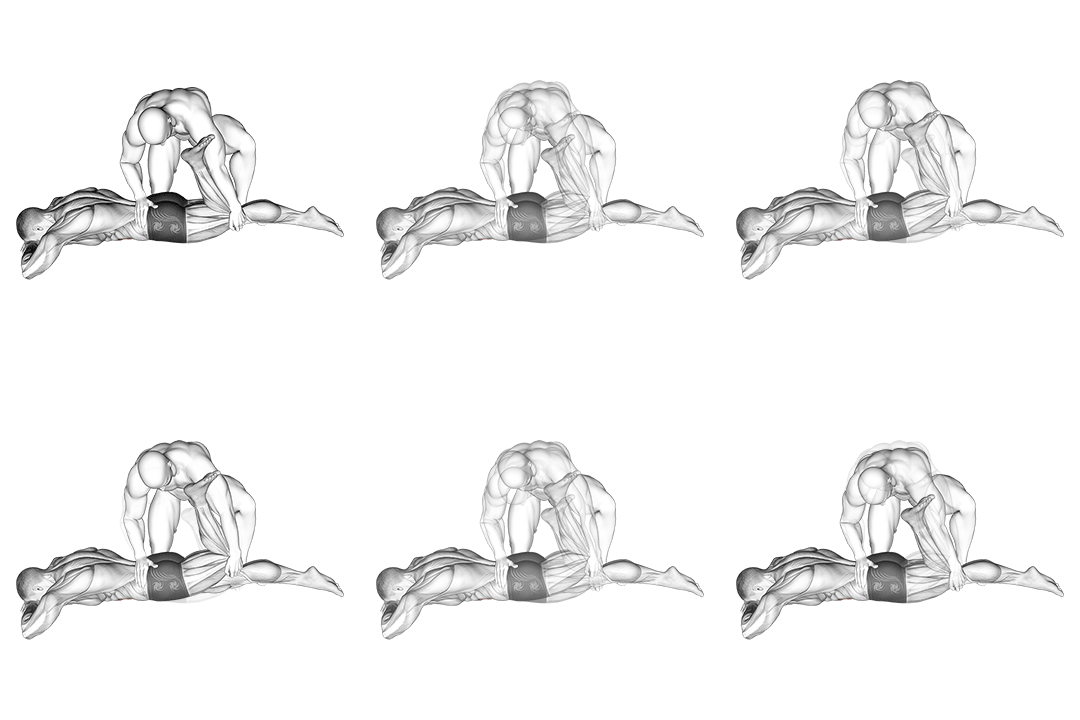
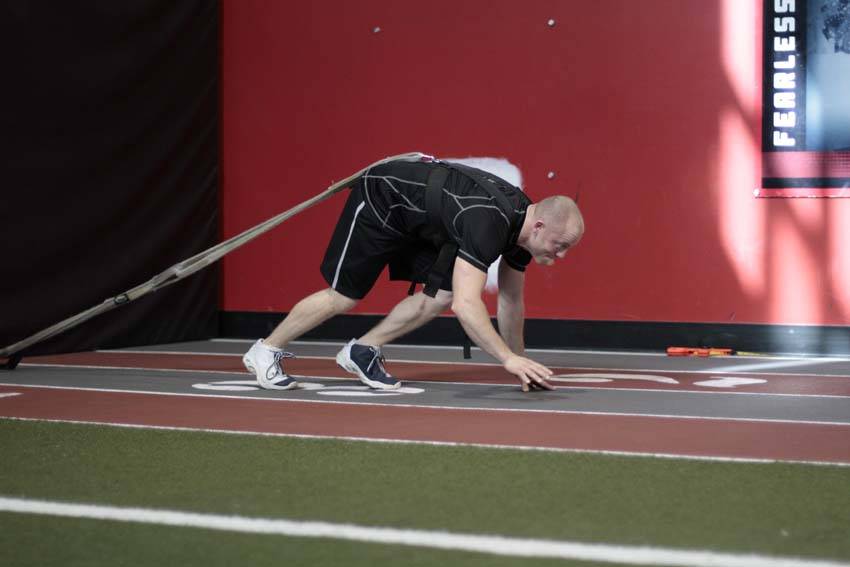
Compare More Exercises
Use our free comparison tool to analyze any two exercises head-to-head.
Compare Exercises