

Bear Crawl Sled Drags vs Front Cone Hops (or Hurdle Hops): Complete Comparison Guide
Bear Crawl Sled Drags vs Front Cone Hops (or Hurdle Hops) — if you want stronger, bigger quads or more explosive power, choose wisely. I’ll walk you through how each exercise loads the quads, which secondary muscles light up, what equipment you need, and the injury and progression trade-offs. You’ll get clear technique cues, recommended rep ranges, and scenarios that show when to pick one over the other so you can match the move to your goal.
Exercise Comparison
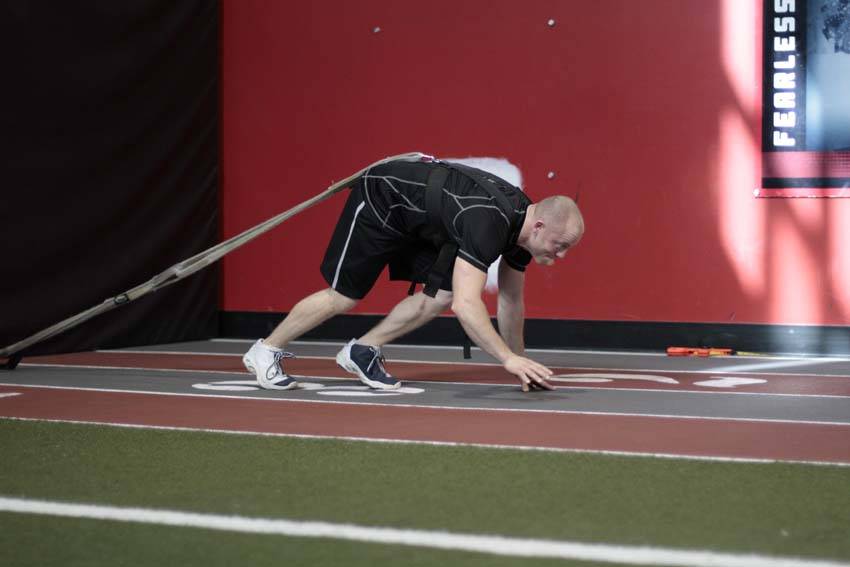
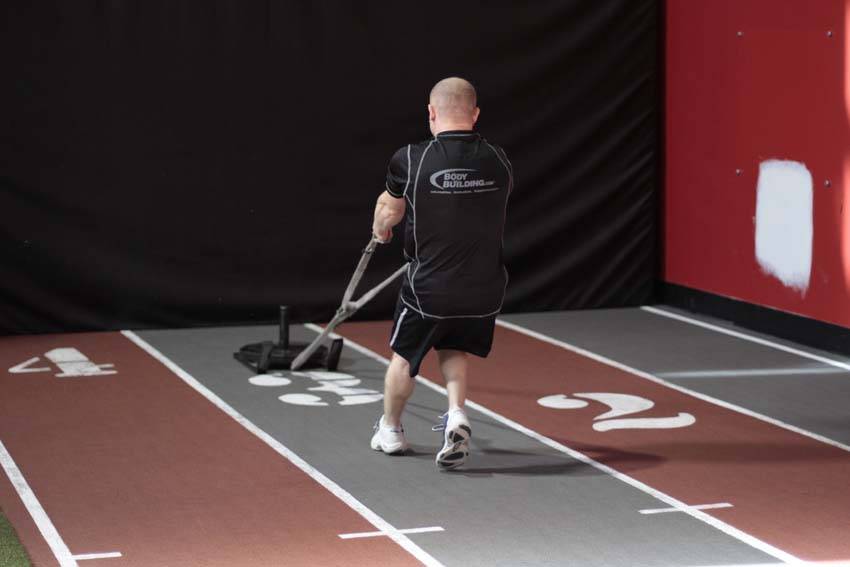
Bear Crawl Sled Drags
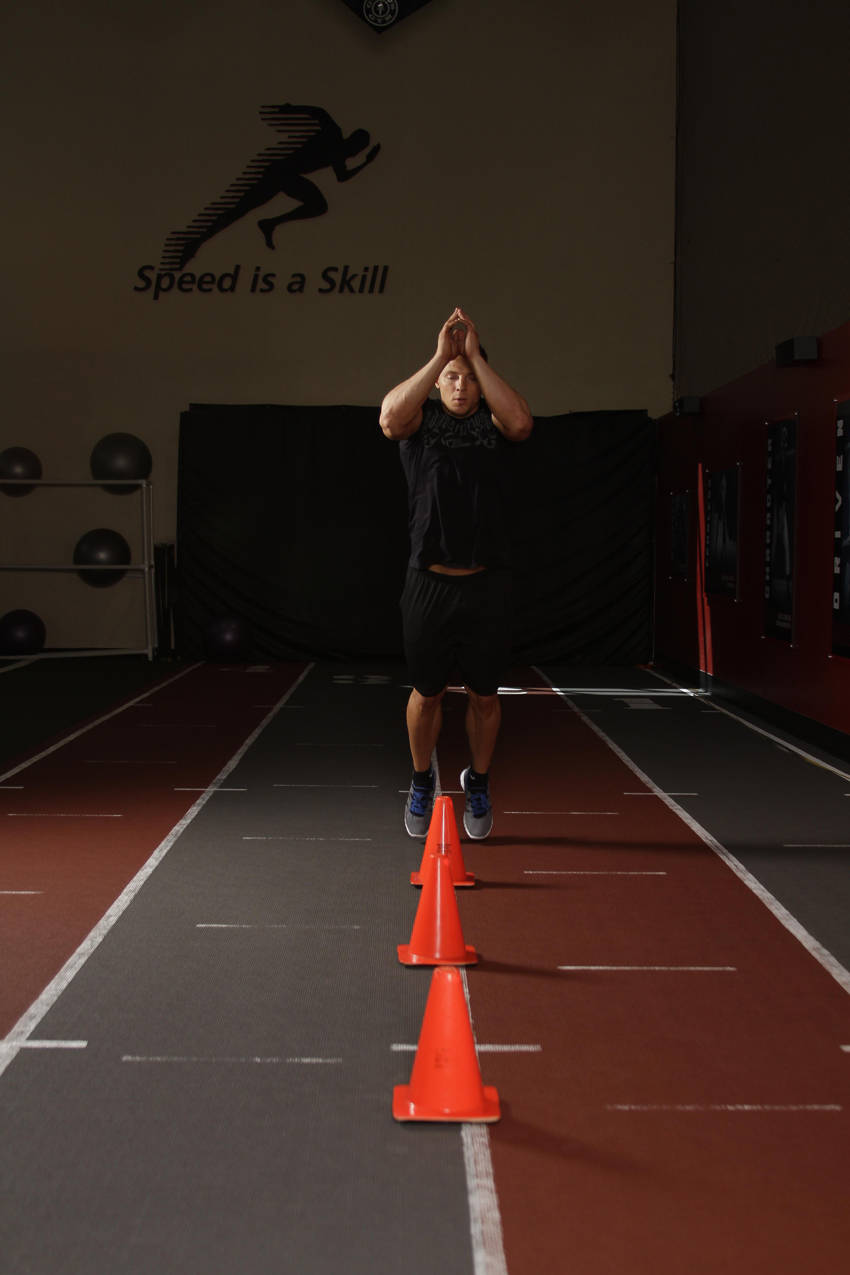
Front Cone Hops (or Hurdle Hops)
Head-to-Head Comparison
| Attribute | Bear Crawl Sled Drags | Front Cone Hops (or Hurdle Hops) |
|---|---|---|
| Target Muscle |
Quads
|
Quads
|
| Body Part |
Upper-legs
|
Upper-legs
|
| Equipment |
Other
|
Other
|
| Difficulty |
Intermediate
|
Advanced
|
| Movement Type |
Compound
|
Compound
|
| Secondary Muscles |
3
|
5
|
Secondary Muscles Activated
Bear Crawl Sled Drags
Front Cone Hops (or Hurdle Hops)
Visual Comparison
Overview
Bear Crawl Sled Drags vs Front Cone Hops (or Hurdle Hops) — if you want stronger, bigger quads or more explosive power, choose wisely. I’ll walk you through how each exercise loads the quads, which secondary muscles light up, what equipment you need, and the injury and progression trade-offs. You’ll get clear technique cues, recommended rep ranges, and scenarios that show when to pick one over the other so you can match the move to your goal.
Key Differences
- Difficulty levels differ: Bear Crawl Sled Drags is intermediate, while Front Cone Hops (or Hurdle Hops) is advanced.
- Both exercises target the Quads using Other. The main differences are in their movement patterns and muscle activation angles.
Pros & Cons
Bear Crawl Sled Drags
+ Pros
- Sustained quad tension ideal for hypertrophy and metabolic stress
- Easy to progressively overload by adding 10–50+ lb to the sled
- Lower-impact than plyometrics—safer for reactive joints
- Also taxes core, shoulders, and posterior chain isometrically
− Cons
- Requires a sled and suitable space
- Can produce anterior knee shear if torso angle is wrong
- Less effective for developing high-velocity power and RFD
Front Cone Hops (or Hurdle Hops)
+ Pros
- Maximizes RFD and explosive power via the stretch-shortening cycle
- Minimal equipment — cones or hurdles are enough
- Improves single-leg stability, coordination, and reactive strength
- Recruits abductors/adductors for frontal-plane control
− Cons
- High impact — greater landing stress on knees and ankles
- Advanced skill level; requires progressive regression to avoid injury
- Needs a shock-absorbing surface to be safe and effective
When Each Exercise Wins
Sled drags keep quads under continuous tension across a wide ROM and let you progressively add external load, making them superior for 8–15 rep hypertrophy sets or 20–60 second metabolic sets.
You can incrementally overload sled drags with heavy loads and low-rep, high-tension sets, which better stimulates maximal force production and structural strength than short-duration plyos.
Although intermediate, sled drags are easier to scale (reduce load, shorten distance) and teach quad dominance and core control without the high-impact landings that challenge beginners.
Hops require minimal equipment—cones or markers—and a small clear area, making them more realistic for home or outdoor workouts when you don’t own a sled.
Frequently Asked Questions
Can I do both Bear Crawl Sled Drags and Front Cone Hops (or Hurdle Hops) in the same workout?
Yes — pair them strategically: use sled drags earlier for heavier, lower-rep strength or hypertrophy work, then finish with low-volume hops to train power and RFD. Keep total plyo volume low (6–20 quality hops) to avoid fatigue-driven technique breakdown.
Which exercise is better for beginners?
Bear Crawl Sled Drags are the safer starting point because you can scale load and distance and avoid high-impact landings. Teach proper torso angle and knee tracking first, then introduce low-box hops as technique improves.
How do the muscle activation patterns differ?
Hops produce short, high-amplitude activation spikes in quads and calves via the stretch-shortening cycle and require brief ground contact times (<250 ms). Sled drags create sustained, moderate activation across the quadriceps through longer contraction times and broader joint angles, favoring time under tension.
Can Front Cone Hops (or Hurdle Hops) replace Bear Crawl Sled Drags?
Not fully — hops replace or complement power work but don’t provide the same sustained load and progressive overload for hypertrophy or maximal strength. Choose hops when you need RFD and sport-specific explosiveness; keep sled drags for mass and raw force development.
Expert Verdict
If your priority is hypertrophy or building raw quad strength through progressive overload, choose Bear Crawl Sled Drags: they provide long-duration tension, easier load progression, and lower landing impact. If you want explosive power, improved reactive strength, and frontal-plane control, pick Front Cone Hops (or Hurdle Hops) and program them for low-volume, high-quality sets (3–6 reps per rep effort or 4–6 sets of 6–12 hops). Use sled drags during strength and mass phases and intersperse hops during power or sport-specific phases; combine both across a periodized plan for complementary adaptations.
Also Compare
More comparisons with Bear Crawl Sled Drags
More comparisons with Front Cone Hops (or Hurdle Hops)
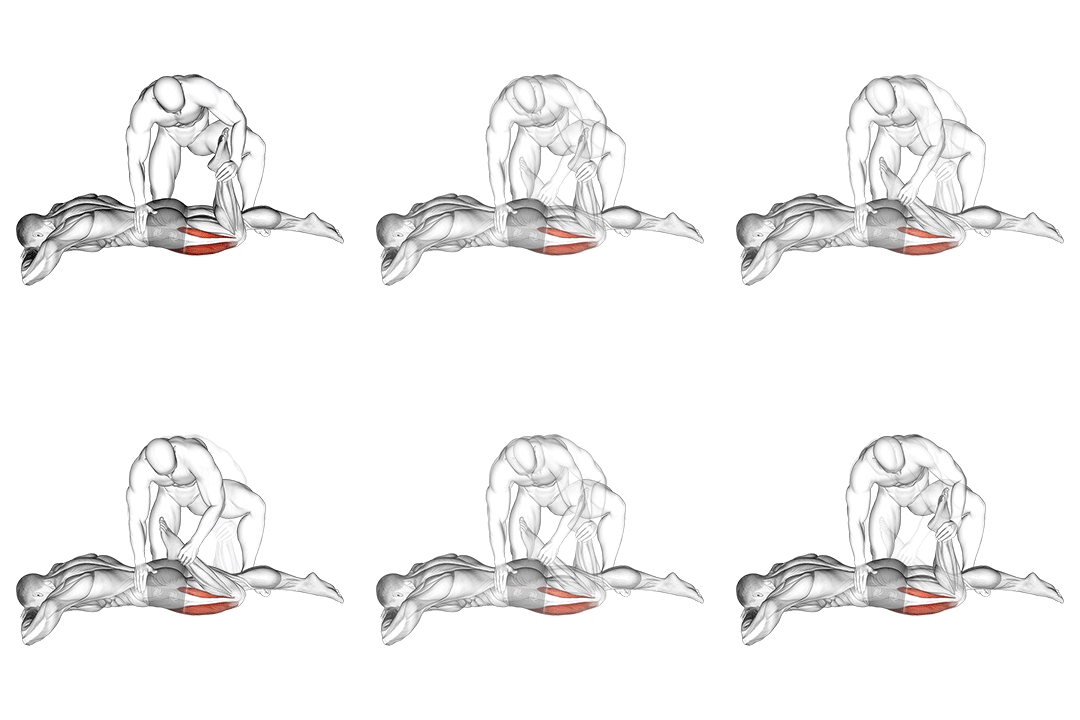
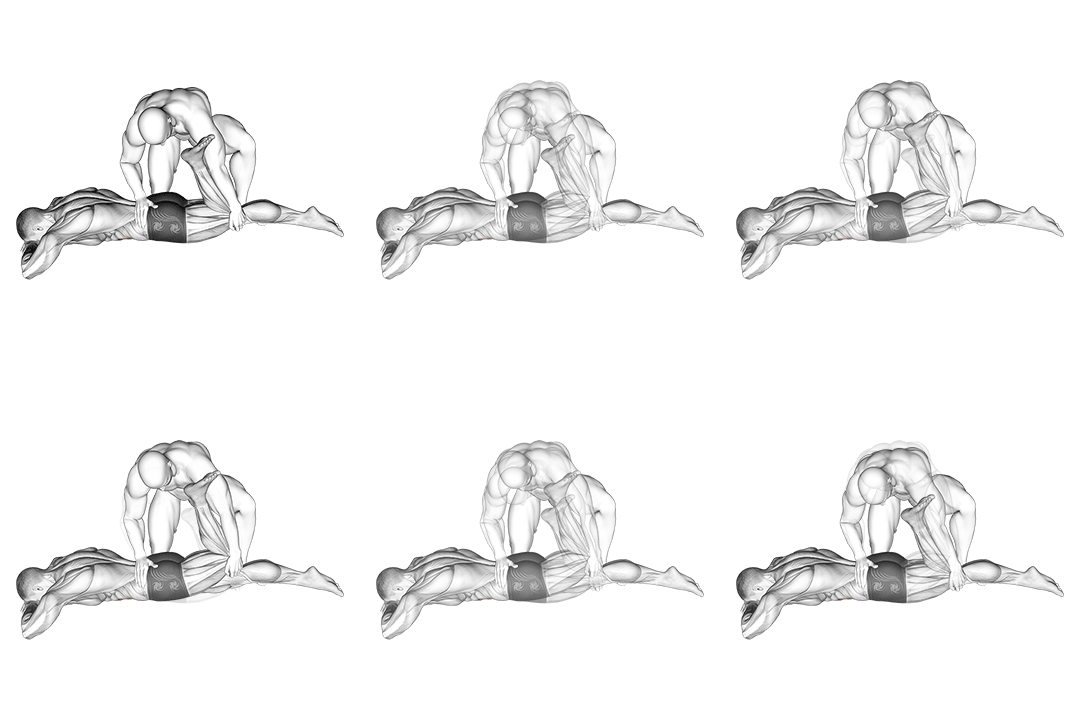
Compare More Exercises
Use our free comparison tool to analyze any two exercises head-to-head.
Compare Exercises