

Backward Drag vs Iron Crosses (stretch): Complete Comparison Guide
Backward Drag vs Iron Crosses (stretch) is the direct comparison you need when deciding how to target your quads. {Exercise1} vs {Exercise2} will appear early in this guide so you can scan results fast. I’ll walk you through primary muscle activation, secondary recruitment, equipment needs, technique cues, and clear rep ranges so you can pick the right move for hypertrophy, strength, mobility, or home training. Read on and you’ll get practical coaching tips, biomechanics-based reasons for each choice, and specific progressions to use in your next workout.
Exercise Comparison
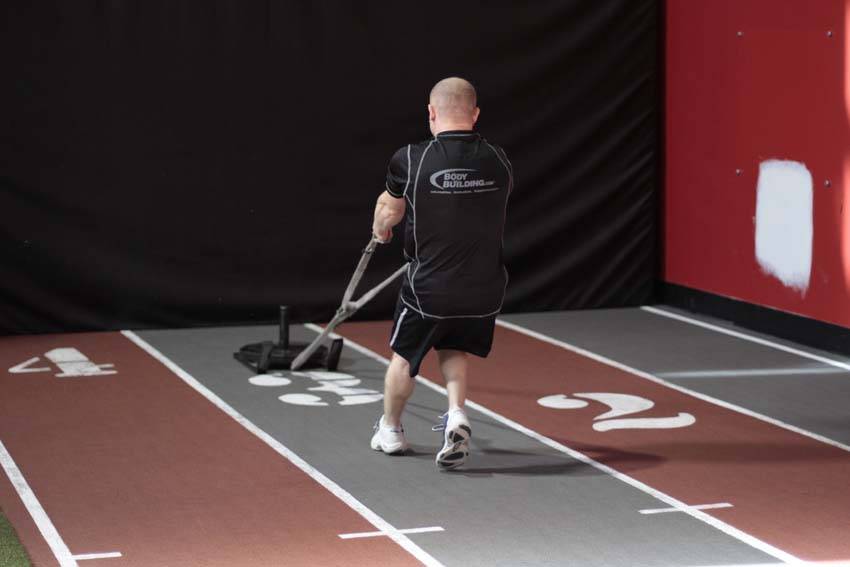
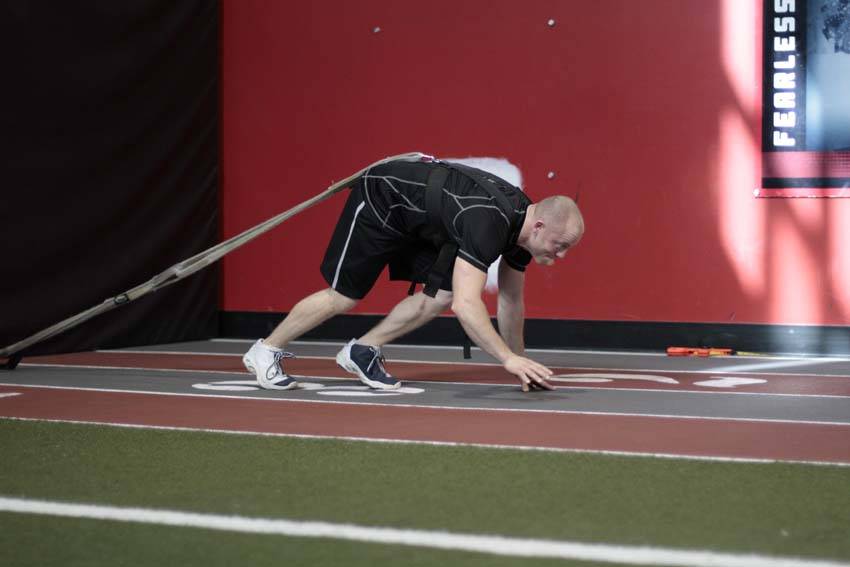
Backward Drag
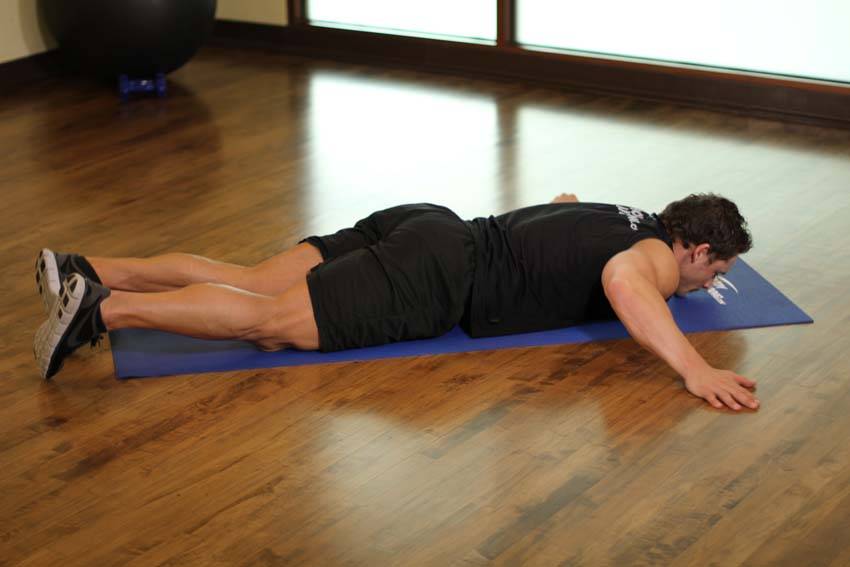
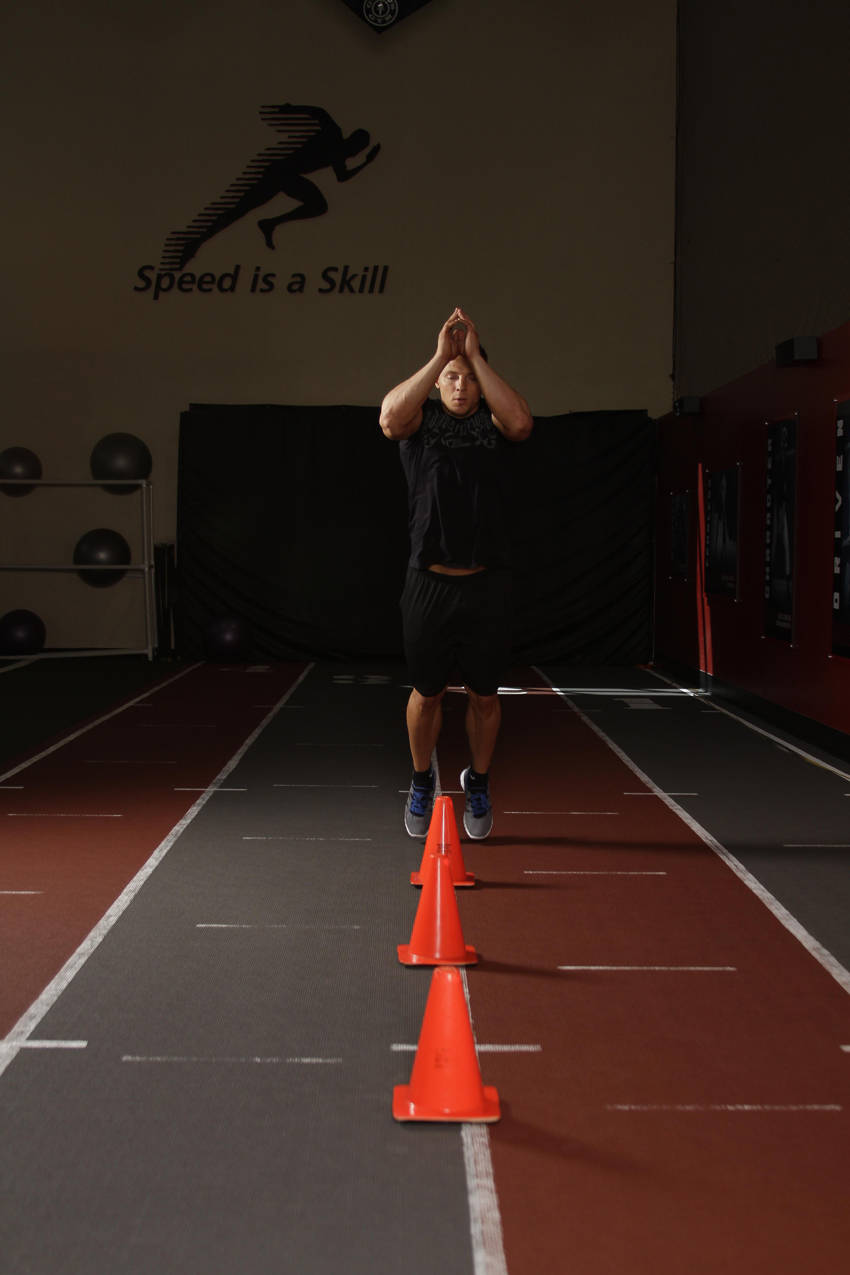
Iron Crosses (stretch)
Head-to-Head Comparison
| Attribute | Backward Drag | Iron Crosses (stretch) |
|---|---|---|
| Target Muscle |
Quads
|
Quads
|
| Body Part |
Upper-legs
|
Upper-legs
|
| Equipment |
Other
|
Other
|
| Difficulty |
Intermediate
|
Beginner
|
| Movement Type |
Compound
|
Isolation
|
| Secondary Muscles |
5
|
0
|
Secondary Muscles Activated
Backward Drag
Iron Crosses (stretch)
Visual Comparison
Overview
Backward Drag vs Iron Crosses (stretch) is the direct comparison you need when deciding how to target your quads. {Exercise1} vs {Exercise2} will appear early in this guide so you can scan results fast. I’ll walk you through primary muscle activation, secondary recruitment, equipment needs, technique cues, and clear rep ranges so you can pick the right move for hypertrophy, strength, mobility, or home training. Read on and you’ll get practical coaching tips, biomechanics-based reasons for each choice, and specific progressions to use in your next workout.
Key Differences
- Backward Drag is a compound movement, while Iron Crosses (stretch) is an isolation exercise.
- Difficulty levels differ: Backward Drag is intermediate, while Iron Crosses (stretch) is beginner.
- Both exercises target the Quads using Other. The main differences are in their movement patterns and muscle activation angles.
Pros & Cons
Backward Drag
+ Pros
- High mechanical tension for hypertrophy and strength
- Engages multiple joints—builds transferable strength
- Clear progression via added load, distance, or tempo
- Develops quad force at functional knee angles (~30–90°)
− Cons
- Requires equipment or a partner (sled/strap/band)
- Higher technical demand on hip-knee coordination
- Greater injury risk if performed with poor form or excessive load
Iron Crosses (stretch)
+ Pros
- Very accessible—minimal equipment needed
- Excellent for improving quad flexibility and muscle length-tension
- Low technical requirement—good for beginners
- Useful as a warm-up, mobility drill, or activation tool
− Cons
- Limited ability to provide high concentric overload for hypertrophy
- Lower transfer to compound strength compared to multi-joint lifts
- Can irritate anterior knee structures if overstretched or forced
When Each Exercise Wins
Backward Drag provides higher mechanical tension through loaded concentric and eccentric phases, making it better for progressive overload. Use 6–12 reps, 3–4 sets, and increase load or distance to drive muscle growth.
Its compound nature lets you apply heavy external resistance and target quad torque at functional knee angles (around 30–80°). Train 3–6 reps with longer rest and focus on powerful hip drive and knee extension.
Iron Crosses are easier to learn, require no special gear, and teach quad control in a lengthened position. Start with 20–30 second holds and progress time or add gentle active contractions.
You can perform Iron Crosses anywhere with just bodyweight and a mat, making them ideal for mobility and activation at home. They fit into warm-ups or cooldowns without equipment.
Frequently Asked Questions
Can I do both Backward Drag and Iron Crosses (stretch) in the same workout?
Yes. Use Iron Crosses as a warm-up or between-set mobility to prime the quads and improve length-tension before heavy Backward Drag sets. Keep Iron Crosses light (20–30 second holds) so they don’t pre-fatigue your primary lifting sets.
Which exercise is better for beginners?
Iron Crosses (stretch) are better for beginners because they require minimal equipment and teach quad control and flexibility. Start with short holds and focus on pelvic alignment before progressing to compound loaded drills.
How do the muscle activation patterns differ?
Backward Drag produces high concentric and eccentric quad activation through dynamic knee extension and hip drive, hitting peak torque roughly between 30–80° of knee flexion. Iron Crosses emphasize passive tension and isometric activation at longer muscle lengths, producing lower peak force but greater stretch stimulus.
Can Iron Crosses (stretch) replace Backward Drag?
Not if your goal is heavy overload for hypertrophy or strength. Iron Crosses can supplement or prep the muscle and improve range of motion, but they don’t provide the same concentric/eccentric loading needed for measurable strength progression.
Expert Verdict
Choose Backward Drag when your goal is to produce concentrated quad force and progressive overload for muscle growth or strength. Its compound, multi-joint pattern creates high mechanical tension that responds to added load, tempo, and distance (aim 6–12 reps for hypertrophy, 3–6 for strength). Use Iron Crosses (stretch) when your priority is flexibility, muscle length-tension, or a low-equipment activation tool—hold 20–60 seconds or perform slow 8–15 rep stretch-focused subsets. Pair them: use Iron Crosses as a mobility/activation primer and Backward Drag as the primary overload exercise when you want measurable progress.
Also Compare
More comparisons with Backward Drag
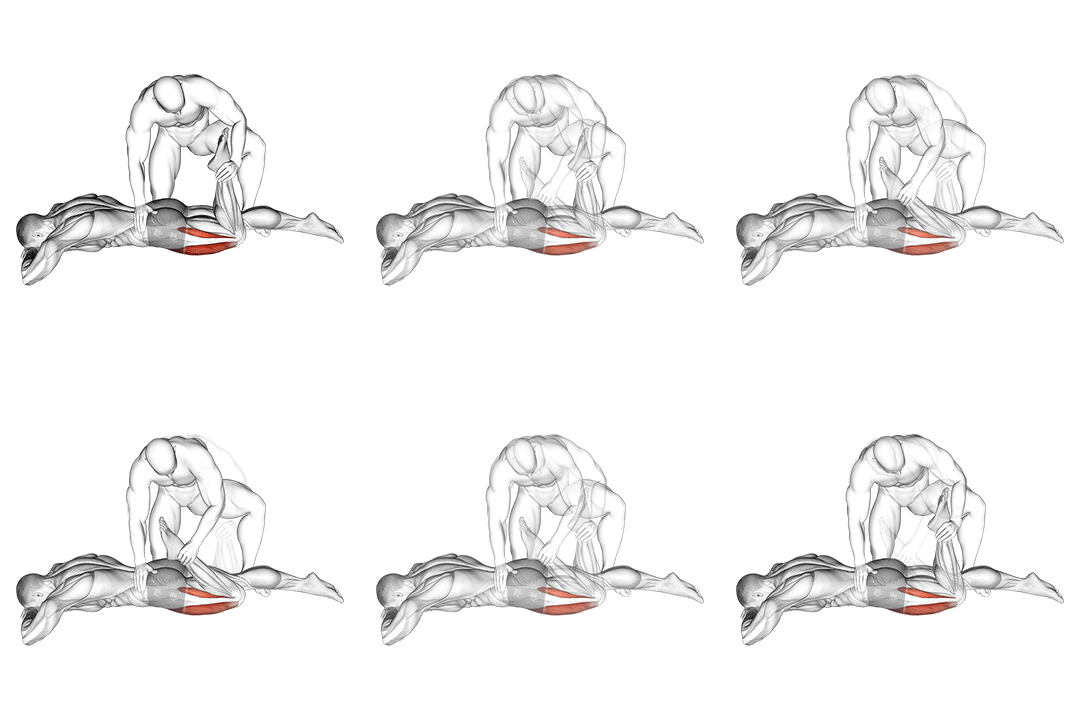
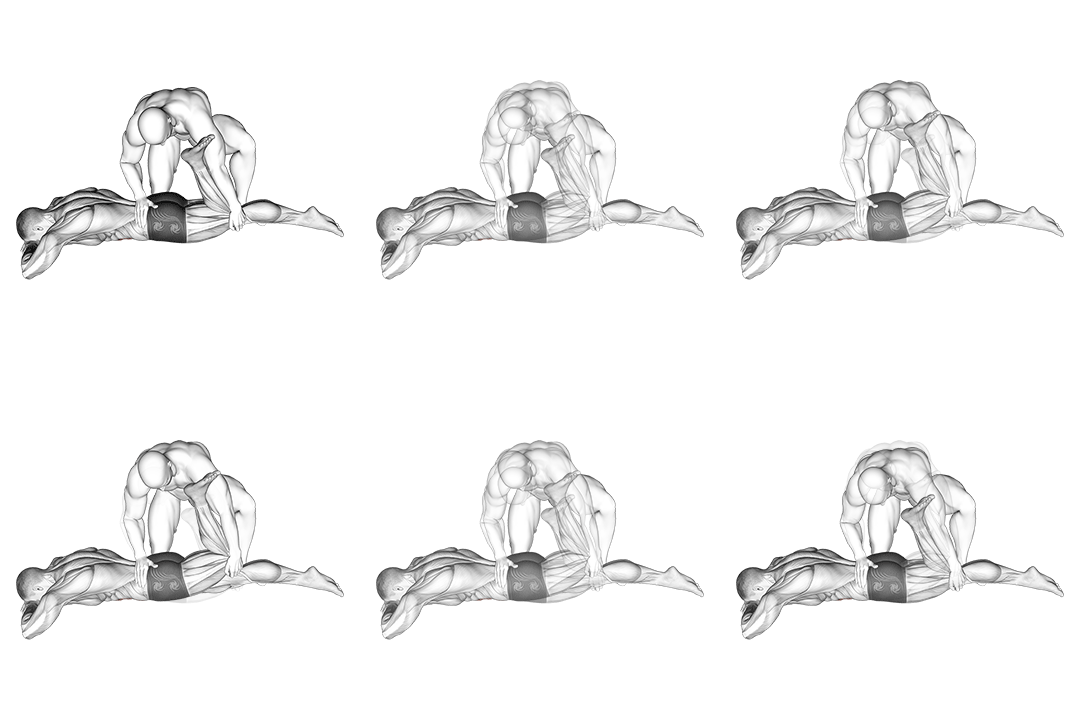
More comparisons with Iron Crosses (stretch)
Compare More Exercises
Use our free comparison tool to analyze any two exercises head-to-head.
Compare Exercises