

Backward Drag vs Front Cone Hops (or Hurdle Hops): Complete Comparison Guide
Backward Drag vs Front Cone Hops (or Hurdle Hops) — you’re choosing between a controlled, loadable quad-builder and an explosive plyometric that taxes coordination and power. In this guide you’ll get direct comparisons of primary and secondary muscle activation, equipment needs, technical cues, biomechanics (think knee angle, force vectors, and rate of force development), progression options, and injury risk. Read on and you’ll know which one to program for muscle growth, strength, beginner-friendly training, or limited-equipment home sessions.
Exercise Comparison
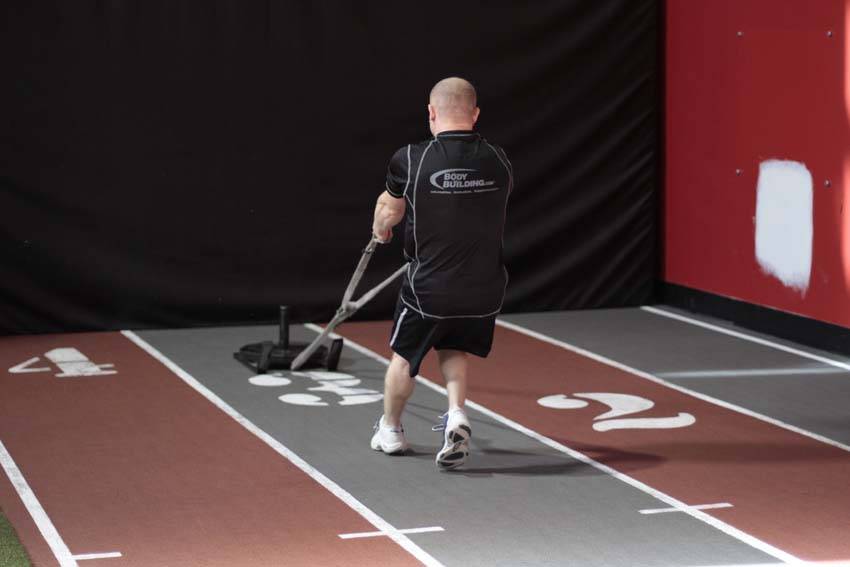
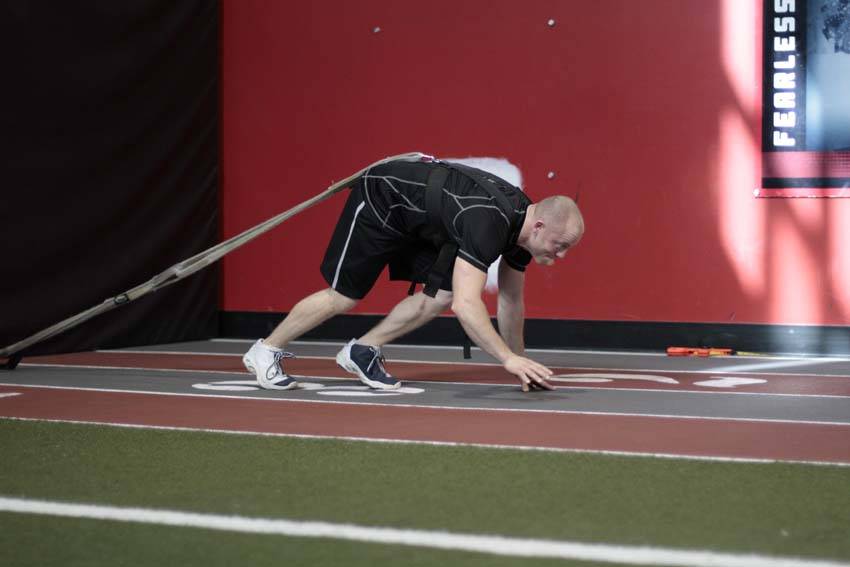
Backward Drag
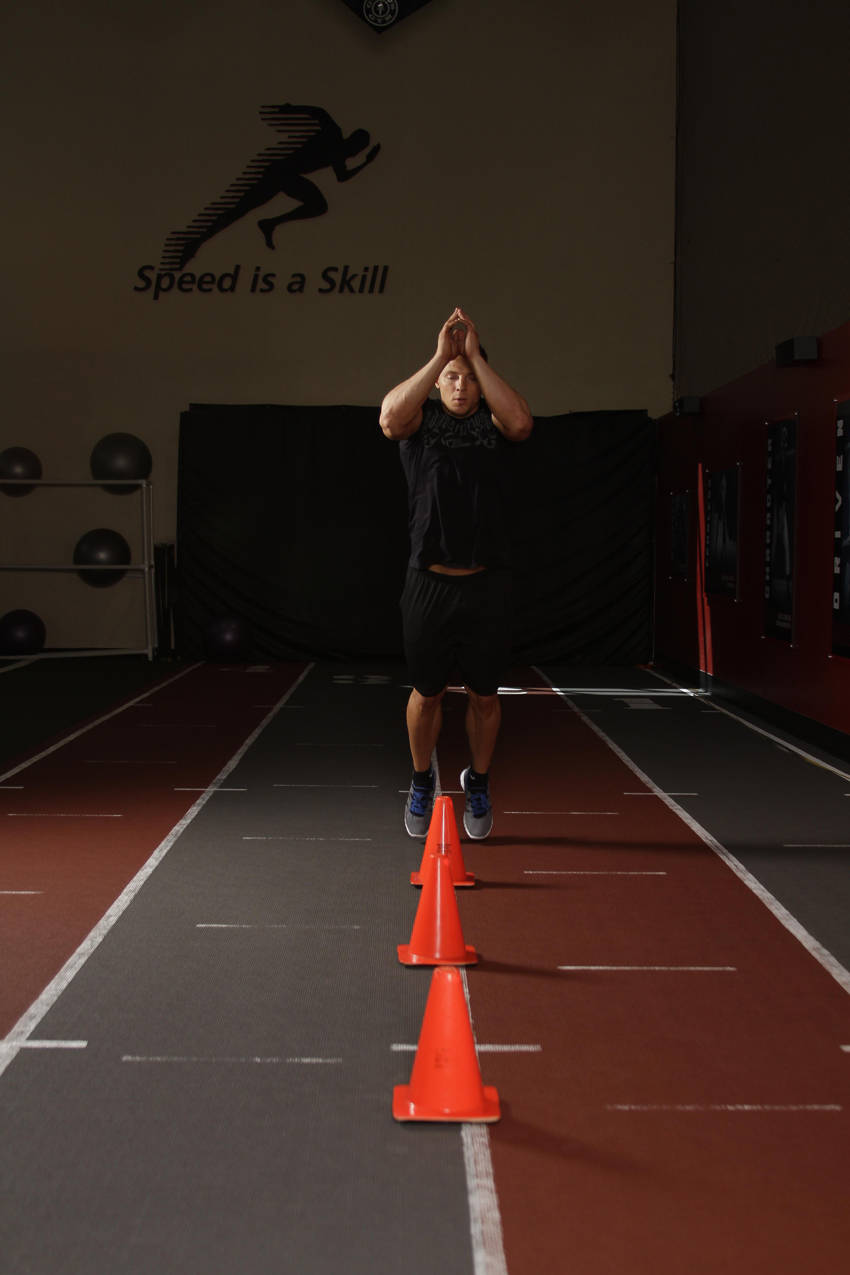
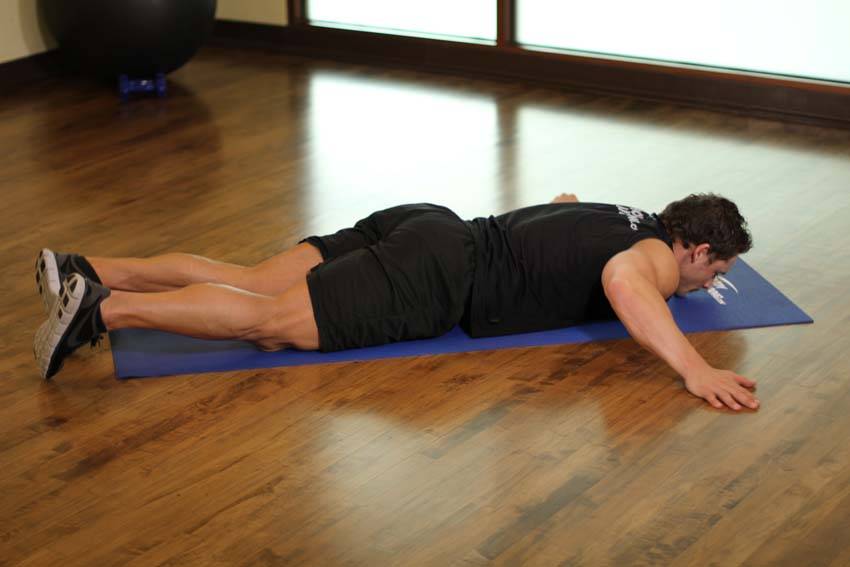
Front Cone Hops (or Hurdle Hops)
Head-to-Head Comparison
| Attribute | Backward Drag | Front Cone Hops (or Hurdle Hops) |
|---|---|---|
| Target Muscle |
Quads
|
Quads
|
| Body Part |
Upper-legs
|
Upper-legs
|
| Equipment |
Other
|
Other
|
| Difficulty |
Intermediate
|
Advanced
|
| Movement Type |
Compound
|
Compound
|
| Secondary Muscles |
5
|
5
|
Secondary Muscles Activated
Backward Drag
Front Cone Hops (or Hurdle Hops)
Visual Comparison
Overview
Backward Drag vs Front Cone Hops (or Hurdle Hops) — you’re choosing between a controlled, loadable quad-builder and an explosive plyometric that taxes coordination and power. In this guide you’ll get direct comparisons of primary and secondary muscle activation, equipment needs, technical cues, biomechanics (think knee angle, force vectors, and rate of force development), progression options, and injury risk. Read on and you’ll know which one to program for muscle growth, strength, beginner-friendly training, or limited-equipment home sessions.
Key Differences
- Difficulty levels differ: Backward Drag is intermediate, while Front Cone Hops (or Hurdle Hops) is advanced.
- Both exercises target the Quads using Other. The main differences are in their movement patterns and muscle activation angles.
Pros & Cons
Backward Drag
+ Pros
- Consistent quad overload with adjustable external load
- Low-impact compared with plyometrics, safer for joint loading
- Easy to prescribe for hypertrophy: 3–5 sets of 6–12 reps or timed 30–60s efforts
- Teaches controlled force application and improves posterior chain stability
− Cons
- Requires sled or heavy object for best effect
- Less carryover to explosive power and sprint performance
- Can load the lower back if torso posture and core bracing are poor
Front Cone Hops (or Hurdle Hops)
+ Pros
- High rate of force development and power transfer to sprinting/jumping
- Minimal equipment—cones or small hurdles and space
- Strong recruitment of calves and lateral stabilizers (abductors/adductors)
- Easy to scale intensity by increasing hurdle height, distance, or speed
− Cons
- High-impact stress increases risk to knees and Achilles
- Advanced coordination required; not ideal for novices
- Requires good landing mechanics and adequate recovery between sets
When Each Exercise Wins
Backward Drag wins because you can progressively add load and control time under tension (3–5 sets of 6–12 reps or 30–60s work intervals). The sustained knee-extension torque across mid-range angles (20–80°) optimizes quad length-tension for muscle growth.
For raw strength development the drag allows heavier external load and slower, higher-tension reps (4–6 sets of 3–6 reps), improving force capacity through the whole knee-extension range of motion more reliably than plyometrics.
Backward Drag is more forgiving: it teaches force production with less impact and a shallower technical curve. You can scale weight and pace and emphasize posture and knee tracking before adding complex movements.
Front Cone Hops require minimal kit—cones or tape—and take little space to set up, making them practical at home. They deliver effective quad and calf stimulus and can be progressed without bulky equipment, though they suit advanced trainees.
Frequently Asked Questions
Can I do both Backward Drag and Front Cone Hops (or Hurdle Hops) in the same workout?
Yes — pair them strategically. Do Backward Drag earlier for heavy, controlled quad loading, then use Front Cone Hops later in the session for explosive work, or separate by days to avoid fatigue-driven poor landings.
Which exercise is better for beginners?
Backward Drag is better for beginners because it has a gentler technical curve and lower impact. Start with light loads and focus on knee tracking and torso position before attempting plyometric hops.
How do the muscle activation patterns differ?
Backward Drag produces longer-duration quad activation with sustained torque across the knee angle spectrum and greater involvement of the posterior chain for stabilization. Front Cone Hops produce short, high-amplitude quad and calf spikes via the stretch-shortening cycle and higher rate of force development.
Can Front Cone Hops (or Hurdle Hops) replace Backward Drag?
Not entirely—Front Cone Hops can replace some quad stimulus, especially for power, but they don’t match the sustained loading and progressive overload options of Backward Drag. Use hops for power blocks and backward drags for hypertrophy or max-strength phases.
Expert Verdict
Choose Backward Drag when your priority is controlled quad development, hypertrophy, and scalable strength work—it lets you manipulate load, time under tension, and joint angles (knee flexion ~0–90°) safely. Choose Front Cone Hops when you need power, RFD, and sport transfer: plyometric loading increases peak ground reaction forces and fast-twitch recruitment. Program both smartly: use backward drags in strength/hypertrophy blocks (3–5 sets, 6–12 reps) and insert cone hops in power phases (3–5 sets of 6–12 explosive reps or short 15–30s sets) once landing mechanics and ankle strength are solid.
Also Compare
More comparisons with Backward Drag
More comparisons with Front Cone Hops (or Hurdle Hops)
Compare More Exercises
Use our free comparison tool to analyze any two exercises head-to-head.
Compare Exercises