

Assisted Prone Rectus Femoris Stretch vs Backward Drag: Complete Comparison Guide
Assisted Prone Rectus Femoris Stretch vs Backward Drag — you’re comparing a focused quad stretch with a loaded, multi-joint quad-dominant movement. I’ll walk you through what each does to the quadriceps, how they recruit supporting muscles, what equipment you need, technique cues, and which to pick for flexibility, hypertrophy, or strength. Read on to learn specific angles, hold times, rep ranges (30–60s holds for stretch, 6–12 reps for hypertrophy), and clear recommendations so you can apply the right tool to your goals.
Exercise Comparison
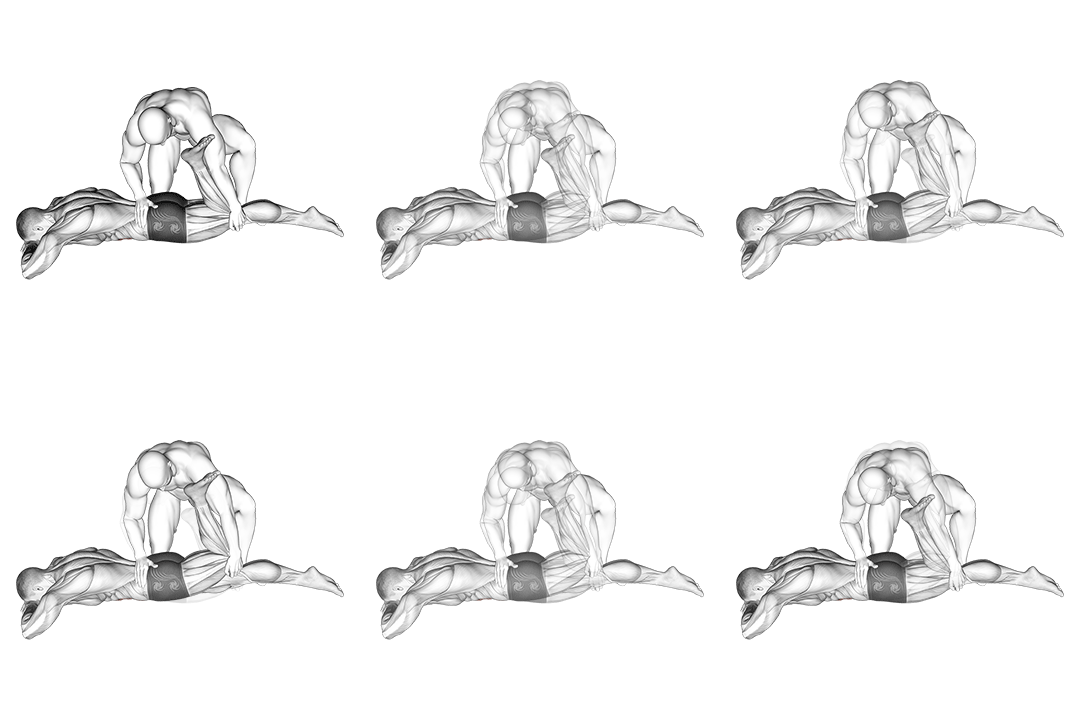
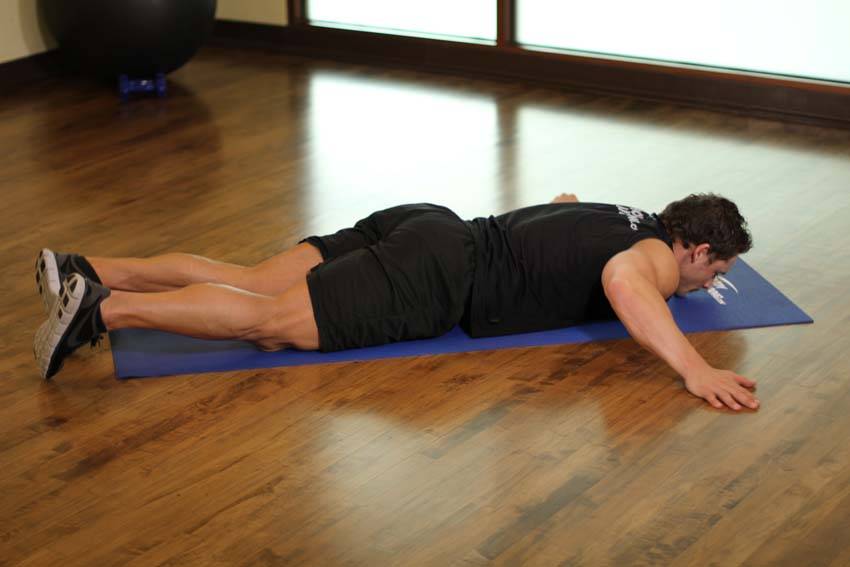
Assisted Prone Rectus Femoris Stretch
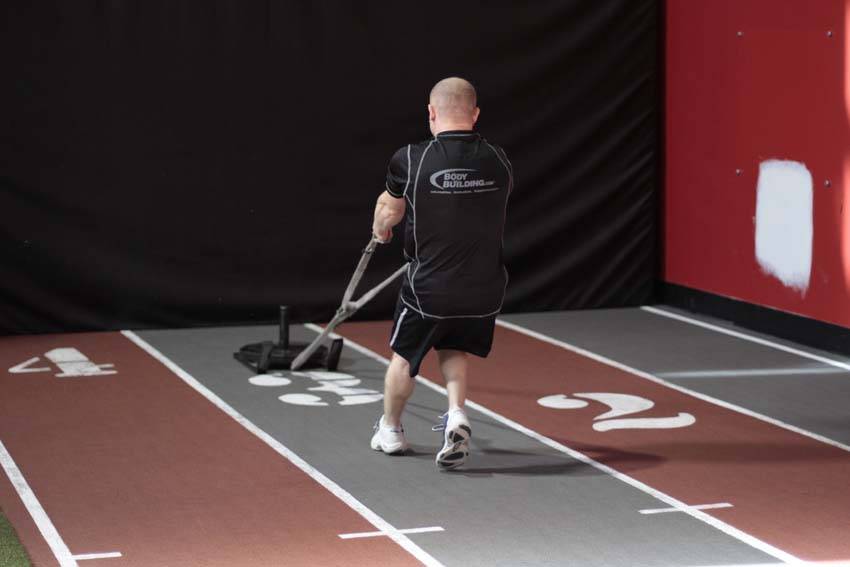
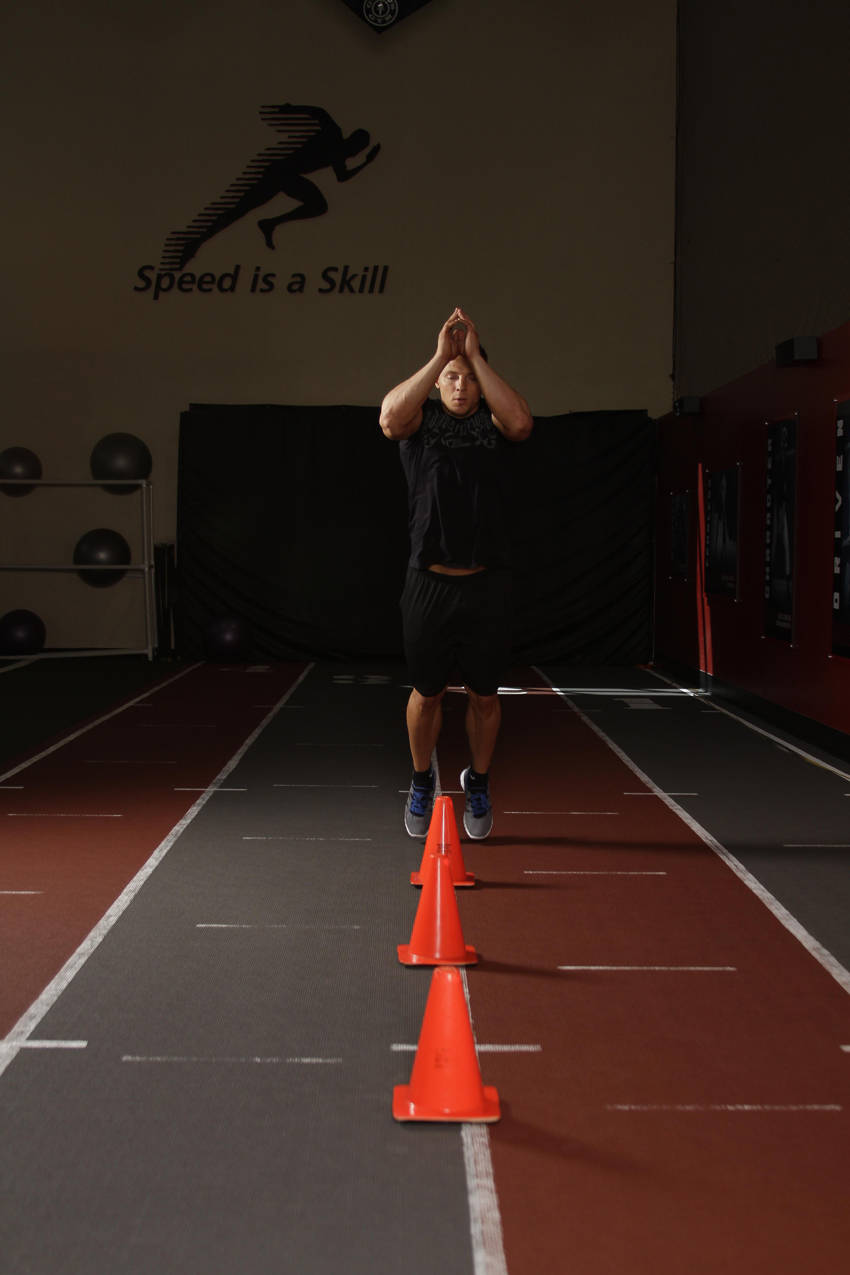
Backward Drag
Head-to-Head Comparison
| Attribute | Assisted Prone Rectus Femoris Stretch | Backward Drag |
|---|---|---|
| Target Muscle |
Quads
|
Quads
|
| Body Part |
Upper-legs
|
Upper-legs
|
| Equipment |
Other
|
Other
|
| Difficulty |
Beginner
|
Intermediate
|
| Movement Type |
Isolation
|
Compound
|
| Secondary Muscles |
1
|
5
|
Secondary Muscles Activated
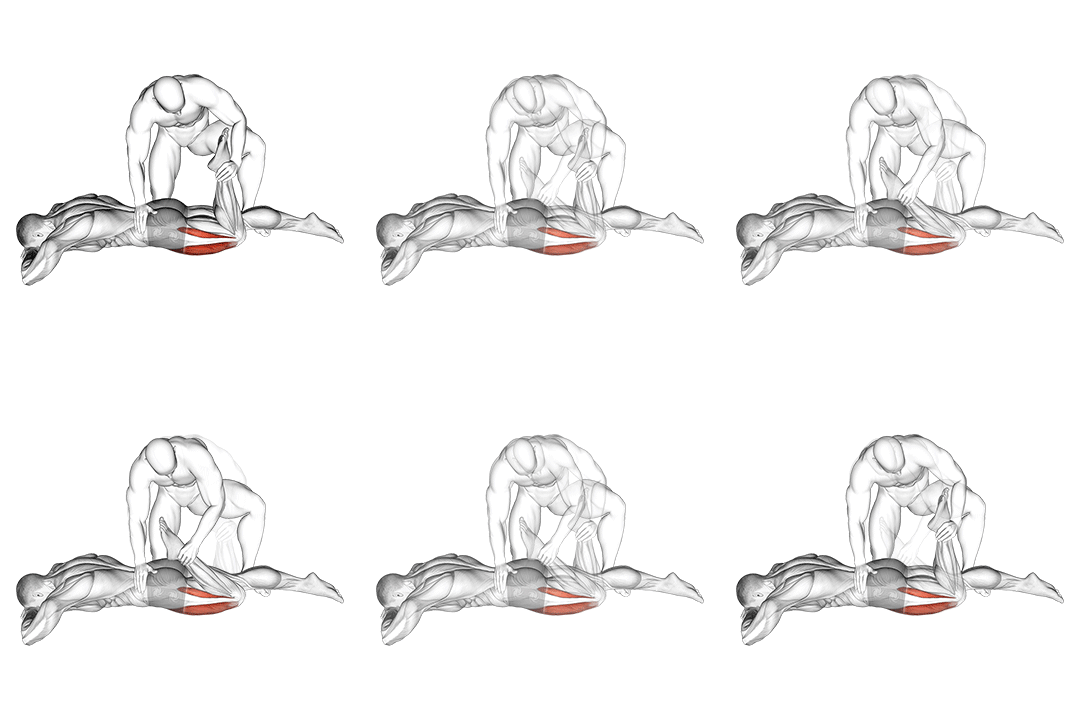
Assisted Prone Rectus Femoris Stretch
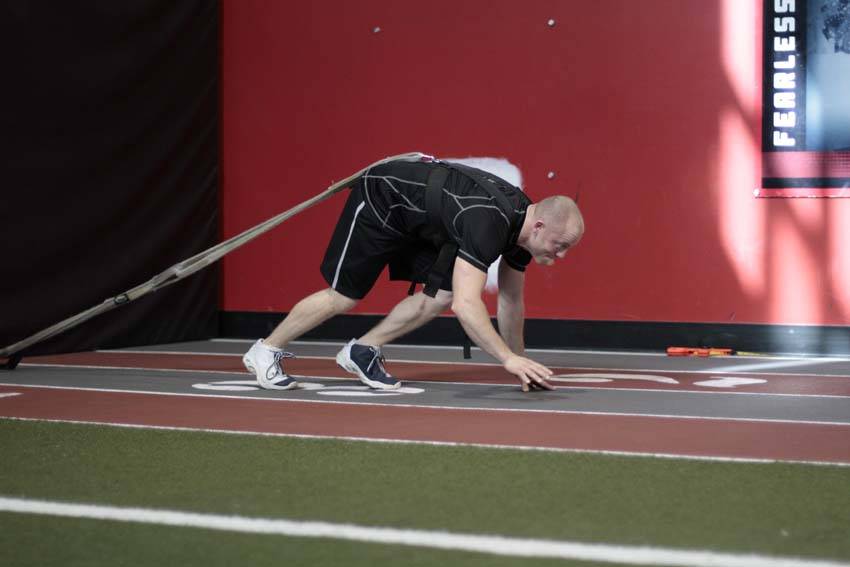
Backward Drag
Visual Comparison
Overview
Assisted Prone Rectus Femoris Stretch vs Backward Drag — you’re comparing a focused quad stretch with a loaded, multi-joint quad-dominant movement. I’ll walk you through what each does to the quadriceps, how they recruit supporting muscles, what equipment you need, technique cues, and which to pick for flexibility, hypertrophy, or strength. Read on to learn specific angles, hold times, rep ranges (30–60s holds for stretch, 6–12 reps for hypertrophy), and clear recommendations so you can apply the right tool to your goals.
Key Differences
- Assisted Prone Rectus Femoris Stretch is an isolation exercise, while Backward Drag is a compound movement.
- Difficulty levels differ: Assisted Prone Rectus Femoris Stretch is beginner, while Backward Drag is intermediate.
- Both exercises target the Quads using Other. The main differences are in their movement patterns and muscle activation angles.
Pros & Cons
Assisted Prone Rectus Femoris Stretch
+ Pros
- Directly isolates rectus femoris length for targeted flexibility
- Minimal equipment and space required
- Low skill requirement—safe for beginners with proper cueing
- Useful as a prehab or recovery tool to improve hip extension range
− Cons
- Doesn't produce significant mechanical tension for muscle growth
- Limited progression for strength gains
- Overstretching can irritate hip joint if performed aggressively
Backward Drag
+ Pros
- High mechanical tension on quads for hypertrophy and strength
- Recruits posterior chain and stabilizers for functional carryover
- Easy to progressively overload by adding resistance
- Builds grip and core endurance through compound effort
− Cons
- Requires more equipment and space (sled/band/anchor)
- Higher technical demand — poor form risks lower back or knee strain
- Not ideal if your primary goal is isolated flexibility or rehab
When Each Exercise Wins
Backward Drag produces higher mechanical tension and repeated concentric/eccentric loading of the quads (aim 6–12 reps, 3–5 sets). Its capacity for progressive overload (add 10–20% load increments) makes it superior for muscle growth.
Backward Drag allows heavy loading and trains force production through knee extension and hip control; use lower rep ranges (3–6 reps) and increased resistance to stimulate neural strength adaptations.
The Assisted Prone Stretch is low-skill and low-load, helping beginners safely improve rectus femoris length and hip mobility before progressing to compound loaded movements.
Requires only a strap or towel and a mat, fits small spaces, and supports mobility and recovery work without specialized equipment.
Frequently Asked Questions
Can I do both Assisted Prone Rectus Femoris Stretch and Backward Drag in the same workout?
Yes — perform the assisted prone stretch as a mobility primer (30–60s holds) before your compound work, then use Backward Drag for your loaded sets. Stretching first improves knee and hip range so you can hit fuller, safer reps during the drag.
Which exercise is better for beginners?
For beginners focused on mobility and safe progression, the Assisted Prone Rectus Femoris Stretch is better because it requires low skill and minimal load. Once mobility and pelvic control are established, introduce the Backward Drag to develop strength.
How do the muscle activation patterns differ?
The prone stretch places the rectus femoris at longer muscle lengths with low active EMG and high passive tension, emphasizing length-tension and flexibility. The Backward Drag produces high active EMG in quads during concentric/eccentric phases and co-activates glutes, hamstrings, calves, and lower back for stability and force transfer.
Can Backward Drag replace Assisted Prone Rectus Femoris Stretch?
No — they serve complementary roles. Backward Drag provides mechanical tension for strength and hypertrophy, while the Assisted Prone Stretch restores muscle length and hip extension mobility; use the stretch to improve range before heavy dragging work.
Expert Verdict
Use the Assisted Prone Rectus Femoris Stretch when your priority is restoring or improving quad and hip-flexor length, reducing anterior hip tightness, or prepping the leg for loaded work—hold for 30–60 seconds, 2–4 reps per side, keeping the pelvis neutral. Choose the Backward Drag when you want quad-focused loading for muscle growth or strength; program it for 3–5 sets of 6–12 reps for hypertrophy or 3–6 reps for strength, and progress load in 10–20% steps. Pair them: stretch to restore range, then use backward drag to apply tension safely once you have control.
Also Compare
More comparisons with Assisted Prone Rectus Femoris Stretch
Compare More Exercises
Use our free comparison tool to analyze any two exercises head-to-head.
Compare Exercises