

Assisted Prone Rectus Femoris Stretch vs Bear Crawl Sled Drags: Complete Comparison Guide
Assisted Prone Rectus Femoris Stretch vs Bear Crawl Sled Drags — you need to know which move fits your goals. I’ll walk you through how each targets the quads, which secondary muscles light up, equipment needs, and clear technique cues so you can apply them safely. You’ll get biomechanical explanations (length-tension, joint angles, force vectors), practical rep and distance ranges, and decisive recommendations for mobility, hypertrophy, strength, and home use. Read on and decide which exercise to add to your plan and when to use them together.
Exercise Comparison
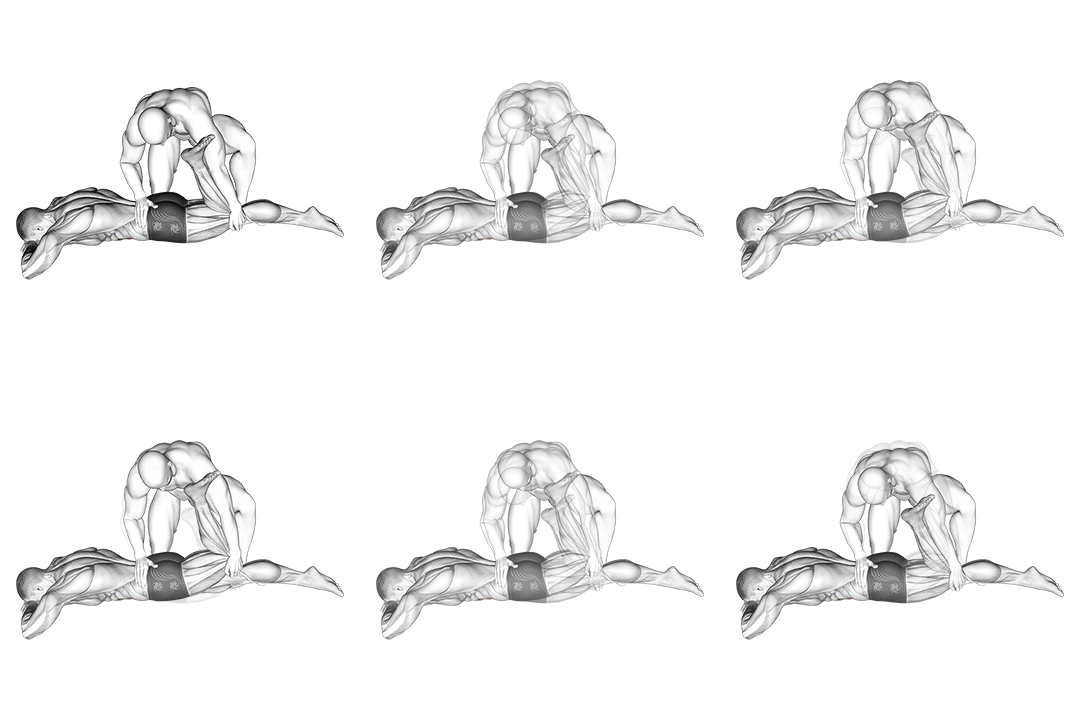
Assisted Prone Rectus Femoris Stretch
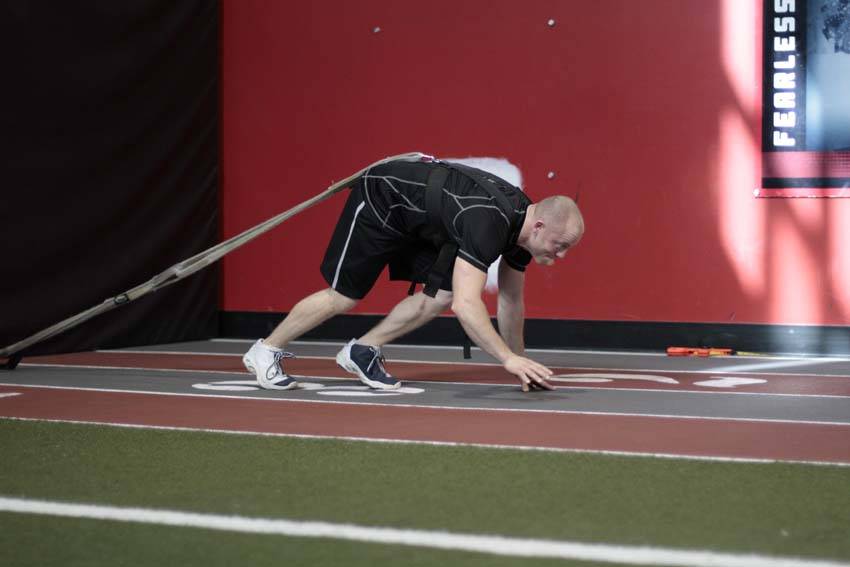
Bear Crawl Sled Drags
Head-to-Head Comparison
| Attribute | Assisted Prone Rectus Femoris Stretch | Bear Crawl Sled Drags |
|---|---|---|
| Target Muscle |
Quads
|
Quads
|
| Body Part |
Upper-legs
|
Upper-legs
|
| Equipment |
Other
|
Other
|
| Difficulty |
Beginner
|
Intermediate
|
| Movement Type |
Isolation
|
Compound
|
| Secondary Muscles |
1
|
3
|
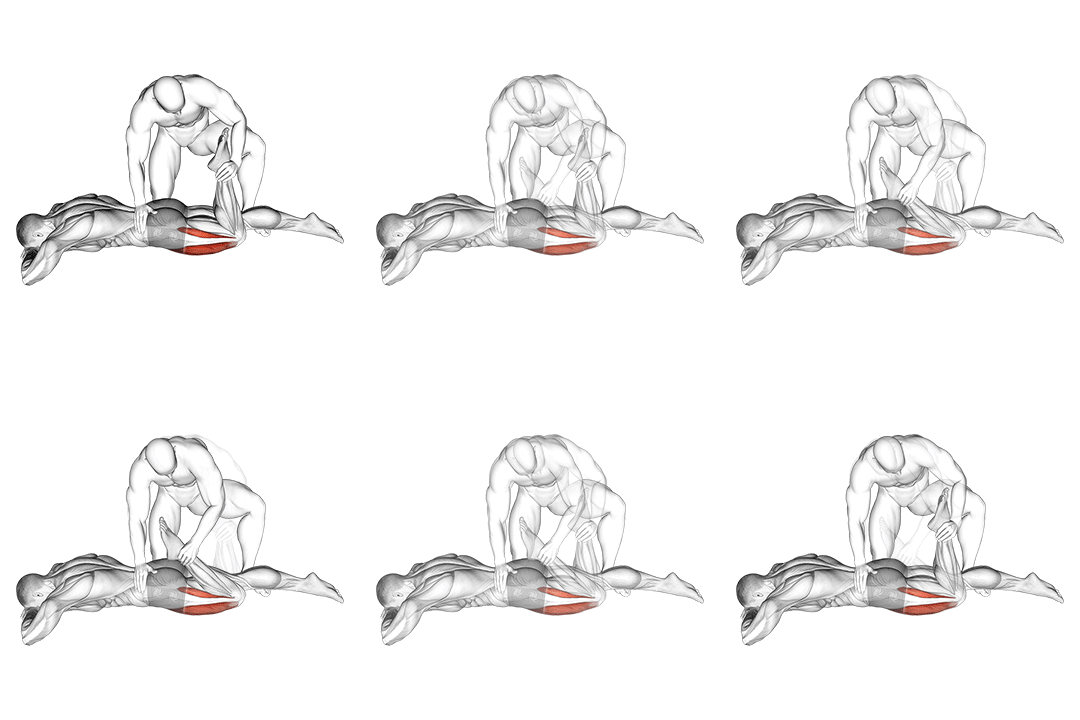
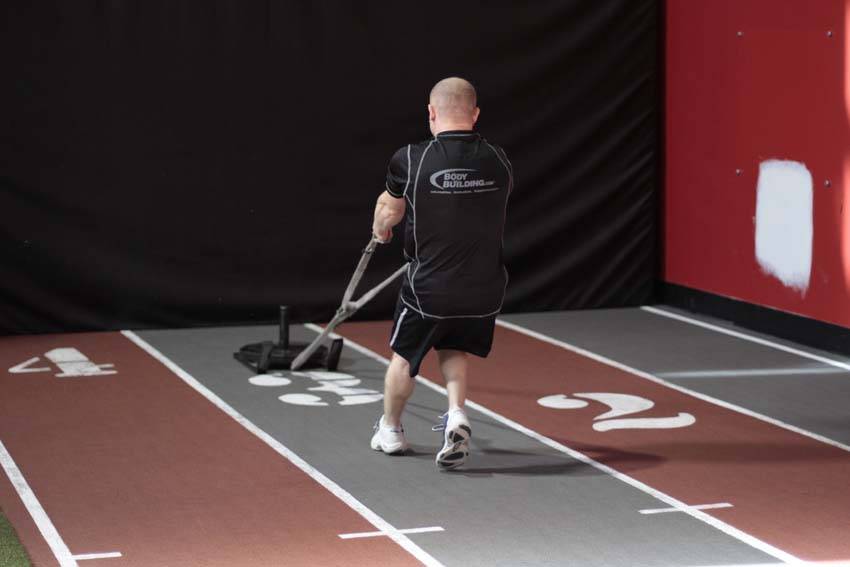
Secondary Muscles Activated
Assisted Prone Rectus Femoris Stretch
Bear Crawl Sled Drags
Visual Comparison
Overview
Assisted Prone Rectus Femoris Stretch vs Bear Crawl Sled Drags — you need to know which move fits your goals. I’ll walk you through how each targets the quads, which secondary muscles light up, equipment needs, and clear technique cues so you can apply them safely. You’ll get biomechanical explanations (length-tension, joint angles, force vectors), practical rep and distance ranges, and decisive recommendations for mobility, hypertrophy, strength, and home use. Read on and decide which exercise to add to your plan and when to use them together.
Key Differences
- Assisted Prone Rectus Femoris Stretch is an isolation exercise, while Bear Crawl Sled Drags is a compound movement.
- Difficulty levels differ: Assisted Prone Rectus Femoris Stretch is beginner, while Bear Crawl Sled Drags is intermediate.
- Both exercises target the Quads using Other. The main differences are in their movement patterns and muscle activation angles.
Pros & Cons
Assisted Prone Rectus Femoris Stretch
+ Pros
- Isolates rectus femoris for targeted mobility
- Minimal equipment and space required
- Low cardiovascular demand—easy to add to warm-ups
- Useful for correcting anterior hip tightness and improving hip extension range
− Cons
- Does not produce significant active quad strengthening
- Limited progression options for overload
- Risk of overstretching if pelvis and lumbar spine aren’t stabilized
Bear Crawl Sled Drags
+ Pros
- High quad activation under load for strength and muscle growth
- Trains multi-joint coordination and horizontal force production
- Progressive via load, distance, and tempo
- Also recruits calves, glutes, and hamstrings for functional carryover
− Cons
- Requires sled and suitable surface
- Higher technical demand—poor form raises injury risk
- Greater cardiovascular and systemic fatigue
When Each Exercise Wins
Sled drags load the quads dynamically and allow progressive overload (increase weight, distance, or tempo). Aim for 6–12 moderate reps per leg-equivalent or 10–30 m sled drags per set to stimulate muscle growth.
Sled work provides high-force, functional loading and force-vector specificity. Heavier sled loads at shorter distances (6–15 m) emphasize maximal force production and neural adaptation.
The stretch is simple, low-risk, and teaches pelvic control and hip mechanics. It’s effective for improving mobility before adding compound loaded movements.
No sled or special surface required—just a mat and strap or partner. It’s practical for mobility work, warm-ups, and rehab in limited-space settings.
Frequently Asked Questions
What is the difference between Assisted Prone Rectus Femoris Stretch and Bear Crawl Sled Drags?
Assisted Prone Rectus Femoris Stretch primarily targets the Quads, while Bear Crawl Sled Drags focuses on the Quads. They also differ in equipment requirements: Assisted Prone Rectus Femoris Stretch uses Other, while Bear Crawl Sled Drags requires Other.
Which is better: Assisted Prone Rectus Femoris Stretch or Bear Crawl Sled Drags?
Neither exercise is universally better - it depends on your goals. Choose Assisted Prone Rectus Femoris Stretch to emphasize the Quads. Choose Bear Crawl Sled Drags for focus on the Quads. Many training programs include both for balanced development.
Can I do Assisted Prone Rectus Femoris Stretch and Bear Crawl Sled Drags in the same workout?
Yes, you can perform both exercises in the same workout. Since they target the same muscle group (Quads), consider spacing them apart or doing them on different days for optimal recovery.
Which exercise is harder: Assisted Prone Rectus Femoris Stretch or Bear Crawl Sled Drags?
Assisted Prone Rectus Femoris Stretch is rated as beginner difficulty, while Bear Crawl Sled Drags is intermediate. Difficulty can vary based on your experience and the weight used.
Expert Verdict
Use the Assisted Prone Rectus Femoris Stretch when your goal is to improve hip extension range-of-motion, reduce anterior hip tightness, or prepare the rectus femoris for loaded work. Perform 2–4 sets of 30–60 second holds or contract-relax sequences (6–10 s contract, 20–30 s relax) while maintaining a posterior pelvic tilt. Choose Bear Crawl Sled Drags when you want high quad activation, horizontal force development, and progressive overload—use 4–8 sets of 10–30 m with a load that challenges you but preserves neutral spine. If you want mobility plus strength, pair them: start sessions with the assisted stretch to normalize length-tension, then follow with sled drags to exploit improved range and higher active tension.
Also Compare
More comparisons with Assisted Prone Rectus Femoris Stretch
More comparisons with Bear Crawl Sled Drags
Compare More Exercises
Use our free comparison tool to analyze any two exercises head-to-head.
Compare Exercises