

Assisted Prone Lying Quads Stretch vs Bear Crawl Sled Drags: Complete Comparison Guide
Assisted Prone Lying Quads Stretch vs Bear Crawl Sled Drags puts a mobility-focused isolation move up against a compound, loaded quad builder. You’ll get a clear breakdown of how each exercise stresses the quads, which secondary muscles light up, what equipment you need, and practical cues for technique. I’ll show you when to use the prone stretch for length-tension and recovery, and when sled drags deliver mechanical tension and metabolic stress for muscle growth or conditioning. Read on to decide which one fits your goal and training setup.
Exercise Comparison
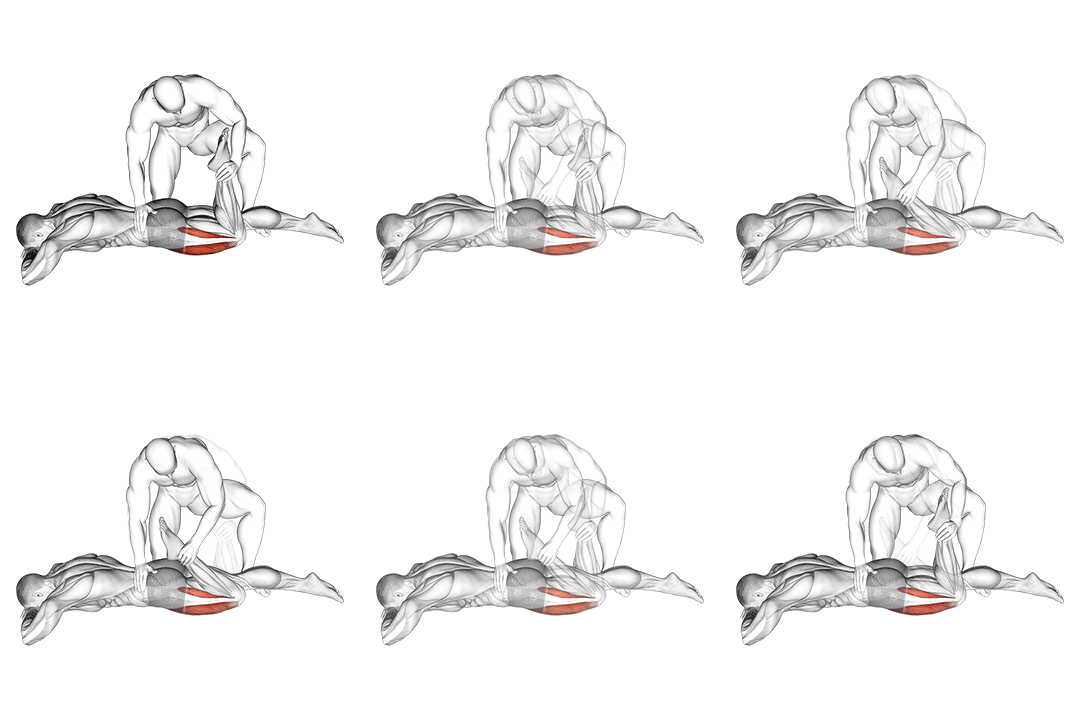
Assisted Prone Lying Quads Stretch
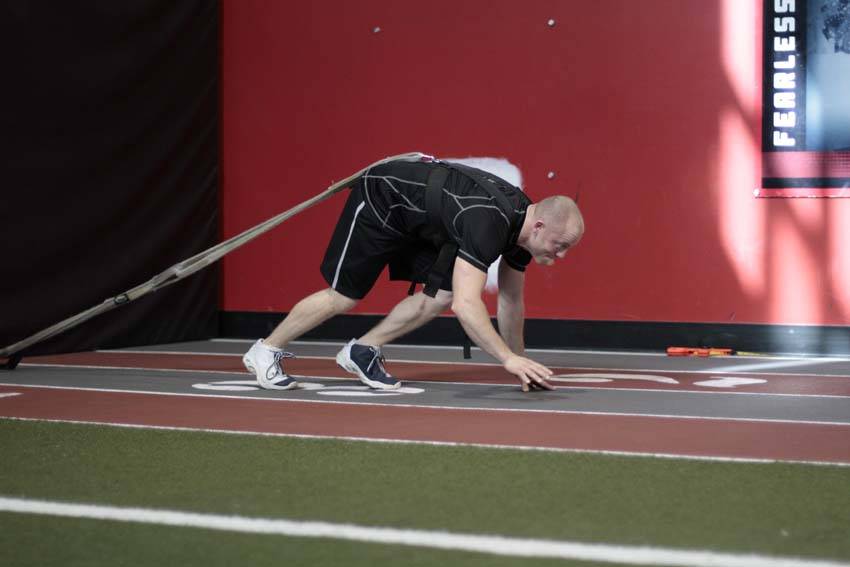
Bear Crawl Sled Drags
Head-to-Head Comparison
| Attribute | Assisted Prone Lying Quads Stretch | Bear Crawl Sled Drags |
|---|---|---|
| Target Muscle |
Quads
|
Quads
|
| Body Part |
Upper-legs
|
Upper-legs
|
| Equipment |
Other
|
Other
|
| Difficulty |
Beginner
|
Intermediate
|
| Movement Type |
Isolation
|
Compound
|
| Secondary Muscles |
2
|
3
|
Secondary Muscles Activated
Assisted Prone Lying Quads Stretch
Bear Crawl Sled Drags
Visual Comparison
Overview
Assisted Prone Lying Quads Stretch vs Bear Crawl Sled Drags puts a mobility-focused isolation move up against a compound, loaded quad builder. You’ll get a clear breakdown of how each exercise stresses the quads, which secondary muscles light up, what equipment you need, and practical cues for technique. I’ll show you when to use the prone stretch for length-tension and recovery, and when sled drags deliver mechanical tension and metabolic stress for muscle growth or conditioning. Read on to decide which one fits your goal and training setup.
Key Differences
- Assisted Prone Lying Quads Stretch is an isolation exercise, while Bear Crawl Sled Drags is a compound movement.
- Difficulty levels differ: Assisted Prone Lying Quads Stretch is beginner, while Bear Crawl Sled Drags is intermediate.
- Both exercises target the Quads using Other. The main differences are in their movement patterns and muscle activation angles.
Pros & Cons
Assisted Prone Lying Quads Stretch
+ Pros
- Improves quad length-tension and knee flexion range (effective at 90–120° knee flexion)
- Minimal equipment—easy to do at home or in warm-up
- Low skill requirement; safe for most trainees
- Great for recovery, mobility, and reducing anterior knee stiffness
− Cons
- Does not provide significant mechanical overload for hypertrophy
- Low EMG activation compared to loaded movements
- Limited progression options for pure strength gains
Bear Crawl Sled Drags
+ Pros
- Delivers high mechanical tension to quads and metabolic stress for muscle growth
- Trains multiple movement patterns—drive, core stabilization, horizontal force production
- Scales easily by adding weight, distance, or tempo
- Also improves conditioning and posterior chain engagement
− Cons
- Requires a sled and space, limiting accessibility
- Higher technical demand and greater injury risk if form breaks
- Can be fatiguing; poor programming may impede recovery
When Each Exercise Wins
Sled drags create sustained mechanical tension and repeated concentric drives that increase quad workload. You can progressively overload with more weight, longer distances (15–30 m), or higher reps to stimulate muscle growth.
Loaded sled drags produce greater force production and specificity under load, improving quad output and transfer to other loaded lower-body lifts. Use heavy, short-distance efforts (6–12 reps or 10–20 m) with full bracing for best results.
The prone stretch has a gentle learning curve and helps teach you knee and hip positioning while improving mobility. It’s safer, requires no heavy loading, and prepares tissues before introducing compound loaded work.
You only need a mat and a strap or partner, so the stretch fits limited-space routines. Sled drags need specialized equipment and room, making them impractical for most home setups.
Frequently Asked Questions
Can I do both Assisted Prone Lying Quads Stretch and Bear Crawl Sled Drags in the same workout?
Yes. Use the prone quads stretch as a mobility primer or cooldown, holding 30–60 seconds to improve tissue extensibility, then perform sled drags as the primary loaded stimulus. Place the stretch before heavy sled work only if it helps your range without causing fatigue.
Which exercise is better for beginners?
The Assisted Prone Lying Quads Stretch is better for beginners because it has a low skill requirement and reduces joint stress while teaching knee and hip awareness. Beginners should use it to build mobility before adding sled-based loading.
How do the muscle activation patterns differ?
The prone stretch produces low-voltage, sustained passive tension at long muscle lengths, improving sarcomere alignment but not peak force. Sled drags produce high-voltage, cyclic concentric and isometric activations in quads, glutes, hamstrings, and calves, creating mechanical tension and metabolic stress.
Can Bear Crawl Sled Drags replace Assisted Prone Lying Quads Stretch?
Not entirely. Sled drags can replace the overload role for strength and hypertrophy, but they won’t match the passive lengthening and mobility benefits of the prone stretch. For balanced training, keep the stretch for mobility and sled drags for load-driven progress.
Expert Verdict
Use the Assisted Prone Lying Quads Stretch when your goal is mobility, recovery, or preparing the quads for loaded work; hold for 30–60 seconds or perform 2–3 sets of slow 8–12 active-assisted reps focusing on knee alignment and a neutral pelvis. Choose Bear Crawl Sled Drags when you want to build quad strength, hypertrophy, and conditioning—perform 3–6 sets of 10–30 m or 6–12 heavy reps with a forward-lean torso, tight core, and deliberate heel-to-toe drive. Both have a place: use the stretch to improve length-tension and reduce stiffness, then apply sled drags for progressive overload and functional force production.
Also Compare
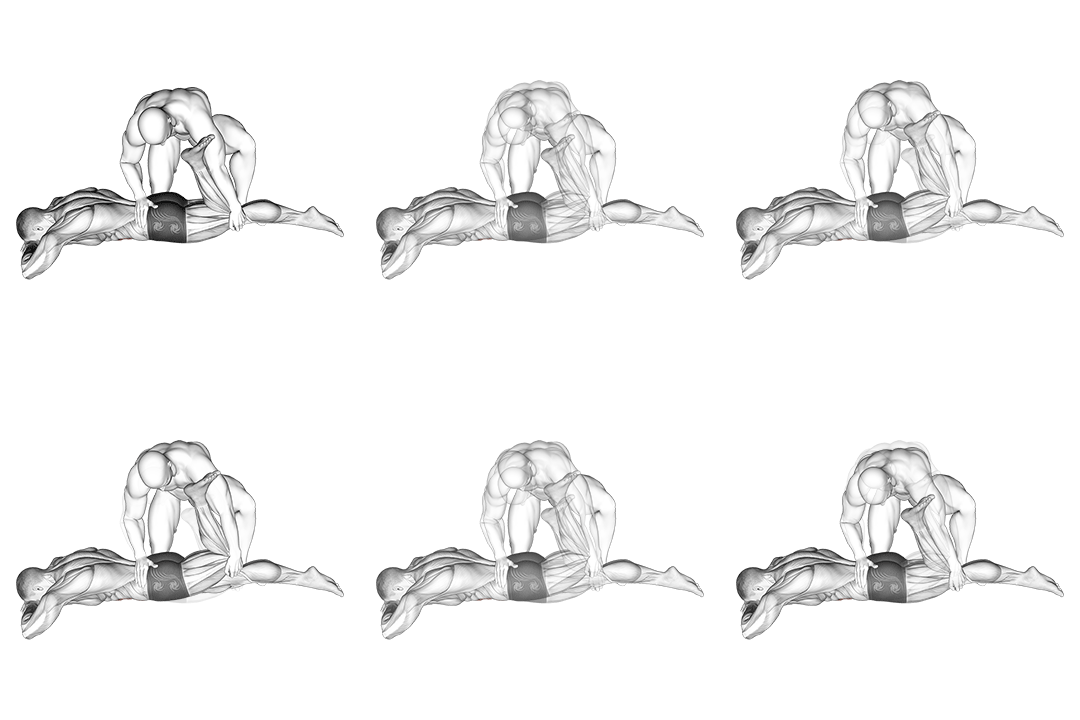
More comparisons with Assisted Prone Lying Quads Stretch
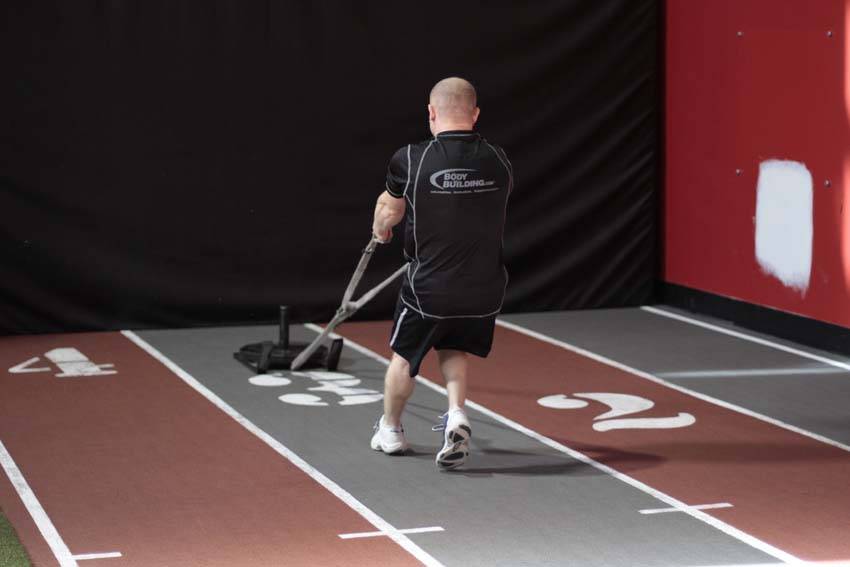
More comparisons with Bear Crawl Sled Drags
Compare More Exercises
Use our free comparison tool to analyze any two exercises head-to-head.
Compare Exercises