

Front Cone Hops (or Hurdle Hops) vs Iron Crosses (stretch): Complete Comparison Guide
Front Cone Hops (or Hurdle Hops) vs Iron Crosses (stretch) — you’re looking at two very different tools for your quads. I’ll break down how each movement loads the quadriceps, what secondary muscles get involved, the equipment and space you need, and which to pick for power, strength, mobility, or rehab. Read on for clear technique cues, biomechanical reasons behind the differences (stretch-shortening cycle vs length-tension stretch), rep ranges, and practical recommendations so you can choose the right exercise for your goals.
Exercise Comparison
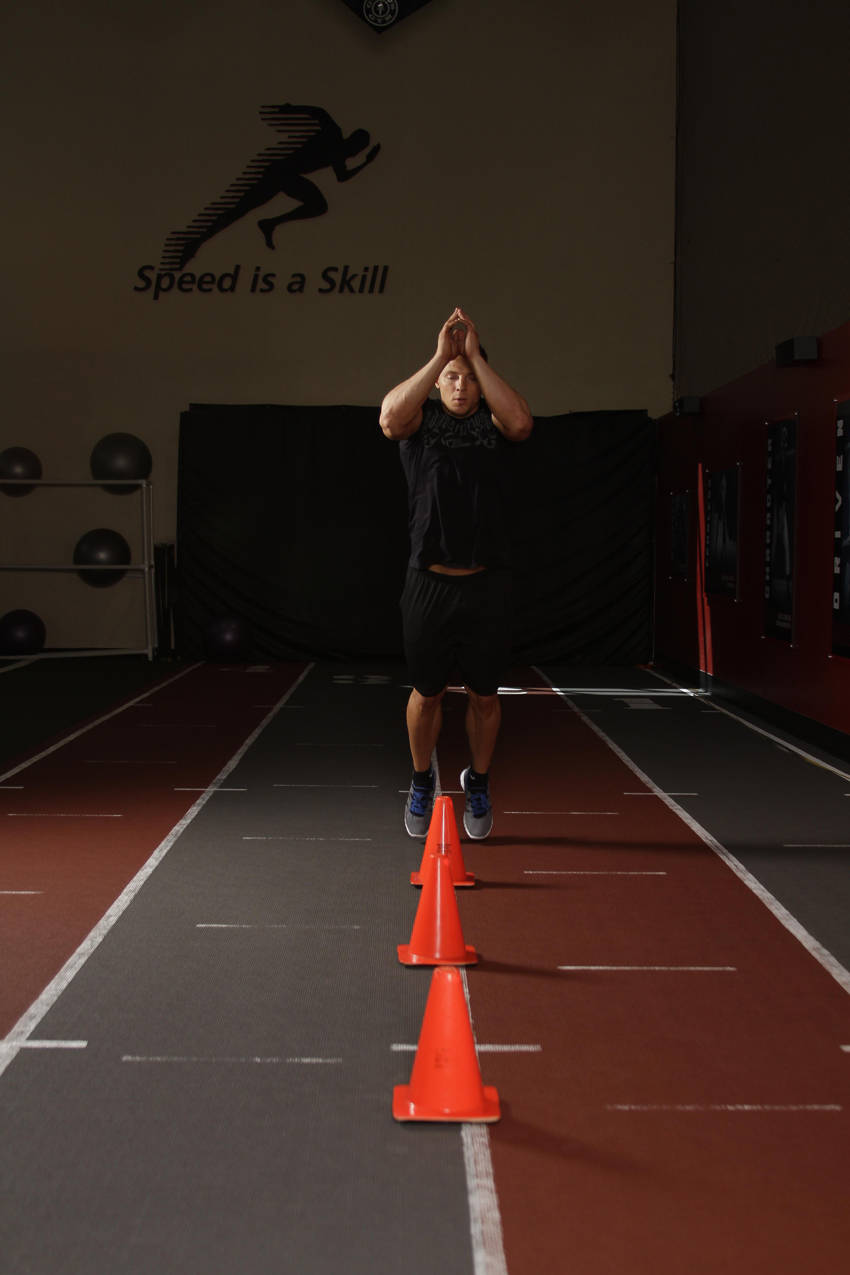
Front Cone Hops (or Hurdle Hops)
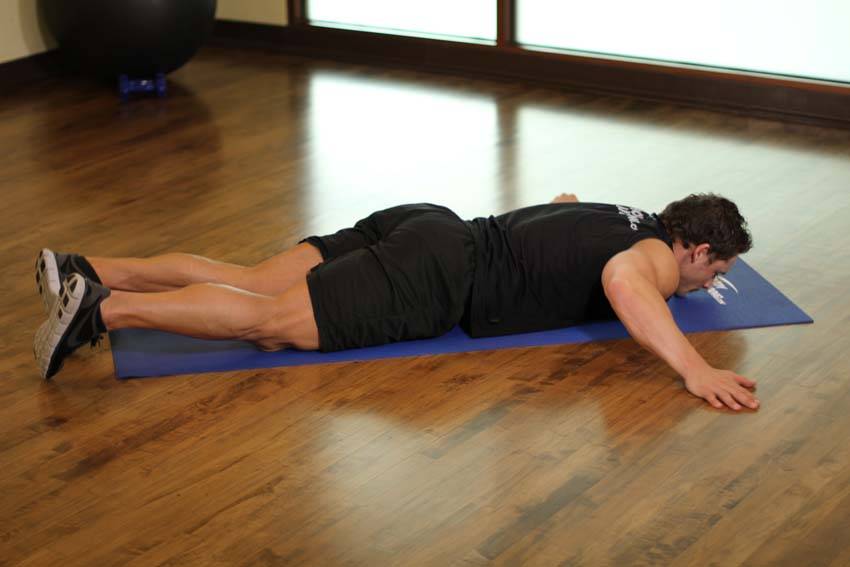
Iron Crosses (stretch)
Head-to-Head Comparison
| Attribute | Front Cone Hops (or Hurdle Hops) | Iron Crosses (stretch) |
|---|---|---|
| Target Muscle |
Quads
|
Quads
|
| Body Part |
Upper-legs
|
Upper-legs
|
| Equipment |
Other
|
Other
|
| Difficulty |
Advanced
|
Beginner
|
| Movement Type |
Compound
|
Isolation
|
| Secondary Muscles |
5
|
0
|
Secondary Muscles Activated
Front Cone Hops (or Hurdle Hops)
Iron Crosses (stretch)
Visual Comparison
Overview
Front Cone Hops (or Hurdle Hops) vs Iron Crosses (stretch) — you’re looking at two very different tools for your quads. I’ll break down how each movement loads the quadriceps, what secondary muscles get involved, the equipment and space you need, and which to pick for power, strength, mobility, or rehab. Read on for clear technique cues, biomechanical reasons behind the differences (stretch-shortening cycle vs length-tension stretch), rep ranges, and practical recommendations so you can choose the right exercise for your goals.
Key Differences
- Front Cone Hops (or Hurdle Hops) is a compound movement, while Iron Crosses (stretch) is an isolation exercise.
- Difficulty levels differ: Front Cone Hops (or Hurdle Hops) is advanced, while Iron Crosses (stretch) is beginner.
- Both exercises target the Quads using Other. The main differences are in their movement patterns and muscle activation angles.
Pros & Cons
Front Cone Hops (or Hurdle Hops)
+ Pros
- Builds explosive quad power via stretch-shortening cycle
- Improves reactive strength and rate of force development
- Recruits multiple stabilizers for athletic carryover
- Multiple progression levers (height, single-leg, weight vest)
− Cons
- Higher impact and greater injury risk without solid landing mechanics
- Requires space and safe surface
- Less time under tension for classic hypertrophy stimulus
Iron Crosses (stretch)
+ Pros
- Low-impact, beginner-friendly quad isolate and stretch
- Requires no equipment and little space
- Good for improving quad length-tension relationship and mobility
- Easy to scale by altering hold time or adding light resistance
− Cons
- Limited overload options for long-term strength gains
- Minimal carryover to explosive power or multi-joint coordination
- Can feel passive; requires programming alongside loaded work for growth
When Each Exercise Wins
Iron Crosses allow targeted quad loading at long muscle lengths and sustained tension (20–40 s holds), leveraging stretch-mediated hypertrophy. Use them as an accessory with progressive overload or when combined with loaded knee extensions.
Front Cone Hops develop rate of force development and neuromuscular power crucial for strength expression, especially when paired with heavy squats; they train explosive knee and hip extension under high force.
Iron Crosses are low-skill, low-impact and teach quad awareness and end-range control. Beginners can safely perform 2–4 sets of 20–30 s holds before progressing to dynamic work.
Iron Crosses require no special equipment or space and produce quad stimulus with minimal risk, making them ideal for home programs where safe plyometric landings aren’t possible.
Frequently Asked Questions
Can I do both Front Cone Hops (or Hurdle Hops) and Iron Crosses (stretch) in the same workout?
Yes. Use Iron Crosses as a warm-up or cooldown to improve quad length-tension and mobility, and place Front Cone Hops early in the session when you’re fresh to maximize power output. Keep hops early (3–5 sets) and follow with 2–3 sets of 20–30 s Iron Cross holds.
Which exercise is better for beginners?
Iron Crosses are better for beginners because they’re low-skill and low-impact, letting you learn quad control and mobility. Start with 2–4 sets of 20–30 s holds before adding dynamic plyometrics once technique and strength are solid.
How do the muscle activation patterns differ?
Front Cone Hops rely on a fast stretch-shortening cycle with brief eccentric loading and high-rate concentric activation, producing high peak quad recruitment. Iron Crosses produce sustained, low-velocity activation at longer muscle lengths, emphasizing passive tension and prolonged time under stretch.
Can Iron Crosses (stretch) replace Front Cone Hops (or Hurdle Hops)?
No—if your goal is explosive power or sport-specific reactive ability, Iron Crosses won’t replace hops. For mobility, quad isolation, or rehab, Iron Crosses are the better choice. Use them together for complementary benefits.
Expert Verdict
Choose Front Cone Hops when your priority is athletic power, reactive strength, and improving rate of force development—use 3–5 sets of 3–8 explosive reps, focus on soft, hip-then-knee landing mechanics (knee tracking over toes, 30–60° flexion on impact), and allow 90–120 s rest. Choose Iron Crosses when you want targeted quad isolation, mobility, and low-impact work—perform 2–4 sets of 20–40 s holds or 8–12 slow active reps, emphasizing a controlled end-range stretch and neutral pelvis. For balanced programming, pair Iron Crosses as an accessory for quad length-tension and Front Cone Hops for power and sport-specific carryover.
Also Compare
More comparisons with Front Cone Hops (or Hurdle Hops)
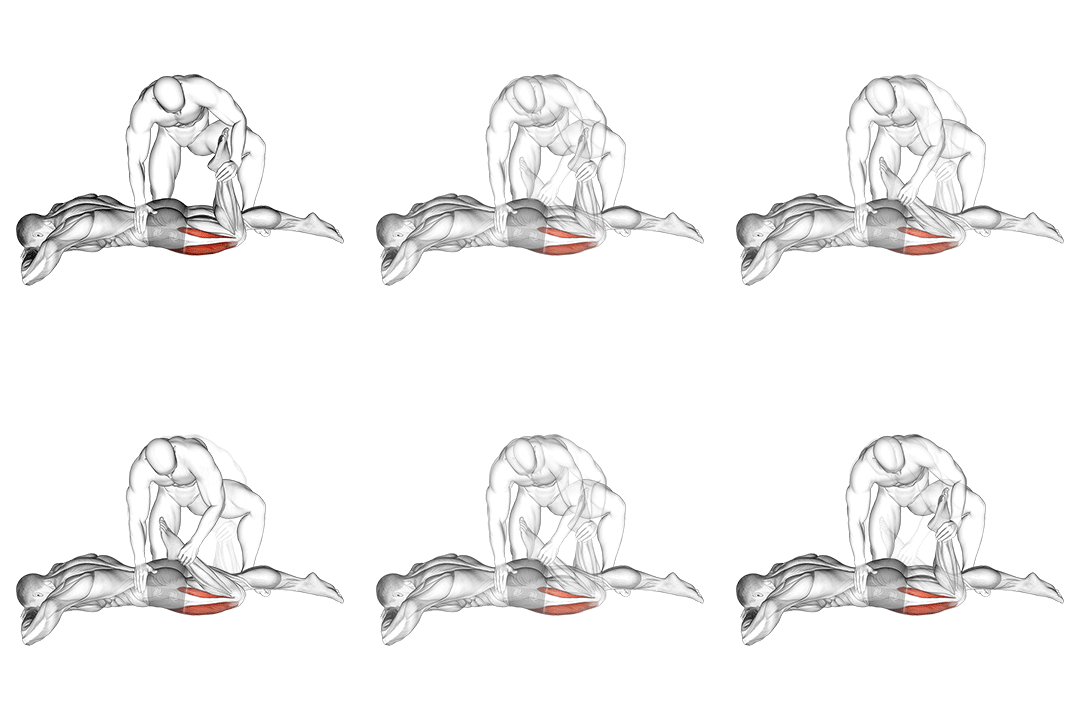
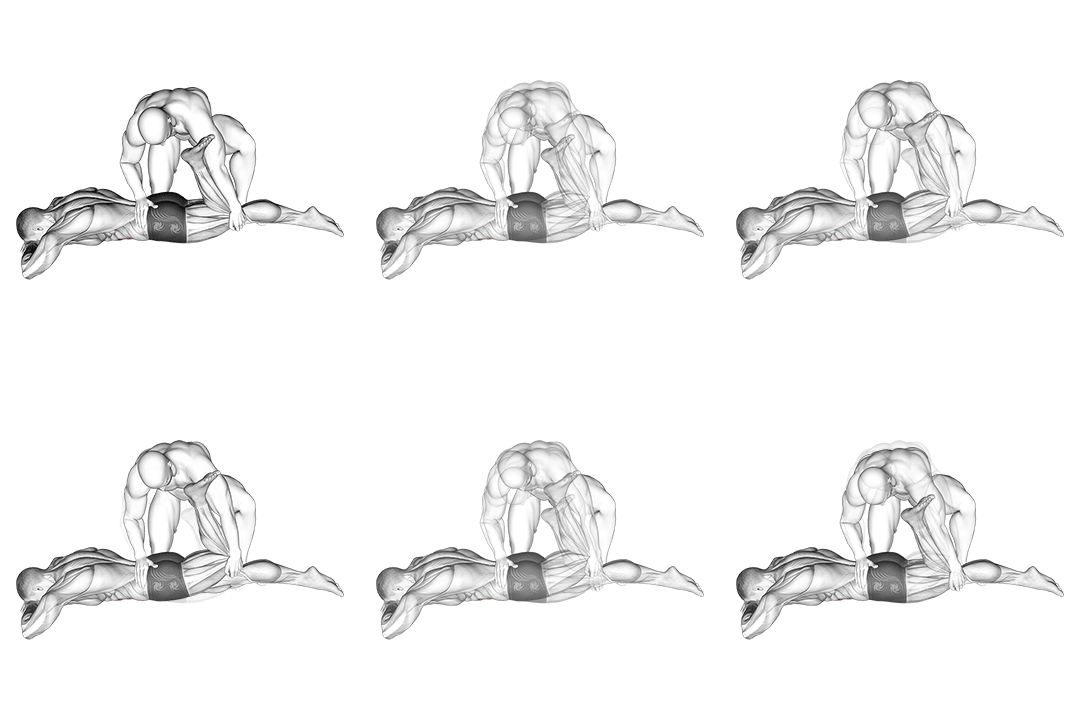
More comparisons with Iron Crosses (stretch)
Compare More Exercises
Use our free comparison tool to analyze any two exercises head-to-head.
Compare Exercises