

Assisted Prone Rectus Femoris Stretch vs Front Cone Hops (or Hurdle Hops): Complete Comparison Guide
Assisted Prone Rectus Femoris Stretch vs Front Cone Hops (or Hurdle Hops) pits a passive, quad-isolating mobility drill against a high‑velocity, multi‑joint plyometric. You’ll learn how each loads the quadriceps, which secondary muscles come into play, the equipment and space needed, and practical cues for technique. I’ll give rep and hold ranges, progression ideas, and clear recommendations so you can pick the right movement for mobility, power development, or conditioning.
Exercise Comparison
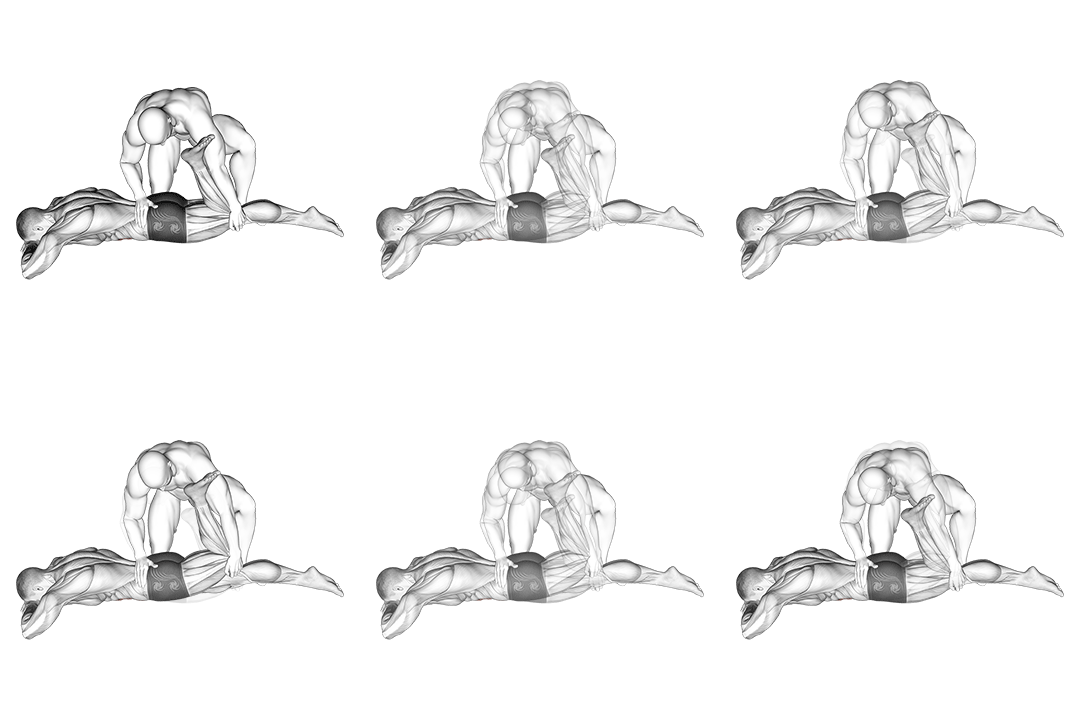
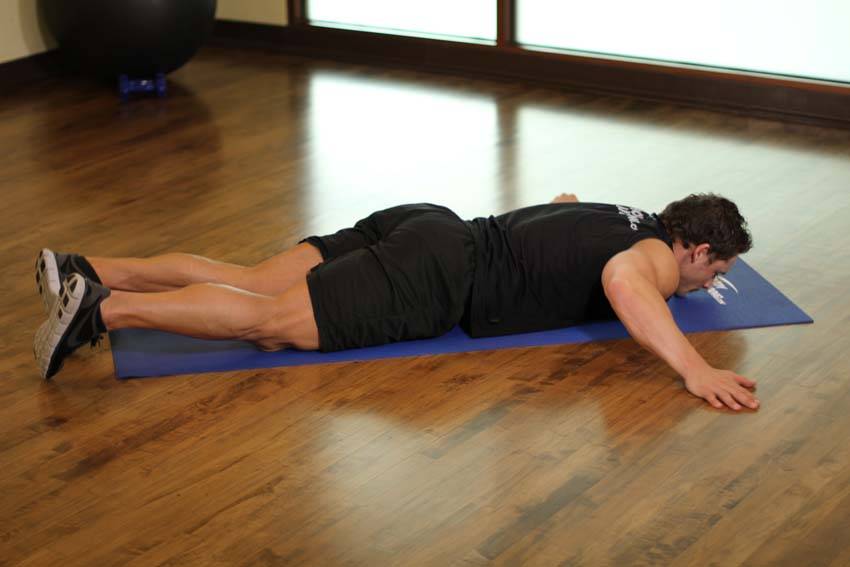
Assisted Prone Rectus Femoris Stretch
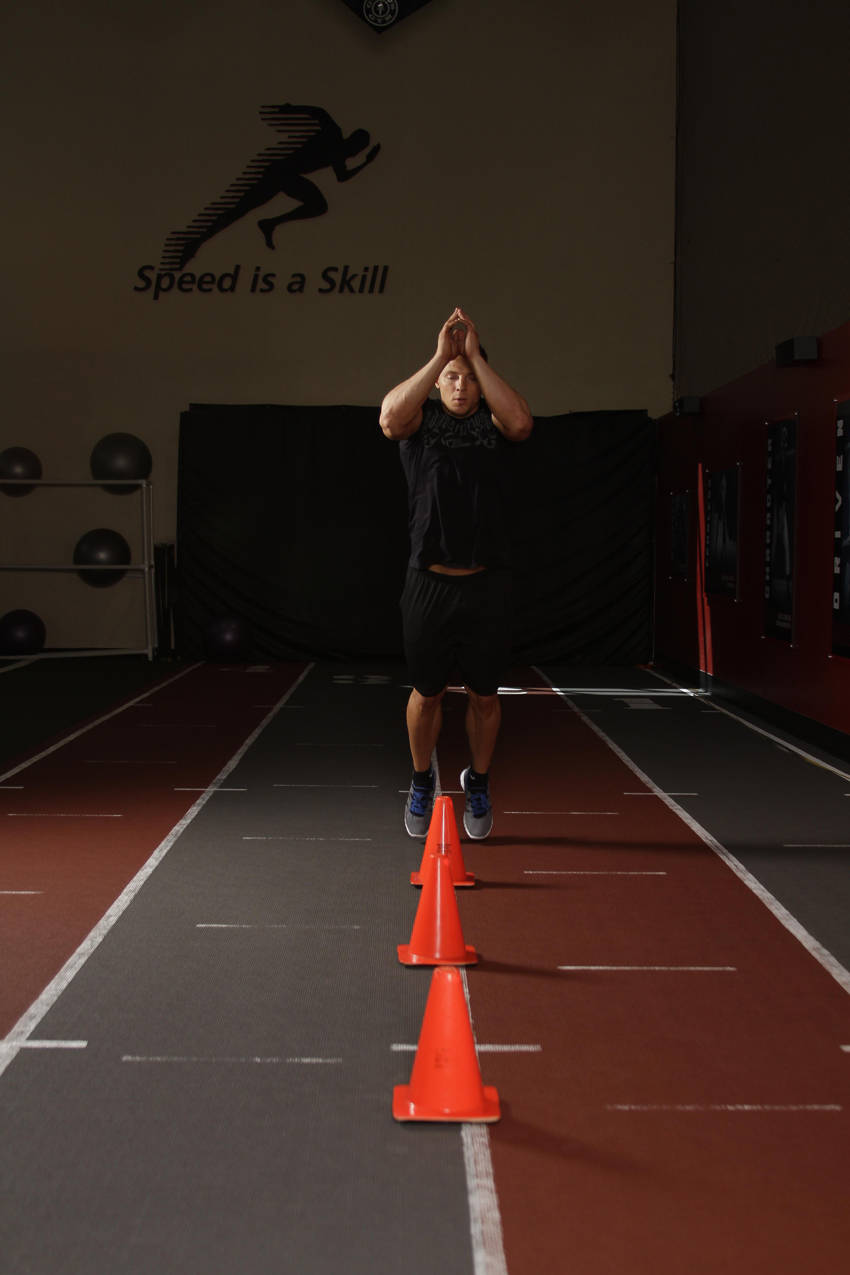
Front Cone Hops (or Hurdle Hops)
Head-to-Head Comparison
| Attribute | Assisted Prone Rectus Femoris Stretch | Front Cone Hops (or Hurdle Hops) |
|---|---|---|
| Target Muscle |
Quads
|
Quads
|
| Body Part |
Upper-legs
|
Upper-legs
|
| Equipment |
Other
|
Other
|
| Difficulty |
Beginner
|
Advanced
|
| Movement Type |
Isolation
|
Compound
|
| Secondary Muscles |
1
|
5
|
Secondary Muscles Activated
Assisted Prone Rectus Femoris Stretch
Front Cone Hops (or Hurdle Hops)
Visual Comparison
Overview
Assisted Prone Rectus Femoris Stretch vs Front Cone Hops (or Hurdle Hops) pits a passive, quad-isolating mobility drill against a high‑velocity, multi‑joint plyometric. You’ll learn how each loads the quadriceps, which secondary muscles come into play, the equipment and space needed, and practical cues for technique. I’ll give rep and hold ranges, progression ideas, and clear recommendations so you can pick the right movement for mobility, power development, or conditioning.
Key Differences
- Assisted Prone Rectus Femoris Stretch is an isolation exercise, while Front Cone Hops (or Hurdle Hops) is a compound movement.
- Difficulty levels differ: Assisted Prone Rectus Femoris Stretch is beginner, while Front Cone Hops (or Hurdle Hops) is advanced.
- Both exercises target the Quads using Other. The main differences are in their movement patterns and muscle activation angles.
Pros & Cons
Assisted Prone Rectus Femoris Stretch
+ Pros
- Isolates the rectus femoris to improve hip flexor/knee extension range of motion
- Requires minimal equipment and space
- Low impact and low acute injury risk when performed correctly
- Easy to teach and integrate into warmups or rehab (hold 30–60s, 2–3 sets)
− Cons
- Does not provide a significant mechanical stimulus for strength or power
- Benefits are primarily passive (mobility) rather than neuromuscular adaptation
- Can be uncomfortable or aggravate anterior knee or hip issues if overdone
Front Cone Hops (or Hurdle Hops)
+ Pros
- High concentric and eccentric quad loading for power and sport transfer
- Engages multiple muscle groups for improved coordination and stability
- Easy to scale intensity by changing height, distance, or speed
- Improves rate of force development and reactive strength
− Cons
- Requires space, equipment, and a safe surface
- Higher injury risk if landing mechanics are poor or progression is too rapid
- Not ideal for beginners, rehab clients, or those with joint pain
When Each Exercise Wins
While not optimal like loaded resistance training, hops produce repeated high‑intensity quad contractions and eccentric loading that stimulate muscle remodeling more than passive stretching. Use 3–6 sets of 6–12 reps, or pair with heavy squats for best hypertrophy outcomes.
Hops develop rate of force development and transfer to dynamic strength through high peak moments at the knee and hip. Combine with strength work and progress via load, height, or complexity to increase maximal force production.
The stretch has a low learning curve and low impact, making it safer for beginners to restore range of motion and prepare tissue for loading. It’s a practical first step before introducing plyometrics.
The stretch needs only a mat and a strap or partner and can be done safely in small spaces. Hops typically require clear floor space and safe landing surfaces that many homes lack.
Frequently Asked Questions
Can I do both Assisted Prone Rectus Femoris Stretch and Front Cone Hops (or Hurdle Hops) in the same workout?
Yes. Use the stretch as a mobility primer before dynamic work—2–3 sets of 30–60s—then perform hops after a dynamic warmup. Avoid heavy static stretching immediately before maximal hops if it reduces explosive output; keep static holds brief and follow with dynamic activation.
Which exercise is better for beginners?
The Assisted Prone Rectus Femoris Stretch is better for beginners because it’s low impact and teaches tissue tolerance and hip position. Start with mobility, then progress to low‑height hops and focus on soft, hip‑and‑knee flexion landings before increasing intensity.
How do the muscle activation patterns differ?
The prone stretch produces low EMG because it’s passive and lengthens the rectus femoris to change the length‑tension relationship. Hops cause short, high‑amplitude concentric bursts and rapid eccentric braking in the quads and recruiting glutes, hamstrings, calves, and hip stabilizers for force production and absorption.
Can Front Cone Hops (or Hurdle Hops) replace Assisted Prone Rectus Femoris Stretch?
No. Hops won’t improve passive rectus femoris length the way a targeted stretch does. If your goal is mobility or correcting anterior knee tracking linked to tight quads, keep the prone stretch; use hops to build power once range improves.
Expert Verdict
Use the Assisted Prone Rectus Femoris Stretch when your goal is to increase quad flexibility, improve hip extension range, or prepare tissue before loading—hold 30–60 seconds for 2–3 sets, or use PNF contract‑relax cycles to accelerate gains. Choose Front Cone Hops when you want explosive quad power, reactive strength, and multi‑joint coordination; program 3–5 sets of 4–10 maximal reps with full recovery and coach landing mechanics. Be decisive: stretch for mobility and prep, hops for power and performance—but pair them intelligently (stretch and prime, then progress to plyometrics) to get both benefits safely.
Also Compare
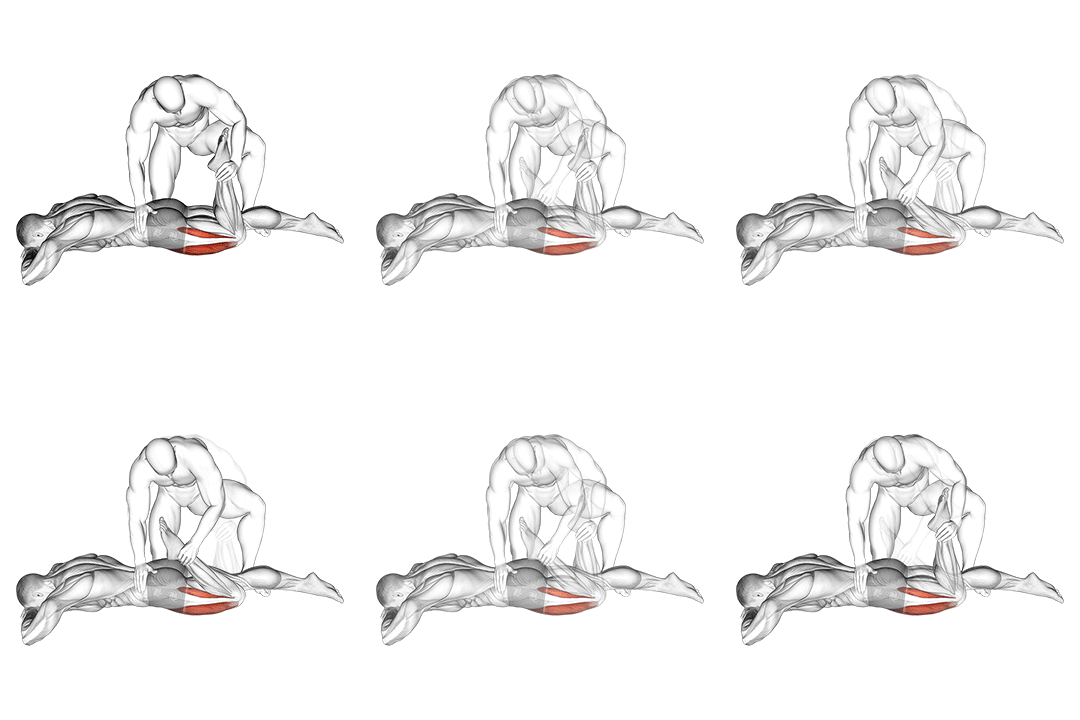
More comparisons with Assisted Prone Rectus Femoris Stretch
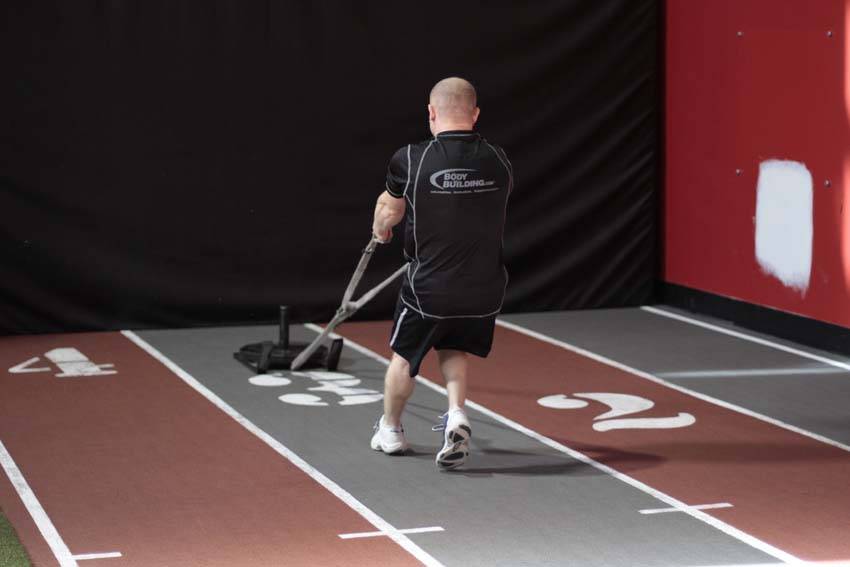
More comparisons with Front Cone Hops (or Hurdle Hops)
Compare More Exercises
Use our free comparison tool to analyze any two exercises head-to-head.
Compare Exercises